Behind the invalidation of the "Grandma's Handmade" trademark, a large number of opportunistic trademarks registered with ulterior motives have been exposed.
Recently, the China Trademark Office has publicized a batch of "scheming trademarks" declared invalid ex officio, including multiple trademarks of Amo Handmade.
A brand that became popular for its "handmade" features has instead stumbled over the very concept of "handmade".
Can tea brands still use the term "handmade" in the future? What words are high-risk red flags? How should brands respond to this situation?
Some Trademarks of Amo Handmade Are Declared Invalid
In the "Scheming Trademarks" column of the China Trademark Office, a batch of "deceptive trademarks that have been declared invalid ex officio" has been recently publicized.
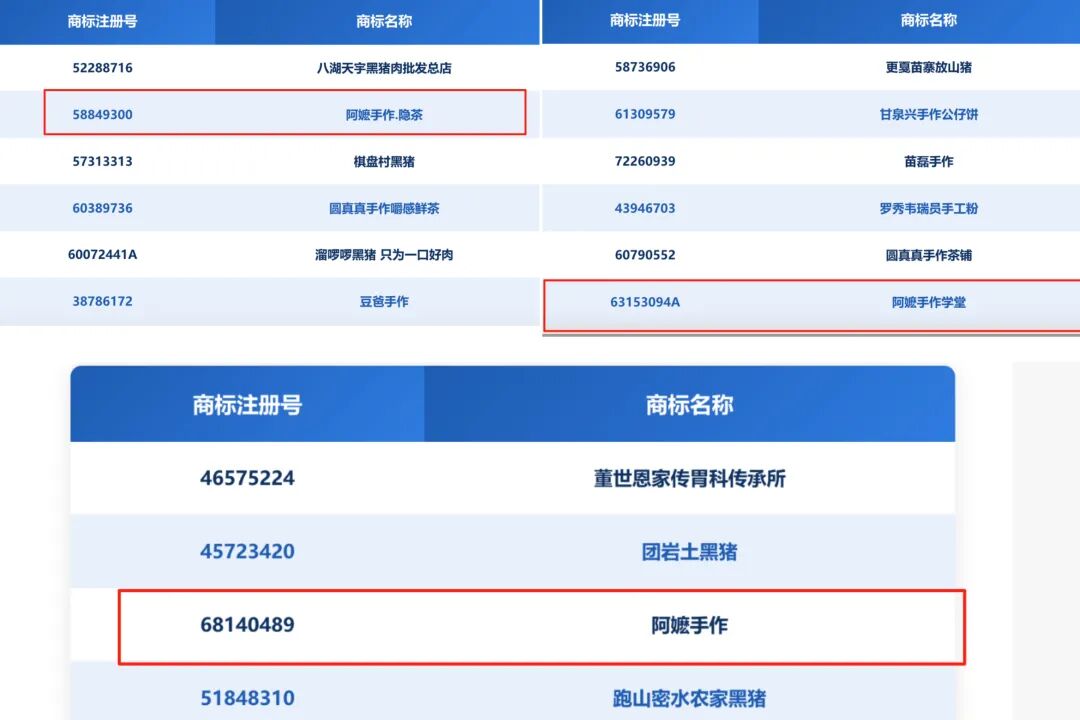
Public information shows that under the name of Guangxi Handmade Xingcun Catering Management Co., Ltd., Trademark No. 68140489 "Amo Handmade", Trademark No. 58849300 "Amo Handmade · Hidden Tea", and Trademark No. 63153094A "Amo Handmade Academy" have all been declared invalid, covering categories such as kitchen sanitary ware, furniture, and convenience food.
The invalidation decision was issued on August 19, and the public announcement was completed on October 13.
The ruling is mainly based on the Trademark Law: signs that are deceptive and likely to cause public misidentification of features such as product quality or origin shall not be used as trademarks. Previously, the China National Intellectual Property Administration has listed expressions such as "handmade" and "hand-beaten" that may mislead consumers about production techniques as key supervision targets.
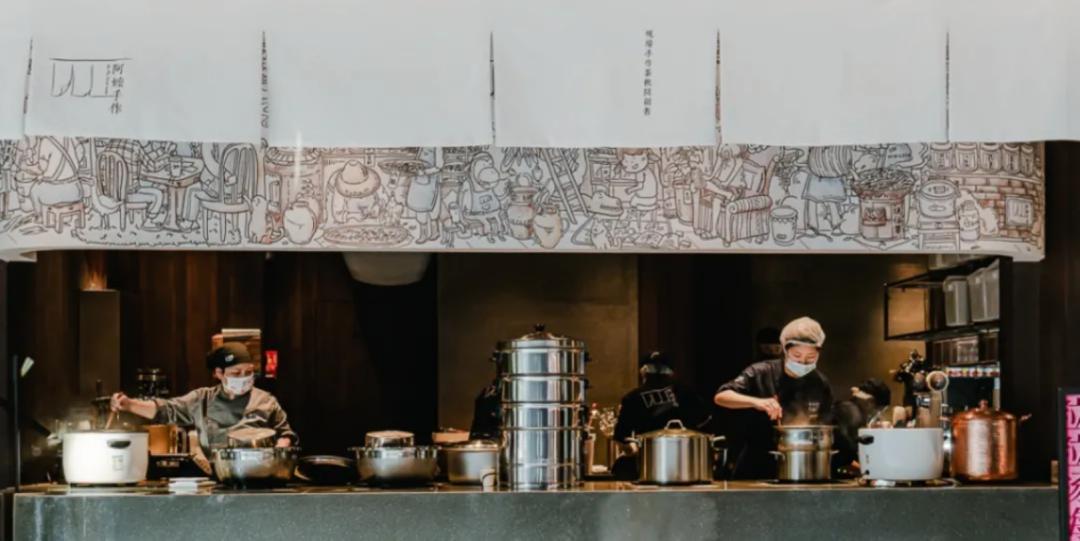
The irony is that "truly handmade, freshly boiled on site" is exactly the core differentiated label of Amo Handmade.
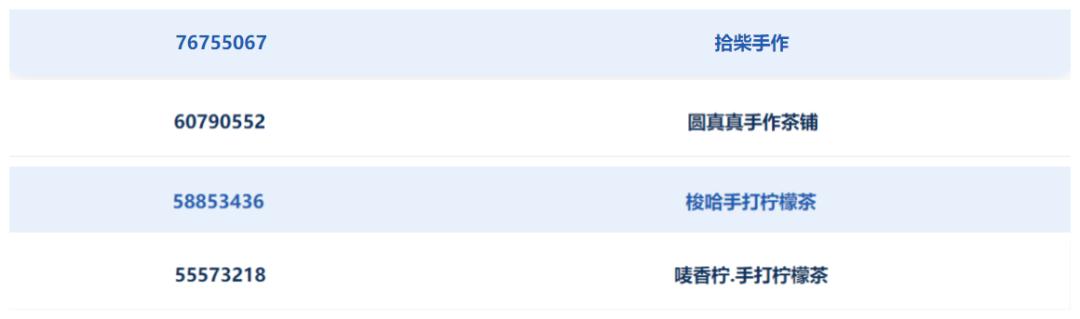
This is not an isolated case. It is found that in the same batch of lists, similar trademarks of many tea brands such as Shichai Handmade, Yuan Zhenzhen Handmade Tea Shop, Suoha Hand-beaten Lemon Tea, and Mai Xiangning · Hand-beaten Lemon Tea have also been declared invalid.
A key question arises accordingly: Can the term "handmade" still be registered as a trademark? What is the actual impact on brands?
Trademark Invalidation ≠ Denial of Handmade Mode, But Exclusive Right Is Lost
Seeing their trademarks declared invalid, many people's first reaction is that Amo Handmade has "hit a wall".
In fact, what the official denies is not the brand's handmade mode, but public words describing techniques like "handmade", which are inherently unsuitable to be registered and protected as the core of a trademark.
A senior industry lawyer told Kamen that what was revoked this time is the registered trademark qualification of the "Amo Handmade" logo, which means the brand no longer has the exclusive right to use this set of logos, cannot use the ® mark, and cannot prevent peers from using similar descriptive words.
However, these characters can still be used as product names and decorations, only with a changed identity — they have degraded from "registered trademark" to an ordinary name.
The more critical risk point is that the legal reason for this invalidation is "deceptive and easy to mislead the public", and the core of the dispute falls on the two words "handmade". That is to say, the words can continue to be used, but the risk still exists: if the brand continues to highlight "handmade" in the form of a trademark later, it may be identified by the official as misleading publicity.
Data from Zhaimen Catering Eye shows that there are as many as 347 catering brands with "handmade" in their brand names. "Handmade" has long been no longer the exclusive selling point of a single brand, but a general expression used by the entire industry. Precisely because it is widely used and highly recognizable, it should not be exclusively occupied by a certain brand as a trademark.
This is exactly why Amo Handmade is included in the "scheming trademark" list.
Three Types of Naming in the Beverage Industry Are Prone to Step on the "Scheming Trademark" Landmine
The so-called "scheming trademark" is not a legal concept, but refers to the behavior that operators register general words describing product quality, raw materials, techniques, origin, weight and other features as trademarks, and then use the trademark form to make consumers mistakenly believe that the products do have these features.
For example, "native eggs from the mountain" are not native eggs, but "native from the mountain" is taken as a trademark; "hand-beaten dried noodles" are machine-produced, and "hand-beaten" is only the trademark name. Trademarks, which are supposed to identify the source of goods, have been turned into "trick tools" to mislead consumers.
In April this year, the China National Intellectual Property Administration clearly stated that it is carrying out special rectification of "scheming trademarks". Since 2023, a total of 1.273 million trademark applications that are easy to mislead consumers have been rejected; as of October 2026, a total of 3,761 such trademarks have been declared invalid ex officio.
The newly revised Trademark Law clearly stipulates: for those who use registered trademarks in a way that misleads the public, if the illegal business turnover is more than 50,000 yuan, a fine of less than 5 times may be imposed; if the illegal business turnover is less than 50,000 yuan or there is no illegal business turnover, the maximum fine is 250,000 yuan; for those who refuse to make corrections within the time limit, the registered trademark shall be directly revoked.
Combined with the typical cases released by the China Trademark Office, it is found that the beverage industry has the following 3 types of high-risk red flags.
1. Process category: Handmade, ancient method, and freshly squeezed are the "first red flag zone"
Process-related words are highly suggestive, which is the red line that Amo Handmade stepped on.
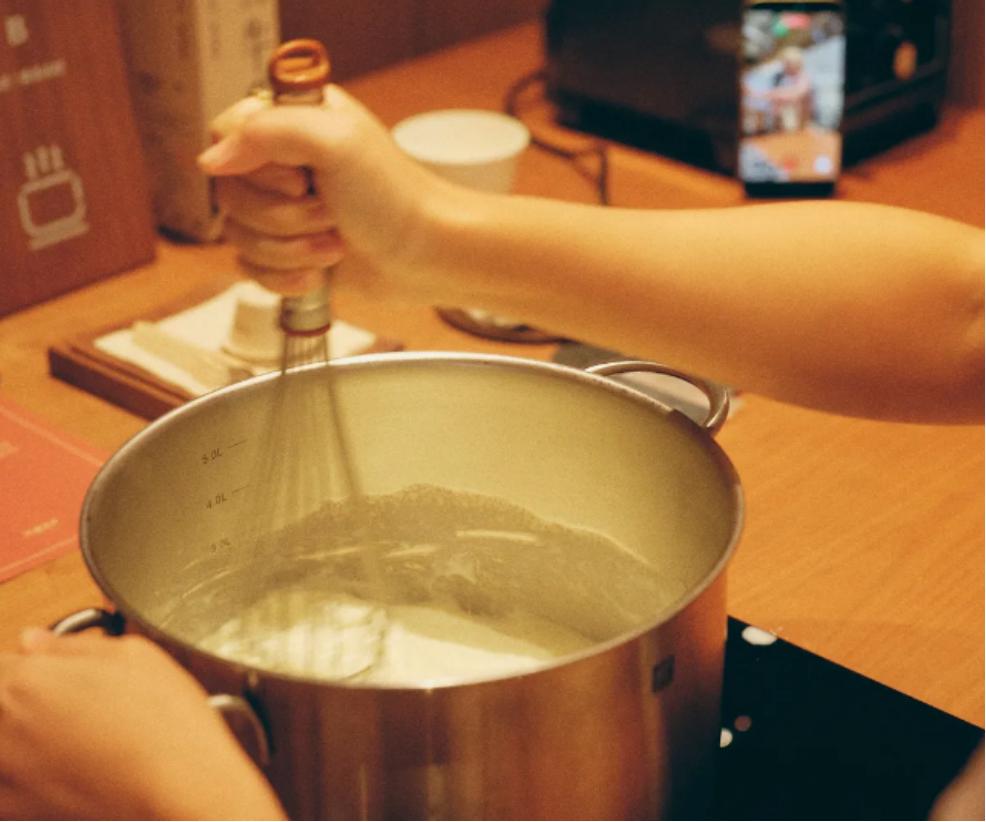
Similar cases are not uncommon: Chen Keming registered "hand-rolled" as a trademark, but the products are actually machine-made noodles; Jin Mailang's "hand-beaten dried noodles" were suspended from use; "Hu Jihua Ancient Method Soil Pressing" and "Jinlongyu Soil Pressing Flavor" under Yihai Kerry were also declared invalid ex officio in August 2026, for the same reason of "being deceptive".
Process words themselves can describe products, but once they are registered as trademarks and used to distinguish sources and displayed prominently, they change from "description" to "endorsement".
For beverage brands, handmade, manual, hand-beaten, freshly boiled, freshly extracted, freshly roasted, ancient method, traditional method, etc., are all high-risk words.
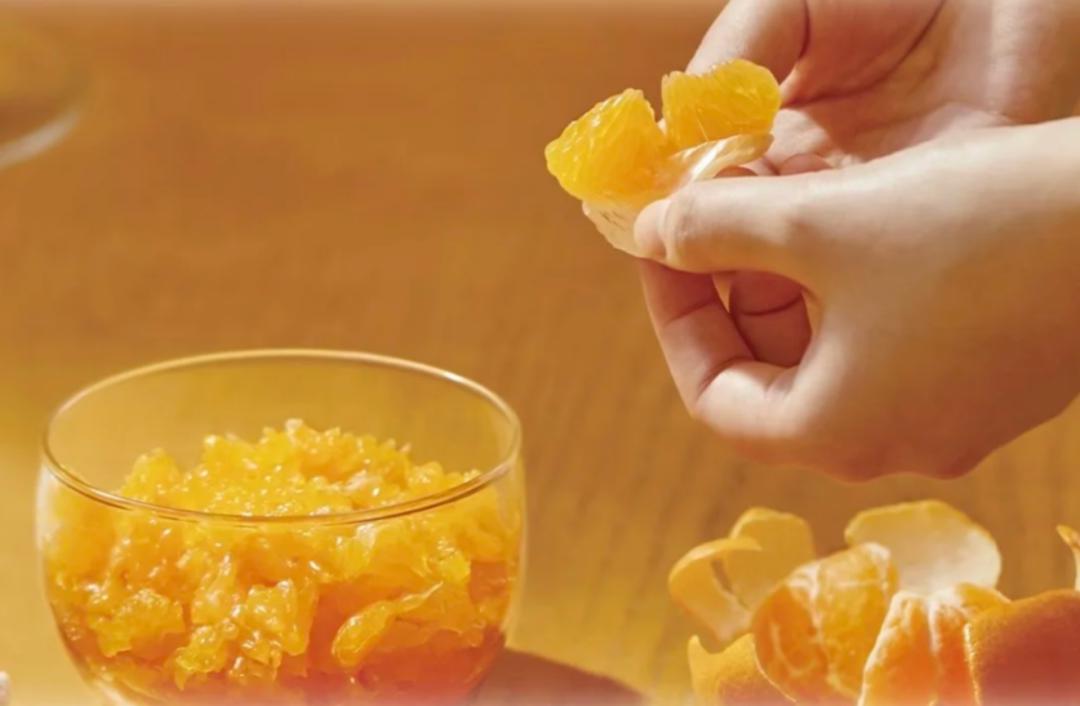
2. Raw material and ingredient category: Buffalo milk, 0-addition, and sugar-free are also high-risk areas
Raw materials, ingredients and efficacy are also the areas that tea, coffee and other brands most love to "encircle words".
Buffalo milk, raw milk, grassland milk, pasture direct supply, as well as zero sugar, sugar-free, zero calorie, 100%, plus efficacy words such as selenium-rich, high protein, organic, stomach-nourishing, and heat-reducing, all belong to high-risk expressions.
In April this year, the China Trademark Office released a number of typical rejection cases. For example, the "buffalo formula" trademark was an attempt by merchants to monopolize the popular raw material concept of "buffalo milk"; "Jinbei Zero Sugar Raw Coconut" was rejected also because "zero sugar" and "raw coconut" were embedded in the trademark, so consumers would directly take them as the real raw materials and attributes of the product, which is extremely easy to cause misidentification.
3. Origin and production area category: Special attention should be paid to place names and years
Origin and production area related words are another high-frequency red flag in the beverage track. Trademarks such as "Hong Kong Pharmacy" and "ripe on the tree" are typical previous cases that mislead the public in terms of source, origin or product maturity.
In 2025, the China National Intellectual Property Administration has clearly required: Content such as place names and years will be included in supervision if they are likely to cause consumer misidentification.
For categories such as tea, fruits and milk raw materials, brands are accustomed to using production areas to tell stories. Well-known production area names such as Wuyi rock tea, New Zealand milk source, and Yunnan coffee will directly make consumers associate with specific origins and quality. If the product does not come from the corresponding production area, but the production area name is registered as a trademark and used prominently, it is very easy to be identified as deceptive.
The Concentrated Cleanup of "Scheming Trademarks" Reminds the Tea Industry
The competition in the new tea industry is becoming increasingly fierce. Many brands are accustomed to writing selling points directly into brand names and trademarks: handmade, hand-beaten, freshly extracted, freshly squeezed, ancient method, zero-addition... These words are highly suggestive and can convey product features to consumers at a glance, becoming a drainage weapon for many brands.
However, this batch of invalidation cases has drawn a clear boundary for the industry: Process descriptions can be truthfully stated, but cannot be snatched and monopolized as trademarks.
Since the beginning of this year, there have been more than one trademark-related disputes in the beverage industry. Previously, LV sued Molinaibai for trademark infringement, and the first instance sentenced the latter to compensate 10.3 million yuan. Although Molinaibai later stated that it would appeal and the first instance judgment has not taken effect, this incident has put the trademark risks of tea brands on the table.
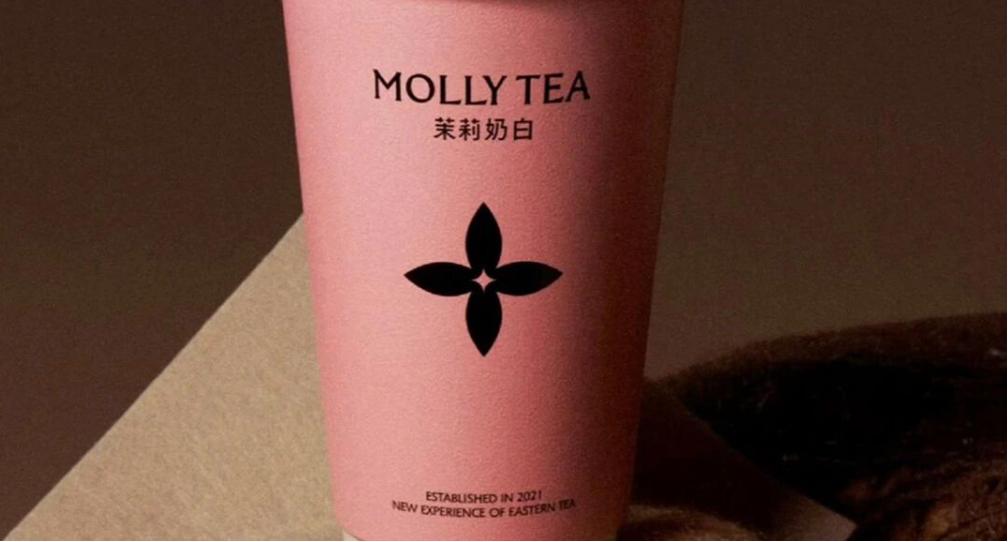
When a brand grows bigger, every word on its name, logo and packaging may become a battlefield. The previous practice of thinking that "once registered, it is safe" is not necessarily reliable now.
The essential function of a trademark is to distinguish brand sources, and it is the "identity card" of a brand. Once it becomes a tool to play word games and imply product quality, it will not only disrupt the trademark registration order, but also consume consumers' trust.
Supervision does not prohibit brands from promoting their selling points, but stops the clever trick of "seizing general words with trademarks to create cognitive misleading".
For tea brands, the real differentiation ultimately lies in stable product quality and visible production techniques, rather than betting on a word with descriptive attributes.
This article is from the WeChat official account "Kamen" (ID: KamenClub), written by Wu Yue, and published with authorization from 36Kr.