Be wary of the fresh snack industry: there are a large number of customers queuing up, yet very few capitals have actually stepped into this track.
The Fragmented Fresh Snack Track
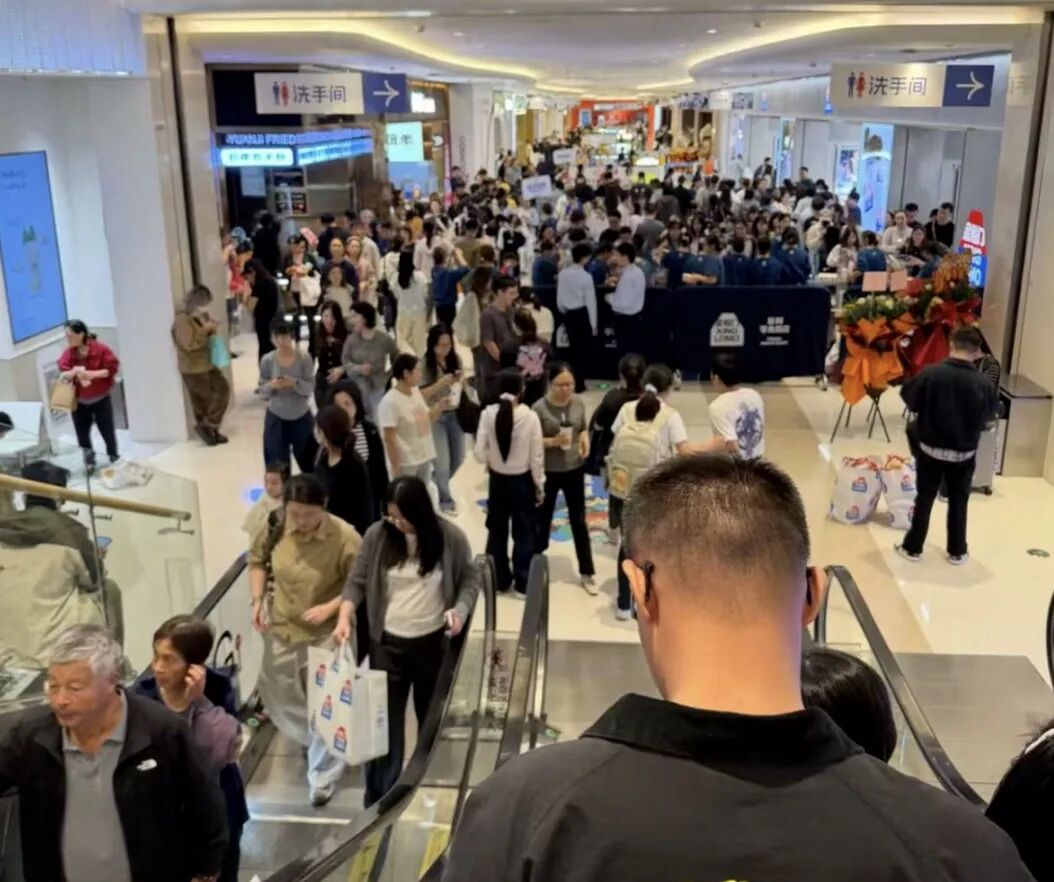
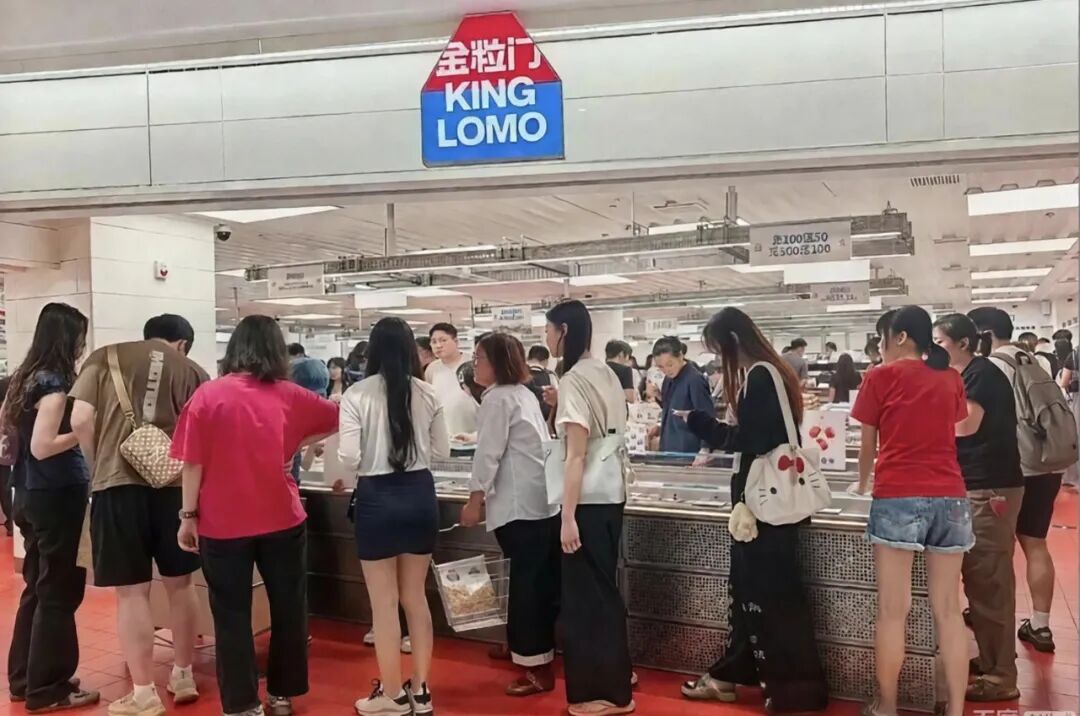
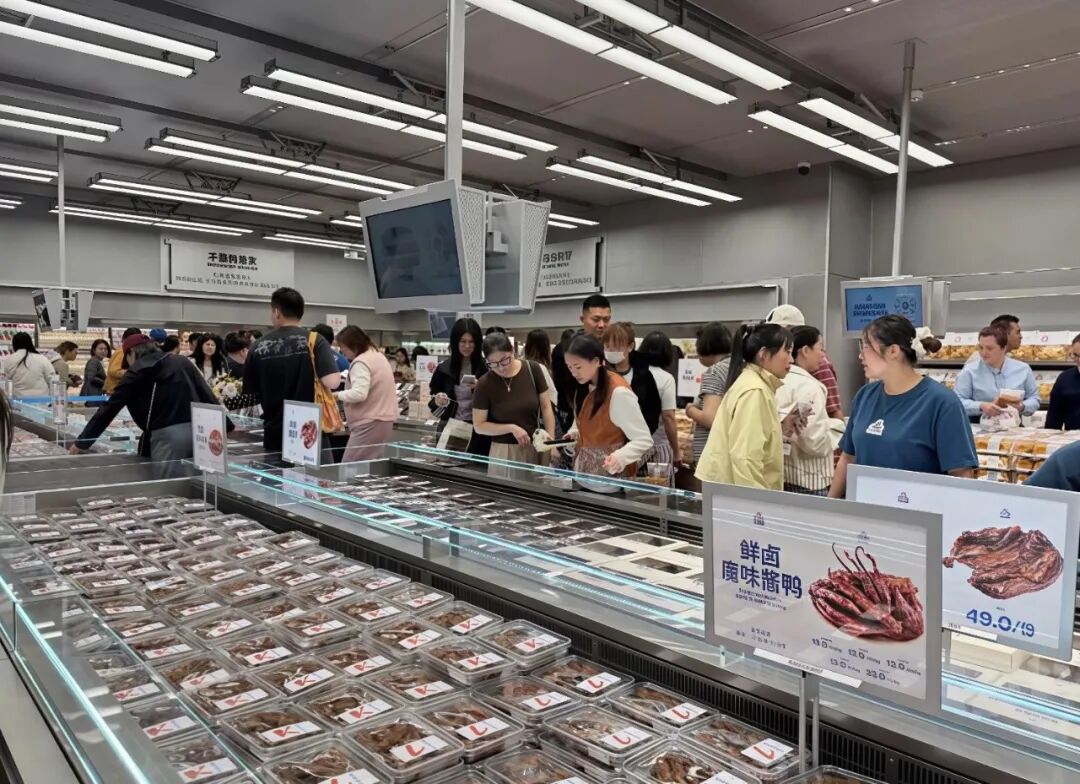
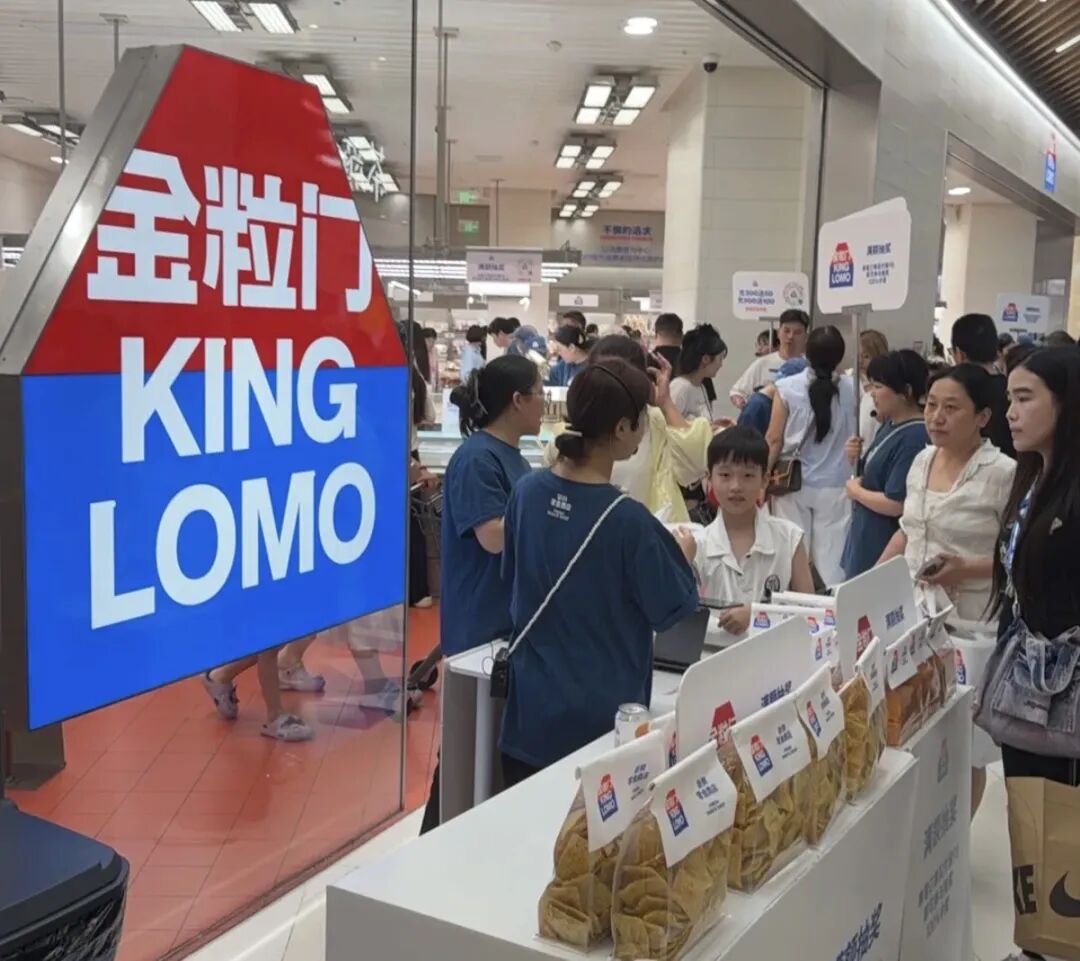
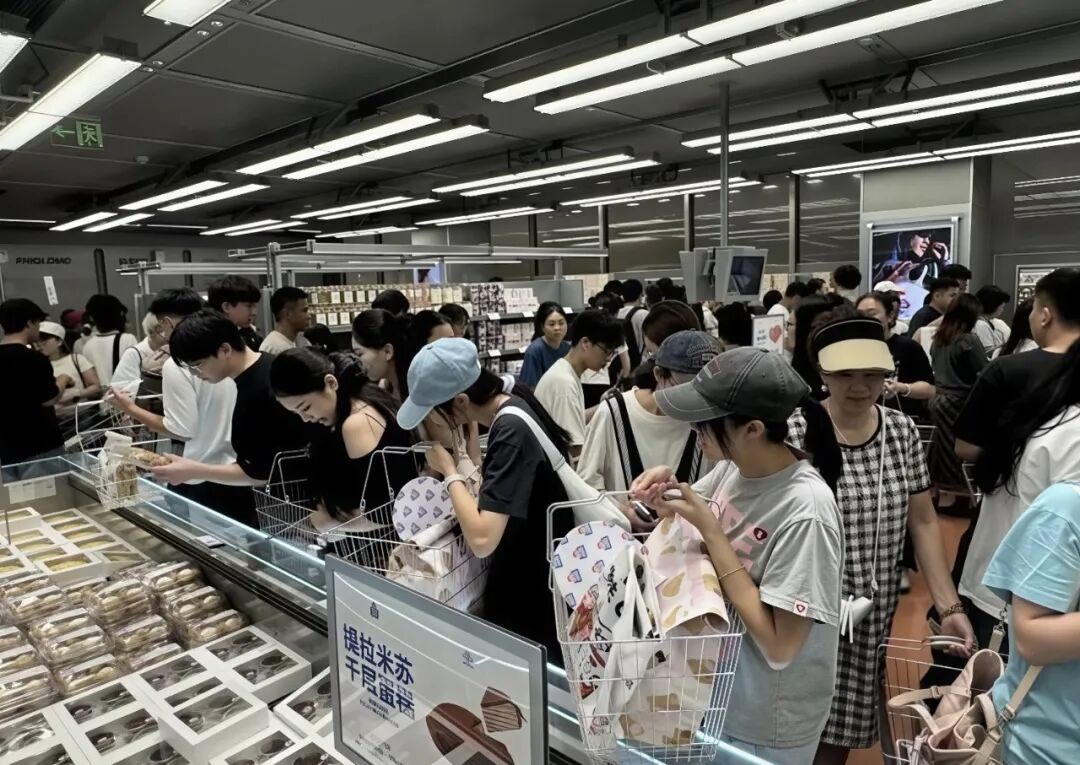
On the B1 floor of Shanghai Minhang MixC, the 400-square-meter store of Jinlimen is packed with crowds, and there is a continuous line of people waiting outside the entrance.
This was the grand opening scene of Jinlimen's first store in Shanghai on October 15. Ten days later, on the evening of October 25, Shanghai MixC released an announcement stating that the store was temporarily closed due to heavy passenger flow, and the reopening time would be notified separately.
More than three months ago, on July 10, Jiduquan temporarily closed its registration channel for city partners. This fresh snack brand with more than 200 stores officially explained that it needed to complete the qualification review and regional coordination of existing intended partners to ensure the orderly implementation of the national layout plan.
Some media reports also mentioned that customer service stated there were too many franchise applications and the drawing capacity of the store design team was saturated. But another statement in the industry is that the supply chain cannot keep up.
Although these are two different development paths, they are exactly the truest portrayal of the fresh snack track in 2026. Different enterprises will have different strategic and tactical choices at different development stages.
What the industry is more concerned about is the attitude of capital.
From September to October, the operating entity of Jinlimen successively completed two equity financings. WU Yuening, founder of KK Group, and the operating entity jointly hold 10% of the shares, and the related entity of Bu'er Capital holds 3.5%.
To a certain extent, this is the first truly landed external industrial capital since the birth of the fresh snack track. But if you shift your attention away from Jinlimen, you will find an awkward fact: none of the Series A financing of other brands has been officially announced and landed.
A report released by Zhongtai Securities in June this year shows that in 2025 alone, there were more than 20 financings in the track, with a total amount exceeding 1 billion yuan. However, a detailed breakdown of the structure shows that most of them are small early-stage financings, and there is not a single large transaction at the Series A level led by top-tier institutions.
In August 2026, Shenzhen Business Daily · DuChuang reported that leading native brands such as Jinlimen, Jiduquan and Yili had previously contacted for Series A financing, and the market-discussed valuation was concentrated in the range of 2 billion to 3 billion yuan, but relevant transactions still remained at stages such as investment intention and due diligence.
In other words, investors did not fail to come, but after inspection, they need more supporting evidence.
In the view of ZHANG Yuhai, founder and chairman of Qihuojie, capital's recognition of fresh snacks is still insufficient. "The dilemma faced by industrial capital is the reason why they are eager to enter the market. But at the same time, some capital is hesitating because they are afraid of a more uncertain future," ZHANG Yuhai told *Lingshou*.
KK Group and Bu'er Capital have indeed set a "precedent". However, there is a founder-level connection between Bu'er Capital and KK Group. WU Yuening himself is not only the founder of KK Group, but also an investor who co-founded Bu'er Capital. Therefore, Jinlimen has received two consecutive investments in a short period of time. Although the two investments involve different entities, it is more appropriate to be understood as a continuous increase in capital from the same industrial capital system, which is not enough to prove that a general investment consensus has been formed in the fresh snack track.
But this does not mean that the investment has no value. On the contrary, the KK-series capital is willing to continuously increase its investment, which shows that Jinlimen's products, stores and channel collaboration capabilities are quite attractive.
Of course, the fact that one enterprise obtains investment is two different things from the fact that an industry is worthy of large-scale betting.
In a track where consumers are queuing, some brands suspend franchise recruitment, and most capital is still waiting and watching, it also reflects the booming state of the fresh snack track and the cautious attitude of capital.
Over the past year or more, fresh snacks have rapidly evolved from a new face on the negative first floor of shopping malls to one of the most bustling tracks in the snack industry.
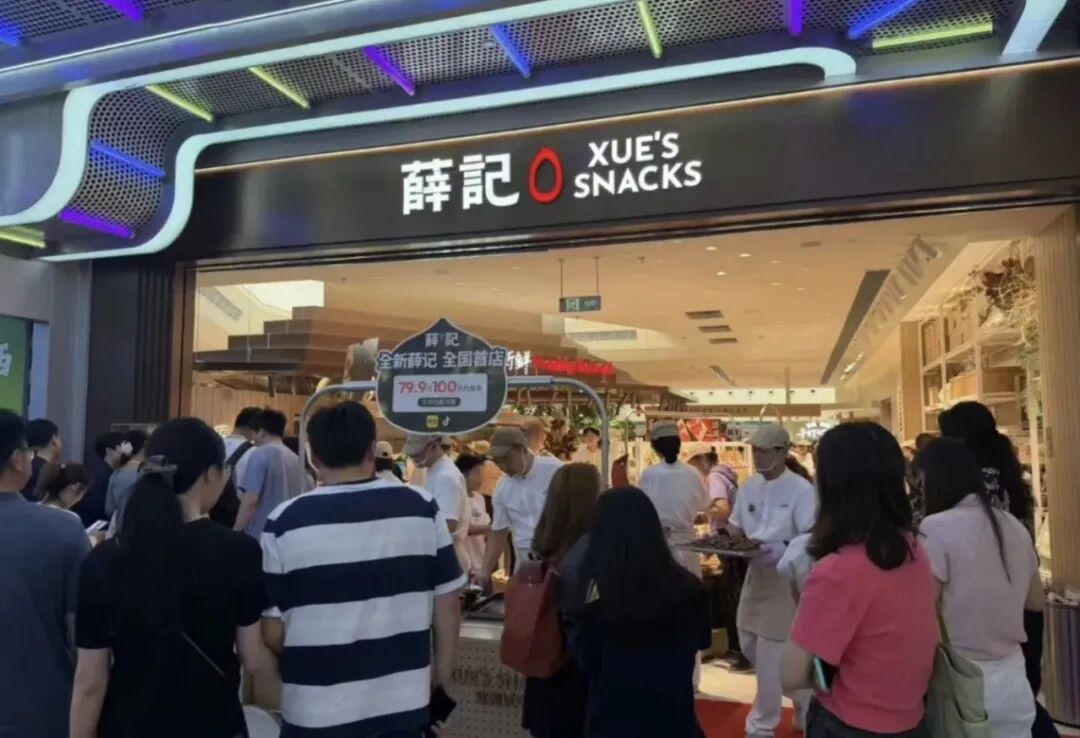
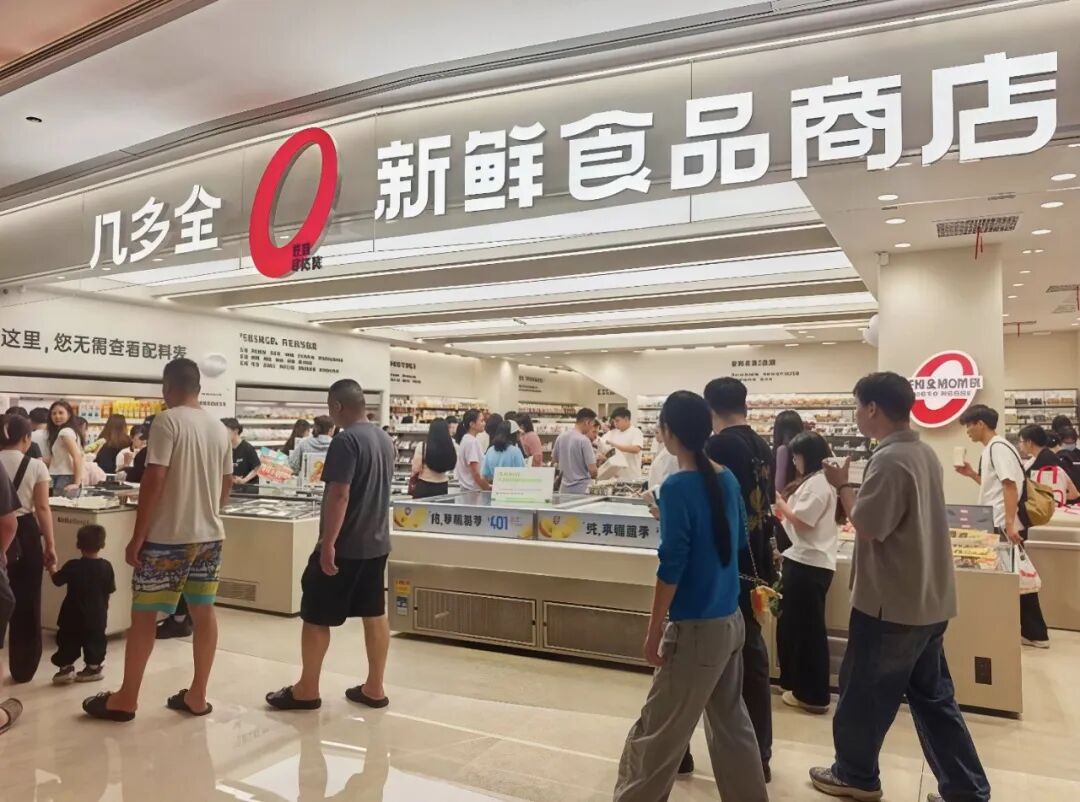
Brands including Jinlimen, Jiduquan, Yili and PU Mama are accelerating store opening, traditional roasted nut enterprises such as Xueji Roasted Nuts and Lishanghuang have started to renovate their stores, and enterprises such as Juewei Food, Yuyu Food, Laiyifen and Three Squirrels have also joined in one after another.
In the second half of 2026, some traditional supermarkets have also begun to launch fresh snack zones or add more fresh snack products.
However, in the booming fresh snack track, several issues have not been fully demonstrated in practice:
If a product tastes good, can it be converted into stable repurchase? If a store has high sales, can it achieve long-term profitability? If a brand has achieved operational success in Changsha, can it still make profits in Beijing, Shanghai and Shenzhen? When franchisees are queuing up to sign up, is the headquarters' supply chain, management and quality control capability fully prepared?
These issues are the real life-and-death line for fresh snacks.
For investors, what they need to be alert to is not the fresh snack direction itself, but taking temporary popularity as long-term certainty.
In addition, franchisees are reminded to weigh the pros and cons before entering the market. Making large investments before the business model is fully verified carries relatively high risks.
Why is capital hesitant about fresh snacks? Why did Jinlimen get the financing first?
The reason why capital is hesitant is that what fresh snacks can most easily show at present is the popularity, short-term sales and expansion plans when the stores open.
But in fact, what capital values most is real data, and what fresh snack enterprises most need to prove is the profit, repurchase rate, cash flow and organizational management capability after cross-regional operation.
None of these points can be proved by a single opening activity.
But in ZHANG Yuhai's view, capital has been keeping an eye on the fresh snack track without rushing to enter the market, mainly for three reasons: first, data. Sales data, store opening data and expense data are all the root causes; second, most of the fresh snack store models on the market are copied, which cannot clearly explain the underlying logic of this business and put it into practice well; third, the future imagination space of the industry may be an "empty pie" without real supporting basis.
Jinlimen's operating data is indeed quite attractive. A survey by Hwabao Securities cited in public reports shows that the average monthly sales of Jinlimen's sample stores are about 1.5 million to 2 million yuan, high-quality stores can reach 4 million yuan, and the gross profit margin is about 35% to 40%. Judging from these figures, the sales scale of fresh snack stores located in high-quality business districts is quite considerable.
However, it should be noted that these data come from survey samples, which does not mean that all stores can reach the same level. In addition, sales are not profits, and gross profit margin is not net profit margin.
When a store sells 1.5 million yuan of goods every month, it has to deduct the cost of goods, loss, staff salaries, rent, decoration depreciation, headquarters management fees and other expenses. Especially when the store is located in a shopping mall, behind the impressive sales, there are often high rent and decoration investment.
For investors, what really matters is not whether a single store can achieve 4 million yuan in sales, but how many stores can continue to make profits; not how much is sold in the first three days of opening, but how much sales remain half a year after opening; not whether the headquarters can open stores, but whether the newly opened stores can achieve operational self-sufficiency within a reasonable period of time.
Jinlimen's acquisition of financing is a positive signal.
Why choose Jinlimen? The answer may lie in two figures: 48 directly-operated stores, and a loss rate controlled below 4%.
Jinlimen transformed into the fresh snack sector in 2021. Before expanding out of Hunan, that is, by May 2026, it only opened more than ten stores in Hunan and Hubei, all of which were directly operated without any franchise. This seems a little alternative in the new consumer track that emphasizes speed, but it is this slow pace that allows it to control the loss well. It is said that the average loss rate of the industry is 8% to 15%, while Jinlimen has reduced it to below 4%.
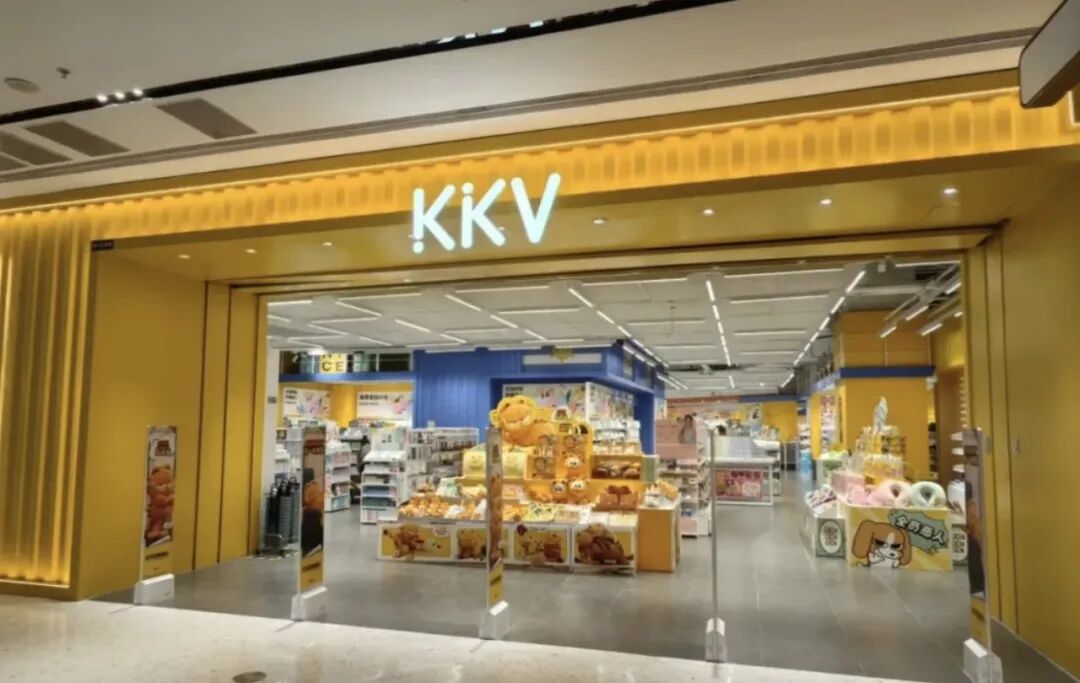
What KK Group values is exactly this proven fresh food supply chain capability. KK Group owns multiple retail brands such as KKV, THE COLORIST and X11. As of September 2026, the total number of offline stores of the group's brands exceeds 1380. From another perspective, what it lacks is exactly the high-frequency fresh food category. One side has channels but lacks products, and the other side has products but lacks channels. The logic of this transaction is very clear, which can be seen at a glance.
For Jinlimen, it may benefit from KK Group's commercial resources and store operation experience, which will not only help it expand the market, but also reduce part of the cost of opening new stores.
For KK Group, after introducing fresh snacks, the original retail scene may add more immediate consumption and experience-oriented products.
Although the two parties have reached a cooperation, it is too early to interpret this as the fresh snack track has obtained the collective endorsement of capital.
Why has capital observed for so long while few investments have actually landed? Looking back at the changes in fresh snack financing, we will find that capital is not uninterested, but needs data to support more certainty.
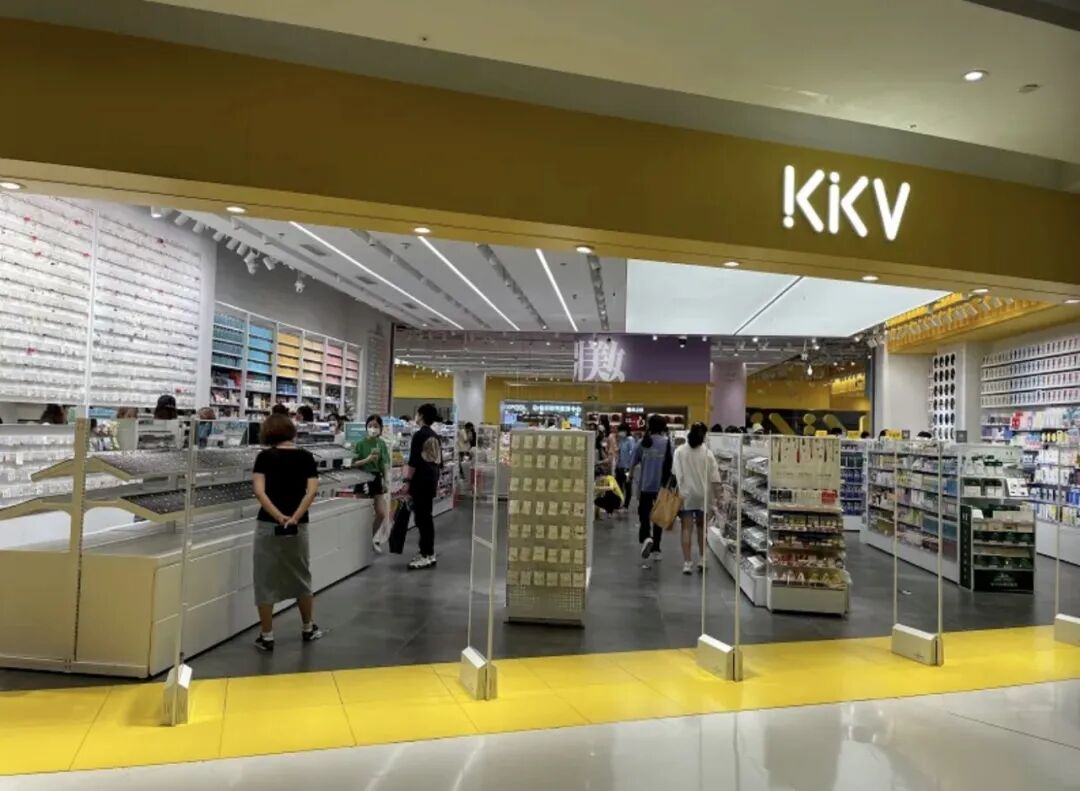
Leading brands such as Jinlimen and Jiduquan were rumored to be in contact for Series A financing back in 2026, and the market-discussed valuation was about 2 billion to 3 billion yuan. But as of August, the relevant transactions had not been officially announced. Jinlimen successively ushered in equity changes involving KK-series capital and related entities of Bu'er Capital in September and October.
It can be seen from these news that capital has been paying attention to the fresh snack track, but is not in a hurry to make large-scale investments, mainly for the following reasons:
First, the single-store model still needs longer-term verification.
When fresh snack stores first open, the popularity and sales are relatively high, but it still takes time to observe to form long-term and stable repurchase. In other words, whether customers are willing to keep coming back is the key to measuring the quality of the business.
Consumers may enter the store for the first time for various reasons, such as out of curiosity, for the novelty, for on-site tasting, or being recommended on social platforms; but the willingness to enter the store for the second and third times depends more on the taste, price, product update frequency and daily consumption demand.
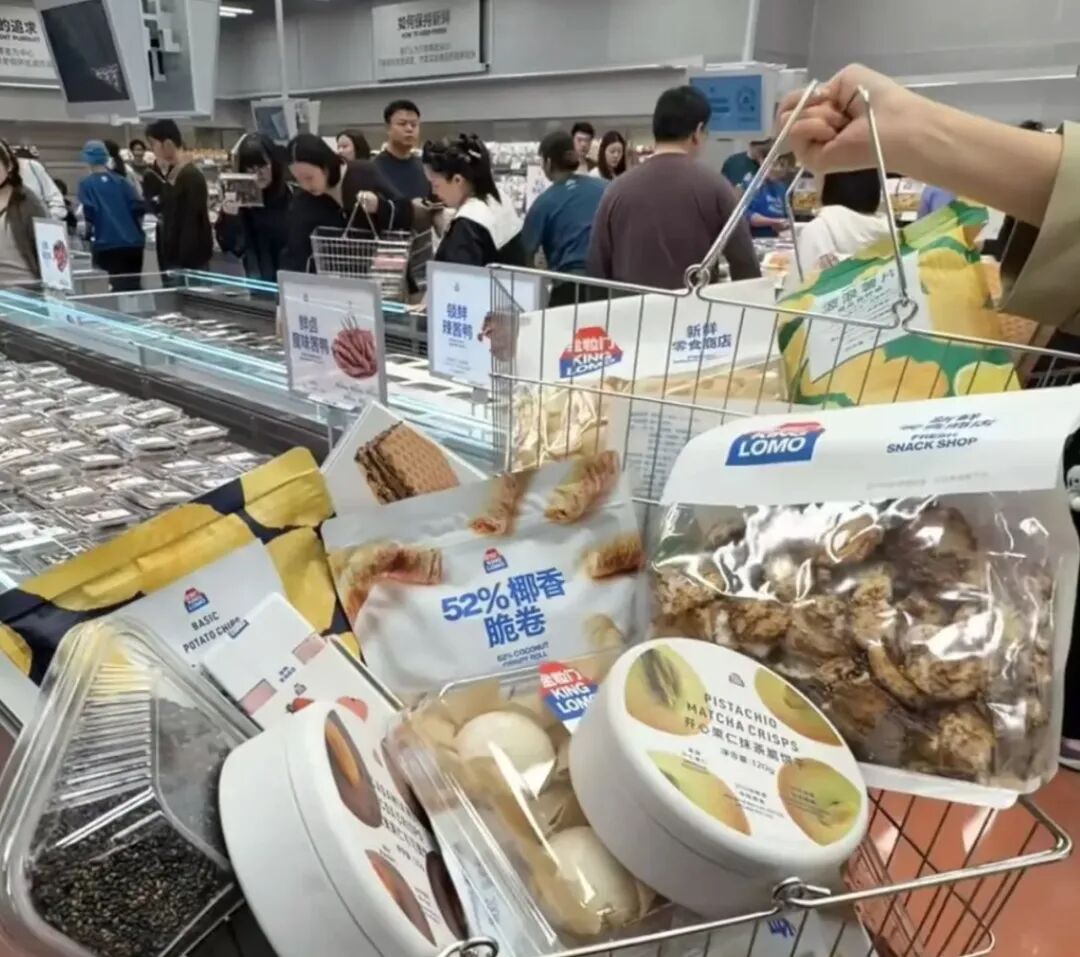
What capital hopes to see is the sales changes in different months, same-store growth, repurchase rate, loss rate and cash flow, not the opening data of several star stores.
Second, heavy-operation business formats are not necessarily suitable for rapid franchise expansion.
Fresh snacks include food production, short-shelf-life management, cold chain distribution and terminal retail at the same time. The more stores there are, the more personnel, training, supervision and quality control resources the headquarters needs to invest.
If the number of stores grows rapidly while the headquarters' management capability cannot keep up, the scale may instead become a burden.
Third, there is still a gap between valuation and operational certainty.
Indicators such as revenue, profit, cash flow and expansion capability are the foundation to support a valuation of 2 billion to 3 billion yuan. For companies that are still verifying their regional business models, even if their future growth space is large, it cannot completely replace the current operational certainty. The