BYD's version of Rolls-Royce has been exposed.
After the Yangwang U8, BYD's higher-end model has been exposed:
The news about the new car codenamed HU is getting increasingly popular.
Middle Eastern royals get to inspect the car first, the rumored price has reached 2 million yuan, it adopts a coach door design, and solid-state batteries may also be installed on the car... Each point on its own is enough to spark heated discussions for quite a while.
Especially the last point.
The solid-state battery that BYD has independently developed for years may be directly installed in a million-level ultra-luxury sedan, with mass production kicking off as early as 2027. Coupled with the already unveiled technologies such as ultra-fast charging, Cloud Chassis, and e-Platform 4.0, this new car nicknamed "Pingshan Rolls-Royce" is highly anticipated just by imagining its configuration.
Of course, rumors are just rumors. To find out exactly what technologies HU is equipped with, we need to break down its specifications one by one.
Pingshan Rolls-Royce, priced at 2 million yuan?
Let's start with the vehicle itself.
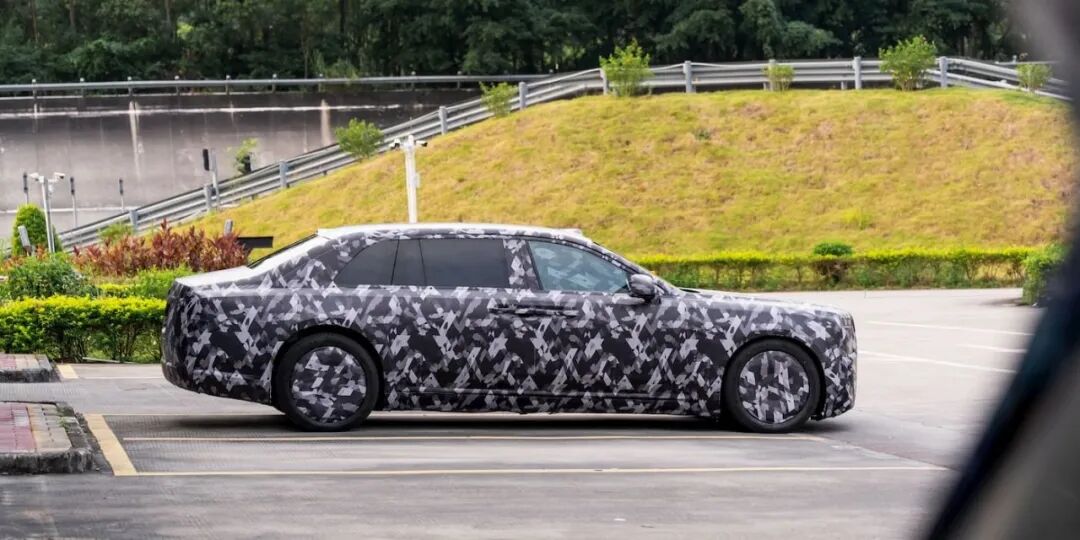
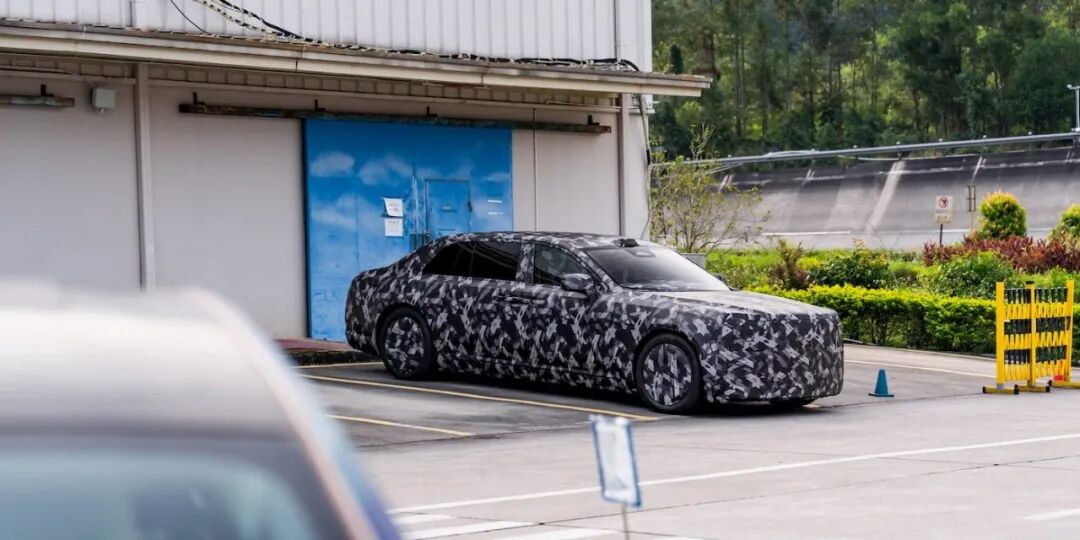
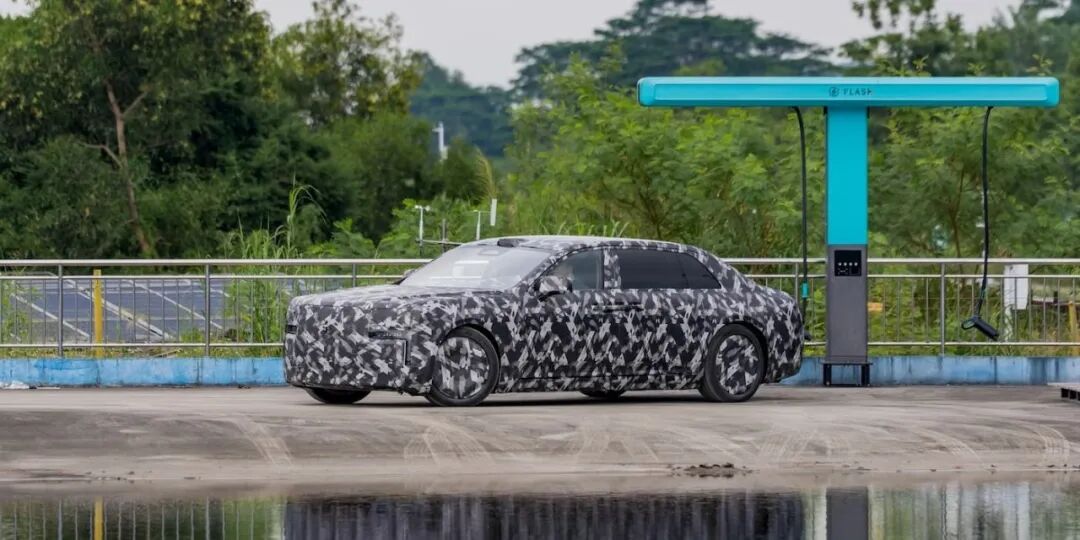
According to the exposed spy photos, it is clearly an ultra-luxury executive sedan.
It has a slender body outline, a square stance, adopts a coach door design, and a LiDAR can be seen on the roof.
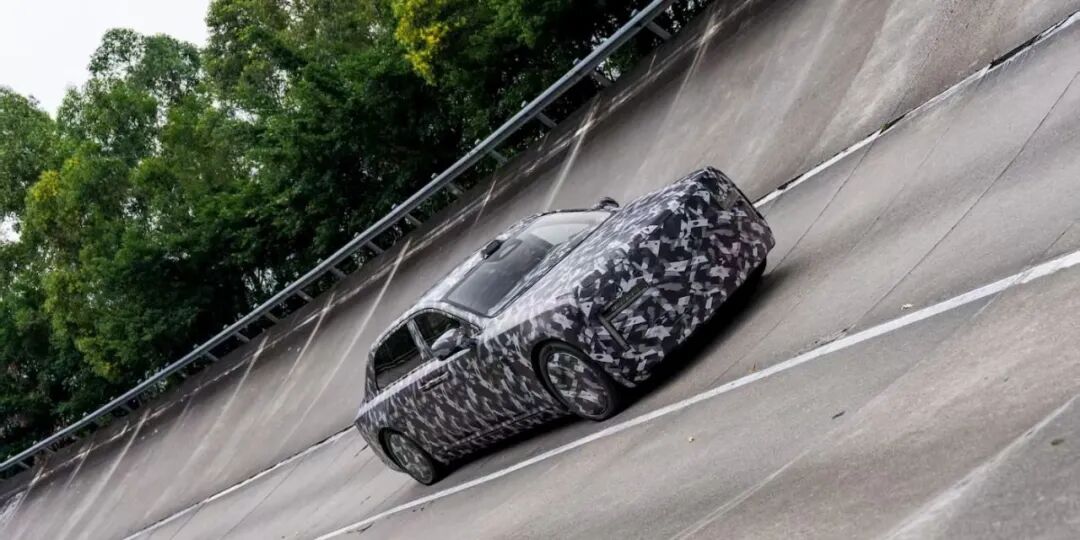
Combined with the leaked road test photos, it is estimated that its body length is about 5.5 meters, and the wheelbase may reach around 3.4 meters.
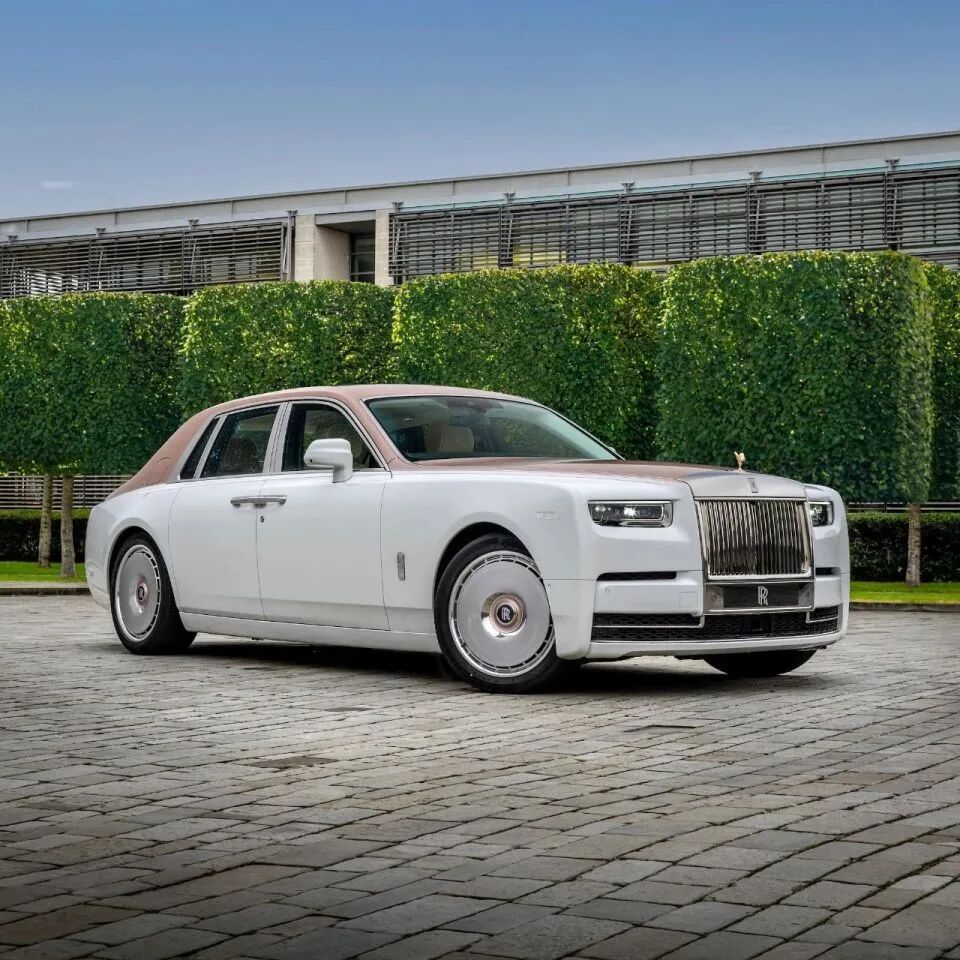
In the international market, the Rolls-Royce Ghost, Bentley Flying Spur, and Mercedes-Maybach S-Class are unavoidable reference benchmarks;
In the domestic market, models such as the Zunjie S800 are also competing in this segment.
The common feature of these cars is that their body size, cockpit space and exterior presence all match their flagship positioning.
But their product personalities are different: Rolls-Royce puts more emphasis on composure, quietness and high-level customization, Bentley balances luxury texture and driving performance; Maybach focuses on rear-seat comfort and executive experience; while Zunjie takes intelligent cockpit, assisted driving and Huawei ecosystem as its core selling points.
To find its own position, HU first needs to let consumers clearly see what unique advantages it has in terms of user experience.
BYD's advantage, of course, lies in its accumulated electric vehicle technology reserves.
The e-Platform 4.0 can independently control the power of all four wheels, the Cloud Chassis is responsible for body posture and suspension control, and ultra-fast charging is designed to reduce energy replenishment waiting time.
However, these technologies have already appeared in BYD's existing products, and the previous Yangwang U8 and U7 are equipped with their high-end versions.
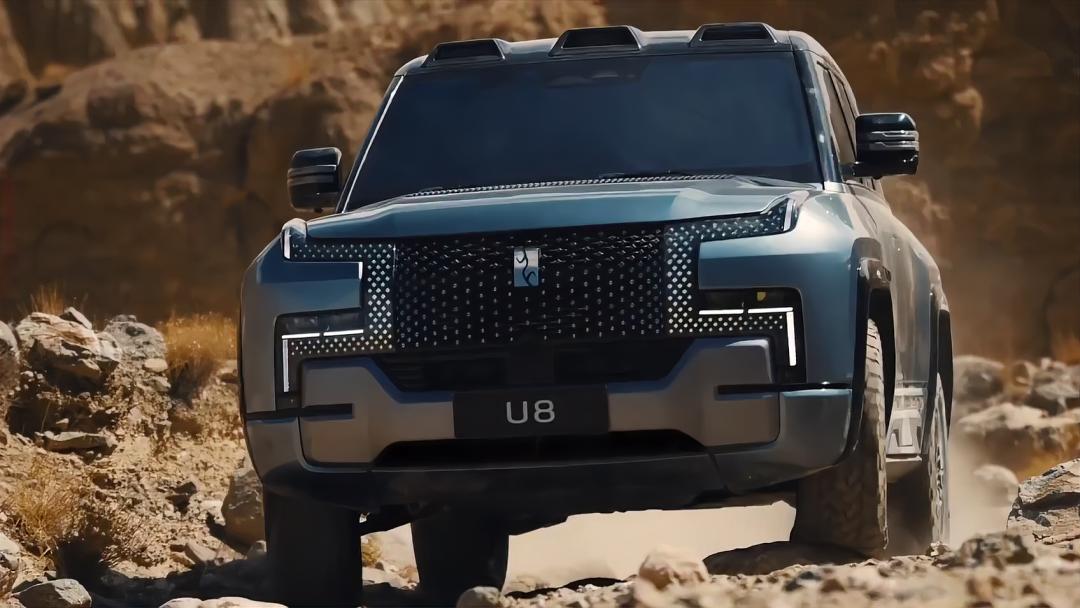
If HU adopts related technologies, apart from being "the top-spec version", the real highlight lies in how to match these technologies to a large executive sedan:
Whether the power output is smooth enough, whether the chassis can filter road impacts, whether the body can remain stable during acceleration, braking and turning, and whether the energy replenishment experience can match the travel habits of high-end users — that is, the experience, atmosphere, and even a sense of belonging and identity, which is the "subtle competition" that Chinese brands generally lack.
Statements such as in-wheel motors, megawatt-level ultra-fast charging, and top-spec Cloud Chassis also keep appearing in speculations about HU. However, at this stage, the most concerning part is still the solid-state battery.
The reason is very simple: solid-state battery is the technical route of the next-generation power battery.
The rumored 2 million yuan price tag may also be related to the assumption of limited-edition, high-spec battery versions.
The second round of electric revolution is coming soon?
The appeal of solid-state batteries is concentrated in three aspects: higher energy density, greater safety design space, and the potential to further improve fast charging performance. If all these advantages are realized, the range, weight, energy replenishment experience and even the overall layout of electric vehicles will undergo qualitative changes.
In other words, the second round of electric revolution driven by solid-state batteries will completely replace the necessity and convenience of fuel vehicles, and deliver a leading experience, while traditional fuel vehicles may retreat to the fields of "motorsports and competitions", just like equestrianism in the old days, and become an elegant and expensive niche hobby.
Of course, some manufacturers before, such as Chery, have given the timetable for full solid-state battery installation on vehicles, but a closer look at the parameters shows that it is actually similar to BYD's current second-generation Blade Battery.
Therefore, BYD's products are highly expected to achieve "breakthroughs".
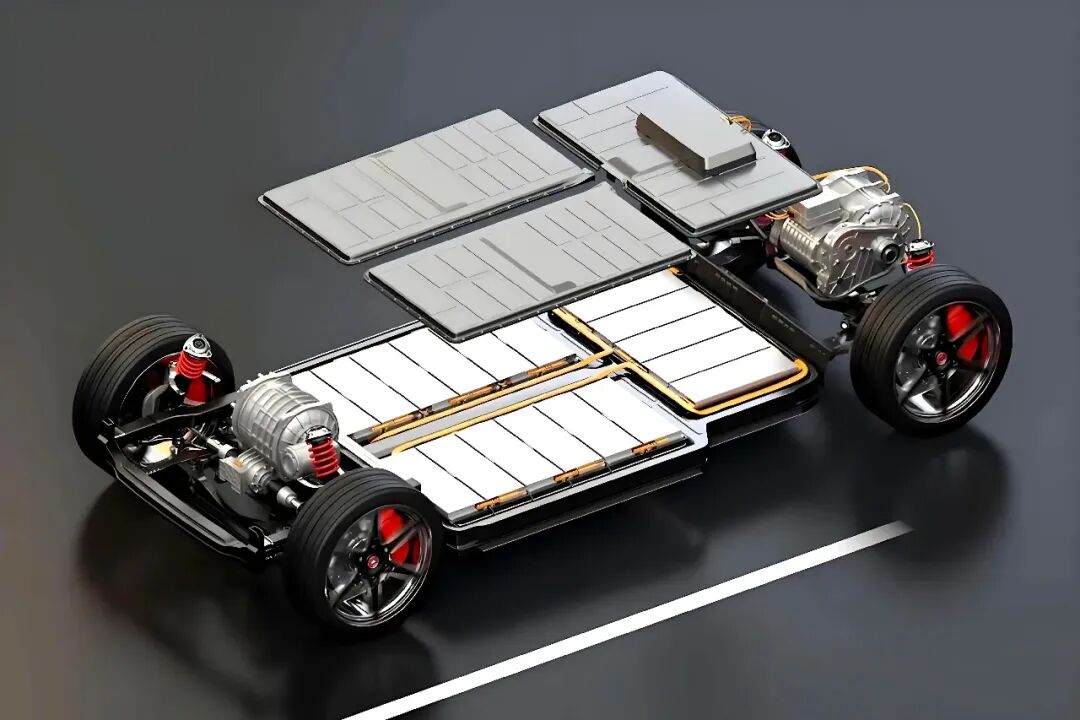
The most noteworthy technical route to analyze is how it solves the engineering difficulties among the positive electrode, negative electrode and electrolyte.
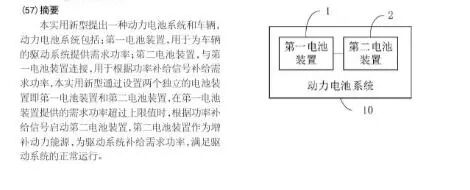
Public patents show a set of mutually coordinated designs: the positive electrode stabilizes the interface through composite coating, the negative electrode controls the expansion of silicon through structural design, and the electrolyte combines sulfide and halide to take into account ion transmission and interface stability.
Let's look at the positive electrode first. BYD uses high-nickel ternary material as the positive electrode active material, and designs a structure combining single crystal and polycrystal in related patents.
Single crystal particles are relatively less likely to crack along grain boundaries during repeated charge and discharge cycles, which is conducive to maintaining cycle stability;
Polycrystalline materials help to improve rate performance. Combining the two structures can take into account capacity, charge and discharge performance and cycle life at the same time.
The negative electrode reflects another trade-off.
The theoretical specific capacity of silicon is much higher than that of graphite, but its volume changes greatly during charge and discharge, which easily leads to electrode cracking and active material falling off, thus affecting cycle life. Lithium metal negative electrode has higher theoretical specific capacity, but problems such as dendrite growth need to be solved.
BYD has chosen the silicon-carbon route, focusing on how to control expansion and maintain the electrode structure.
For example, the silicon-based material is filled in the gaps between graphite particles. When silicon expands during lithium intercalation, the space between graphite particles can provide a buffer for volume changes, reducing the structural pressure of the entire pole piece.
In addition, new binder designs have also been studied. Related patents use a polyurethane matrix, and introduce ether oxygen segments and disulfide bonds: ether oxygen segments contribute to ion conduction, while disulfide bonds can repair part of the micro damage through dynamic chemical bond effects, helping the electrode maintain structural integrity after repeated expansion and contraction.
Finally, let's look at the core material of solid-state batteries — the electrolyte.
BYD's related technical layout adopts a sulfide system, and introduces halide for composite design. Sulfide electrolyte has high lithium ion conductivity. Relevant data shows that the room temperature ion conductivity of some of its large-particle materials has exceeded 10 mS/cm, which is close to the transmission level of liquid electrolyte. This is also an important reason why the sulfide route is valued.
However, when sulfide comes into contact with other battery materials, the interface reaction will affect ion transmission; the contact area between solid particles will also affect the conduction efficiency inside the battery. Therefore, BYD incorporates halide into the composite system, allowing different materials to undertake different tasks.
Related patents involve setting an ion conductive layer between sulfide and halide to reduce adverse reactions caused by direct contact between the two materials; they also involve setting a buffer layer between the positive electrode and the sulfide electrolyte to improve interface performance.
The three routes deal with different problems respectively, and finally jointly serve the capacity, cycle life and manufacturing feasibility of the battery. BYD's related R&D has gone deep into material formulas, particle structures and process parameters, and the technical details are more worthy of research than simply announcing an energy density indicator.
In terms of time nodes, the plan previously disclosed by BYD regards around 2027 as an important stage for the demonstration installation of all-solid-state batteries on vehicles.
This time point overlaps with the exposure rhythm of HU, which also leaves room for discussion on the speculation of the solid-state battery version.
If the new car adopts a layered product strategy, the conventional power battery version undertakes the main delivery tasks, and then launches a limited-edition model equipped with high-spec batteries, it is indeed a possible product arrangement. The rumored 1 million yuan conventional version and 2 million yuan solid-state battery version also get room for imagination from this.
Ultra-luxury cars: who is buying them, and what are they buying?
Battery and electronic control chassis technologies can explain the technical potential of HU, but it is difficult to explain alone why Rolls-Royce and Bentley can obtain high premiums for a long time.
The first thing traditional ultra-luxury brands need to deliver is a complete driving and riding experience.
The power needs to be abundant, and output in a calm manner; the chassis needs to be comfortable, and remain stable; the interior needs to be quiet, and the seats, door panels, switches and various operating mechanisms must also form a consistent texture.
What users finally feel is whether the whole car is natural, comfortable and reliable enough in various usage scenarios.
Design undertakes another task.
The body proportion, light groups, grille and interior details need to have sufficient recognition, so that people can identify the brand's style even without looking at the car logo. Coach doors, special light groups and large-size bodies can strengthen the visual presence of flagship models, but long-term brand recognition still relies on a set of sustainable design languages.
The last layer is identity and trust. Long-established brands have accumulated relatively stable social cognition, and customers can express their own aesthetics, lifestyles and social status through the brands. Customized services, after-sales experience and long-term reliability will also affect whether customers are willing to keep buying.
Such brand assets require time to accumulate, and will also be affected by product performance and service quality.
BYD has the industrial foundation to enter this market:
Large-scale complete vehicle R&D and manufacturing capabilities, accumulated battery and electric drive technologies, as well as Yangwang's development and delivery experience in high-end models.
HU can easily gather these capabilities to form its own product characteristics in terms of power, chassis control, energy replenishment and intelligence.
But compared with using larger screens, more speakers and more expensive leather to reflect luxury, the brand power and sense of recognition of traditional luxury cars are more reflected in designing even an inconspicuous daily item as part of the overall vehicle experience:
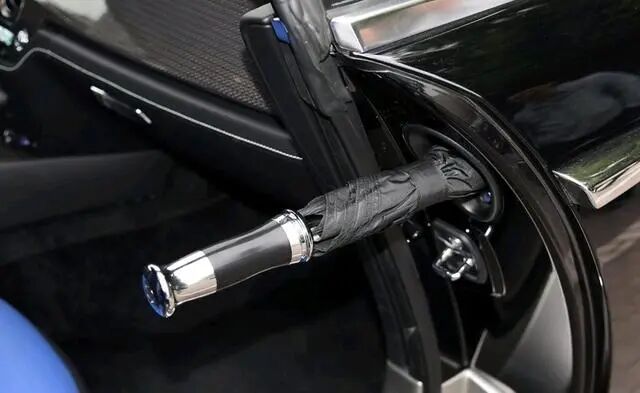
For example, Rolls-Royce has designed a special umbrella storage slot inside the car door, which can be taken out by pressing a button; considering that the umbrella is often wet after use, the storage position is also designed with a drainage structure.
Consider a very specific scenario: the owner arrives at the destination in formal wear, and it happens to be heavy rain. The driver can take the umbrella directly from the car door, so passengers do not need to rummage through the trunk, or stuff the wet umbrella randomly into the car.
At ordinary times, the umbrella can be completely hidden, without damaging the integrity of the interior.
This kind of ingenuity does not attract people by the numbers on the configuration list, but by the fact that the designer thinks in advance what situations users will encounter, and how to handle these small things properly and decently.
For users who buy regular mass-market models, this is indeed overdesign, with form over content.
But it is these little bits of "premium" that accumulate into the identity of ultra-luxury car users.
In other words, the effect that cutting-edge technologies should achieve on ultra-luxury flagship cars is not to rely solely on brute performance, but to fully consider every scenario and movement of users down to the smallest detail.
Zunjie tried twice, but the process was interrupted by unexpected accidents.
Now it is BYD's turn to take up this banner.