Featuring a cute baby speaking Henan dialect and a stepmother speaking Northeast Chinese dialect, have AI-generated comic dramas found another secret to gaining massive online traffic?
If the competition of short dramas used to focus on who is better at creating plot twists, then for AI manhua dramas, creators have to face another problem: how to make the audience remember the characters.
The user scale of Hongguo Short Drama has provided sufficient room for imagination for this track. According to QuestMobile monitoring data, as of July 2026, the daily active users of Hongguo Short Drama reached 168 million, representing a year-on-year increase of 107%. By October, according to the Hongguo popular ranking list, four of the top five works on the platform's overall popular list are AI manhua dramas.

This indicates that AI manhua dramas are no longer just a fresh attempt in short videos, but are competing for the viewing time of a growing number of users.
At the same time, a quite interesting creation method has begun to attract attention: making cute immortal cultivation babies speak Henan dialect, and making the real rich daughter from a wealthy family appear with a Northeast accent. The familiar time-travel, immortal cultivation and group-favorite stories suddenly gain unexpected sense of joy because of the local accent.
The appeal of such works lies not only in the jokes brought by dialects, but also in the contrast between the character's identity and their way of speaking. A child in the immortal sect world speaks like a neighbor's child, talking about fallacies in daily life; a female protagonist involved in the disputes of wealthy families copes with complex interpersonal relationships with straightforward expressions.
In this way, dialect is no longer just an ornament in dubbing, but a way to participate in character shaping and influence story expression.
Then, why can dialect collide with AI manhua dramas to generate new traffic? When the sense of novelty fades away gradually, can it become an advantage for works to continuously attract audiences?
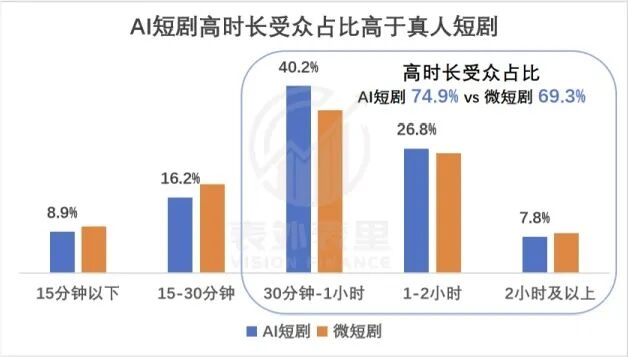
Source: Insight Data Research Institute
Henan dialect cute babies go viral, where on earth do dialect manhua dramas win?
By observing the currently representative dialect AI manhua dramas, we can find a common point: dialects usually cooperate with character settings and story types, rather than simply changing a character's accent.
The Little Junior Sister Who Is the Group Favorite of Our Sword Sect is a typical example.
In the story, the female protagonist Fu Pin lives in an immortal cultivation world, with fantasy settings such as chaotic spiritual root, and also has to face all kinds of trivial matters in sect life. She is not a traditional cute baby who only acts cute, she would hitch a ride on boats and eat for free, say words that make people feel both amused and confused, and can also show her intelligence and courage at critical moments.
Henan dialect adds a layer of daily life atmosphere to this character. Immortal cultivation themes usually involve complex worldviews, sect relationships and cultivation systems. If characters always narrate these contents in a serious tone, the story is likely to appear distant. When Fu Pin deals with all kinds of things in the immortal sect in a casual daily tone, the originally somewhat distant fantasy world gains a sense of closeness.
More importantly, the dialect and the cute baby setting jointly create a sense of contrast. The audience originally expected an innocent and lovely child, but unexpectedly, she is not only clever, but also can talk about fallacies in all seriousness. For example, when Fu Pin comforts the sect ancestor who is afraid that he can't wait for her to ascend to immortality, she says: "Bad people all live long, you are evil cultivators, and disasters last for thousands of years." This makes the originally fairy-like immortal cultivation world full of a sense of human life because of such daily expressions.
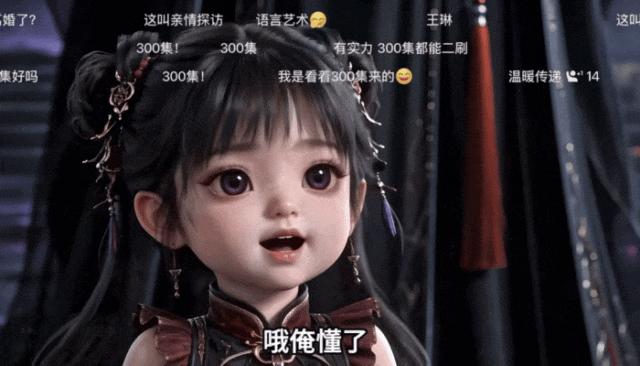
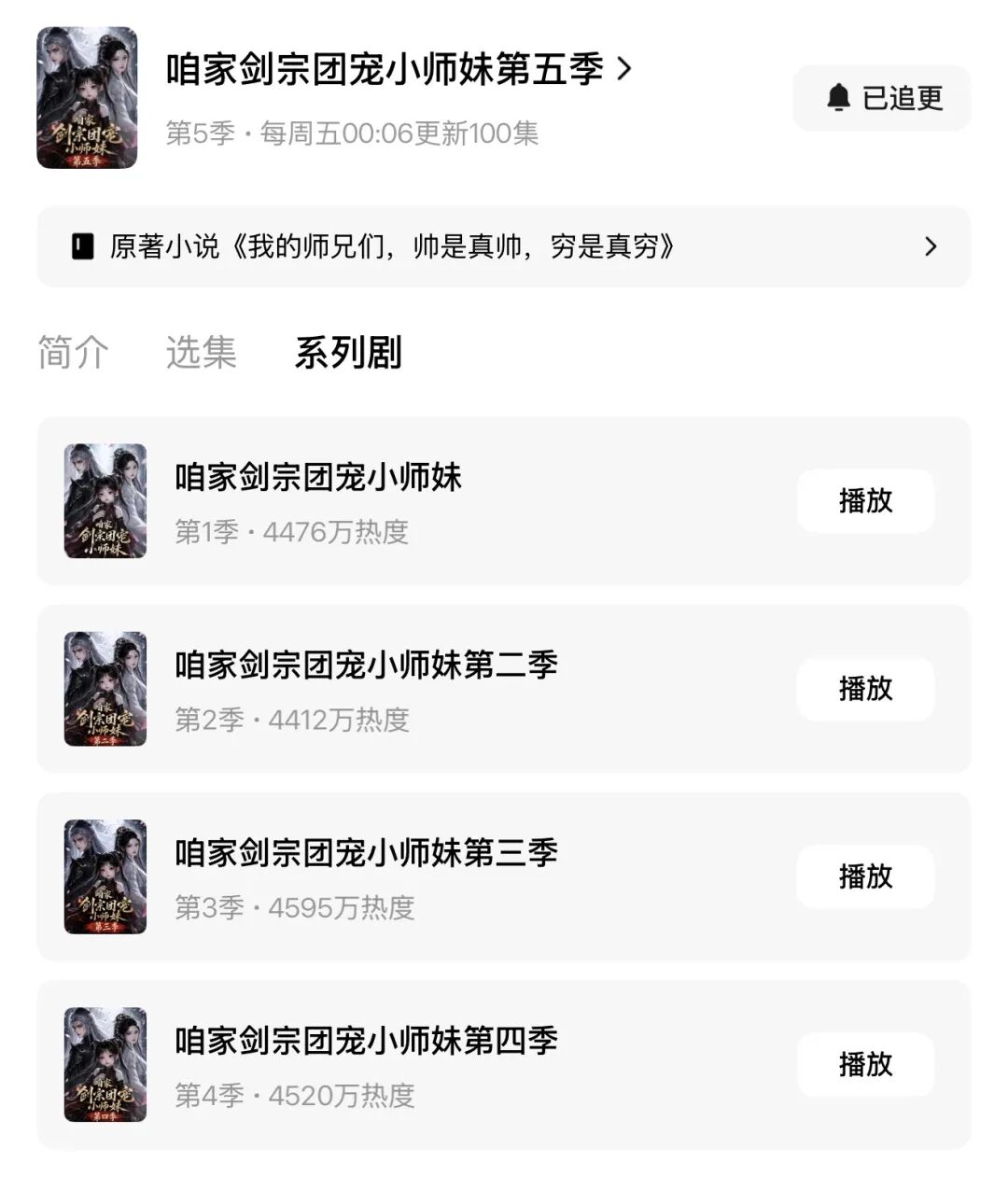
At present, this work has achieved a serialized development path. The series has launched 5 seasons with a total of 1809 episodes, and the collection data is also rising steadily: the five seasons have accumulated a total of 23.7 million collections on Hongguo.
In Hongguo's algorithm system, the weight of collection is higher than likes, which directly reflects the audience's willingness to follow dramas and their stickiness. A manhua drama can achieve such a large collection volume with Henan dialect, which shows that the recognition brought by dialect has been transformed into quantifiable user retention.
Imitators emerged rapidly, and Henan dialect cute baby manhua dramas such as The Lucky Baby of the Marshal's Mansion, Here Comes Maomao and The Fireworks World in Yaya's Purse were launched one after another, and the number of followers for a single drama on Hongguo reached the million level.
The Little Farming Junior Sister: Qinglian Farm Baby provides another idea.
After the female protagonist enters the immortal cultivation world, her focus is different from the people around her. While others are fully devoted to cultivation, fighting monsters and competing for opportunities, she is thinking about farming and eating. The fights and killings in the immortal cultivation world can always be diverted to food and drink by her.
The sense of joy of these plots in the drama comes from the mismatch between the character's goal and the environment. The immortal cultivation world emphasizes leveling up and fighting monsters, but the female protagonist is full of thoughts about crop harvest and eating problems. Henan dialect further strengthens her pragmatic and down-to-earth expression style, making this character no longer just a female protagonist with an immortal cultivation setting, but with a more specific sense of daily life.
The commercial verification of this drama is reflected in the serialization rhythm. The series has been advanced to the seventh season, forming a stable production capacity for sequels. Although the popularity of a single work has not reached the 100 million level of The Little Junior Sister of the Sword Sect, the continuous output of seven seasons itself shows that it has accumulated a sufficient user base in the segmented theme.
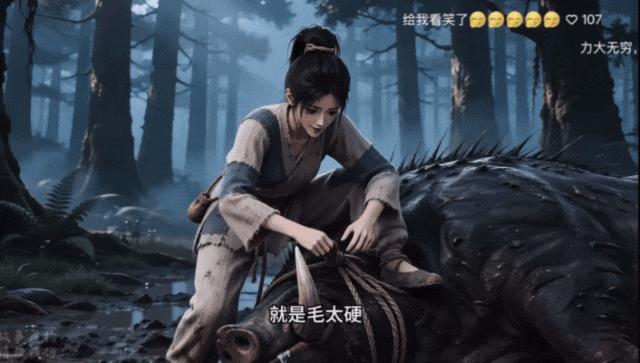
If the first two works break the sense of distance of the immortal cultivation theme with the help of dialect, then Northeast Stepmother, Rectify the Whole Family puts regional language into more daily family conflicts.
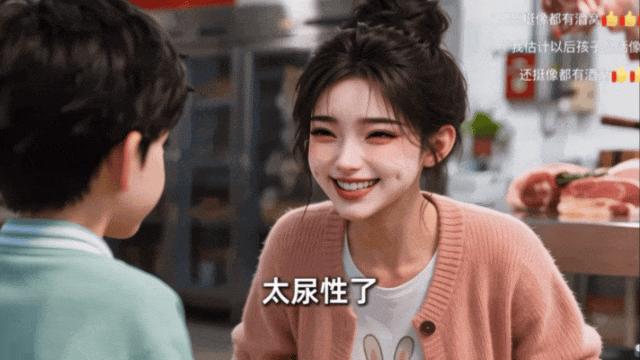
At present, this work ranks seventh on Hongguo Short Drama's overall popular list. In the drama, the female protagonist Song Man accidentally becomes a stepmother in a wealthy family. Facing the complex family relationship of the Shen family, she enthusiastically stands up for the children and deals with all kinds of troubles at home.
The straightforward expression style of Northeast dialect echoes this character setting of actively solving problems. Facing family conflicts, Song Man doesn't beat around the bush, which adds a sense of joy to the conflicts. The audience can not only get the refreshing feeling of venting anger for the children, but also feel the vividness of the character from her way of expression.
The popularity of this work is quite stable. On the Hongguo popular list in mid-October, the popularity value fluctuated in the range of 60.59 million to 62.12 million, and the number of collections and likes both exceeded one million.
The three cases correspond to different themes, but point to a similar creation logic: dialect can break the sense of distance of the fantasy world, can strengthen the contrast of characters, and can also make the conflicts in family relationships more interesting.
Its value does not lie in making all characters funny, but in providing a new way of expression for the originally familiar stories. For AI manhua dramas, this also means that character shaping does not have to rely entirely on appearance and plot settings, and language itself can also become a source of recognition.
Why do AI manhua dramas increasingly need dialects?
In fact, dialects are not new in short dramas. Live-action short dramas have long used regional accents to shape characters. The straightforwardness of Northeast dialect, the vividness of Sichuan-Chongqing dialect, and the life texture carried by various dialects are not difficult to understand.
Then why do dialects show new creative value in AI manhua dramas?
First of all, it can help works establish character impressions faster.
AI manhua dramas usually need to explain the character's identity, personality and story conflicts in a relatively short time. The picture can present a character's appearance, clothing and living environment, but may not quickly convey their temperament. Language can serve as a supplement.
For example, if a character speaks straightforwardly and doesn't like to beat around the bush when encountering things, a few Northeast dialect lines that conform to the character's habits can make the audience understand her expression style faster. A cute baby talking about fallacies in all seriousness in Henan dialect can also present her loveliness and cleverness at the same time. For short content that needs to attract the audience quickly, this is an effective expression method.
However, dialect is not a universal label for character personality. Because not all people in Northeast China are forthright, and speaking Henan dialect does not necessarily mean being simple and honest. Only when language habits confirm with the character's experience, behavior and way of handling affairs, can this shaping be truly established.
Secondly, the production method of AI manhua dramas provides more room for dialect expression attempts.
Live-action dialect short dramas require actors, scenes and shooting teams. To find actors with natural accents and proper performance, we also need to consider schedules and production costs. The production process of AI manhua dramas is different, character images and dubbing can be completed with the help of tools, and the threshold for creators to try different language styles is relatively lower.
This does not mean that AI production can automatically solve dialect problems. Whether the accent is natural, whether the tone conforms to the character, and whether the lines are close to local expressions still need creators to check. But compared with live-action shooting, AI manhua dramas do provide more trial and error opportunities for the combination of different regional languages and different themes.
More importantly, dialect can meet the viewing needs of different audiences at the same time.
For people familiar with the local language, the local accent has a natural sense of closeness. Some tones, titles and expression habits may not convey the same emotion in Mandarin. As soon as the character speaks, the audience may associate with their own family, friends and life experiences.
For audiences who are not familiar with this dialect, it provides a sense of novelty. When Henan dialect appears in the immortal cultivation world, or Northeast dialect enters a wealthy family, the contrast between language and story environment itself can create fun.
On one side is familiarity, on the other side is strangeness, and the two experiences jointly increase the recognition of the work. Especially in the AI manhua drama market where themes and character settings are prone to convergence, this difference is easier to be perceived by the audience.
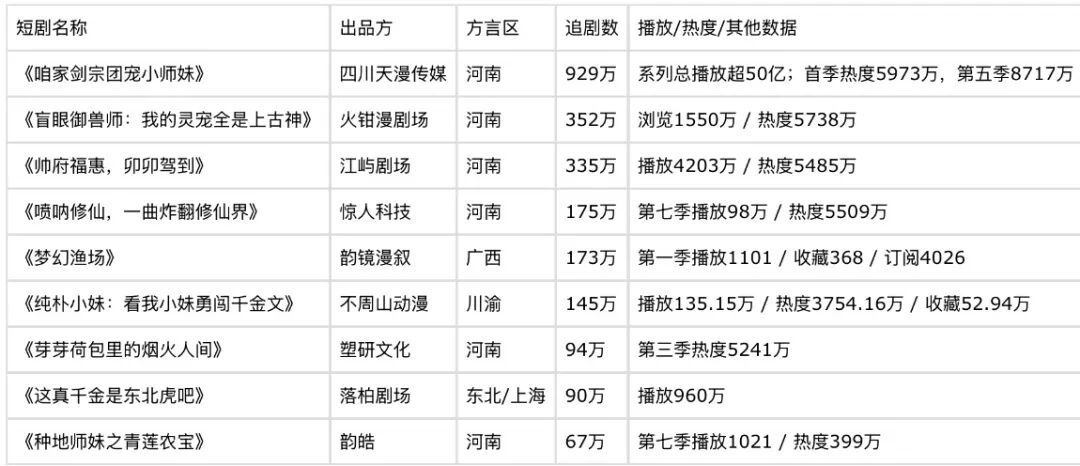
According to statistics from YUZI Capital, Henan dialect currently has an overwhelming advantage in this track. It accounts for 7 of the top 10 seats, and all the top 3 are Henan dialect cute baby dramas. In particular, The Little Junior Sister Who Is the Group Favorite of Our Sword Sect leads by a large margin with 9.29 million followers, which verifies the extremely high audience stickiness of the "Henan dialect + cute baby immortal cultivation" combination.
In contrast, other dialect regions have developed their own differentiated routes: Guangxi dialect (Dream Fishing Ground with 1.73 million followers) and Sichuan-Chongqing dialect (Simple Little Sister with 1.45 million followers) have steadily made progress in farming and book-transmigration themes respectively; while Northeast dialect (This Real Daughter is a Northeast Tiger, Right) ranks relatively low in the number of followers, its play volume is as high as 9.6 million, indicating that Northeast dialect still has natural advantages in breaking through to pan traffic.
This directly confirms that dialect is no longer a nice-to-have funny additive in manhua dramas, but a core starting point that directly determines the depth of user retention.
From traffic novelty to long-term competitiveness, what else do dialect manhua dramas lack?
Judging from existing works, dialect AI manhua dramas have shown certain differentiated value. But if we want to transform this value into long-term competitiveness, creators still need to face three problems: how to avoid routinization, how to handle regional expressions, and how to make characters and stories develop continuously.
The first thing to watch out for is following the trend blindly.
When an expression method is proved to be effective, similar works will easily appear rapidly in the market: the same cute baby setting, similar plot openings, plus the same accent to create contrast. At first, the audience will feel fresh; after watching too many such works, the jokes may gradually become routines.
If all Henan dialect cute babies love to talk about fallacies, and all Northeast dialect female protagonists are straightforward and pungent, dialect will change from a differentiated advantage to a new creative template. It seems that the accent has been changed, but in fact there is not much change