The era of "staking everything they have" for big-budget dramas has come to an end. Are Chinese dramas the viable way out or just a new high-stakes gamble?
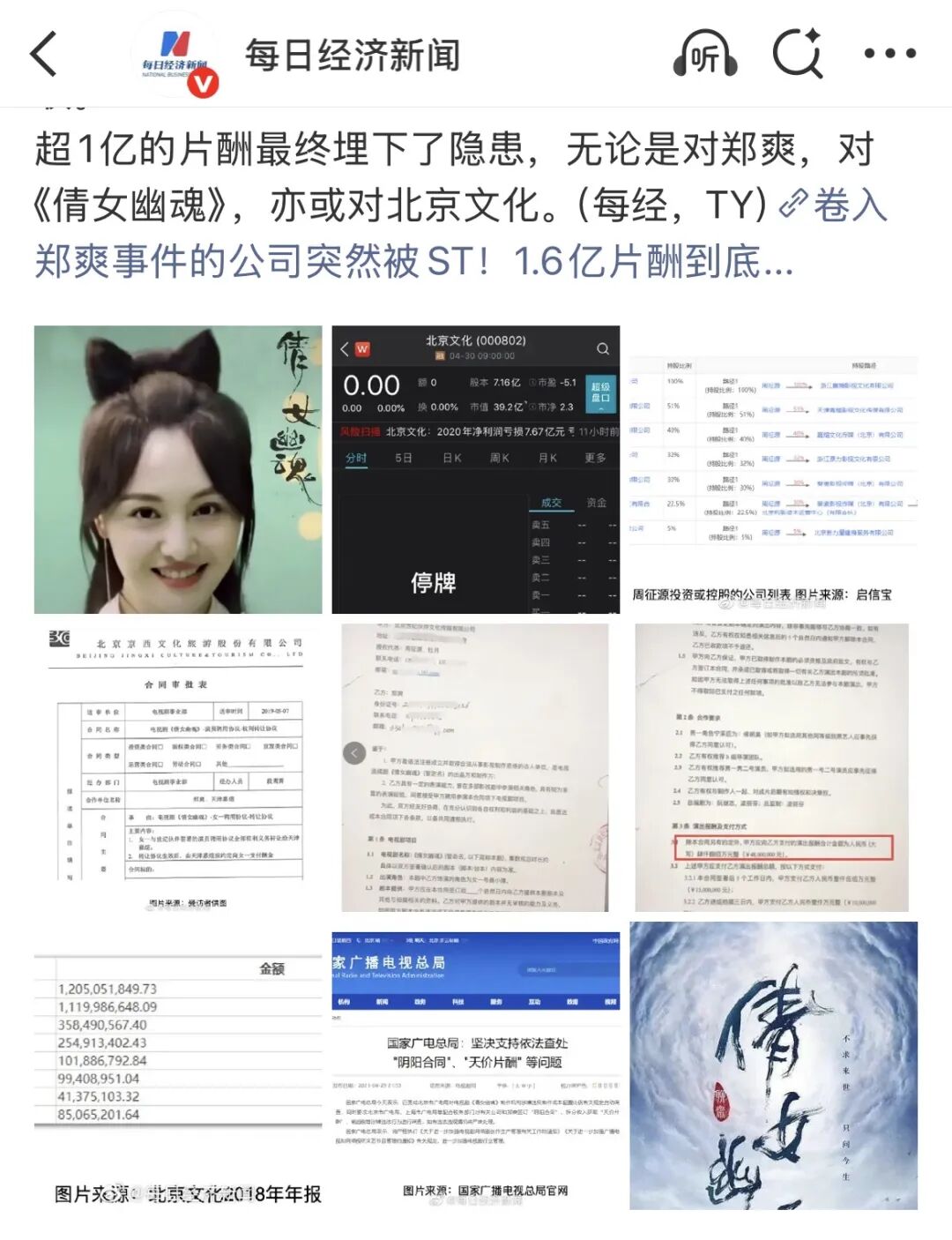
A portrait rights lawsuit has once again brought Xinpai Media back into the public eye: the company that rose to meteoric fame thanks to *The Untamed* back then is now locked in a legal battle with its lead actor. The rise and fall of Xinpai is an extreme case in the film and television industry, pointing directly to the downstream risks of "hit drama dependency".
When we extend the time horizon and broaden the scope, we can also find that the industry's reliance on hit dramas is collapsing simultaneously from both the audience end and the capital end.
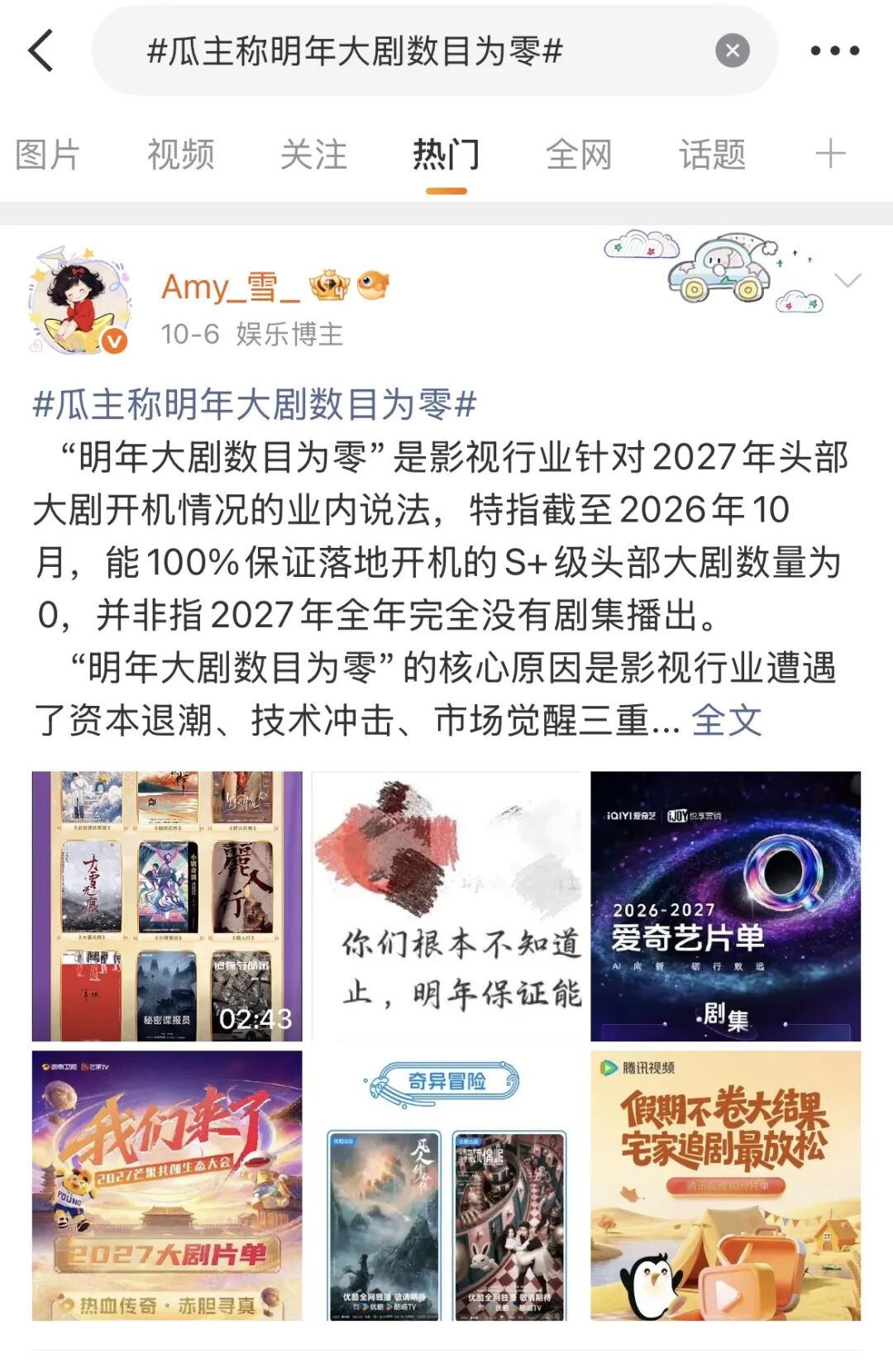
Since last year, multiple S+ level projects have underperformed expectations upon release; since the start of this year, the phenomenon of long dramas being broadcast without pre-promotion has become frequent. Earlier this month, a Weibo scoop claiming that "the number of large-scale dramas guaranteed to start production next year is zero" caused a huge stir. Most of the news was exaggerated, but the industry anxiety it conveyed is real.
Meanwhile, the highly-rated mid-length drama *The Old Days of Yuhong* has sparked widespread discussion, briefly pulling the nascent mid-length drama landscape out of the predicament of "having good content but no breakout hits".
Judging from the moves of various platforms and established film and television companies, the era of betting all on big-budget dramas has come to an end, and the era of betting on mid-length dramas is kicking off.
Aftershocks of Old Hits Linger, the Formula for New Hit Dramas Fails
In 2019, Xinpai Media got its start with the massive hit *The Untamed*, and was once regarded as a "dark horse among film and television companies" and a "benchmark for IP commercialization development". The company obtained the film adaptation rights and game adaptation rights of the original work *Mo Dao Zu Shi* back in 2016. After the drama became a smash hit, while the revenue from drama distribution was not made public, the huge IP derivative revenue is obvious to all.
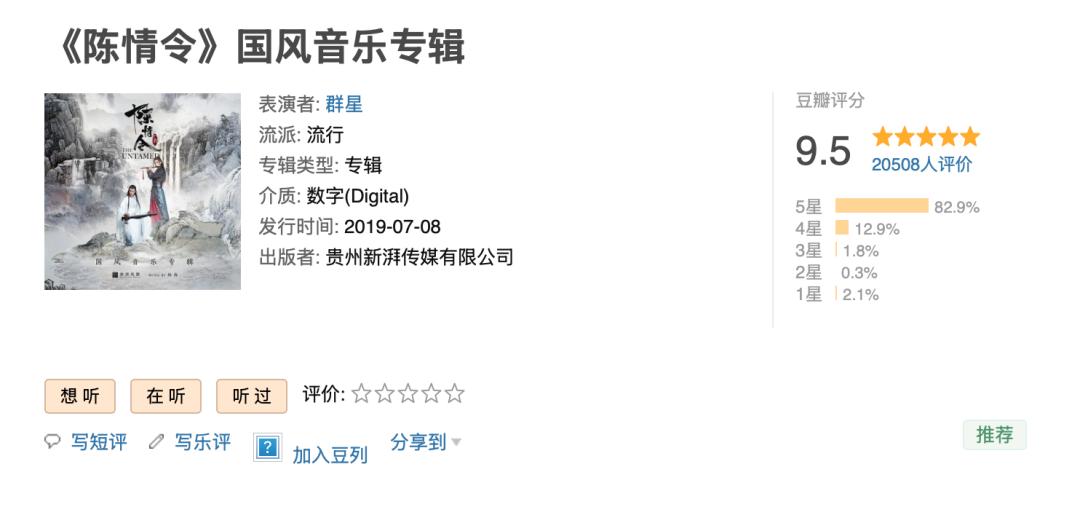
In 2019, total sales of official peripheral products exceeded 35 million yuan; in 2020, the figure surpassed 12 million yuan. As of August 2026, sales of *The Untamed* National Style Music Album* on QQ Music have exceeded 1.82 million copies. Calculated at the unit price of 20 yuan per copy, the estimated sales revenue exceeds 36 million yuan.
The risks were exposed in October 2023, when Jinjiang Literature announced that the copyright of *The Untamed* and its derivative products had expired, and all unlicensed promotion and sales were violations. At the same time, Xinpai Media was listed as a person subject to enforcement. In 2023 alone, the company was designated as a "dishonest debtor" 9 times in a row, but the infringing actions still did not stop.
In 2025, lead actor Wang Yibo filed a lawsuit, claiming that after the authorization expired, Xinpai Media continued to use his portrait for commercial monetization of peripheral products, paid behind-the-scenes footage and otome games, with the core issue being that it crossed the boundary of actor portrait authorization.
Combined with the financial situation, Xinpai Media is like killing the goose that lays the golden egg: it can produce a single breakout hit, but lacks the ability to continuously produce high-quality content, so it does not hesitate to overstep its authority and violate regulations to "squeeze" the derivative value of a single hit, and eventually ends up in court with the lead actor. Its problem is not an isolated case, it is just a more thorough exposure of the downstream risks of relying on hit dramas.
From a broader perspective, the logic of "betting all on big dramas" has also failed at the audience end.
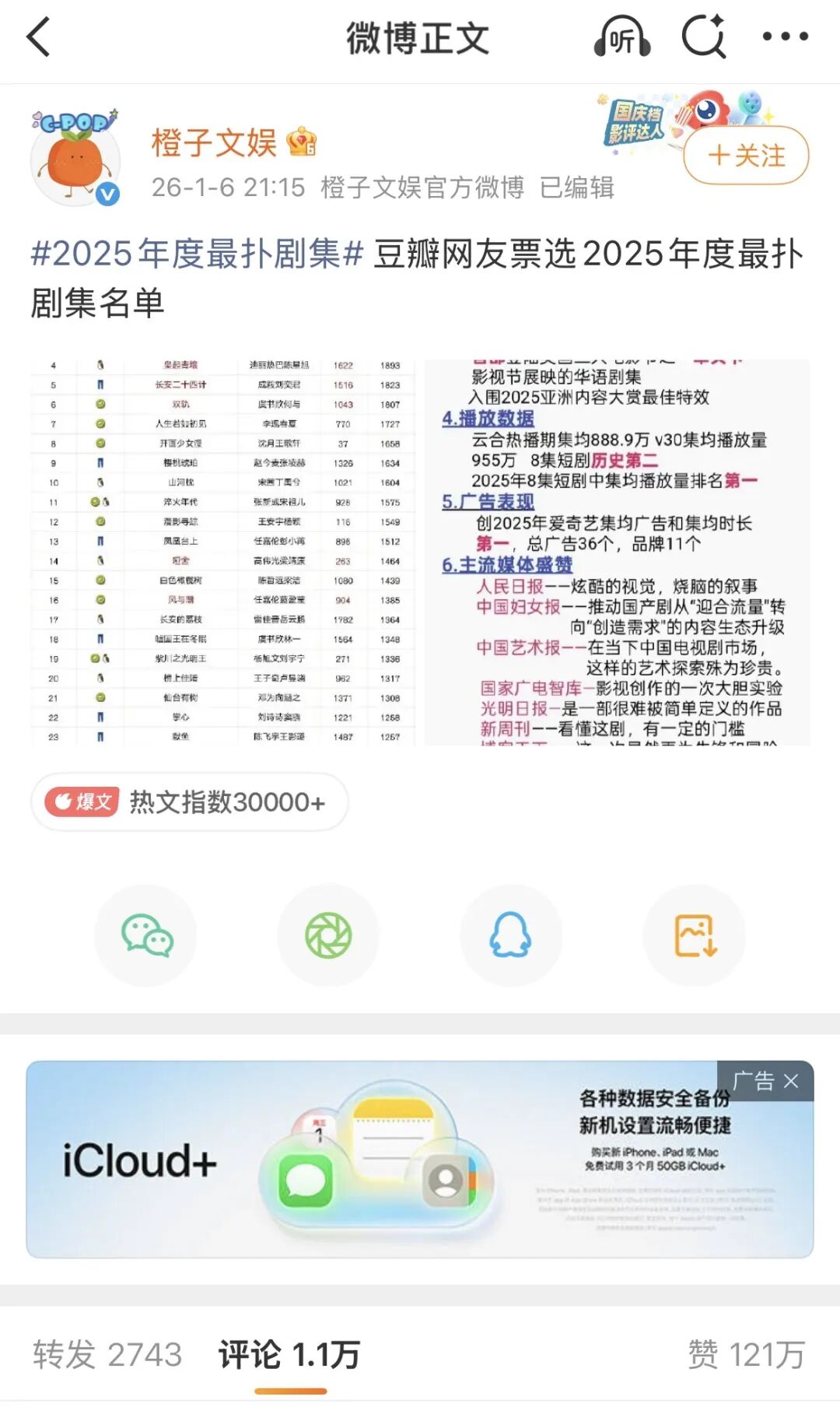
In 2025, many long dramas adapted from famous IP, starred by popular actors, and rated as high-level by broadcast platforms either had reputations far below expectations, or saw their ratings decline all the way. Douban netizens even selected the list of the most failed dramas of 2025, and spared no effort to mock them. This shows that the problem does not lie in a single drama, but in the fact that audiences are no longer willing to pay for big productions piled up with IP, superstars and high ratings.
No matter considering the front-end audience feedback or the back-end risks, the era of the industry "betting all on big dramas" is coming to an end.
Why Did the "Era of Betting All on Big Dramas" End
The logic of "betting all on big dramas" is not difficult to understand. If we break down the hit formula of "big IP + big superstar + high platform rating", each part represents a kind of certainty.
Big IP provides a basic audience base. No matter the quality of adaptation, it can lock in a group of aware users in advance. Even though poorly adapted dramas far outnumber works that respect the original, IP is still the most solid card to play when getting project approval.
Big superstars provide premiere burst power. Top streamers mean advertisers are willing to pay, the drama hits the hot search as soon as it premieres, and popular actors can also bring spontaneous promotion from their fans. But it is also a double-edged sword: if the superstar has negative public opinion, it may affect the normal broadcast of the drama and its long-tail popularity.
High ratings mean tilted platform resources. S-level and S+ level are not just simple labels, they can be directly converted into higher procurement prices, better promotion resources, more stable broadcast schedules, and more generous post-broadcast revenue sharing.
From the platform's perspective, the failure of the hit formula seems to indicate that audience tastes are fickle and unpredictable. But the reason for the failure is actually obvious: artistic creation has been reduced to assembly line production. From script creation, to actor selection, to post-promotion, every link is pursuing quantifiable certainty, and few people care whether the story is actually good or not.
In March 2026, the China TV Drama Production Industry Conference pointed out that in the past five years, long dramas have fallen into a vicious circle of "high investment, high risk, low success rate", and the industry has shown a differentiation pattern of "top players betting all, mid-tier players bleeding, and bottom players being eliminated".
The term "betting all" is not an exaggeration to describe film and television production. Some companies bet their annual profits on a small number of upcoming big dramas. The cost of a single episode of top projects exceeds 10 million yuan, and core resources are tilted towards famous IP and popular stars. Winners make a fortune, losers lose all their investment. Success or failure all depends on this one drama.
*The Untamed* is of course a positive case of winning the bet, and its revenue from premium on-demand viewing exceeded 100 million yuan, setting a record. But more cases prove the cruelty of this "gambling game". The industry conference pointed out that in the past five years, the hit rate was less than 10%, and most projects faced the dilemma of losses or revenue below expectations.
In the current film and television winter, the prudence of various platforms is concretely reflected in dimensions such as the number of new projects starting production, project approval rate, and layoff scale.
In the first quarter of 2026, the four major long video platforms launched less than 30 long dramas, up from 23 in the same period of 2025, but far less than the 53 dramas in 2024.
In April this year, a scoop on social media platforms that "four dramas of the same artist all failed project approval" sparked heated discussions. At that time, some producers interviewed said that failing project approval is the norm. Even popular rising stars are only temporarily recognized, and still need to face dynamic evaluation.
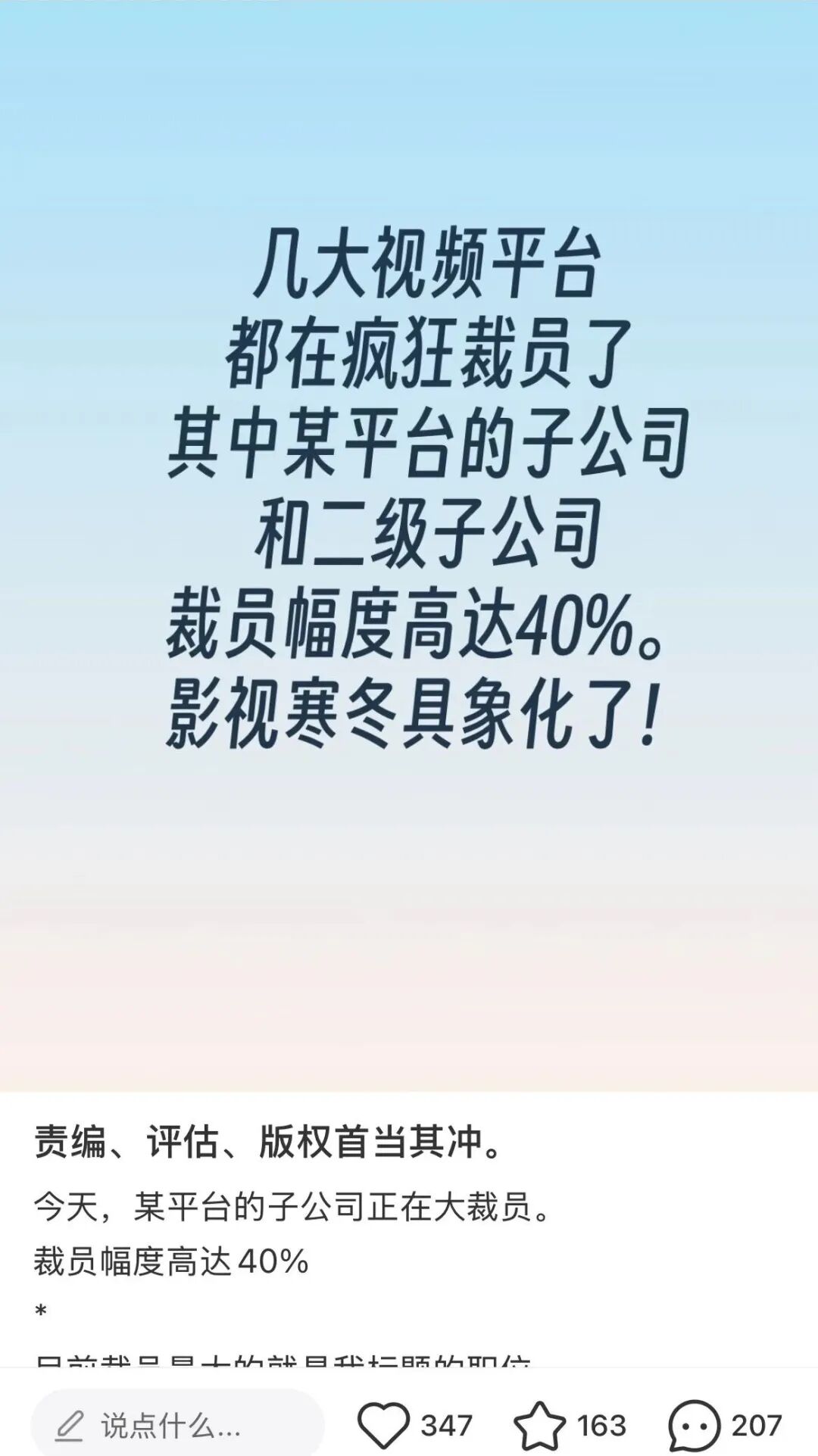
Recently, a post on Xiaohongshu broke the news that a long video platform is carrying out large-scale layoffs, and the first to be affected are the positions of script editors, evaluators and copyright staff for long dramas. The poster said bluntly that with fewer dramas starting production, these positions no longer have a reason to exist.
Cost reduction and efficiency improvement are only means. The more fundamental strategy of platforms is to no longer put all resources on a single project, set quantifiable evaluation standards in advance in every link, and then adopt methods such as full script project approval and multi-platform co-broadcast to reduce risks as much as possible.
But after all, long-form content is the traffic cornerstone of platforms. No matter how popular short dramas are, they can only serve as supplementary content. Mid-length dramas, which cost less than long dramas but can carry more content than short dramas, have naturally become the "just right" choice.
The Era of Betting on Mid-length Dramas Has Started
The concept of mid-length drama is actually not new.
As early as 2020, two highly-rated dramas *The Bad Kids* and *The Long Night* emerged, and were labeled as mid-length dramas for their 12-episode length. But with each episode about 60 minutes long, they are essentially just individual cases of high-quality refined long dramas.
In August last year, the National Radio and Television Administration listed the mid-length drama category separately for the first time in the filing announcement, and gave a clear definition: 15 to 30 minutes per episode, with a total of 12 to 24 episodes. The market quickly sensed the trend, and the number of mid-length dramas soared from the initial 2 to 175 in the first half of this year.
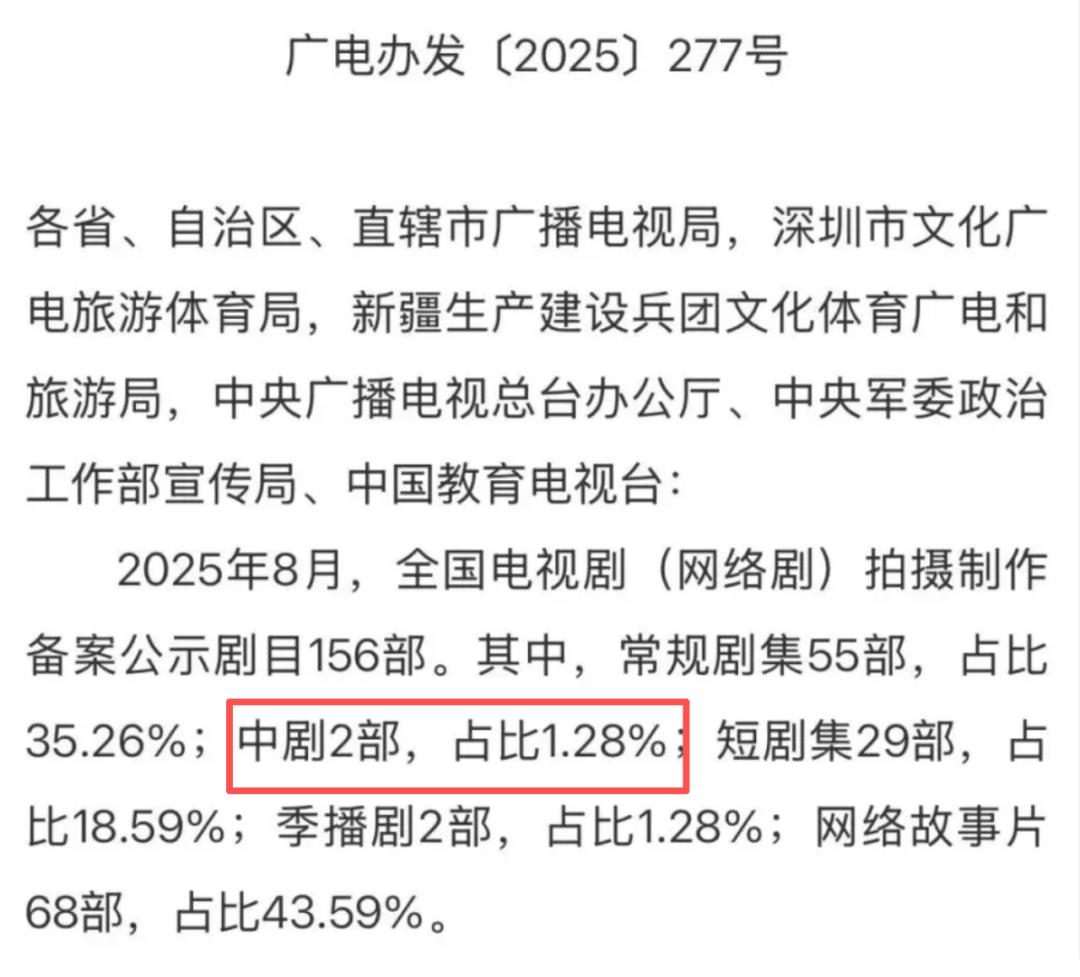
This boom is encouraged by policies, but the most fundamental reason is the rising cost of long dramas, making mid-length dramas an alternative category with relatively controllable cost and risks.
Most of the early filed mid-length dramas were from small and medium-sized companies. Since the beginning of this year, established production companies such as Longshine Media, Shandong Television, Mango TV, and Huace Film & TV have entered the market one after another, indicating that the mid-length drama format has been incorporated into the mainstream production system.
In terms of revenue sharing, mid-length dramas have already shown a quite considerable commercial conversion path. Data shows that from 2025 to July 12, 2026, 27 mid-length dramas have achieved revenue sharing box office exceeding 10 million yuan. For example, *The Sixth Serious Case Group: The Missing Police Number* broadcast in September, although it was once on the hot search for "distorting character settings" and "fragmented plots", its revenue sharing exceeded 30.95 million yuan 14 days after launch, and even exceeded 50 million yuan during the National Day holiday, refreshing the revenue sharing record for mid-length dramas.
From the support policies of various long video platforms, we can also see that mid-length dramas have become a track that all platforms are willing to invest real money in to layout.
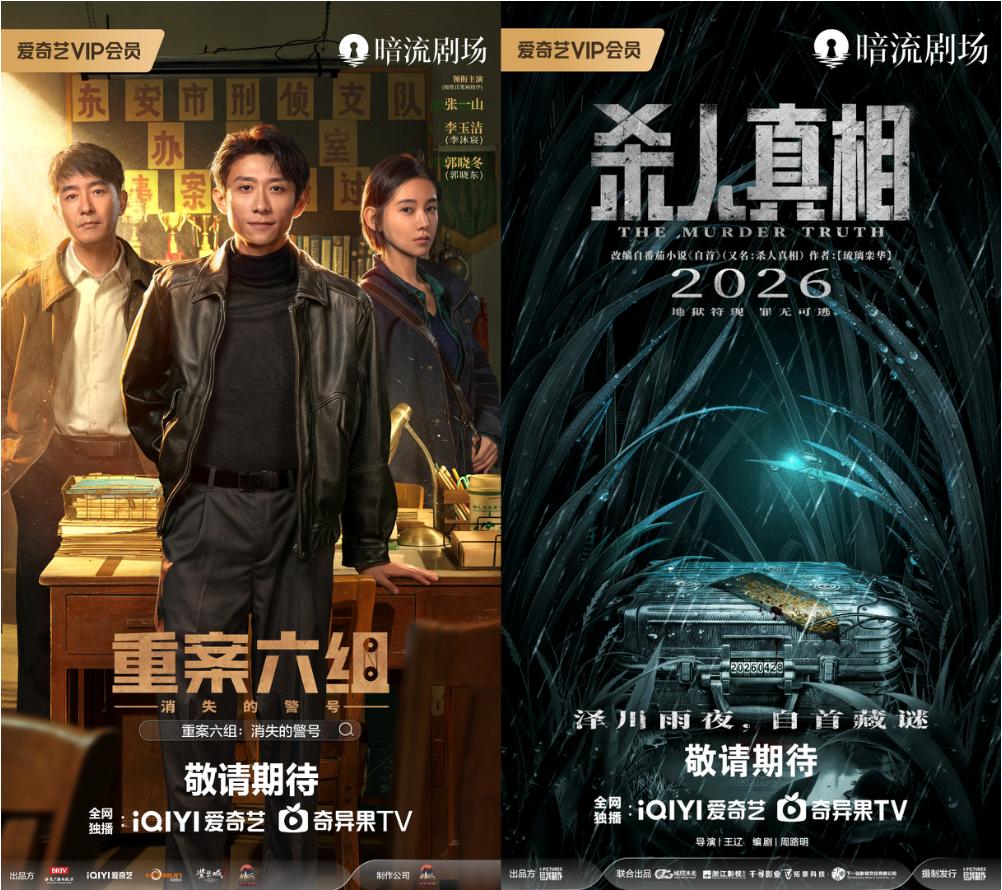
iQiyi has optimized its revenue sharing policy, added advance rewards, extended the revenue sharing period, and at the same time set up a new brand "Dark Current Theater", focusing on high-quality suspense mid-short dramas of 10 to 25 minutes per episode. Tencent Video has unified the revenue sharing rules for long, mid and short dramas, extended the revenue sharing cycle for top projects, and provided targeted support for high-quality mid-length drama partners. Mango TV has opened a high-quality mid-length drama track, implementing full cost procurement for A+ level and above projects, and implementing "up to 85% minimum guarantee + revenue sharing" for A-level projects. Youku has accessed the EPI (Effective Play Index) rating system. The platform claims that under this model, the income of producers is no longer limited to fixed cost revenue, and for well-performing dramas, there is no upper limit for rewards.
But on the mid-length drama track, money and resources may already be in place, but the creative methodology has not kept up.
*The Old Days of Yuhong* scored 7.8 points on Douban, which is also a high score among long dramas in recent years. Its hardcore female group portrait and life-like Northeast dialect have continuously triggered discussions among netizens. But from the critical voices, this drama still uses the long drama mindset to make mid-length dramas, only editing each episode to the length of mid-length drama, and there are also rigid parts in plot connection.
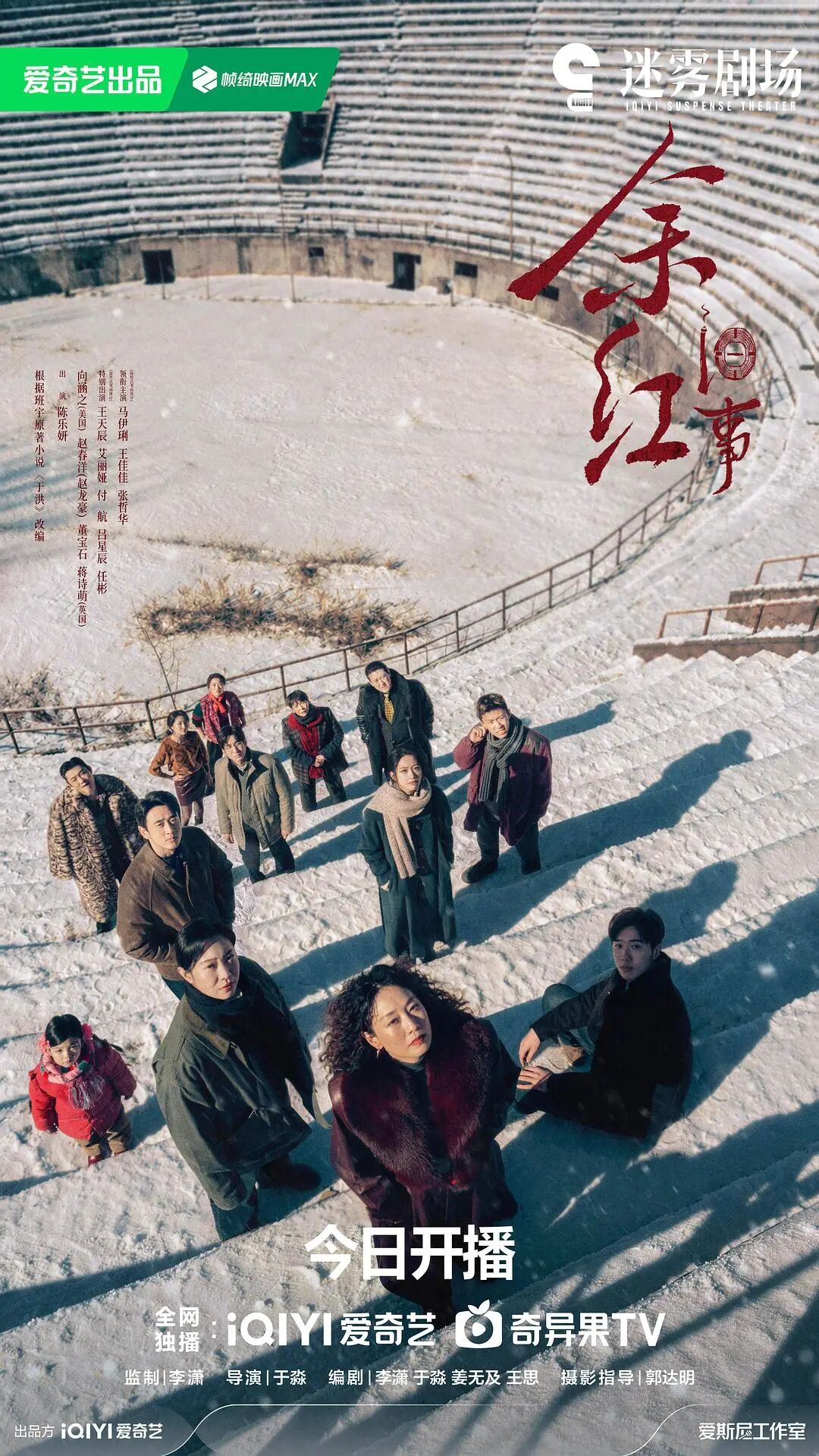
Mid-length dramas and long dramas are not content forms that can be converted to each other just by changing the length. From the first episode, creators should think clearly about what kind of narrative rhythm this format corresponds to, and how to complete the character arc in a shorter duration.
However, the reality is that most entrants are still following the old logic of long dramas or short dramas. Lacking independent creative logic and evaluation system, betting on mid-length dramas is just a smaller-stakes version of the long drama betting game, still relying on formulas and following trends to take chances. You won't lose too badly if you lose the bet, but the betting method has not changed. For this reason, whoever figures out the methodology of mid-length dramas first will have the opportunity to gain a firm foothold in the track.