The AI pseudo-human advertisements in the subway are collectively bullying human beings.
Tiyu West Road Station, known colloquially as "Hell West", is the ultimate embodiment of the overcrowding of Guangzhou Metro.
Every day, hundreds of thousands of people chat and scroll on their phones as they pass through the station concourse, their figures cast as dark silhouettes by the glowing advertisement light boxes.
But now, apart from bosses, clients and deadlines, the sleep-deprived commuters who rush to work early and get home late are faced with a new kind of dread —
the ubiquitous "AI pseudo-human advertisements" in subway stations that constantly trigger the uncanny valley effect.
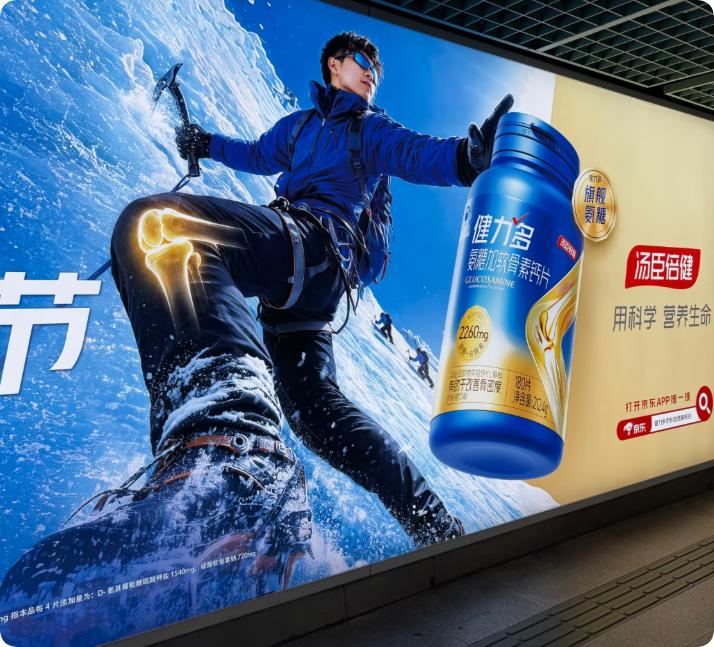
Overwhelmingly AI-flavored ads that make viewers feel uneasy
The popularization of AI has always been quiet; or rather, you knew it would blow up, but you never expected it to spread this fast, just like waking up one day to find everyone around you is binge-watching short drama clips on Red Fruit.
The same is true for AI advertisements in subway stations.
AI ads are hardly a new thing. As early as two years ago, the "Your Face" series of ads produced by Shenzhen Metro itself, as well as the slightly uncanny promotional materials from platforms like Fliggy and JD.com, have already hit the top of hot search lists.
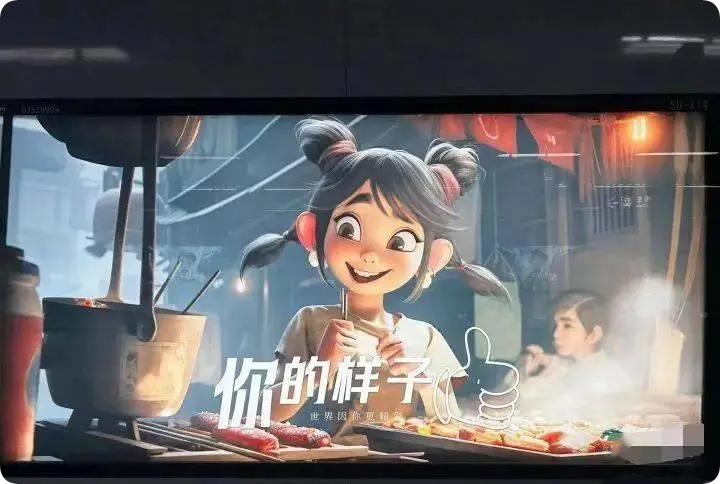
Having some AI ads is one thing, but having almost nothing but AI ads is another. Now when you look around in a subway station, nearly all the light box ads are marked with "Generated by AI", which delivers a completely different kind of mental impact:
This day has come far earlier than we ever imagined.
Of course, we would never have noticed the "Generated by AI" label tucked in the corner of the poster if the ads did not reek so heavily of obvious AI traces.
In this regard, widely used generative models such as GPT Images are largely to blame.

Photo | A poster generated in one minute with ChatGPT
Every time the model is updated, readers leave comments on ifanr and APPSO asking whether the "unnatural, gritty feel" of AI-generated images has been fixed, only to end up disappointed — at least for now, unedited AI-generated content still easily gives itself away.
What is even more frustrating is that brands are rushing to put these obviously fake, unedited raw AI outputs directly on their posters, kicking off a grand feast of "pseudo-humans".
The protein powder ad that has been dominating the screens of Guangzhou Metro recently is so thick with the "pseudo-human" vibe that it is almost suffocating:
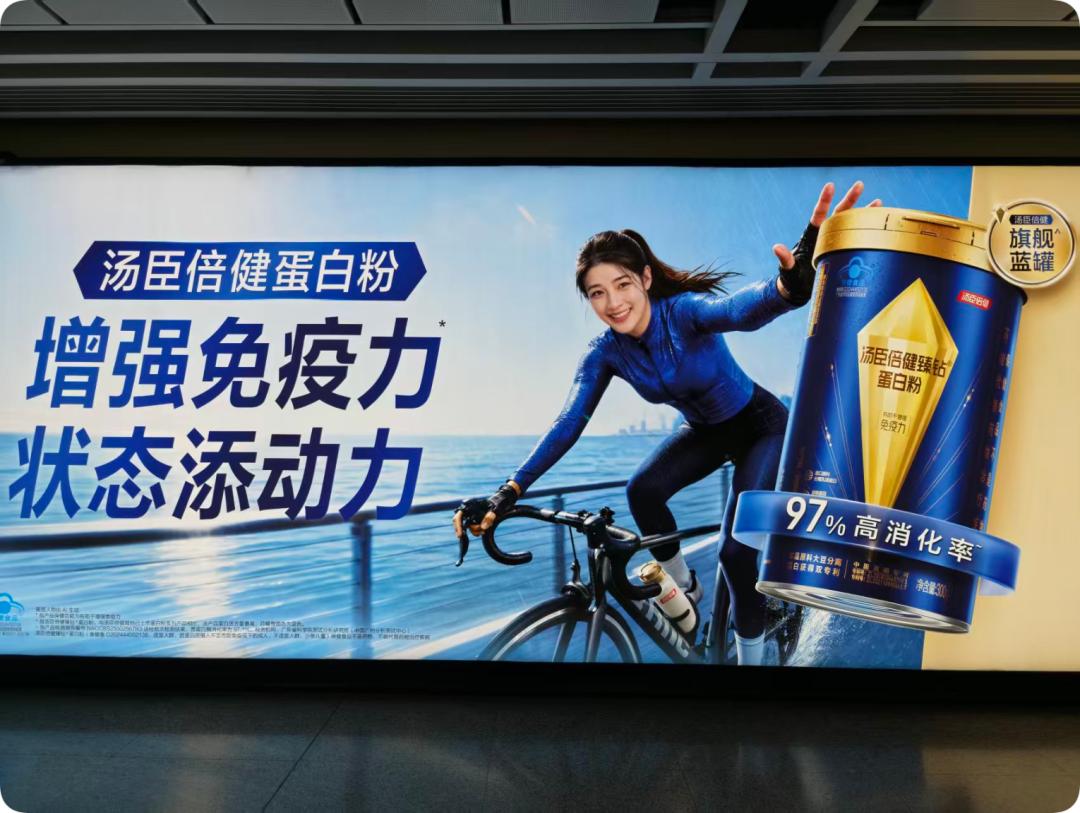
The extremely typical AI "average face", skin with zero texture details, and the greasy, unnatural visual quality are more than enough to make anyone who has scrolled through Red Fruit clips on Douyin and used AI image generators say "I swear I have seen this girl somewhere before".
Even when I traveled to Changsha, I could not escape the relentless presence of this ad —
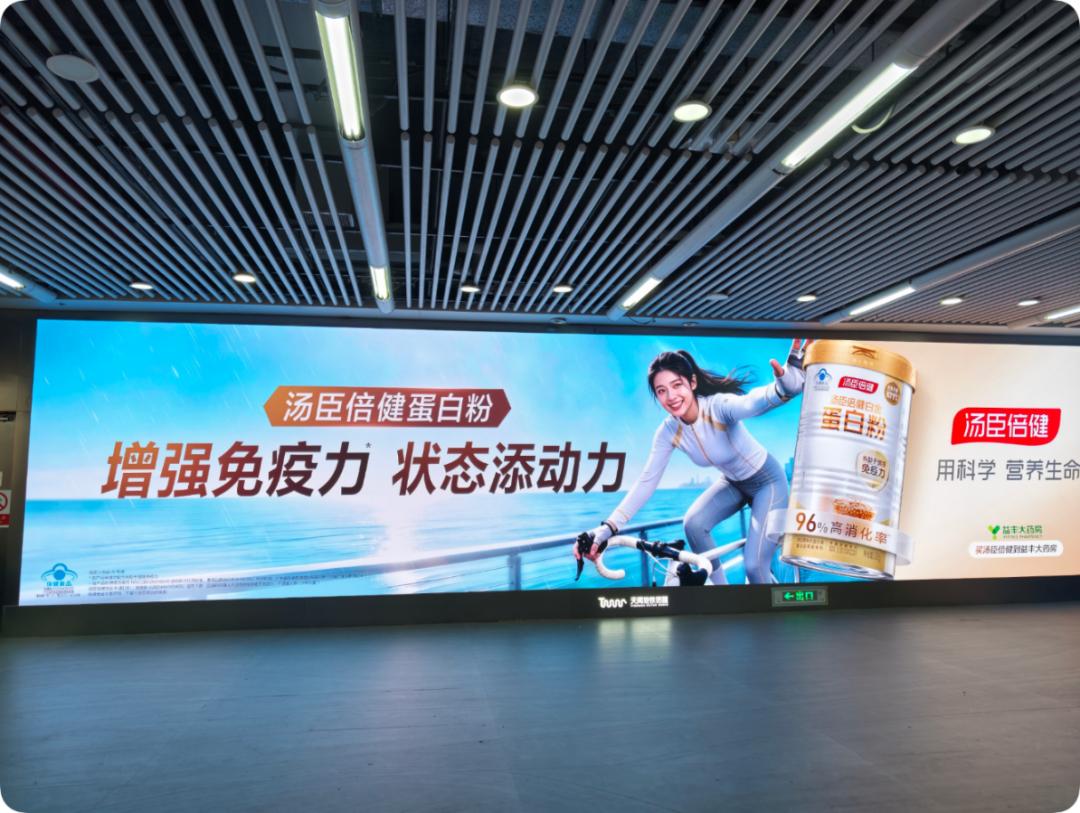
The only difference is that the main product has been changed from the blue can to the platinum can, and the character's cycling jersey has been adjusted from blue-black to off-white, which inadvertently brings back the 11-year-old viral debate over whether "the dress is blue-black or white-gold".
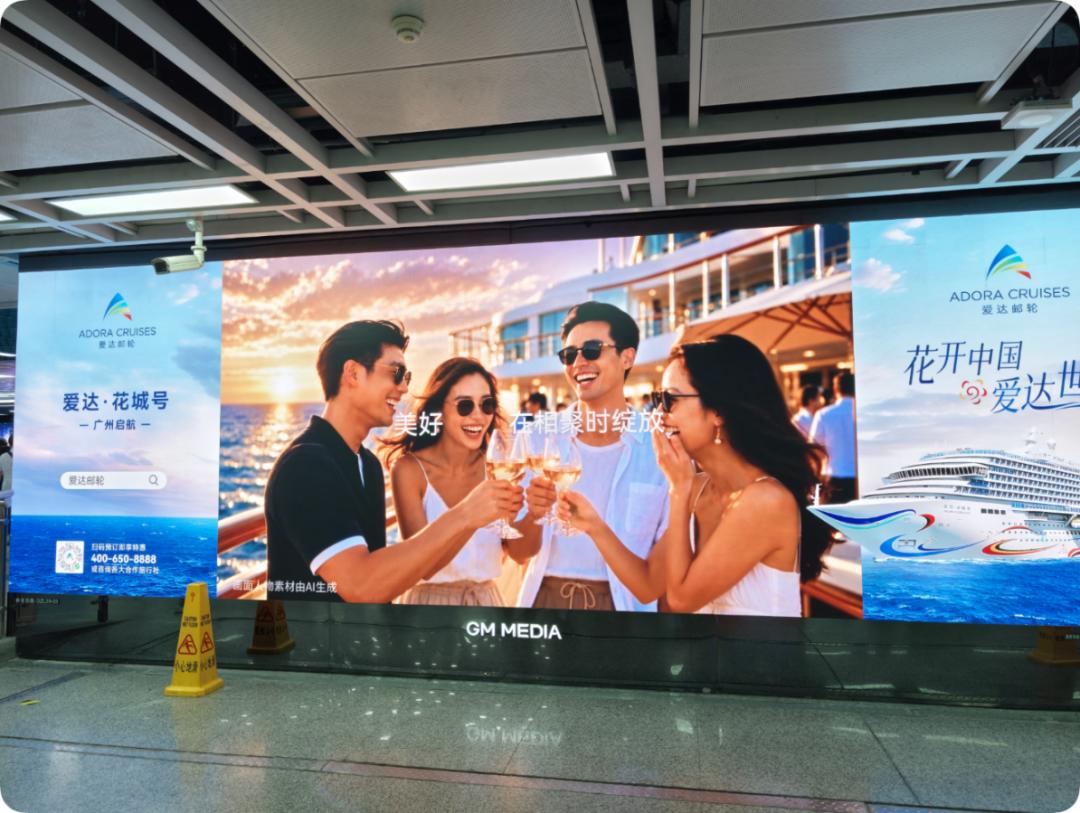
Cruise tourism, which represents high-end leisure demands, has also failed to avoid this trend.
In the cruise ad videos played in subway stations, groups of friends hold wine glasses and chat happily on the deck, everything looks perfectly normal... until they show their near-identical, copy-pasted bright white teeth.
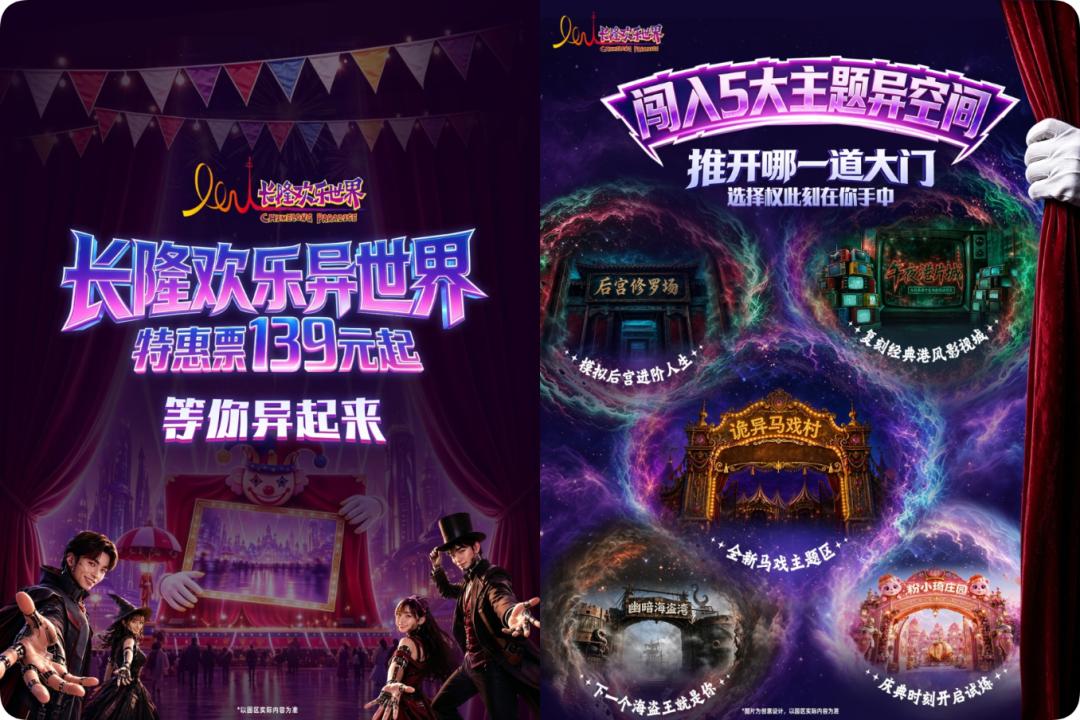
Chimelong Paradise, which is preparing for its Halloween events at the end of the month, has designed a full set of themed "different dimension" promotional ads.
However, neither the characters with unnaturally shiny oily skin nor the "different dimension" gate with typo flaws reveal any trace of the park's real environment; they do not look like ads for a theme park at all, but more like low-quality escape room posters found in shabby old buildings on Beijing Road.
Similar examples can be listed endlessly, from the roll-up banners in shopping malls outside the stations to the interior decorations of train carriages — after all, "traditional handmade ads" made without AI are now the niche minority.
But looking at these ads, you probably share the same question I have: what exactly do these AI ads tell us?
Literally, the meaning of "advertising" is to widely publicize important information, but obviously, we can hardly get any effective information from these AI ads —
AI characters can endorse health products, but they are inherently perfect, so the generated healthy image barely means anything to ordinary consumers; the AI "dopamine girl" in the carriage poster is holding a milk tea, but everyone knows perfectly well that she has never drunk a real milk tea; and the fictional cruise and theme park scenes do not provide any additional useful information for visitors who may actually go to these places.
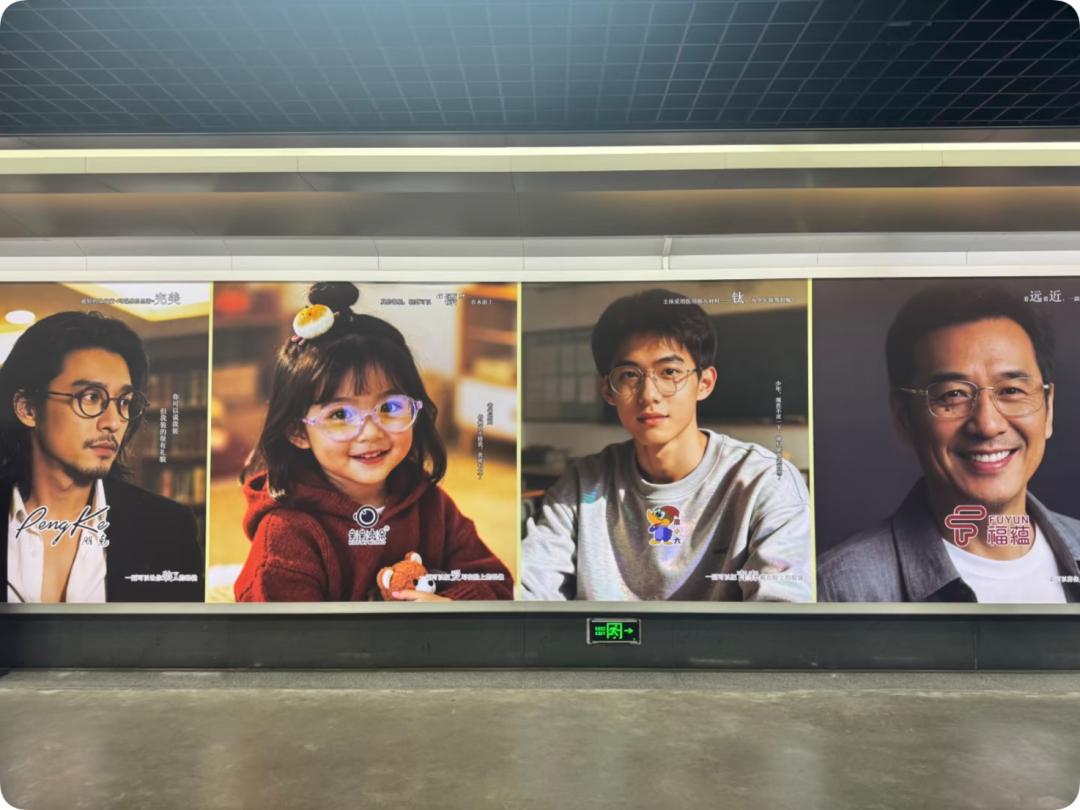
If traditional ads aim to convey information about products, services, brands or ideas, then for these AI ads, the form has completely deviated from the function, almost all useful information is lost, and the only feeling they leave us with is the anxiety of being left behind by the AI wave.
Of course, we should not overly glorify traditional ads, which also have no shortage of half-hearted, low-quality works.
The classic car ads that used to be frequently inserted in the middle of TV programs often only show a car driving through wilderness, bridges and ice fields, paired with rousing background music, and end abruptly before the audience even remembers the name of the car model.
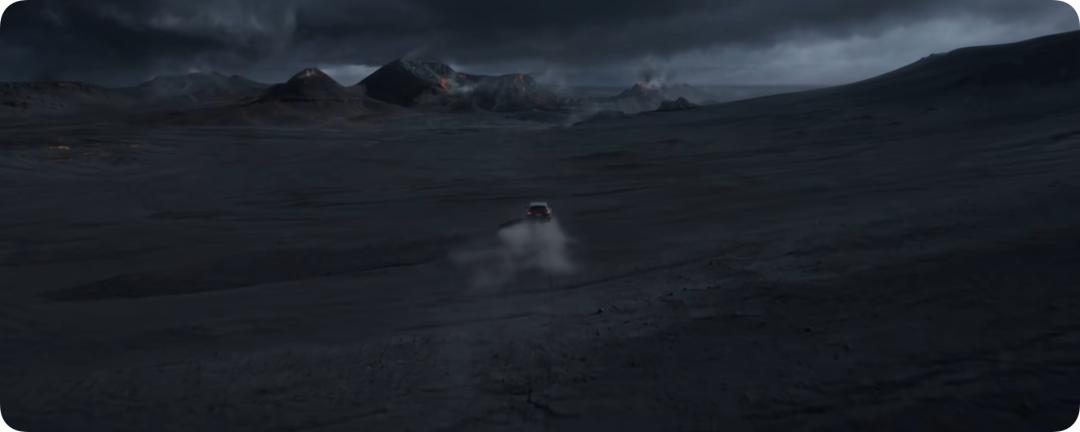
Photo | A car ad practice work by Bilibili UP creator @Hongs
The difference is that the AI-mass-produced faces, lighting and scenes form the most easily recognizable traces of industrialized production. The sense of incongruity and the overwhelming uncanny valley effect almost instinctively trigger rejection and discomfort in viewers.
In this sense, AI ads have unconsciously become a "developer" that reveals all low-quality advertisements.
The worst part of AI ads is also their greatest contribution. The lingering, obvious AI traces are like fluorescent markers in academic research, making us realize that formulaic, assembly-line produced boring ads have long been spread everywhere.
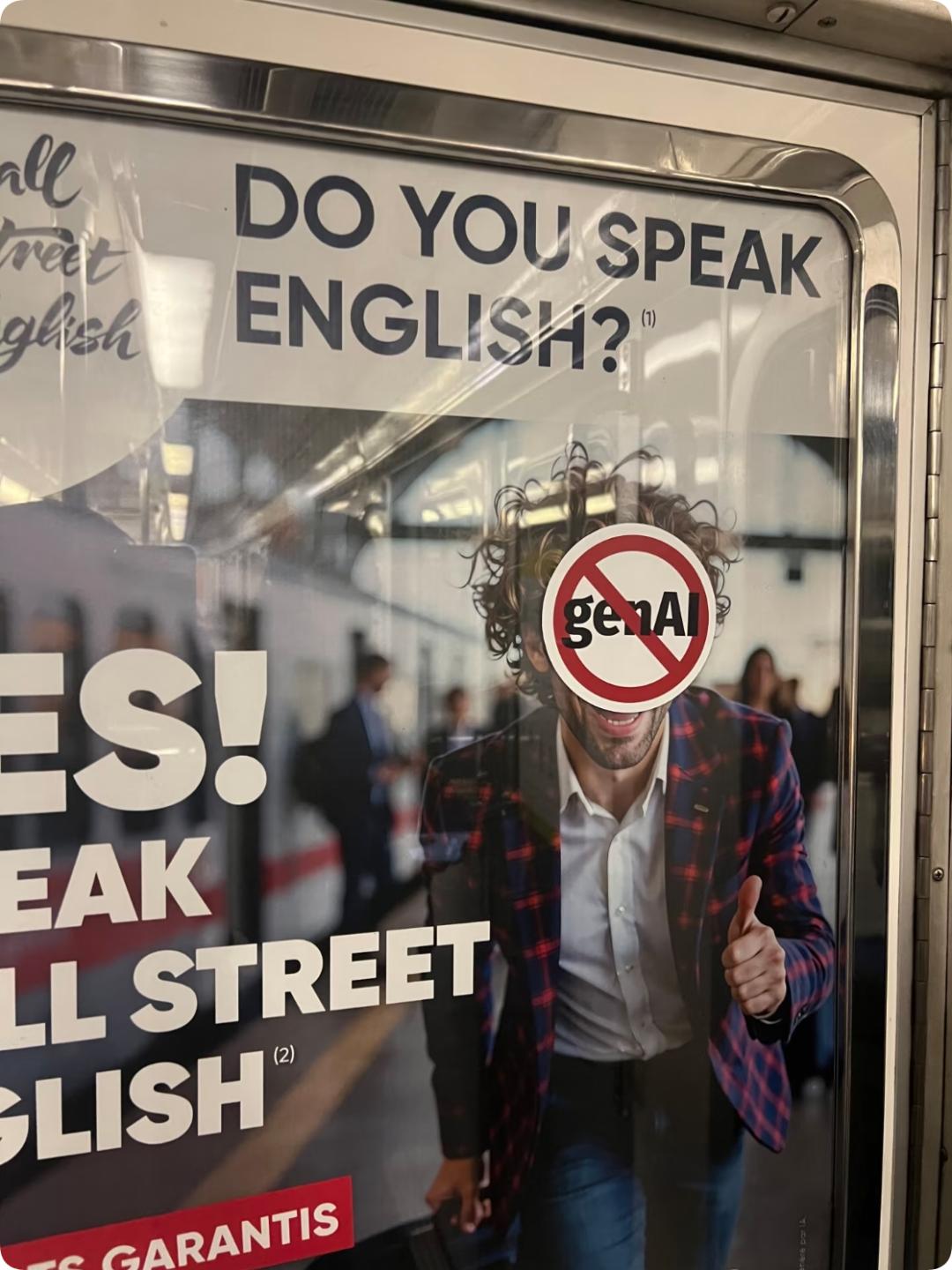
In other words, what we hate is probably never just AI, but the more unscrupulous perfunctory attitude that is empowered by new technology.
Creativity and sincerity are the secret recipe for great content
Ironically, before AI completely took over subway stations, there was no shortage of excellent ads in these public spaces.
In March last year, children's clothing brand balabala launched a special photography exhibition "Chinese Kids" in subway stations across multiple cities. Every child captured by the camera has their own unique happiness and troubles:
Some failed to be elected as the class captain, their eyes brimming with suppressed tears of grievance and resentment; some hid in the yard, peeking at their parents' movements while hiding their old clothes, hoping their parents would buy them new outfits; some saw soldiers running past from their grandpa's tricycle, and saluted naively, imitating what they had seen on TV...
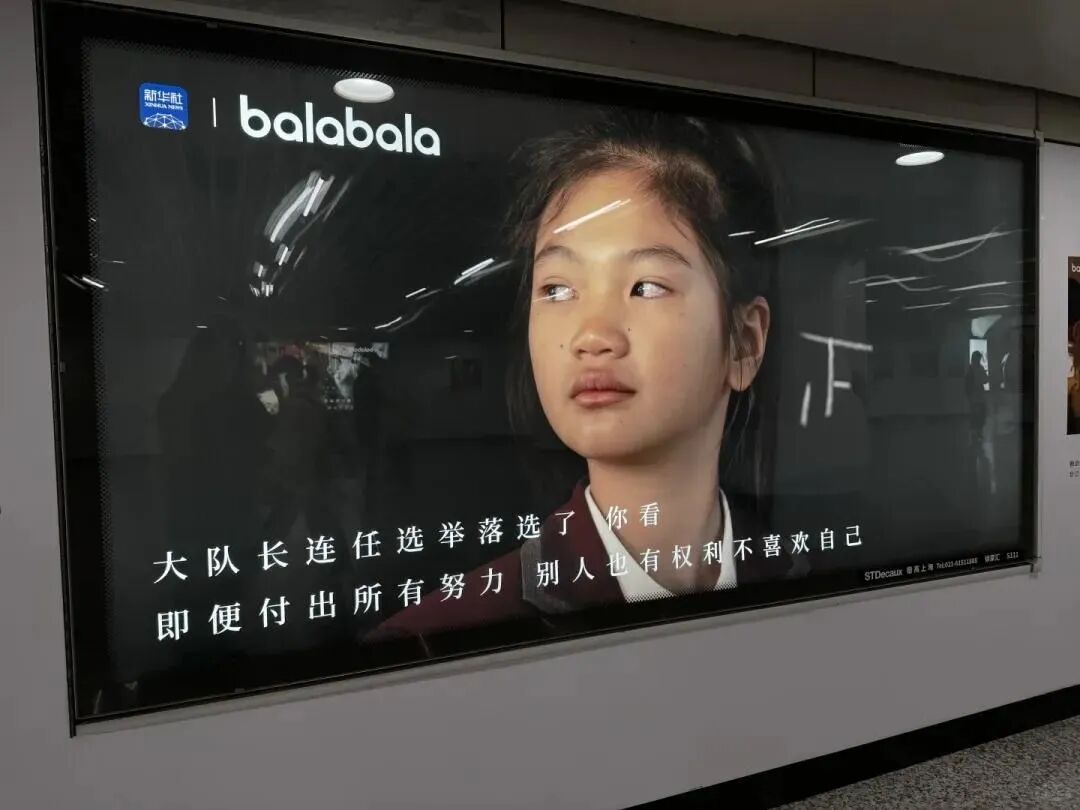
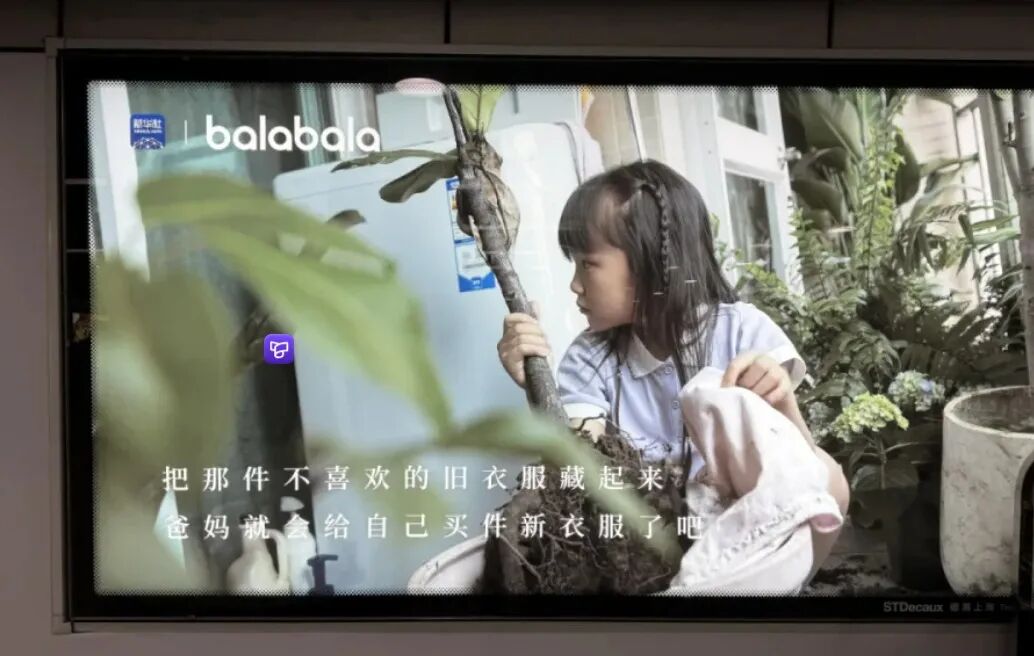
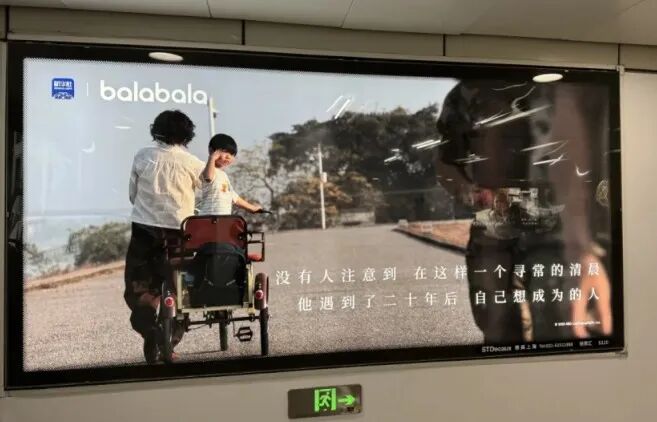
These subtle facial expressions of children are something that current AI cannot yet understand or recreate; but it is exactly these details that give the ads their emotional power.
Also at Tiyu West Road Station, during the National Games last year, the ketchup ad "The Winning Tomato is in Heinz" created by Heaven&Hell for Heinz Food used dozens of differently shaped tomato stems to cosplay as athletes, playfully highlighting the "healthiness" of tomatoes and showing support for the sports spirit.
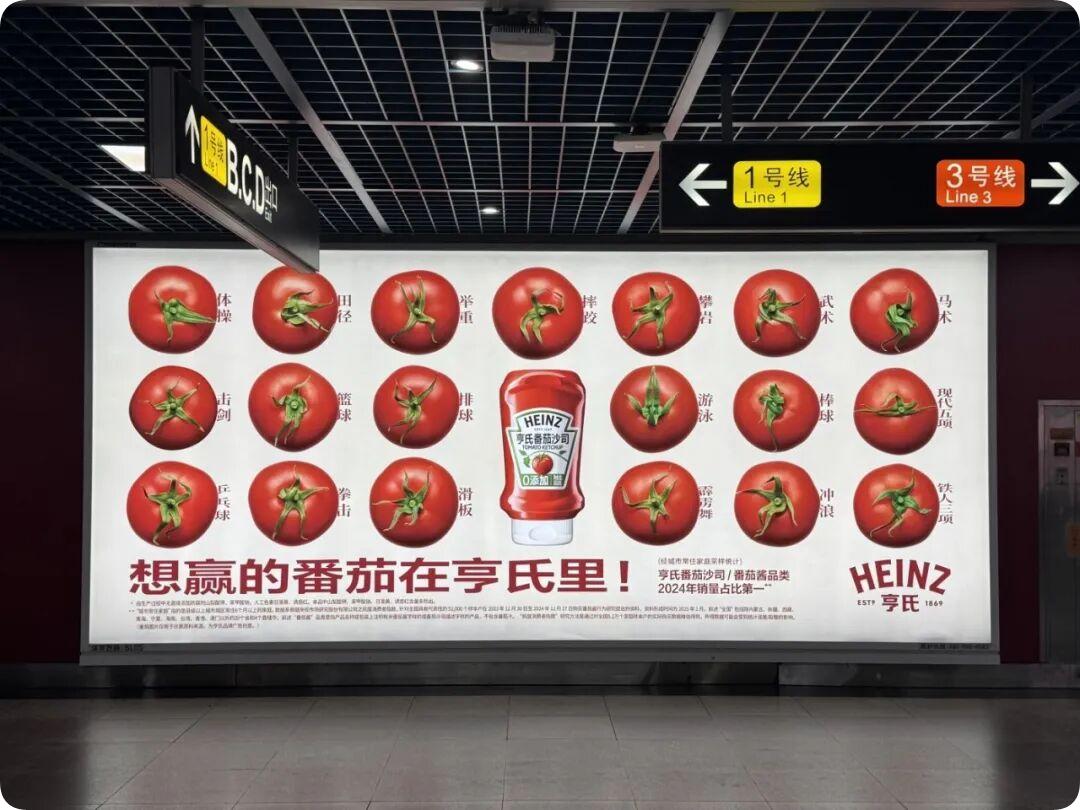
Unsurprisingly, the Xiaohongshu posts praising this ad quickly gained over 100,000 likes. Back then, when you walked into the subway station, you could always see passersby stopping in front of the ad, taking out their phones to take photos —
This is exactly the value of creativity.
The above discussion may easily lead people to think that the prevalence of AI is the direct cause of the "aesthetic downgrade" of ads. On the contrary, there have been many cases of using AI to assist creativity in the past period of time:
For example, in June this year, 90-year-old actor You Benchang authorized his AI digital avatar to star in a short ad film "At 93, I Got My First Robot in Life". Back then, the elderly "Grandpa You" was no longer physically fit enough for high-intensity shooting, but in the AI-generated world, he looked energetic and told the simple happy story of how a toilet assistance robot helps elderly people get up at night safely.
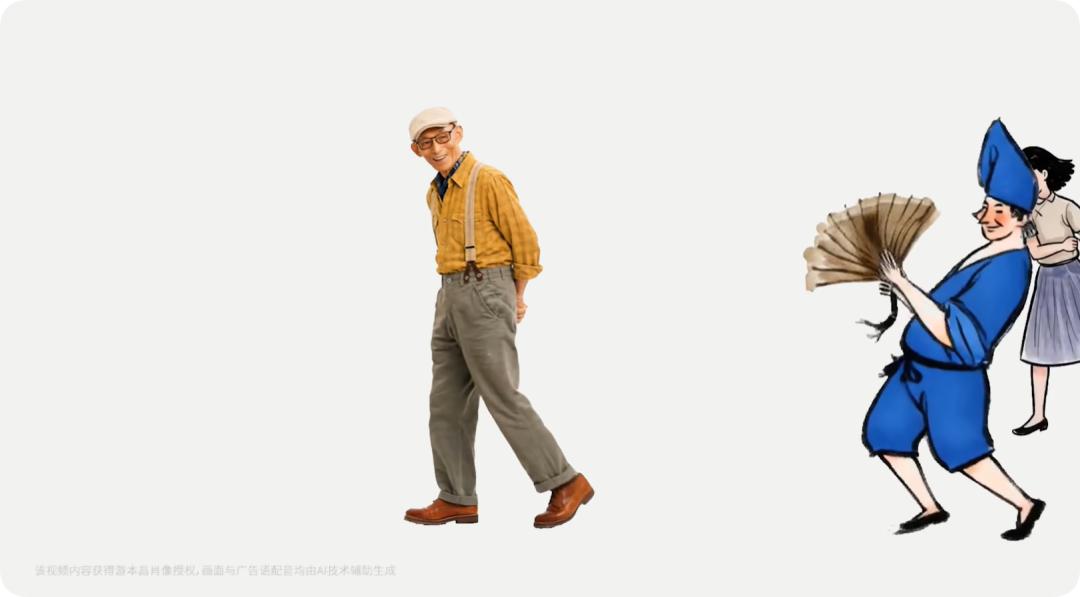
At the end of the ad, You Benchang himself appeared on camera to record a blessing video; this ad also became the final work of this respected artist.
Although the note that "both the visuals and the voiceover are generated with AI assistance" was marked on the screen from the very first second, the usually critical Bilibili audience did not direct their complaints at AI this time. Because the technology did not overshadow the core message, but instead allowed the ad to convey exactly what it wanted to express — this is an ad with a "soul".
