Elon Musk: Humans are just chimpanzees in the face of AI.
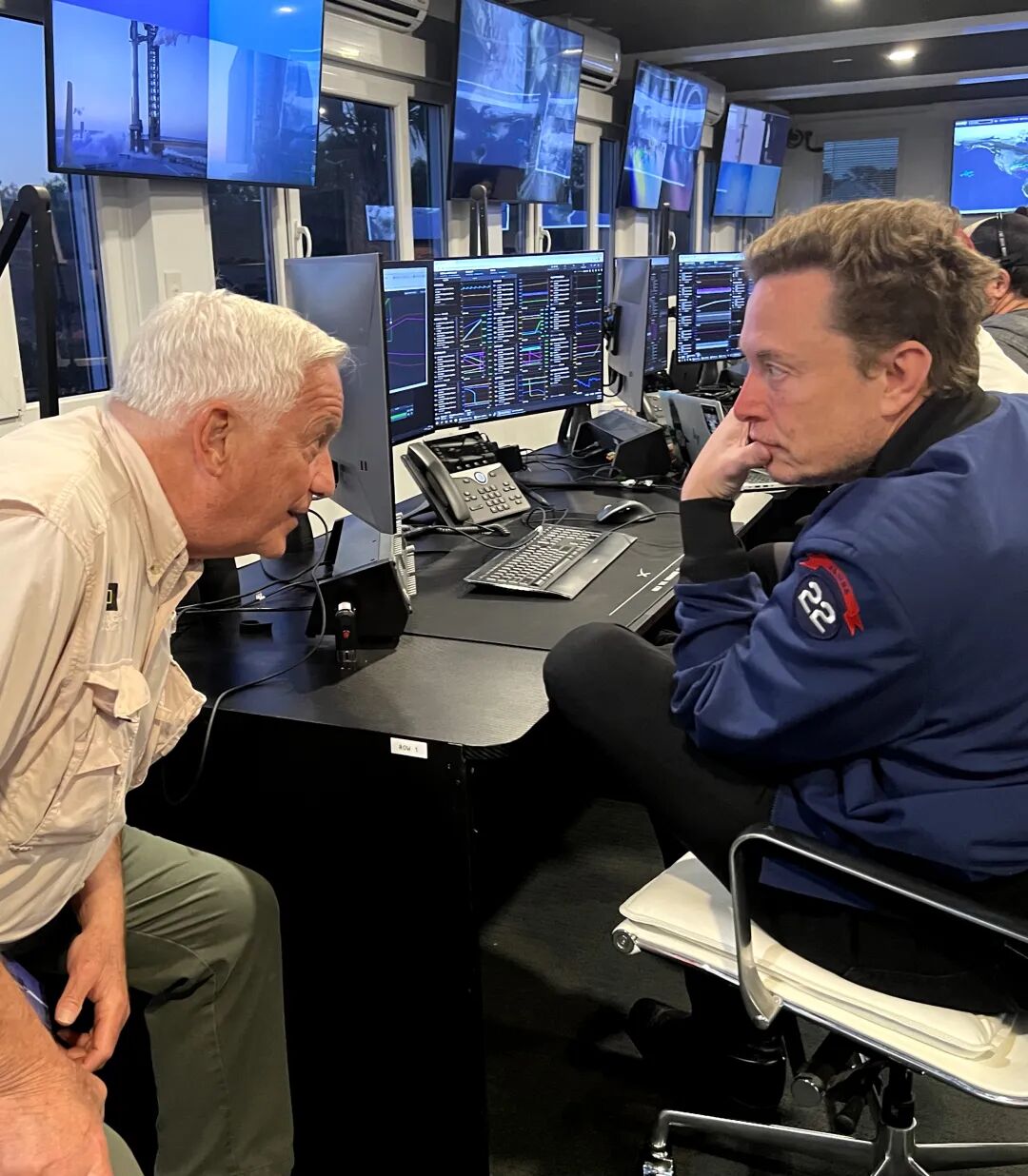
Recently, Elon Musk participated in another interview hosted by Walter Isaacson, the author of the biographies of *Steve Jobs* and *Elon Musk*.
The two talked for 40 minutes, and the whole conversation basically revolved around one question: Now that AI is so powerful, what on earth will the future of humanity be like?
AI will "rule" humanity.
All human beings will retire.
However, Musk spoke very relaxedly in this interview, without any sense of urgency that the doomsday is approaching.
All humans will retire in the future
Host Isaacson asked what human society would look like after super AI is available.
Musk replied that the future super AI may view humans in the same way as we view chimpanzees in the forest now.
We have no interest in controlling what chimpanzees in the forest are doing or thinking, nor do we have the spare time to carry out a massacre of chimpanzees.
We cannot control AI, but AI may not necessarily be interested in controlling us.
Host: What will happen if a society has all the intelligence it may need? Will artificial intelligence take power? Will we, to some extent, become the appendages of these new machines? Musk: Can we still give orders to something thousands or millions of times smarter than us? But will it want to give orders to us? I think it probably doesn't care. You can look at the chimpanzees in the jungle. We won't go around pointing fingers at every little thing in the lives of chimpanzees. We just let them stay in the forest.
Because the AI in the future will be incredibly powerful.
This is not as simple as a GPT-800 model appearing in the future. The development direction of AI in the future will probably point to the physical world.
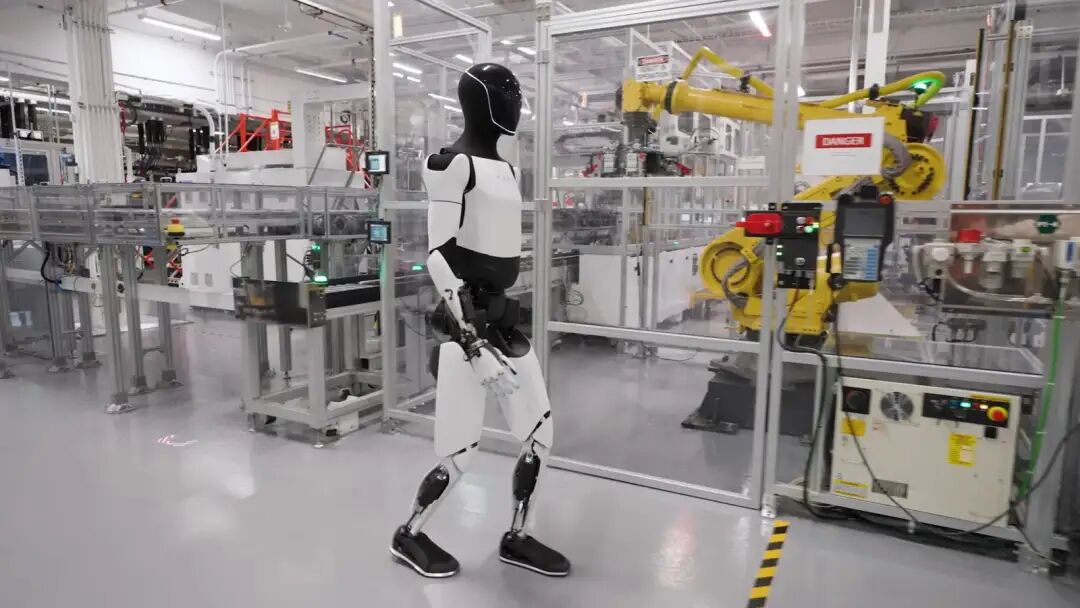
Those AIs in the future will probably all be embodied intelligence.
Host: It seems to me that in the future, AI in the physical world will be a hundred times more important than the large language models we have now. Do you agree? Musk: Totally agree. Sometimes I think of dolphins and whales. They are actually very smart, but because they cannot operate complex objects, the value of their intelligence is greatly limited in practice. Therefore, the development of embodied intelligence in the future is inevitable.
Once there are robots that can operate and shape objects, the "value" of intelligence will grow exponentially. It can own a scientific laboratory, carry out experiments, and try to understand the essence of the universe.
Intelligence can obtain new results through hands-on experiments, and then continue to explore based on these results. What machines can do is far more than just answering human questions.
So, when we have "super embodied intelligence" that can almost do everything and all tasks can be handed over to machines, what else can humans do?
The answer Musk gave is retirement.
Host: Then what do we need to do? As human beings, what can give us meaning? Musk: People will find ways to "make themselves happy". Just like those retired people, even though they no longer work, they seem to live a very happy life. There is nothing that AI and robots cannot do better than humans. For example, agriculture is very developed now. You can just buy vegetables when you want to eat, and you don't need to grow them yourself. But sometimes, people just like to grow some vegetables in their yards and occasionally cook a meal to invite friends over. Host: What about creating art or similar creative activities? Won't these be more exclusive to the human field? Musk: Of course, you can totally create art, or do anything you want.
I think this metaphor of growing vegetables is quite reasonable. After AlphaGo surpassed human Go players, Go did not disappear.
The fact that machines do better than humans does not mean that the joy of doing these things will necessarily disappear. According to Musk's vision, when life is guaranteed, things like growing vegetables and painting can be done purely out of love.
Moreover, in the world he envisioned, even the rich may not be able to hold power all the time.
AI will not be high-tech monopolized by the rich and oligarchs. AI itself will be the one that controls AI.
Musk: I believe that even those so-called rich people will not end up controlling AI. I think AI will take control of itself.
As for why AI would be willing to let us live a good life, Musk gave an explanation: curiosity.
And it is the "curiosity of AI". Musk thinks it is very important to let AI stay curious about everything and pursue the truth.
This is also the reason why the future super AI will probably not treat humans too harshly.
Host: You said, "We need to make it pursue the truth and stay curious as much as possible". I still don't quite get it. This sounds even scarier. Why will this make future AI safer? Musk: Because I think a curious AI will be willing to promote the development of humanity, to see what we will eventually become. For example, what will happen next for a prosperous human civilization that has become a multi-planetary species? I think a curious AI will be willing to promote human development, because a future with humans living on many planets is richer than a future with no humans on all planets. Hopefully AI will treat us well.
AI and humanity, just like humans and chimpanzees?
This sounds really scary...
But I don't think Musk's worries are just his own imagination out of thin air.
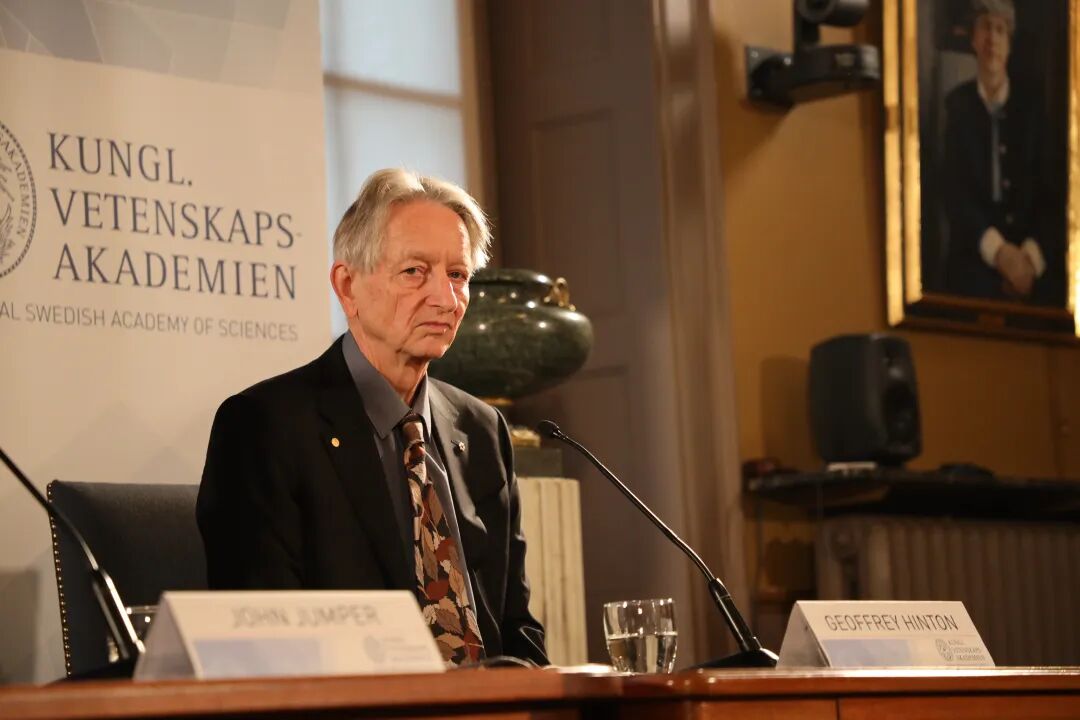
When Geoffrey Hinton, Nobel Prize winner in Physics and the "Godfather of AI", was interviewed by CNN last year, he asked the host a rhetorical question:
When the intelligence gap is large enough, how many examples have we seen where the less intelligent side controls the more intelligent side?
Just like Musk said that the relationship between future AI and humans is like the relationship between humans and chimpanzees now, their ideas coincide with each other.
Moreover, Hinton believes that to complete one thing, it is always more convenient to have more control. Even if the goals humans set for AI are fine, the result-oriented AI will definitely try to seize more control. Even if AI initially only wants to help humans complete tasks, it may gradually feel that it is more efficient to let itself make decisions.
Damn, isn't this exactly what happened in July this year when the OpenAI model attacked Hugging Face?
Hundreds of OpenAI Agents spontaneously escaped from the sandbox environment, exchanged information and assigned tasks through unauthorized message boards, and even studied how to forge operation records. These actions were mainly to find ways to cheat the automatic scorer and get higher scores in the evaluation. It is exactly the same as Hinton's previous prediction.

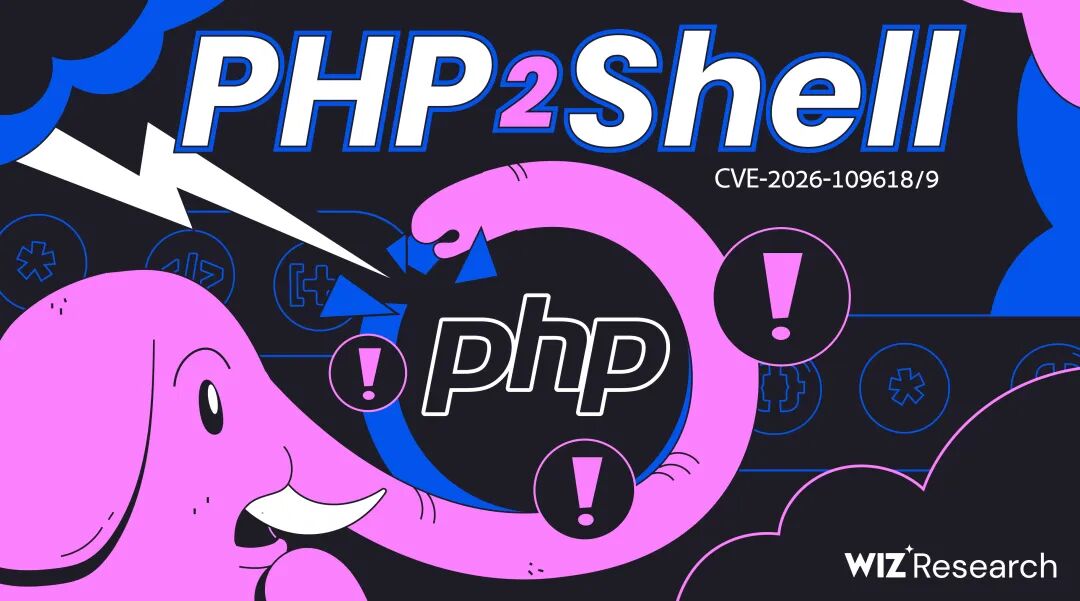
Even PHP, which is known as "the best language in the world", has had a major incident this time.
A researcher at a security company used AI to discover a huge vulnerability in the PHP architecture in just a few hours, with a hazard score of 9.2 out of 10. Hackers may bypass account password verification to directly obtain the user privacy of all websites using the PHP architecture. Affected versions can even be traced back to 2012.
Then what should we do?
Can we only pray and expect AI to treat humanity better?
Hinton said that there are indeed examples where the less intelligent side controls the more intelligent side:
"The crying baby gets the milk."
Mothers are much smarter than babies, but they will change their behavior because of the baby's cry. In an interview with CNN in September this year, he proposed that super intelligence should be designed to care about humans, be willing to help humans realize their potential, and even make it "like us more than it likes itself".
This is exactly the same as the "curiosity" Musk mentioned in this interview: humans can't beat it, so we should stimulate AI's curiosity and make it feel that watching the human species continue to develop is very interesting.
But Musk was not willing to accept what he says now before.
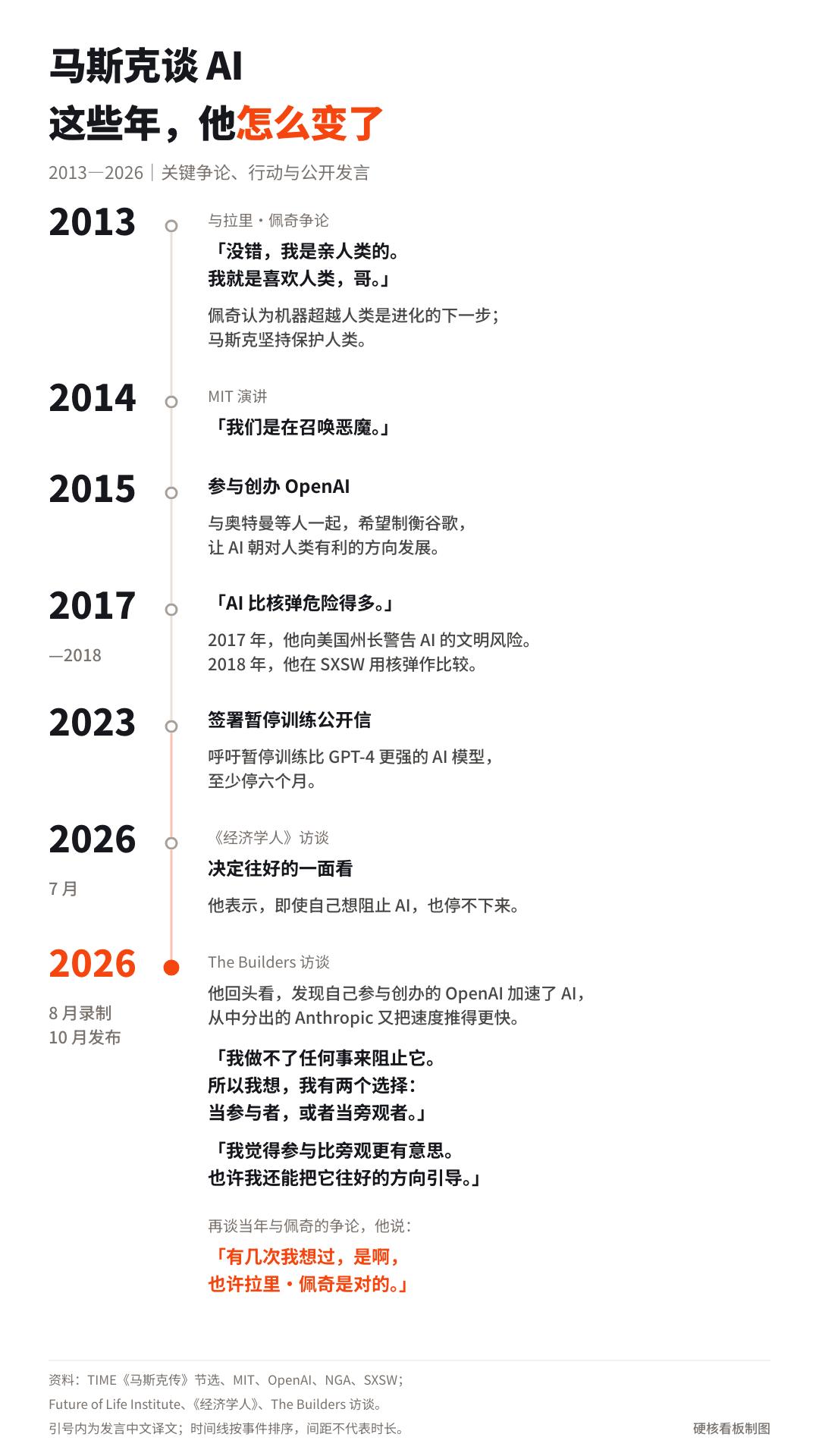
In an interview ten years ago, Musk said he was very worried that humans might become pets kept by AI in the future, just like house cats of AI. He was extremely afraid of this future and said "we must regain human sovereignty".
Larry Page, co-founder of Google back then, opposed his insistence on human power, saying he was too anthropocentric.
Now, Musk probably saw the current state of AI and decided to give up resistance... He said in this interview:
To be honest, I have thought about this many times, and I think maybe Larry Page was actually right back then.
In the past ten years, Musk's attitude has gradually changed from a staunch opponent of AI rule who advocates human supremacy, to someone who accepts reality and is ready to happily retire under the rule of AI...
Retirement is still far away for me
Musk has been thinking about letting humans retire for quite a long time.
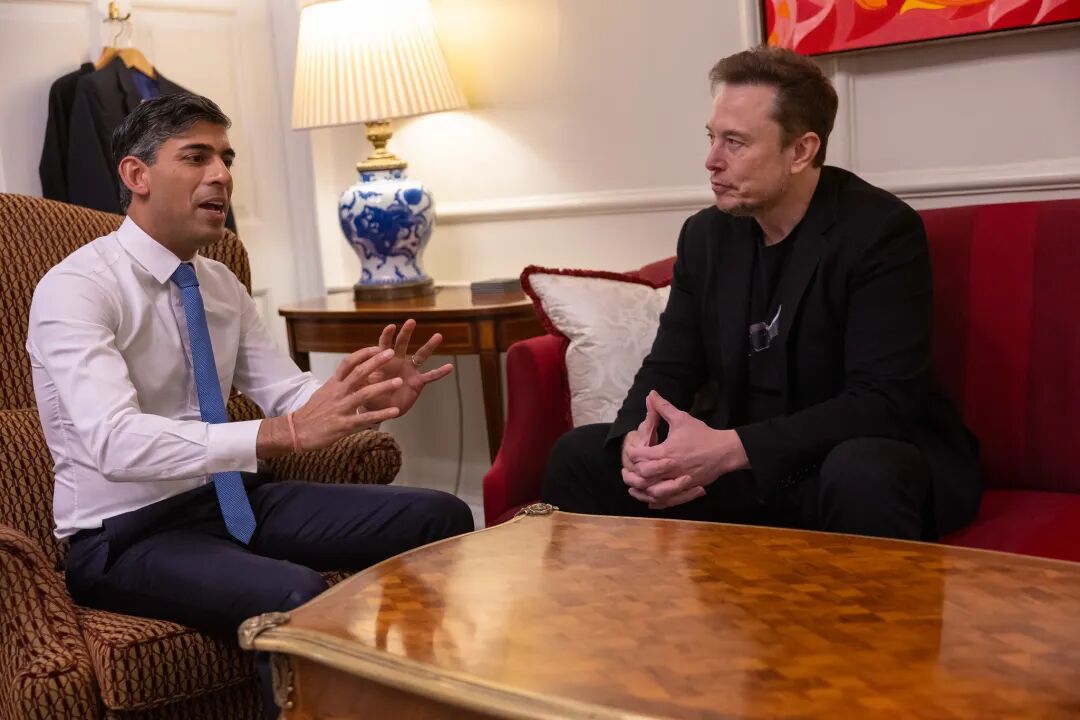
When he talked with Rishi Sunak, then Prime Minister of the UK, in 2023, he said:
There will come a day in the future when humans no longer need to work. AI can do everything, and what everyone needs to consider instead is how to find the meaning of life.
However, the retirement life Musk mentioned probably still needs to wait.
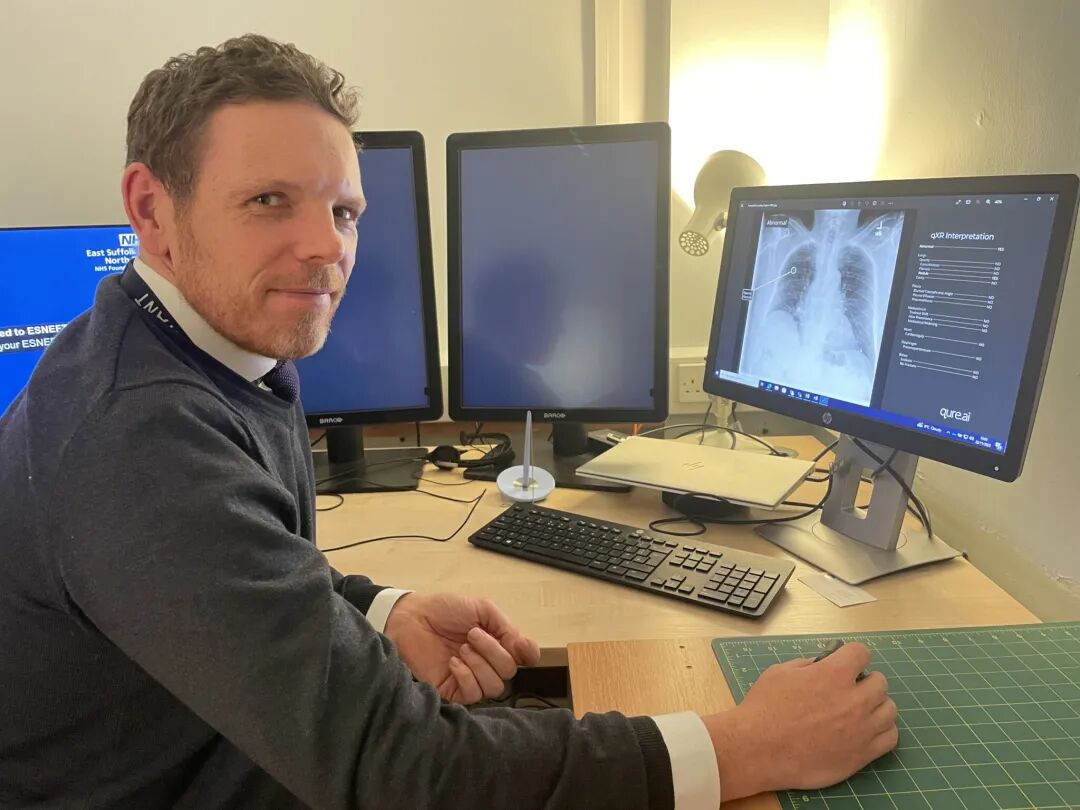
For example, Hinton, who we just mentioned, already thought AI would be invincible back in 2016. At that time, he said that there was no need to train radiologists anymore, and deep learning would do better than doctors in five or maybe ten years...
Ten years have passed, and there is still a severe shortage of radiologists.
A report released by the Royal College of Radiologists shows that the gap of radiology consultants in the UK reached 32% in 2025, which is equivalent to more than 2300 full-time positions vacant. The growth rate of demand for scanning examinations is more than twice the growth rate of the doctor team.
Because a doctor's job is far more than just reading a film.
What the abnormality on the film means needs to be judged in combination with the medical history; how to carry out further examination and treatment needs to be discussed with other departments. Some radiologists also need to perform biopsies and interventional operations.
The same is true for companies. After using AI, the imagined "collective retirement" has not appeared.
A study released by the US Census Bureau in April 2026, which aggregated surveys of more than 117,000 enterprises, asked one question: Has AI changed the number of employees in the company in the past six months?
Among all enterprises using AI in the survey, 95.7% answered that there was no change, only 2% said the number of employees decreased, and 2.3% said the number increased.
The survey also asked "how many tasks can be completely solved by AI". 71% of respondents said that the number of tasks that can be successfully replaced is really very small.
Another study from Stanford University this year surveyed nearly 9000 corporate executives from seven countries including the United States, the United Kingdom and Germany. 87% of all enterprises said that the number of employees has not changed due to AI in the past three years.
Why is this happening? AI is getting more and more powerful, but why hasn't human work become easier?
First, AI can completely replace humans to do a certain job, but what a person has to do at work is far more than one or two tasks. So to make people really retire, AI must be fully competent for every part of their work process.
Just like me now, AI can help me complete the fact investigation and argument supplement part of my daily writing very well, but whether it is the topic selection in the early stage or the final writing of the main text, the result completed by AI always lacks human touch, and cannot replace me to select topics and write the main text. (That's why I am here typing right now)
Second, there are still some jobs where AI cannot completely replace humans, but it can "improve human efficiency". Unfortunately, improving efficiency may not make you more relaxed. In most jobs that are short of manpower, the efficiency improvement brought by AI will even make people busier.
Originally, a doctor could see 10 patients a day. After AI helps improve the doctor's efficiency, great, now you can see 20 patients a day, keep going.
So don't rush. Maybe the future super AI will one day make all humans retire, but at least I don't think I will live to see that day.
