Visiting frontline shopping malls, I have identified three major consumer trends.
After visiting more than 10 shopping malls in Wuhan, "Biaowai Biaoli" has discovered a thought-provoking phenomenon.
Walking around Wushang MALL, dozens of luxury brands such as LV, Dior and Cartier exude an air of opulence. However, at the end of the road, there is a Pop Mart store whose facade is covered with gradient "Han embroidery", with a 2-meter-wide window display whose imposing manner is no less than that of the adjacent Tiffany.
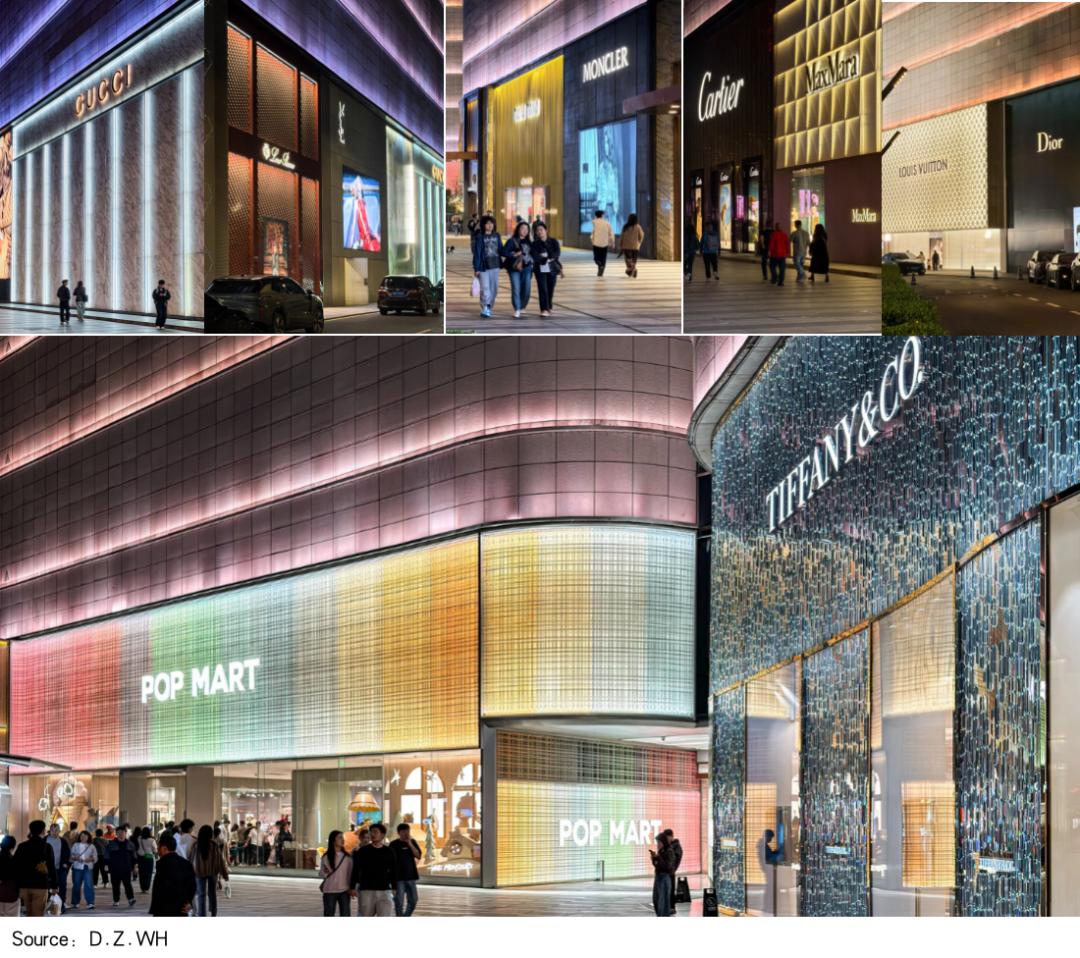
It is not an isolated case. The Pop Mart store at Intime City has also moved from the corner to the main entrance facing the street, with its store area expanded several times and also boasting an exquisite facade.
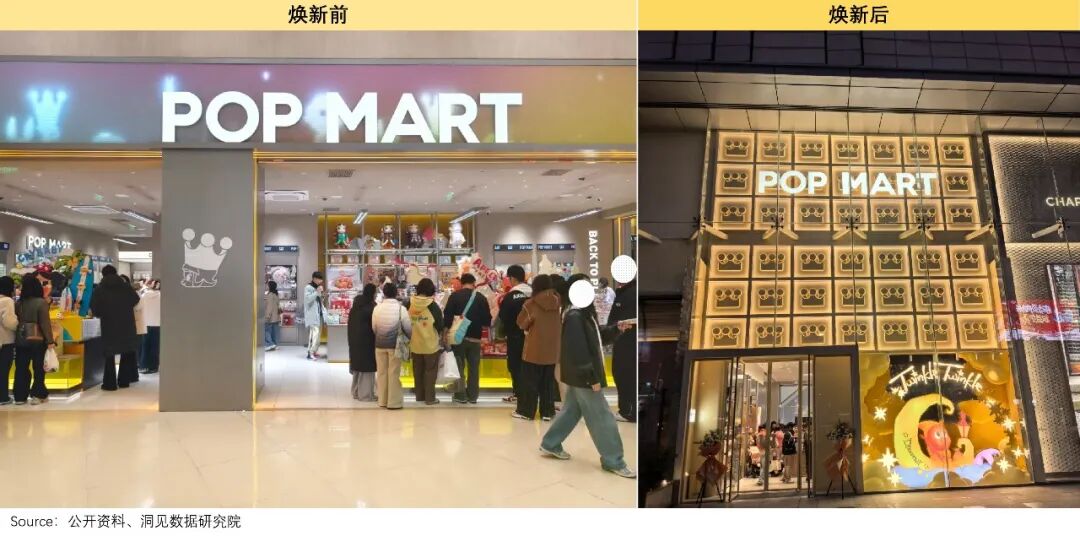
In Wuhan, Pop Mart has embarked on a new round of "store expansion and image upgrading", and the best batch of shopping malls are willing to offer their most expensive "prime locations" to it.
This is not a unique case. More and more core positions in core business districts are quietly occupied by high-potential brands.
In Wuhan SKP, Laofu Gold has squeezed out top hard luxury brand Piaget; the storefront that Jordan has occupied in Qunguang Plaza for 8 years has been taken over by FILA; in the newly opened hit commercial complex Chubao Tiandi, the "door guardian position" is reserved for Pokemon, and a host of popular brands such as MINISO and Jiduotong are gathered here...
Looking across the country, big-name beauty brands, gold and jewelry brands, and traditional casual wear brands have quit their prime positions one after another, while sports luxury brands and trend-oriented forces have begun to occupy the landmark commercial spots.
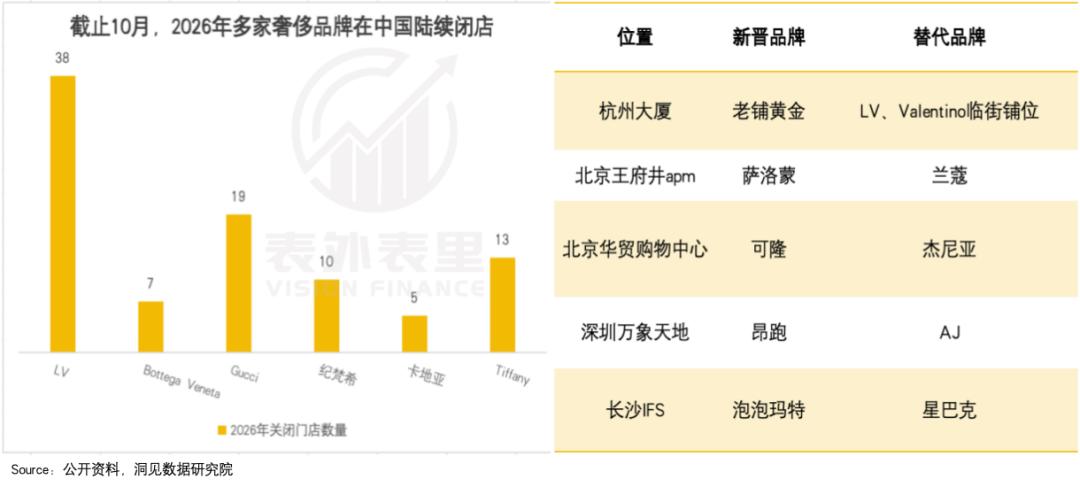
Which brand the shopping mall gives the core position to means who they hand the discourse power over to. Their consistent choice shows that the undercurrent of consumption may have turned. Based on the research, we have summed up three consumption trends:
- Stores no longer focus on selling goods directly, but let consumers experience the "scene" first
- In the era of experience economy, "user thinking" is reshaping offline business
- Emotion-driven consumption is no longer new, but it is still the "secret to making huge profits"
1
Stores no longer focus on selling goods directly, but let customers experience the "scene" first
Flagship stores are the vane of brands. In the latest flagship store of Kolon Sport, men's and women's clothing are displayed together, clothes and shoes are not placed separately, and they can be found on both the first and second floors.
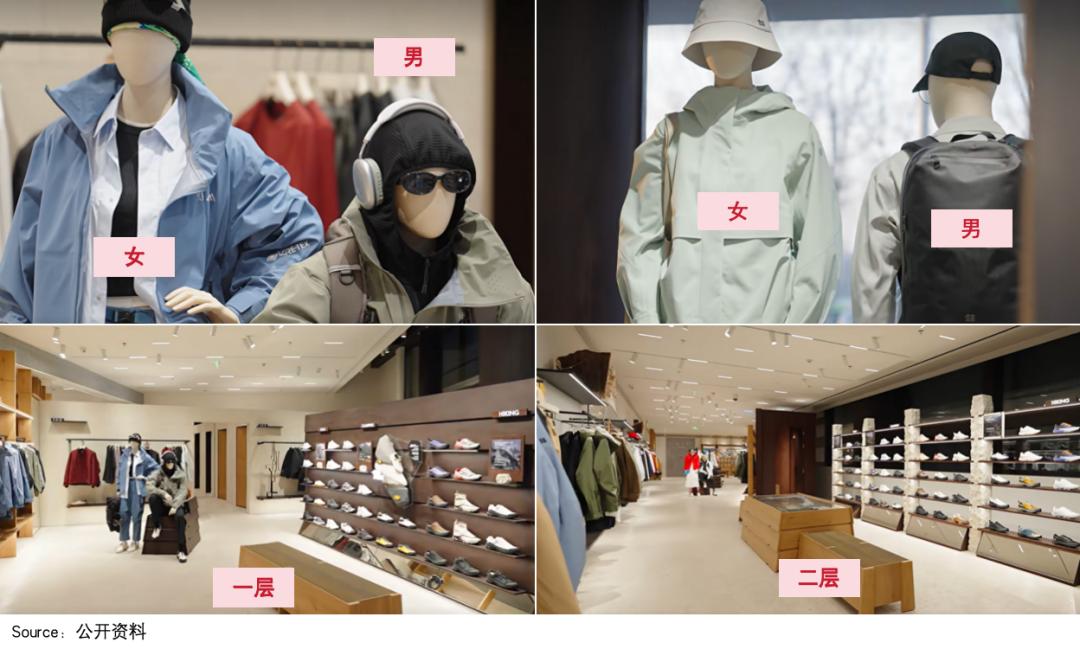
People who are used to partitions or layered arrangements by gender and category will feel confused when they first walk into this "chaotic" store.
But a closer look at the products makes everything reasonable.
On the first floor, softshell jackets, hiking shoes and other products are sold, and the three major areas correspond to the scenarios of hiking, camping and functional travel respectively. This means that people who prefer light outdoor activities do not need to run up and down, and can purchase men's and women's styles, shoes, clothing and bags in one stop.
When you get to the second floor, you will immediately feel the "altitude rise", with all hardcore top-tier products for heavy hiking and alpine climbing in sight. There is even a specially built sand table: which pair of shoes is suitable for snow mountains or valleys is printed directly on it, so even a novice hiker can locate the right equipment at a glance.
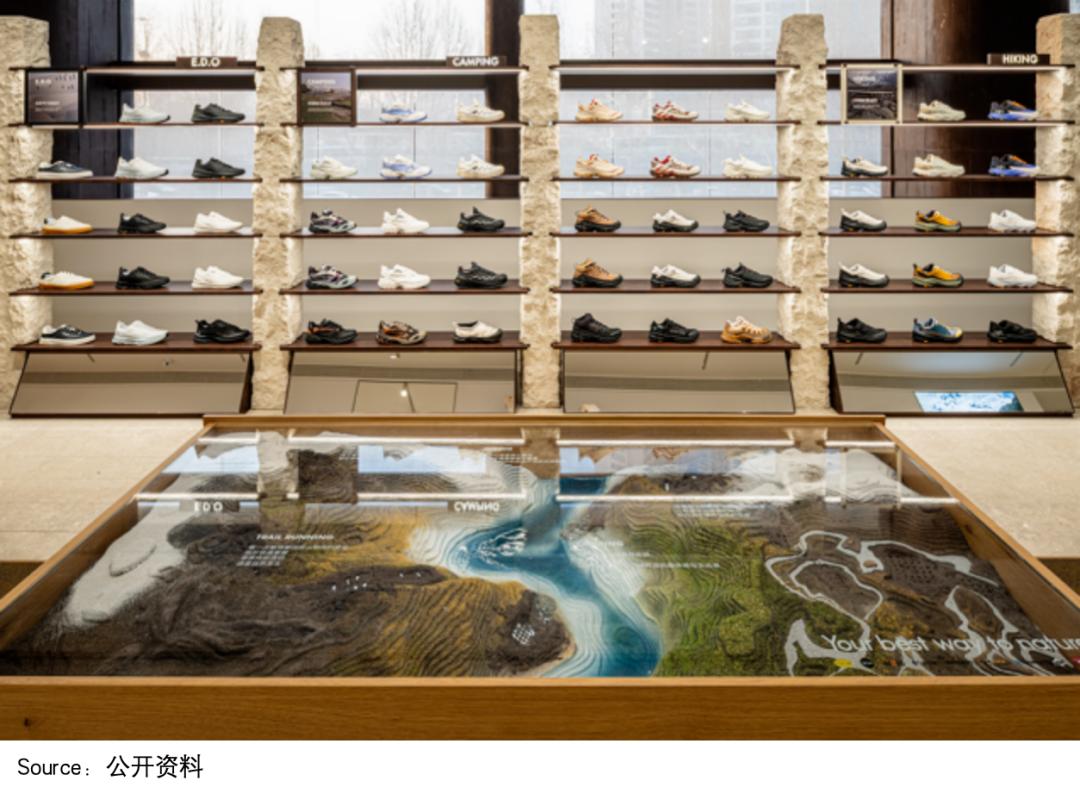
The shelves seem to be disrupted, but they are actually unified under the corresponding scenarios.
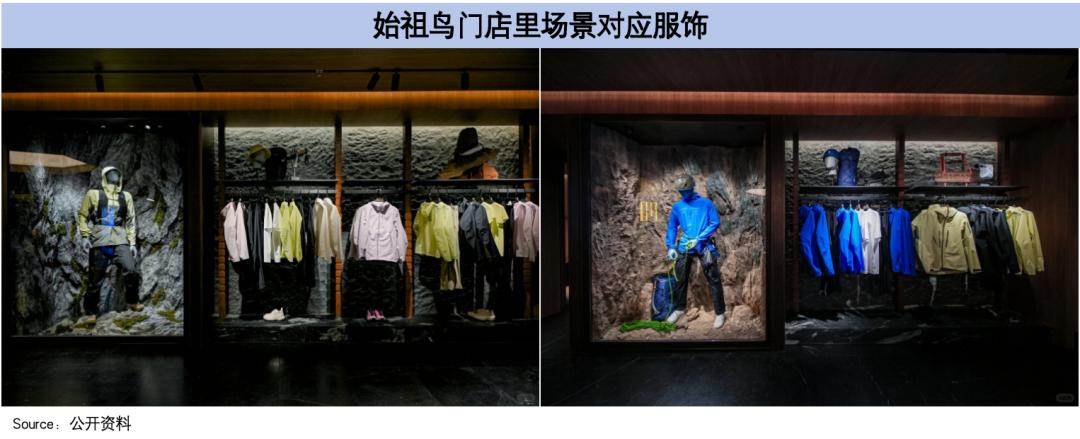
Looking at the latest "Departure Store" of Arc'teryx, it has also turned to scenario-based design: the window displays are moved into the store, with hiking and rock climbing scenarios occupying a window respectively, and the full set of outfits on the mannequins are placed right next to them, so customers can buy the matching products without hesitation.
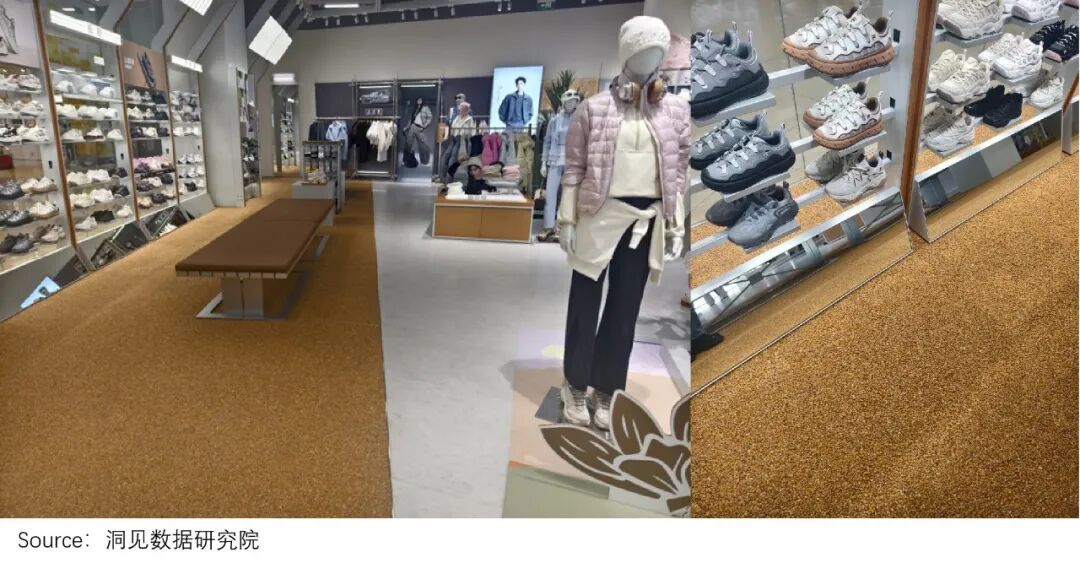
This trend has even spread beyond the outdoor circle. FILA FUSION, positioned as a sports fashion brand, paved the floor with pebbles, so that customers trying on shoes can feel the road texture as soon as they step on it.
More and more brands no longer simply "sell goods" in a rigid way, but restore the usage scenarios first to help customers recall their real needs for buying the products.
This kind of service spirit seems reasonable today, but it is still very new in the history of retail development.
For a long time, Chinese brand flagship stores have been "apprentices of Apple", with standard configurations of large cold-color logos, large storefronts and large glass cubes, which not only highlight the sense of presence, but also create a sense of distance. Product introduction and experience are not valued, and customers have to do their homework by themselves.
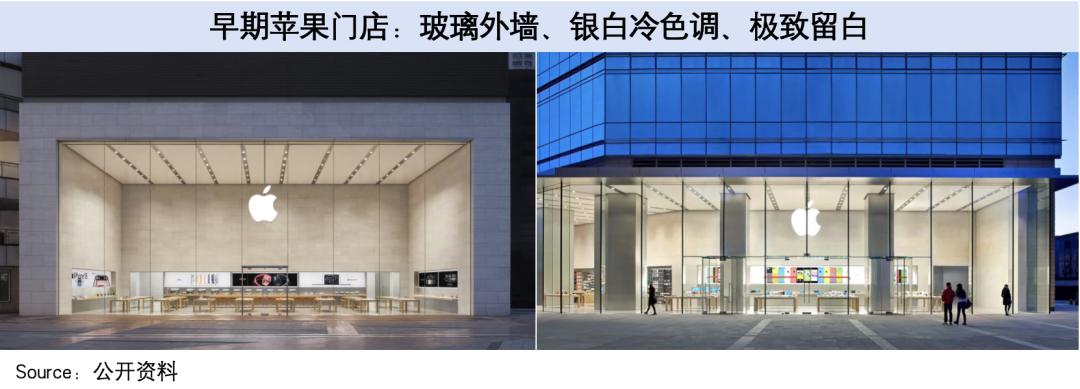
This kind of store design works in the period of economic boom, after all, what people buy is the "brand reputation". Moutai does not need to popularize its vintage and flavor, and customers who buy it for social purposes will purchase it on their own; many Super Girls who queue up to buy lululemon products are not originally buying them for sports.
But after the public returns to the down-to-earth lifestyle, people are no longer willing to pay a high premium for "others thinking I live a good life", and prefer to pay for pleasing themselves, so the lofty old brand narrative has collapsed.
As a result, brands are forced to start a new round of store iteration.
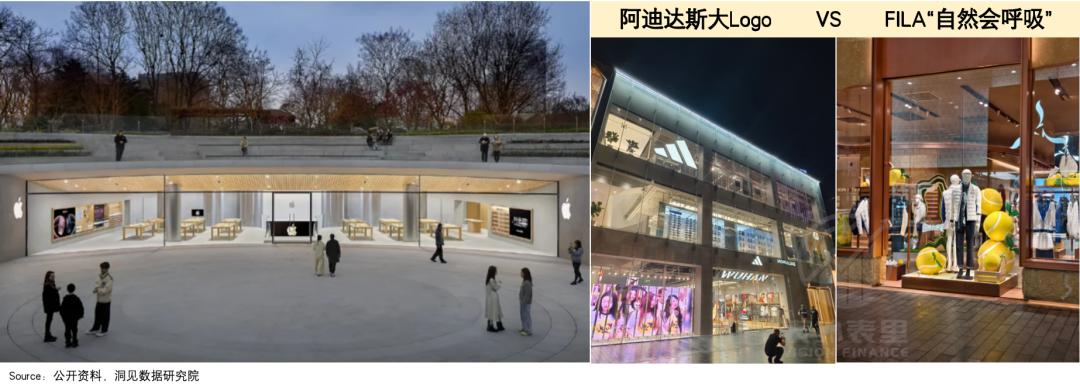
Weakening the sense of brand presence and taking the initiative to create scenario-based design has become a general trend: Apple's latest flagship store is hidden in the square, shifting from "being a landmark" to "integrating into the community"; while Adidas is still playing promotional videos on the big screen in a loop, FILA across the street has put forward the concept of "nature that can breathe".
Reducing the retail area is also happening at the same time: Pop Mart and Beneunder are opening larger and larger stores, with sparser displays and more blank space left.
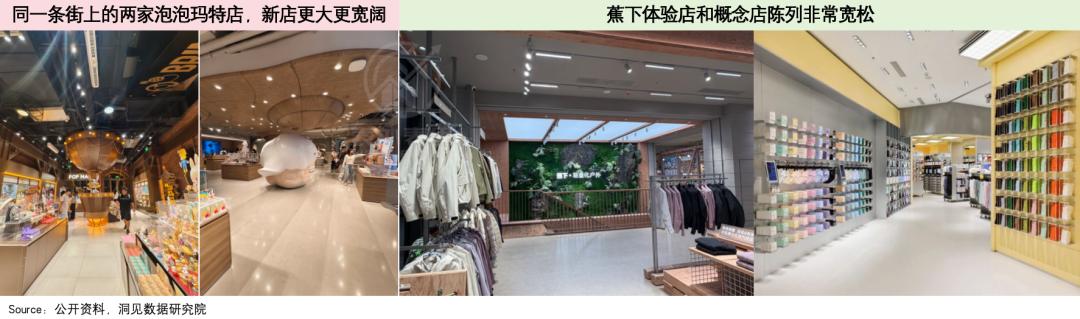
When consumers walk into the store, what greets them is not annoying sales pitches and crowded shelves, but a scenario and a state first, and the conversion of transactions comes naturally.
To put it bluntly, if you really do a good job in "user experience", you may have already succeeded in half of your business.
2
In the era of experience economy, "user thinking" is reshaping offline business
The shopping mall reserved the "door guardian" position for Pokemon, but Pokemon used the entire second floor for customers to paint, interact and rest.
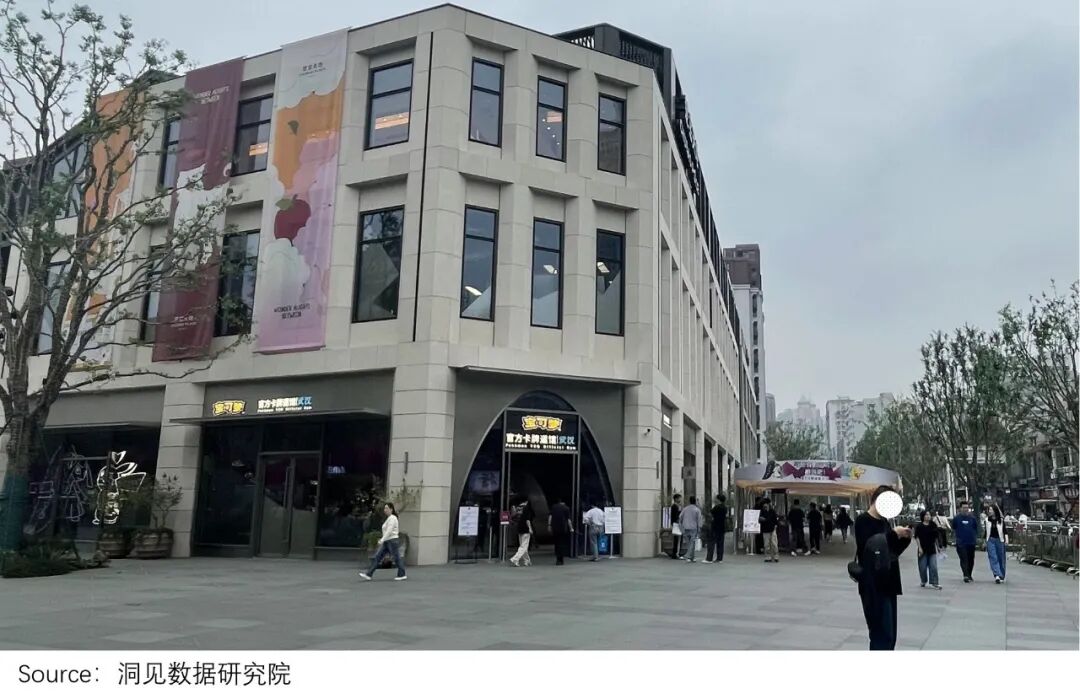
This layout seems uneconomical, but once you walk in and take a look, all doubts will vanish.
A middle-aged adult man is sitting quietly in the store coloring the line art. He is completely immersed in it, and the anxiety of battles and the noise of passers-by seem to be separated from him. He just patiently fills the blank outline of Snorlax with his favorite colors stroke by stroke.
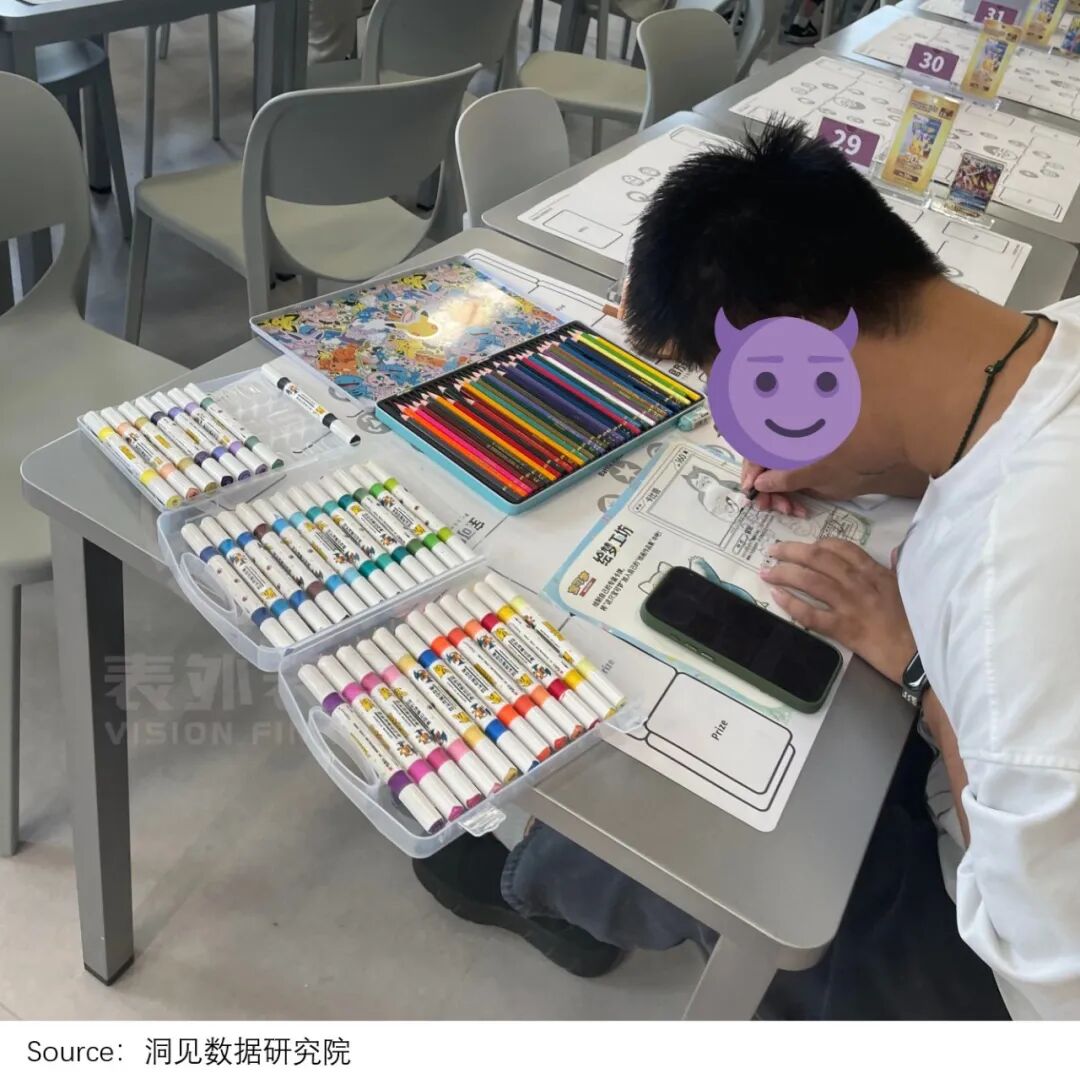
There is more than one such "childish" adult, and a large group of people are sitting densely in the Dream Painting Workshop. They come here specially to "kill time", making Pokemon the most popular store in the shopping mall.
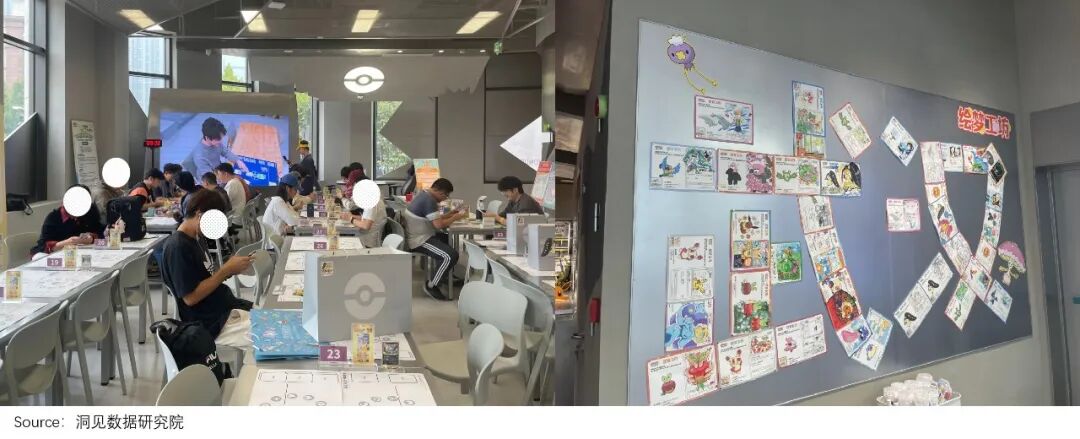
This is the most intuitive embodiment of the "experience economy".
Modern people are so eager to take a breath in the fast-paced and highly competitive life. From Pokemon coloring and bead weaving to hiking and paddle boarding, anything that can pause their worries and anxiety can make them willing to spend money.
For brands, this means that the retail industry has moved from the era of "focusing on sales per unit area" to the era of "focusing on value per customer" — whoever can capture people's emotions and attention, and make people willing to come back repeatedly, will master the secret to the success of offline business.
Based on this, offline physical stores have truly started to do business with "user thinking".
Like Pokemon, the outdoor circle also advocates "space is experience": Arc'teryx allows members to sit in the reception hall restored to a valley environment, drink coffee, taste red wine and talk about outdoor activities, so as to gain a sense of identity; Kolon Sport holds a series of camping classes and community activities to let customers realize the state of "being in the city but with the heart in the outdoors".
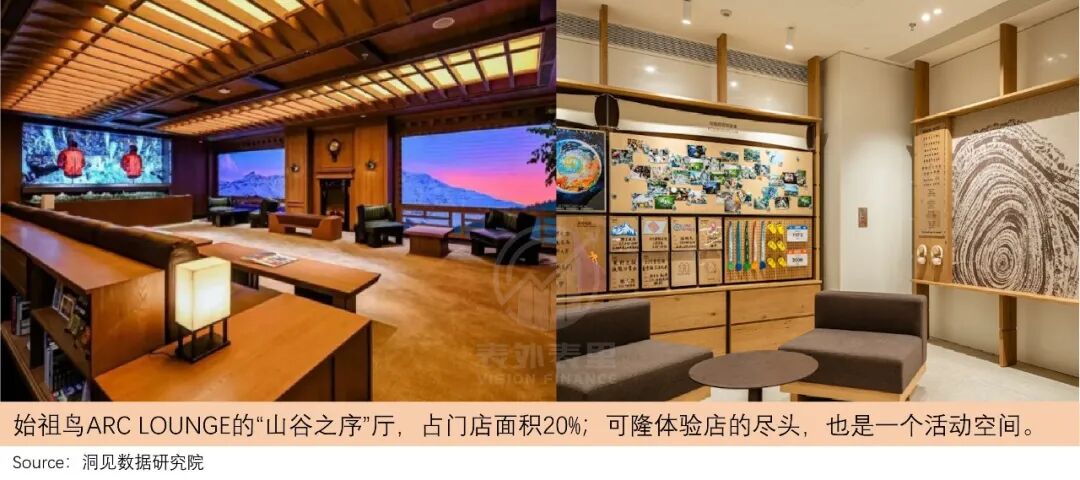
Trendy toy brands are also reducing the stacking of goods and widening the aisles, but at the same time adding many new elements to the stores.
In addition to the gorgeous facade, the new large Pop Mart store will also spare nearly ten square meters of space to hold art exhibitions or create a dreamy space. The MINISO IP store is decorated as a Harry Potter "pain building" as a whole, allowing Muggles to smoothly enter the magic world.
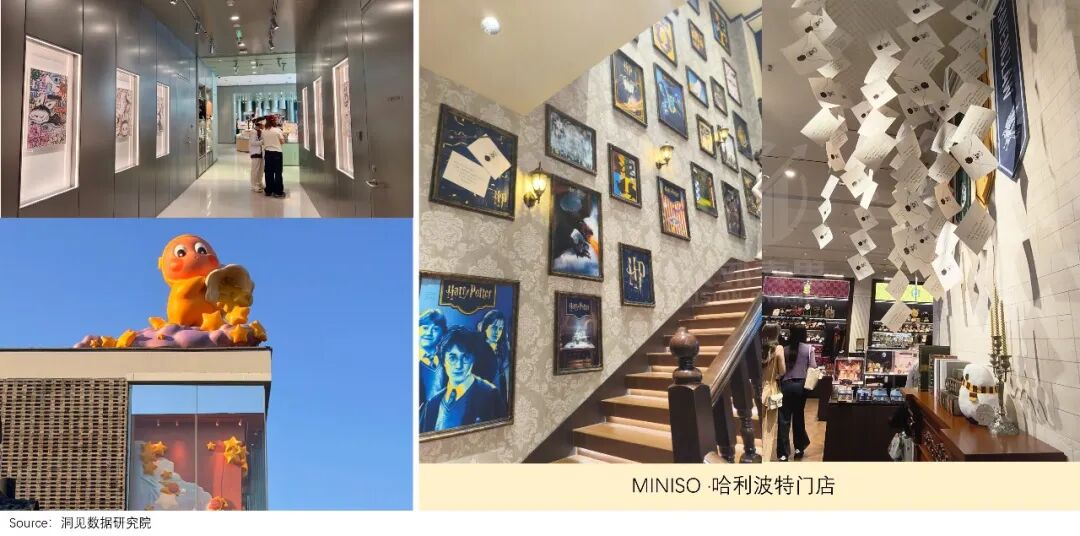
They are sparing no effort to improve the aesthetic level, because trendy toy brands follow the logic of "store is experience" — young people come to the store not just to buy blind boxes, but to appreciate and check in like visiting an exhibition, feel the brand aesthetics, and gain social capital. A store is a "curated exhibition work". Only when the exhibition is well done, can the store entry rate be high, and the sales volume is expected to rise.
There is also a type of brand that