When a mid-tier phone "drops software update support", the reasons behind this move are so ridiculous that people are left at a complete loss whether to laugh or cry.
When a seemingly not "old" phone is suddenly officially announced to abandon the system update that has already been promised, what will be your first reaction as a user?
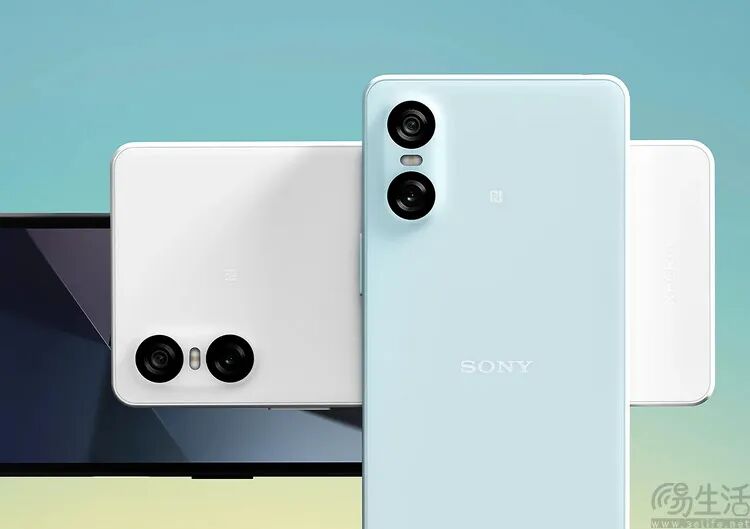
Will you scold the manufacturer for going back on its word and lacking integrity? Or reflect on the poor configuration of this phone and wonder why you bought such a device back then? Or question the underlying motivation of the relevant brand, whether it is due to insufficient technical capability, or simply to save costs?
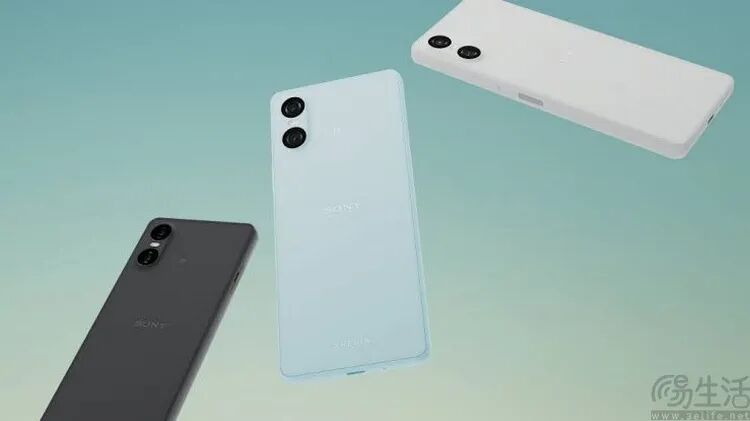
For some Sony mobile phone users, they may have all three of the above reactions recently. Recently, Sony suddenly stated that the Xperia 10 Ⅵ it released in May 2024 will not fully receive the three system updates previously promised. After internal testing, Sony determined that it "cannot provide a satisfactory upgrade experience", so it decided not to push Android 17 to the device.
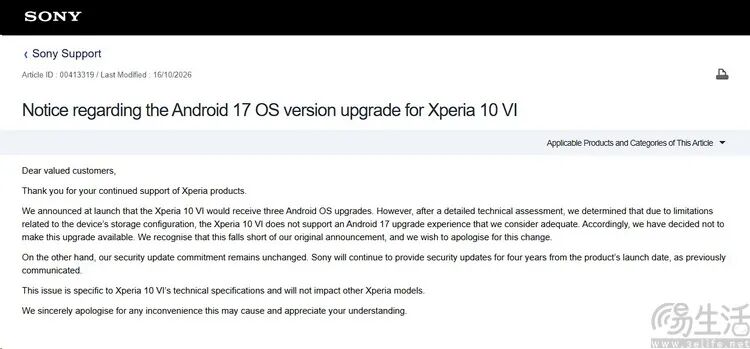
Please note that if you fully believe Sony's statement, it means that the Android 17 update package for this model has actually been completed. The reason why it is not pushed is not that the company "does not want to do it" or to save costs, but that after testing, the update has major problems and is simply not suitable for ordinary users to use.
Some friends may say after reading this, according to Sony's statement, isn't this a major BUG in system development? It's not a big deal. Since the system is already developed and the labor cost has been invested, why not spend a little more time to fix the BUG, but insist on breaking the promise in front of users and making a fool of yourself?
In fact, if you dig into this matter, you will find that Sony may not be "unwilling to do it". It is very likely that the trouble of this matter has indeed reached a level that they cannot solve. But this "trouble" does not come from external factors. Essentially, Sony has trapped itself.
Behind this incident, what is reflected may not only be the technical capability problem of one brand or one team, but also the little-known helpless status quo of the mobile phone industry that we can see from this case.
Why do we say that? In fact, the key clue lies in the specific reason given by Sony for not pushing the new system. According to their statement, the key factor is "the limitation of the device's storage configuration".
In fact, this is a very rare statement. So much so that some foreign media that first reported this matter thought the reason was a bit absurd. As an old player in the mobile phone industry, 3eLife is very familiar with this statement.
Because this is exactly the "pit" that many leading manufacturers stepped in many years ago.
As we all know, the actual available space reserved inside the mobile phone we buy must be smaller than the nominal storage capacity. For example, if you buy a mobile phone with 256GB of storage, the actual space you can use to store photos and install games after you get it is only a little over 200GB (or even less).
Why is this so? This is because the operating system and pre-installed software will take up part of the storage space. But obviously, in order to prevent users from accidentally deleting these files by mistake, the storage space occupied by the operating system and pre-installed software will not be fully exposed to users by default. Even if you know it is there, you cannot see it completely, let alone perform related operations on it.
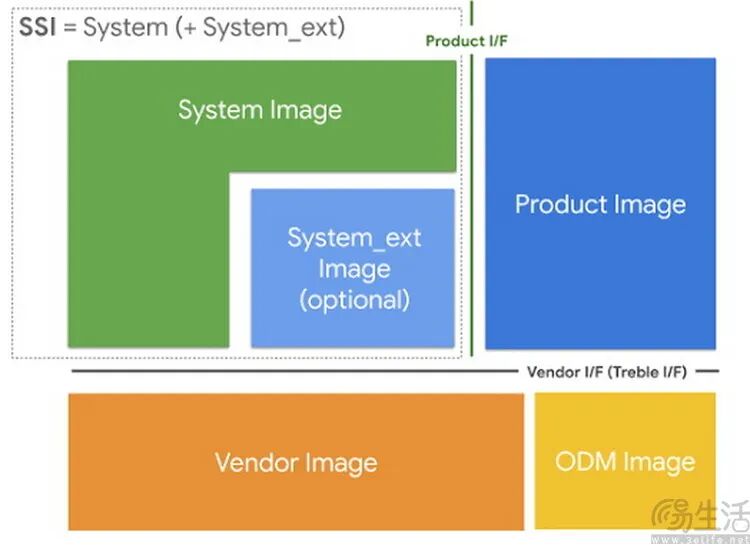
The key to achieving this effect is that there is a special partition mechanism inside the mobile phone. Now in Android, it is called the Super partition, which contains several different "sub-partitions" such as system, vendor, and product, which are used to store the operating system, pre-installed software, and the manufacturer's own functional codes respectively.
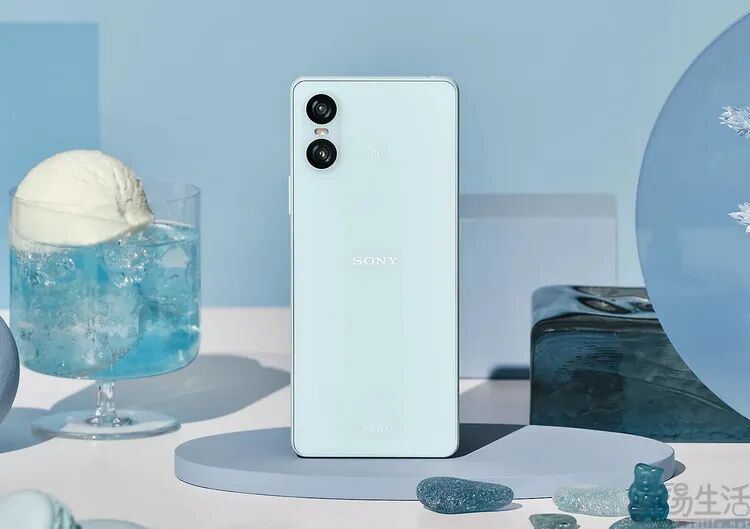
The reason why the Xperia 10 Ⅵ has the situation that "the new system has been developed but will not be updated" this time is that the total capacity of the Super partition was reserved too small when it was released. When the volume of the new system (Android 17) suddenly increases, it cannot fit the new system, so the update cannot be performed.
Of course, this is not without solutions. Previously, brands including Samsung, HTC, LG, Motorola and other brands have encountered similar problems. The solution is very simple, which is to inform users that since the new system has become larger, the phone needs to be re-partitioned during the update process, so user data cannot be retained.
At this time, consumers need to back up their data first, then perform the system update, and then restore the data. To put it more bluntly, this kind of system update will inevitably lead to the device "restoring factory settings".
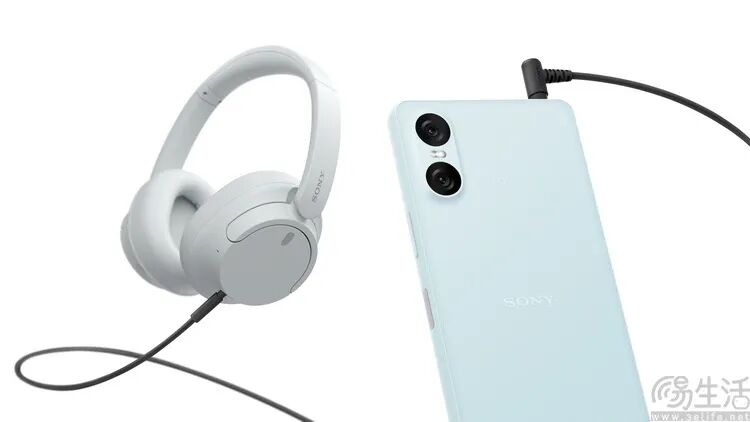
Can users accept that all their data is lost after a system update?
Obviously, for enthusiasts, this may be acceptable. But for most ordinary consumers, if they don't read the official instructions carefully and update the system only to find that all their data is gone, the "complaints" will be far more intense than simply not providing the system update now.
Some friends may say again, since the crux of the problem is only that the capacity of the Super partition was divided too small during the initial R&D, why not set it larger at the beginning? If the partition was large enough at that time, there would not be all these troubles.
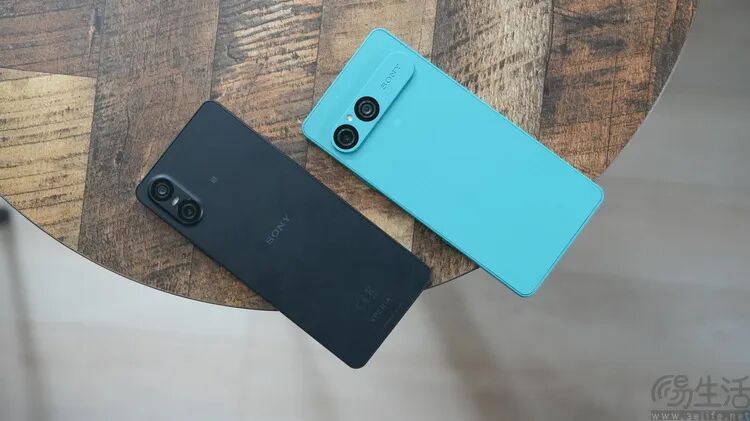
This statement seems correct, but don't forget that the Xperia 10 Ⅵ itself is a mid-to-low-end model with only one version of 8GB+128GB. If the Super partition is allocated more space from the beginning, the actual available storage capacity will become smaller. When it was first released, it was obviously impossible to expect Sony's engineers to "foresee" that the new system in the future would significantly increase the storage space requirements.
As a result, Sony's engineers could only make what seemed to be the most reasonable choice at that time, that is, to allocate a Super partition with smaller margin to the Xperia 10 Ⅵ which has relatively small storage space and whose target user group may care more about "available capacity", while allocating a larger Super partition to other high-spec models of the same period (such as the Xperia 1 series).
The result is that now, only the Xperia 10 Ⅵ is trapped in the dilemma that the new system can be adapted but cannot be pushed, due to insufficient partition capacity.
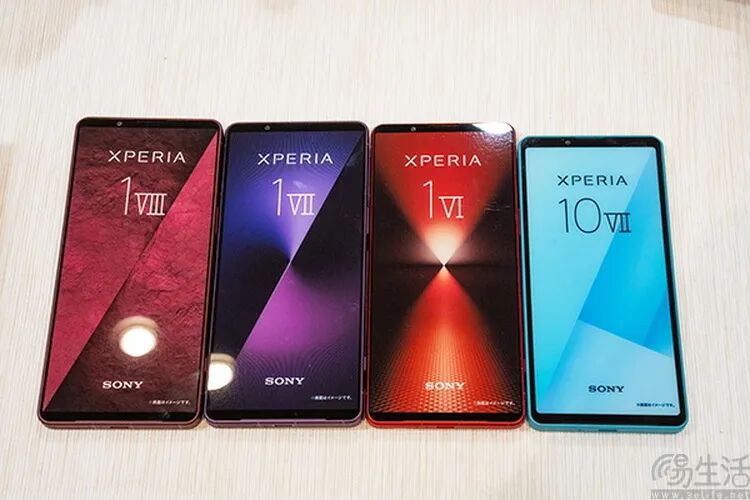
For high-end models, there is no such problem because the Super partition is already larger.
In this process, the really ironic part is that no one is actually at fault. Sony's engineers could not predict the future, so they made what seemed to be the most reasonable decision at that time. Although not pushing the new system now seems embarrassing, it actually avoids greater public opinion risks.
It can only be said that this active abandonment of long-term service life may be the inherent fate of this kind of low-spec model. This also seems to explain why Sony stopped updating the Xperia 10 series, and why similar mid-to-low-end models in the current mobile phone market even "cannot sell as well as" flagship products that are several times more expensive. It is not that consumers are richer, but everyone finds that buying a more expensive flagship mobile phone actually lasts longer and saves more money.
All images in this article are from the Internet
This article is from the WeChat Official Account "3eLife" (ID: IT-3eLife), written by San Yijun, and authorized for release by 36Kr.