The German Chancellor publicly announced that the ban on phasing out automotive internal combustion engines has become history, and Academician Ding's prediction has indeed come true.
In August 2021, in the CCTV program *Lu Jian Interview*, when Academician Ding Zhongli was asked about Western countries' emission reduction commitments, he made a very confident prediction: "I tell you right here that these Western countries are just making empty promises. Do you really think they will cut emissions? Let's wait and see."

Five years later, on October 16, 2026, German Chancellor Merz left a very short statement in Brussels: "The ban on internal combustion engines has become history."
The joint position paper of France and Germany lowered the EU's 2035 "100% zero emission" target for new vehicles to an average 90% emission reduction across the fleet, and no compensation is required for the remaining 10%. Italy followed up.
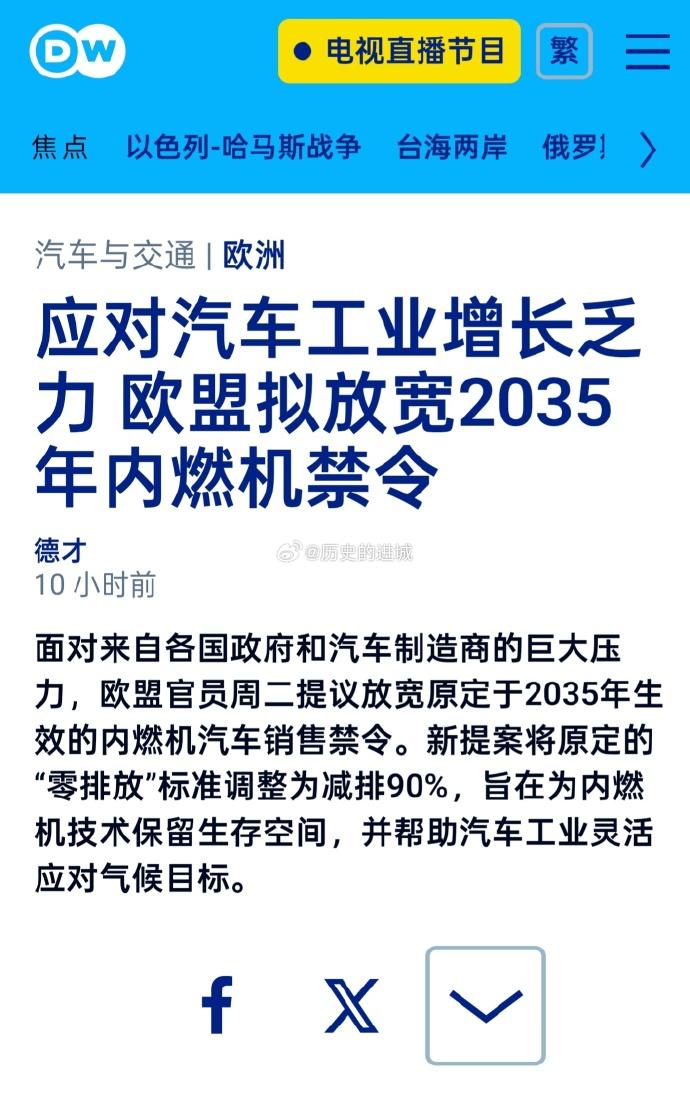
A regulation that was packaged as a "milestone of climate leadership" five years ago had its most rigid core completely dismantled by the two largest economies with one document and one press conference.
There was no lengthy public debate, nor any explanation of the commitments made at the beginning. Merz's exact words were "let me keep it simple" — so simple that even basic decency was omitted. Ding Zhongli said "let's wait and see", and now we have seen the result.
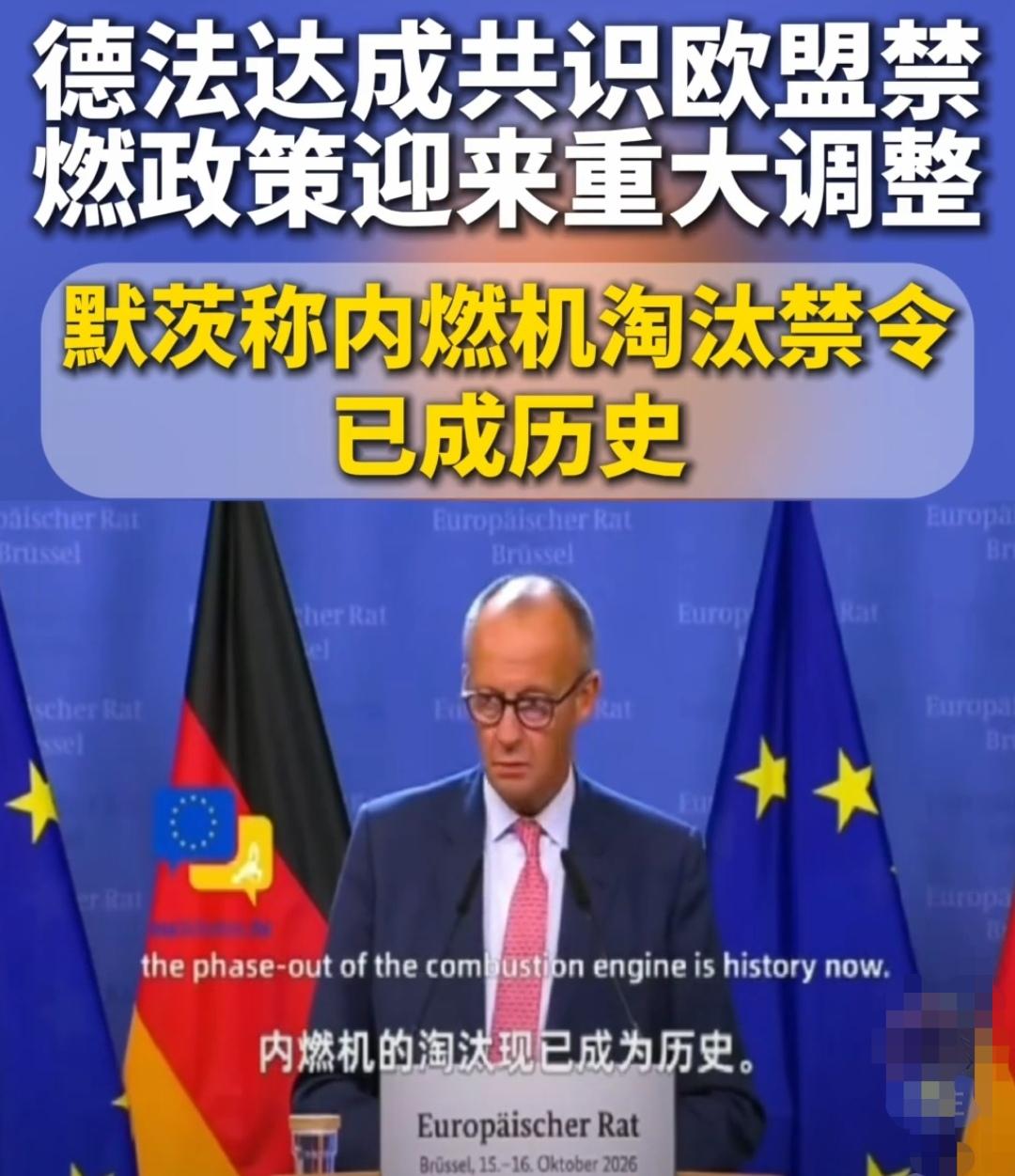
Europe often talks about rules in favorable situations, and tears up rules in adverse situations
When the going is good, Europe talks about rules, contracts and free trade. When the tide turns, rules are the first thing to be discarded.
When the EU finalized the "2035 internal combustion engine ban" around 2021, the European automotive industry still held a decent position globally, and the transition to electric vehicles was portrayed as a civilizational ladder that "has to be done whether you want to or not".
The 100% emission reduction target left no room for compromise. Diesel vehicles, gasoline vehicles and hybrid vehicles were all included in the same countdown channel in the regulatory text. Anyone who questioned the timetable was labeled a climate denier.
This stance could be maintained because the situation was favorable. European car companies still had profits from the fuel vehicle era, the supply chain was stable, and the threat from Chinese electric vehicles was not big enough to keep the board of directors awake at night.
One of the reasons why the EU dared to write "100%" at the beginning was synthetic fuel.
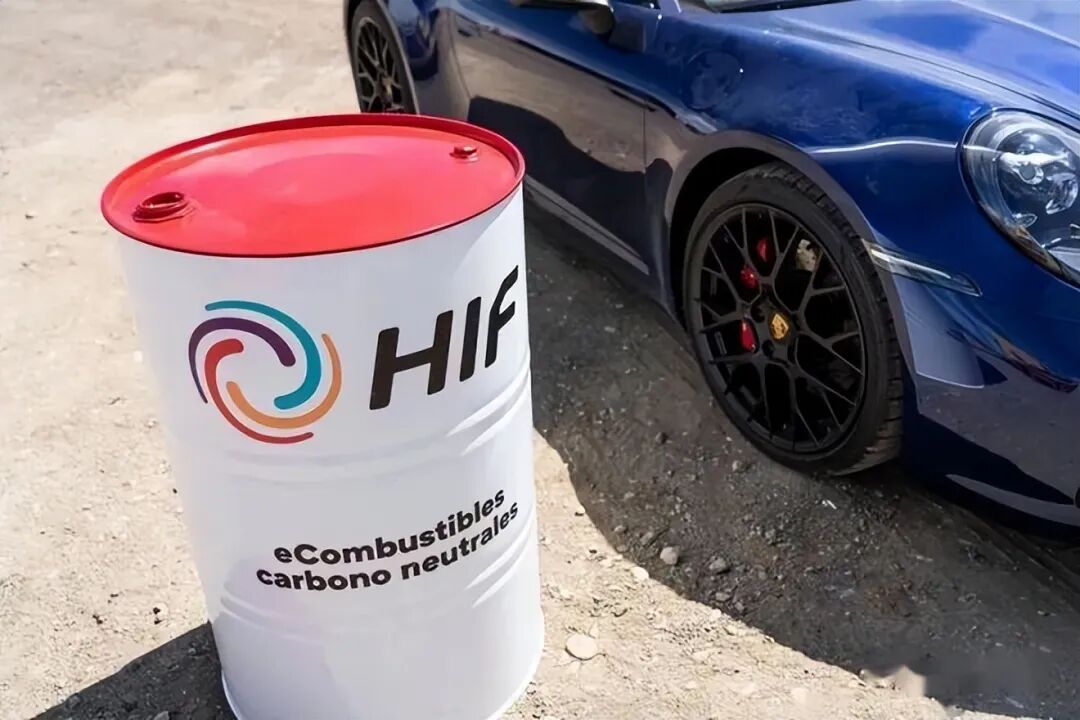
The Haru Oni plant built by Porsche in Patagonia, Chile, was put into production with high fanfare in 2022, with the publicity caliber that it would reach 55 million liters in 2025 and 550 million liters in 2027.
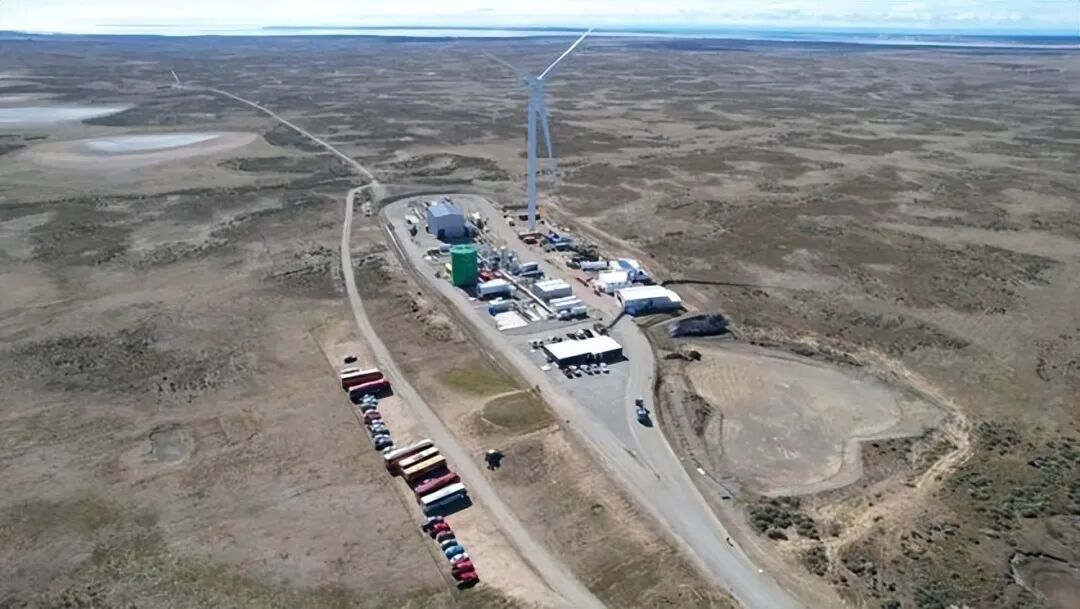
By 2026, the actual annual output was 130,000 liters, almost all of which was used for racing activities and public relations demonstrations, and the mass production target was officially postponed to 2029. The production-side cost is about 4.5 euros per liter, while ordinary gasoline costs less than a fraction of that.
What is more fatal is the energy efficiency: the conversion rate of synthetic fuel from electricity to wheels is only 13% to 15%, while that of pure electric vehicles is 70% to 80%.
Using five to six times more energy to produce one liter of "green gasoline" is economically unviable from the very beginning in Europe, where electricity prices are not cheap.
The synthetic fuel as a "technical fallback" failed, and the pure electric track could not keep up either. Northvolt, the battery champion that Europe initially bet on, burned more than 15 billion US dollars in eight years and filed for bankruptcy in March 2025.
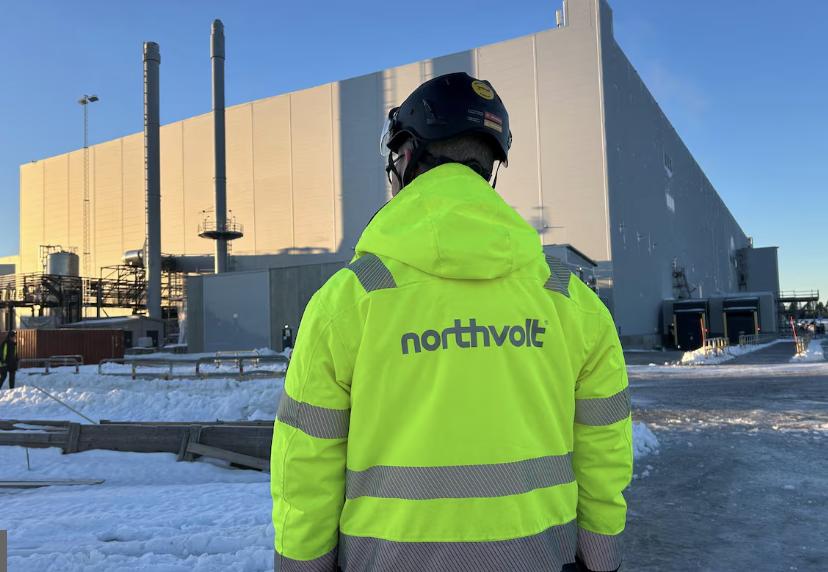
Its failure was not due to insufficient capital, but a gap in large-scale manufacturing capacity: the factory was built near the Arctic Circle, talents could not be retained, core equipment relied on Chinese supply but the company refused to complete tests in China, and the production capacity only reached 0.5% of the target.
After Northvolt collapsed, European car companies' battery supply became more dependent on China, Japan and South Korea, especially the production capacity of Chinese enterprises in Europe.
On the one hand, synthetic fuel is too expensive to be used, and on the other hand, local batteries cannot be produced. The timetable of "selling only zero-emission vehicles" by 2035 is no longer physically feasible.
Rules are the decency of the strong, and the cost of abiding by rules is affordable in favorable situations.
When the adverse situation comes, decency is the first to be cleared out.
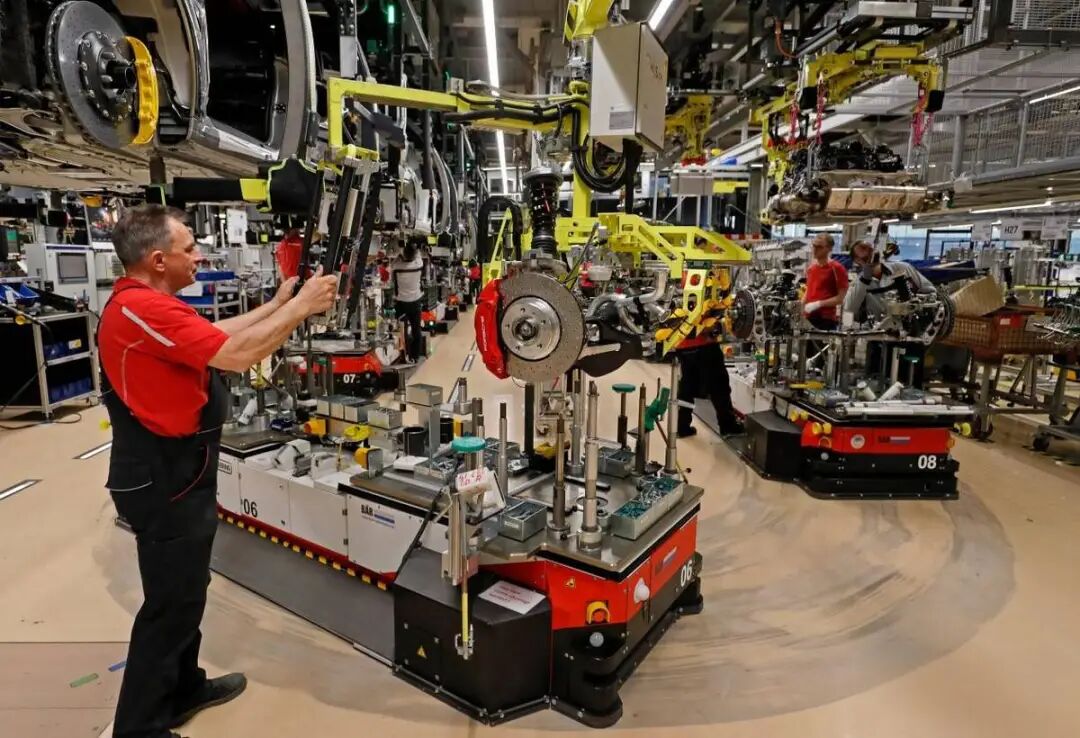
Germany's livelihood depends on the automotive industry, and the entire industrial chain from engines to gearboxes to component suppliers directly and indirectly supports millions of people.
However, the number of employees in the German automotive industry in the first half of 2026 decreased by 42,300 year-on-year, the lowest level since 2005, ranking first in the reduction of jobs among all large industrial sectors with more than 200,000 employees.
The supplier networks behind Volkswagen, Mercedes-Benz and BMW are related to hundreds of thousands of families and the tax revenue of the entire industrial zone. At the same time, the total number of charging piles in the EU is about 1.1 million, which is far from the target of 3.5 million by 2030.
The battery cost cannot beat that of China, and the public charging price makes ordinary families unable to make ends meet.
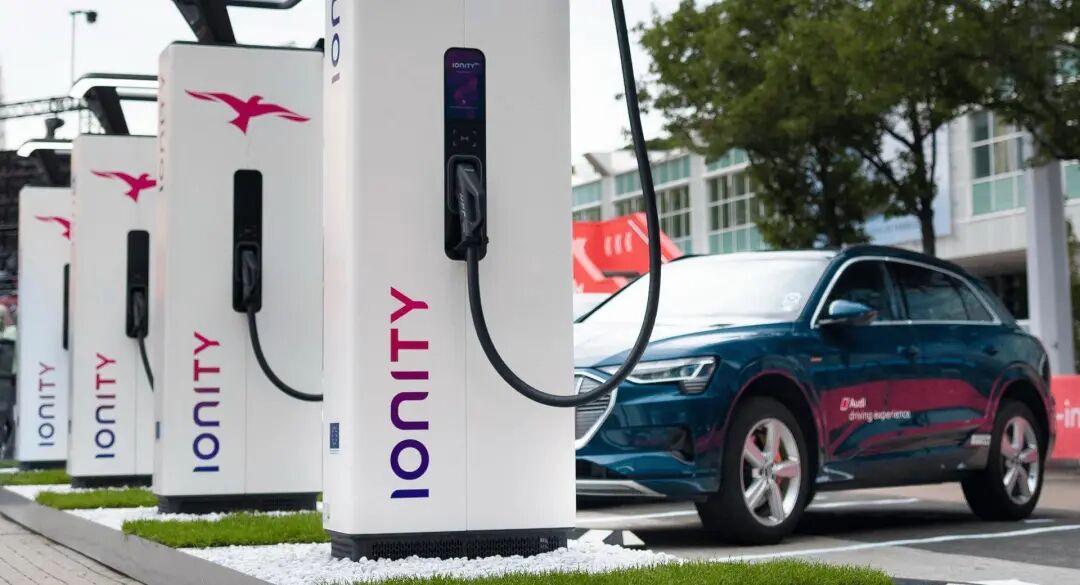
At this point, it is impossible to convince voters that "zero emissions by 2035 is a solemn commitment". Merz does not need to reason, he only needs to say one sentence: the ban has become history.
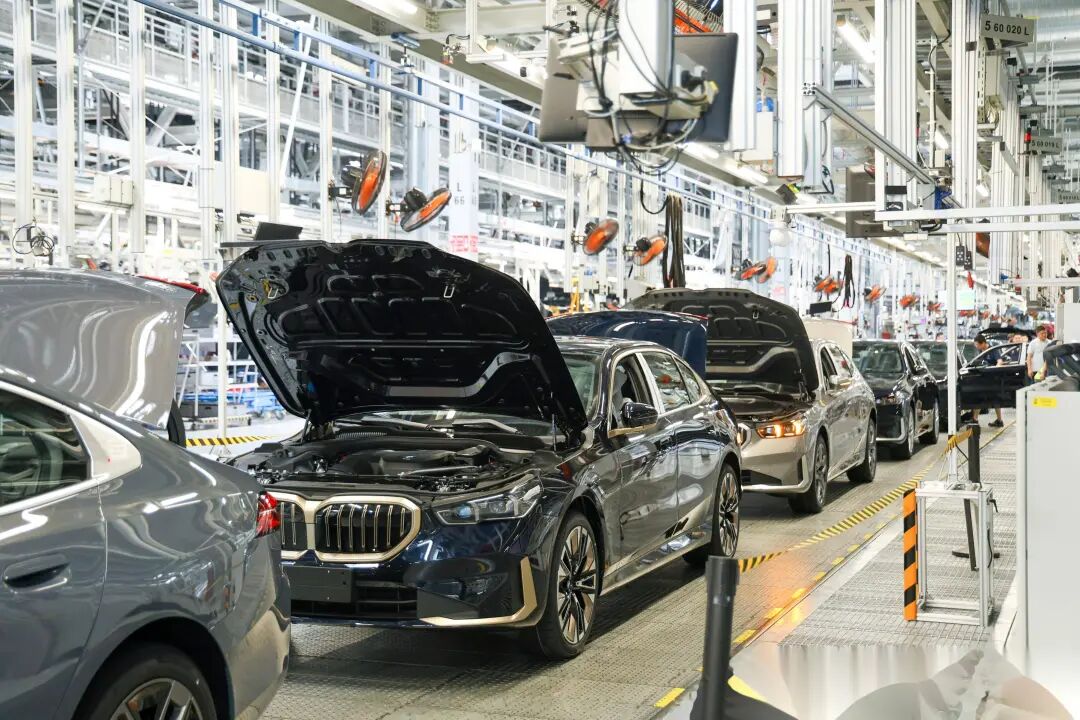
The most honest part of this French-German document is that the average emission reduction of all new cars sold is 90%, which means that car companies only need to sell a few more pure electric vehicles to continue selling a batch of fuel vehicles and hybrid vehicles.
This is not "technology neutrality", it is a mathematical green light. The utility factor of plug-in hybrids has been relaxed, the phased assessment in 2030 has been extended to cross-year calculation, the Euro 7 emission standards have been softened at the same time, and large-displacement pure internal combustion engines have also gained breathing room with the support of hybridization.
All adjustments point to the same thing: don't let European car companies be fined to death by their own regulations halfway through the transition.
France's role in this deal is particularly worth looking at.
Paris is not a die-hard fan of internal combustion engines, it wants something else
On the other side of the French-German document, France has included the "Made in Europe" threshold in the conditions for subsidies and public procurement: in the future, vehicles that want to get national subsidies, car purchase discounts or public procurement orders must be fully assembled in Europe, and at least 70% of the value of components (except batteries) must be produced in Europe.
Batteries, electric drive systems and key electronic systems also have corresponding proportion requirements. Japan, South Korea, Turkey and other regions are excluded from the priority scope.
Germany's demand is time, and France's demand is barriers. Germany wants to loosen the carbon emission restriction, and France wants to keep the Chinese supply chain out of the subsidy door.
If passed smoothly, the 2035 rules will officially become "90% no mandatory offset + technology openness + Made in Europe preference".
The purpose of this rule rewrite is not to "reassess whether carbon emissions are scientific", but to redistribute who will bear the cost.
Now Europe finds that the cost of the 2035 ban will crush its own industrial foundation, so it uses a political document to transfer the cost to the abstract concept of "the credibility of climate commitments".
When commitments are worthless, there is no psychological burden to tear them up.
When Merz said "the ban has become history", no one needed to apologize for the commitments made five years ago.
Von der Leyen's commission had already reduced the 100% target to 90% and left the compensation mechanism as a back door as early as December 2025. What France and Germany are doing now is to tear down the back door as well, making "no need to compensate for the remaining 10%" written in black and white.
Academician Ding hit the nail on the head
This is the real status of rules in adverse situations: It is not violated, but redefined. The right to define does not lie with the people who signed at the beginning, but with the people who cannot hold on now.
Europe cannot hold on anymore, so the "internal combustion engine ban" has changed from a "historic legislation" to an empty phrase in history.
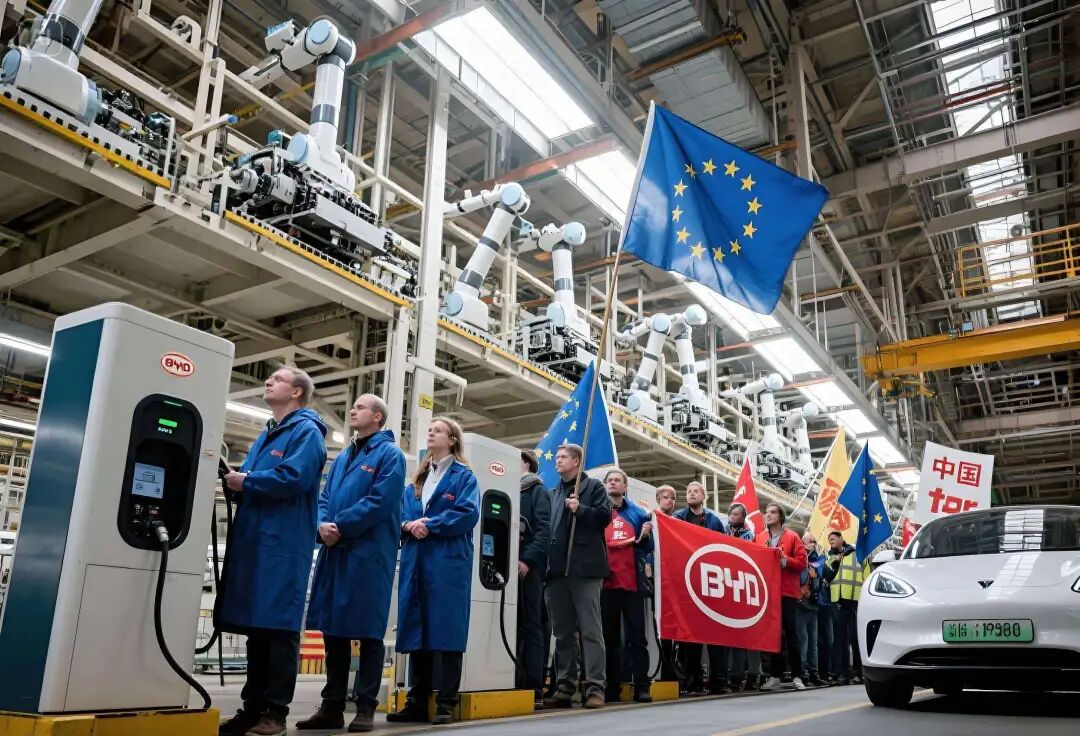
Chinese electric vehicle companies do not need to laugh at this. They only need to remember a simple contrast: when Europe uses rules to demand others in favorable situations, those rules are decent; when the adverse situation comes, they use the same pen in the same system to rewrite the rules to ensure their own survival.
Academician Ding Zhongli said a few years ago, do you think the West will really reduce emissions? Let's "wait and see".
Academician Ding saw clearly that when the cost of emission reduction commitments touches core industries and employment, the commitments will be re-priced or abandoned. Now we have seen it: The one-size-fits-all 2035 internal combustion engine ban has been greatly reversed by the joint efforts of Germany and France, and it is likely to continue to move backward in the future.
Abide by contracts when the going is good, rewrite contracts when the going gets tough. This is not the first time Europe has done this, and it will not be the last.
Rules are tools for the strong, not amulets for the weak. For Chinese enterprises, what is really reliable is not whether the rules made by others will be followed, but whether they have something that rule makers cannot bypass.
This article is from the WeChat official account "Hot Comment" (ID: redianweiping), written by Wang Xinyi, and published with authorization by 36Kr.