The Next Stop of AI: From Personal Agent to Lighthouse Factory
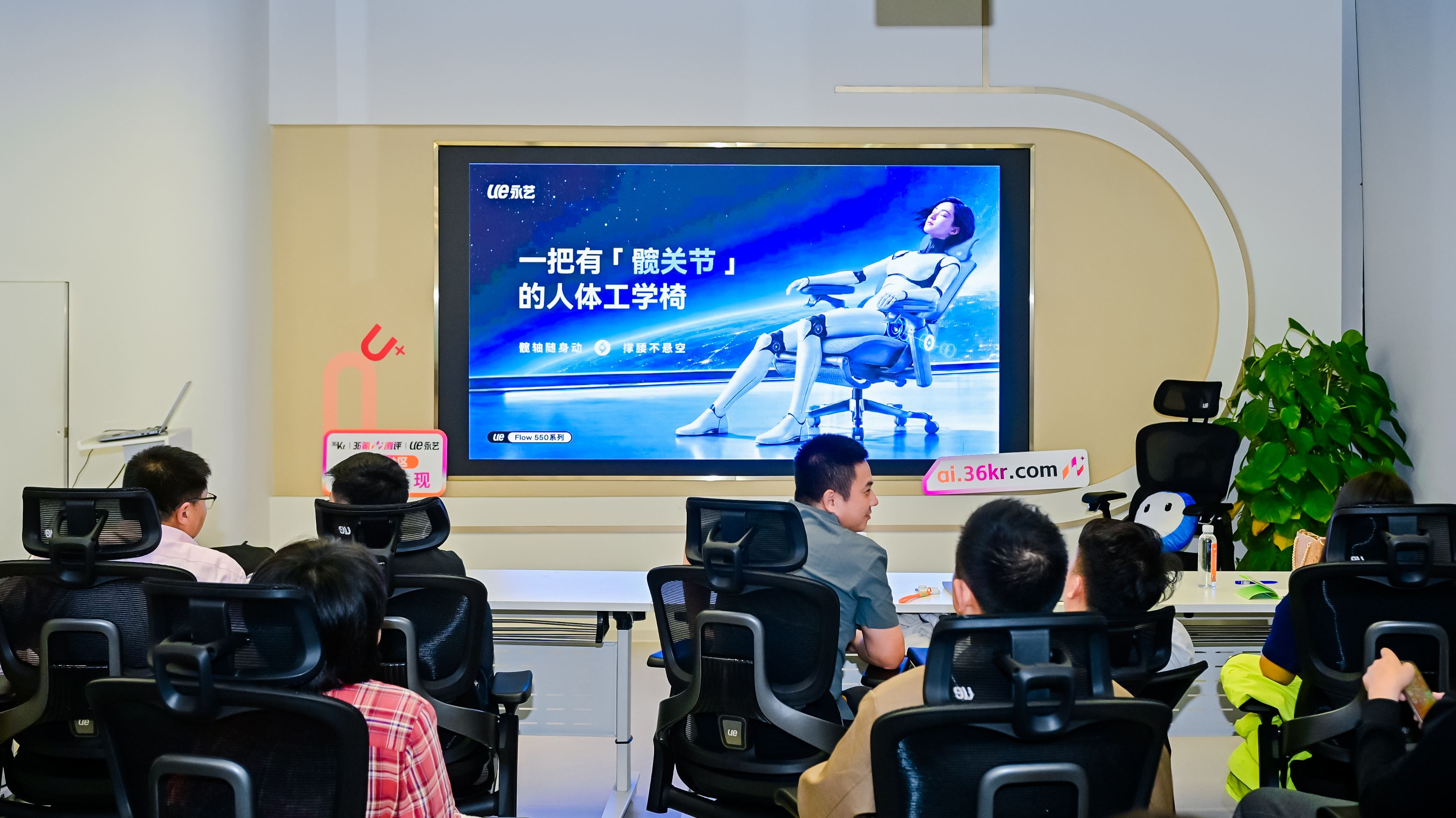
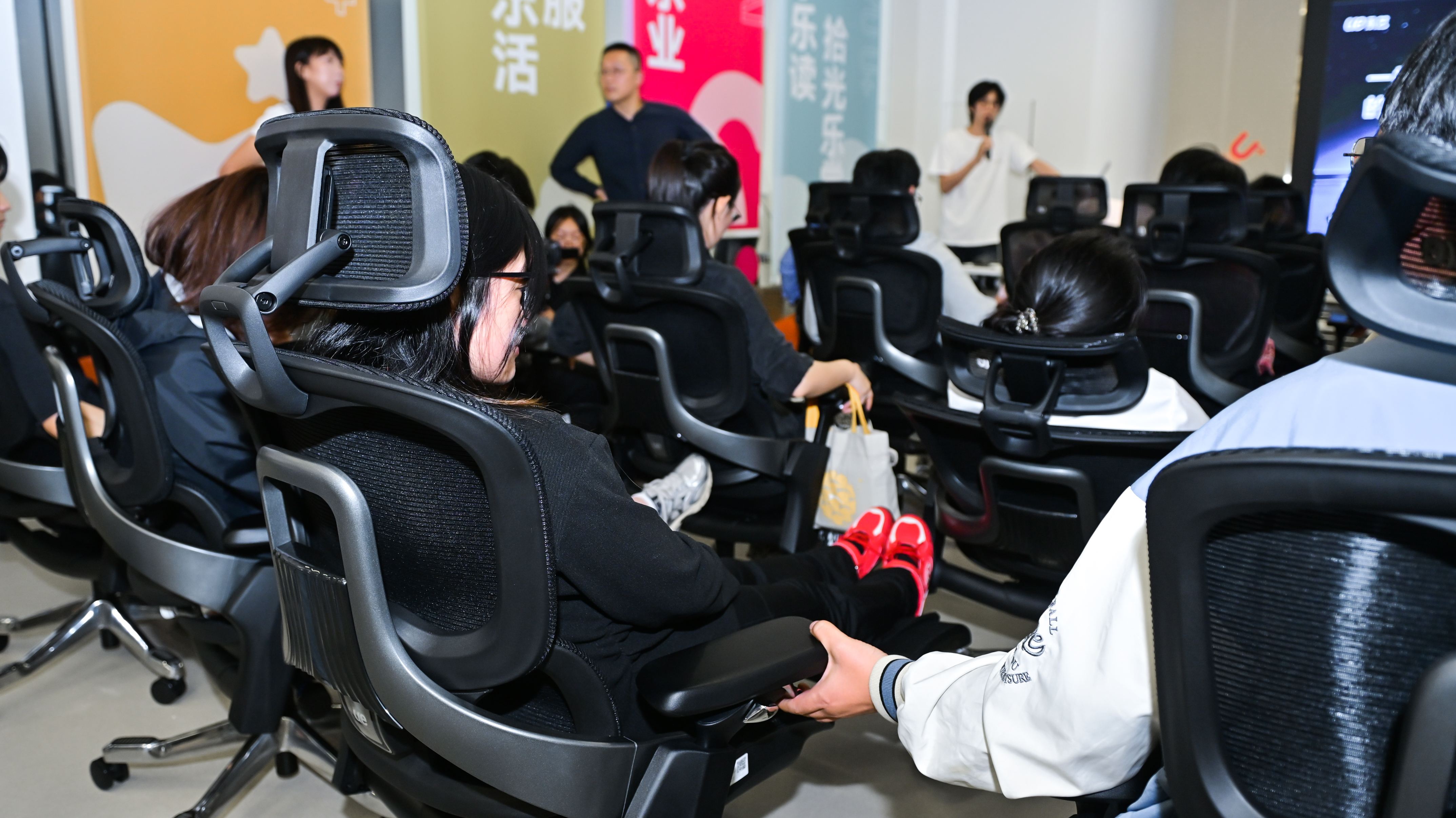
Special thanks to UE for supporting this event by providing Flow550 ergonomic chairs on site.
AI is stepping into more and more work scenarios. However, from "being able to use tools" to truly solving problems, there are still many details that can only be clarified on site. How can personal professional experience be combined with Agent? How can the manufacturing industry judge whether an AI project is worth investing in? How should enterprises address the difficulties in data processing, workflow and delivery?
On October 16, the themed event "The Next Stop of AI: From Personal Agent to Lighthouse Factory" hosted by 36Kr AI Evaluation Suzhou OPC Community was held at Suzhou Dongyan Siji. Four guests, Hu Xu, Zhao Wenbo, Pu Fei and Zhou Wei, discussed these issues together on the same panel, from the perspectives of personal Agent, manufacturing industry application, enterprise project practice and AI learning methods respectively.
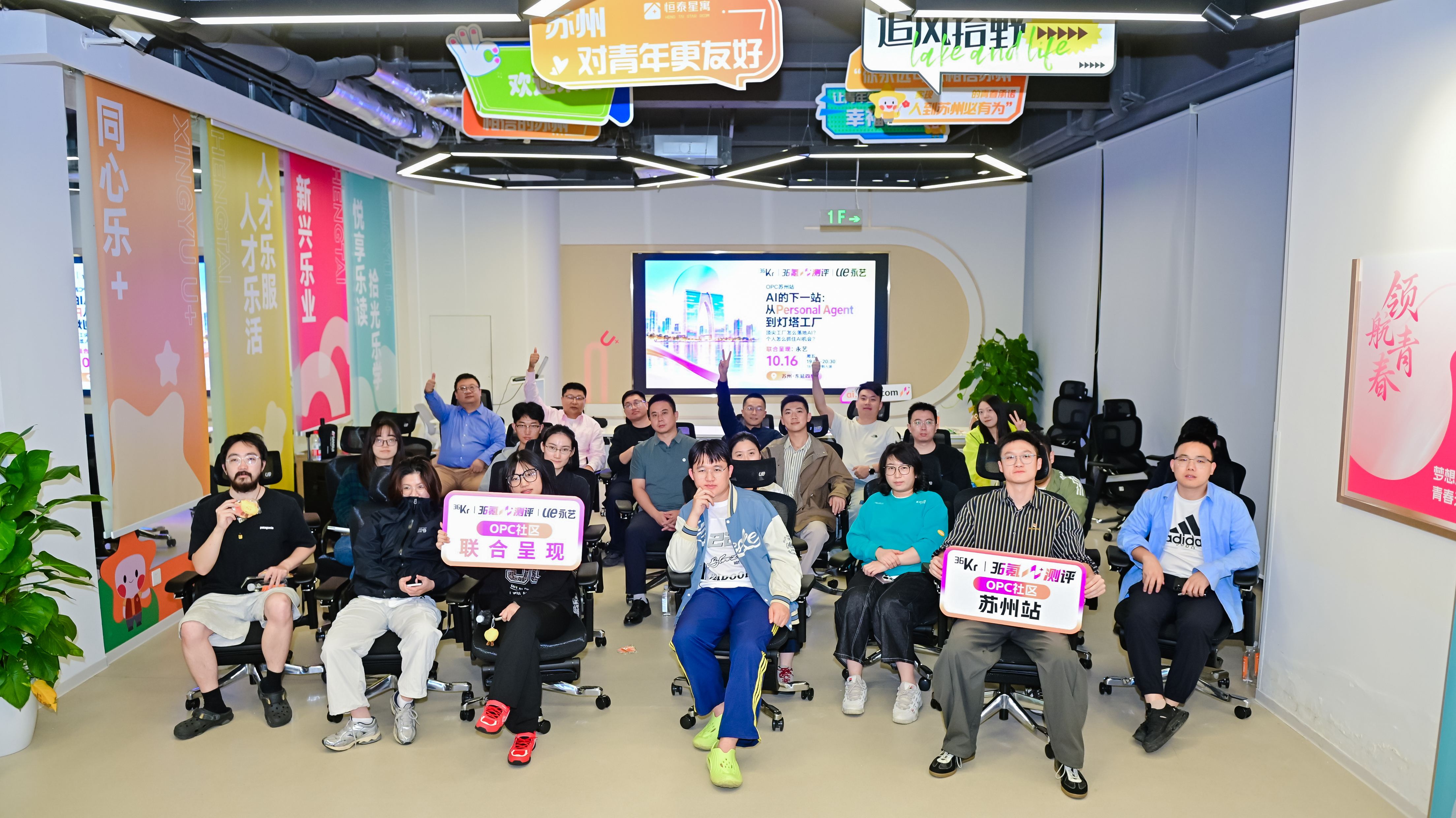
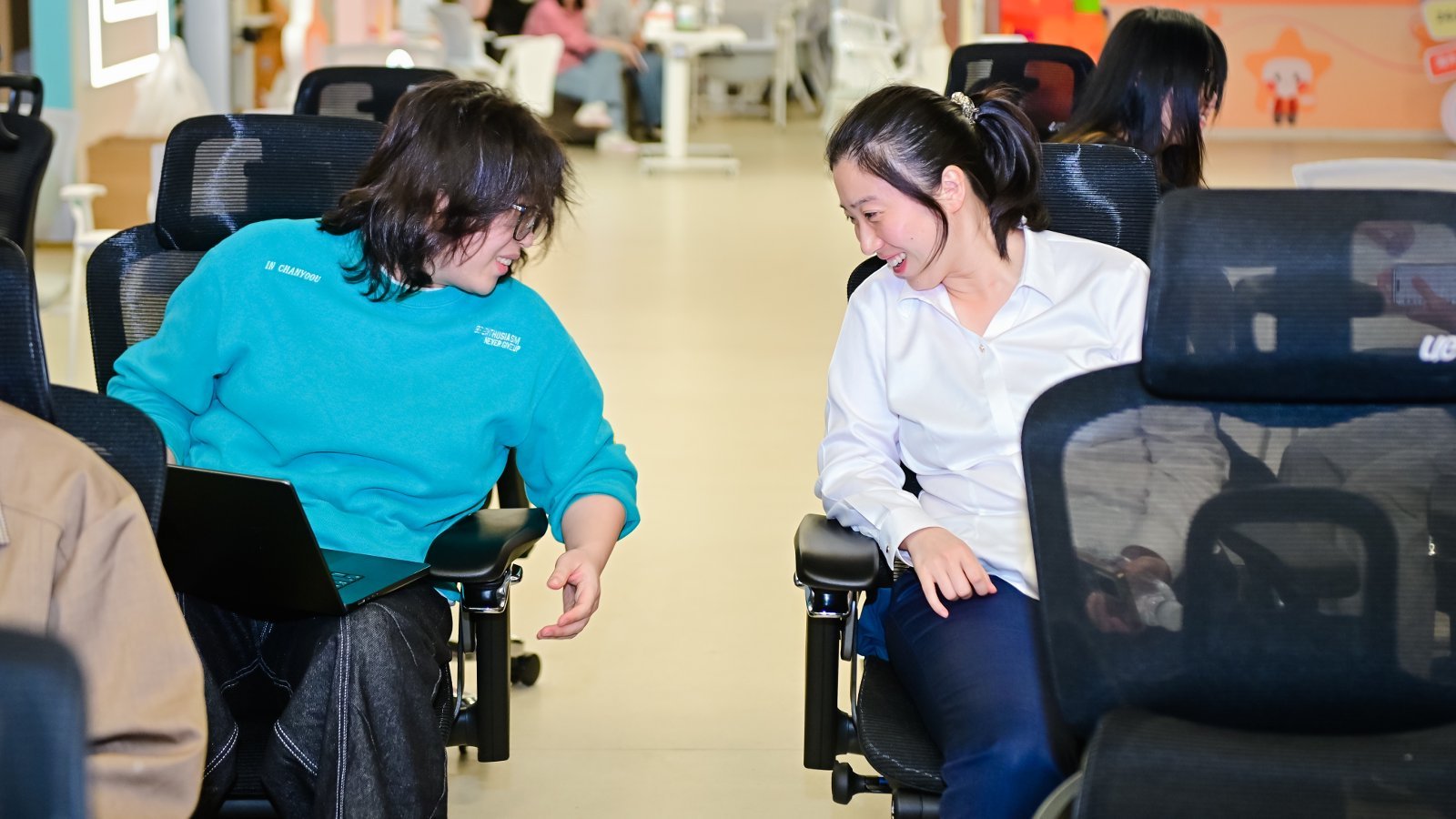
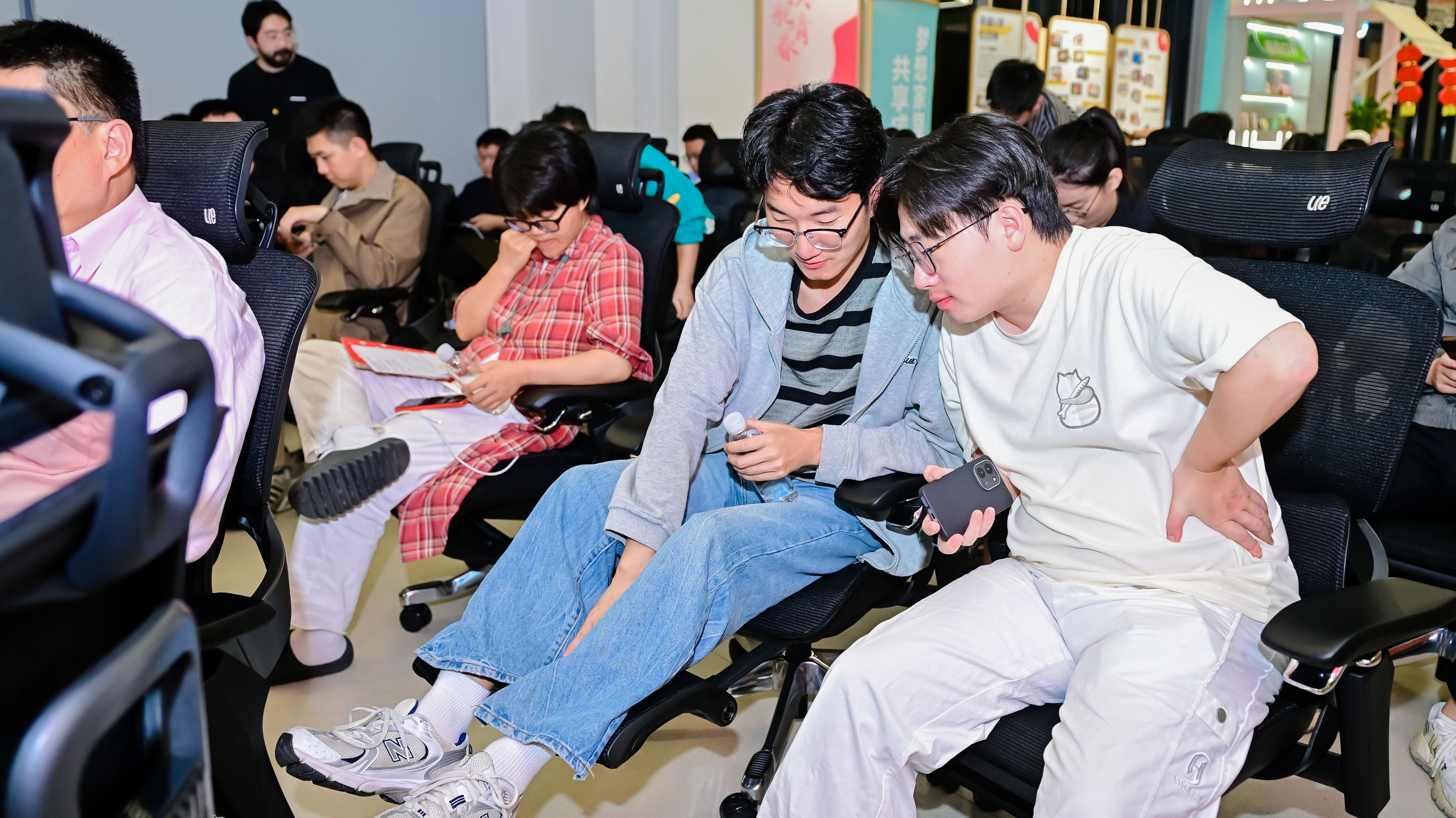
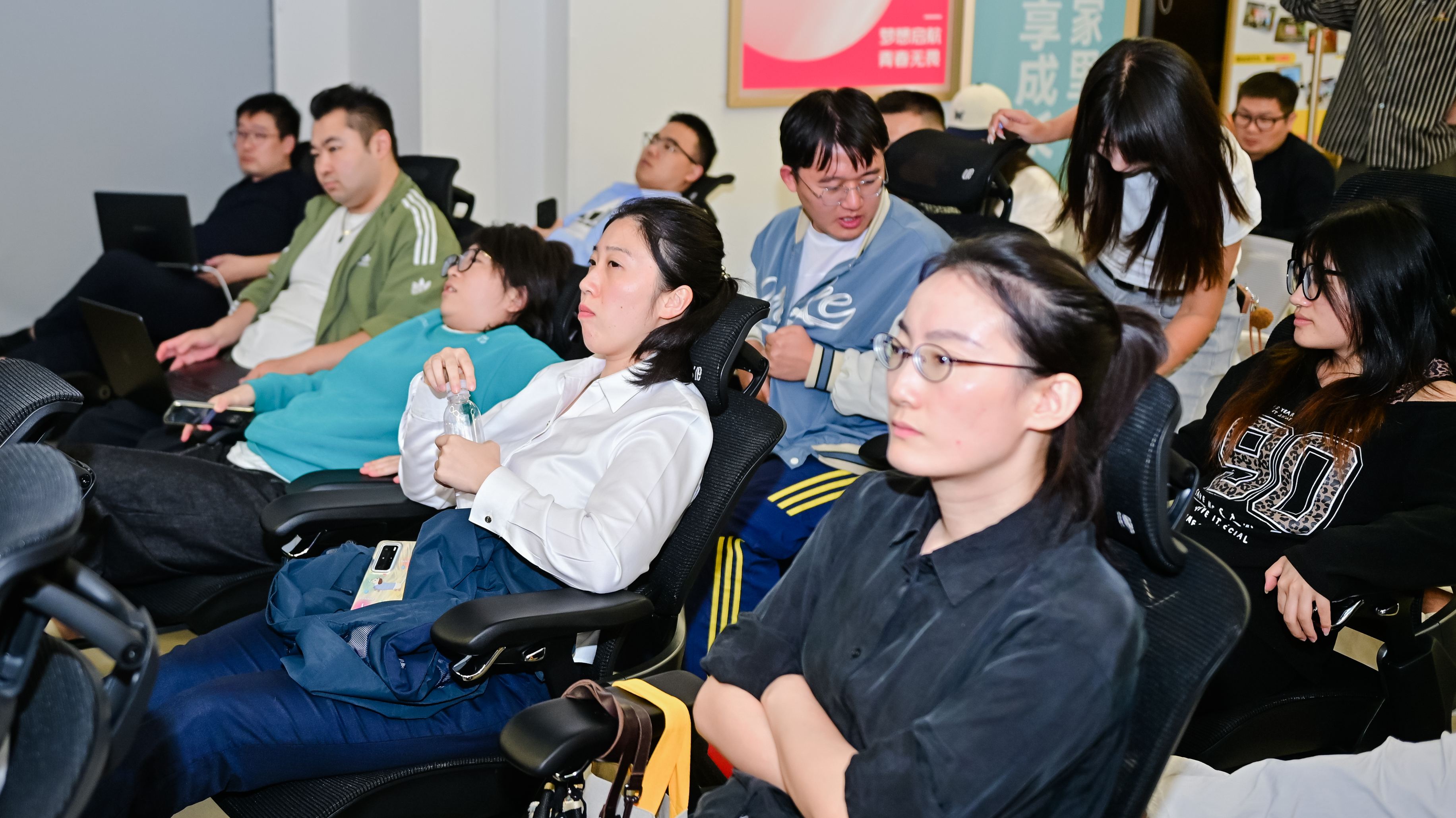
Photos of the on-site event
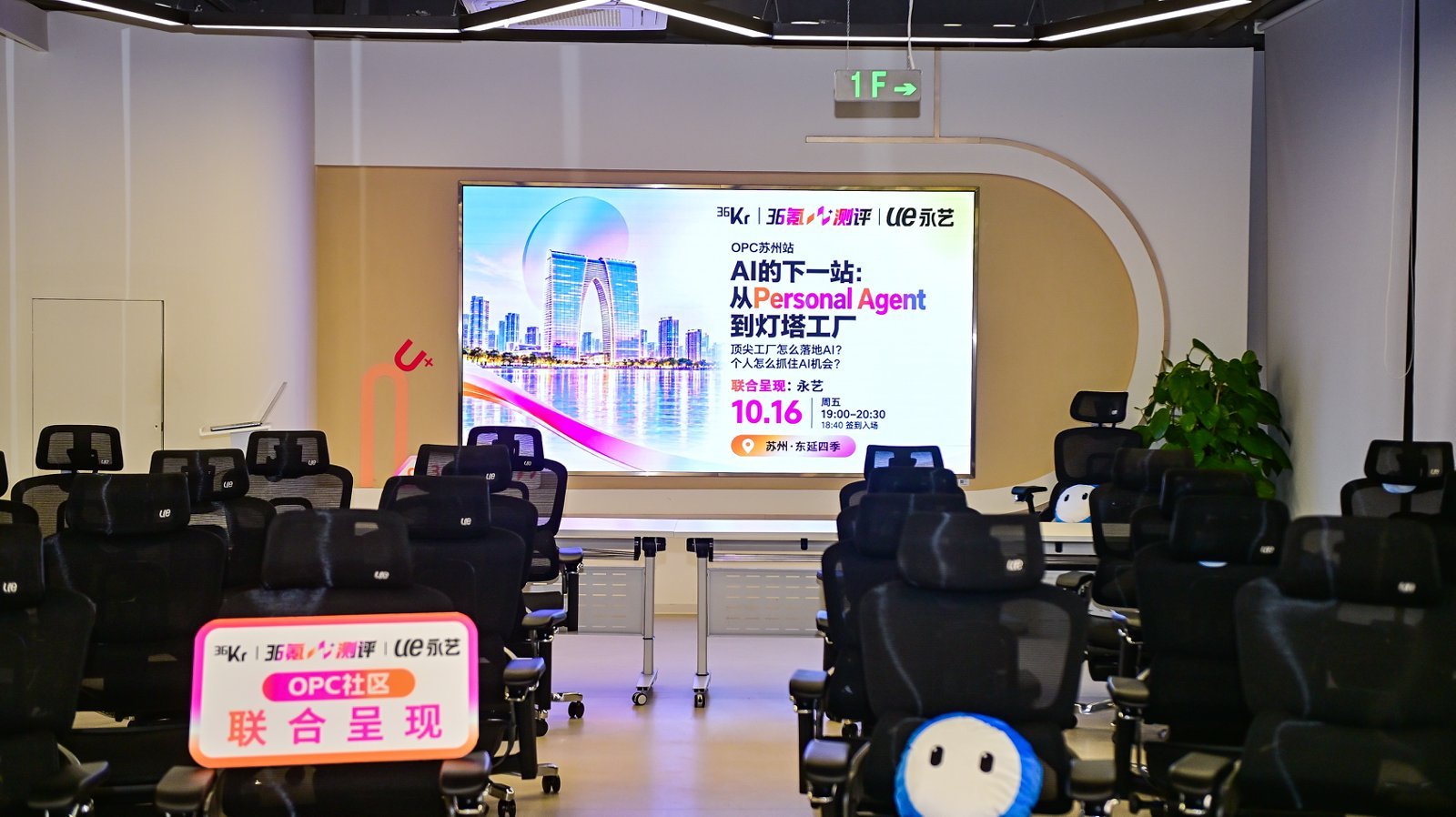
This event is jointly presented by UE
Hu Xu: From Tool to Partner, How to Connect Professional Experience with Agent
In his sharing "From Tool to Partner: Strategic Opportunities in the Personal Agent Era", Hu Xu (Jack), the officially appointed OPC community mentor of Gusu District, focuses on how the way AI participates in work is changing.
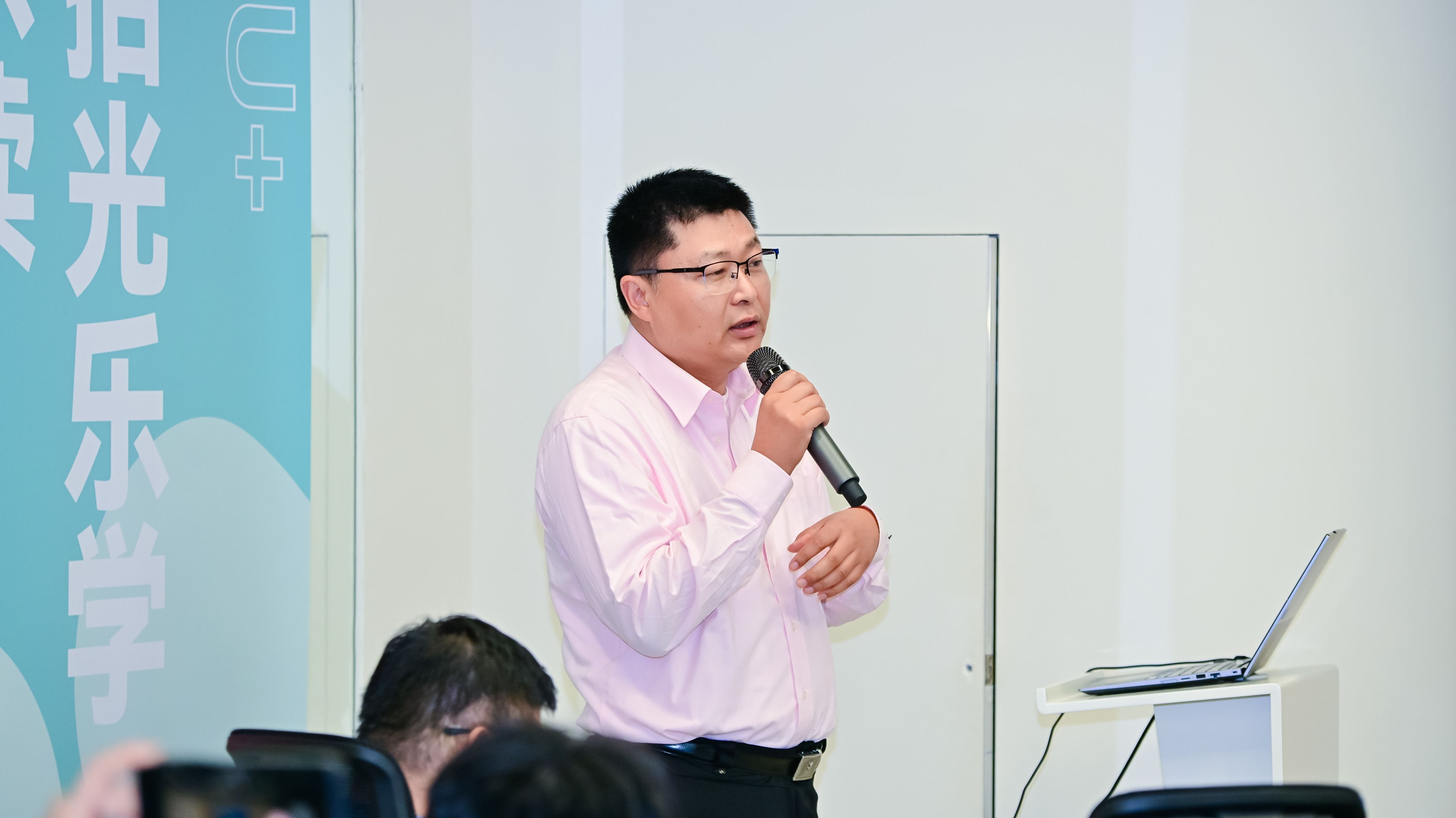
Hu Xu (Jack) sharing on site
When AI gradually evolves from a tool for answering questions to a partner that can participate in task execution, people need to re-understand their personal opportunities. Hu Xu believes that the direction worth investing in is to build a closer connection between one's own knowledge, industry experience and Agent, so that professional capabilities can be integrated into new collaboration modes.
For OPC, this means that in addition to being familiar with tools, people also need to figure out what they can provide: understanding of a certain industry, experience in handling specific problems, and callable professional services. Technology is changing rapidly, and existing accumulated experience is still an important starting point for seeking opportunities.
Zhao Wenbo: To Understand Lighthouse Factories, First Figure Out What Value AI Has Created
Zhao Wenbo, co-founder of Ruita, brought the sharing "AI in Lighthouse Factories: Use the Ruler of 'Value' to See How Others Stay Ahead of the Curve", bringing the discussion back to the manufacturing site. Combining his work experience at Bosch and Schaeffler, he emphasized that evaluating an intelligent project should not only focus on what systems are used, but more importantly, whether it has brought actual business value.
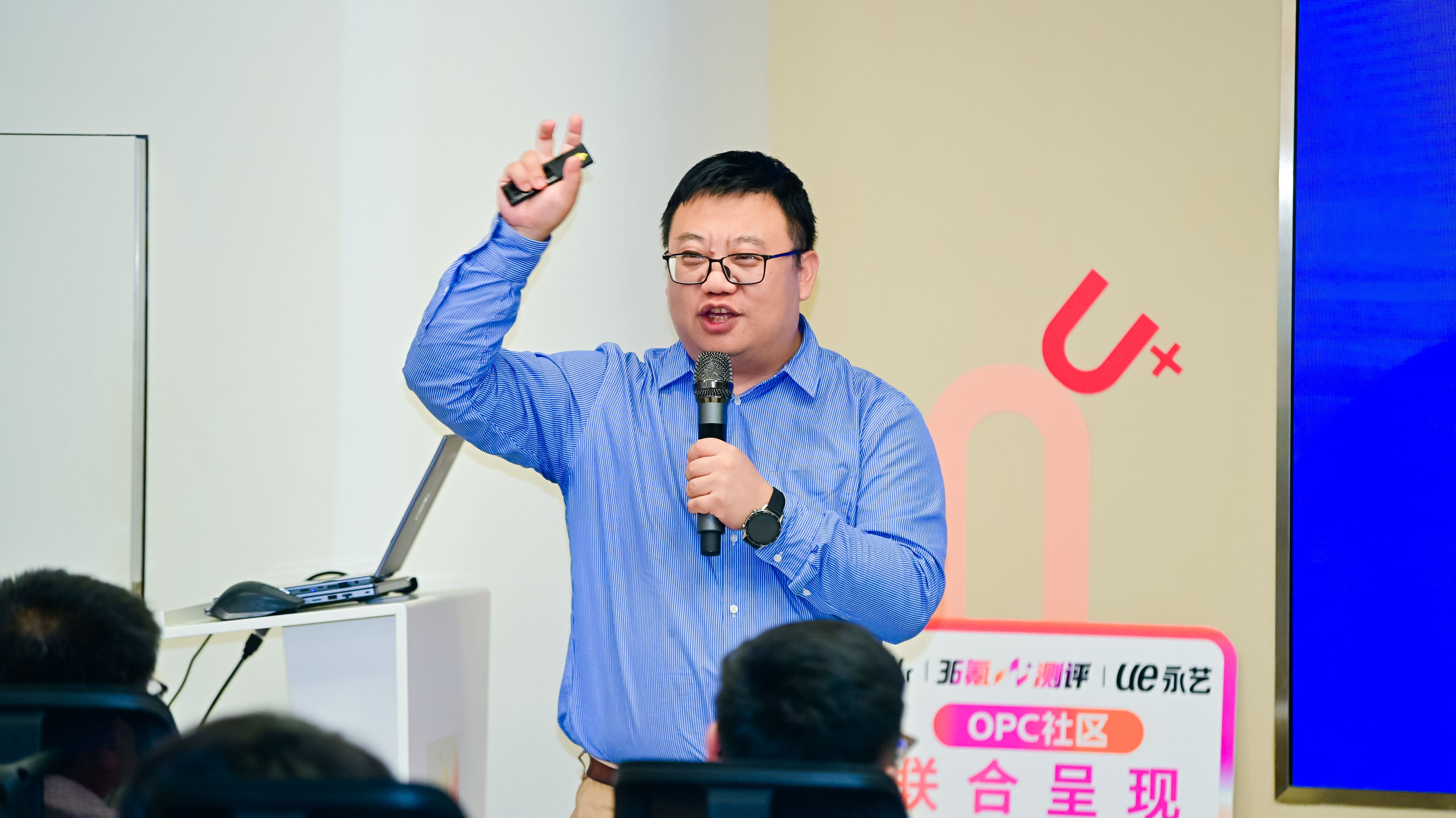
Zhao Wenbo sharing on site
A common difficulty in AI application is the insufficient mutual understanding between business side and technical side: business personnel cannot clearly describe the limit of what technology can achieve, and the technical team may not understand where the actual bottleneck on site is. The deviation between requirements and solutions often arises from this.
To solve this problem, Zhao Wenbo put forward the idea of "Everyone is an FDE", emphasizing the integration of business understanding and technical practice. For enterprises, only by identifying the problem first before discussing tools and solutions can the AI project have a clear verification direction.
Pu Fei: For Enterprise AI Implementation, First Connect Data and Workflows
Pu Fei, former Microsoft engineer, brought the sharing "First-hand Record of Million-level Projects: Truth and Pitfalls of Enterprise AI Implementation". His sharing focuses on specific links in enterprise projects: a demo that can run does not mean that it is ready to be integrated into the business workflow.
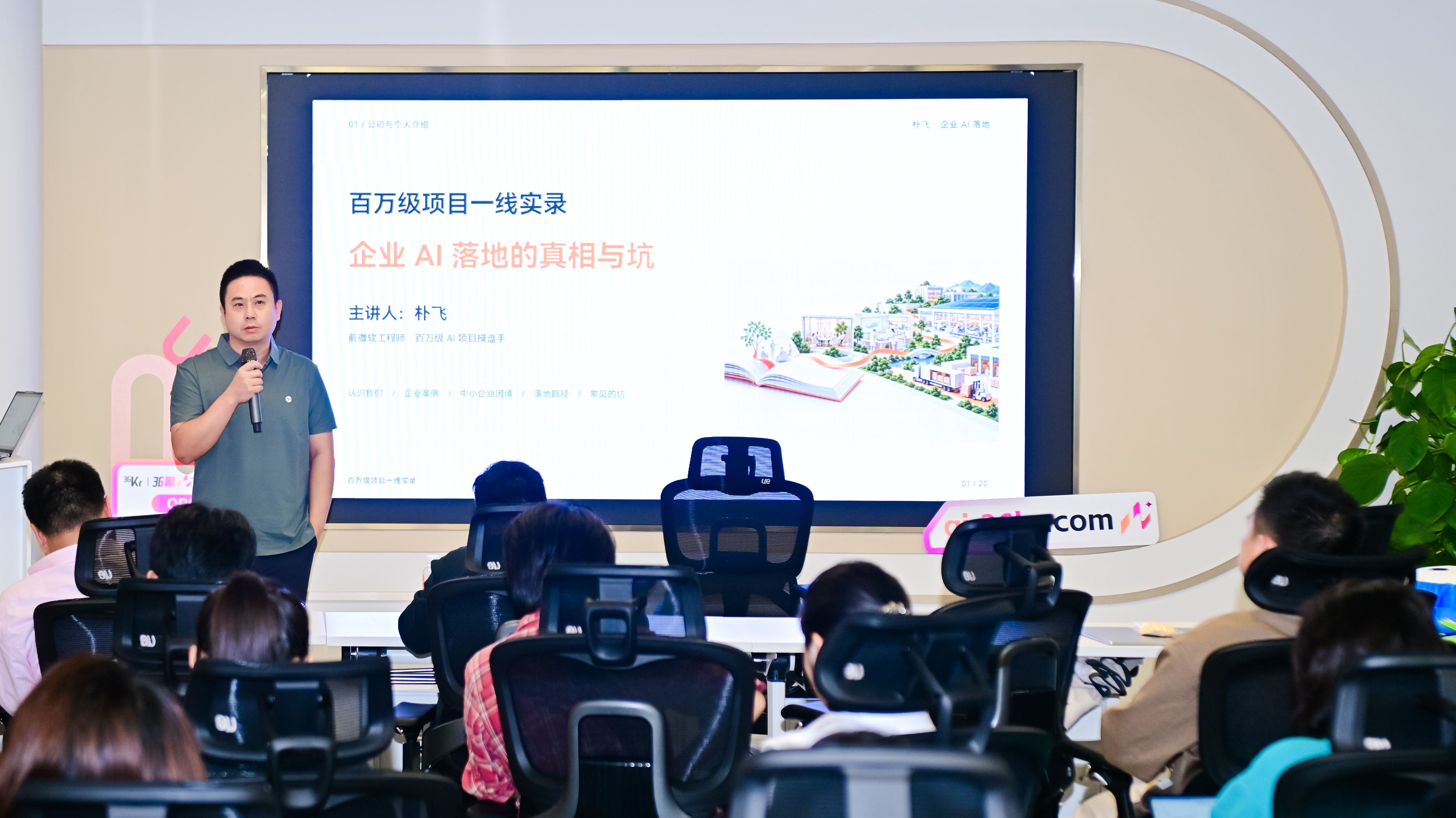
Pu Fei sharing on site
From business interview, data governance, pilot verification to workflow integration and continuous review, enterprise AI application needs to be promoted step by step. Among them, the knowledge base, unified data caliber, permission management and information desensitization are basic tasks that cannot be skipped. The model may produce errors, so the review mechanism for results also needs to be designed in advance.
Taking the enterprise quotation scenario as an example, he discussed how AI participates in information sorting and quotation response. Some business owners on site further asked about quotation risks, pushing the communication from "whether it can be done" to "how to use it and how to judge the result". Such specific problems are closer to the real situation of project implementation than simply demonstrating tool capabilities.
Zhou Wei: Make Full Use of Existing Skills First, Then Practice New AI Capabilities
Zhou Wei (Gusu Awei), founder of Multilateral AI, responded to the common confusion encountered by individuals when learning AI in his sharing "Martial Arts AI Learning Method: Cultivate the Mind First, Then Practice the Moves": tools are constantly updated, where on earth should people start?
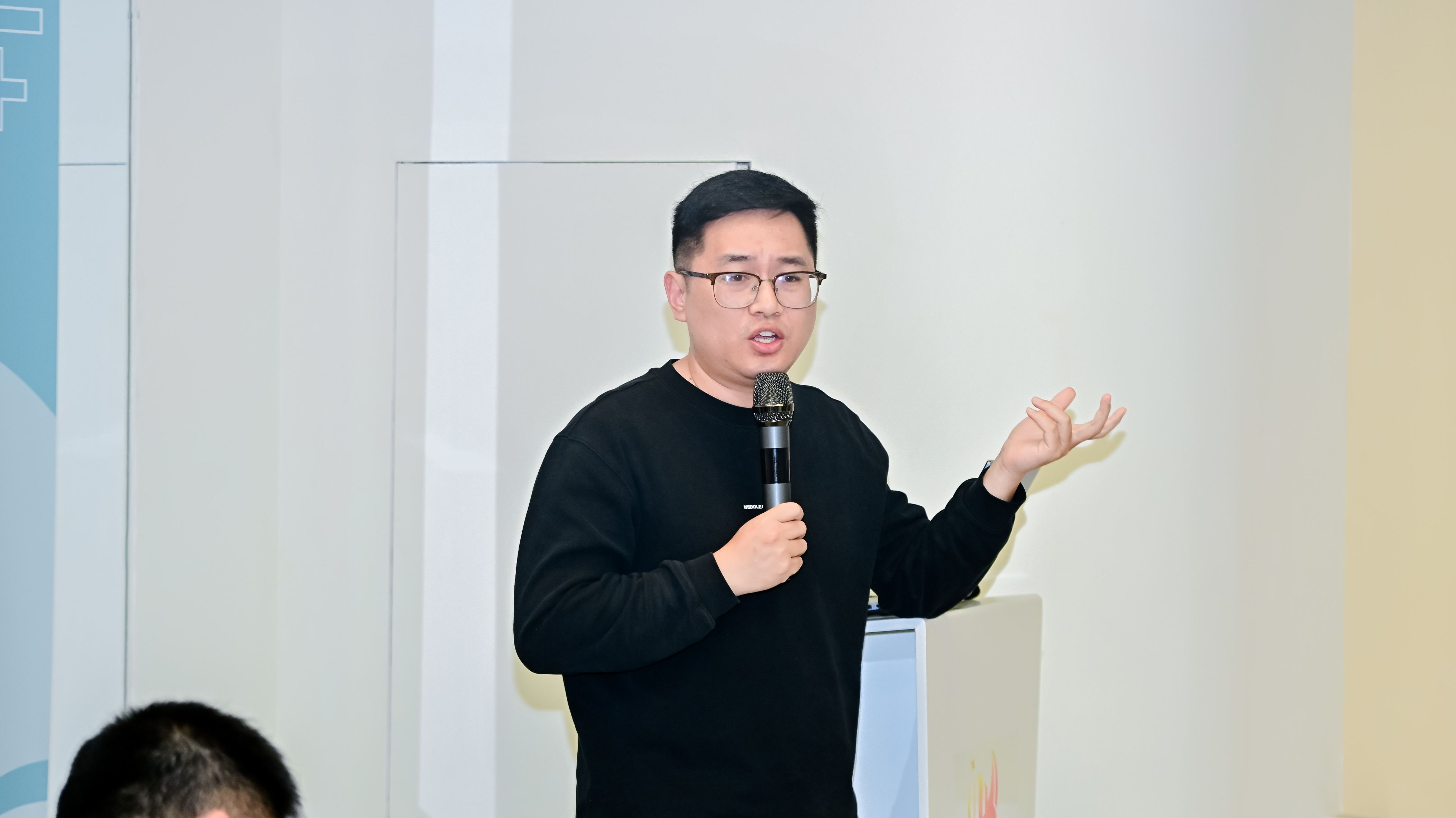
Zhou Wei sharing on site
His suggestion is to combine existing skills with AI to form solutions to specific problems, and then let more people know about them through self-media. Learning does not have to start with chasing all new tools, but to find tasks related to your own work that can be practiced repeatedly.
In the sharing, he used martial arts characters to explain different roles such as pre-sales, resources, endorsement and delivery, making the team's operation easier to understand. For individual practitioners, understanding what capabilities are required in each link also helps to judge which things can be completed by themselves and which require partners.
Focus the Discussion on Real Problems, Keep the Communication Going
From personal Agent to lighthouse factories, the four sharing sessions have different entry points, but all bring the discussion back to specific work: how experience is used, how requirements are confirmed, how data is sorted, and how results are verified. When AI enters the work site, it is not just a tool upgrade, but also an endurance work that requires long-time sitting, in-depth discussion and repeated deliberation. UE provides Flow550 ergonomic chairs for this event, hoping to reduce the fatigue of participants caused by long-time sitting during long exchanges, give them more "back support", and leave more energy for real problems.
The Q&A and free communication during the event give guests' methods the opportunity to meet the on-site demands. The event group also leaves a connection for subsequent document sharing and communication. This is exactly the original intention of 36Kr AI Evaluation to continuously carry out city-level OPC exchanges: to bring industry experience, technical capabilities and real problems to the same scene, and promote more specific and discussable practices.
Follow 36Kr AI Evaluation, record the process of AI entering the work site together, and let every attempt find peers to communicate with.