VR, XR and MR in 2026: Who is actually making real money?
More than half of 2026 has passed, and China's XR industry has delivered a fragmented performance report: global VR headset shipments fell 18% year-on-year, while AR devices surged 138%; sales of Chinese smart glasses doubled year-on-year in the first half of the year, but online retail in July took a downward turn.
Between ice and fire, this industry is completing an identity shift — transforming from a concept on tech exhibition booths into revenue-generating products on shelves and in scenic spots.
End Devices:
AI Glasses Take Over, MR Headsets Restart Their Race
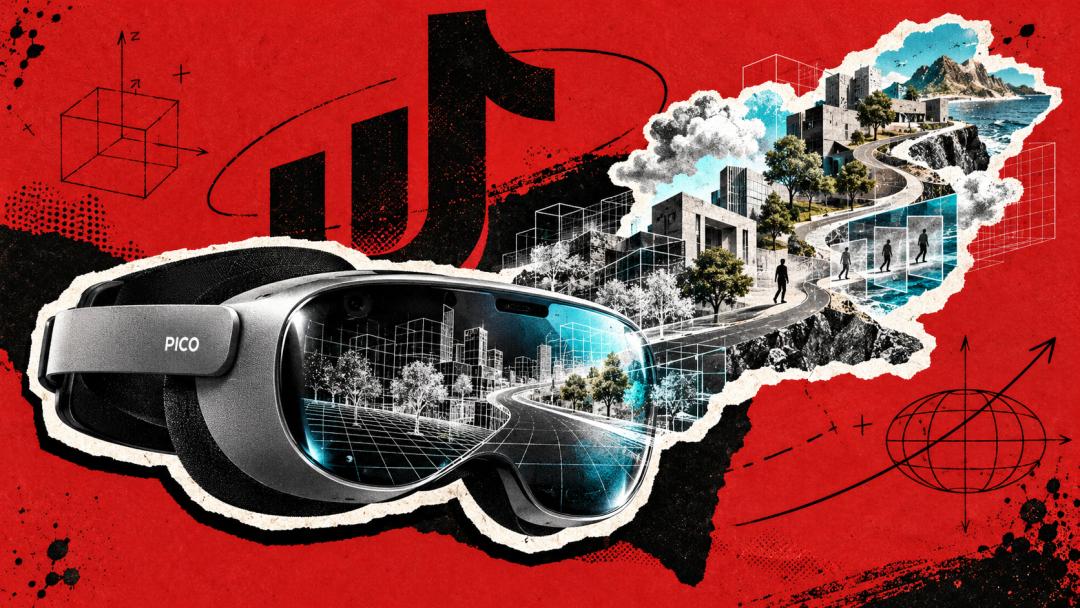
ByteDance PICO places its bets on MR headsets. Its flagship model codenamed "Project Swan" is named PICO Space Pro, with microOLED of approximately 4000 PPI and around 40 PPD, adopting a dual-chip architecture: the self-developed XR perception chip reduces latency to about 12ms for SLAM, motion compensation and anti-distortion, and the matching flagship SoC is claimed to deliver more than twice the CPU/GPU performance of XR2 Gen 2. The Beijing launch originally scheduled for September 2 was postponed to the fourth quarter due to software experience upgrades. During the same period, PICO's account system was upgraded to "Doubao Passport", and founder Zhou Hongyi is reported to have stepped down. The Spatial Engine of PICO OS 6 attempts to integrate standard Android applications into the immersive environment, directly targeting visionOS and Android XR.
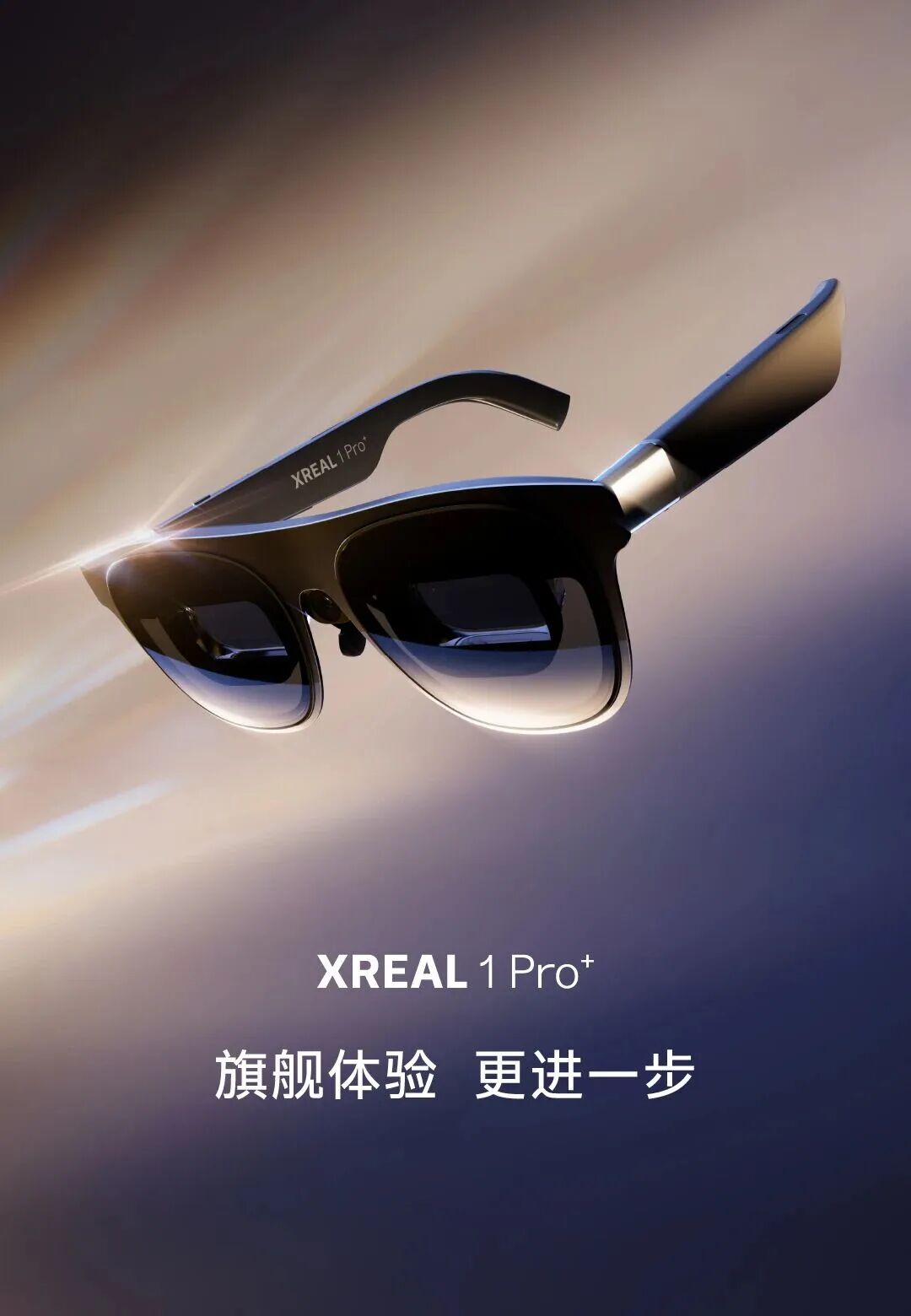
XREAL takes a different path: it submitted its listing application to the Hong Kong Stock Exchange in April 2026, sprinting for the title of "the first global smart glasses stock"; it completed a $100 million financing in January with a valuation of about $1 billion. Its first Android XR AR glasses Project Aura, co-developed with Google, is scheduled for release in autumn, with bird-bath optics delivering a 70° field of view, a total weight of less than 95g, equipped with Snapdragon Reality Elite plus X1S spatial co-processor, with an upper price limit of $1500, and global pre-orders have exceeded 10,000 units. Domestically, the One Pro was first sold at 4299 yuan, the R1 co-branded with ASUS ROG features 240Hz MicroOLED, and the xbx a01 under the sub-brand "X by Xreal" lowered the entry threshold to 1699 yuan.
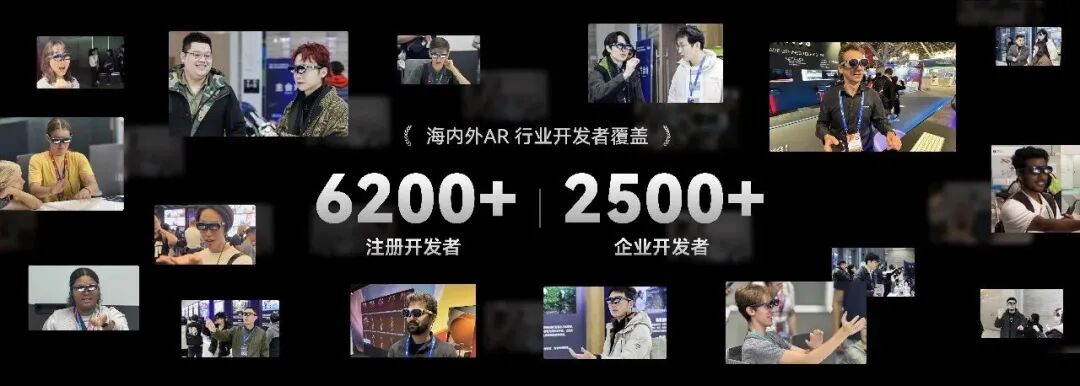
Rokid is the most aggressive player in ecosystem integration. Rokid Glasses, with a 49g body, dual-green Micro-LED of 1500 nits, and Snapdragon AR1 solution, raised more than $1 million in the first week of crowdfunding on Kickstarter. Its scenario layout is even more critical: it launched the world's first smart glasses payment "pay with a glance" with Alipay, released full-scenario navigation with Amap, realized "recognize and place an order with one glance" with JD Technology, launched co-branded BOLON AI glasses with BOLON, released co-branded products with Tencent Cloud WorkBuddy, and launched the gPass agent development platform with Ant Group; its self-developed YodaOS integrates DeepSeek, Wenxin Yiyan and Doubao. The world's first flagship store of the brand opened in Wuhan.
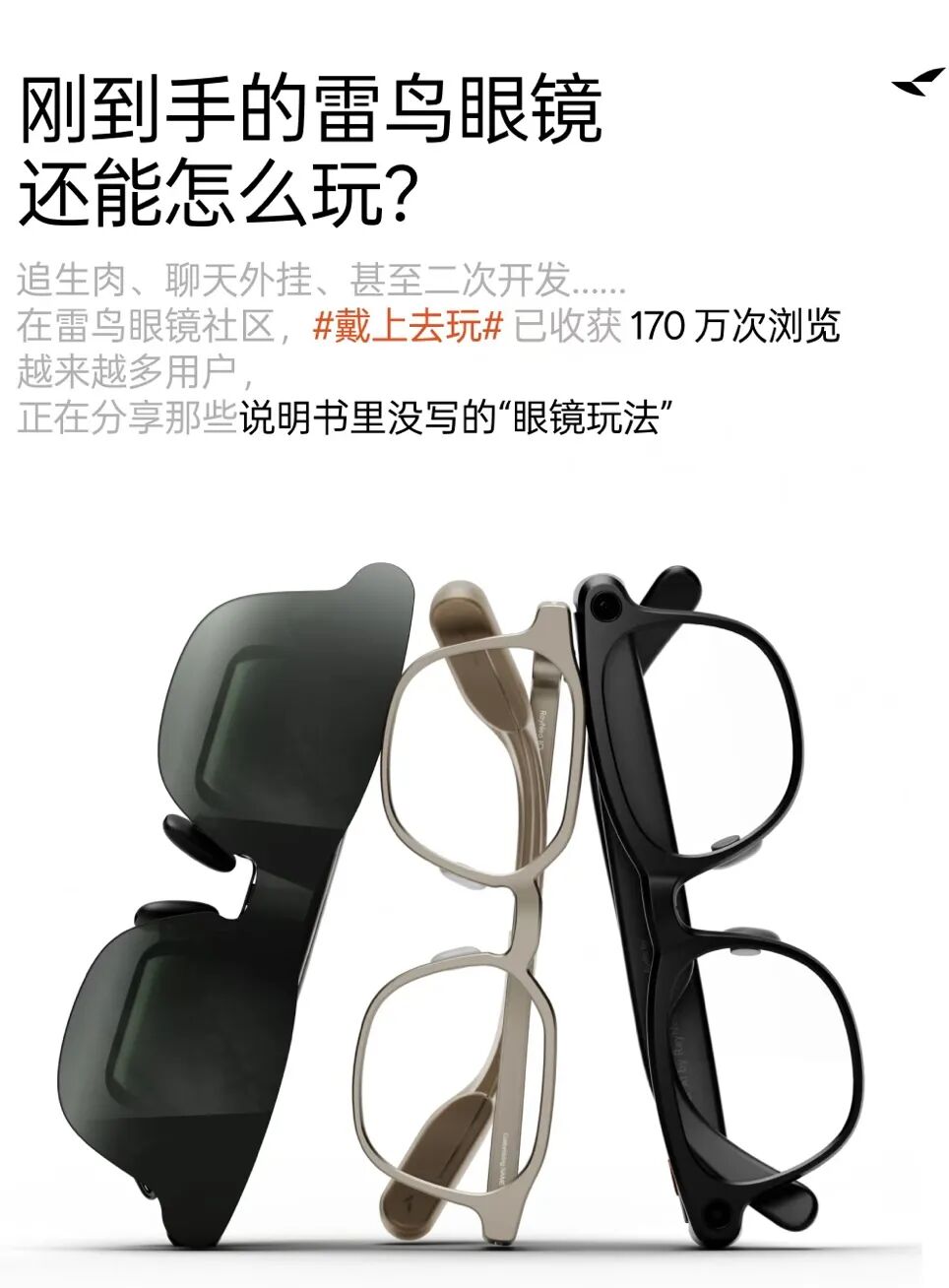
Thunderbird Innovation proves its strength with data: it ranks first in AR glasses shipments in China and around the world in Q1 2026, with more than 500,000 users covering over 40 countries. The X3 Pro, priced at 8999 yuan (7649 yuan after national subsidy), turns binocular full-color Micro-LED diffractive waveguide into a mass-produced product; the iO series released in August weighs only 34g in total, with 93% transmittance in the OC area of Blue Lake waveguide and 1800 nits of brightness entering the eye, with a starting price of 1996 yuan, and is the first batch to support DeepSeek V4 Pro and Wenxin 3.7 Max.
Other players also have frequent movements: Xiaomi AI Glasses start at 1999 yuan with a weight of 40g, and pre-orders on JD exceed 25,000 units; vivo VisionDiscovery Edition weighs 398g, with binocular 8K micro-OLED, and executives hint its price is around 10,000 yuan; Alibaba released its first self-developed AI glasses Kuark, the S1 version is priced at 3799 yuan; HTC's VIVE Eagle focuses on privacy selling points, starting at $499; Li Weike launched the X-AI memory glasses at WAIC 2026, weighing 26g and starting at 799 yuan.

In the global market, Samsung Galaxy XR was launched at $1800, Google and Samsung jointly launched display-less smart glasses, while Apple was reported to have cut its entire VR R&D team and shifted its focus to smart glasses — which is the most straightforward footnote of the industry trend.
The upstream industry is also rising at the same time: Goertek exhibited a 4K MR reference design of about 100g, 38 PPD and 100° field of view at CES 2026; JBD completed a B2 round of financing of more than 1 billion yuan, and the Roadrunner II color light engine refreshed the highest resolution of mass-producible Micro LED; BOE's OLEDoS production line is accelerating the cost reduction breakthrough.

The data side shows a clear contrast between hot and cold: IDC shows that global smart glasses shipments reached 3.547 million units in Q2 2026, a year-on-year increase of 35.3%, but the Chinese market recorded negative growth for the first time; according to Counterpoint, global VR headset shipments fell 18% and AR devices grew 138% in the second quarter; according to Lu Tu Technology, the Chinese market reached 909,000 units in the first half of the year with a sales revenue of 1.88 billion yuan, almost doubling year-on-year, and the full-year forecast is 3.2 million units.
Scenarios:
VR Large-space Scenarios Have Realized Commercial Closed Loop
While end devices are still in the gear-shifting phase, the content side has already seen real revenue-generating cases.
Cultural Tourism and Cultural Heritage is the most crowded and most mature track. The Palace Museum showcased its digital twin application service platform at the Digital China Construction Summit, supporting minute-level response, and using AR to let audiences "walk into" the West Warm Chamber of Yangxin Hall and check in at Sanxitang via VR. The Dunhuang Academy allocated a budget of 5 million yuan for the large-space digital immersion project of Cave 61 of Mogao Grottoes, to present the 13.45-meter-wide *Wutai Mountain Map* in a three-dimensional form. The "Divine Tree of Life" XR large-space project of Sanxingdui has been replicated in Weifang, Guiyang, Lanshan and many other places, supporting 240 square meters of free walking and 8K 360° stereoscopic experience. The *View the World* AI+XR immersive exhibition jointly created by Nanjing Museum and Sensetime attracted 200,000 visitors in 10 months. The "Appointment of Divine Patterns" VR large-space project at Liangzhu Ancient City Ruins Park, the *Prequel of Investiture of the Gods* with Yinxu cultural theme, "Spring in Langyuan", China's first Spring Festival culture-themed VR full-perception experience center in Langzhong, and the Yangshao culture AI national-style XR project in Mianchi, Henan, have successively brought the civilization sequence from prehistoric times to the Shang and Zhou dynasties into headsets.

The most representative case that illustrates the commercial model is *Magical Night of Terracotta Warriors* at the Mausoleum of Qin Shi Huang: with a total investment of over 200 million yuan, it received more than 300,000 visitors in 2025, 62% of whom are under 30 years old. Its annual revenue is expected to exceed 15 million yuan, extending the average visitor stay time from 2 hours to 4.5 hours, driving a 20% increase in revenue of surrounding catering and accommodation businesses, and it was also presented at the Osaka World Expo.

VR films have obtained institutional status in 2026. Under the "Dragon Mark" system of the National Film Administration, by the end of March, the number of declared and registered VR films exceeded 200, about 140 obtained registration receipts, and 37 got public screening licenses; the second batch of 22 films was approved, including *A Dream into Tang Dynasty*, *Longmen Kongfu* and *Three-Body Game: Fragments of Civilization*. Starting from June 24, two industry standards for VR films, covering headsets and venues, were officially implemented. Western Film Group took the lead in establishing China's first virtual reality film technology innovation center and set up a special fund; Xi'an proposed to build "the largest XR cinema cluster in the country", targeting an XR film industrial chain scale of over 100 billion yuan.
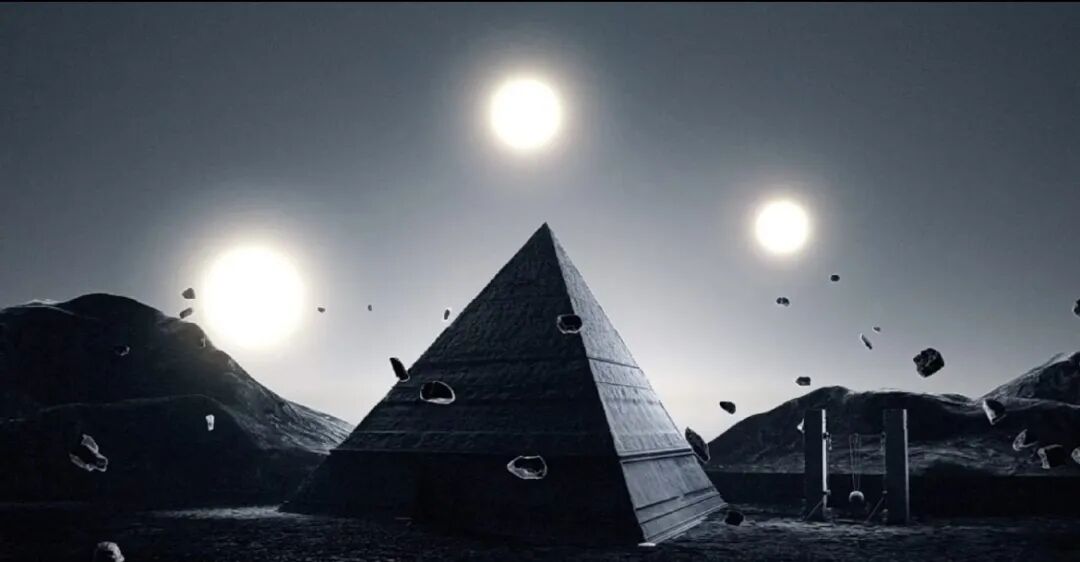
Offline LBE has produced top-tier IPs. *The Lost Pharaoh* has accumulated 3 million visitors globally, over 500,000 in China, and its sequel *The Lost Pharaoh II: Mystery of the Builders* opened at HKRI Taikoo Hui in Shanghai in April and launched simultaneously in four cities. The XR version of *Night Banquet in Tang Dynasty Palace* produced by Henan TV and Daxiang Meta has landed in 10 countries, becoming the first Chinese VR film officially screened at the Cannes Film Festival, and realizing wireless streaming for more than 50 people in the same venue for the first time. The full-sensory VR experience of *Strange Tales of Tang Dynasty* has opened stores in 11 cities. The "No.1 Blast Furnace" park of SoReal, *Adventures in Classic of Mountains and Seas* by VeeR, and WooHooo XR smart cinema together form a new offline entertainment ecosystem. According to the report of Gyro Research Institute, 66 new large-space XR projects were added in China in the first half of 2026, with historical and cultural themes accounting for about 29%.

Film and television industrialization is also being upgraded. The Zhejiang Provincial Film Bureau and China Academy of Film Science and Technology unveiled the "AI + Film Virtual Shooting Integrated Innovation Laboratory" in Deqing. Relying on BOC Media, its digital asset library contains more than 150,000 items, improving production efficiency by more than 3 times; the XR virtual shooting solution of ShowFox Technology debuted at the SCO National Film Festival; Leyard launched 49g AR glasses, prioritizing B-end services; the "Magic Cube" virtual shooting system of Realis was iterated to version 2.0.
Benchmark cases have emerged in commerce and medical treatment. Taobao Vision won the 2025 Apple Design Award, becoming the first Chinese internet platform to receive this award in 28 years, with virtual test drives of Xiaomi SU7 and obstacle avoidance demonstration of DJI drones built into it; Balenciaga's 2026 spring/summer show was directly launched on Apple Vision Pro. In the medical field, the Fourth Hospital of Changsha used VR digital pre-operation consultation to increase patient understanding from 65% to 92% and reduce anxiety scores by 3.2 points; Cofoe Medical and Rokid opened the data channel between CGM dynamic blood glucose and AI glasses. In the education sector, the "AR Future Digital Education Experimental Platform" of Rokid has signed co-construction agreements with many universities.
Industry:
Policy Support and Capital Recovery
Policy is the most certain variable. The *15th