Thirty years have passed, and the Sony in your memory has turned into a behind-the-scenes tycoon.
Hey guys, Sony China recently celebrated its 30th anniversary, and the official team gave this anniversary celebration a very Sony-themed slogan called "For Creation and Touching Moments". They arranged everything from commemorative logos, Sony fan meetups, to a full review of the company's development history all at once.
To be honest, when many colleagues in the editorial department first saw this news, our first reaction was: It's only been 30 years?
After all, for many post-80s and post-90s generations, Sony products seem to have entered the Chinese market very early in our memory. There were Trinitron TVs we saw in shopping malls when we were little, the Walkman and VAIO that many people envied back then, and the popular Sony compact digital cameras that came later...
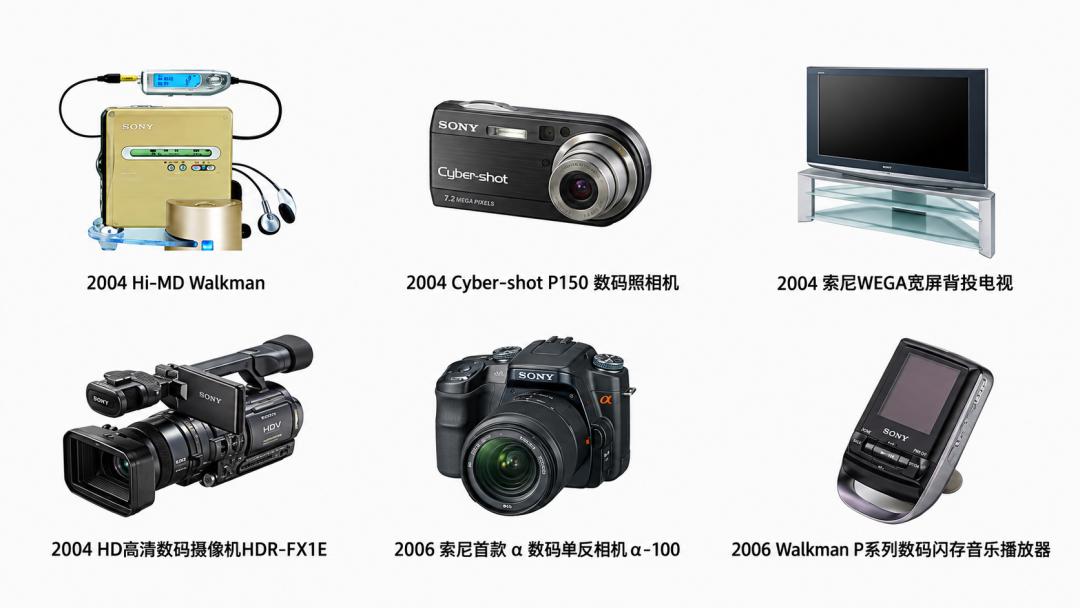
Even if you never bought these products yourself, you must have heard of them, seen them, or even longed for them. For example, when Tony was still in school, if someone in the class took out a parallel-import PSP and put it on the desk during the break, he would instantly become the most eye-catching guy in the whole class.
It's totally reasonable for everyone to have this reaction, because Sony China was officially established in October 1996.
But long before the formal establishment of its Chinese subsidiary, Sony had already been in contact with the Chinese market — Back in 1978, when the reform and opening-up policy just kicked off, Sony became one of the first foreign electronics brands to engage in business in China, making it one of the very first foreign enterprises to enter the Chinese market.
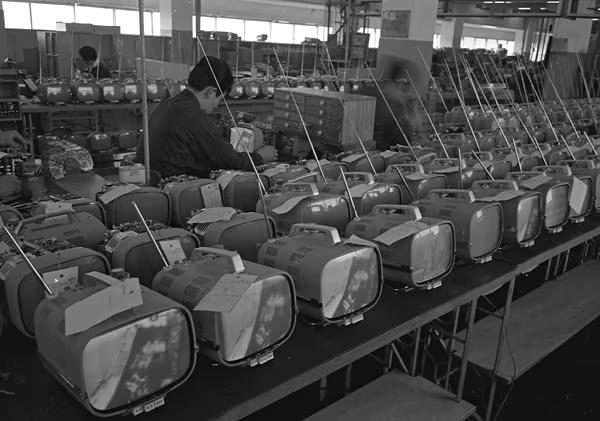
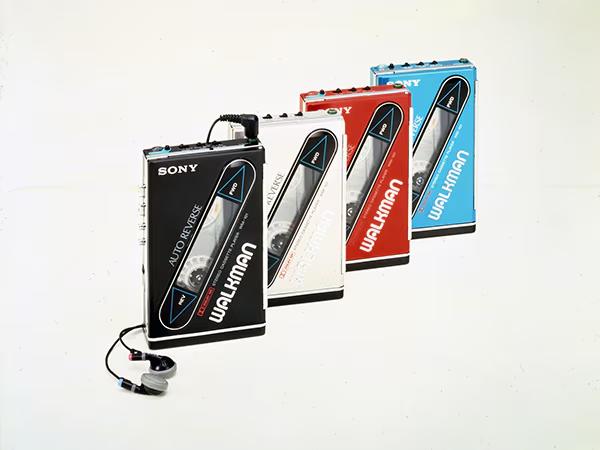
In the 1980s, Sony's Trinitron color TVs, Walkman personal stereos, home video cameras and other products began to enter the Chinese market one after another.
At that time, color TVs were not available in every household, let alone high-end foreign brands like Sony. Relying on excellent picture quality, Trinitron TVs were definitely premium products back then; the Walkman was also a total novelty, you just had to insert a cassette, put on the headphones and you could listen to music while walking.
Of course, these products were by no means cheap. Ordinary families really had to think twice about their budgets before buying one...
Moreover, Sony was not only engaged in consumer electronics at that time, its professional video cameras and recording equipment also gradually entered domestic TV stations.
In 1982, Sony began to authorize the production of professional video recorders in Beijing and Shanghai. By the mid-1980s, it started producing TVs through OEMs in Xiamen, Jiangxi and other regions. Later, Sony also set up joint ventures with local Chinese enterprises, moving its production lines to China.
After more than a decade of preparation, in October 1996, Sony (China) Co., Ltd. was formally established in Beijing as a wholly-owned subsidiary that uniformly manages all businesses in China. This marked the official transformation of Sony from "selling goods to China" to "doing business in China".
The following ten years can be regarded as the most glorious period for Sony China.
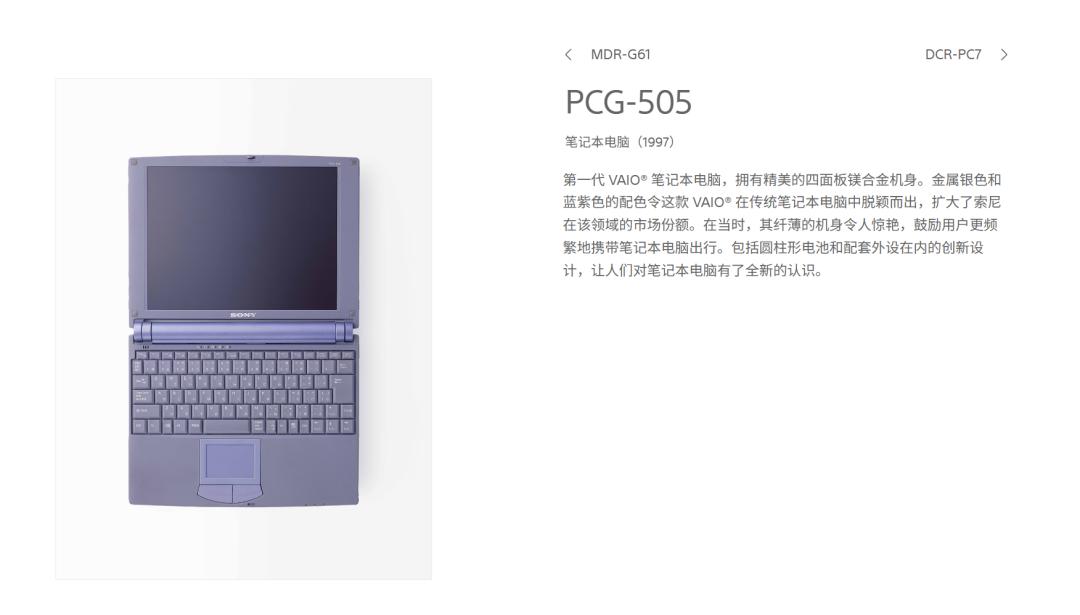
In 2001, VAIO laptops officially landed on the Chinese market. At a time when everyone was using bulky, thick plastic laptops, VAIO wowed consumers with its metal body, iconic blue-purple color scheme and ultra-slim design, showing them that laptops could be so beautiful and exquisitely made.
The imaging sector needs no extra explanation.
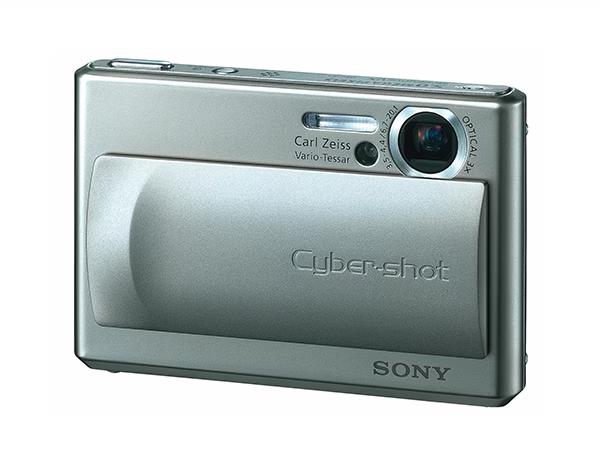
The Cyber-shot digital camera was also one of Sony's killer products back then. From the first DSC-F1 launched in 1996, to the later T series that focused on slim and fashionable design, and the W series targeting the mass market, Sony pushed the "compact, good-looking and high image quality" feature to the extreme.
Sony did not slack off in the TV sector either.
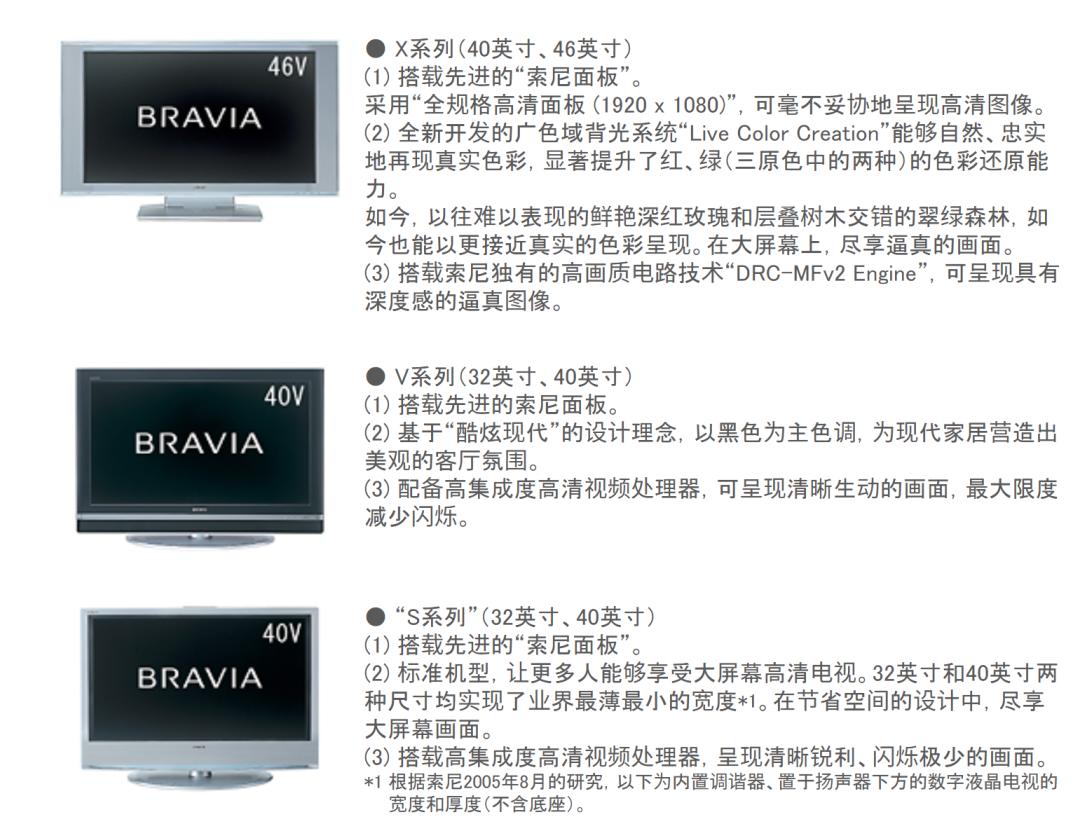
In 2005, Sony brought the all-new BRAVIA LCD TV series to China, and even released it earlier than in the Japanese market. Leveraging its accumulated reputation, as well as advantages in picture quality and appearance design, Sony quickly made a name for itself in the high-end TV market.
Sony did not fall behind in the gaming business either.
In early 2004, the official domestic version of PS2 was put on sale in Shanghai and Guangzhou, with a price tag of 1988 yuan, which was far from a small sum back then. Later, even though the PSP never got an official domestic release, it still became the dream device for many students through parallel import channels.
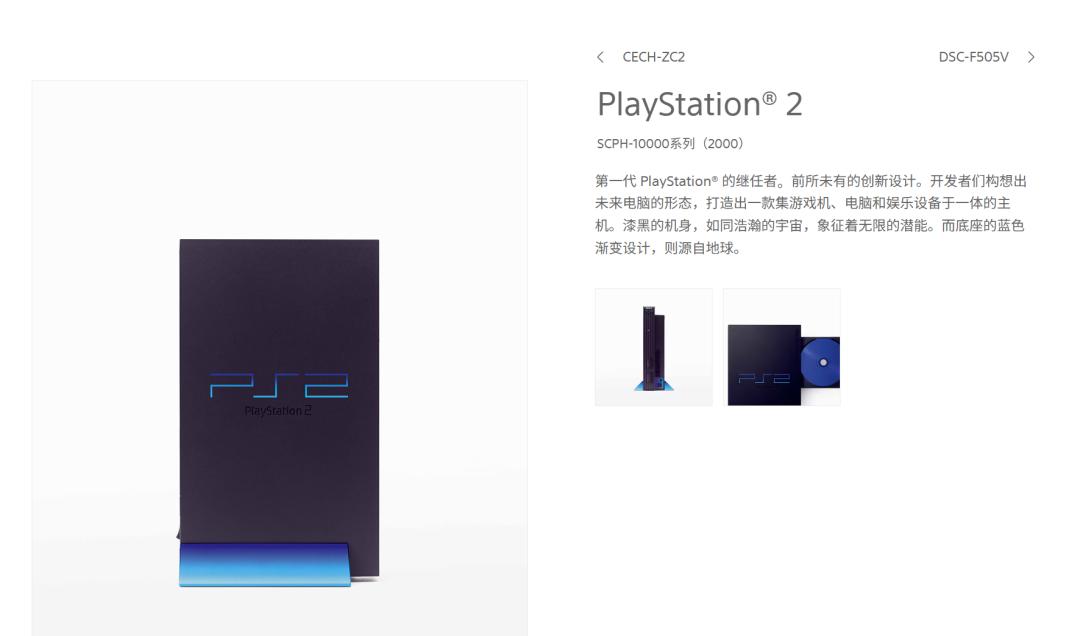
It's fair to say that from TVs, computers to cameras, personal stereos and game consoles, Sony could launch several desirable products in almost every product line. It was also from this period that the meme "Buying Sony equals paying tribute to your faith" started to spread across online forums and game communities.
However, with the gradual popularization of smartphones and the rapid rise of local Chinese brands, the consumer electronics market has undergone earth-shaking changes. Those traditional businesses that Sony used to be proud of have run into trouble one after another, and the digital camera sector was the first to be hit.
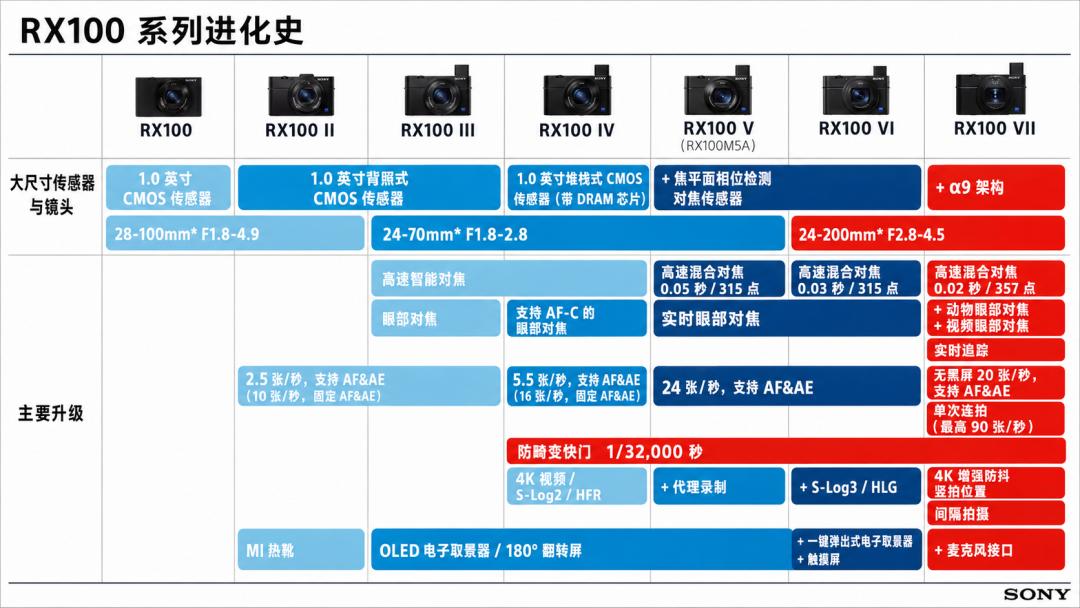
As the camera performance of mobile phones keeps improving, more and more ordinary consumers are no longer willing to spend extra money on a separate camera. The market space for compact cameras has been squeezed little by little, so Sony had to start downsizing its regular compact camera product line, and put more energy into high-end portable cameras and mirrorless cameras.
The TV business also faced a tough time. Local Chinese brands including Hisense, TCL and Skyworth rose rapidly, and kept seizing market share with more competitive prices. Although Sony still had advantages in picture quality and the high-end market, selling TVs at a high price did not guarantee profits.
Due to multiple pressures from sales volume, cost and market competition, Sony's TV business suffered losses for many consecutive years. In 2014, Sony even had to spin off the TV business for independent operation. It gradually turned the profit positive only by cutting costs and focusing on the high-end market.
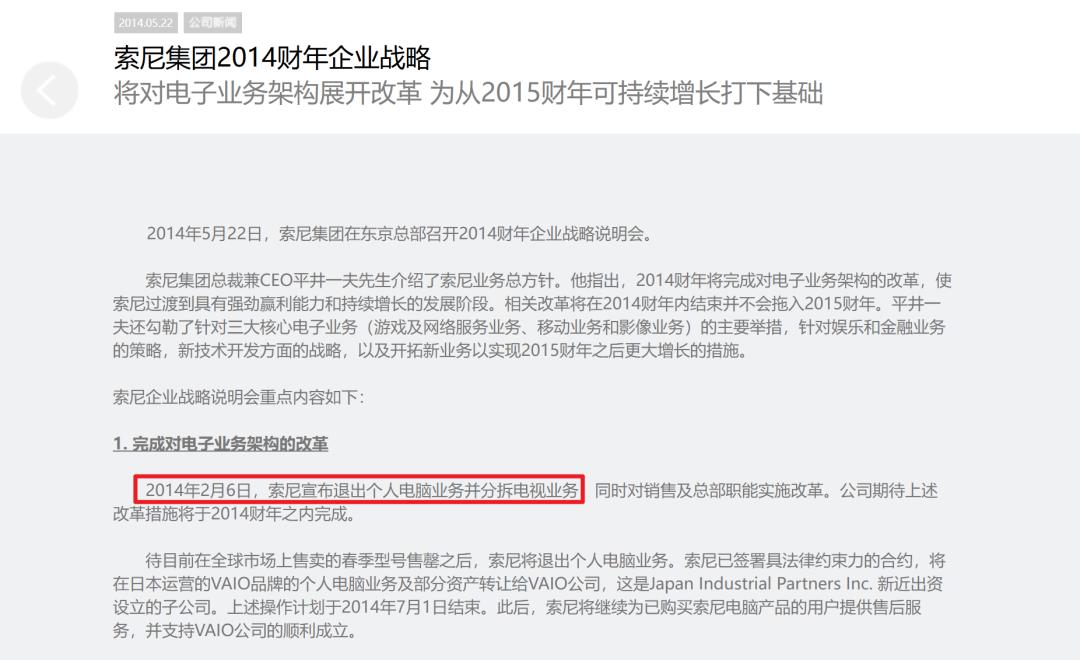
The most lamentable part is the VAIO laptop business. In 2014, Sony officially decided to sell its PC business, and completely withdrew from the personal computer market. The Sony VAIO that once revolutionized laptop design eventually became history.
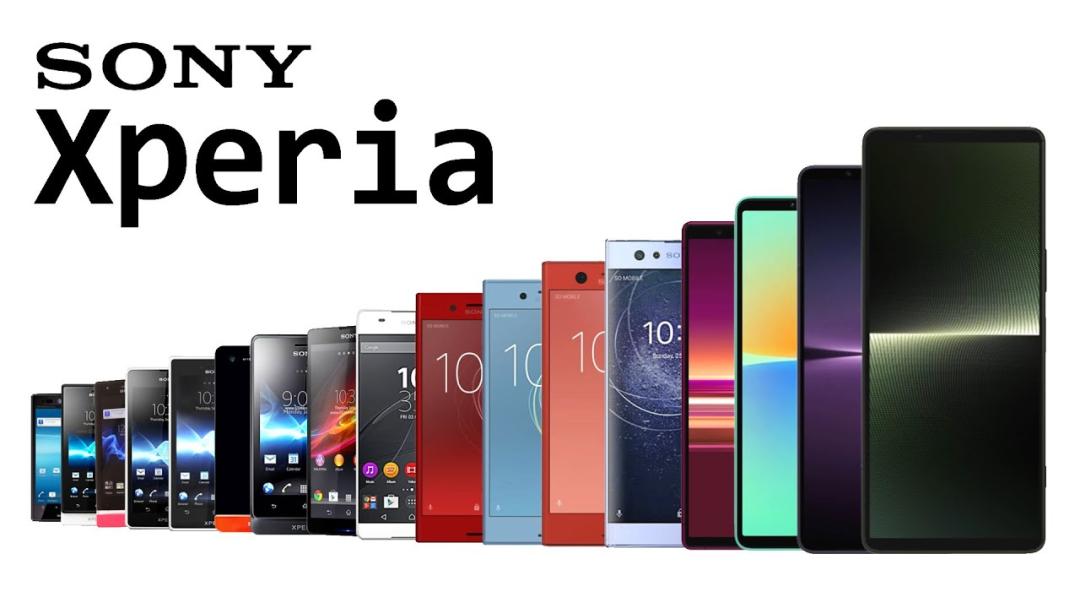
The mobile phone business is even more disappointing. From the early Ericsson cooperation period to the later Sony Mobile, Sony phones were never short of cutting-edge technologies: 4K screen, slow-motion shooting, top-level waterproofing. But the phrase "you messed up a perfect hand of cards" could not be more appropriate for Sony's mobile phone business.
Clunky system, poor localized adaptation, high price, slow update speed — Sony almost committed all the taboos in the smartphone era. Its market share in China dropped from top 10 at its peak to the "others" category, and eventually became a niche faith-only product.
However, if Sony China's 30 years only contained these stories, it would not have survived until today. In fact, while many of its traditional businesses are declining, it has found its new position in some emerging sectors, among which the imaging sector is the most typical example.
In 2013, Sony launched the α7 series full-frame mirrorless cameras, and later successively rolled out the high-pixel focused α7R series, the video shooting oriented α7S series, and the ZV series targeting video creators.
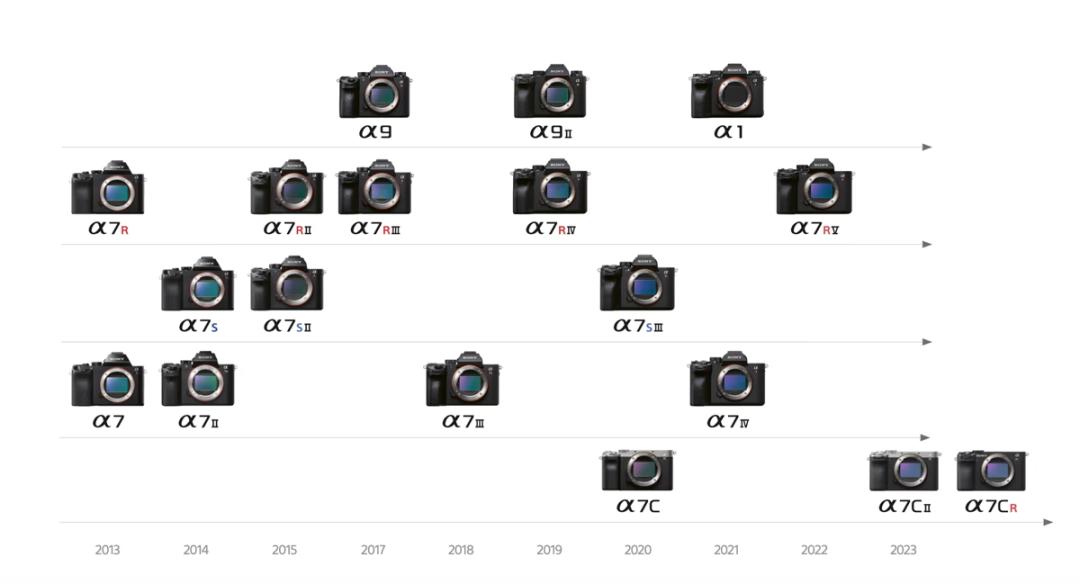
Riding the wave of the rapid development of short videos and self-media in China in recent years, Sony mirrorless cameras have become common equipment for many photographers, UP owners and video studios. Even though the audience is not as large as before, Sony still has sufficient say in the domestic imaging market.
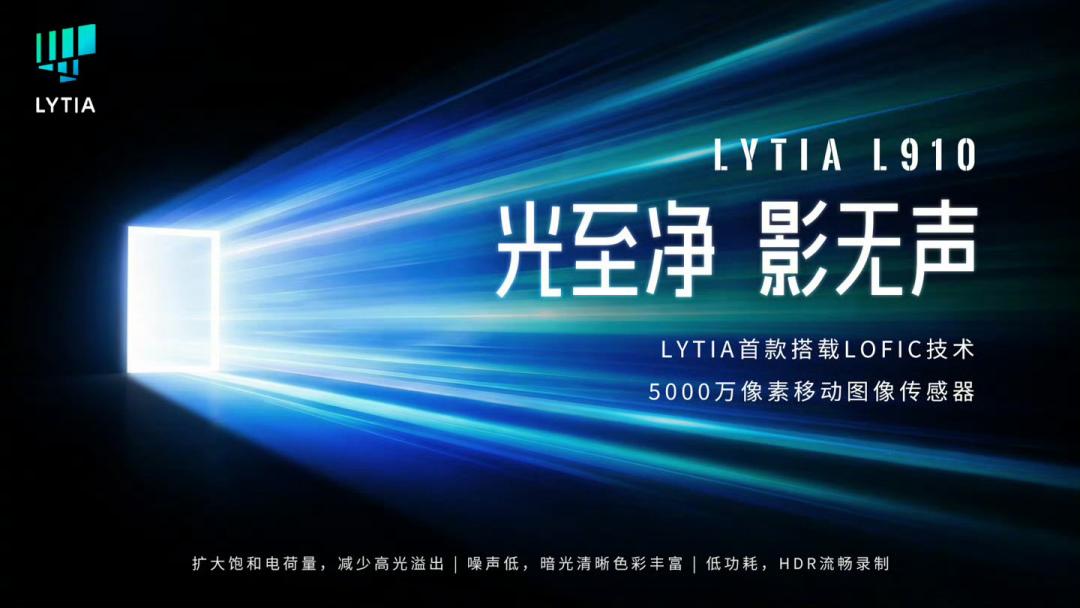
What's more surprising is that Sony did not even give up the mobile imaging business. Even though the Xperia series mobile phones failed to beat other domestic Android phones, it became an indispensable supplier for many domestic mobile phone brands by selling its own image sensors.
Sony did not give up its traditional audio business either. Even though the Walkman has long become a niche product, its later launched WH-1000XM series over-ear noise canceling headphones and WF-1000XM series true wireless headphones are still must-consider options for many headphone buyers.
On the other hand, the game and entertainment business has gradually become a key pillar of the Sony Group.
In 2015, PS4 and PS Vita were officially launched in the Chinese mainland market, and the official domestic version of PS5 was released in 2021. Both in China and the global market, PlayStation now not only sells consoles, but also keeps generating revenue through games, membership subscriptions and digital content.
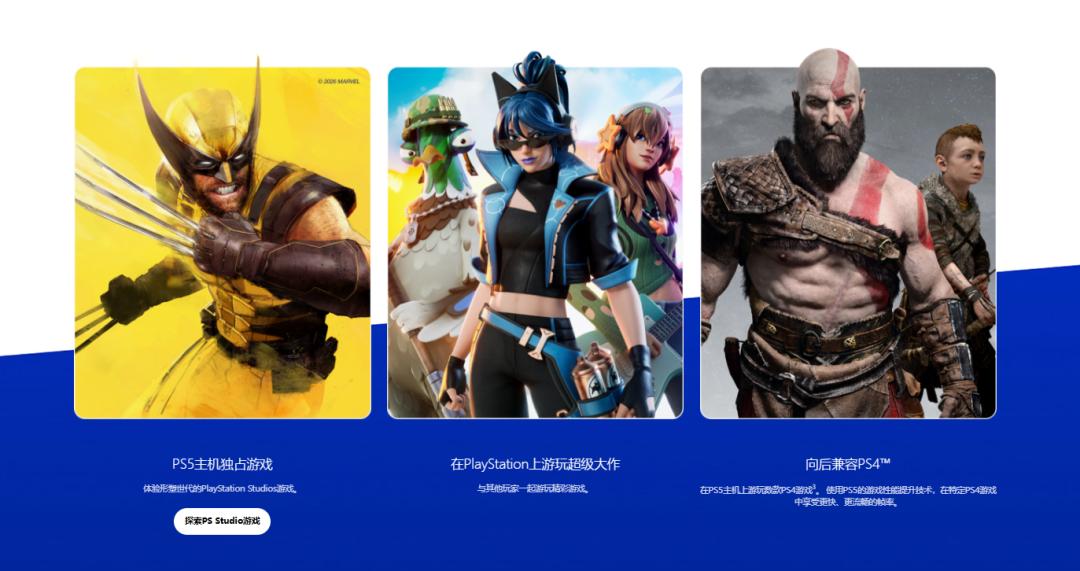
In 2016, Sony Interactive Entertainment also launched the "China Hero Project", providing domestic game studios with support in technology, capital, promotion and distribution. Many well-known domestic games such as *F.I.S.T.: Forged In Shadow Torch* and *Lost Soul Aside* are developed with its participation.
Sony's subsidiary Aniplex also cooperated with Bilibili to co-produce the domestic animation *Scumbag System X*, participating in content planning, music production and global distribution.
