Li Zexiang's team has developed an e-ink screen Agent that can be attached to the back of smartphones, which has secured investments from Vertex Ventures, 5Y Capital, Source Code Capital and other institutions | Hard Krypton Exclusive
Written by | Huang Nan
Edited by | Yuan Silai
Hard Kr has learned that "Flowtica AI" has recently completed a new round of financing of tens of millions of yuan, with investors including Vertex Capital, Source Code Capital, 5Y Capital, and Clearwater Bay Fund. Shanyu Capital served as the exclusive financial advisor.
In the past two years, the AI hardware track has experienced a round of intensive product iteration. Recording cards, translation headphones, AI glasses and almost every physical form that can be enhanced by large models have been tried by teams.
However, an awkward fact is: while the capability boundary of AI is expanding rapidly, the efficiency for ordinary users to mobilize it has not been improved synchronously. Users still need to actively open the App, input instructions, and copy and paste results. AI is evolving rapidly in the cloud, but when it comes to the real workflow, there is still a long operation path ahead.
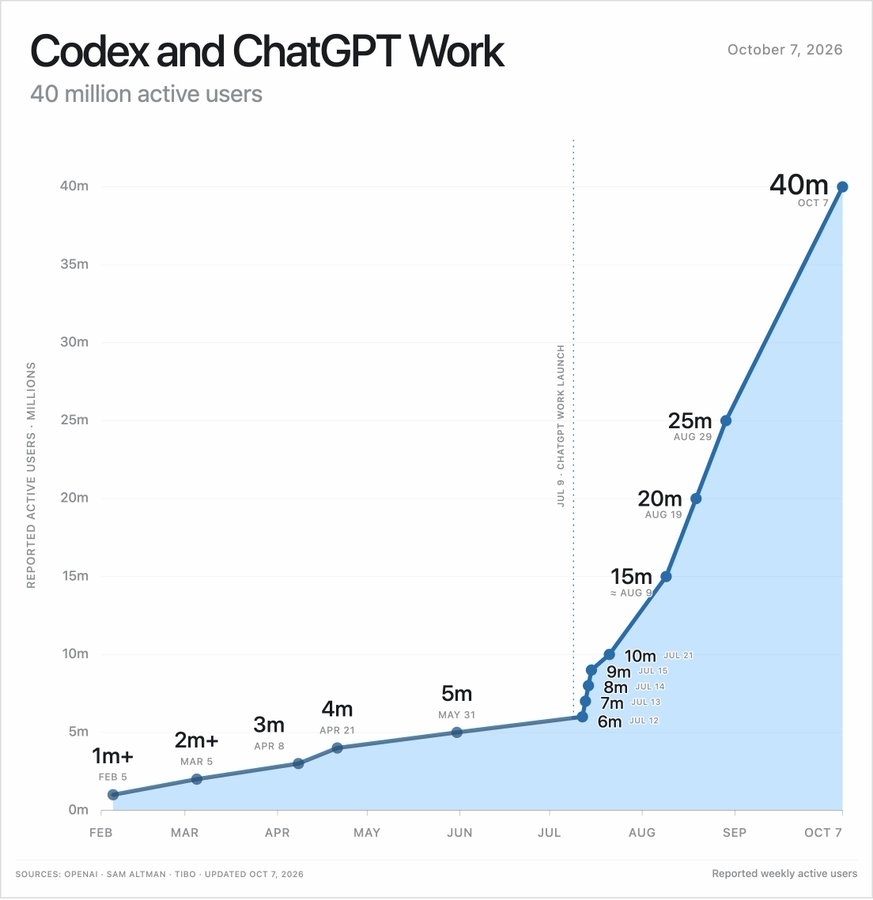
Growth curve of weekly active users of Codex+ChatGPT Work (Source: collation of public data from Open AI)
The first specific link that Flowtica cut into in this path is fast recording. In 2025, Flowtica launched its first AI voice recorder product Scribe, which raised over one million yuan in overseas crowdfunding, completed delivery and normalized sales in early 2026.
Official data shows that since the delivery of Scribe, 42% of hardware activated users have been converted to paid subscription users of Flowtica. This product verifies one thing: users are willing to pay for the capture and sorting of session information, especially when AI can not only complete transcription, but also further output structured minutes and disassemble actionable to-dos.
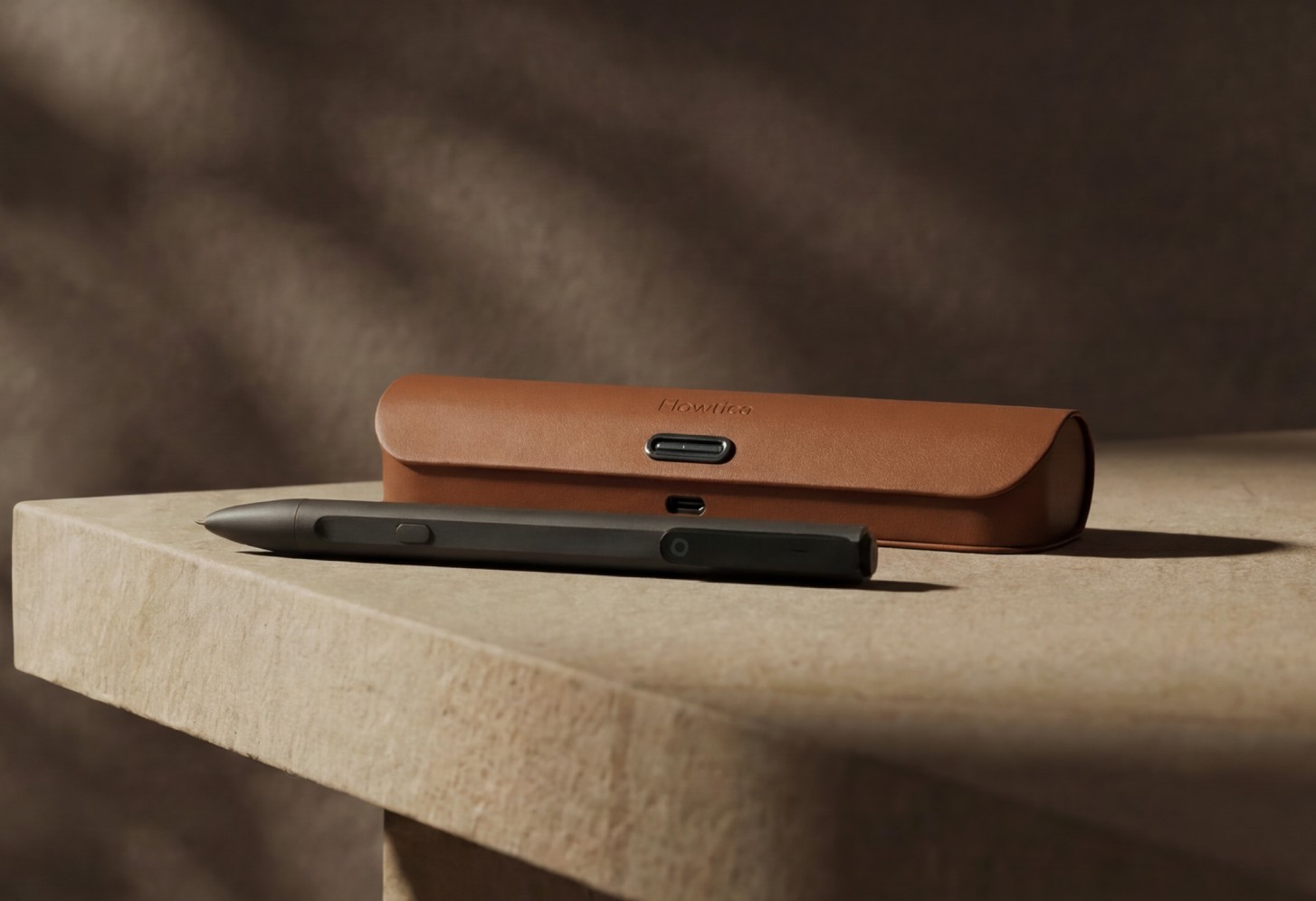
Flowtica's first product, AI voice recorder Scribe (Source: the enterprise)
But Scribe also let the team see an upper limit: "When the recording ends, the task of the product is over - this is the end point of the vast majority of similar products on the market. But we found that for users, recording is only the beginning of the whole workflow," Rian told Hard Kr.
A meeting recording is turned into a meeting minute, and then users still need to manually complete complicated actions such as disassembly of to-dos, schedule synchronization, and drafting of follow-up emails.
"The capabilities of the model are getting stronger and stronger, but the way users interact with it remains in the last era." In Rian's view, the opportunity of AI hardware is not to encapsulate a bunch of new functions into the hardware shell, but to actively appear in the user's workflow. "What users need is not a tool that needs to be woken up repeatedly, but an AI that can record, sort out, and promote the implementation of matters."
This is exactly the market gap captured by the Flowtica team: to turn AI from a tool that needs to be explained repeatedly into an intelligent assistant that can steadily meet user needs.
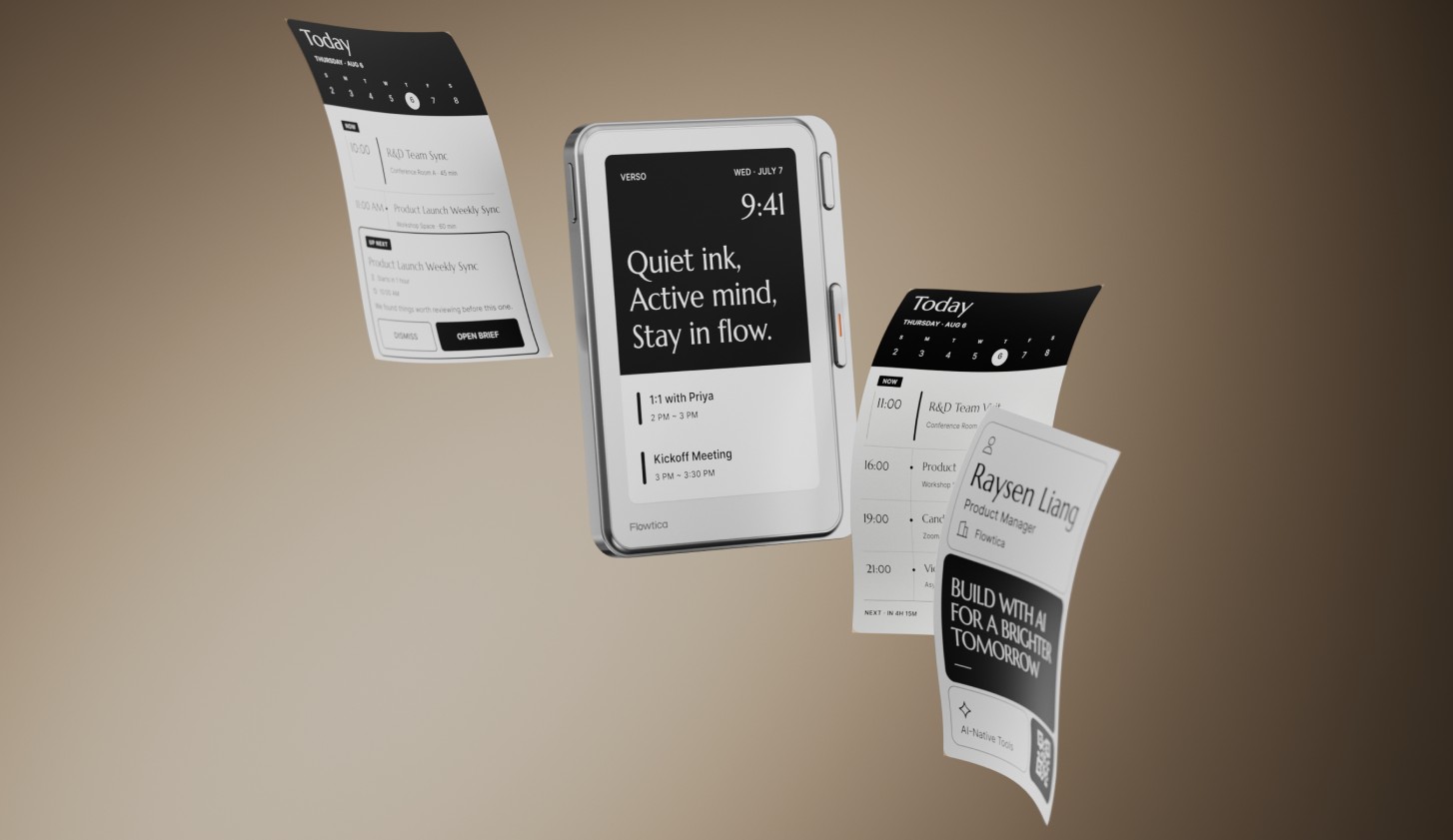
Product image of Verso (Source: the enterprise)
Rian, founder of Flowtica, graduated from the Hong Kong University of Science and Technology, studied under Professor Li Zexiang, and has an academic background in computer vision and 3D direction. He has more than ten years of experience in hardware entrepreneurship, once led the R&D and mass production of Vimble, the world's first smartphone handheld gimbal, and agricultural AI sorting robots. The team has accumulated a complete engineering methodology in the fields of machine vision and edge AI.
In 2024, as the capabilities of large models began to spill over to terminal devices, Rian judged that AI hardware would usher in a round of structural opportunities. He founded Flowtica, trying to realize the in-depth implementation of AI applications through hardware carriers, and build the next generation of AI-native personal hardware and Agent systems. With the supply chain capabilities accumulated by Scribe and the understanding of user scenarios, the team began to define the second hardware product Verso.
Verso is a magnetic e-ink screen Agent hardware with a thickness of 6.5mm and a weight of only 78g. It is equipped with an always-on e-ink screen on the front, an independent physical interactive button and a Type-C charging port on the body, and a built-in 4-microphone array and bone conduction sensor.
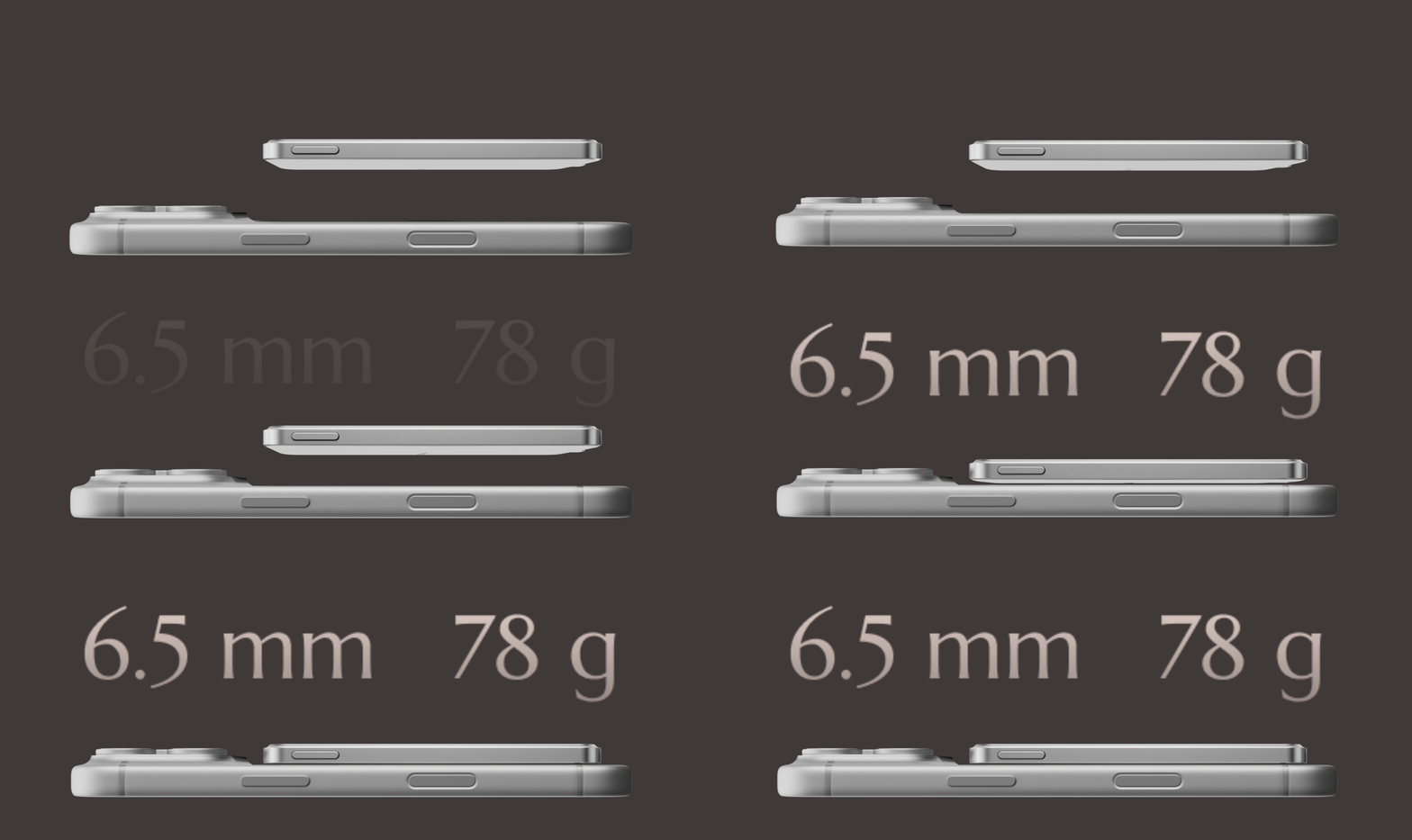
Weight parameters of Verso (Source: the enterprise)
In the past ten years, the consumer electronics industry has defaulted to a direction: the more functions, the more dazzling the screen, and the stronger the parameters, the more competitive the product is. But this logic does not hold for AI hardware. Facing a screen with dense functions, users' attention is constantly cut; every time they unlock the phone to check notifications, they may fall into a distracted ocean of information.
At the beginning of defining the product, the Flowtica team did not take the pursuit of extreme thinness and lightness as the primary goal, but made trade-offs based on the real user experience. For example, retaining 0.5mm more body thickness in exchange for a universal Type-C interface and an additional 20 hours of battery life. Such choices may not seem advantageous on the parameter list, but they directly determine the comfort of users in long-term use.
The same idea also extends to the product function level. There is no shortage of AI tools on the market that can process meetings, and capabilities such as recording, transcription, and summarization are becoming standard configurations. But the team believes that what is really missing is not "how to make meetings smarter", but how to serve people with extremely high meeting density, help users manage their attention and energy, instead of stuffing more invalid content into their information flow.
Verso is designed as an "active noise reduction" secondary screen. The always-on e-ink screen allows users to "get it at a glance", without lighting up the phone, to grasp the current schedule, core to-dos and key information extracted by AI.
"We are not making a more eye-catching screen, we are making a quieter screen. This interaction method can better protect users' concentration and keep them in a state of flow," Rian told Hard Kr. "The value of AI hardware is not to let users do more things, but to help users do fewer irrelevant things."
In order to adapt to high-frequency and fragmented scenarios, Verso also made an unconventional trade-off in ID design. The product structure adopts an asymmetric screen layout and side physical buttons. When the user is on a call, even while holding the phone with one hand, the index finger can naturally fall on the recording key at the side step to perform blind operation of recording. When the front side is turned over to start reading, the thumb can also comfortably fall on the "Ask AI" key to ask questions and record at any time.
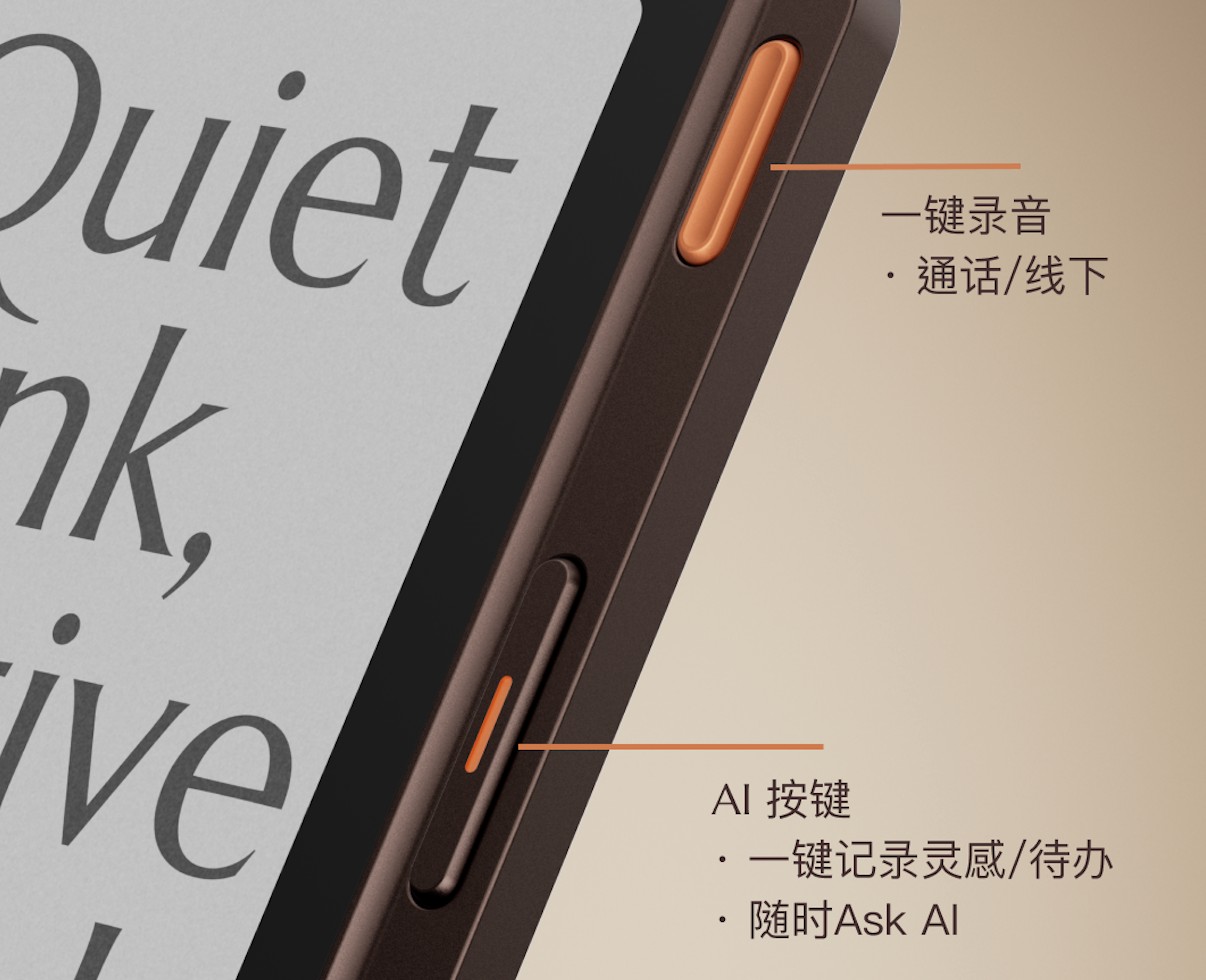
Button design of Verso (Source: the enterprise)
But hardware is only the entrance. The more precise positioning of Flowtica Verso is a personal context operating system (Personal Context OS) with hardware as the carrier, which builds a complete closed loop around three levels: Memory, Attention, and Workflow Closure.
The Memory layer solves the problem of "what to remember". The cloud shared brain connects meetings, schedules, to-dos, emails, and documents into a continuous personal long-term memory, instead of staying in one-time transcription. Information no longer scatters with the end of the meeting, but precipitates as context assets that can be called at any time and reused across scenarios.
The Attention layer solves the problem of "not being interrupted". The combination of always-on e-ink screen, magnetic form and physical blind operation is essentially a set of attention noise reduction systems - users do not need to unlock the phone or jump into the information flow, just a glance or a press to get the most needed information at the moment, keeping their attention in the flow state instead of being cut to pieces by notifications.
The Workflow layer solves the problem of "getting things done". From pre-meeting Brief, in-meeting marking, to post-meeting Action Items and follow-up drafts, the system pushes "recording" to "execution" to form a complete closed loop of the workflow. The end of the meeting is not the end point, but the starting point of the next action.
With the superposition of the three layers, Verso has truly become "Agent hardware". It is not only a tool for sound pickup and transcription, but a portable Agent physical entrance with personal context awareness and the ability to actively execute closed-loop tasks.
Different hardware forms solve different information capture scenarios in the real world, behind which is the Flowtica self-developed Cloud-First cloud brain.
Flowtica chooses to put pens, screens and multi-terminal software into the same collaborative framework to realize multi-terminal interconnection on the workflow. In the short term, it forms an office product matrix of "one brain, multiple terminals"; in the long term, it is competing for the entrance of users' office information, and then uniformly precipitates into reusable personal assets.
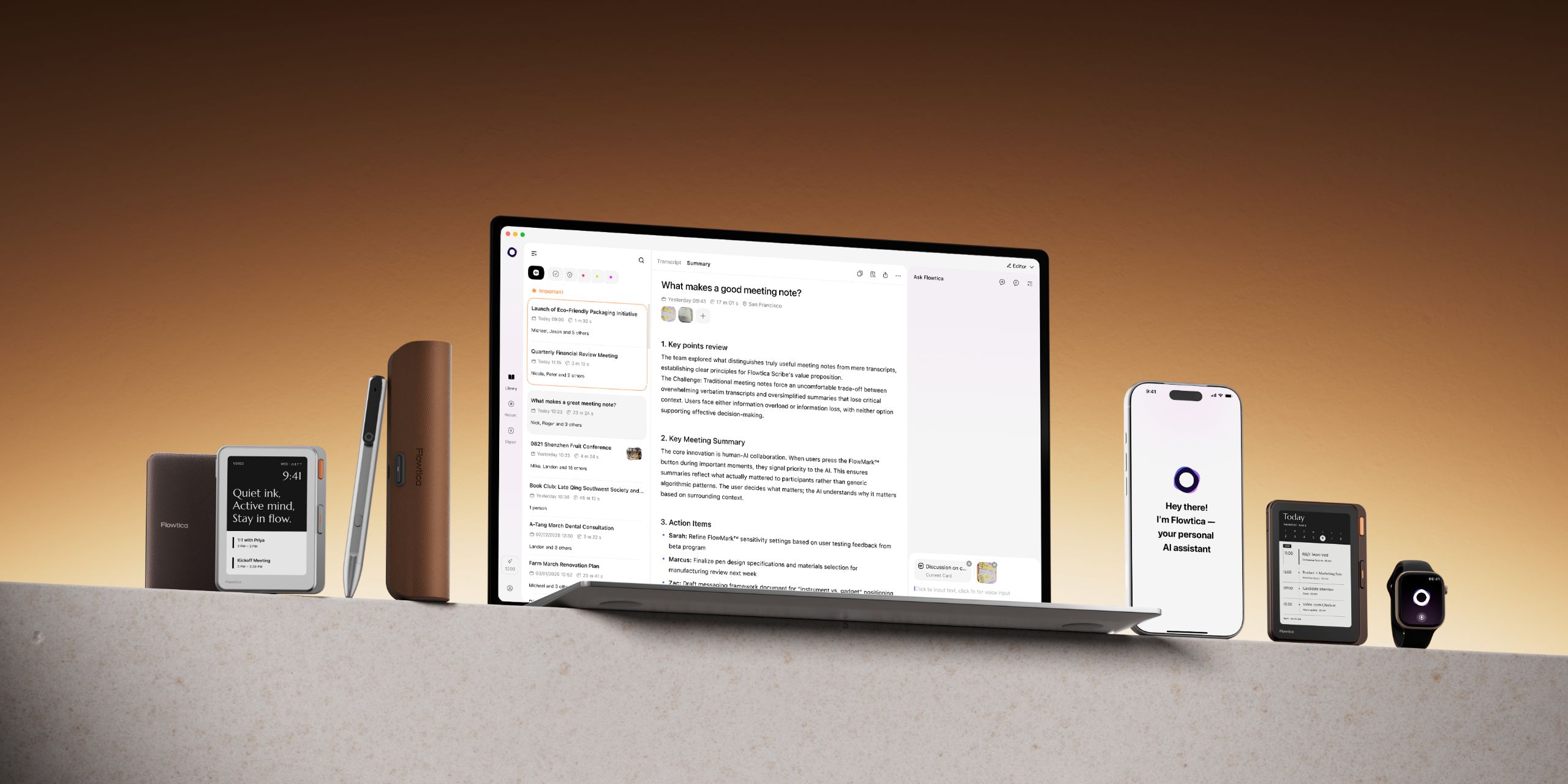
Flowtica product matrix (Source: the enterprise)
Rian told Hard Kr, "Capabilities such as recording transcription and summary generation are becoming infrastructure. The competition of single-point functions will quickly homogenize. What really makes a difference is who can string scattered information into a continuous line, and make this line more and more valuable as the usage time increases."
Behind this sentence is Flowtica's redefinition of the product boundary. A single piece of hardware can only cover a fragment of the workflow, and the company's goal is far from limited to making an easy-to-use recording device, but to build an office ecosystem covering the whole link of "recording - sorting - execution".
Rian further pointed out an experience friction that is generally ignored by the industry: "At present, AI capabilities themselves are no longer scarce. Tools seem to improve efficiency, but every time a user opens an AI tool, they have to tell it who they are, what they are doing, and what they care about. The industry does not lack intelligent capabilities, but lacks the continuity of context. We make hardware to allow AI to enter the user's context more directly without repeated explanations. From Scribe voice recorder to Verso card, then to Apple Watch and Mac, what we are building is a multi-terminal ecosystem - in any scenario, there is an entrance closest to you, allowing AI to seamlessly catch your context."
According to Flowtica, Verso has received warm response since its official launch at IFA in Germany in September. It has opened deposit pre-sales this week, and the first batch of mass-produced products will be officially shipped in December. The core users target enterprise managers, high-intensity knowledge workers, and people with concentration needs (such as ADHD).
The following is an excerpt from the interview between Hard Kr and Rian, founder of Flowtica (slightly edited):
Hard Kr: Voice interaction has become the standard configuration of AI hardware. Why does Flowtica still retain an e-ink screen on the hardware? What problem does vision solve in this product form?
Rian: Voice is the most efficient input method, but it is not an efficient output method.
We did a very specific deduction in the product definition stage: if Agent replies to you with a 50-word content by voice, it may take 30 seconds to finish listening. The same piece of information presented on the screen can be completed with a quick glance. The linear feature of voice determines that it cannot be quickly browsed, skipped, or presented in a structured way. What users need is to "know what is important", not to "listen to all the content".
So our judgment is that voice is responsible for input and instructions, and vision is responsible for presentation and decision-making. When Agent outputs meeting minutes, to-do disassembly, and schedule preparation, the most suitable carrier is not voice broadcast, but a screen that can be quickly scanned.
Choosing e-ink screen instead of conventional color screen is also based on this logic. The information overload of the mobile phone screen is part of the problem itself - every time a user unlocks the mobile phone, they may be taken away from the current task by notifications, messages, and social applications. The e-ink screen is always-on, low-refresh, and non-intrusive. Its design goal is not to attract attention, but to reduce attention consumption. Users can grasp the schedule and key to-dos at a glance without entering the information flow of the mobile phone.
Behind this is a more underlying product judgment: the value of Agent hardware is not to replace mobile phones, but to provide a lower-interference and more direct information entrance outside mobile phones. Voice solves "casual recording and issuing instructions", and vision solves "quick understanding and making judgments", both of which are indispensable. If we only do recording and voice interaction, the product will degenerate into a recording card; with vision and active presentation, it will have the interaction integrity that Agent hardware should have.
Hard Kr: Many start-ups worry that their product capabilities will be gradually eaten away with the development of large models. How do you judge which capabilities are sustainable and which are only transitional?
Rian: We have an internal judgment standard: if the value of a capability shrinks as the model gets stronger, it is not suitable to be used as a long-term barrier.
In the past, many start-ups did the business of "making up for the shortcomings of the model", such as compressing when the context is not long enough, making post-processing interfaces when the output is not structured enough, and making a layer of orchestration middleware when the model cannot call tools. These capabilities are valuable in specific stages, but essentially fill the temporary gap between model capabilities and user needs. Every time the model is upgraded, the gap narrows.
I think there are two types of sustainable capabilities. The first type is user data assets deeply bound to scenarios. The model is general, and users are personalized. For the same meeting, different people have different focus, different expression habits, and different decision-making links. These differences will not disappear because the model becomes stronger, on the contrary, a stronger model is needed to fully understand them. What our Memory system records is not only the meeting content, but also behavior patterns, focus preferences and task promotion habits. The stronger the model, the greater the value of these data.
The second type is interaction definition and scenario orchestration at the product layer. The model provides general capabilities, but "when and in what way to intervene in the user's workflow" is a problem at the product layer. After the same meeting ends, should Agent actively pop up the to-do disassembly, or wait for the user to ask? These judgments do not depend on the model capabilities, but on the understanding of user scenarios.
In addition, compliance and data infrastructure are also underestimated barriers. Since last