You shouldn't applaud Tesla only when it performs stunts.
"The Light of Mankind" Elon Musk, Teacher Ma, has pulled off another big stunt.
A couple of days ago, Tesla's Roadster showed off a stunning trick at its launch event: it could not only climb a C-shaped steep slope against gravity in an almost uncanny posture, but also adjust its posture by spraying compressed air before landing steadily.
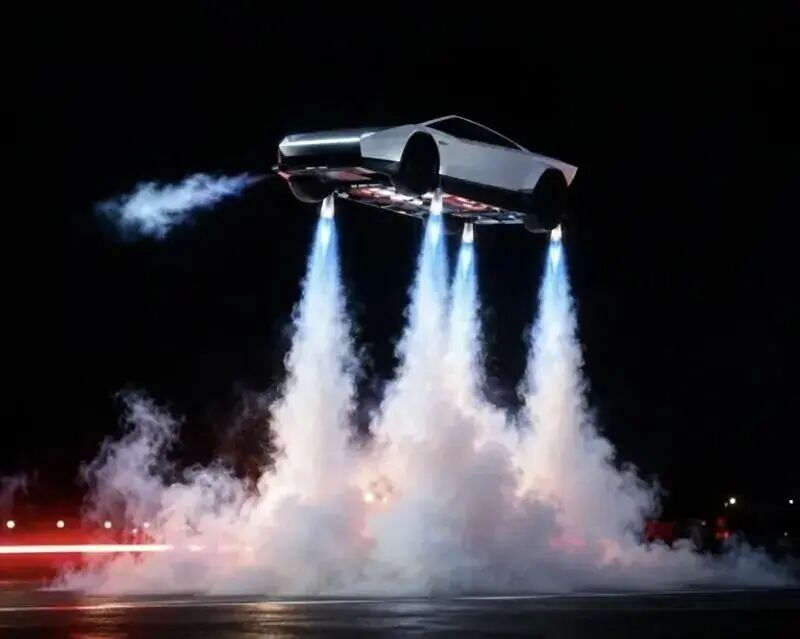
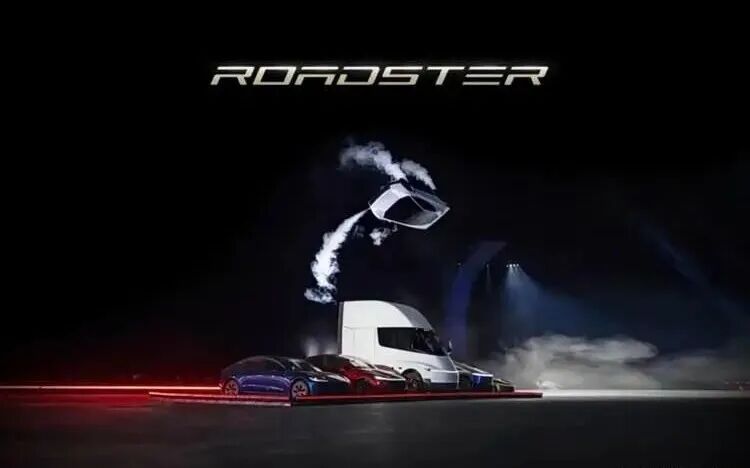
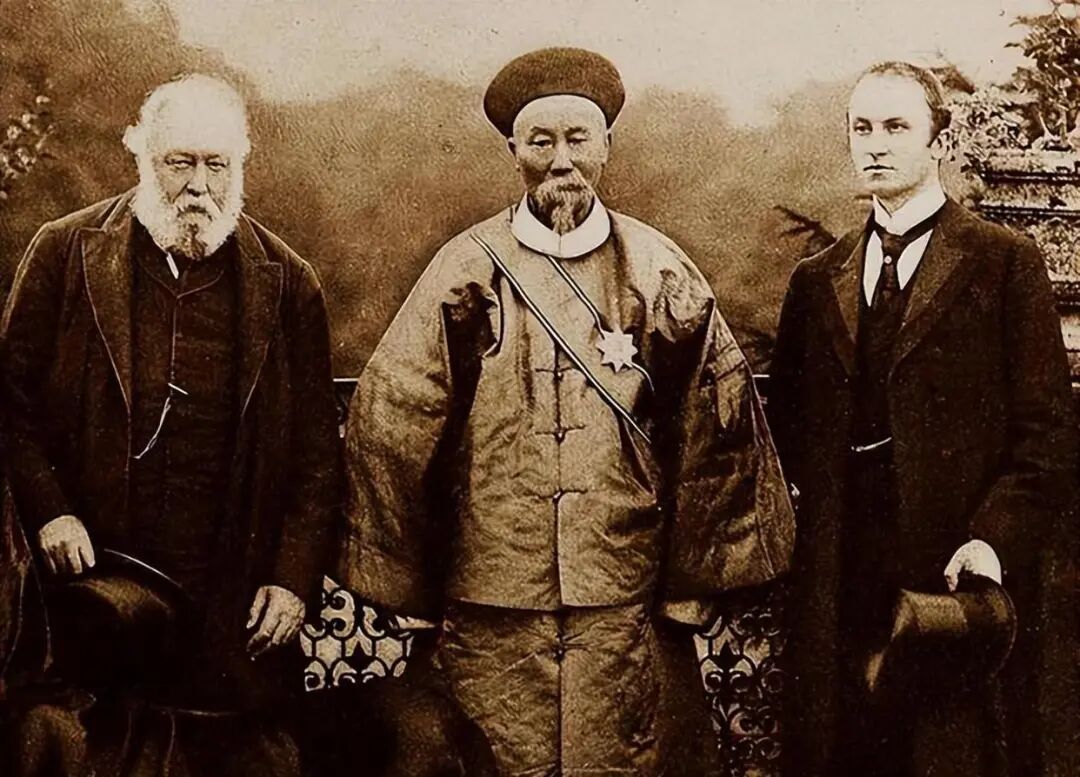
Many voices online claim that "the fact that Tesla Roadster can fly has sent a wake-up call to Chinese enterprises". Some even expressed a sense of powerlessness similar to the sentiment described in the "Li Hongzhang's visit to the United States" narrative.
After reading those comments, I felt completely relieved, as those problems that have puzzled me for years finally got their answers.
Why do people even believe in such clumsy scams?
Why are there still people falling victim to telecom fraud even though the public security organs have made huge efforts to popularize anti-fraud tips?
Because human beings as a species only believe what they want to believe. Since they believe Musk is the "Light of Mankind", everything Musk does is deemed to be the act of the "Light of Mankind" in their eyes.
But when the discussion target switches to Chinese car companies and Chinese tech enterprises, the situation changes completely. As the nationality changes, their ability to think independently comes back, and their IQs suddenly reach a commanding height.
Over the years, domestic car companies have carried out all kinds of tests, including burning cars with fire, submerging cars in water, smashing cars with huge stones, and even blowing up cars with grenades......
As a result, domestic car companies were labeled as "the circus in the automotive industry".
Ok, let's be pragmatic then, we install all kinds of sofas, color TVs, and large refrigerators in the car to improve riding comfort......
As a result, they were criticized for being tacky and lacking a sense of technology.
One should not apply double standards. You should not only clap and cheer when Tesla performs stunts, nor should you only say "cars are made for driving" when domestic car companies do stunts.
In the view of this author, the reason why Musk can pull off such bold stunts while domestic car companies do not is not that the latter cannot achieve it technically, but that domestic car companies and Tesla are not competing on the same track at all.
Factors affecting the sales of local brands are cost performance, luxury level, interior space, and whether the car can take parents, wife and children out for trips.
As for the factors affecting Tesla's sales, they are whether Musk's hardcore tech narrative has further room for imagination.
This statement is a bit too subtle. To put it plainly: "It doesn't matter if you can barely make a living, you must have eye-catching gimmicks."
It does not matter how many people can actually drive the jet-powered Roadster.
It matters a lot how many people buy into the "Tesla can fly" narrative.
Today, we are going to talk about the "Economics of Tech Spectacle" that was exclusively open-sourced in Chinese by the "Saint Ma".
01
The Roadster has been hyped to the sky by some people. Calm down, stay calm and keep level-headed
Despite my sarcasm above, there are things we have to admit:
Musk does have real capabilities. After years of ups and downs in the business world, from Paypal to Tesla, SpaceX and Grok, he has delivered one successful product after another. He is truly capable of getting things done. He is a tech maniac who dares to turn crazy visions into reality, and dares to push his team to challenge product forms that almost no one in the industry has ever touched.
Moreover, his companies SpaceX and Tesla are very willing to invest in R&D. According to Tesla's financial report for the second quarter of 2026, its R&D expenditure in the period reached 2.371 billion US dollars, a year-on-year increase of 49% compared with 1.589 billion US dollars in the same period of 2025.
In addition, the Roadster directly reuses some mature cold gas propulsion hardware from SpaceX, transplanting ready-made aerospace technology to civilian sports cars. In this way, it stands on the shoulder of accumulated aerospace engineering experience, after all, it is a waste not to make use of the resources of its own company.
It does have considerable positive value, but if you insist on calling it the "Light of Mankind", that is nothing more than personal worship.
Therefore, in the face of this lively demonstration, it is more appropriate to maintain the mentality of "let the bullet fly for a while". Musk's top priority is not to get a low-altitude flight qualification for the Roadster, but to find a way to solve the mass production problem as soon as possible.
For now, it is no exaggeration to call him the king of making empty promises in the world.
Musk always considers himself a qualified project manager, and he is used to putting forward aggressive timelines in the promotion of projects of multiple companies. But in fact, a large number of projects have been postponed many times, many netizens have labeled him as the "master of schedule delays".
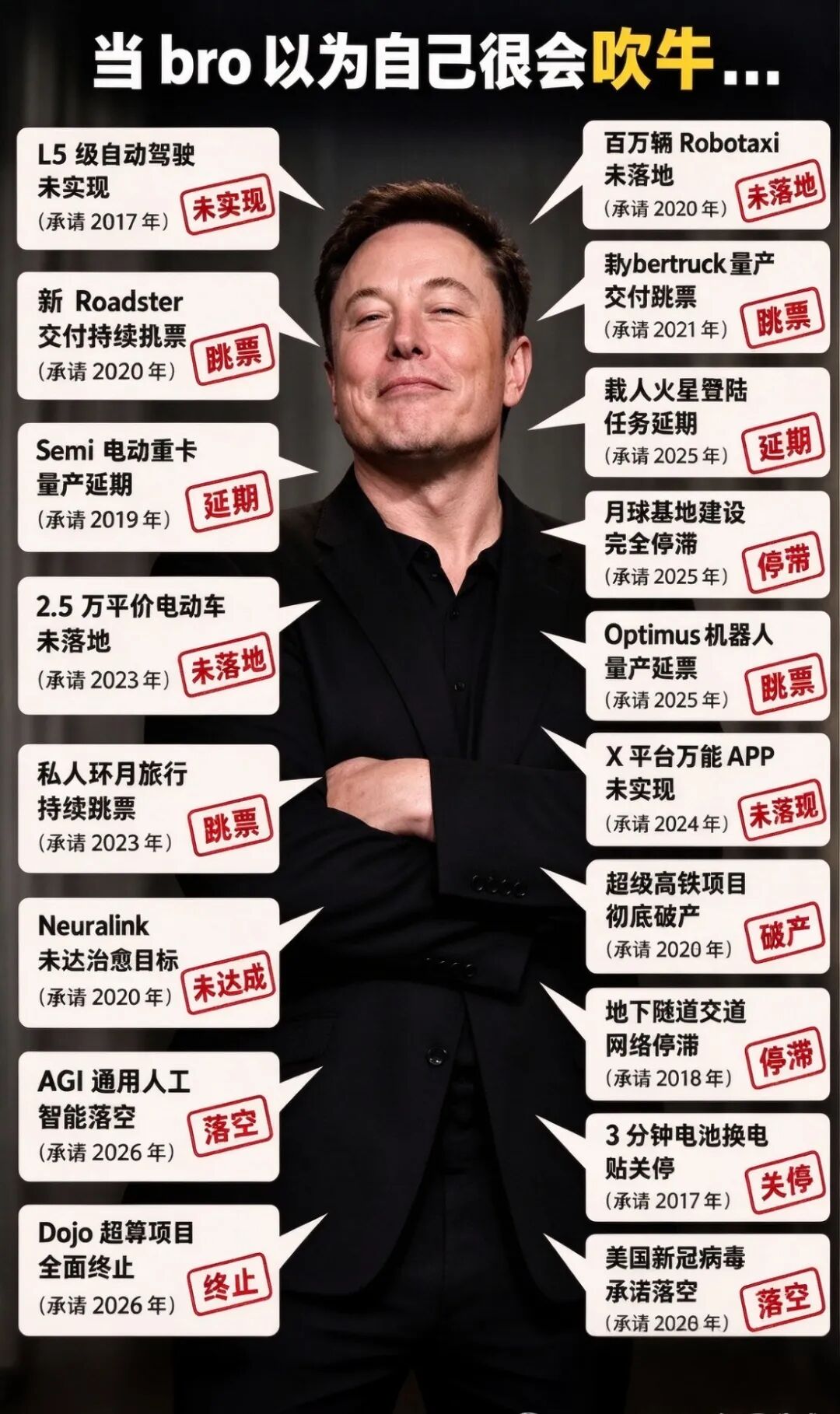
The New York Times sorted out 602 public business targets with clear time nodes led by Musk in the past 15 years, only 19% of which were delivered on schedule, 35% were seriously delayed, 33% had vague target descriptions that could not be verified for completion, and the remaining 13% had deadlines that were still in the future.
Among them, the super popular Roadster flying supercar is a very representative case of schedule delay. The product was first released to the public in 2017, with a promise of delivery in 2020. The latest publicly announced mass production target is set for 2028, the total delay compared with the original 2020 delivery target has reached 9 years, and there is still a big question mark as to whether mass production can be achieved in 2028.
That's not all. The same situation also appears in other star projects. For example, FSD full self-driving, which promised to achieve L5 level fully autonomous driving back in 2019, has had its timeline pushed back many times, and is also under investigation by regulatory authorities in many countries.
There is also the Starship manned Mars landing program, which first announced the goal of manned landing on Mars in 2024 back in 2016. However, the plan has been revised repeatedly. The industry generally judges that the probability of completing a manned launch at the 2026 Mars window is very low, and the goal has been adjusted to 2028-2030.
But in contrast, the most difficult project to deliver may be the Optimus humanoid robot, whose commercial mass production plan has been postponed again and again. Musk called the mass production of humanoid robots "the most difficult product to mass produce in Tesla's history".
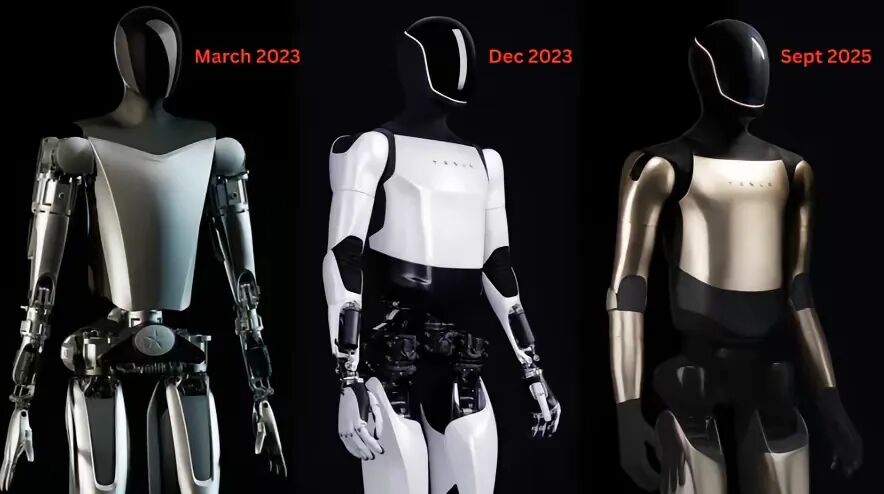
Musk, who is known for his resolute and efficient work style, has become a laggard in this regard. The successive delays of these large batches of projects are caused by a combination of multiple objective factors. Musk himself likes to set aggressive targets arbitrarily, which is the primary inducement for the projects to be easily delayed. At the same time, unpredictable technical thresholds, coupled with the dynamic iterative idea of adjusting while doing, jointly push up the probability of delays.
For a long time, Musk and Tesla have been keen to use press conferences and social platforms to release delivery timelines far exceeding the current engineering strength, so as to harvest public attention, and inadvertently attract the attention of capital and customers. For cutting-edge hard technologies such as aerospace, autonomous driving, and humanoid robots, new problems that have not been estimated before will keep popping up in the process of R&D, forcing the team to modify the entire design scheme, and the delivery date can only be continuously postponed.
If this way of doing things was adopted by other people, they would have been scolded badly by netizens long ago.
But this is exactly Musk's consistent way of doing things: set a bold enough goal first, and continuously revise and adjust it in the process of implementation. Its advantage is to force the team to release innovation potential, while its shortcoming is that the publicly announced timeline is very unreliable.
In addition, the structural difference of the supply chain is also a key variable restricting the mass production of this product.
Let's popularize an economic common sense first. In the manufacturing industry, there is a scale cost curve effect. When the output continues to expand, fixed expenses such as R&D, molds, and production lines can be diluted, and the unit cost will decrease accordingly; if the overall output scale is too small, cost dilution can hardly take effect.
This can be seen clearly by comparing two samples.
According to reports, GAC Gaoyu publicly stated that 70%-80% of the parts supply chain and the entire production and manufacturing system of flying cars can reuse the resources of the existing automotive industry. Data from China Automotive Technology and Research Center also confirms that the industrial chain overlap between eVTOL electric vertical take-off and landing aircraft and smart cars is about 70%, which has become a consensus within the industry. Previously, XPeng Huitian's Land Aircraft Carrier eVTOL has accumulated more than 7,000 orders worldwide, and plans to start mass production and delivery by the end of 2026. For XPeng Huitian, a large number of parts and the entire factory production line can rely on the ready-made conditions of the automotive industry, without building a brand new industrial system from scratch, which lays a foundation for mass production implementation and production cost control.
In contrast, this logic may not work for the rocket-propelled version of the Tesla Roadster.
The cold gas thruster equipped on the Roadster is derived from SpaceX rocket technology, and the corresponding entire supply chain system has almost no common parts with traditional automobiles. At the same time, the planned annual output of this product is only 2000 units. Such a very low output scale can hardly give play to the cost dilution effect of the manufacturing industry. In addition, Tesla is currently facing operational pressure. The 2026 Q2 financial report shows that Tesla's operating profit was 398 million US dollars, a sharp year-on-year decline of 57%, the operating profit margin shrank from 4.1% in the same period last year to 1.4%, and the gross profit margin of its core automotive business dropped from 21.1% in Q1 to 16.9%. Under this background, the realistic resistance of investing huge resources to complete the commercialization of a niche stunt supercar can be imagined.
Considering multiple dimensions including technical trade-offs, project management, and supply chain constraints, it is not difficult to see that there are a large number of practical obstacles between the stunt demonstration and the mass-produced product delivered to consumers.
After understanding these objective constraints, we can further think about a very interesting public opinion phenomenon: although the story sounds very beautiful, and the mass production of this product is full of difficulties, why is there still a wave of discussions about "Musk being deified" on the Internet?
It is high time that we pondered over this question.
02
What we really need to reflect on is: how was the "worship" of Musk nurtured?
Once domestic enterprises release grand visions, they are often scrutinized by netizens with a magnifying glass. Even a slight delay will lead to overwhelming complaints.
When it comes to drawing grand blueprints, Musk's various ideas often receive praise. Even many domestic media and netizens regard getting a like from Musk on social platforms as an important recognition and interaction.
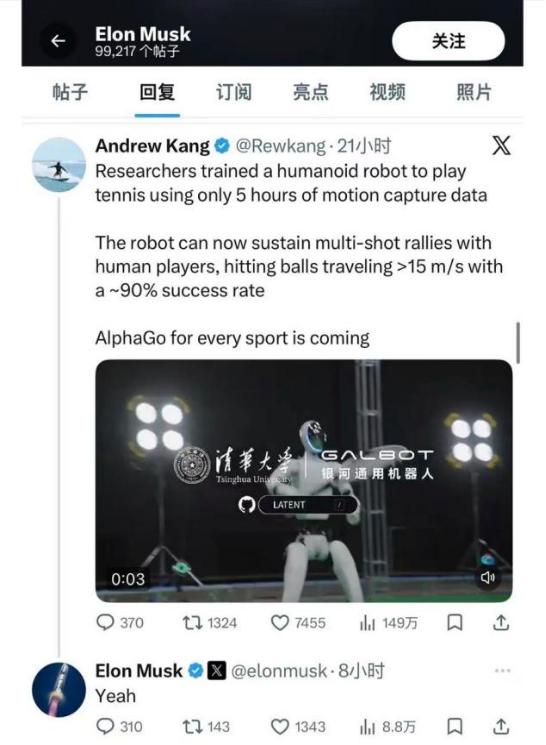
Earlier this year, Unitree Technology's manned transforming mech and Galbot's tennis-playing humanoid robot successively got reposts and comments from Musk. Many industry reports mentioned this attention from the overseas tech circle.
In the summer, after the release of Moonshot AI's Kimi-K3 large model, it quickly became a hit. Musk left a comment "Impressive" under a third-party evaluation post on the X platform, and listed K3 as the benchmark target for his xAI's new model Grok 4.5. The official Weibo account of Moonshot AI publicly replied to Musk across the air: "Welcome to join the '2 trillion+' club", which aroused a lot of public attention.
There are many similar cases. It is not just the Roadster incident. For a long time, the public has been accustomed to taking Musk's public remarks and predictions as important references or talking points, and is willing to interact with him.
It is worth mentioning that Musk seems to know that he is admired by many Chinese people, and we do not know whether he enjoys it or not. As early as the opening ceremony of the 2023 World Artificial Intelligence Conference, Musk said that he has always been an admirer of the large number of talents and the great energy in China.
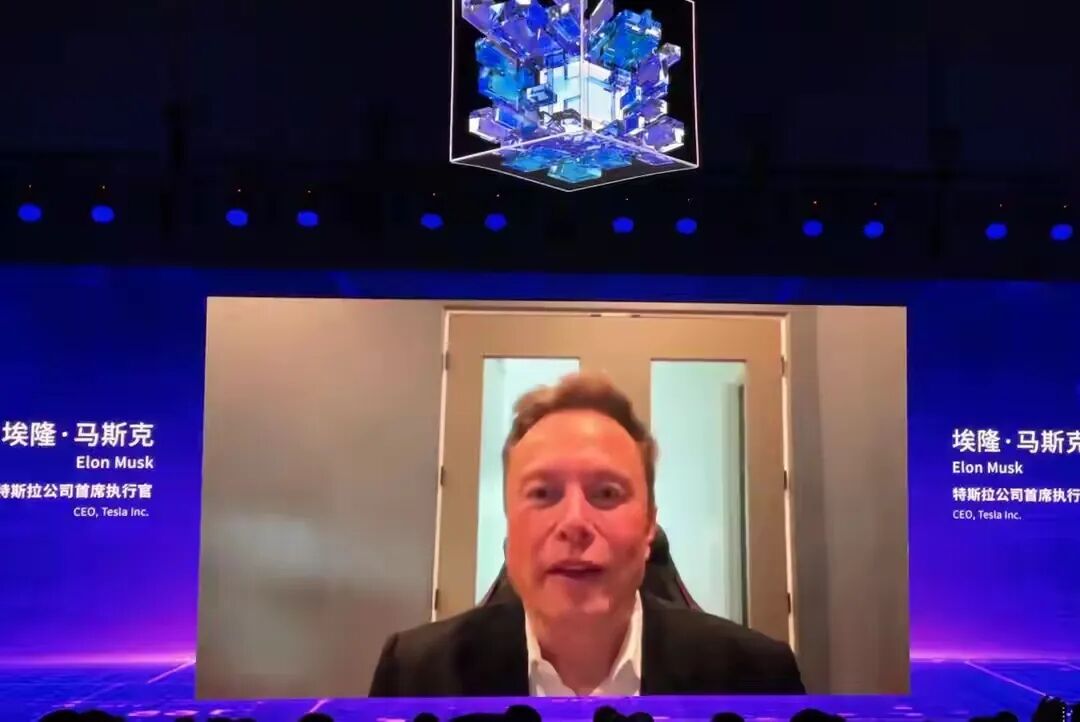
But he does not accept these praises for nothing, and often praises China and Chinese enterprises in many public occasions.
Looking back, we cannot say in a one-sided way that relevant enterprises and netizens are worshipping Musk. But there are indeed fan groups of him in China to varying degrees, and some people even admire him extremely.
It is thought-provoking how this phenomenon came into being. There are definitely several driving forces behind it.
At the practical level, under the global tech landscape, the long-accumulated tech discourse power of the United States will subtly affect the public's evaluation criteria for cutting-edge innovation. Musk himself has indeed delivered many successful answers on his entrepreneurial path, and many of his key judgments in the past have been verified