After store closures, being hounded for debts and channel disputes, NIO, XPeng and Li Auto are catching up on their preparations for going global.
Source of image: Official NIO account
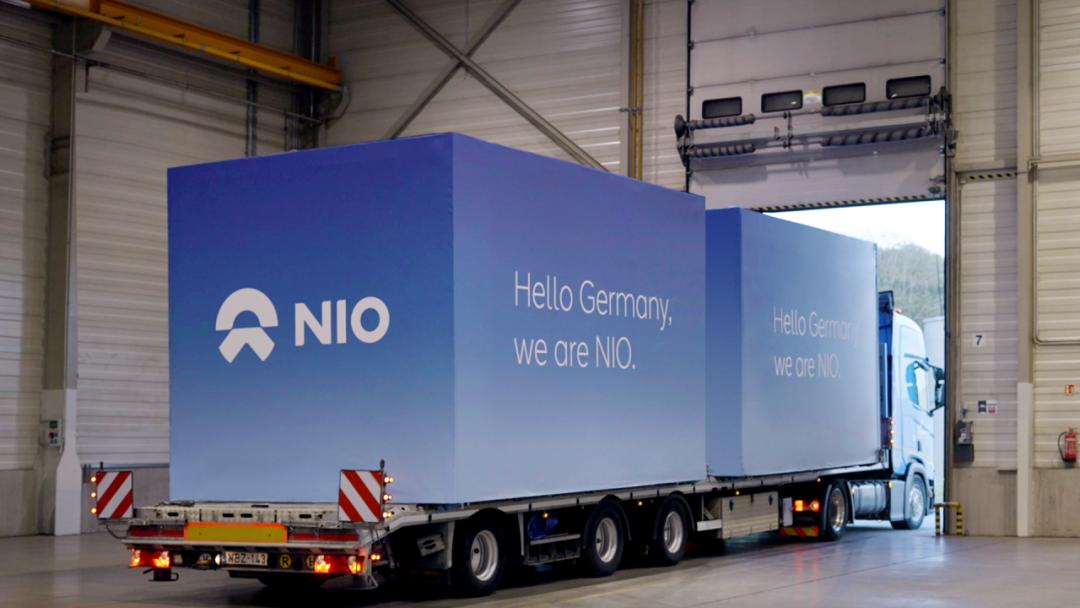
In September, NIO registered only 1 new vehicle in Germany. Data from the Federal Motor Transport Authority of Germany shows that a total of 20 units were registered in the first nine months; the figure was 1,263 for the whole year of 2023, and dropped to 325 in 2025. At the end of September, NIO closed two NIO Hub sales and service centers in Cologne and Wetzlar, and the directly-operated network expanded in earlier years continues to shrink.
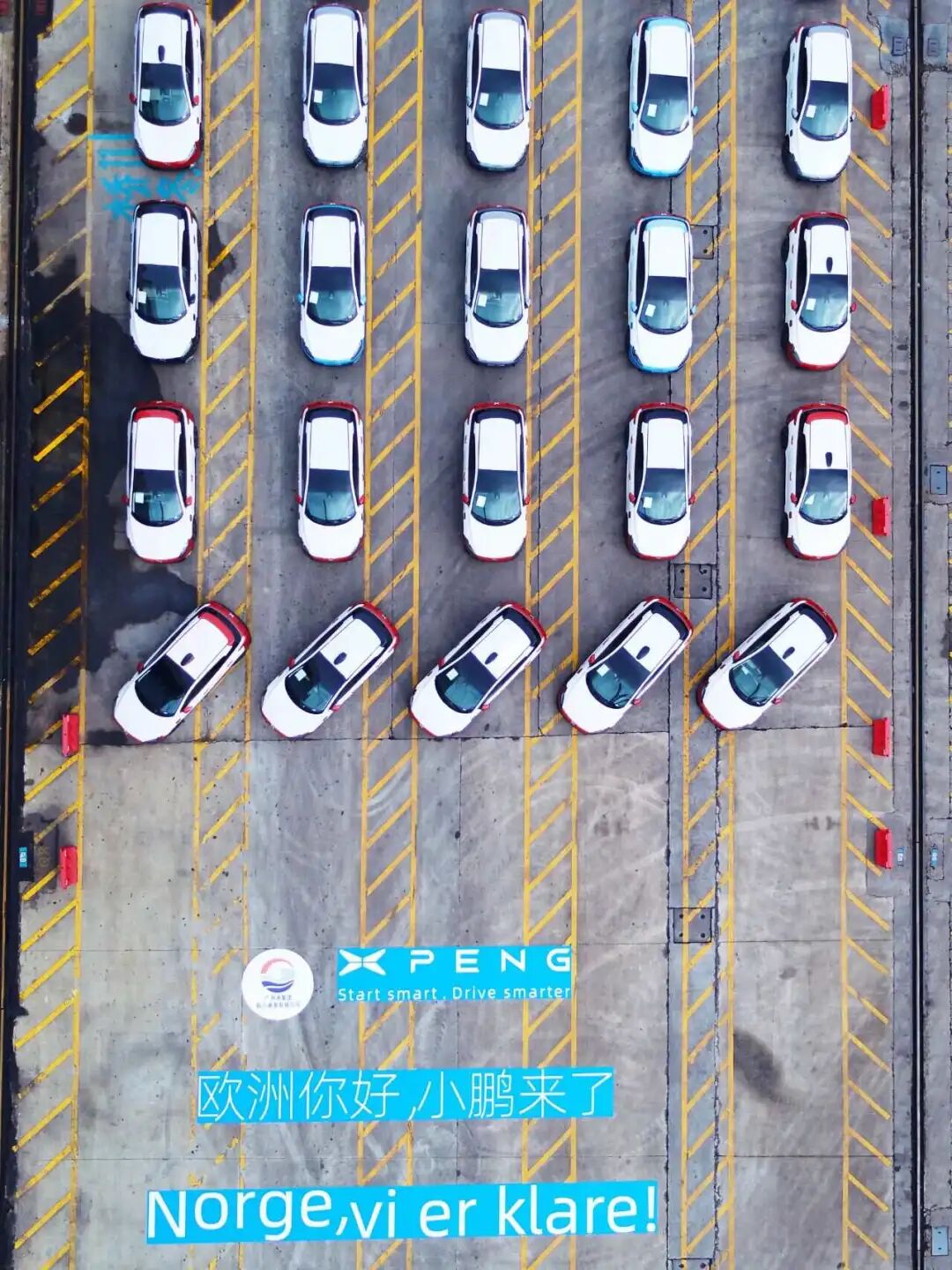
XPeng relies more on local dealers for sales, but has not avoided operational difficulties. German dealers have complained about delayed subsidies and bonuses; in Australia, former distributor TrueEV took XPeng to court over the termination of the exclusive distribution agreement, and some car owners also failed to receive the cash rebates and maintenance services promised by TrueEV. XPeng has dispatched additional staff to handle payments and started verifying the rights and interests of affected users.
Source of image: Official XPeng Motors account
Li Auto's challenge lies in the late start of its official overseas expansion. Its products have long entered Central Asia and other regions through parallel exports, but its official overseas business was not launched until 2025. At this year's Paris Motor Show, Li Auto announced that it will enter the European market in the first quarter of next year. Therefore, in the future, it not only needs to serve existing car owners, but also establish a sales and service system in new markets.
At the same time, the cost of overseas expansion is still rising. The policy announced on October 12 clarifies that the export tax rebate rate for new energy vehicles will be reduced from 13% to 9% starting from April 2027.
Compared with traditional leading automakers and Leapmotor which leverages the Stellantis system, NIO, XPeng and Li Auto lack local resources accumulated over years and sufficient overseas expansion scale, making it difficult to dilute costs. Their shortcomings in investment, channels and services are also forcing them to make up for lessons while expanding.
Cost is the hardest account to balance
For new power automakers with relatively small scale, how much cost to invest in overseas expansion is a hard-to-calculate account.
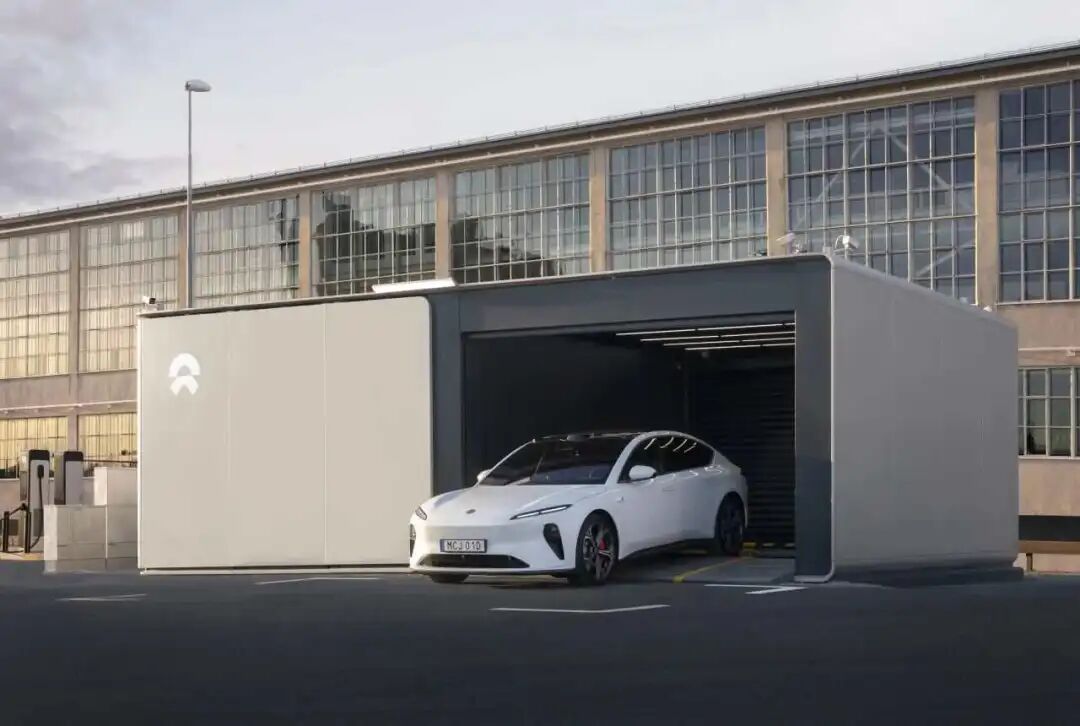
NIO chose heavy asset investment, bringing the service system that it relied on to build brand differentiation in China to Europe. Battery swap stations provide energy replenishment, NIO Houses undertake exhibition and community activities, and sales and service centers are responsible for delivery and maintenance. These facilities support brand premium, but also continuously consume expenses on venues, equipment and personnel.
However, sales volume has not kept up. According to the annual report disclosed by Germany's *Manager Magazin*, NIO's German subsidiary recorded a net loss of more than 58 million euros in 2023. That was already the year with the largest number of NIO's registered vehicles in Germany, after which sales continued to decline, making it difficult to dilute the upfront investment.
The construction progress is also slower than expected. At a media briefing in March 2025, Li Bin said that the European business was previously operated in a relatively heavy asset mode, the sales and service network climbed slowly, and it sometimes took 10 months or even a year to build a single battery swap station. While 100 showrooms can be opened in China within one month, this model is difficult to replicate in Europe, and the cost also exceeded expectations. The capital has been invested, but the service network has not been rolled out as planned.
Source of image: Official NIO account
Li Auto chose to postpone its investment. Previously, Li Auto was quite restrained in overseas expansion, which is also a trade-off for limited resources. In July 2023, Li Xiang publicly stated that the company would not enter overseas markets before 2025, and would concentrate resources on the domestic market. Parallel exports have proved that overseas users are willing to buy Li Auto vehicles, but official entry still requires expenses on certification, local adaptation of infotainment systems and services, warranty, spare parts and training. This is also the investment it has to calculate.
Nowadays, the external cost of overseas expansion is still rising, starting with transportation. Data from shipbroker Clarkson shows that the one-year rent of large car carriers rose to about 70,000 US dollars per day in June this year, higher than 42,500 US dollars at the end of 2025.
Moreover, the policy cost of overseas expansion is also increasing. On October 12, the Ministry of Finance issued an announcement on adjusting the export tax rebate policy for some products, reducing the VAT export rebate rate for new energy vehicles from 13% to 9%, which will directly weaken the profit of automobile exports.
Chinese battery electric vehicles entering the EU already have to face countervailing duties. For enterprises such as NIO and XPeng that are subject to a 20.7% tax rate, superimposed with the original 10% tariff, the import cost is already not low. In addition, the EU is further promoting the standard of local content rate for electric vehicle parts, which is more unfriendly to new power automakers that expand overseas with a light asset model.
Traditional automakers have more resources to share the pressure. BYD owns transport ships and overseas factories, Geely and Chery have accumulated local channels and production experience, and Leapmotor can leverage the Stellantis system. NIO, XPeng and Li Auto have to make up for these shortcomings one by one, which cannot be achieved without sufficient capital and time.
Overseas, experience also needs to be relearned
High cost is not enough to explain all the difficulties. The reason why some investments fail to deliver expected results also lies in the deviation of enterprises' judgment on the local market.
Zhou Xin, Executive Vice President and Chairman of the Product Committee of NIO, reviewed in the IMD Business School podcast released in February this year that the early performance in Norway made NIO overestimate the replicability of its model, and later it found that the demand and operating environment across Europe are not the same. European colleagues repeatedly reminded that some models are too large to drive conveniently in narrow areas, but corresponding adjustments have not been made in time.
The battery swap model is also difficult to replicate as it is. With dense stations in China, users can easily feel the convenience; while in Europe the coverage is limited, the attractiveness of battery swap to car buyers will be reduced. With low vehicle sales, the investment in new stations will be more difficult to recoup. This may cause sales volume and service coverage to restrict each other.
Store operations will also encounter unexpected variables. According to electric vehicle media electrive, NIO closed the NIO House in Hamburg, in addition to the market environment and the contraction of European business, also considering that the construction in front of the store is expected to last for at least five years, and noise and traffic problems will affect the visiting experience. This is not necessarily a mistake in the initial site selection, but it exposes the obvious problem that new power brands lack local information channels and emergency resources.
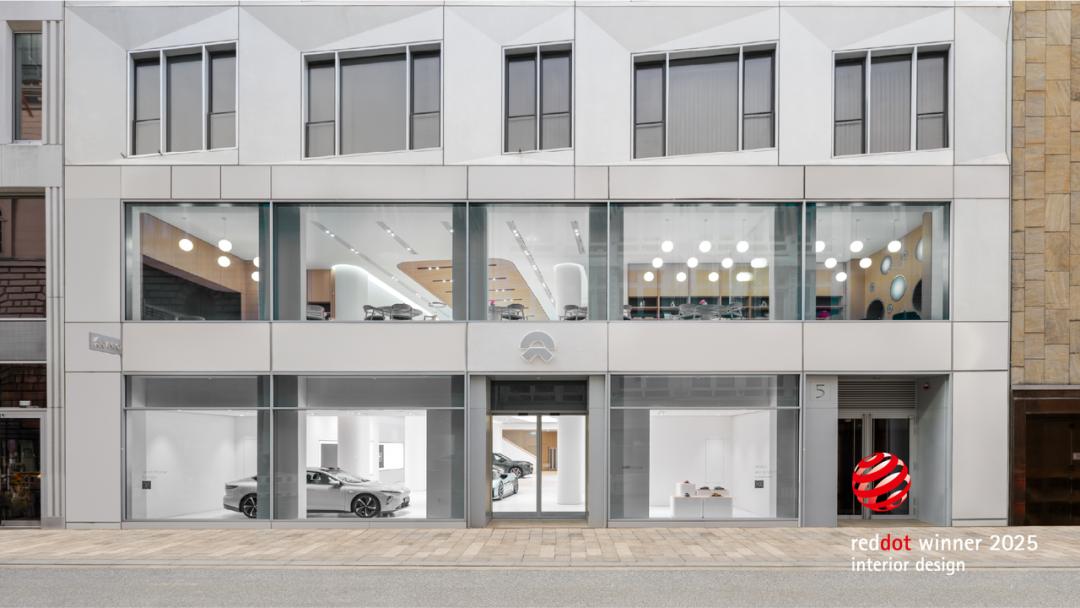
NIO House Hamburg, Germany Source of image: Official NIO account
XPeng's problem emerged after its growth. According to data from the German Association of Motor Vehicle Dealers, XPeng's local registrations in July this year increased by 371.1% year-on-year, but dealers complained to the media that they sometimes had to wait more than half a year to receive contractual payments such as rental subsidies and quarterly bonuses. XPeng admitted the delay, denied intentional arrears, and explained that it was due to the increase in registrations, more administrative work and insufficient relevant staff.
The overseas operating environment is different, and payment disputes in Germany also involve legal risks. The German Civil Code stipulates that in transactions involving non-consumers, if the payment of remuneration is delayed, the statutory default interest rate is the benchmark interest rate plus 9 percentage points. According to local reports, some XPeng dealers have suspended expansion and considered other brands due to this issue. Loss of willingness to cooperate will directly affect the construction of the next batch of outlets.
The channel dispute in Australia went even further. According to reports, Australian dealer TrueEV sued XPeng Motors this year, accusing it of tearing up the exclusive distribution agreement, with the dispute involving vehicle supply and the manufacturer's direct entry into the market. XPeng Motors argued that TrueEV sold about 2,000 vehicles to car owners, but car owners complained that the waiting time for spare parts was too long, and the $5,000 cash rebate promotion was never fulfilled.
Judging from the feedback of car owners on overseas forums, the long after-sales cycle has indeed affected XPeng's reputation overseas. The case was dismissed in August this year because TrueEV failed to provide the litigation cost guarantee required by the court.
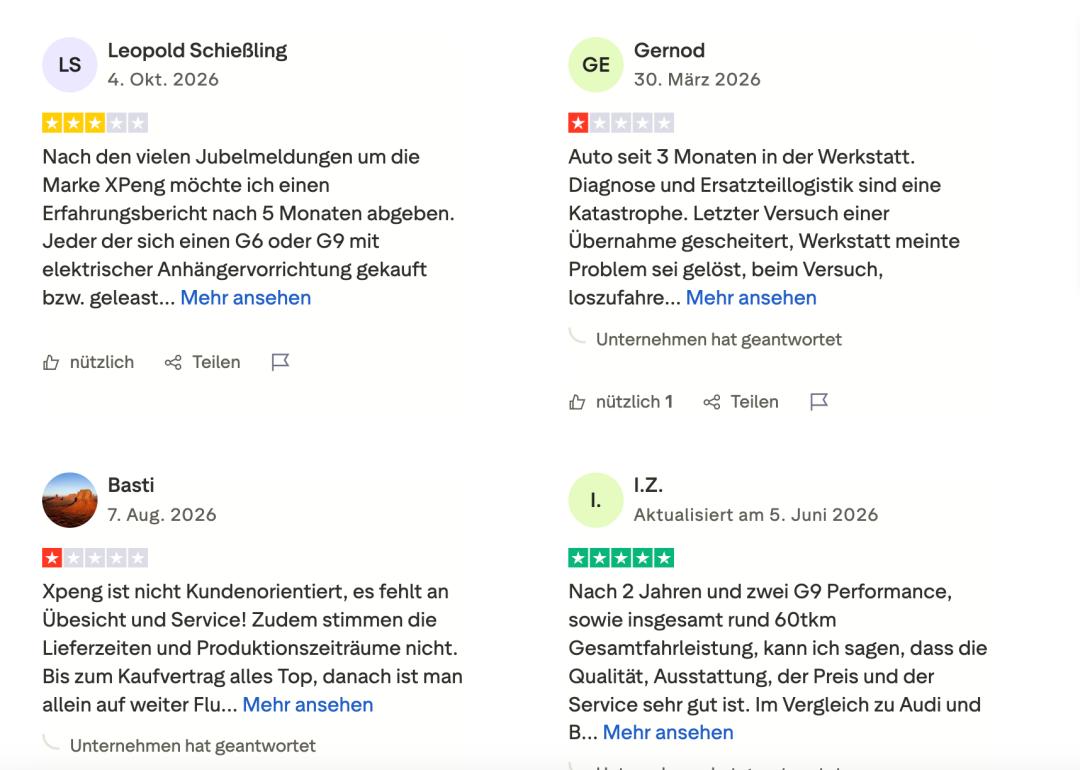
Source of image: Screenshot from the Internet
Channel friction is not unique to XPeng. At a seminar on Southeast Asian overseas expansion, several people from leading automakers told *Dianchang* that Chinese automakers are relatively weak in front of overseas dealers. Whether it is the direction of product promotion or the implementation strategy, the automakers have very limited control, which leads to many frictions. Disputes similar to XPeng's have also occurred at leading automakers, but new entrants with more limited resources and experience are more difficult to bear the cascading impact after channel interruption.
Li Auto is facing a time difference. Previously, it judged that overseas expansion would not become a strategic priority for a considerable period of time, and would not be seriously considered until after 2028; during that period, more than 10,000 Li Auto vehicles have entered Central Asia, Russia and the Middle East through third-party parallel exports. But since last year, Russia and Central Asia have tightened transit taxes, and since this year China has restricted the export of "zero-kilometer used cars", this channel has been almost cut off.
Last year, Li Auto reflected at the strategic meeting that "the biggest mistake is that we started full-scale overseas expansion too late", and then accelerated its official layout. At present, the initial task of Li Auto is to bring these vehicles exported by third parties into the official service system. It was not until July this year that Li Auto's first global model, the all-new L9, was launched in Kazakhstan.
There is no problem with such a steady and step-by-step strategy, but the pressure of survival is approaching. The annual report shows that Li Auto's revenue in 2025 was 112.3 billion yuan, down 22.3% year-on-year; its net profit was about 1.1 billion yuan, down 85.8%. Overseas expansion is not only about providing after-sales services for existing users, but more importantly for Li Auto, to tap new incremental users, which is a lesson that needs to be learned from scratch.
Making up for lessons starts with adjusting strategies
NIO first reduced its fixed investment. According to electrive, after closing the two centers in Germany, NIO retains self-operated maintenance capabilities in Munich, and relies more on cooperative networks in other regions; its European business is coordinated on a regional basis, and distribution partners are introduced in some markets. The launch of new-generation models in Europe is reportedly postponed to at least the end of 2027, and the construction of new battery swap stations is suspended. NIO emphasizes that it has not withdrawn from Germany or Europe, and will continue to provide services, warranties and spare parts.
NIO is also doing this recalculation of input and return in the domestic market. In 2023, it streamlined its organization, postponed or cut projects that are difficult to improve financial performance within three years; after that, it promoted the "cost mining" initiative and the CBU (Core Business Unit) mechanism, to implement cost and return assessment to departments, projects and stores.
Since the fourth quarter of last year, NIO has achieved positive adjusted operating profit and adjusted net profit for three consecutive quarters; its overall gross profit margin reached a high of 19.0% and 18.4% in the first and second quarters of this year respectively.
XPeng chose the light-asset overseas expansion model from the very beginning, and now it needs to improve its management after leveraging external resources. After the payment delay to German dealers, XPeng temporarily added administrative staff at its Munich sales center; after the Australian channel dispute, XPeng ANZ said that it will cooperate directly with customers to provide support for documented, verified and eligible cash rebates or extended warranty commitments. Despite the setbacks, it is not too late to take remedial measures.
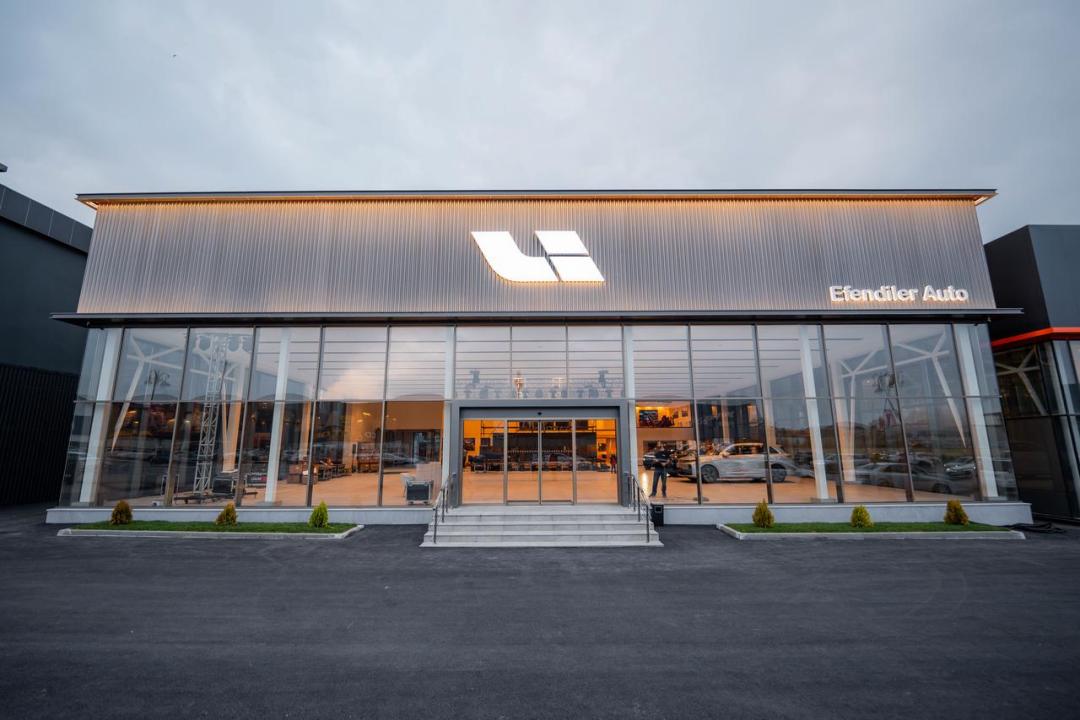
Source of image: Official Li Auto account
Li Auto once hit the brakes in the domestic market due to excessive expansion. After the setback of MEGA, Li Xiang admitted in an internal letter in March 2024 that the company treated the commercial verification stage as a high-speed development stage. He then adjusted the full-coverage sales strategy to focus on core cities; in May of the same year, he announced the postponement of the launch of its battery electric SUV, and prioritized the construction of the supercharging network and store exhibition booths.
The overseas business now also adopts a phased launch rhythm. Liu Jie, Head of Product Line at Li Auto, said at this year's Paris Motor Show that the company will first make one product well in a single market, and introducing too many models too quickly will easily lead to problems. Dubai users currently prefer extended-range electric vehicles, and battery electric models will enter the market gradually; 5C supercharging stations will be built according to local conditions, and the company will cooperate with partners when necessary.
The production link also starts to leverage local partners. XPeng produces European models at Magna's Austrian plant, and Li Auto plans to cooperate with Kazakhstan's Allur to carry out local assembly at the Kostanay plant. According to Reuters, Zheng Yeqing, Vice President of XPeng Group, said at the Paris Motor Show that the existing production capacity in Austria is insufficient to meet the growth in Europe, and the company is considering cooperating with local manufacturers to increase production capacity to comply with the EU's new regulations on the minimum local content of electric vehicles.
XPeng Motors plans to achieve annual sales of 500,000 units in Europe by the end of 2030. This figure means that if achieved, its sales will exceed those of Ford and Opel under Stellantis. He Xiaopeng said in an interview during the Paris Motor Show that the key to achieving this plan is to find a way to produce more vehicles in Europe. The company's goal is to achieve global annual sales of 1 million units, half of which will come from Europe.