At the Paris Motor Show, there are more Chinese cars than the total number of cars from France and Germany combined.
The Paris Motor Show, the largest auto exhibition in Europe this year, has kicked off in the past couple of days.
Nowadays, major overseas auto shows are being taken over by groups of Chinese automakers one after another. For example, at the Tokyo Motor Show not long ago, BYD drew no less attention than Japanese brands.
At this Paris Motor Show, Chinese carmakers are making an even bigger splash.
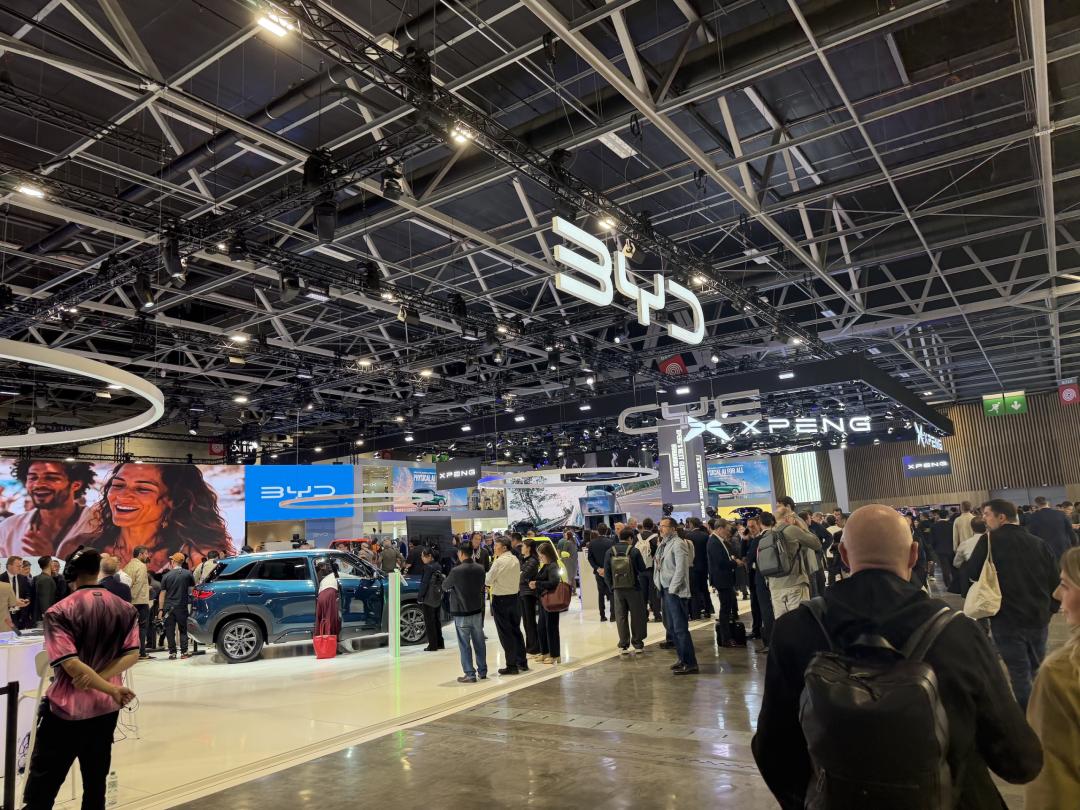
According to statistics, more than 60 automakers are participating in this exhibition, among which 16 are Chinese carmakers bringing 25 brands to the show. By comparison, France and Germany combined only have 17 brands in total, which makes people wonder who on earth is the host here...
It is worth noting that at the last Paris Motor Show held two years ago, only 9 Chinese enterprises attended. Just within two years, the change is remarkable. And we can clearly feel that this is no longer a small test, all these carmakers are truly determined to operate and develop the European market properly.
Without further ado, let's first take a look at the new cars unveiled at this show.
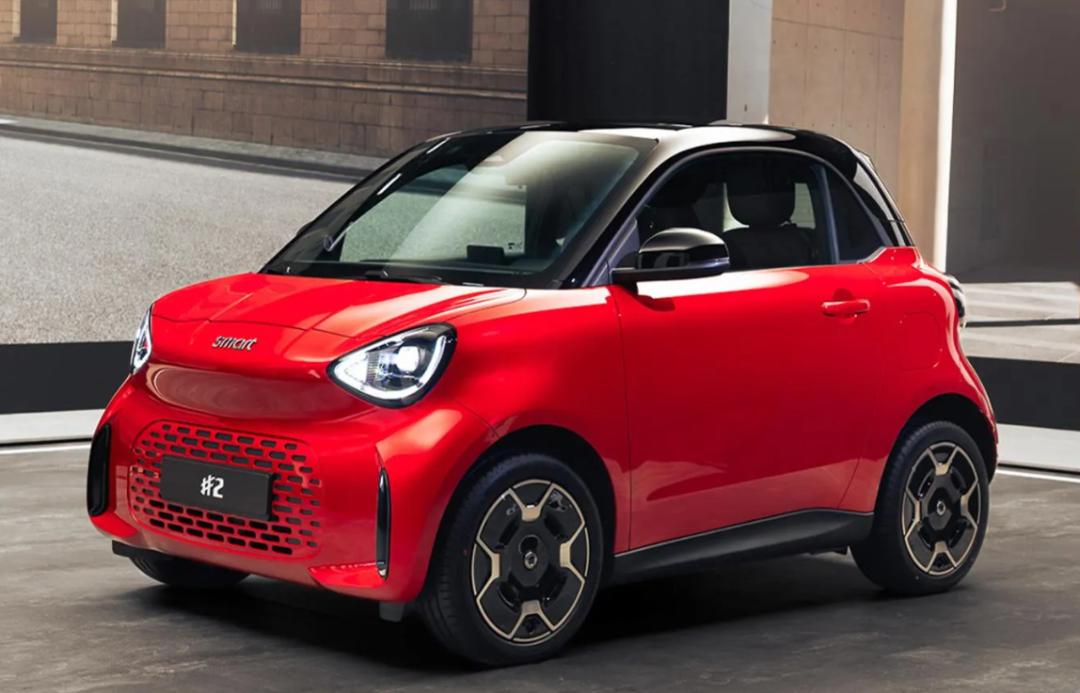
First of all, the two-seater smart #2 that has been warmed up for a long time finally makes its debut.
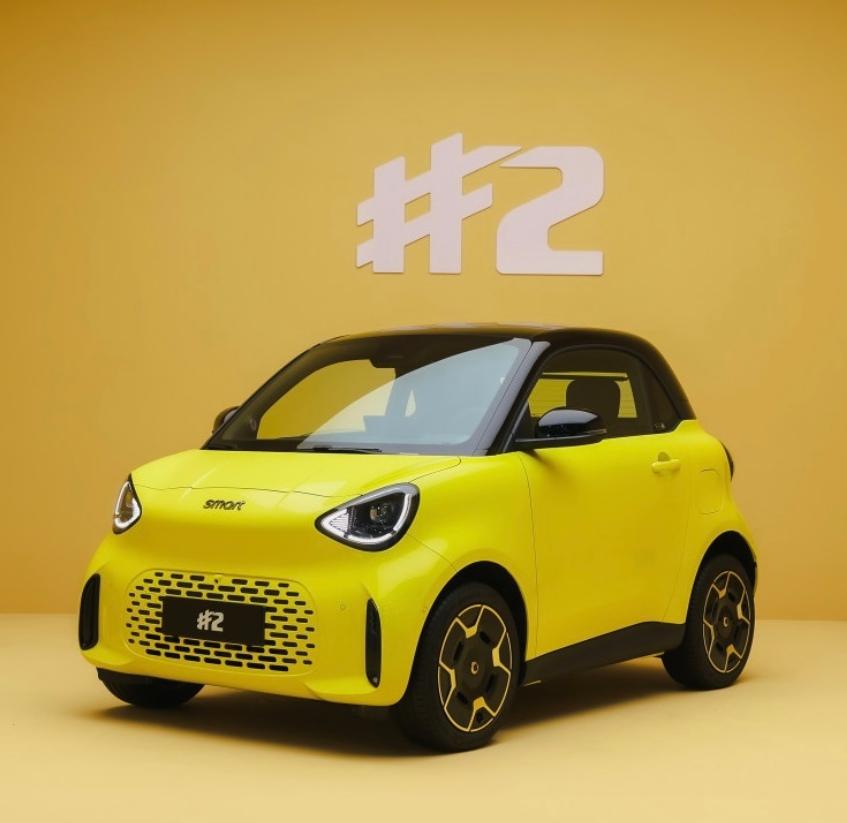
smart, which used to exclusively produce small cars, is inherently a perfect fit for the European market. After being acquired by Geely, smart's electric vehicles have been getting larger and larger, and many people once thought that this brand would never return to its original positioning of small city cars.
But fortunately, the compact smart arrives late but never misses.
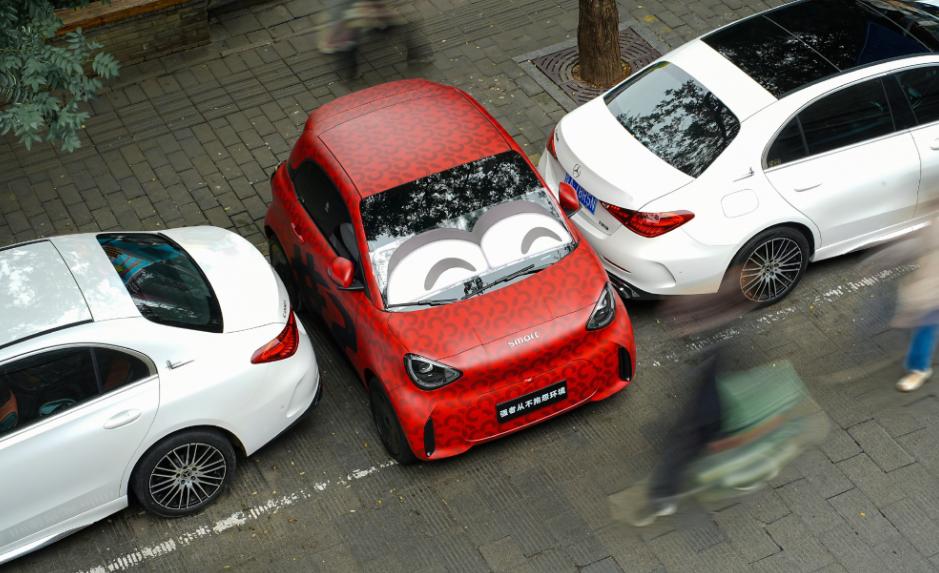
Compared with the original two-seater fuel-powered fortwo, this new smart #2 is slightly larger in size. The length of fortwo is 2695mm, while that of smart #2 is 2764mm, 7 centimeters longer.
But thanks to its short body, it can still easily find its exclusive parking space even in narrow alleys.
Apart from its agile body, the new smart #2 inherits the classic elements of the original smart in many design details.
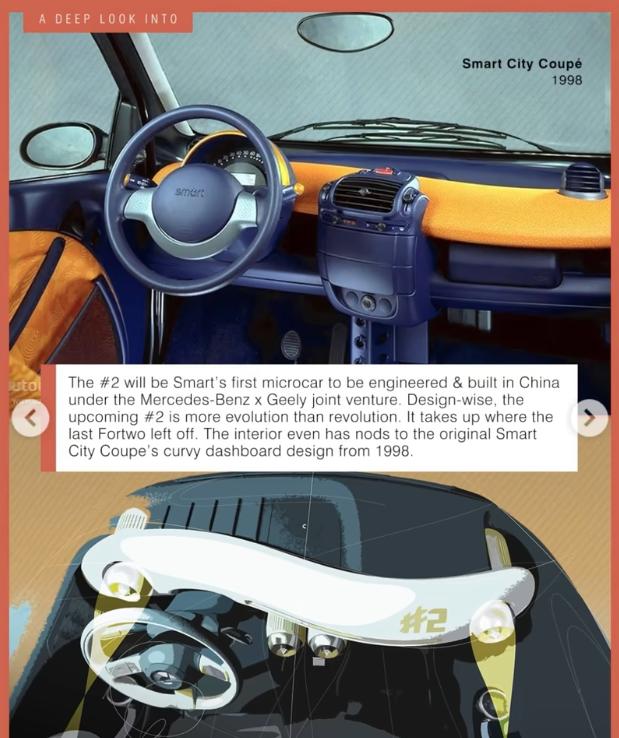
For example, the dashboard features a wavy line design extending from the driver's side to the passenger's side, making the passenger seat closer to the dashboard.
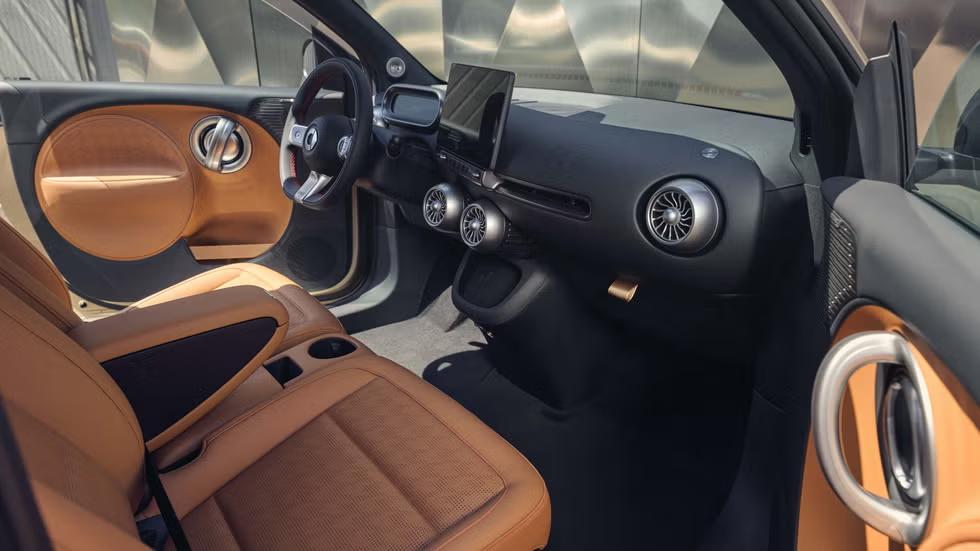
This design is actually a tribute to the first-generation smart.
The split tailgate, which is another classic symbol of smart, is also retained on this model.
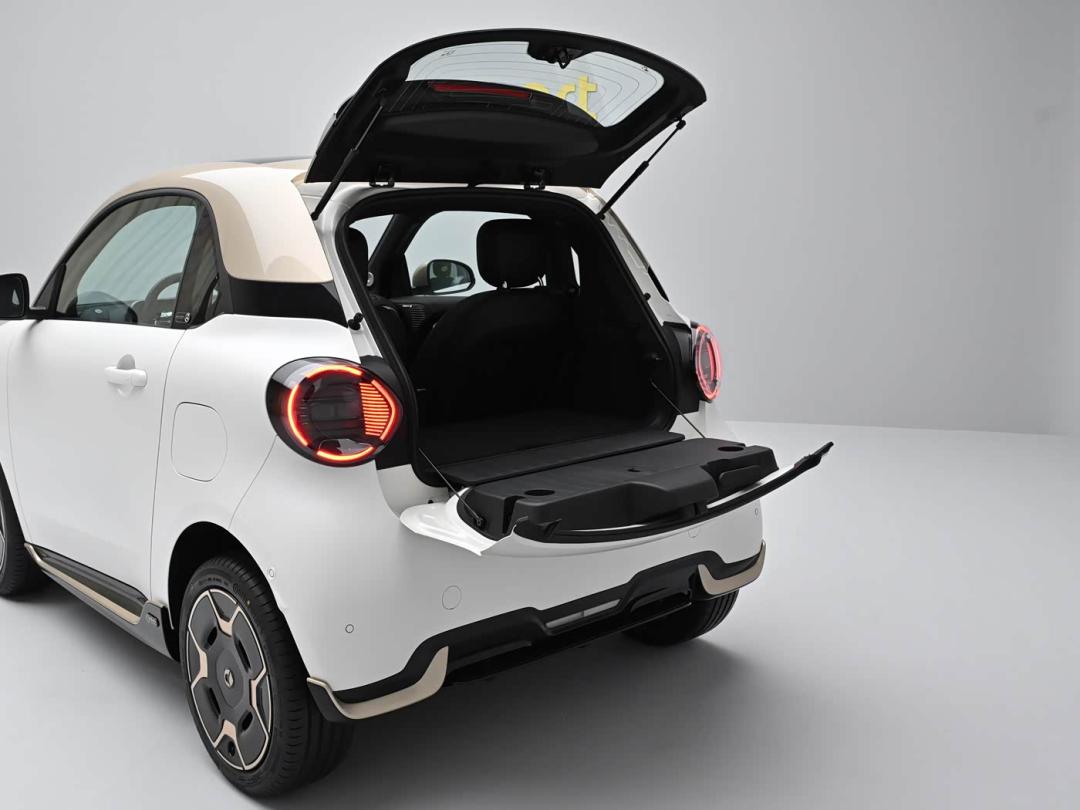
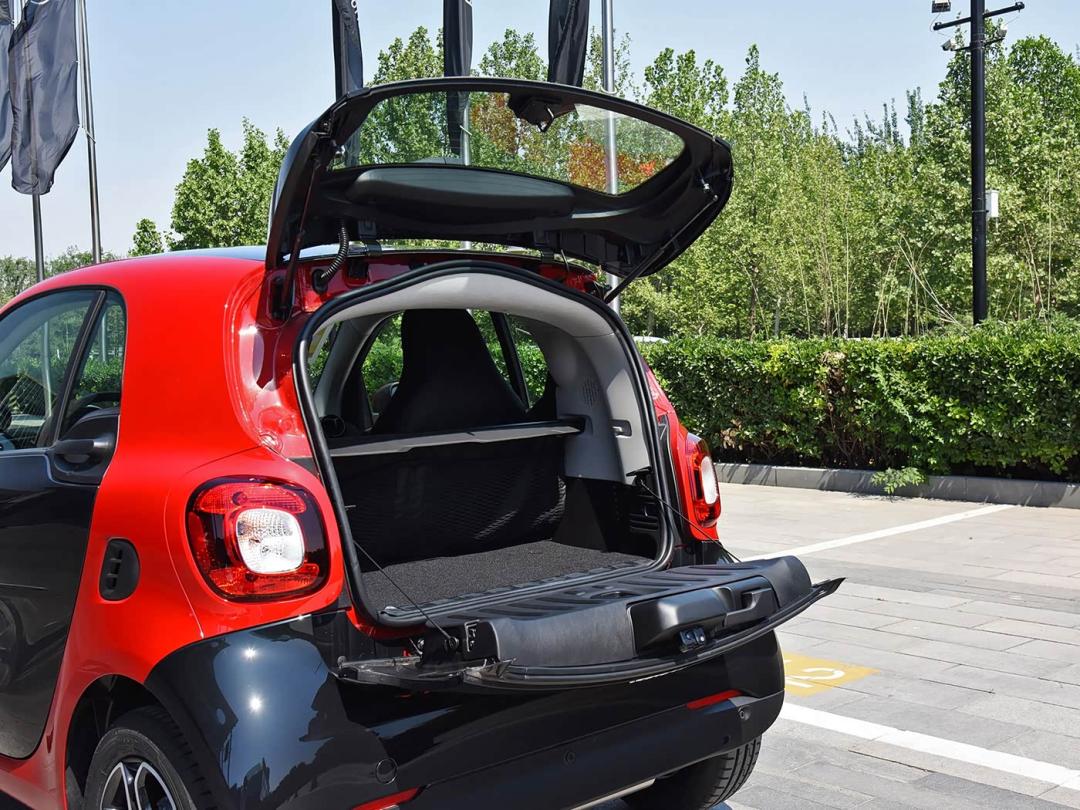
The picture above shows the new model, and the one below shows the old model
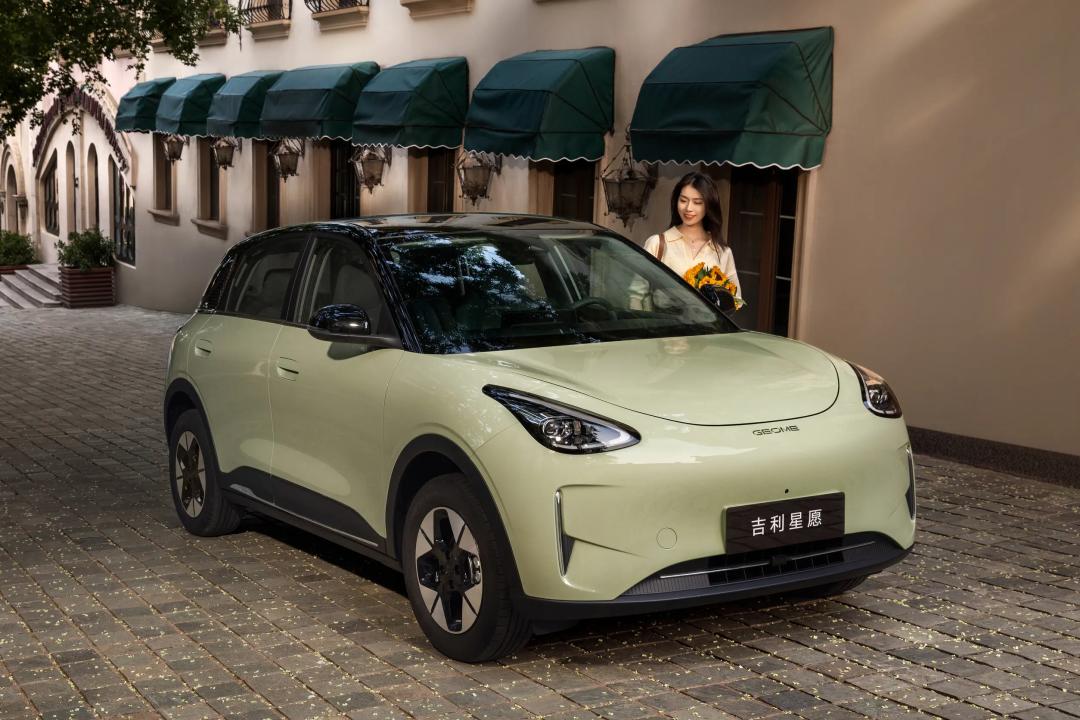
I think the overall styling of this car fits the brand's tone pretty well, except for the headlight set on the front face, which reminds me a bit of Geely Xingyuan...
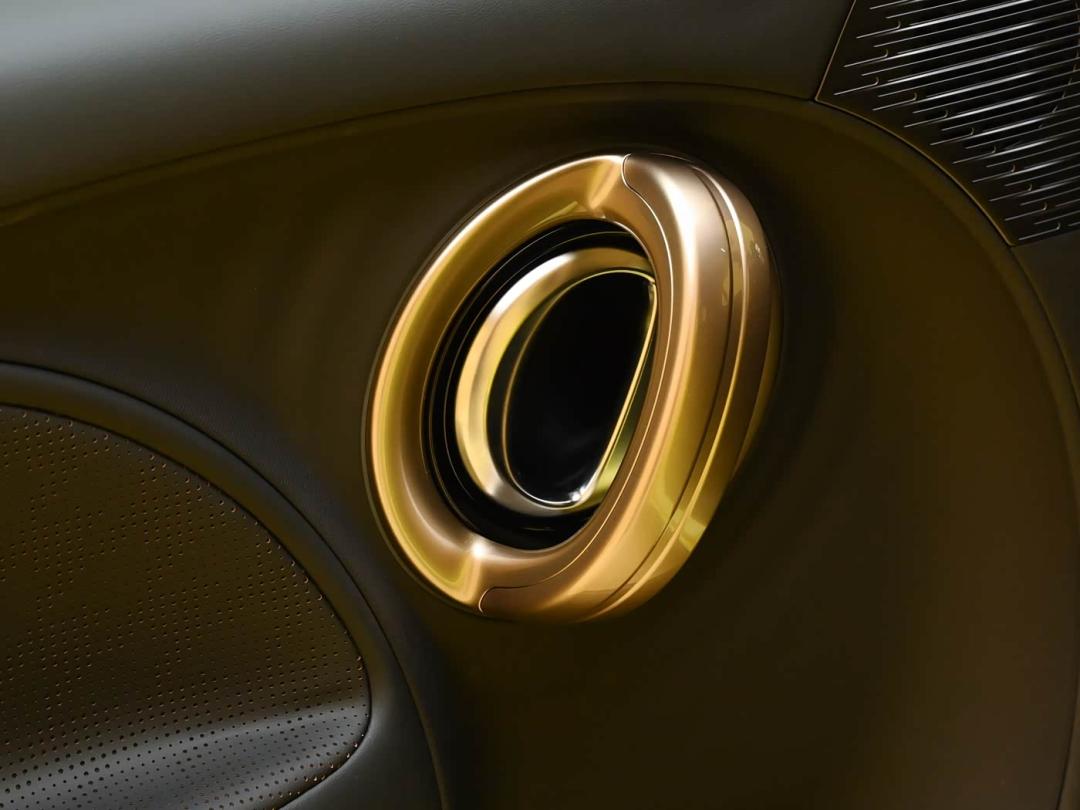
In many details, the smart #2 also follows the concept of exquisite small cars. For example, this kettlebell-shaped door handle integrates the armrest and the inner opening handle into one piece.
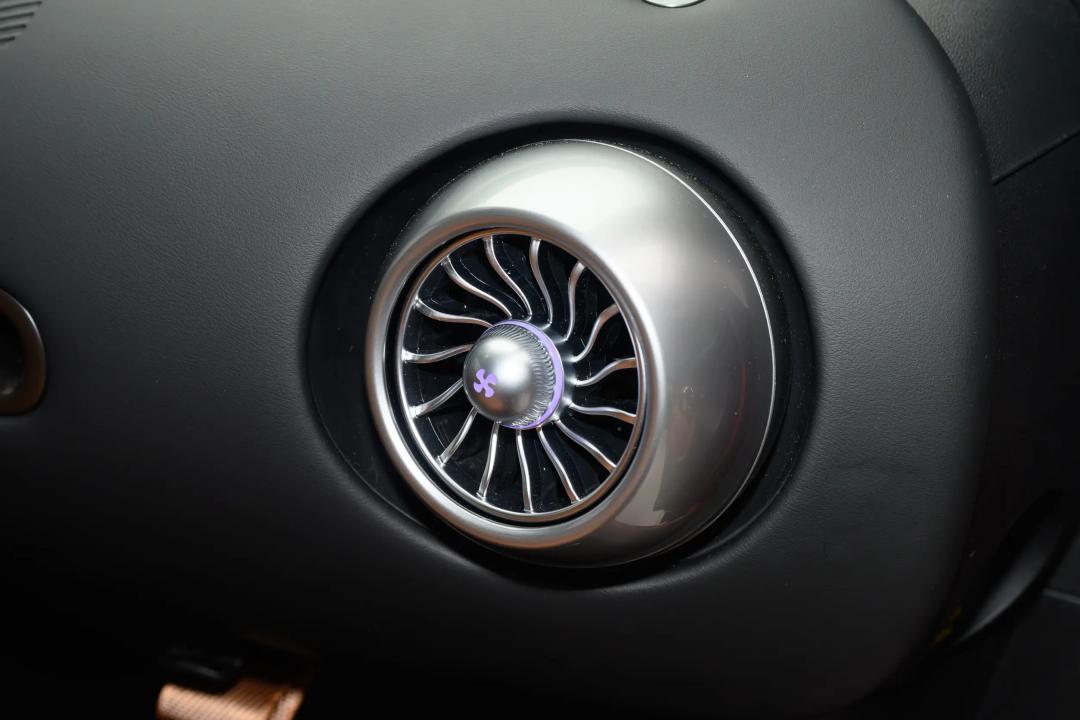
There are also cannon-style air conditioning outlets similar to those on Mercedes-Benz models, surrounded by ambient light strips.
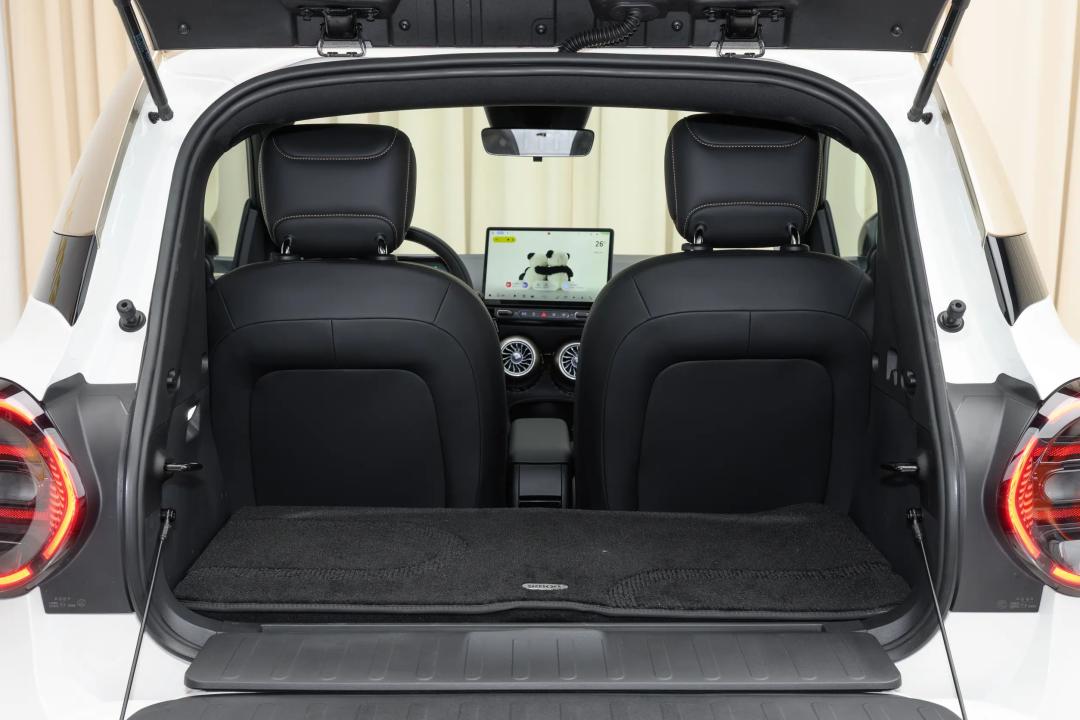
At the same time, electrification integration also makes the two-seater smart much more practical to use.
The old smart placed the engine under the trunk, which not only made the trunk very small, but also made the space extremely hot. Now the new model has a larger trunk with a sunken storage area.
It also retains all the necessary storage spaces in the car, including the lower part of the door panel, the glove box, and the armrest box.
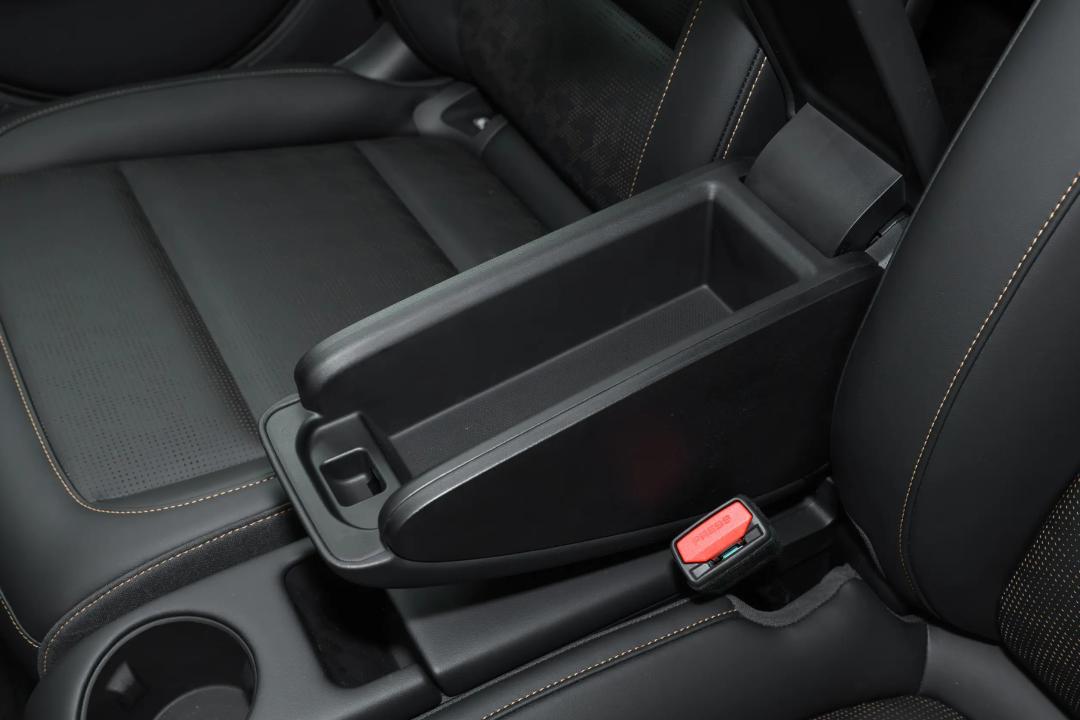
The front row is designed as a fully connected flat space, so that when you park in a very narrow corner with no space on the left side to get off, you can directly exit from the right side.
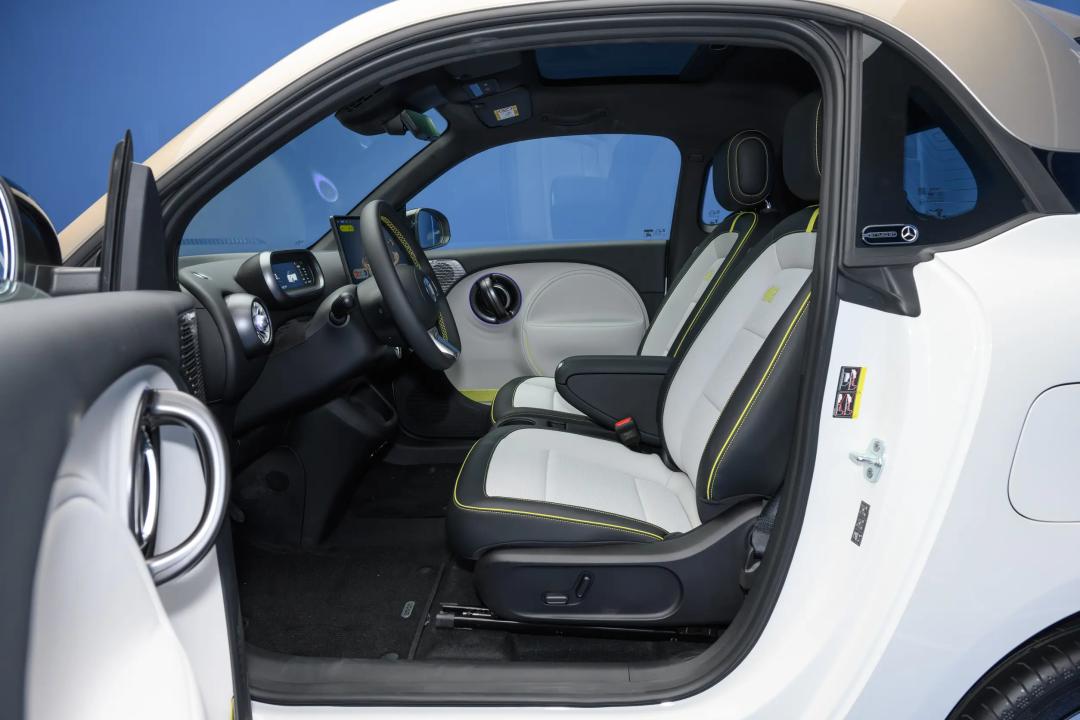
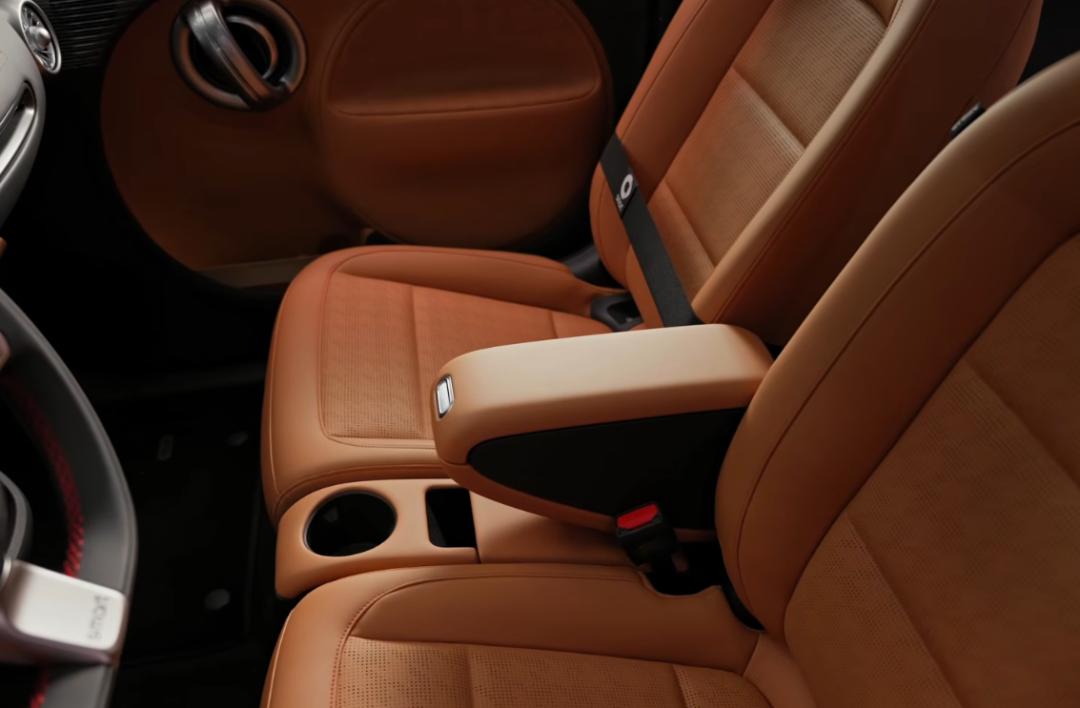
The passenger seat is also equipped with a very practical strap.
Many people drive this car alone in daily life, right? When you put a bag or other items casually on the passenger seat, this strap can be used to temporarily fix the items.
Let's take a look at its parameters next.
This car is equipped with a 35.8kWh LFP battery from CATL, with a CLTC range of 410km.
It's fair to say that such a range is very competitive among micro cars. For reference, the maximum range of Wuling Hongguang MINIEV is only 301km. The 410km range is basically sufficient for urban commuting.
I guess that to achieve this range, the motor power of this smart car is set at 60kW, which is not very high. The three-cylinder engine of the original fuel-powered fortwo has a power of 66kW, so the new electric model even has less horsepower than the old fuel version, which is a bit unreasonable...
At this Paris Motor Show, the smart #2 did not announce its official price, but only launched a limited high-customization version priced at 112,999 yuan.
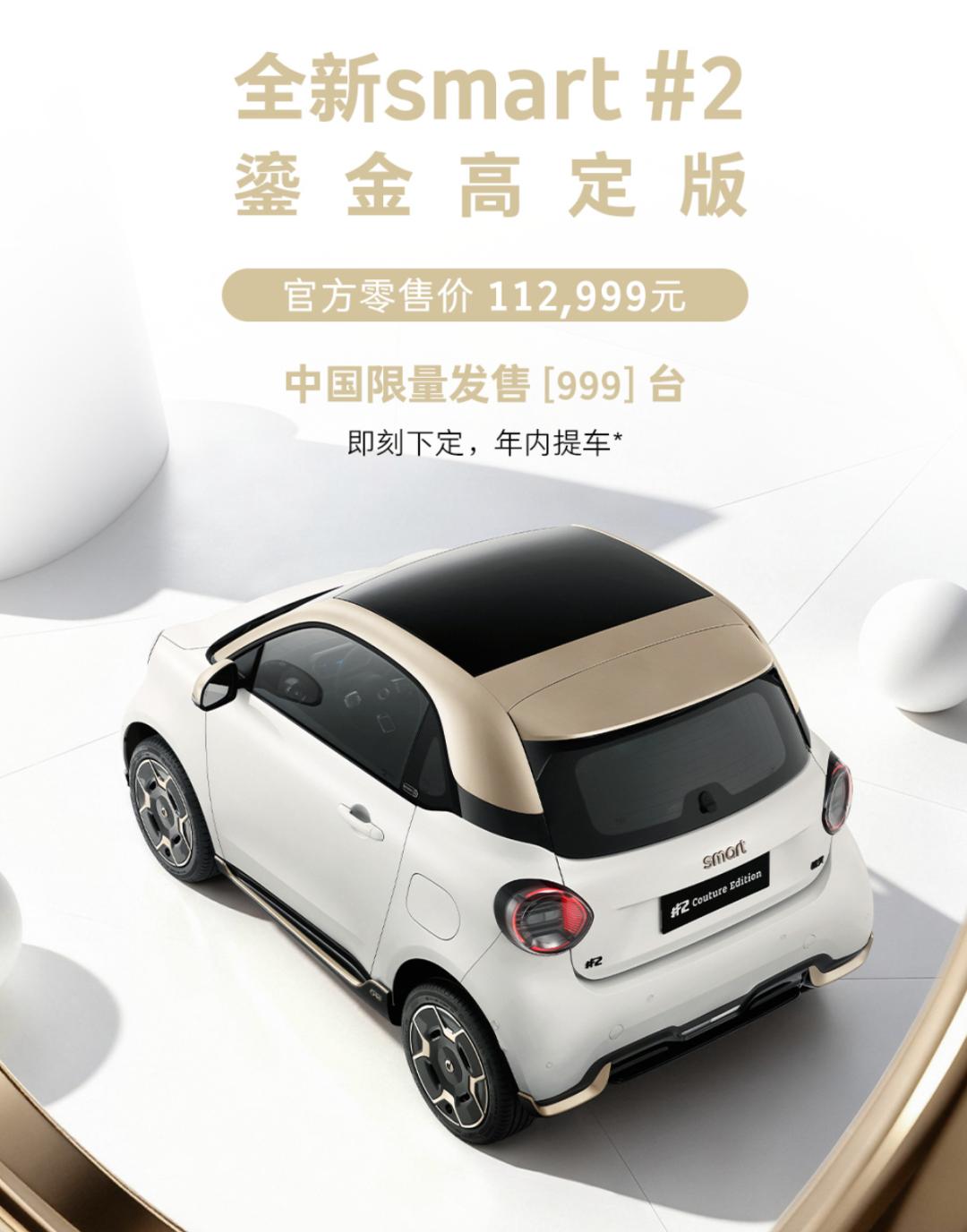
The high-customization version comes with exclusive color matching, and different matching designs on the grille, side skirts and other parts of the car.
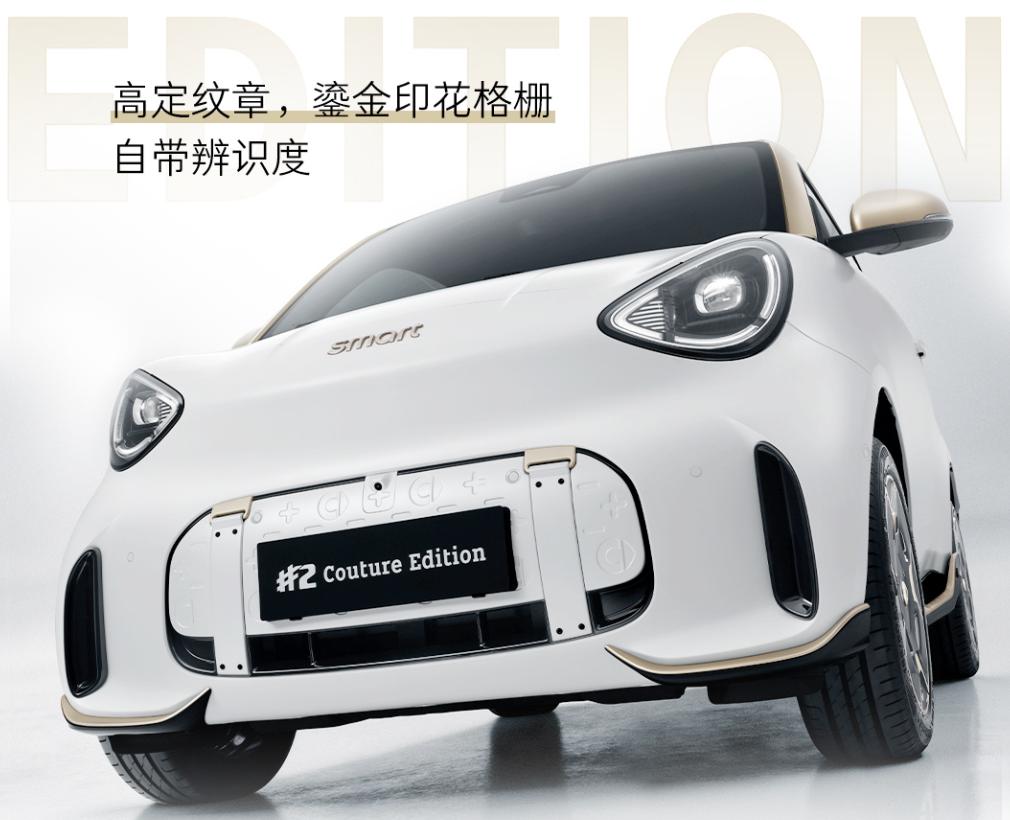
I think this high-customization version is a bit over-designed. Besides, for a micro car priced at around 100,000 yuan, the "high customization" positioning is a bit far-fetched to raise its grade.
The regular version is expected to be launched in November, and it is almost certain that its price will be under 100,000 yuan.
The previous guide price of fortwo was 113,800 to 225,000 yuan, which was for pure imported units excluding tax. In this regard, the smart #2 is much cheaper. But the Chinese market is no longer what it used to be. After the micro car segment boomed for a while in the past two years, it has gradually shrunk. It remains to be seen how many consumers will be interested in this new smart.
I would boldly guess that this car may sell better in Europe than in the Chinese market.
Apart from smart, Chinese brands haven't launched many new cars at this show. For example, Avata unveiled the T09 concept car, a large six-seater model that is about to be launched soon. In fact, this car has no plan to be sold in Europe for the time being, and it is only brought to the show to make an appearance.
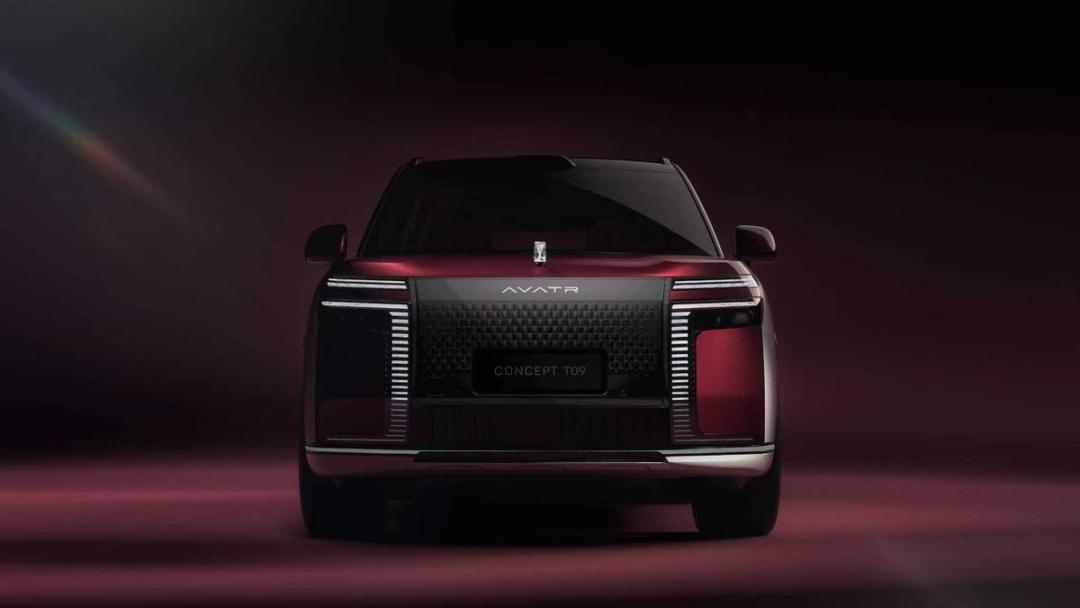
For other automakers, their main moves are to release the pricing of their European versions.
For example, XPeng G9L was launched in France, priced at 74,990 euros, equivalent to more than 560,000 yuan, which is double its price in the Chinese market.
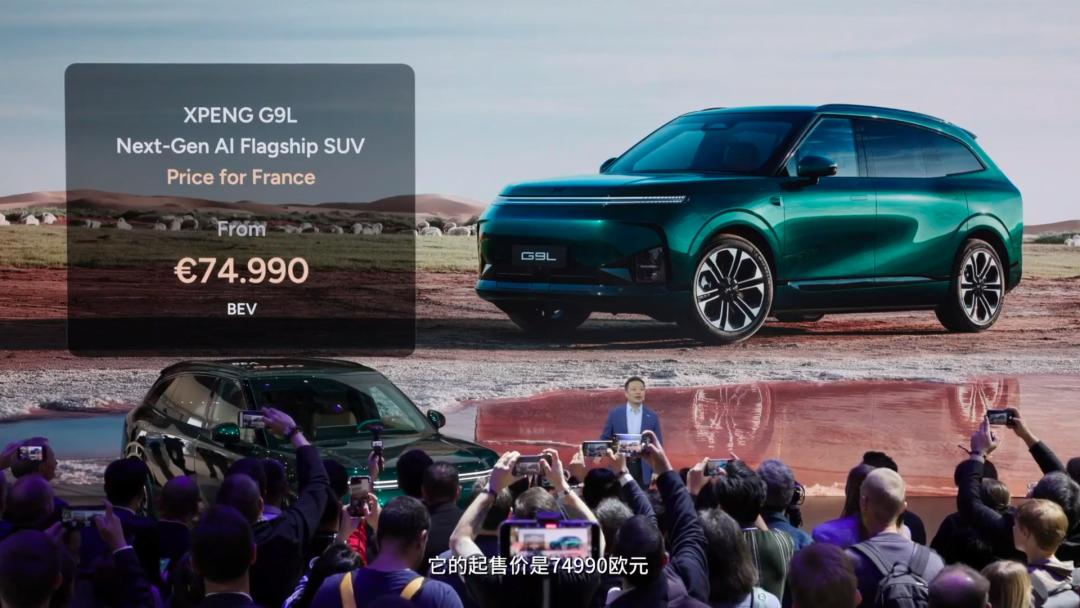
This car is manufactured by Magna on behalf of XPeng in Europe, and it is the fourth model that Magna has