Is Tencent hooked on this track? It has invested in two companies within 20 consecutive days, spending hundreds of millions of yuan.
What is more appealing than a single product is the method to replicate success.
According to a report by foreign media PocketGamer.biz on October 13, people familiar with the matter revealed that Turkish mobile game developer Flow Games has secured $46 million in financing (equivalent to about 308 million RMB), nearly three quarters of which came from Tencent. In other words, if the news is true, Tencent's investment in this round may reach about $34.5 million (equivalent to about 231 million RMB).
PocketGamer.biz stated that this deal is Tencent's largest investment in a Turkish game studio to date (excluding wholly-owned acquisitions).
Flow Games, which received this round of financing, was founded in May 2025 and is a very young new studio. Its current representative work is a physics-based casual mobile shooting game Smash Fest!... or to put it more plainly: a game of smashing cans.

Image source: YouTube
According to estimates by AppMagic, Smash Fest! was downloaded more than 2 million times in June and 10.2 million times in July, with a month-on-month increase of 343%; player in-app purchase spending rose from $692,000 in June (equivalent to about 4.6307 million RMB) to $3.4 million in July (equivalent to about 22.7521 million RMB); the total cumulative player in-app purchase spending of the game is currently close to $8.9 million (equivalent to about 59.557 million RMB).
However, a source familiar with the matter also told PocketGamer.biz that advertising is the main source of revenue for Smash Fest!. That means the player spending we see now may only be the tip of the iceberg of the game's total revenue.

It is worth noting that Tencent's moves in the casual game sector have been quite frequent recently.
At the end of September this year, about half a month ago, Tencent also led the $25 million Series A financing (equivalent to about 167 million RMB) of Turkish casual game company Circle Games.
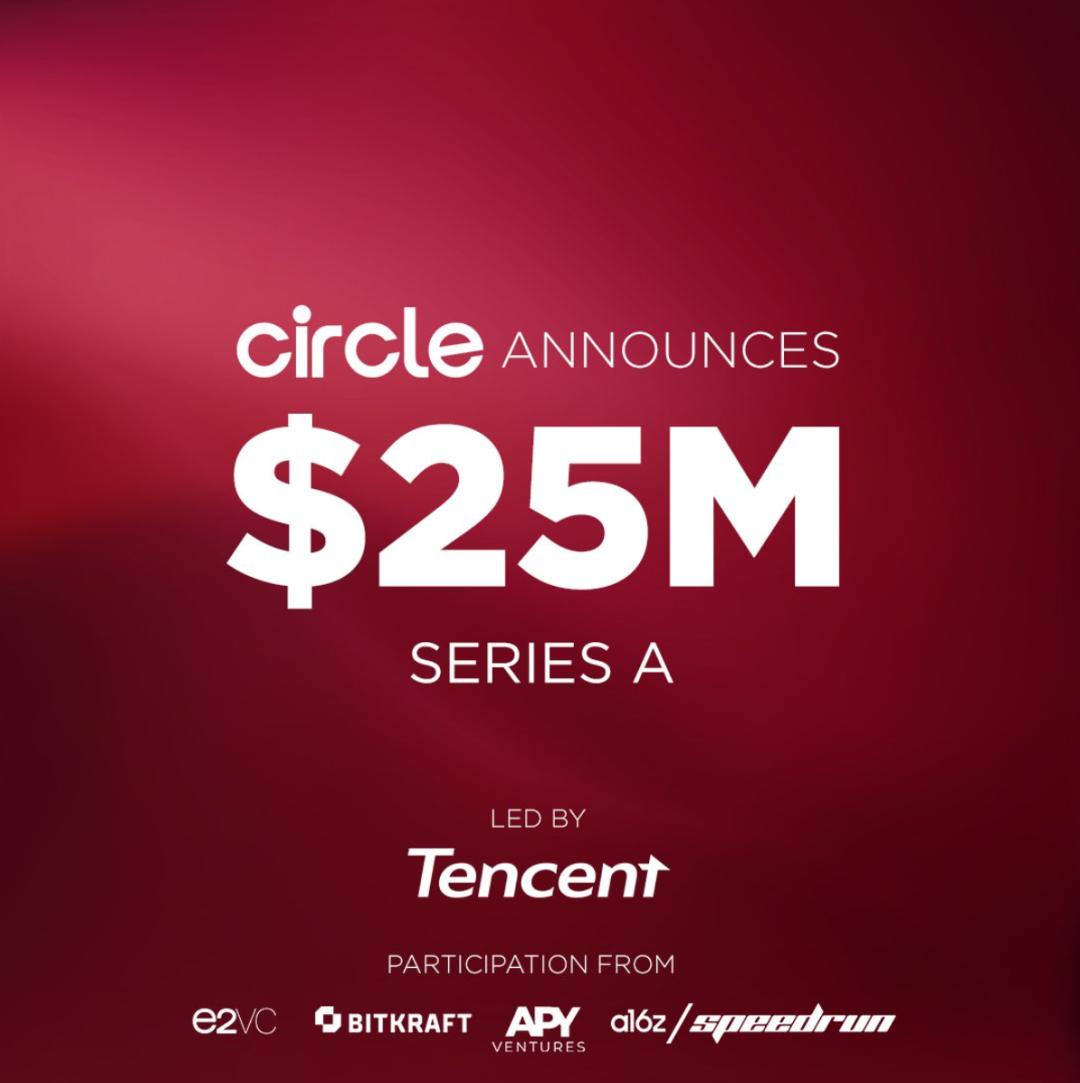
Founded in 2024, Circle Games secured $7.25 million in seed round financing (equivalent to about 48.5156 million RMB) led by BITKRAFT Ventures in July 2025, and launched its first game Sort Express! in the same year.
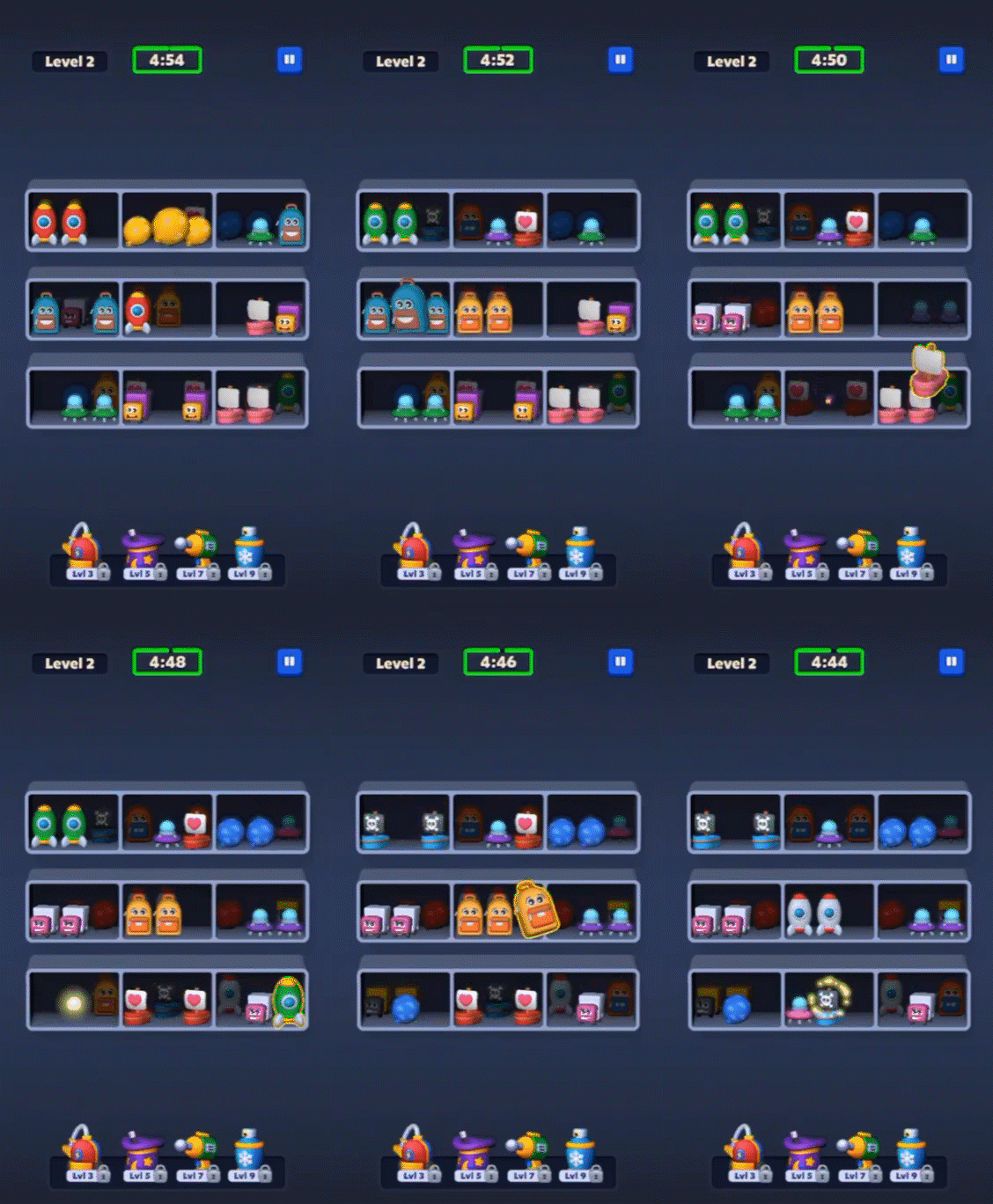
Image source: YouTube
According to estimates by Diandian Data, the in-app purchase revenue of this 3D sorting elimination game reached about $1.019 million in July this year (equivalent to about 6.8187 million RMB), and rose to $1.581 million in August (equivalent to about 10.5794 million RMB).
According to the article Why We Invested in Circle Games released by BITKRAFT Ventures in September this year, Sort Express! has already achieved an annualized revenue of eight-digit US dollars (at least $10 million, equivalent to at least 66.919 million RMB), its 30-day retention rate is at a good level in its category, and players spend more than 75 minutes per day playing the game. The Circle Games team that developed this product had only 28 people at that time.
In addition, foreign media reported in February this year that Tencent was in talks to acquire a minority stake in Hungry Studio (the developer of Block Blast!); in July, another media reported that Israeli listed game company Playtika was in talks with Tencent to sell SuperPlay (the developer of Disney Solitaire), a subsidiary of Playtika.

Looking at a longer timeline, Tencent seems to have a long-standing persistence in casual games in its overseas investment layout:
In 2015, Tencent acquired the majority stake in Miniclip, a Swiss company known for its expertise in casual games. Miniclip later acquired many casual game studios: in 2019, Miniclip acquired Turkish game company Masomo; in 2022, Miniclip acquired SYBO, the developer of Subway Surfers; in 2024, FuturLab, the developer of PowerWash Simulator, joined Miniclip; in 2024, Embracer sold casual puzzle game developer Easybrain to Miniclip for $1.2 billion; in 2025, Miniclip acquired Lessmore, the developer of Pocket Chess...
In its Q2 earnings report this year, Tencent specifically named Miniclip, stating that it "has achieved breakthrough success in the international market, and Arrows – Puzzle Escape became the mobile game with the highest global downloads in the second quarter of 2026, bringing strong in-app advertising revenue."

Subway Surfers
In 2016, Tencent acquired approximately 84.3% of the equity of Finnish game company Supercell through a consortium it led. Supercell invested in Metacore, the developer of Merge Mansion, in 2018, and is promoting the acquisition of the remaining equity of Metacore this year.
In 2020, Tencent also took a minority stake in French casual game publisher Voodoo.

From the perspective of Game Grapes, Tencent's special preference for casual games may stem from considerations of category layout, as well as its emphasis on large DAU and long product lifecycle.
On the one hand, casual games are Tencent's long-standing core business.
Although when people talk about Tencent now, the first things that come to mind are keywords such as shooting games, MMOs, auto battlers, and MOBAs, in fact, the company has long been deeply involved in casual games. It can even be said that Tencent was once one of the most influential publishers in China's domestic casual game market --
In 2003, QQ Game Hall was launched, and you may still remember various casual gameplay in the hall such as Dou Dizhu, Chinese Chess, and Gomoku; later, products such as QQ Tang, QQ Pet, QQ Farm, and Happy Dou Dizhu became popular one after another; after 2010, Tencent successively launched products including Tian Tian Ai Xiao Chu, Tian Tian Ku Pao, and Rhythm Master; Jump Jump, which became a national hit in 2017, was developed by Tencent's WeChat team; in February this year, the Magic Cube Studio also launched the revamped version of the classic QQ Farm.
Although in recent years Tencent has rarely launched hit casual games as frequently as it did more than a decade ago in self-development, as mentioned earlier, Tencent has never stopped its investment in casual games. Tencent, which once dominated the domestic casual game market in the early days, is still an "invisible" top participant in the global casual game sector.
On the other hand, Tencent has always attached great importance to large DAU and long product lifecycle, and hit casual single products often have the potential to achieve large DAU and long lifecycle, and the infrastructure and methodology behind them can be applied to other products.
For example, Scopely (the developer of MONOPOLY GO!, which was later acquired by Savvy Games Group in 2023) uses its own technology platform Playgami as the foundation to support the operation of different games. At the same time, Scopely has R&D, operation, marketing and data analysis teams, as well as an internal advertising creative agency called FLAMED.
Supercell's acquisition of Metacore is not just for the economic benefits of Merge Mansion. Supercell's official post once explained that they believe the experience Metacore has accumulated in long-term game operation and user acquisition through Merge Mansion has the potential to help the product achieve renewed growth.
According to BITKRAFT Ventures, Circle Games, which earned its first pot of gold with Sort Express!, has established a cross-game player segmentation system, as well as internal AI tools for marketing material production, level generation and player behavior simulation. The team will also expand its spending after verifying the return on investment of user acquisition.
Putting all this information together, it is not difficult to find that the logic behind Tencent's continuous focus on casual games may be more complex than just "looking for hit products". The gameplay of various casual games may vary, but capabilities such as data analysis, level generation, advertising material testing, and user acquisition return evaluation can be continuously accumulated and reused.
What is more attractive to investment than a single product is the method to replicate success. Tencent's long-term layout in the casual game sector may bring a subtle influence: by investing in more excellent teams and accumulating R&D and operation experience from different teams, other subsequent products will have a greater chance to stand out and maintain a longer lifecycle.
This article is from the WeChat Official Account "Game Grapes" (ID: youxiputao), written by Wang Dan, authorized for release by 36Kr.