China's wheat output ranks first in the world, so why does it import flour from Japan for bread making?
Making high-end bread with imported flour is no longer a new thing in China.
In recent years, many domestic high-end bread products will specifically note that they use imported flour in their promotion.
In 2025, a self-operated bread product "Camellia Spring Water Toast" launched by a well-known supermarket became a hit, and one of its core selling points was "carefully selected imported Nisshin Seifun Camellia brand wheat flour".
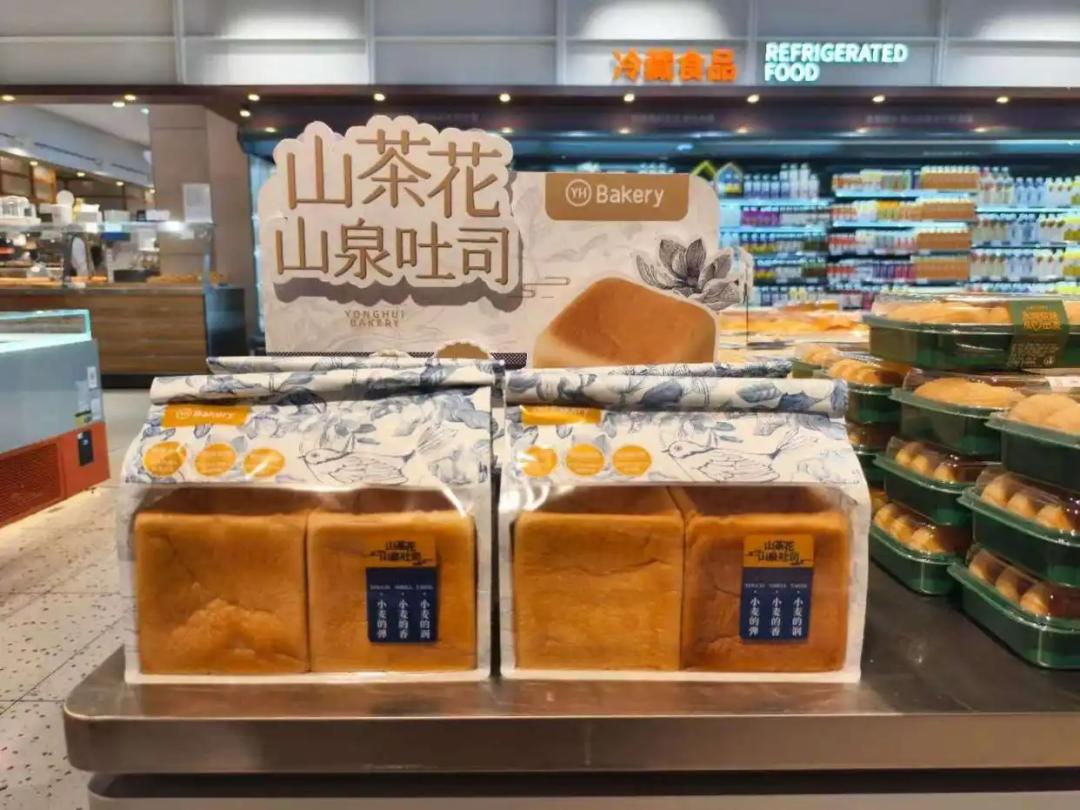
Shelves for self-operated bread in a supermarket
A local Chengdu baking brand claiming to be "No.1 of Southwest French Pastry" also uses high-end Japanese flour as the main raw material for its bread.
A larger number of small, independent bakeries run by individual owners even frequently use imported flour as a selling point to attract customers who are willing to pay premium prices.
China has long been the world's largest wheat producer by output. Why do we import flour from Japan for bread making?
What Makes Imported Flour Stand Out
To judge whether bread made with imported flour is good or not, let's look at the data first without bias.
The protein content in flour is one of the key factors that determine whether good bread can be made.
It directly determines the strength and extensibility of gluten, as well as whether the bread can expand properly and whether its internal crumb is fine and even.
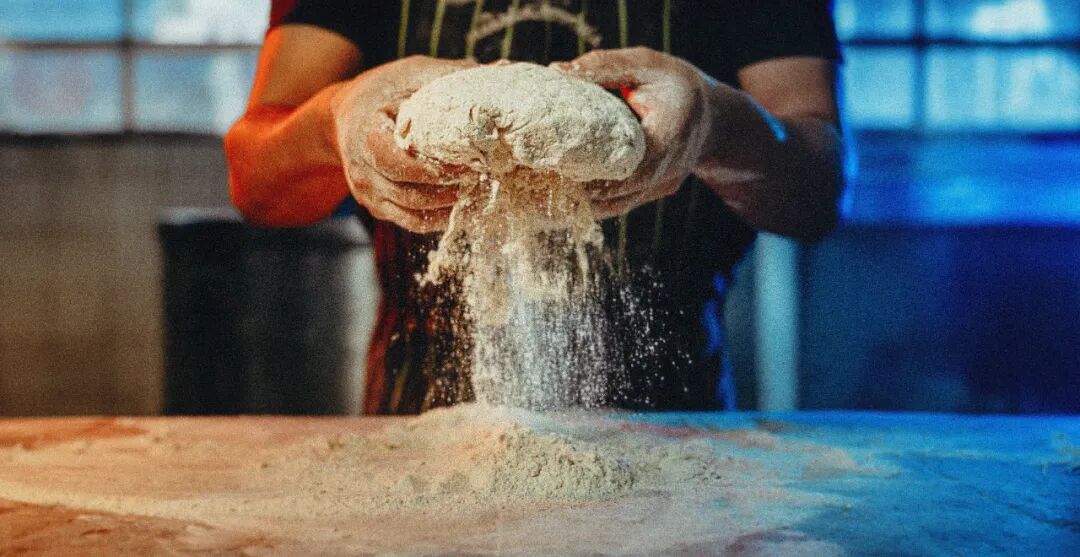
Common high-gluten flour specially for bread making
The industry recommended protein content range for special bread flour is 11.5%—13.5%.
The domestic Wanghou Soft Wind Toast Flour has a protein content of 12%, while the Japanese Nisshin Seifun "Camellia" brand high-gluten flour mentioned earlier has a protein content of about 11.8%.
The two seem to have little difference at first glance.
Through broader comparison, the protein content of Japan's Showa Pioneer Extra High-Gluten Flour is as high as 14%, and currently domestic flour can also reach 14% through optimized wheat proportioning and flour blending processes.
The optimized wheat proportioning mentioned here actually refers to the use of imported wheat.
Another major indicator that affects the taste of bread is ash content.
Ash content refers to the mineral residue left after flour is burned.
The lower the ash content, the finer the flour, the whiter its color, and the more delicate the taste of the baked bread.
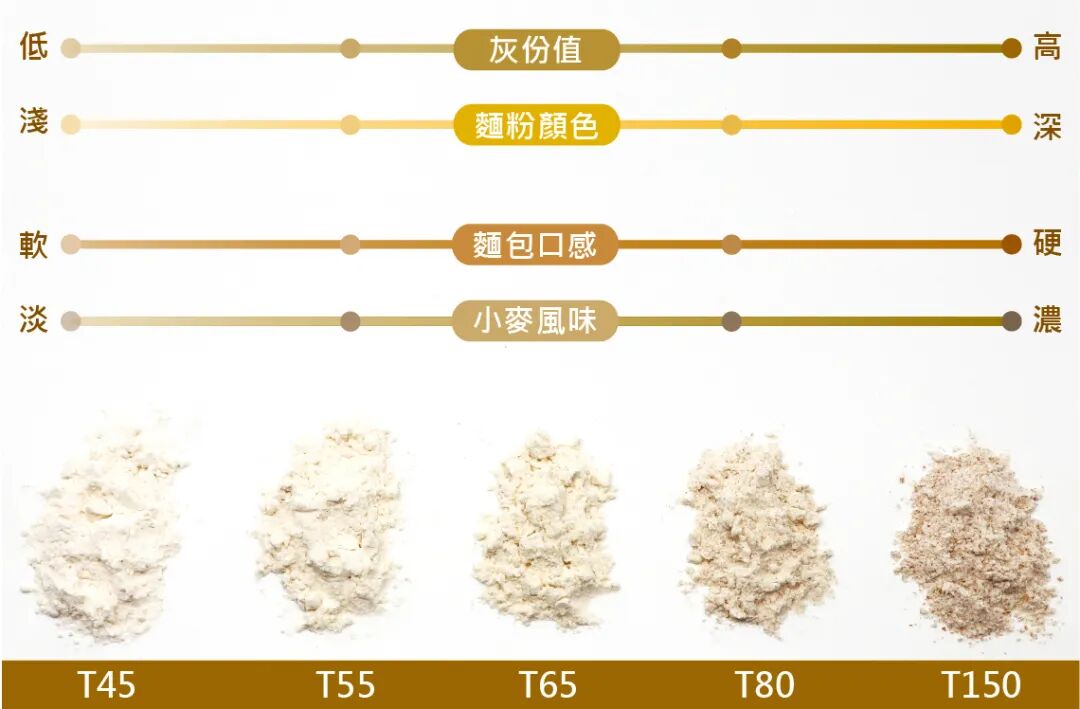
According to the national standard GB/T 1355-2021 for classification of flour by processing accuracy, the ash content of special first-grade flour, special second-grade flour and standard flour is ≤0.55%, 0.70% and 1.10% respectively.
The ash content of Japanese flour is basically kept below 0.42%, while if domestic flour uses imported wheat as raw material, its lowest ash content can also drop below 0.45%.
In addition, imported flour is more superior in grinding fineness, which makes the bread made from it more delicate and soft.
It is not hard to find from the above data that the gap of China's high-end flour does not lie in processing technology, but in raw materials.
Of course, different flours have different "characteristics" and are used for completely different purposes.
Taking the most common Japanese imported flour in the domestic market as an example, its core advantage lies in its precise adaptation to high-end Western baking products.
Japanese flour milling enterprises will develop products specifically for different categories such as toast, sweet bread, and baguette, with extremely subdivided special-purpose flours covering a huge variety of products.
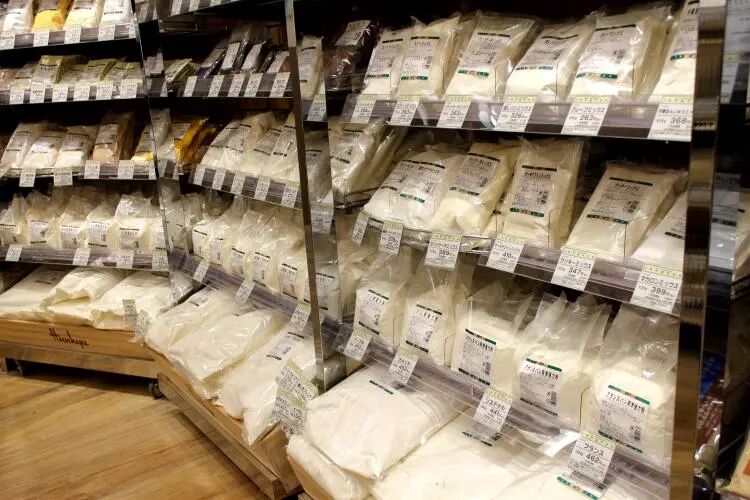
The flour section in a baking raw material store in Japan, with a huge variety of products
For example, the Camellia brand is suitable for toast and sweet bread, the Lily brand is suitable for French bread, and Showa Pioneer is suitable for high-water-absorption European-style bread.
This is the technological accumulation of Japan's flour milling industry from full westernization in the Meiji Restoration period to the present. This extremely refined level of "one flour for one specific use" and corresponding sales strategy is truly amazing.
If we take European and American flours into account, there will be more dimensions for comparison.
The core advantage of European and American flours lies in the irreplaceability of their protein quality and flavor.
For example, French flour (such as Moulins Bourgeois) is graded by ash content, among which T65 has rich wheat aroma and crispy thick crust, making it the soul of baguette.
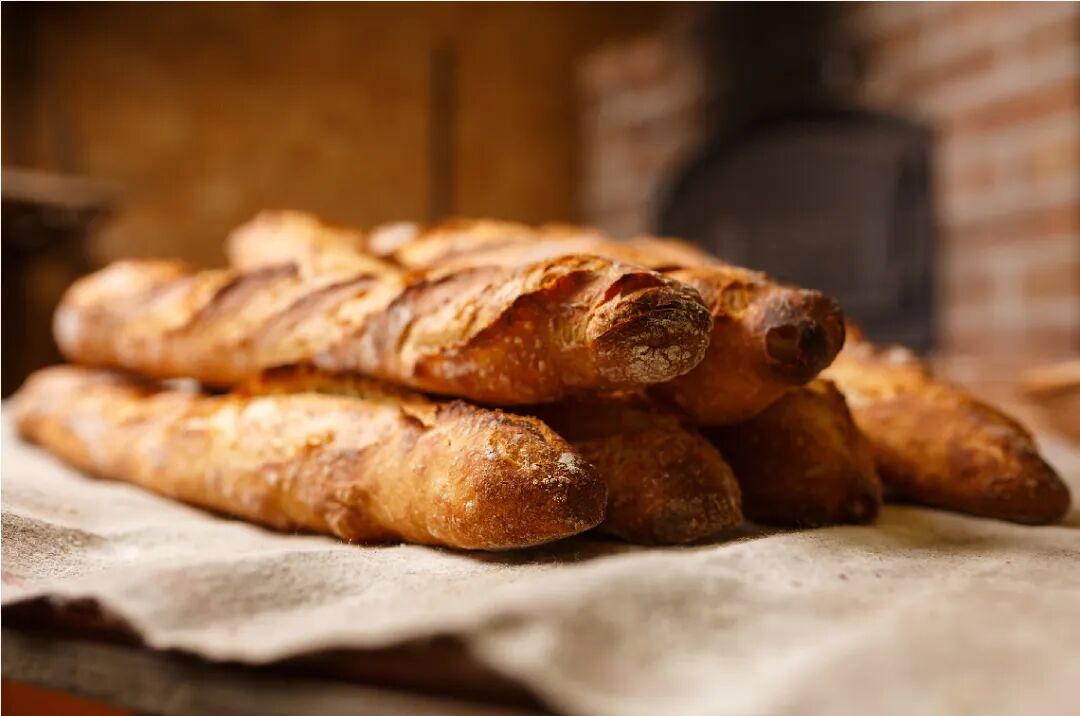
Baguette
Italy's durum wheat flour has a protein content of 13-16%, which endows Italian bread with unique chewy texture and color.
The average protein content of American hard red spring wheat is 14.2%, with extraordinary gluten strength, making it the ideal choice for bagels and pizza. King Arthur has strict quality control, famous for extremely narrow specification fluctuations, with a protein content difference of only ±0.2%, which ensures stable finished product quality.
Even though they are all flour, they cannot be generalized.
Imported flour does have some unique advantages in bread making.
China's Flour Industry Prioritizes Quantity Before Quality Improvement
Despite these differences, to be practical, the gap in bread-specific flour has little impact on China's national economy and people's livelihood.
The foundation of China's pasta culture lies in steamed buns, noodles, dumplings, stuffed buns, and even baked steamed buns and baked nang.
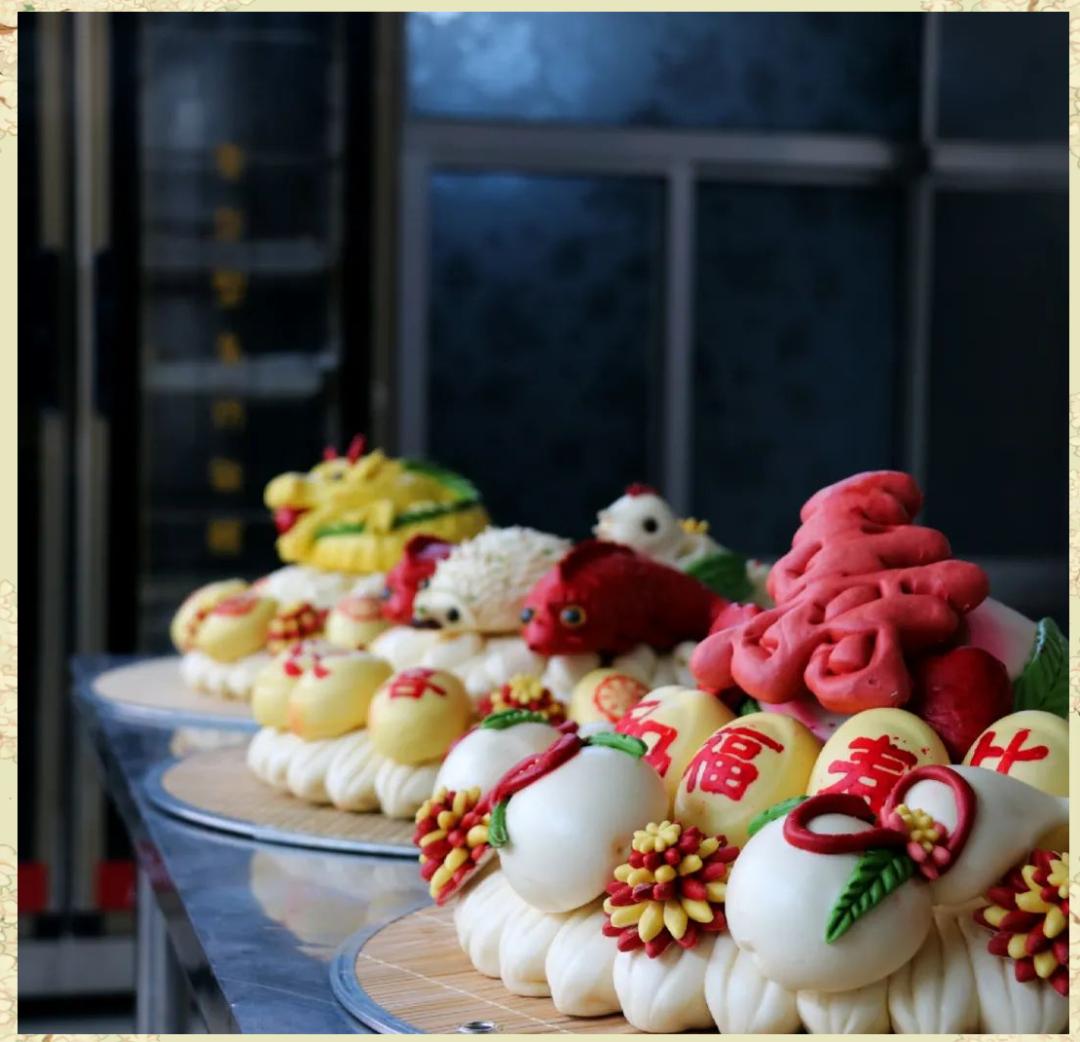
Chinese Pasta
The breeding direction of wheat varieties and the developed flours have long been pursuing the chewy texture and rich wheat aroma of steamed and boiled pasta products.
With different development priorities, little attention has been paid to the needs of Western-style baking.
Using Chinese-style flour to make Western-style bread is like asking a basketball player to play football, as they are not in the same track.
The development of China's flour industry also follows its own unique path.
Let's take a look at a set of data.
China is the largest wheat producer in the world.
China's wheat planting area has been stably maintained at about 350 million mu all year round, with the total output remaining above 130 million tons for 11 consecutive years, accounting for about 17% of the global wheat output.
According to the latest statistics from the United States Department of Agriculture, in the 2025/26 marketing year, China's wheat output is about 140 million tons, India about 118 million tons, Russia about 89 million tons, and the United States about 54 million tons.
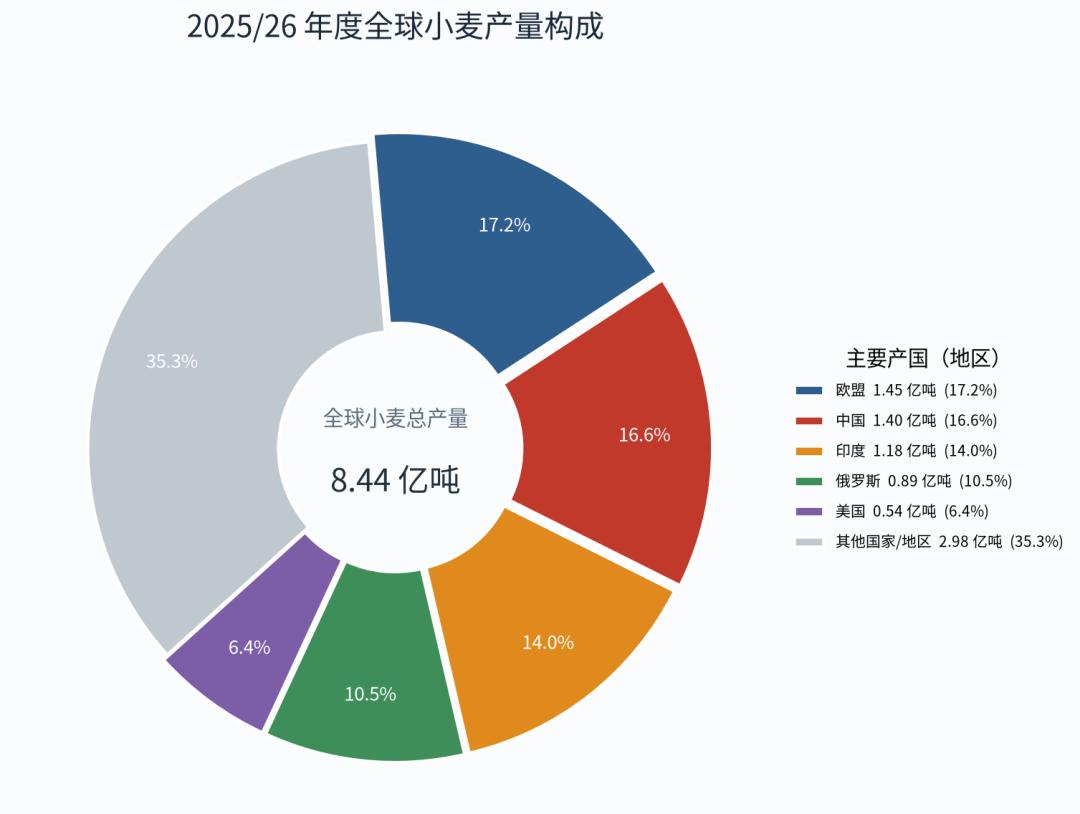
Latest global wheat output statistics from the US Department of Agriculture
From the consumption side, China is also the world's largest wheat consumer, with a consumption of about 150 million tons last year, accounting for 18.85% of the global total, ranking first in the world for many consecutive years, and the main consumption goes to rations and feed demand.
As a ration, it means that people almost never eat wheat directly, but process it into flour.
In 2025, China's flour consumption exceeded 84 million tons, ranking first in the world.
Demand is huge, and the 1.4 billion people's food bowls must first be filled with steamed buns and noodles.
This is the underlying logic of China's flour industry.
Therefore, the general direction of China's wheat breeding can only lean towards high yield, stable yield and disease resistance.
According to data from the China Statistical Yearbook, in the 20 years after entering the 21st century, China's total wheat output increased by 34.7%, and the per unit yield rose from about 3740 kg/ha to 5742 kg/ha, an increase of 53.6%, which is the highest per unit yield increase among the five major grain crops.
This year's summer grain harvest has ended. China's wheat per unit yield has exceeded the 400 kg mark for the first time, reaching 402.6 kg per mu, an increase of 0.9% over 2025, which is 1.6 times the world average level.
Against the reality that the total wheat planting area has decreased by nearly 40%, the increase in output is almost entirely supported by high-tech-enhanced per unit yield, and new high-yield varieties have made outstanding contributions.
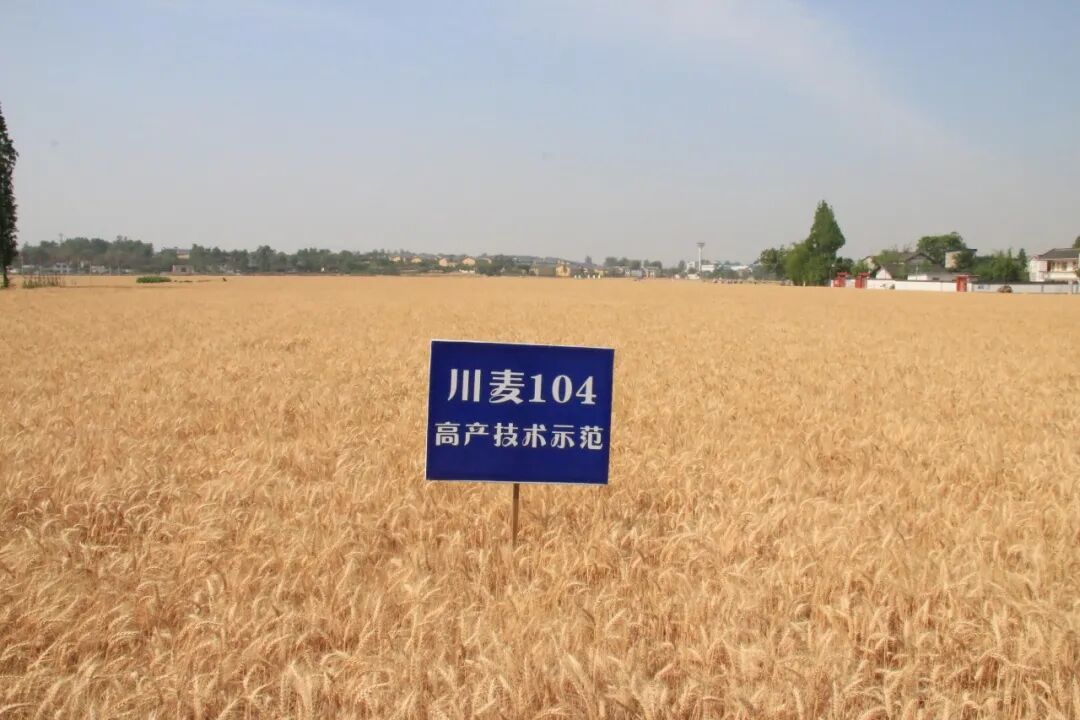
The demonstration field of "Chuanmai 104" from Sichuan Academy of Agricultural Sciences has set a new regional record of 729.8 kg per mu
This is the priority of China's wheat development: ensure sufficient quantity first, then improve quality.
From this perspective, China's flour industry is not incapable of making high-end bread, but its development focus in the past few decades has not been here.
Making Up for the Lessons of "Bread Making"
After getting enough to eat, we naturally want to try more new varieties of food.
In Yanjin, Henan, the wheat industry has covered grain and oil pasta products, baked puffed food, and frozen snack food.
At Zhongyu in Binzhou, a single wheat grain can be transformed into more than 600 kinds of products. In addition to flour and bread, it can also extract germ oil, produce dietary fiber, resistant dextrin and protein peptides, and even process wheat bran into nutritious feed.
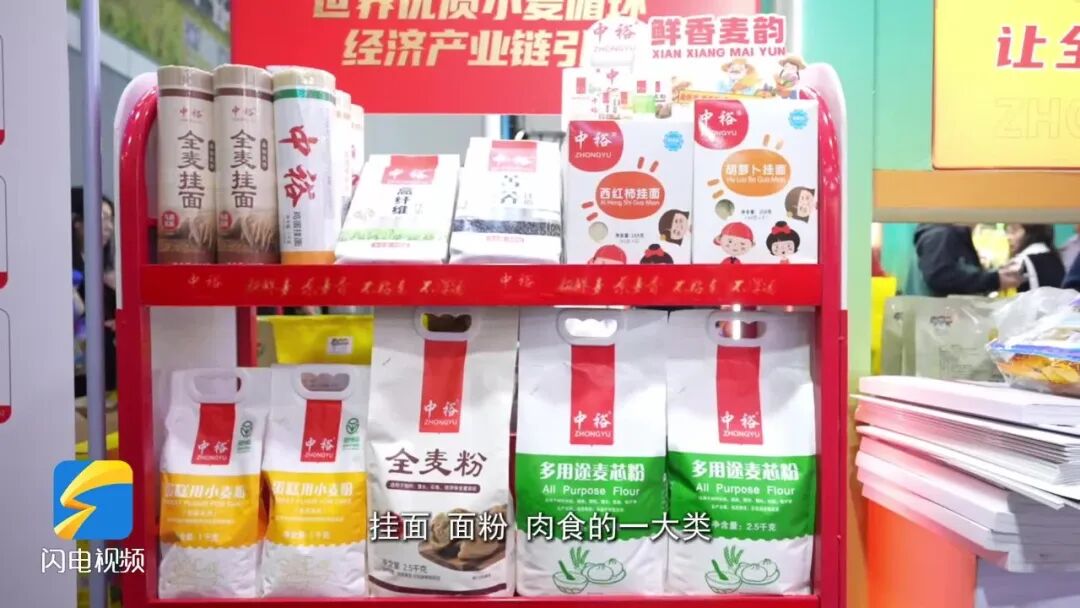
Part of the wheat processed products produced by Zhongyu
Wheat is used to its full potential, and wheat varieties are also being updated iteratively.
In 2019, the Ministry of Agriculture and Rural Affairs organized the first high-quality strong-gluten wheat variety quality evaluation conference in the Huanghuai wheat region. Xinmai 26, Shiluan 02-1, Jimai 229 and Jimai 44 were selected as the first batch of super strong-gluten wheat varieties.
These four super strong-gluten wheat varieties broke the history that China did not have such wheat varieties.
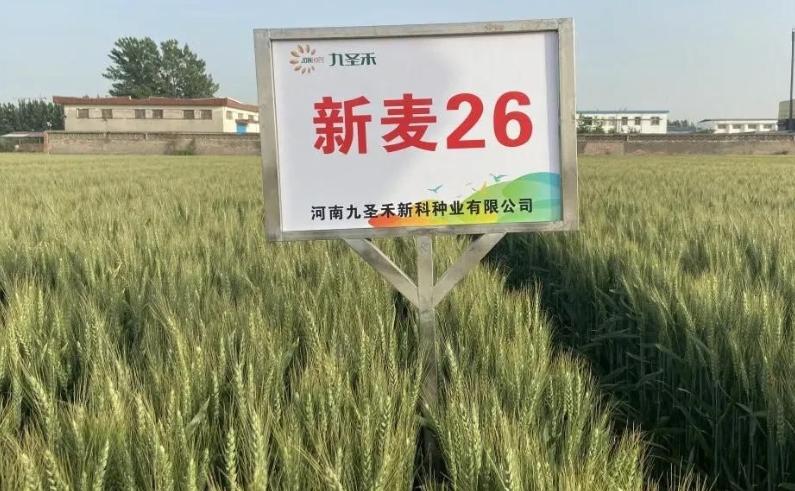
Xinmai 26 cultivated by Xinxiang Academy of Agricultural Sciences
Among them, the bread quality of the first three varieties can be comparable to the world-recognized top bread wheat variety "Canada Western Hard Red Spring No. 2".
In 2024, another batch of new high-quality wheat varieties passed the national approval. Among them, Xikemai 475 meets the weak-gluten standard, which provides more optional domestic alternative varieties for the production of bread and pastries.
To get good flour, you need good wheat; to get good wheat, you need good seeds, and seeds are the chip of agriculture.
In the field of wheat breeding, China is moving from following the pace of foreign countries to keeping pace with them and even taking the lead.
The team led by Gao Caixia from the Chinese Academy of Sciences discovered a new mutant named Tamlo-R32, which shows complete resistance to powdery mildew in field conditions.
The team continued to independently develop a multiplex genome editing technology, creating new wheat germplasm that is both resistant to powdery mildew and high-yield, breaking the breeding curse of "disease-resistant but not high-yield" in one go.
At present, the team has introduced the disease-resistant and high-yield traits into 13 main wheat varieties cultivated in China through genome editing, and obtained China's first gene editing biosafety certificate for grain ration crops.
China's wheat breeding no longer relies on traditional cross breeding, but has entered the era of "precision design". Using genome editing technology, the wheat breeding cycle has been greatly