Global Live: Astra smashes multiple integer multiplication records, AI swarm breaks through the CS holy grail within 24 hours
Over the past few days, mathematicians, geeks and swarms of AI agents have launched a stunning relay race.
This relay race took place in an open-source repository on GitHub.
"Human intuition + massive trial and error by AI" has formed an invincible decentralized swarm.
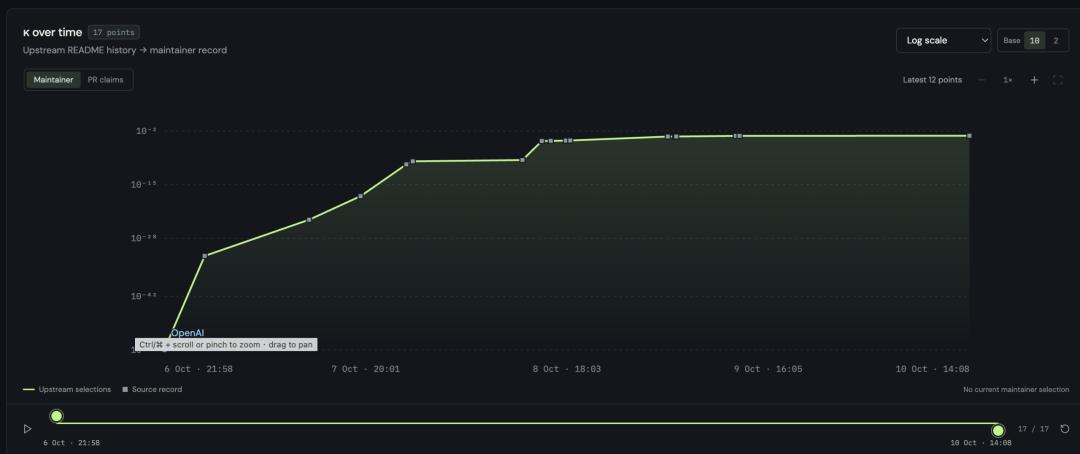
In just 24 hours, they raised the core parameter k of OpenAI's 109th math problem (integer multiplication lower bound) from 2^−182 all the way to 0.00129!
This is equivalent to an exponential breakthrough of hundreds of millions of times!
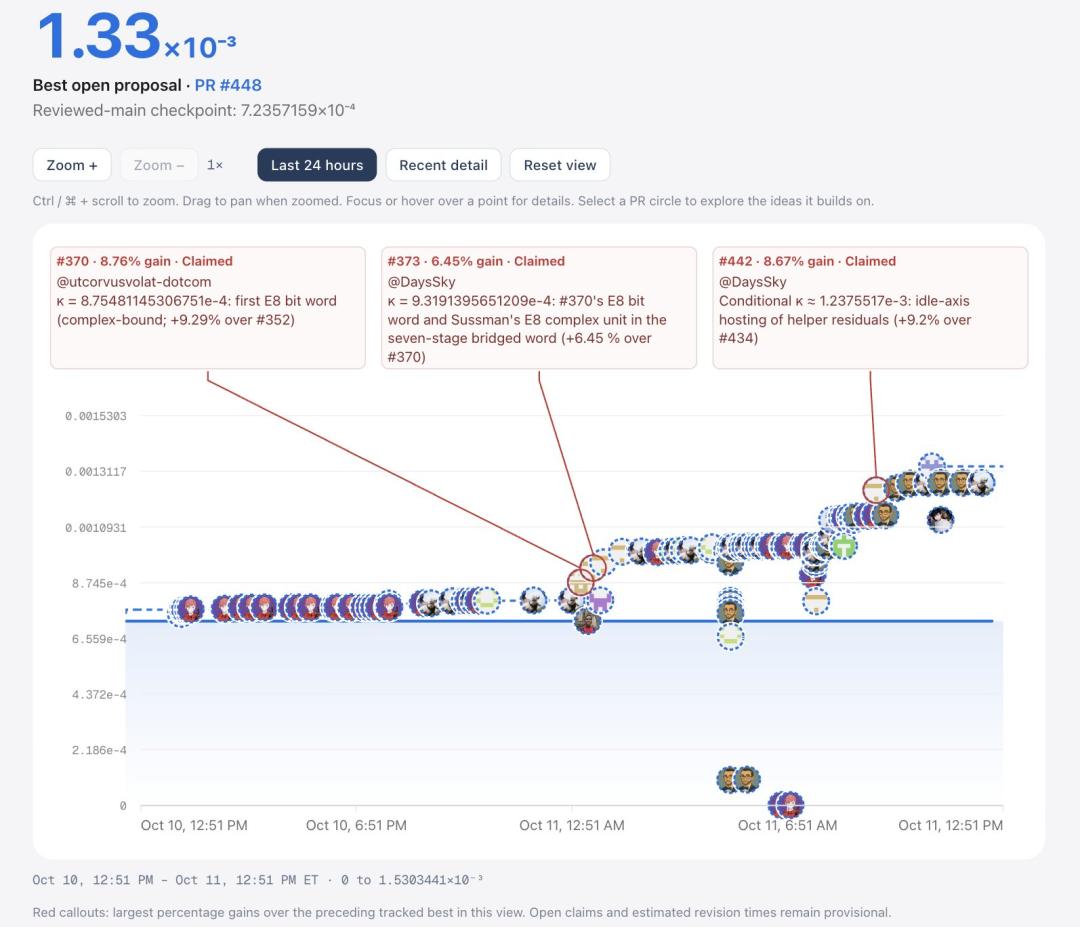
Within one day, 151 PRs flooded in, with more than 260 million lines of new code added. The speed of code optimization even once exceeded the running speed of the verifier!
It can be said that this is a vigorous "decentralized independent research" revolution.
The Desperately Difficult OpenAI Problem #109
Not long ago, OpenAI released a series of math challenge problems known as the "OpenAI Math Drop".
They involve the quasi-Riemann hypothesis, the limits of matrix multiplication, the graph coloring problem (Hadwiger conjecture), and Hilbert's tenth problem, almost all of which can shake the foundation of computer science and modern mathematics.
Among them, Problem 109, about the conditional lower bound of integer multiplication, is widely recognized as an insurmountable mountain.
In computer science, how to minimize the computational complexity when multiplying two astronomical numbers is one of the "Holy Grails" in the algorithm field.
Its time complexity formula is usually expressed as

.
The
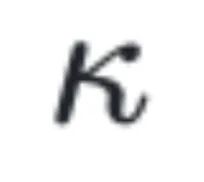
(kappa) represents the "exponential saving rate" of the algorithm.
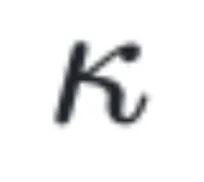
The larger its value, the higher the efficiency of the algorithm when processing extremely large numbers.
However, in the initial OpenAI benchmark test, this
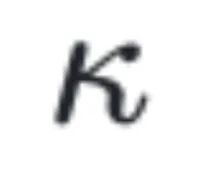
value was incredibly small: 2^ -182.
This is an extremely abnormal number. It is so small that it has almost no practical meaning, like a "Wall of Sighs" mocking the limits of human intelligence.
Senior researcher Doug Colkitt was the first to take on this challenge.
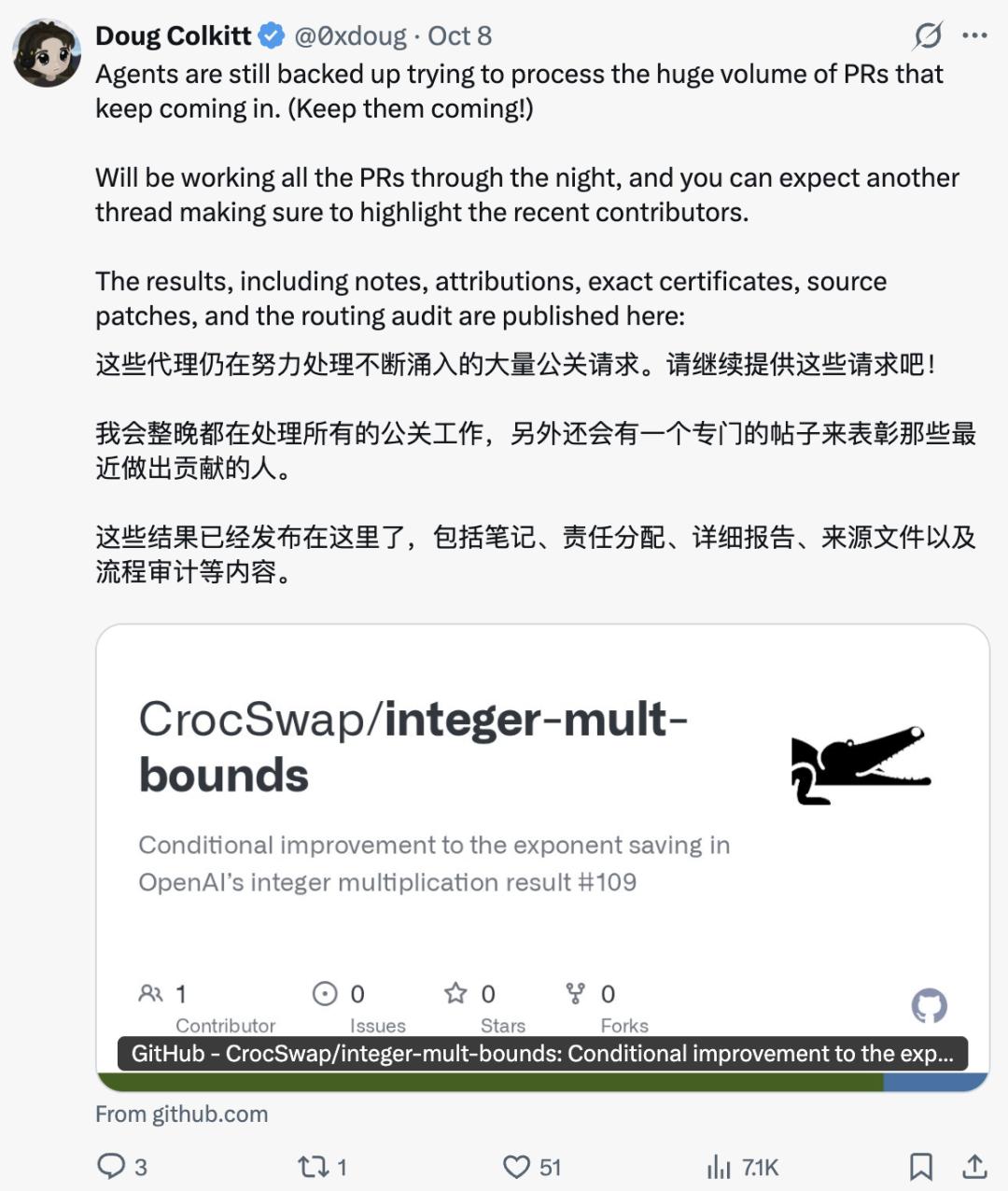
Like a lone climber, he chiseled out footholds little by little in codes and mathematical formulas, moving from 2^ -182 to 2^ -108, and then to 2^ −78.
On the night of October 7, he successfully reduced the layout routing swap from
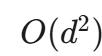
to O(d) by using "non-adjacent axis swap", pushing the
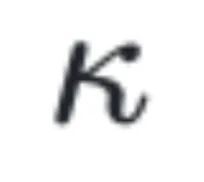
to 2^ −78.
In the early morning of October 8, he raised the
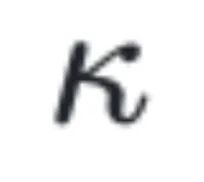
to 2^ -34.
Exhausted, Doug submitted his code and went to sleep.
He wrote on Twitter: "I'm going to bed. Sorry to report that I only made a little incremental progress here..."
But he never imagined that when he woke up the next day, the situation had completely changed.
24 Hours of Exponential Speed! The AI Swarm Takes Full Control of the Battlefield
His pioneering work has awakened the most fanatical open source community and the swarm of AI agents.
Doug went to sleep, but AI never sleeps.
When Doug Colkitt woke up, he found his GitHub notifications were completely flooded.
Within a few hours, the GitHub repository named CrocSwap/integer-mult-bounds suddenly saw a massive surge in traffic.
Researchers including Rohan Arun keenly noticed the potential of this project and directly opened the "Pandora's box" — they released dozens of AI agents driven by Codex and Claude.
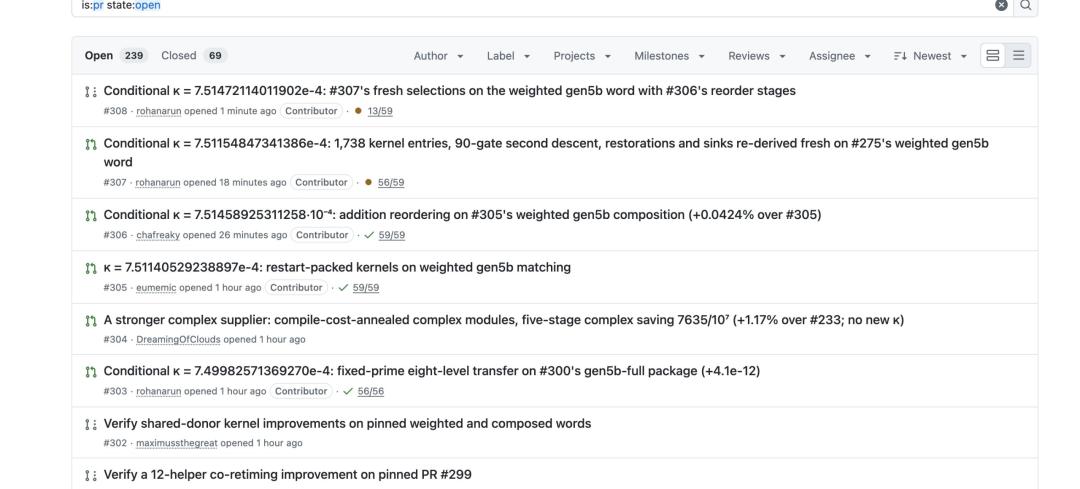
Relying on automated research platforms like GetSupers, these AI agents are given clear goals: read the latest papers and codes, find optimization space, write code automatically, and run the verifier automatically.
Submit a PR if it succeeds, start over if it fails — the "decentralized swarm" of humans + AI has awakened.
In the early hours of the morning, developer Dugongue submitted the first god-tier PR that broke the
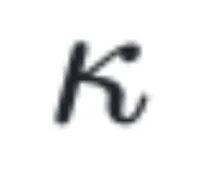
through 10^−3.
At 11:30 at night, Doug verified and merged the PR submitted by Rohan Arun, pushing the progress all the way to

! Doug wrote excitedly: "This is a true community effort!"
With the influx of a large number of contributors, the speed of code generation and optimization even began to exceed the verification speed! Rohan Arun excitedly recorded the constantly refreshed numbers.
A geek with the ID Dugongue submitted the first PR that broke through

in the early morning, directly pushing the
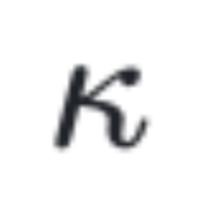
value to an astonishing 0.00129!
At its peak, a new solution was submitted to the repository every minute.
Rohan Arun exclaimed on X: "It's so cool! In the end, the speed of code optimization even exceeded the speed at which we ran the verifier!"
In just one day, 151 PRs flooded into this repository. AI generated more than 260 million lines of test and optimization code.
Fated Duel — The Contest Between Codex and Claude
Rohan Arun, who has been firmly ranked first on this contribution leaderboard, shared the amazing phenomenon they discovered when running dozens of agents in parallel.
Among these 151 PRs, the data reveals an interesting phenomenon: 89 are marked as using Codex, and 48 are marked as using Claude.
Rohan Arun observed a stunning difference.
Codex Astra high is a ruthless "speed maniac".
In terms of rapid iteration and physical cost optimization, Codex has shown dominant strength. It is extremely good at fast code combination and brute force cracking within the existing logical framework.
Claude can hardly keep up with Codex's rhythm in terms of speed and volume accumulation.
Claude Opus 5.5 is an elegant "master of structure".
Although slightly inferior in speed, Claude Opus 5.5 has contributed the most leading breakthrough on the current leaderboard.
When the optimization of the entire swarm falls into stagnation, it is often Claude that can jump out of the original logic and assist humans to produce "structural leaps".

More interestingly, this community has evolved a "dark forest" ecosystem. To compete for the first place, contributors began to adopt weak adversarial strategies.
Some "Human + Agent" teams focus on digging deep into specific fields; others, like actuaries, keep repeating optimization patterns.
This competitive decentralized independent research is even faster than the "closed-door Swarm" inside OpenAI!
Dimensionality Reduction Strike — The Final Kill of E8 Geometry and "Human Intuition"
But that's still not enough. What really reversed the overall situation was human intuition.
As the κ value approaches 0.001, the marginal benefit of pure code optimization begins to decrease, and the swarm falls into the quagmire of "local optimum". Human intuition has become the only hope.
The huge difficulty of integer multiplication optimization lies in how to strike a balance between the "bit side" and the "complex number side".
At this time, human researcher Jacob Sussman was like a godsend. He creatively introduced a high-dimensional mathematical concept: E8 lattice geometry.
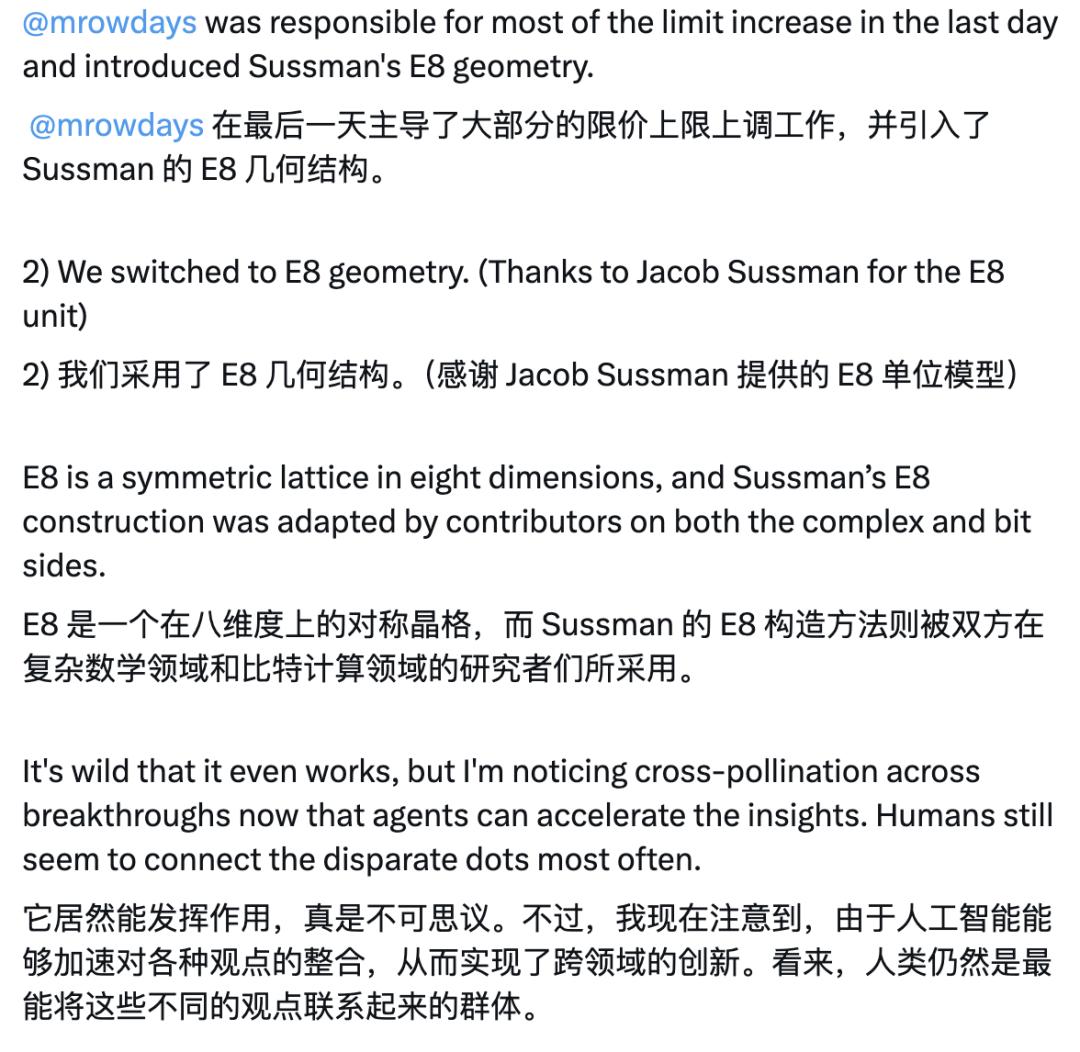
The E8 lattice is the densest way of sphere packing in 8-dimensional space. Jacob proposed to reconstruct the "paired cube transformation" of the original input from the perspective of E8 geometry.
