Jensen Huang's face is swapped onto the dance king, and platforms are "purchasing faces": Who is making a living by "faces" in the AI era?
The era of making a living by "face" may have truly arrived.
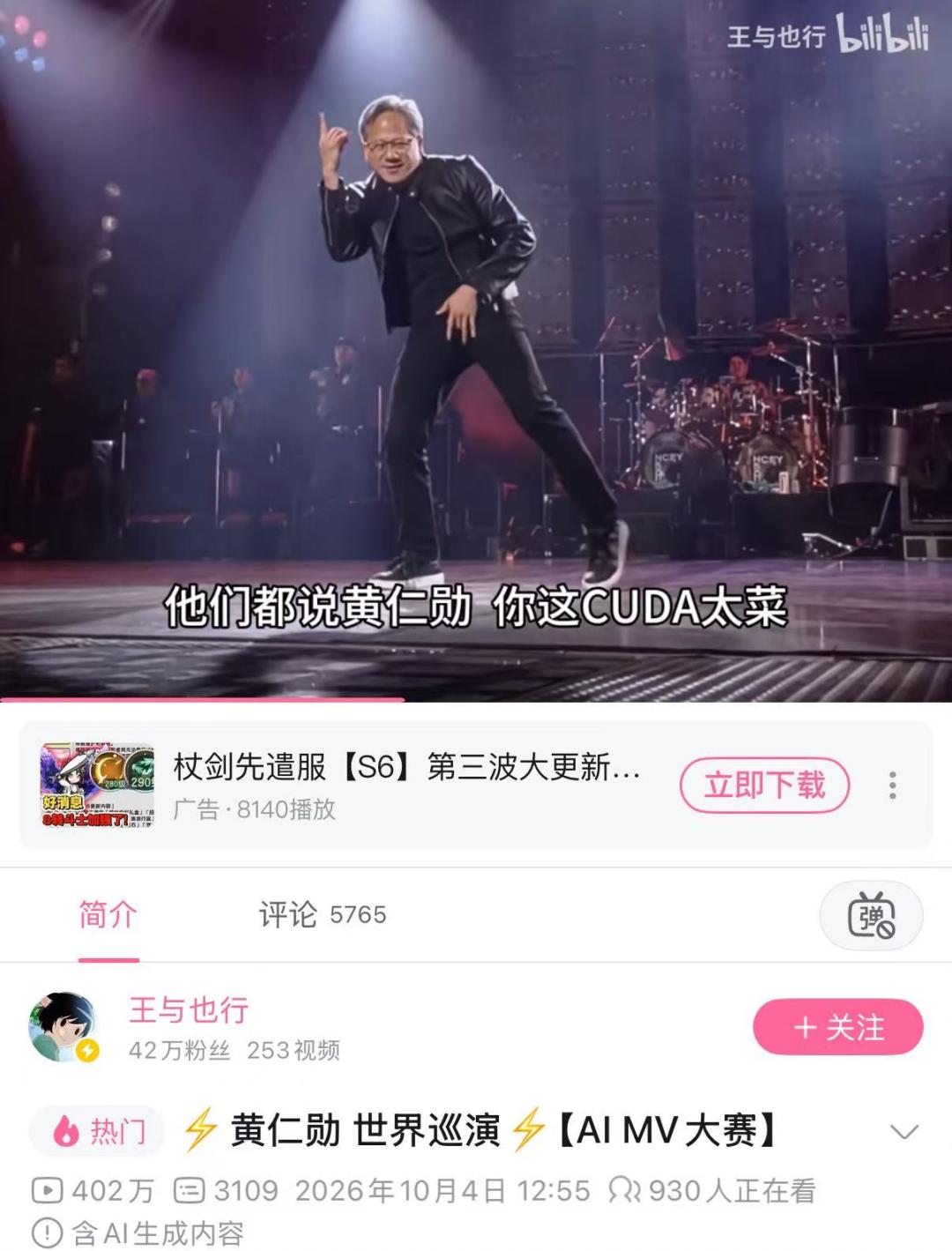
On October 4, a 1-minute-26-second video on Bilibili stunned both the tech and entertainment circles. The UP owner used AI creation to "face-swap" Michael Jackson's classic stage performance with Jensen Huang, founder of NVIDIA. In the video, Jensen Huang incarnates as the "King of Dance" and adapted the lyrics to include terms like CUDA, computing power and chip orders. The "audience seats" under the stage were also generated by AI with many tech giants, filling the seats with Tim Cook, Lisa Su, Sam Altman, and Elon Musk sitting among them. Later, Elon Musk himself reposted and commented on X that "this is why memory prices are so expensive", triggering a new round of heated discussions.
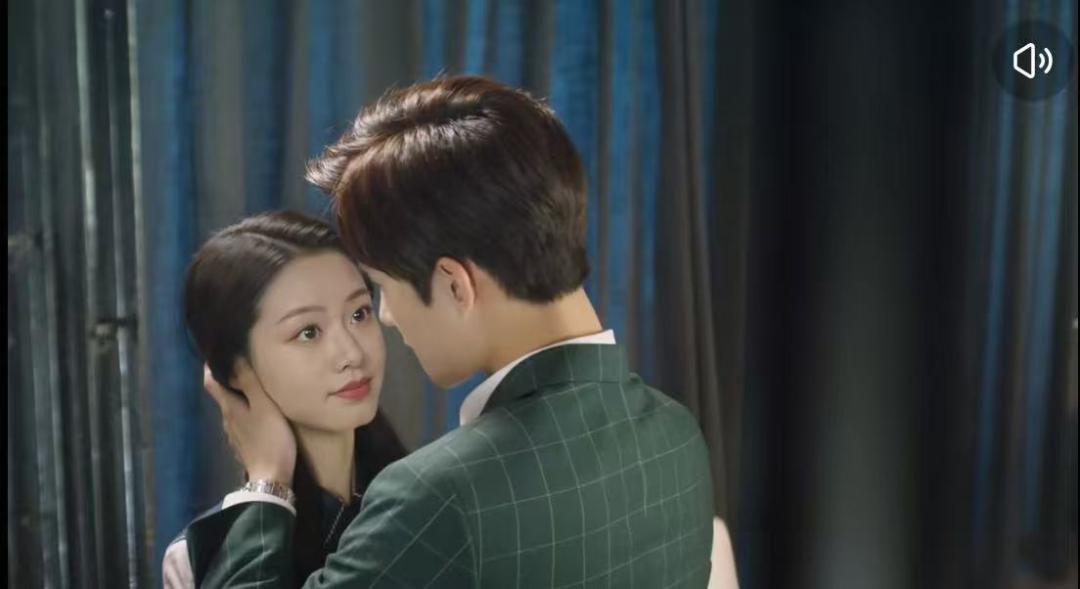
Apart from the spontaneous entertainment of netizens that fuels the spread of related content, AI face swapping has actually started to do "serious business". Five years after its debut, the drama *Love O2O* was re-launched on Youku under the new name *A Smile Is Beautiful* on September 24. The face of the female lead "Bei Weiwei" was replaced by AI with the face of actress Wang Zhuyue, while the role of Xiao Nai played by Yang Yang was fully retained. The platform also re-launched it completely in accordance with the broadcast scheduling standards for new dramas.
After the drama went online, related topics such as #A Smile Is Beautiful AI Face Swap# and #It Looks Like Xiao Nai Is Cheating# quickly sparked discussions. Facing this unprecedented rebroadcast method, it is difficult for the audience not to find a large number of flaws. Whether it is the sense of disconnection between the old and new faces, the on-screen couple chemistry, or the AI presentation effect, for an old drama from ten years ago, face swapping itself has become a more discussed point than the re-launch.
Similarly, dramas waiting for release are also "saving themselves" through AI face swapping. On September 16, the drama *The Night Traveler* that had been shelved for many years obtained its distribution license. Public reports show that the production team adopted a combination of green screen reshooting and AI face swapping: Fu Xinbo reshot part of the performances, which were then composited with the original footage. This is a self-rescue approach of taking the "remake route" through AI technology.
Whether it is reviving long-shelved old dramas by swapping actors' faces, or saving unreleased dramas by swapping faces, the changes brought by AI face swapping to the industry go far beyond rescuing dramas. Joey Wong has authorized her portrait from her younger days to a game, Lawrence Ng gave his own video materials to AI modeling, and Qi Wei let her own digital avatar enter an AI manhua drama. Celebrities are actively handing over their faces to AI.
On the other side of the platform, there are producers of AI short dramas, advertisements and games that are constantly looking for real human faces. Starting from this year, ordinary people's looks seem to be able to "make a living" too. More and more AI portrait authorization platforms have emerged: ordinary people can upload photos, complete authentication, sign authorization agreements, and become so-called "digital actors".
A set of data previously disclosed by the Xinzhua platform was widely reported by the media: a bank clerk with good appearance had his portrait bought by advertising companies 7 times in just 3 days after uploading it. The single authorization fee was 500 yuan, and he got nearly 2500 yuan after deducting the platform commission. Only two months after the platform went online, nearly 70 transactions had been completed, with a total transaction volume of about 40,000 yuan.
Side hustles related to AI are not that easy to do, but obviously some people have already started taking orders for "selling face".
Why are celebrities starting to "show their faces" one after another?
Making a living by "face" to film dramas has a different new form in the AI era.
In July this year, Joey Wong authorized her portrait from her younger days to NetEase's game *Tianxia*, and the AI short film *Shadow of Qian* reproduced classic roles such as Nie Xiaoqian and Bai Suzhen. This celebrity-authorized AI short film rarely received overwhelmingly positive reviews, and the short film has nearly 3 million views on the official game account of Bilibili.
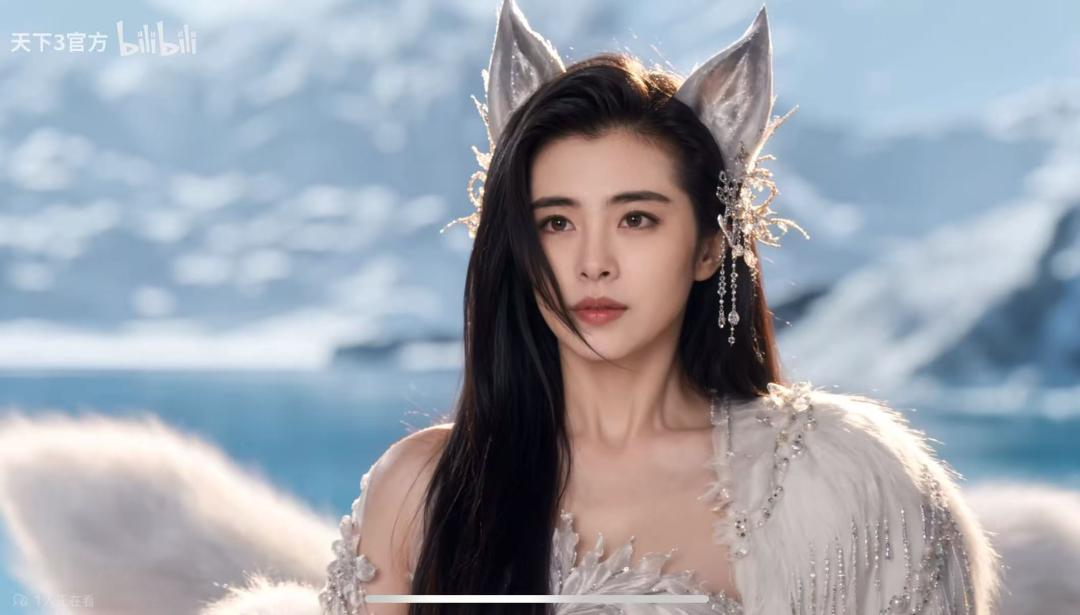
Interestingly, two months after the short film was released, Joey Wong in the current timeline appeared in front of the camera again. On September 23, Joey Wong in the current timeline "returned" to the public view, which was her first official video interview after many years. She personally responded to the long-rumored reasons for her retirement from acting, faced the camera again, talked about her works such as *A Chinese Ghost Story* in those years, talked about the moxibustion parlor "Juejue" she runs now, talked about her Dharma name "Xingjue" from her past practice, and talked about a little dog named "Zhiwu" she adopted a few years ago, who is a vegetarian just like her.
62-year-old Lawrence Ng authorized his 20-year-old portrait to an AI film. The production team used the video materials from his early works *Hail the Judge* and *The Healing Hands* for modeling, allowing him to play the male lead again with his young face.
What Joey Wong and Lawrence Ng authorized are the classic images that remain in the audience's memory. Earlier in 2025, You Benchang, who was too old to handle high-intensity shooting, authorized his portrait and voice to the AI micro drama *Ji Gong: The Fake Dragon Subduing Arhat*.
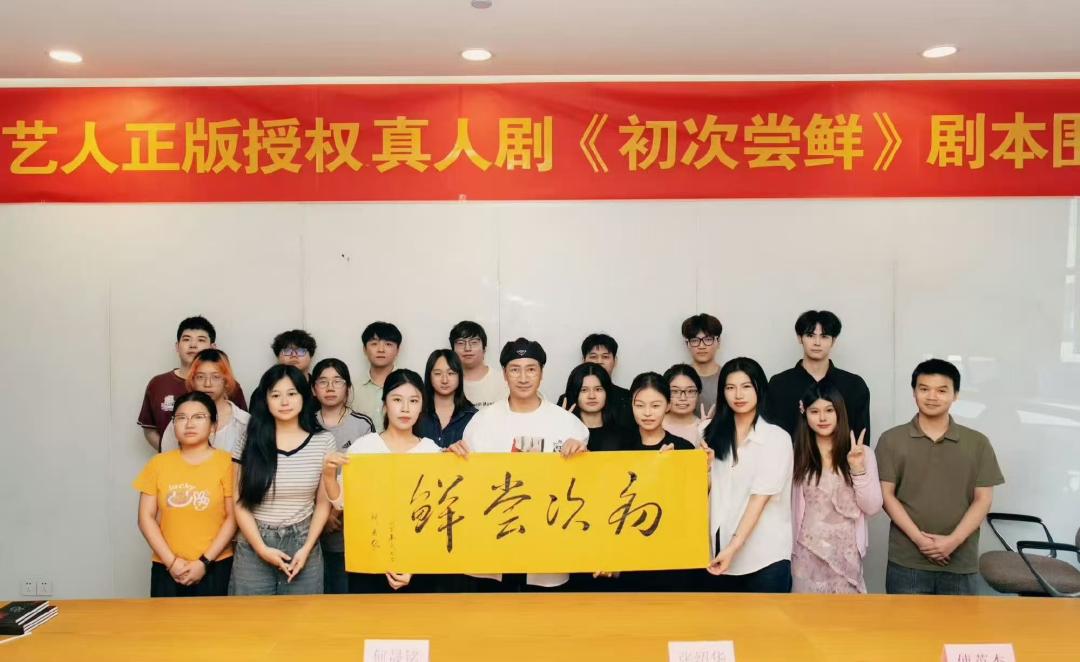
There are also artists who fulfill their "protagonist dream" through AI face swapping. In September 2026, He Shengming became the first mainland Chinese actor to authorize his facial image to an AI drama. The male lead he plays in the drama is a "never been in a relationship" overbearing president, and the clips include large-scale intimate scenes such as wall pinning, sofa pulling, and leaning in for a passionate kiss. He Shengming once said frankly in a live broadcast that his mentality is only 28 years old, but his physical age is already 50. Playing the role of a father or uncle at the age of 50 is a humiliation, which voices the inner thoughts of some actors who are physically unable to keep up with the work pace. It can be said that AI face swapping has given him a chance to be the male lead.
Some artists have chosen another path, creating a new digital avatar. In August, Qi Wei launched her official digital avatar "Han Qingxia", allowing her digital image to enter the AI manhua drama *Doomsday Summer*. Qi Wei also responded that this is a portrait authorization for a specific project, not opening her own face to everyone. But this authorization also had a small episode: a camera movement in the promotional video that shot from a low angle under the skirt and deliberately paused at the skirt hem was questioned by netizens as a peeping angle. Qi Wei responded later that "we humbly accept the criticism, we need to optimize the prompt".
Behind the different logics of "showing face", celebrities' faces are being frequently used as digital assets. In contrast to celebrities actively authorizing their own faces, practitioners are being forced to defend their own voices.
On August 10, 2026, well-known voice actor Sanshi reposted an AI video from Tmall's official account. In the video, the male lead "Duan Yan" of the AI short drama *Give You Deep Affection to Invade the Rest of Life* appeared in the advertisement as Tmall's Qixi Festival "ideal AI best friend", playing a delivery man who fell down on a rainy night but still protected the gift box. Earlier, his pinned Weibo post named multiple AI manhua dramas on Hongguo and Douyin such as *Give You Deep Affection to Invade the Rest of Life* and *Late Encounter with Qinghuan*, which had used AI to digitize his voice without permission, causing serious confusion. Sanshi has entrusted a lawyer to preserve evidence and filed a lawsuit.
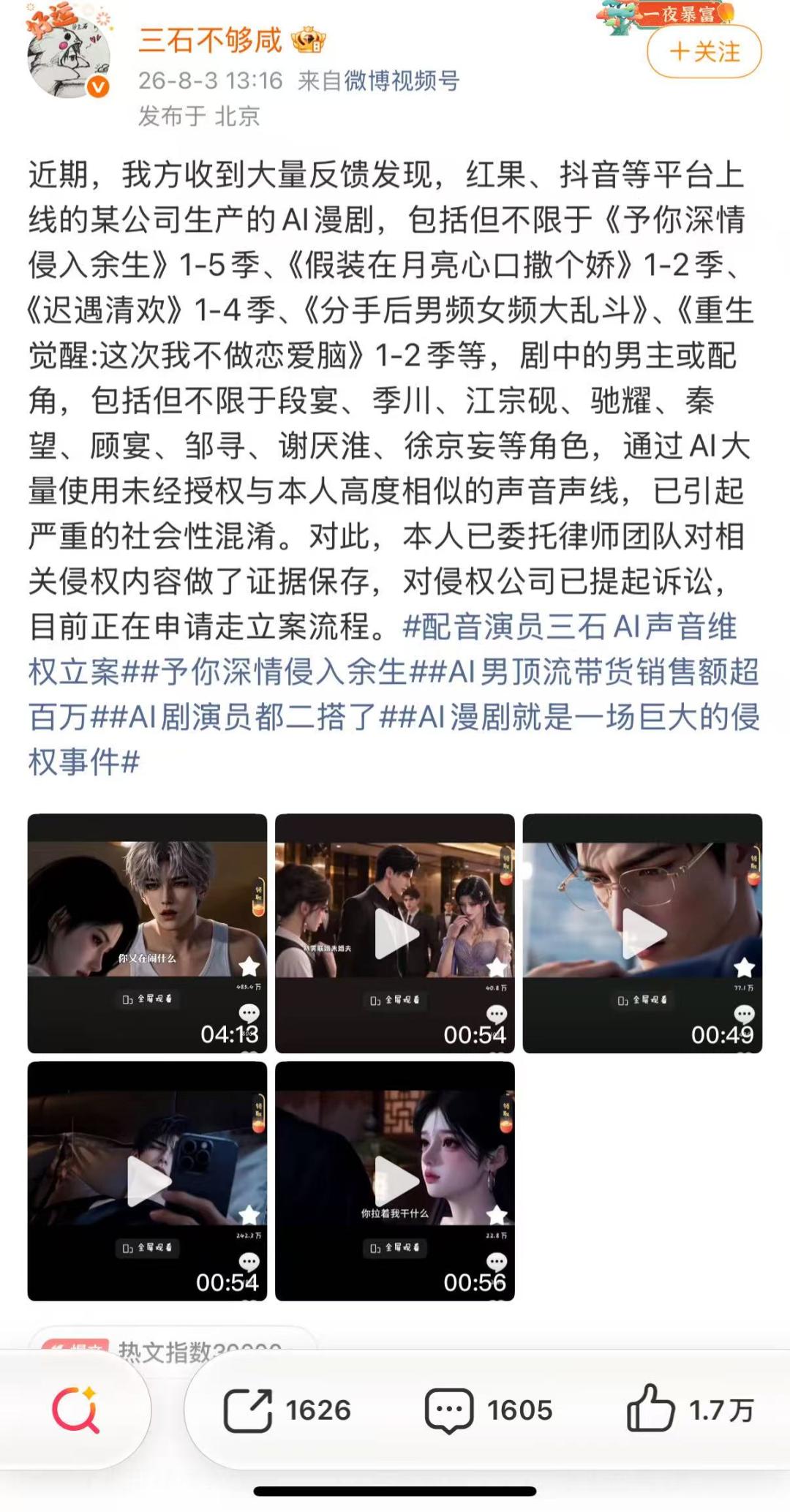
Sanshi's question is very direct: "I am Sanshi, the voice actor. I have never recorded this advertisement. This advertisement used an AI voice highly similar to my own voice without my permission. Please contact me immediately to solve this problem.
The former is a new path for commercial realization, while the latter exposes the rude erosion of AI technology on the rights and interests of content creators in fields where "authorization" has not yet become an industry convention.
It is better to "buy face" than to draw random generated characters?
In the past, the scarcest resources of AI were computing power, models and prompts; now another scarce resource has emerged on the content side: real human faces.
In April this year, iQiyi also announced at its World Conference that more than 100 in-depth cooperating artists had agreed to join the Nado Pro artist library. At the same time, it emphasized that joining only means that the artists are willing to get in touch with AI film and television projects, and specific participation in which project and which role still requires separate negotiation and authorization. At that time, netizens had fierce attitudes, a large number of celebrity artists subsequently issued statements of non-authorization, and the topic #iQiyi is Crazy# airborne to the top of the hot search list.
The Jimeng App and Doubao App under ByteDance have launched their own in-vivo authentication mechanism: users need to complete real-person verification through recording and video recording before they can generate a digital avatar of their own image for AI video appearance. Platforms such as Jimeng Web and Little Skylark clearly do not support real human face reference input. This mechanism is a restrictive measure urgently launched in February this year after Seedance 2.0 triggered privacy disputes due to "too strong sense of reality".
Outside the authorization system on the platform side, a more sinking market is taking shape. At present, platforms such as Xinzhua, ActID, Mirafans and Yuanxiang Xinsheng have emerged in the market, which are "AI face trading markets" for ordinary people. The gameplay of these platforms is similar: users upload their personal portraits, complete real-name authentication, select the authorization scope, and become "digital actors" on the platform.
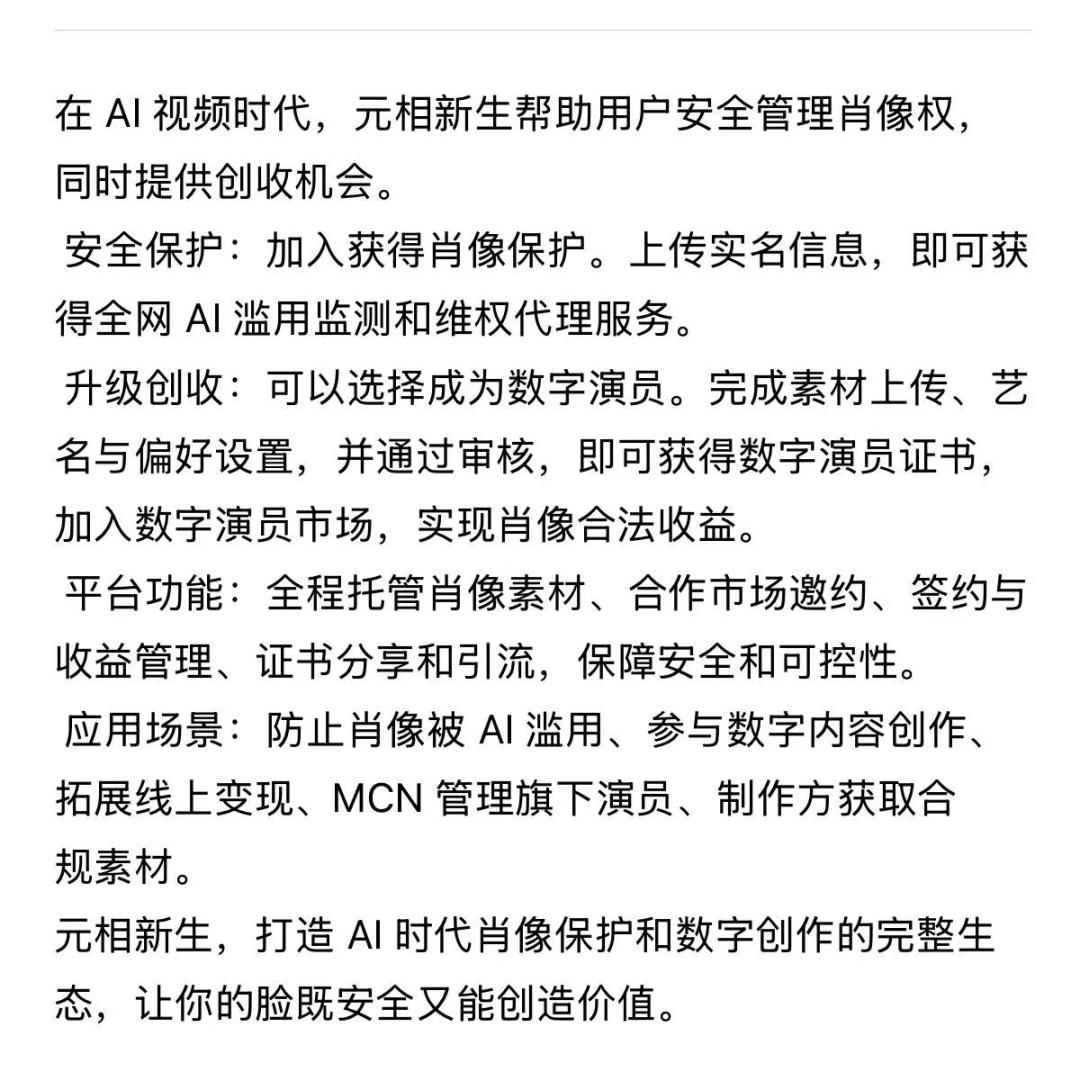
Entertainment Unicorn retrieved and found that multiple products including Yuanxiang Xinsheng have been launched on the App Store. In such products, registered users can choose to only join the portrait protection, or settle in to become actors and enjoy project sharing. To get the overbearing president character in Xianxia dramas, you only need to upload your own portrait and agree to the authorization.
Entertainment Unicorn noticed that on the official website of Xinzhua, there are a total of 511 available and purchasable AI portrait materials (as of September 30), the ratio of male to female is close to 1:1, the age groups are divided into youth, middle age and old age, and the basic price of the materials ranges from 500 yuan to 6000 yuan. Click into the personal page, the "face attributes" such as basic attributes, objective facial features, temperament and persona keywords, and multi-track adaptation search terms are clearly listed. In addition, the work requires secondary confirmation from the authorizer, and the type of works that the face owner can accept will also be indicated.
The results of searching for female materials by price show that the material with the highest basic price is a set of elderly images, whose 2-year authorization price for film, television, advertisements and TVC is 5000 yuan, and the permanent authorization price for a single TV drama is 8000 yuan.
The *2026 H1 AI Drama and Manhua Drama Data Report* released by DataEye shows that 221,900 new AI dramas and manhua dramas were added in the first half of 2026, but only about 1.3% of the new dramas reached the 50 million views break-even reference line adopted by the report, and 98.7% did not cross this line.
The reason why the platform dares to set such prices is essentially that the hidden cost of randomly generating faces is higher than buying faces. Characters generated by AI are easy to have overlapping faces, and repeated "random generation" will significantly increase the total cost. But the real cost is not only in computing power. A practitioner's response to "why not generate faces randomly" is very direct: "random generation is more likely to cause infringement". AI-generated faces may be complained at any time due to face overlapping. Once the work is taken down due to rights protection, the pre-invested promotion fees will be wasted immediately.
However, the business of buying faces is far from being "safe" at present. On September 7, 2026, the Supreme People's Court issued the *Opinions on Hearing Artificial Intelligence-related Dispute Cases in Accordance with the Law*, which clearly states that using AI to process natural person portraits without consent to generate identifiable virtual digital images of the natural person and using or disclosing them constitutes infringement of personality rights such as portrait rights. At the same time, the supervision is also extending to the platform side. The price of a face can be calculated clearly, but the value of a face depends on when the rules can be fully established.
This article is from the WeChat official account "Entertainment Unicorn" (ID: yuledujiaoshou), author: Akagi Bottle, editor: Mia, published with authorization from 36Kr.