The world's first new drug has started to be rolled out in batches from Nanjing.
Where is the world's first-in-class drug usually born?
The answer over the past decades is: universities near Boston, Basel in Switzerland, and biotech enterprises in the San Francisco Bay Area.
China's innovative drug industry has developed for 20 years, and people are more accustomed to linking this concept with first-tier cities such as Beijing, Shanghai and Guangzhou.
But from 2025 to 2026, changes have taken place.
Nanjing Jiangbei New Area, a place that used to be disliked by local Nanjing residents with the saying "would rather have a bed in Jiangnan than an apartment in Jiangbei", has suddenly begun to launch a large number of "world's first-in-class" products intensively.
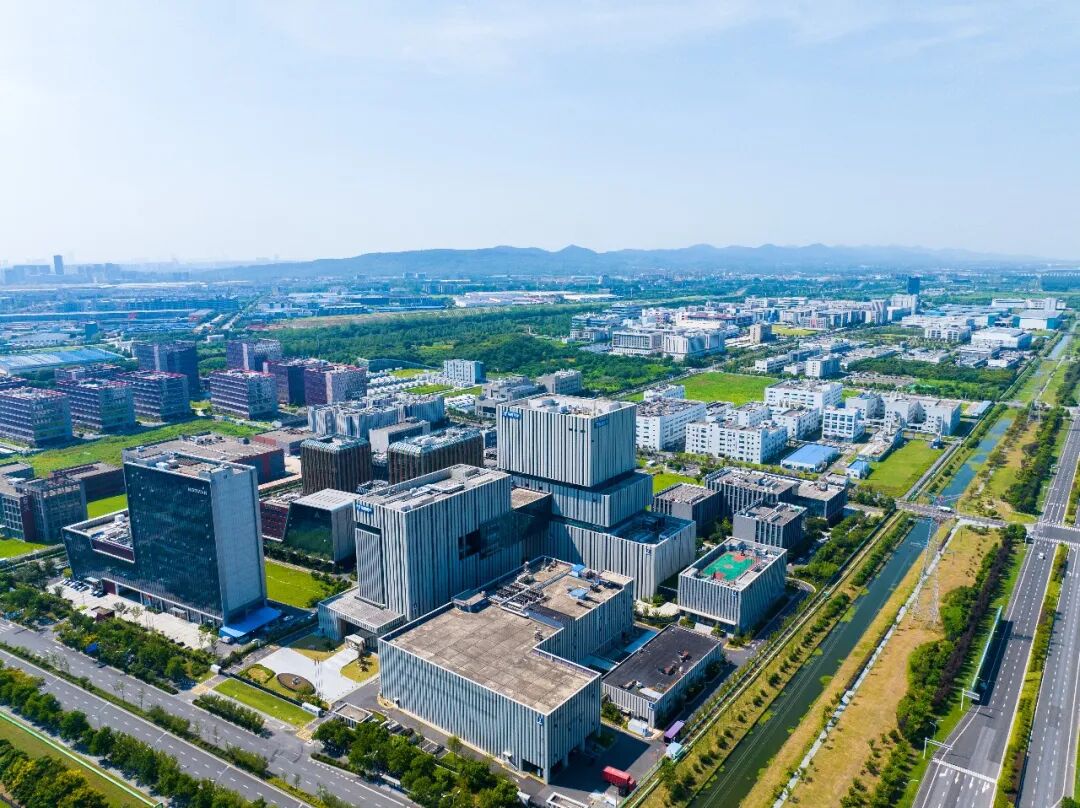
Nanjing Jiangbei New Area
The PD-L1/4-1BB bispecific antibody from Leads Biolabs is the first drug of the same mechanism in the world to enter the priority review process in China;
The "SeqOne" from GenePlus is a tumor NGS large panel with full certifications from China, the US and Europe, and it is the only product of its kind in China;
The senaparib from InventisBio is China's domestic synthetic lethal PARP inhibitor. It is hailed as the "first synthetic lethal stock" on the Hong Kong Stock Exchange, and Tencent and Lilly Asia competed to become its investors.
Simcere's Envafolimab was approved, becoming the first domestic targeted drug for the full population of platinum-resistant ovarian cancer;
Vicor's Vimoltinib and Pharmajet's Jienzentinib were approved one after another, one targeting NTRK fusion solid tumors, and the other targeting FGFR2 fusion/rearrangement cholangiocarcinoma after progression on previous FGFR inhibitor treatment;
In the innovative drug industry that attaches extreme importance to "originality", we find that Nanjing is squeezing into the front ranks of global new drug R&D.
Why Nanjing? The story dates back more than ten years ago.
Low starting point for development, strong drive for reform
The natural moat Yangtze River splits Nanjing into two parts. The Jiangnan area, which has the Confucius Temple, Xinjiekou and Drum Tower Hospital, has been a prosperous place since ancient times. In addition, top universities including Nanjing University, Southeast University, Nanjing Medical University and China Pharmaceutical University are all located in Jiangnan.
For a long time in the past, Jiangbei was synonymous with farmland, docks, chemical plants and "the area across the river from Xiaguan".
Old Nanjing residents had to take ferries or detour across the bridge to cross the Yangtze River. In case of heavy fog or heavy snow, a river could block their way for a whole day.
The biomedical industry is most afraid of this "sense of being separated across the river".
The whole chain of a new drug from target discovery, animal experiment, process development, clinical trial, registration to mass production is extremely long. If R&D is carried out in Jiangbei, clinical trials in Jiangnan, review in Beijing, and raw materials are imported from overseas, any blockage in commuting or approval will bring costs calculated by quarters.
Low starting point, weak supporting facilities and physical barrier across the river are inherent disadvantages for Nanjing Jiangbei New Area to develop the pharmaceutical industry, or any other industry.
But throughout history, any "low ebb" of development is often a "highland" for reform. This is true from Xianyang in the Warring States Period to today's Shenzhen.
The Pharma Valley of Nanjing Jiangbei New Area started around 2011. At the beginning, the surrounding area was almost all wasteland, with prefab houses as offices, less than 30 enterprises in the whole park, and an annual output value of less than 1 billion yuan. The only well-known large enterprise at that time was Luye Pharma.
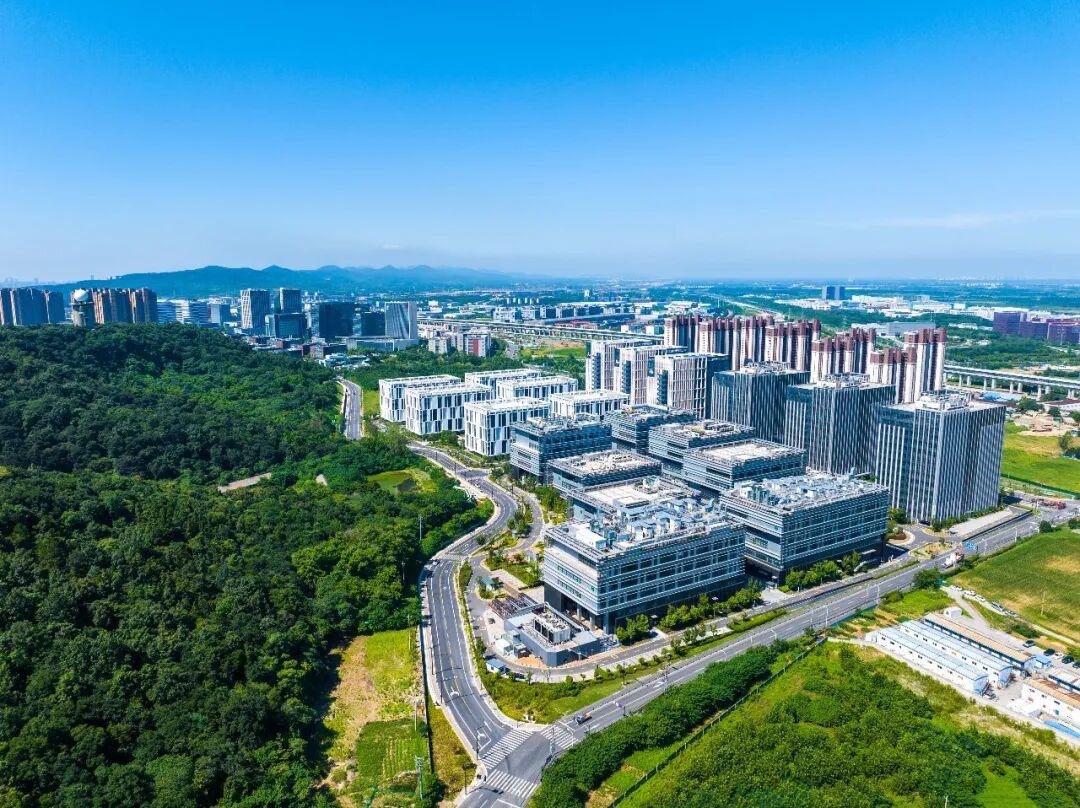
Nanjing Jiangbei Biomedical Valley
At this stage, if the park directly targeted original new drug projects, it had neither clinical resources nor platform reputation, and top R&D teams would not come.
Under such circumstances, the Pharma Valley chose a pragmatic path, first introducing medical devices, IVD, some generic drugs and CRO supporting services.
Medical devices have short cycles and relatively fast registration, which can quickly generate tax revenue and create jobs. Diagnostic reagents and CRO services can further provide companion testing and outsourcing services for subsequent innovative drugs.
When these enterprises grow in number, relevant engineers, registrars, quality inspectors and clinical research associates will naturally gather, which initially attracts supporting talents for innovative drug R&D.
"Atmosphere" is very important. The gathering of industrial popularity precedes the popularity of innovative drugs, which is the premise for Jiangbei to undertake cutting-edge projects later.
After the popularity rose, the Pharma Valley took the second step to introduce production-oriented and industrialization projects: Simcere, Luye, Juyou, Shiyao and Yaokang successively became large-scale enterprises in the park.
Simcere focuses on the commercialization of innovative drugs, Luye focuses on long-acting preparations and imported sub-packaging, Juyou focuses on heparin raw materials and injections, Shiyao focuses on pharmaceutical molecular building blocks, and Yaokang focuses on genetically engineered mice.
These enterprises did not have much innovative drug theme at the beginning, but they solved two major problems for the park: first, the park was equipped with GMP workshops, quality systems and batch production experience; second, they provided nearby options for start-ups to carry out pilot tests and outsourcing services.
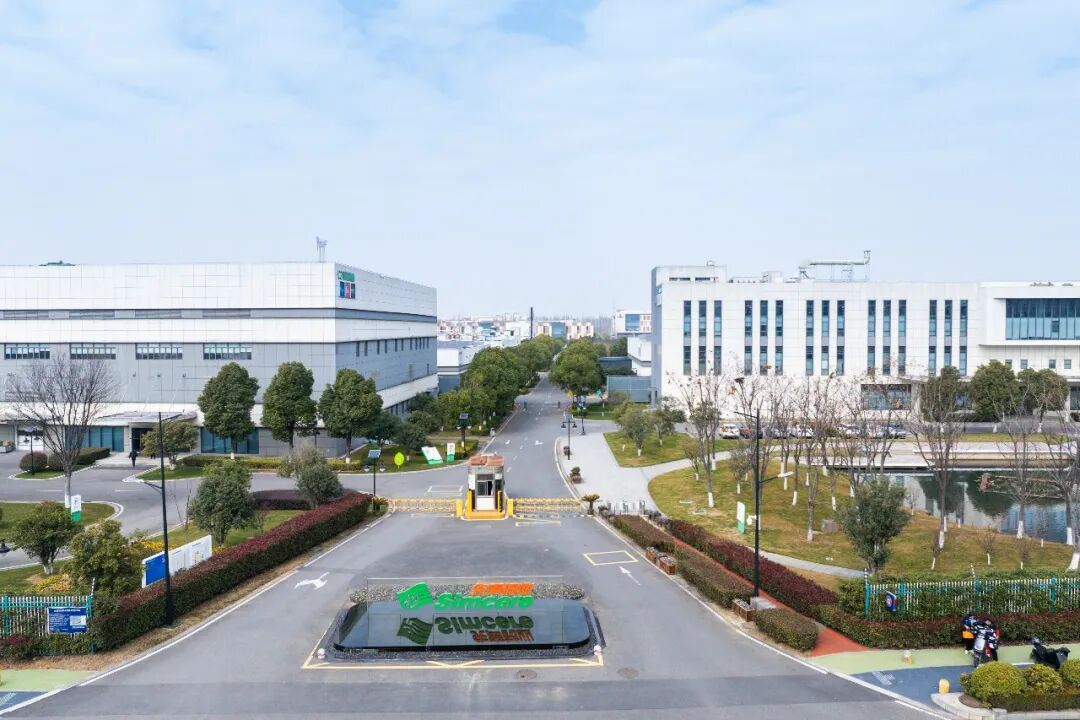
Simcere Pharmaceutical
Innovative drugs are most afraid of the situation that "small-scale test succeeds but scale-up fails". Many new molecules perform well in flasks, but once they enter the pilot test stage, there will be problems such as excessive impurities, collapsed yield and unqualified sterility.
In order to attract innovative drug enterprises to settle in Jiangbei, the Pharma Valley deployed pilot test capabilities in the park in advance: Vicor provides full-chain CRO/CDMO pilot test services for drug R&D, with 4 pilot test lines, more than 140 sets of equipment and 14,000 square meters of space, and has provided process development services for CSPC, Chia Tai Tianqing, Qilu, Hansoh and Haisco.
When Leads Biolabs needed to develop bispecific antibody processes in its early stage, the new district first helped find sites, provided equipment support, and almost exempted all rents. When IASO Biotherapeutics developed BCMA CAR-T, which has extremely high sterility requirements for cell products, the Pharma Valley provided pilot test and GMP space, so that Fosukasu (Idecabtagene Autoleucel Injection) realized the closed loop from R&D, expansion, reinfusion to commercialization.
After the popularity, production capacity, CRO services and quality system were fully laid out around 2015, the Pharma Valley of Jiangbei New Area fully shifted its focus to innovative drugs.
At that time, China's national pharmaceutical regulatory reform accelerated, and new drug R&D shifted from "priority of generic and innovative drugs" to "priority of clinical value". The national-level Jiangbei New Area was approved, which listed the new medicine and life health industry as its leading industry, put forward the "Gene City" initiative, and began to systematically invest in public platforms.
Jiangbei allocated investment to build "six centers": new drug testing, gene sequencing, mass spectrometry analysis, biological sample, precision medicine, and health medical big data, plus two functional platforms for special goods customs clearance and clinical transformation, all of which are wholly state-owned and operate on a service-fee basis.
Public materials show that the new district has invested nearly 2 billion yuan in public platforms in total. The gene sequencing center is equipped with a large number of instruments such as Novaseq and PacBio, with an annual sequencing capacity of hundreds of thousands of person-times.
When GenePlus first settled in Jiangbei, it could not even afford sequencers. The public platform leased equipment to the enterprise, and the Pharma Valley provided a 1000-square-meter site with two years of rent exemption.
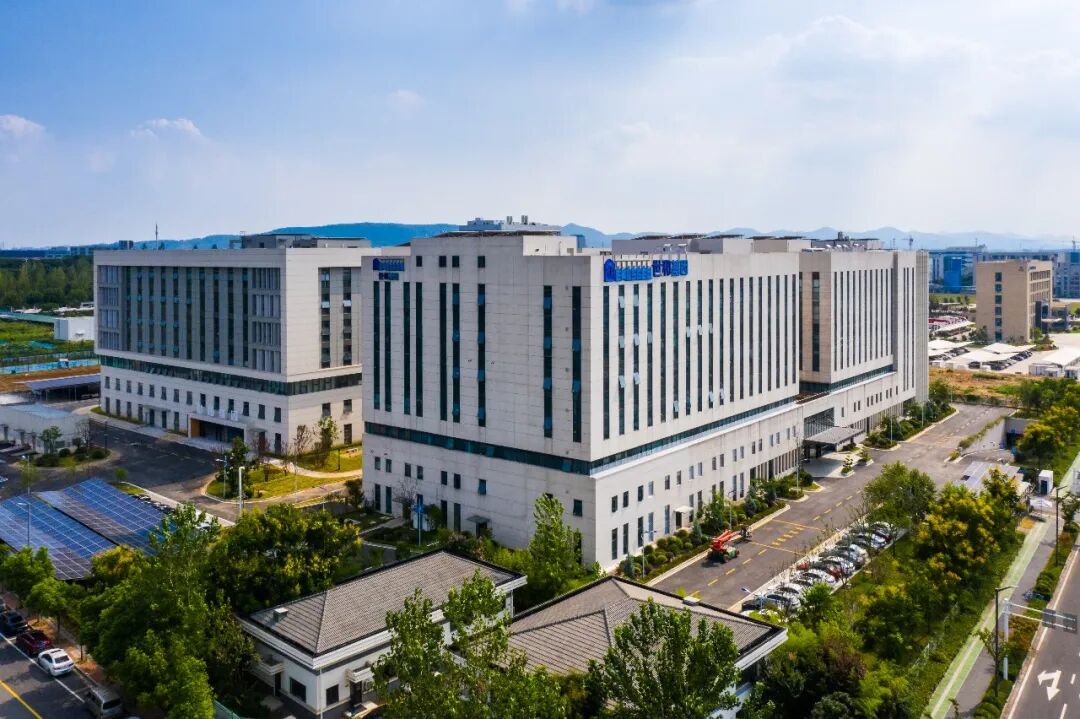
GenePlus
Shao Yang, the founder of GenePlus, mentioned later when talking about his entrepreneurial experience: when the enterprise settled down, by renting the equipment of the platform laboratory, it saved 2 million yuan of self-purchase cost and also saved the equipment debugging period.
In 2019, Jiangbei New Area launched the biomedical industry promotion policy, and further established the biomedical collaborative innovation alliance in 2024. Relevant platform companies later disclosed that mechanisms such as the Pharma Valley instrument sharing alliance, online reservation, and Yangtze River Delta innovation voucher have cumulatively reduced repeated fixed asset investment of a large number of enterprises by billions to nearly 100 billion yuan.
A low starting point is not terrible. The advantage of Jiangbei is that it has turned the "shortage of talents, equipment, clinical resources and customs clearance services" into platform capabilities one by one through reform.
Especially for the innovative drug industry, which is characterized by "1 billion yuan investment over 10 years with a failure rate of more than half", Jiangbei has the courage to invest and keep investing continuously.
University resources are reconnected
With industrial supporting facilities, empowerment from universities is also needed.
Nanjing has never lacked academic resources. China Pharmaceutical University, Nanjing University, Southeast University, Nanjing Medical University, Nanjing Tech University, Nanjing University of Information Science and Technology cover all fields including pharmaceutical chemistry, biomedical engineering, clinical medicine, public health, chips and bioinformatics.
But the problem is that ten years ago, these resources were like scattered threads: professors published papers, hospitals carried out research projects, and enterprises purchased technologies from outside, most of the achievements only stayed in the project conclusion reports.
The second turning point for Jiangbei to develop the pharmaceutical industry is to transform universities from "paper output parties" to "industrial co-construction parties".
In order to support the development of the Pharma Valley, Nanjing has gradually tilted university resources to Jiangbei.
In 2021, Nanjing University and Jiangbei New Area jointly built the Life and Health Collaborative Innovation Center and the Institute of Modern Biology of Nanjing University (Jiangbei New Area) was inaugurated. At the same time, relying on the Institute of Modern Biology, the Drum Tower Clinical Medicine Research Institute and the National Institute of Health Medical Big Data, the park carries out cutting-edge research and clinical transformation, solving the source of "new mechanism + clinical practice + data".
On August 26, 2025, Jiangbei New Area signed a comprehensive strategic cooperation agreement with Nanjing University to jointly build the Pukou Campus (Jiangbei Campus) of Nanjing University, which clearly focuses on the layout of chemical and pharmaceutical disciplines.
In May 2024, Jiangbei signed an agreement with Southeast University, and the Department of Medicine and Life Sciences of Southeast University settled in the new area. In November, the two sides further signed the achievement transformation platform of the Organ Chip Research Institute, and the Organ Chip Building was inaugurated, aiming to solve the standardization of "human-derived models, toxicology and devices".
On January 21, 2025, China Pharmaceutical University also signed a strategic cooperation agreement with Jiangbei New Area to jointly build the Jiangbei Innovation Center of China Pharmaceutical University, which is positioned as university-local government collaboration, focusing on innovative drugs and achievement transformation. The university-local government-enterprise docking meeting clarified that four colleges will move to Jiangbei.
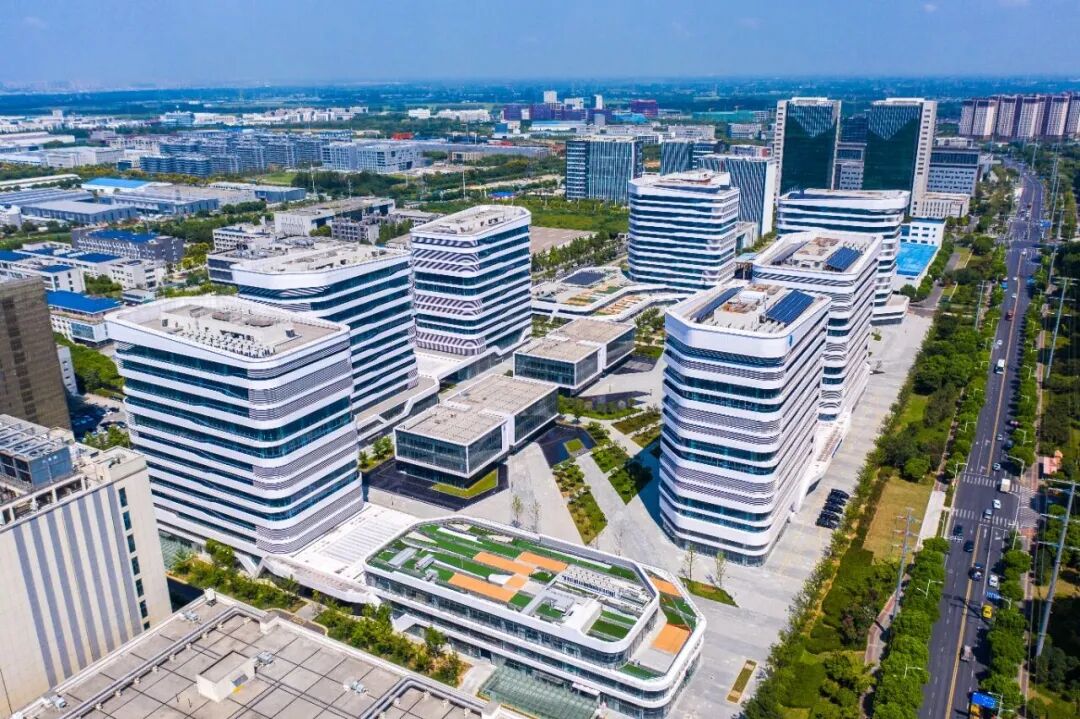
Jiangbei Innovation Center of China Pharmaceutical University
Around the Pharma Valley today, 4 double first-class universities and nearly 50,000 teachers and students have gathered.
Innovative drugs are most afraid of the situation that "it works in the laboratory, but not in the factory, and is not recognized by hospitals". In the past, Nanjing produced "high-quality papers", and now the Pharma Valley uses "university-local government cooperation" to quickly transform these papers and scientific research achievements into industrial elements.
The moment of gear shifting
After 2023, the overseas licensing transactions of domestic ADCs and bispecific antibodies emerged one after another, and multinational pharmaceutical enterprises queued up to buy China's original R&D products.
At this time, the Pharma Valley of Nanjing also ushered in the moment of fruitful results:
Simcere's Envafolimab was approved, and Zhengxiang's Jikeshufu was approved, which is a new class 1 anti-influenza drug that only needs one administration per course of treatment. Vicor's Vimoltinib and Pharmajet's Jienzentinib were approved. Pharmajet, Leads Biolabs and InventisBio successively listed on the Hong Kong Stock Exchange, and GenePlus's application for listing on the Sci-Tech Innovation Board was accepted...
The outside world sees that Nanjing's innovative drug industry has exploded, but this explosion is actually a sowing process that has lasted for more than ten years.
In 2012, several overseas returnee scholars returned to China and founded Leads Biolabs, working on a bispecific antibody that was considered too advanced at that time — PD-L1/4-1BB, numbered LBL-024.
In those years, PD-1 was very popular, and everyone was working on the same target, and no one was willing to touch such a rare mechanism. Leads Biolabs chose the most difficult bone to gnaw: extra-pulmonary neuroendocrine carcinoma.
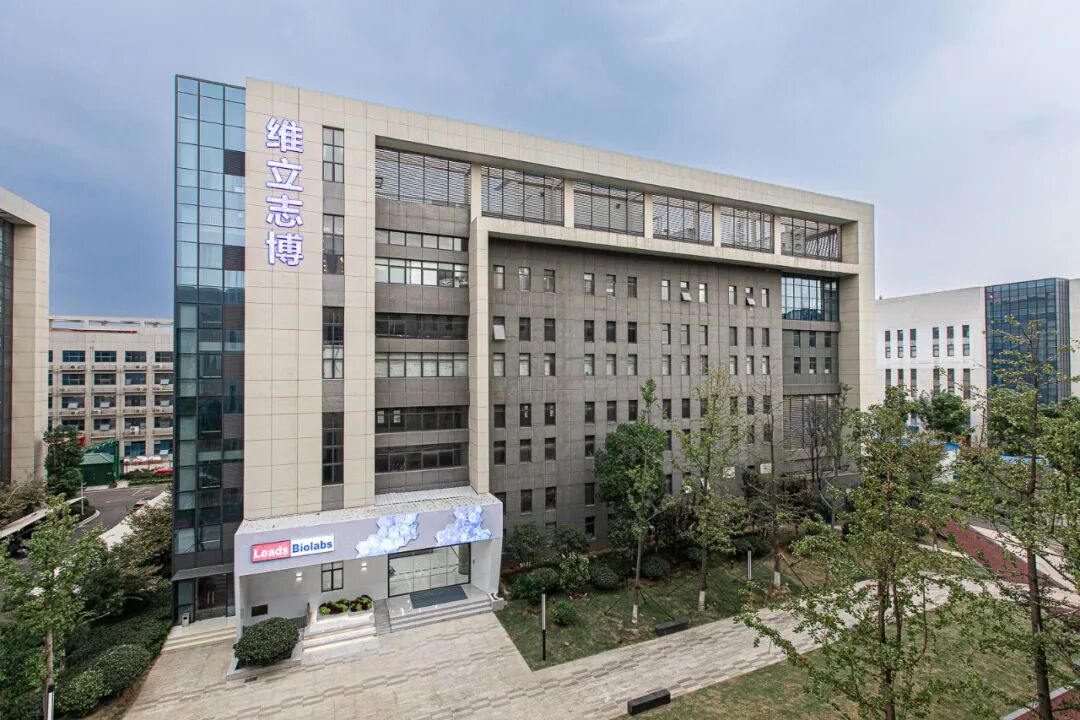
Leads Biolabs
This is a cancer type with low incidence but extremely high malignancy, and large pharmaceutical enterprises are unwilling to set up projects for it. But Jiangbei gave patient accompanying support: priority review and policy support, and was willing to reserve positions for such "niche" projects from the very beginning.
In 2013, Shao Yang, who was in his early 30s, gave up his teaching position abroad, returned to Nanjing with his wife, rented a 30-square-meter laboratory in Jiangbei, and founded GenePlus.
At the most difficult time in the early stage of entrepreneurship, he could not afford a sequencer worth millions of yuan, and it was the park that helped him maintain cash flow.
More than ten