Fresh snacks, cutthroat homogeneous competition
The booming fresh snack sector has been mired in severe homogenized competition right from its inception.
The fresh snack track is growing rapidly, with its market size expected to exceed 400 billion yuan in 2026, representing an average annual compound growth rate of over 40% in the past five years.
However, behind the rapid expansion, structural inherent flaws have been lingering since the very beginning of the sector. Different from the competition landscape of the new tea beverage and bulk snack industries, the fresh snack sector has fallen into involution right at its launch.
At present, the fresh snack sector is in a critical period of expansion, with all kinds of players busy scrambling for territory and seizing the B1 floors of major shopping malls. As brands gradually come into head-to-head confrontation, brutal cutthroat competition will soon follow.
The Two Leading Players in Changsha, With Highly Similar Operations
Changsha is the birthplace of the fresh snack sector.
In 2021, "Jinli Gate", which originally focused on chestnut chain operations, was renamed "Jinli Men", launching an entirely new snack retail format of fresh snacks. In the following years, Jinli Men continued to upgrade its store model and kicked off its national expansion process in 2026.
"Heise Jingdian", a stinky tofu brand ubiquitous on the streets of Changsha, launched "Shijiajia" back in 2019 to test the fresh snack operation model. Unfortunately, it was born at an inopportune time and ceased operations due to adverse external circumstances.
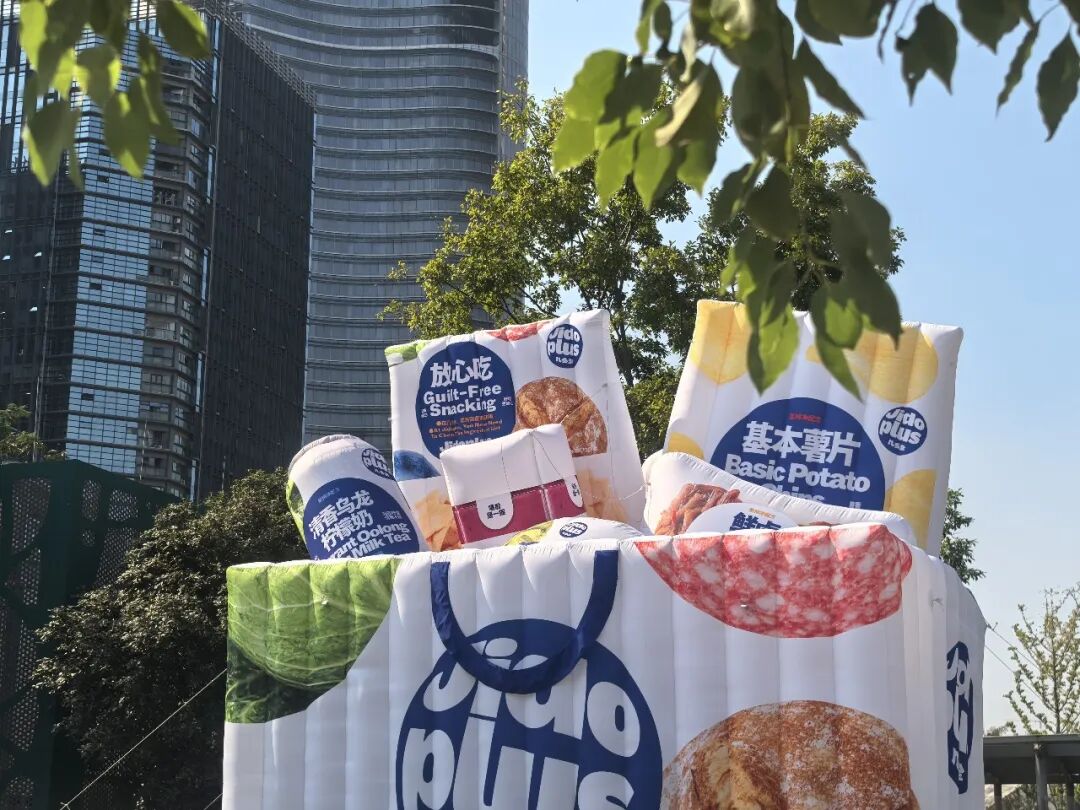
In March 2025, Heise Jingdian launched a brand-new brand "Jiduoquan" to continue its foray into the fresh snack track, and carried out aggressive expansion through the franchise model.
Jinli Men and Jiduoquan, the "two leading fresh snack players" originating from Changsha, have already become the two benchmarks of the track, and the objects for the entire industry to copy and follow.
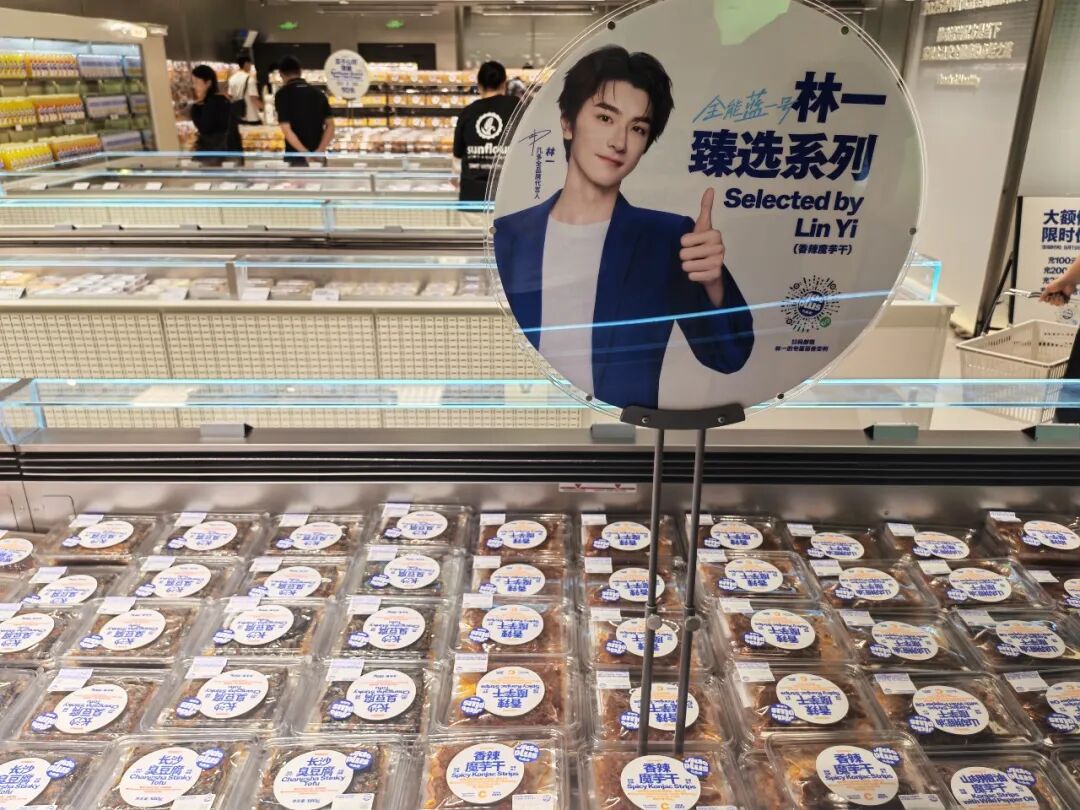
In fact, Jinli Men and Jiduoquan themselves have already shown obvious homogenization at present.
Recently, we conducted in-depth visits to Jinli Men and Jiduoquan in two adjacent shopping malls in Wuhan, and found that the two brands are almost fully benchmarking against each other in all aspects.
First of all, the site selection logic of the two brands is highly convergent. They choose the ground floor or B1 floor of core shopping malls in Class A business districts of cities, keep a close eye on high-foot-traffic locations, and rely on the natural foot flow of shopping malls to drive immediate and impulsive consumption. In some shopping malls in Changsha, the situation where the two brands settle in simultaneously has already emerged.
In terms of store style, both adopt the same bright industrial style, with open transparent kitchens and super-large tasting areas. The in-store circulation design, display logic, and service scripts of the store staff are also highly consistent.
The product side is even more convergent. Both brands adopt the product selection logic of "wide categories with narrow SKUs", maintain about 200 SKUs, and focus on core categories such as freshly made braised food, short-shelf-life baked goods, nuts and roasted seeds, seasonal cut fruits, and freshly made drinks.
The hit products are even directly identical. Core drainage products such as toothpick beef, freshly baked Swiss rolls, and handmade nuts are almost the same not only in taste and appearance, but also in packaging.
After we randomly selected several typical products of the two brands for comparison, we found that except for suppliers, product specifications and even prices are highly consistent.
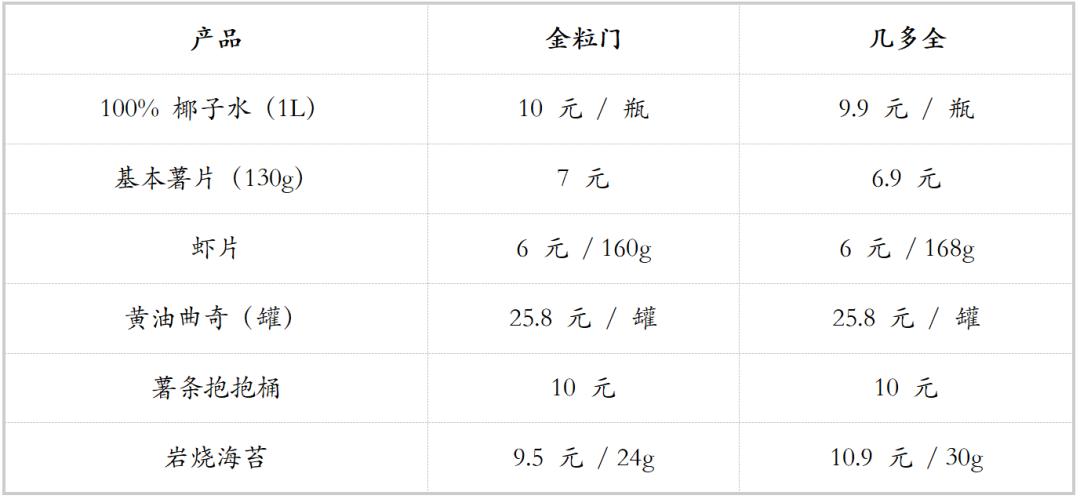
Although the two brands are severely convergent in terminal presentation, their market strategies are completely different.
Jinli Men always adheres to the direct-sale model, follows the path of refined operation, strictly controls product quality and loss, focuses on single-store operation, and currently has more than 40 stores;
While Jiduoquan relies on the mature supply chain of Heise Jingdian, operates both direct sales and franchise in parallel, expands faster, and has more than 200 stores.
Why Has Homogenization Emerged Right At The Early Stage?
Looking back at all consumer tracks, after the market becomes saturated and competitive, almost none can escape the final outcome of homogenization. But the homogenization competition of the fresh snack sector comes earlier than that of any previous consumer industry.
From the perspective of industry insiders, this is the inevitable result of the fresh snack format under the supply chain model.
Different from the "diverse and comprehensive" feature of bulk snacks, fresh snacks pursue "wide categories with narrow SKUs" and "high turnover". Products need to be fresh, acceptable to most consumers and sell fast, which leads to great restrictions on category selection.
We can see that whether it is Jinli Men or Jiduoquan, short-shelf-life braised food, baked goods, drinks and other products occupy nearly half of the store area. These high-frequency consumption products mainly undertake the function of attracting customers to the stores.
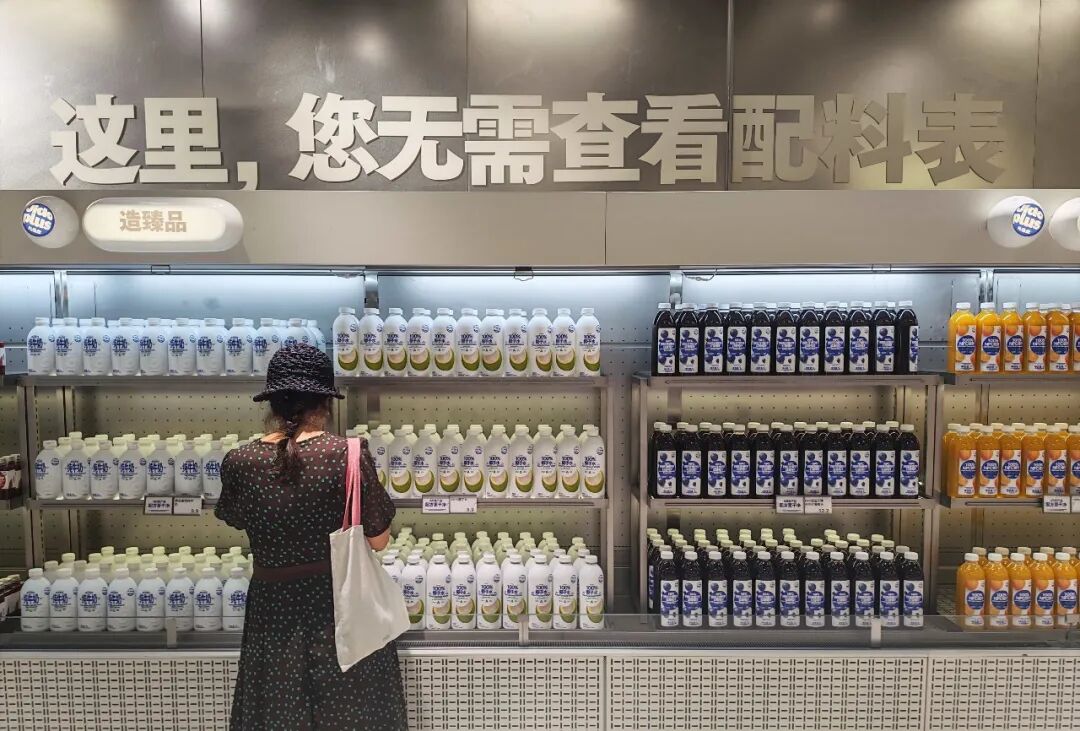
Under the supply chain model, although different brands have different suppliers, it is easy to find upstream OEMs to replicate similar hit products.
At the product level, major fresh snack brands are all making minor innovations based on their respective industrial foundations.
Relying on the system of Heise Jingdian, Jiduoquan produces all its main braised food in its own factory, among which braised stinky tofu is its biggest feature;
Jinli Men has launched freshly stir-fried chestnuts in some of its stores; Yili amplifies its roasted seeds and nuts genes in stores, focusing on the fresh stir-frying and fresh baking of nut categories.
Pu Mama, which originated in Ningbo, features Jiangsu and Zhejiang flavors and launched its signature hand-torn spiced duck, which has become its iconic hit product.
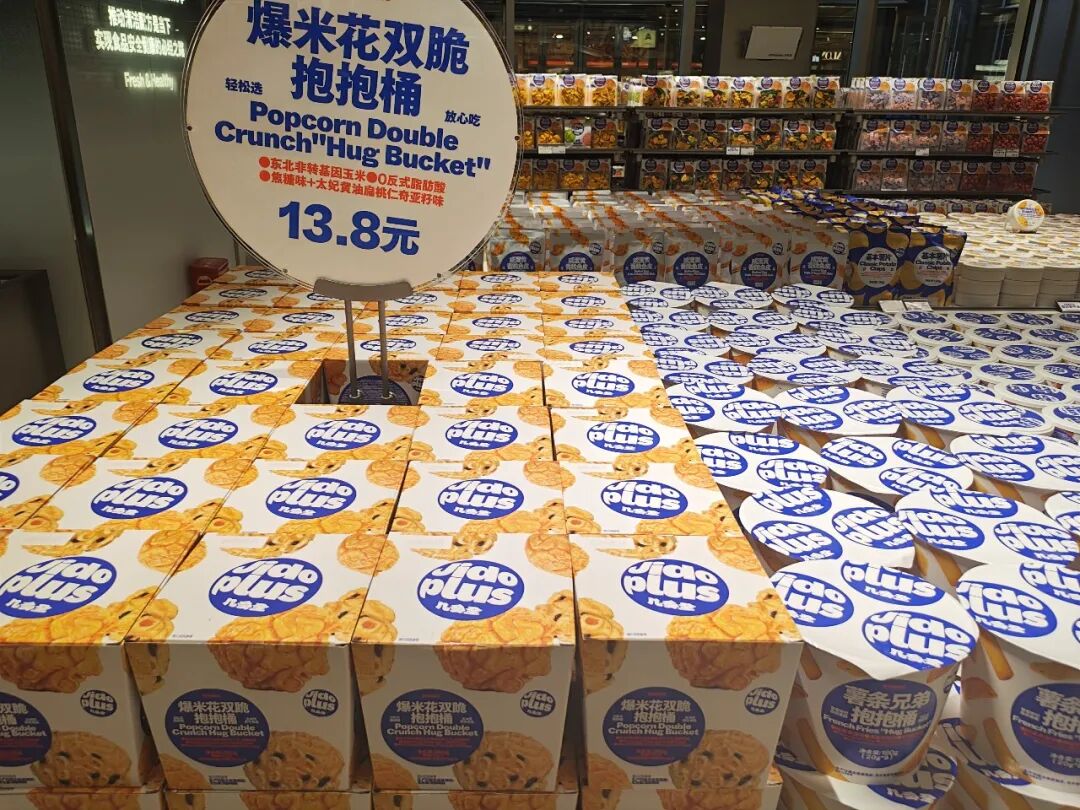
A more serious problem than homogenization is that the industry still lacks unified standards.
"Fresh, healthy, and low-additive" is the core selling point of fresh snacks, but there are no quantifiable and verifiable standards for that. In 2026, leading brands in the industry took the lead in formulating group classification standards for fresh snacks, but they are only industry self-regulatory norms rather than national standards, making it difficult to fully enforce their implementation.
For example, the *White Paper on China's Fresh Snack Standards* clearly stipulates that only products of Class A and B can be recognized as fresh snacks, and products that do not meet the conditions of these two classes are prohibited from using promotion related to fresh snacks.
Jiduoquan adopts the JIPG ingredient purification rating table, which divides food into six grades from A to F, ranging from 0 preservatives to multiple additives, and products from Grade A to D are all sold in its stores.
The lack of standards has led to the chaos of "shell-changing" innovation in the industry. The White Paper reveals that some brands only slightly adjust ingredients, shorten the shelf life, and replace packaging, then repackage ordinary snacks as fresh snacks. Some other brands deliberately blur the concept of ingredients, one-sidedly promote zero preservatives while hiding other additives, and problems such as false publicity and non-standard labeling are not uncommon.
Players Pile Into The Sector, A Big Battle Is Imminent
At present, the fresh snack track is in the wild growth period of scrambling for territory. More than 7,000 shopping malls across the country have the demand for format renewal, waiting for fresh snack brands to occupy.
The involution in traditional industries such as braised food, tea beverage, roasted seeds and nuts, and even bulk snacks is intensifying, forcing leading brands in various industries to cross-border into the fresh snack sector to open up a second track relying on their mature supply chains and existing customer groups, which has become an important driving factor for the emergence of a large number of new fresh snack brands.
According to incomplete industry statistics, in the first half of this year alone, more than ten fresh snack projects including Qihu Street, LYFEN's "LYFEN Life Fresh Life", Juewei Fresh Snacks, Three Squirrels Fresh Snacks, Chayanyuese Jishi Tasting, Youyou Wanweizu, 7-11 "7 Fresh Snacks", and "You·Tuijian" were launched intensively.
At the same time, the supermarket and hypermarket camp has also taken frequent actions. RT-Mart cooperated with Three Squirrels to open fresh snack in-stores in multiple cities, Yonghui opened new self-operated fresh snack halls, while Sam's Club and Hema strengthened consumers' fresh perception with clean-label products.
In the second half of the year, brands such as Bestore, Liuliumei, and JD 7 Fresh are also rushing to enter the market.
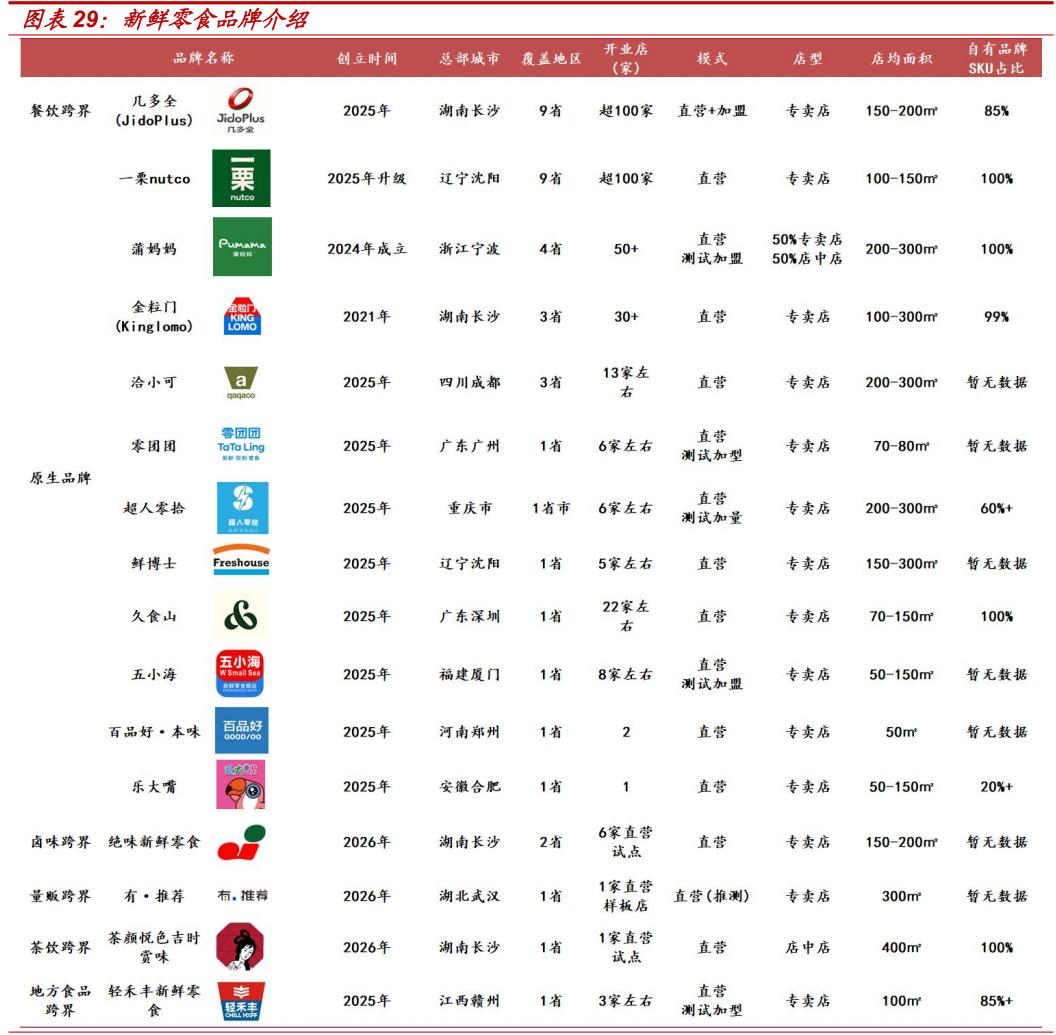
According to institutional data, the fresh snack market was less than 50 billion yuan in 2020, and reached 150 billion yuan in 2025, with an average annual compound growth rate of over 40% during the period. It is expected to rise rapidly to 400-500 billion yuan in 2026. The industry estimates that the total capacity of fresh snack stores across the country will exceed 4,000, corresponding to a market space of over 1.4 trillion yuan.
Capital has taken swift action. In 2025, the fresh snack track saw more than 20 financing deals with a total scale exceeding 1 billion yuan. Several leading brands have received capital attention, and their valuation negotiation ranges have reached 2-3 billion yuan.
The homogenization that appeared since the birth of the track, coupled with the continuous influx of new entrants, under the boost of capital, the competition intensity of the fresh snack sector has escalated rapidly.
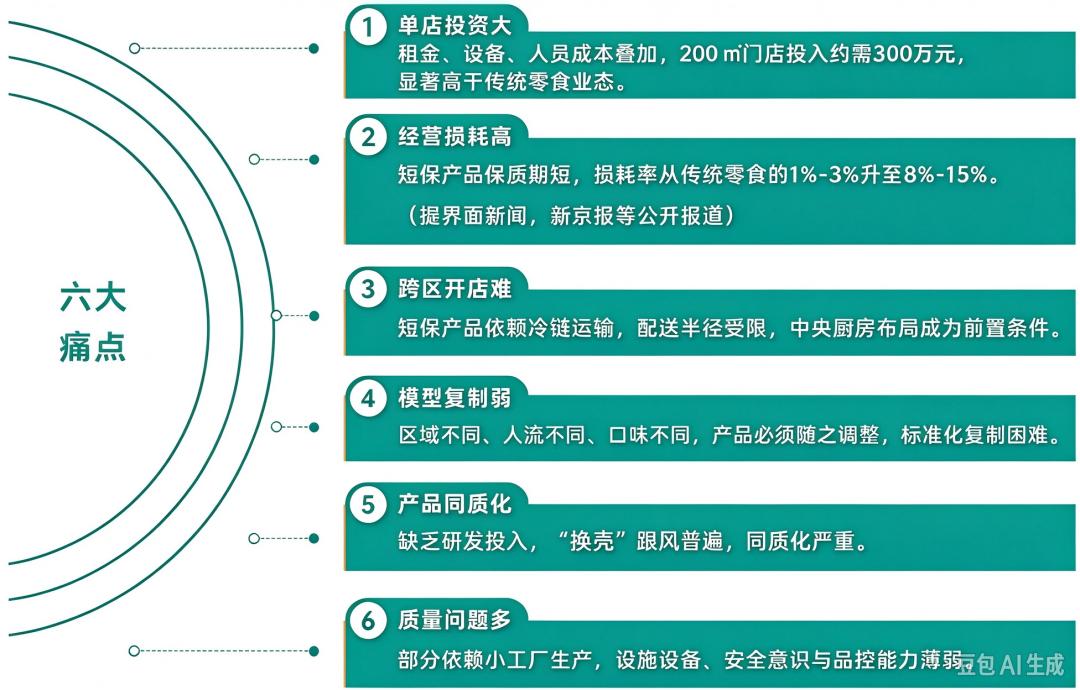
It should be noted that the fresh snack sector is far from as promising as the outside world imagines. High operating costs and high loss rates are realistic problems that every brand has to face.
According to relevant research reports, the overall loss rate of fresh snacks is as high as 8%-15%, while that of bulk snacks is only 1%-3%. In a relevant report, Shanxi Securities pointed out that the single-store return of fresh snacks is highly sensitive to sales volume and loss rate. Once the loss rate reaches 15%, the monthly sales of a store need to reach 2 million yuan to possibly achieve break-even.
Compared with the high standardization and easy replication of new tea beverages, fresh snacks, due to their multiple SKUs, short-shelf-life freshly made products and strong on-site control, are somewhat mismatched with the lightweight franchise system, and a mature franchise model in the industry has not yet been established. In July this year, Jiduoquan suddenly closed its franchise channel, which may be related to the pressure on the entire supply chain system.
It is expected that in the short term, the fresh snack track will present a pattern where regional brands' cross-provincial expansion and cross-border brands' pilot operations proceed in parallel. During this period, the focus of competition will shift from single product innovation to the comprehensive competition of commodities, supply chain, location and organizational capabilities.
In the medium and long term, a pattern of multiple regional leading brands developing in parallel is expected to take shape. Once multiple brands confront each other head-to-head on the B1 floor of the same shopping mall, the full-scale battle of the fresh snack industry will break out immediately.
This article is from the WeChat official account "BANMA Consumption" (ID: banmaxiaofei), written by Ren Jianxin, and authorized for release by 36Kr.