Are the UK, the US, Australia and Europe also banning children from using mobile phones? A global counter-encirclement of the technology industry
01: Contact Across Time and Space
When kids on our side are still using budget phone watches as cheap alternatives to mobile phones to chat and gossip.
American kids on the other side of the ocean have already figured out a more retro and playful "guerrilla chatting" trick, which is nothing less than a stunning Contact Across Time and Space.

Featured on Fox News: "Teens are treating public broadcast comment sections as group chats"
At first, a large number of bewildering comments appeared in the comment sections of the podcast streaming platform of National Public Radio (NPR).
"You are absolutely stunning"
"You look so gorgeous~"
"My god, you're this beautiful, what more could you possibly want 😭"

It feels a little warm (a little ambiguous)
These comments not only read like flirtatious interactions, but are also written in a very youth-oriented tone. They may not feel that impactful in internet slang when translated into Chinese, but from the perspective of American internet meme culture, they are as outrageous as typing a super viral nonsensical catchphrase.
When the kids got too engaged in chatting, a lot of garbled comments even popped up, which looked exactly like people randomly smashing their keyboards.
If all this happened on an internet chat room or a forum, no one would find it odd at all.
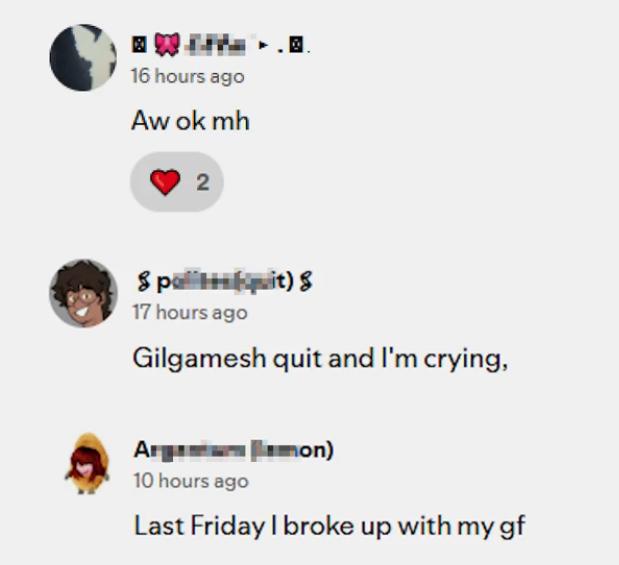
"I broke up with my girlfriend last Friday"
These completely irrelevant comments left the radio program team totally confused, wondering why these comments had nothing to do with the content of the current episode???
Even more bizarre, most of these comments appeared under episodes that were released several years ago.
These old episodes barely had any comments originally, which made these out-of-the-blue comments even more conspicuous. Back in the early internet era, this weird incident could have spawned several full-length urban legends.
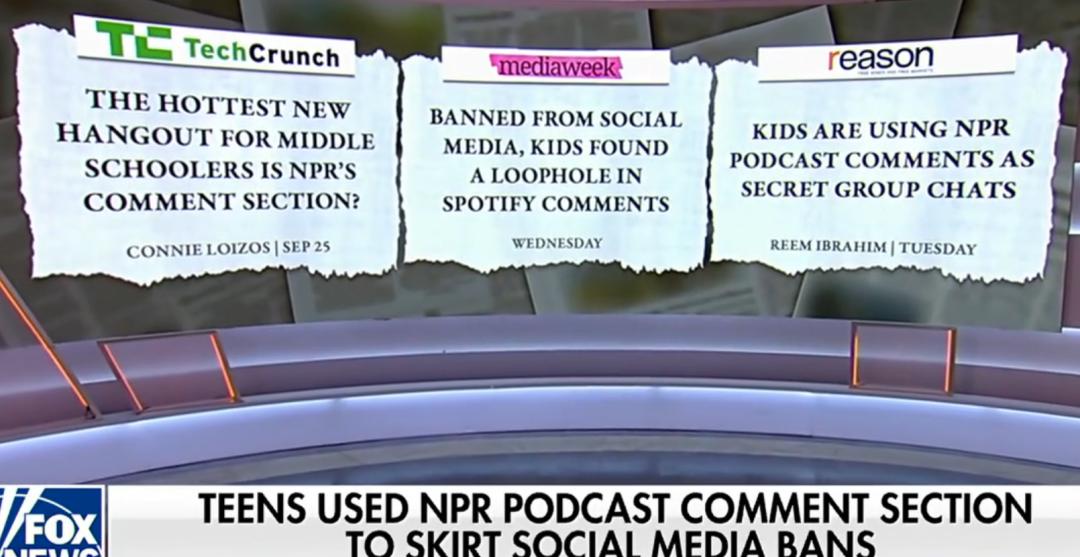
The clever tricks of these teen users have drawn attention from multiple media outlets
In an interview, the radio staff said that monitoring program comment sections is part of their daily routine. Most of the time, the team receives very friendly comments, such as interactions related to the episode content, constructive feedback, or expressions of how much they love the program.
"About three weeks ago, I noticed an unusual overflow situation": 20 comments suddenly appeared under an episode released three years ago.
The staff at that point racked their brains trying to recall the content of that three-year-old episode, wondering if it had discussed any topics related to beauty standards that could have triggered this wave of interactions.

The affected radio station (left
The honest staff even thought they had said something wrong and were being dug up from the past by people from a different timeline, they were completely out of ideas......
That was not the end. About a week later, the teen users launched another wave of attacks, and this time the number of comments directly hit more than 90.
"At that point I thought, okay, this really needs to be reported as an abnormal situation."
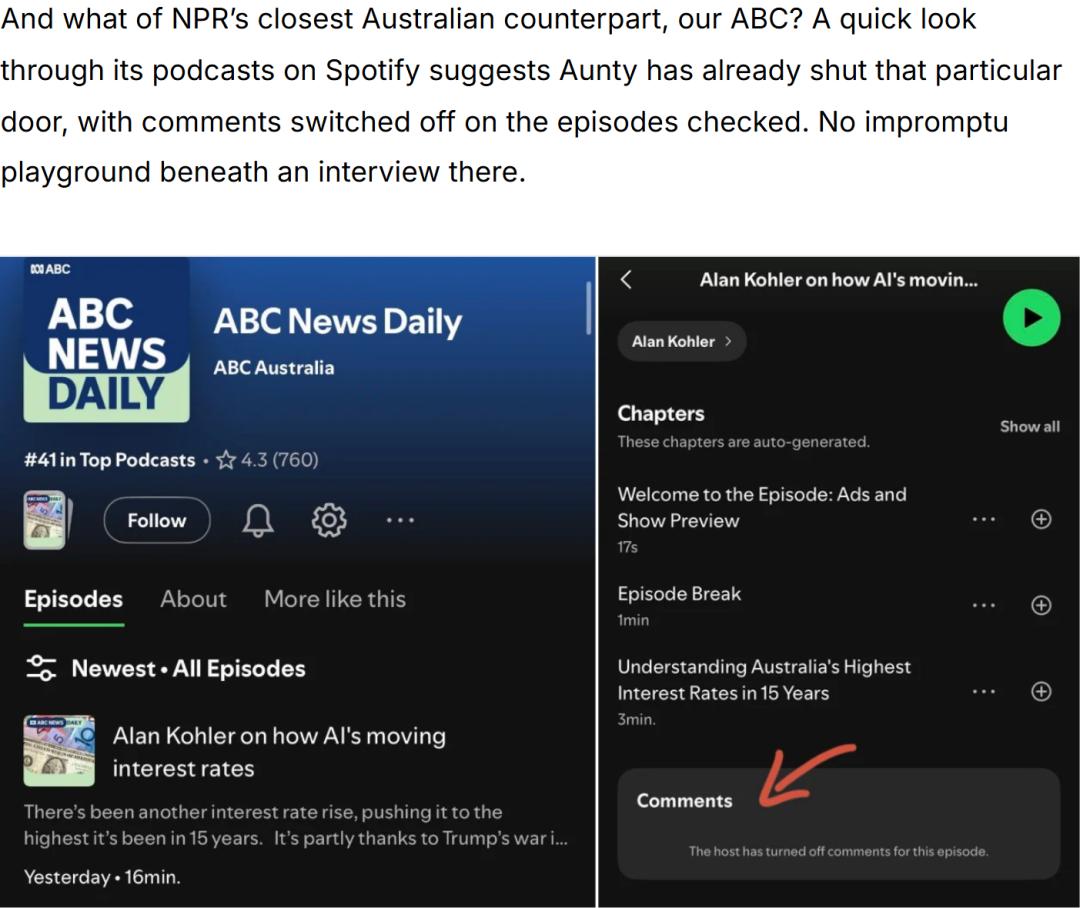
Some radio stations have already closed their comment sections
When the staff member brought up the incident, they found that other teams had also been quietly noticing this very strange phenomenon — more than one radio station had encountered the same problem.
After comparing notes, everyone agreed that this was extremely abnormal. The staff said: "We cannot tell for sure who these people are or why they are doing this, but my instinct tells me they are kids."
This conclusion is easy to draw from the language style of the comments, and people can't help but speculate that this is probably a way to bypass the no-phone rule in class. For example, these kids may be allowed to use laptops but not open social media, and audio streaming platforms become the only apps they are allowed to access.

Because of this incident, the affected radio station even made a brand new episode dedicated to the topic
Later, the program team got in touch with an anonymous commenter, who said: "Basically, we created a playlist that only contains a single podcast episode, and then that episode becomes this temporary pop-up conversation 'graffiti wall'."
This trick is absolutely brilliant. You can imagine that in class, you have the completely harmless broadcast program interface open (many of which are content allowed by schools), and the teacher won't say a word, just like pretending to listen to English listening practice in Chinese classrooms.
In addition, the old and obscure programs that the kids carefully selected have very few comments, so no one will ever stumble upon them.

This incident also sparked heated discussions across the internet
This is indeed the case. If the program team had not been very careful, outsiders would never have noticed this hidden online chatting method, which is as covert as sending Morse code.
There is another reason why this incident has drawn widespread attention overseas: similar incidents have happened many times before, and every time they are completely different.
Six years ago, when many European and American schools blocked social media apps on their campus networks, students simply turned Google Docs, which is essential for doing homework, into an impromptu social network. The teens claimed they were working on school assignments, but in fact they were chatting nonstop behind their teachers' and parents' backs.
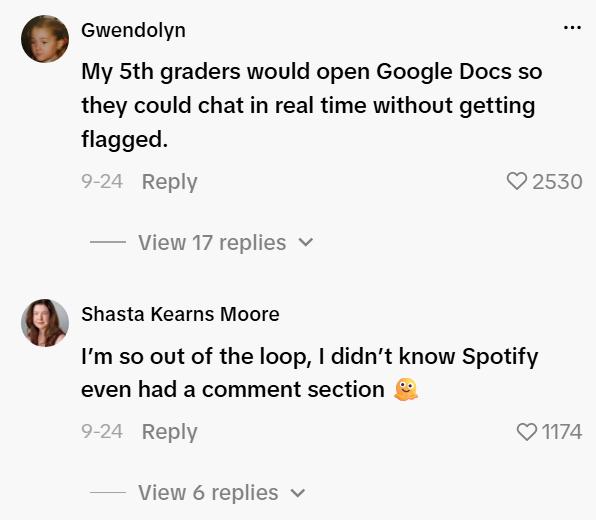
Fifth graders have already learned to chat freely through online documents
Students even use Google's function that allows users to highlight specific phrases or words and leave comments in the pop-up box on the right as chat bubbles.
They make a copy of the Google document shared by their teacher and chat in the comment section, so that to onlookers, they look like they are just taking notes on the lesson plan. If a teacher comes over to take a closer look, they only need to click the "Resolve" button, and the entire conversation thread will disappear instantly.
Later, the trend evolved further, with people typing and chatting in real time on shared slides in Canvas.
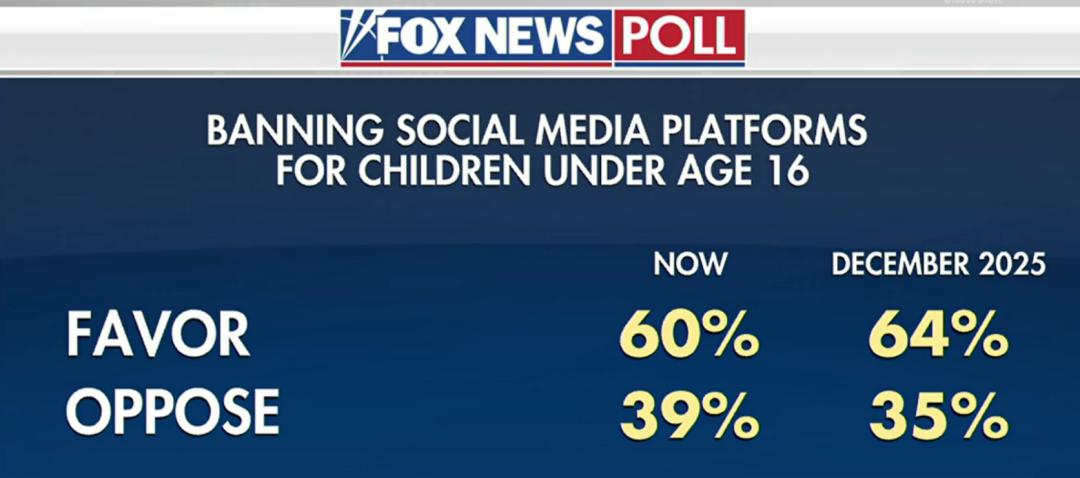
Although the number has decreased, 60% of surveyed American parents still support the ban on social media for teens
People also chat through shared playlists on music apps, because the playlist description bar, or even the playlist itself, can become a message board. To a certain extent, this was the early test run of the method of leaving messages in broadcast program comment sections.
Some people may ask: why are the kids forced to go to such lengths? Aren't foreign schools pretty lenient? Why are they playing cat and mouse like this?
That's not true. They are definitely more lenient than Chinese schools, but they are getting stricter compared to their own past practices.

In fact, the recent large-scale student protests in France are very interesting when you connect the dots.
The initial core conflict was the problem of school education resources: teacher shortages, overcrowded classrooms, run-down school buildings, heavy curriculum pressure, etc.
As more and more students joined the protests, the demand to "loosen the phone ban" has been pushed to an increasingly central position.

As expected of the birthplace of revolutionary traditions
More crucially, the French government happened to expand the phone ban to high schools (lycée) at the start of the 2026 new school year.
Previously, the phone ban mainly covered primary and junior high schools. Starting from the fall of 2026, high schools have also begun to implement the "no phones at school" rule.
This means schools can require students to put their phones in lockers, centralized storage boxes or locked phone pouches, and the phones can also be confiscated if students violate the rule.
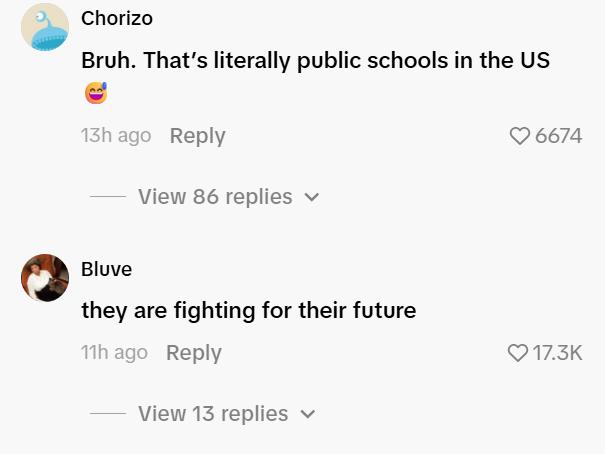
"Bro, this is basically the current situation of public schools in the US"
The dramatic part is that a large amount of content from this protest was widely spread on TikTok and Instagram, receiving extremely high view counts.
Students are not only protesting against the ban on phones, but also using the communication advantage of mobile phones to maximize the reach of their movement.
Teens all over the world, some outsmart the rules, some stand up and protest, and in the birthplace of revolutionary traditions, they just go straight to the streets to demonstrate.
In this AI era, for teenagers, AI taking over jobs is still far away, the real concern is that teachers and parents will take their phones away.
02: Unprecedented Global Unity
In today's complex international environment that is full of fragmentation and division.
There is only one thing that has made many countries surprisingly united, and even looks like they all jump on the bandwagon instantly.
And that is — "banning kids from using phones, banning kids from using social media".

Teachers abroad also help students turn on "airplane mode" on their phones
Now let's go through the list of countries rolling out these policies:
Australia, as the first country in the world to implement a strict national legal minimum age requirement for social media, has banned teenagers under 16 from using social media since December 2025.
France has become the first EU country to pass a social media ban for people under 15, requiring the policy to be implemented before September 2026, while also banning high school students from using mobile phones.