Over 40 new products were launched in one go during the National Day holiday season, why is Bawangchaji so dead set on niche tea categories?
This October, Bawangchaji did something rarely seen in the industry.
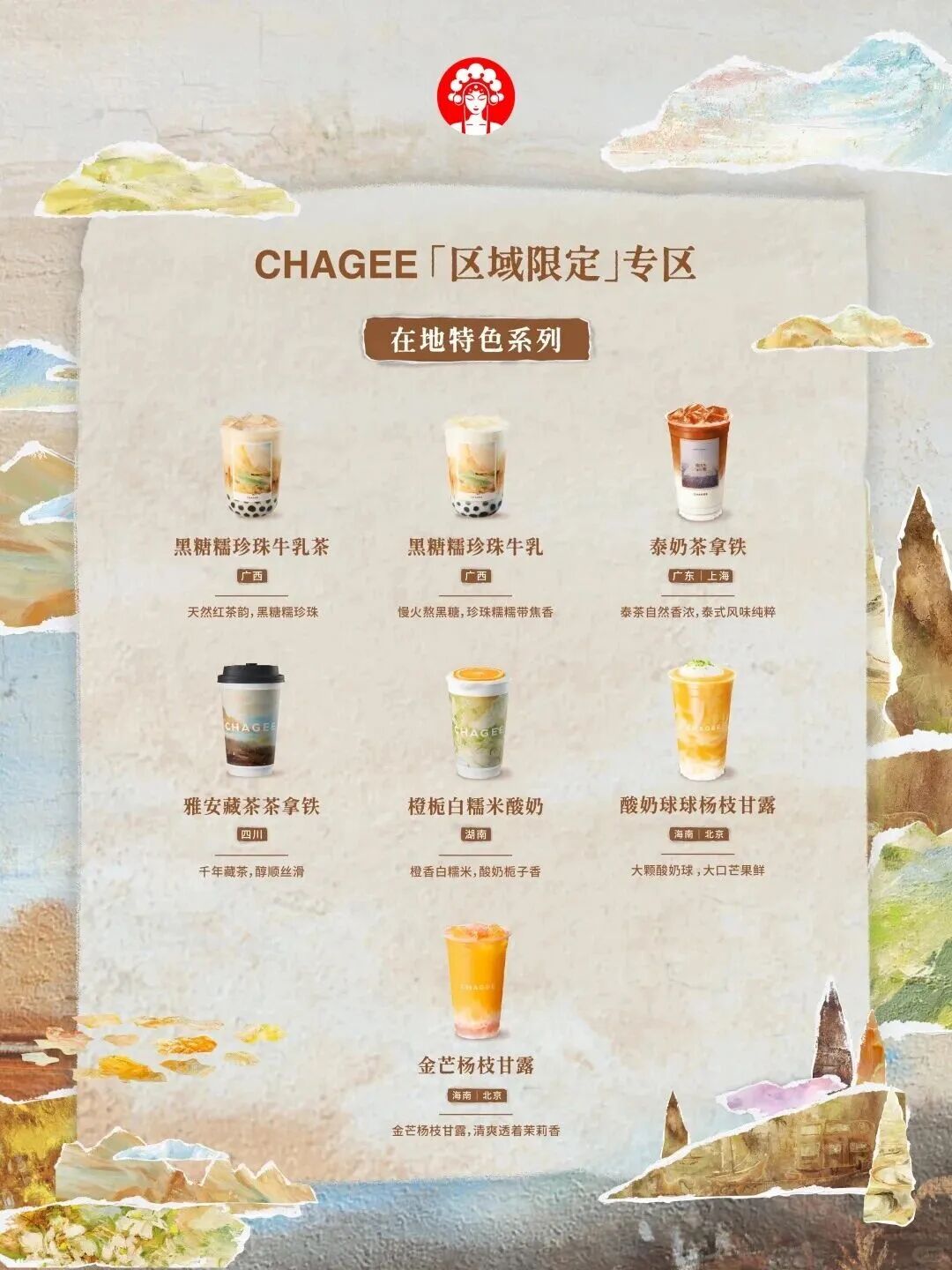
It launched over 40 region-exclusive products in nearly 20 regional markets at one go, ranging from Longjing tea from Zhejiang, Biluochun tea from Jiangsu, Laoshan green tea from Shandong, Fu tea from Shaanxi, Lu'an Guapian tea from Anhui, to Enshi Yulu tea from Hubei...
On the surface, this is a new product launch of rare intensity, but on second thought, it sends a clear signal: as the threshold for product innovation gets lower and lower, the differentiated competition between brands is shifting to who understands "tea" itself better.
An "anti-conventional" new product launch
Region-exclusive products take center stage during the National Day holiday
On September 30, Bawangchaji rolled out 19 series of region-exclusive products across China (the Chinese mainland, Hong Kong and Macao included) all at once. Counting the return of previous region-exclusive products, the total number of new launches has exceeded 40.
From Longjing tea in Zhejiang to Biluochun tea in Jiangsu, from Laoshan green tea in Shandong to Fu tea in Shaanxi, from Lu'an Guapian tea in Anhui to Enshi Yulu tea in Hubei, each product is deeply bound to the local characteristic tea variety.
On the morning of the same day, this "unconventional" new product launch became a trending topic on Weibo. Some tourists planned that "there should be a new way to check in when arriving at the destination during the holiday", while others sighed that high-quality hometown tea is being seen by more people, saying "Welcome everyone to Northwest China to drink Fu tea and eat mutton." On Xiaohongshu, collection lovers initiated the #BawangchajiExchange topic, discussing the exchange of city-limited peripherals and packaging.
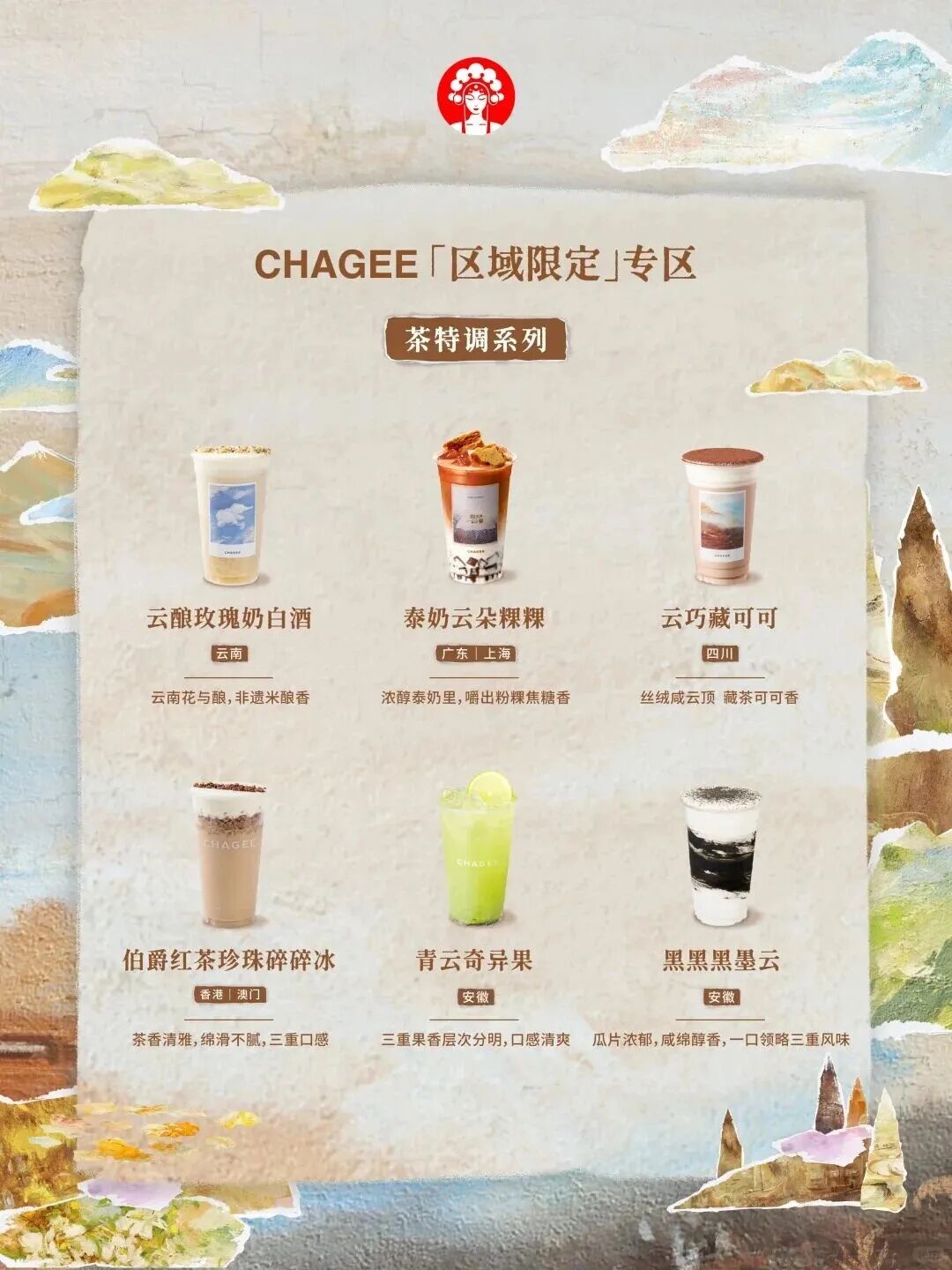
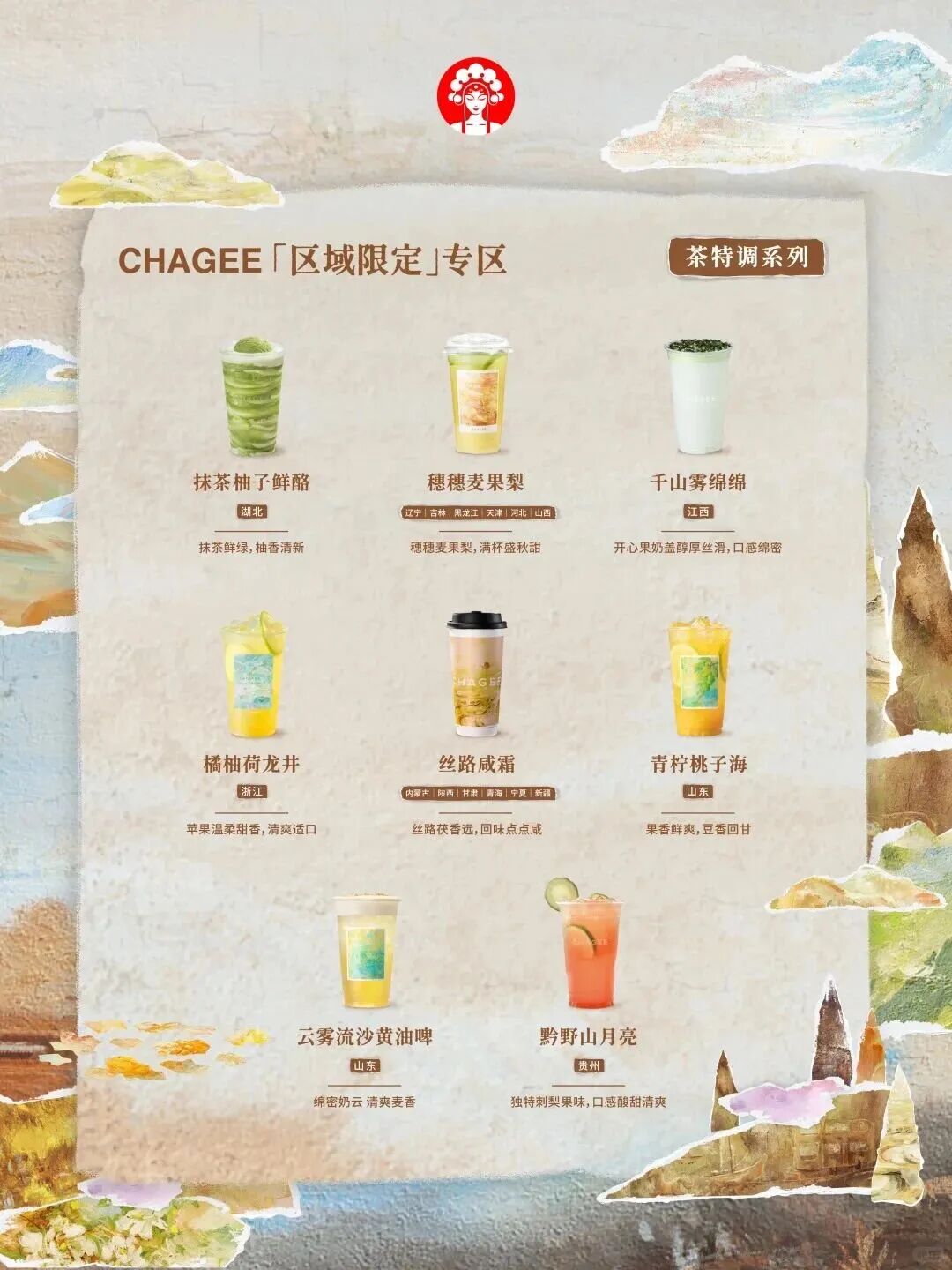
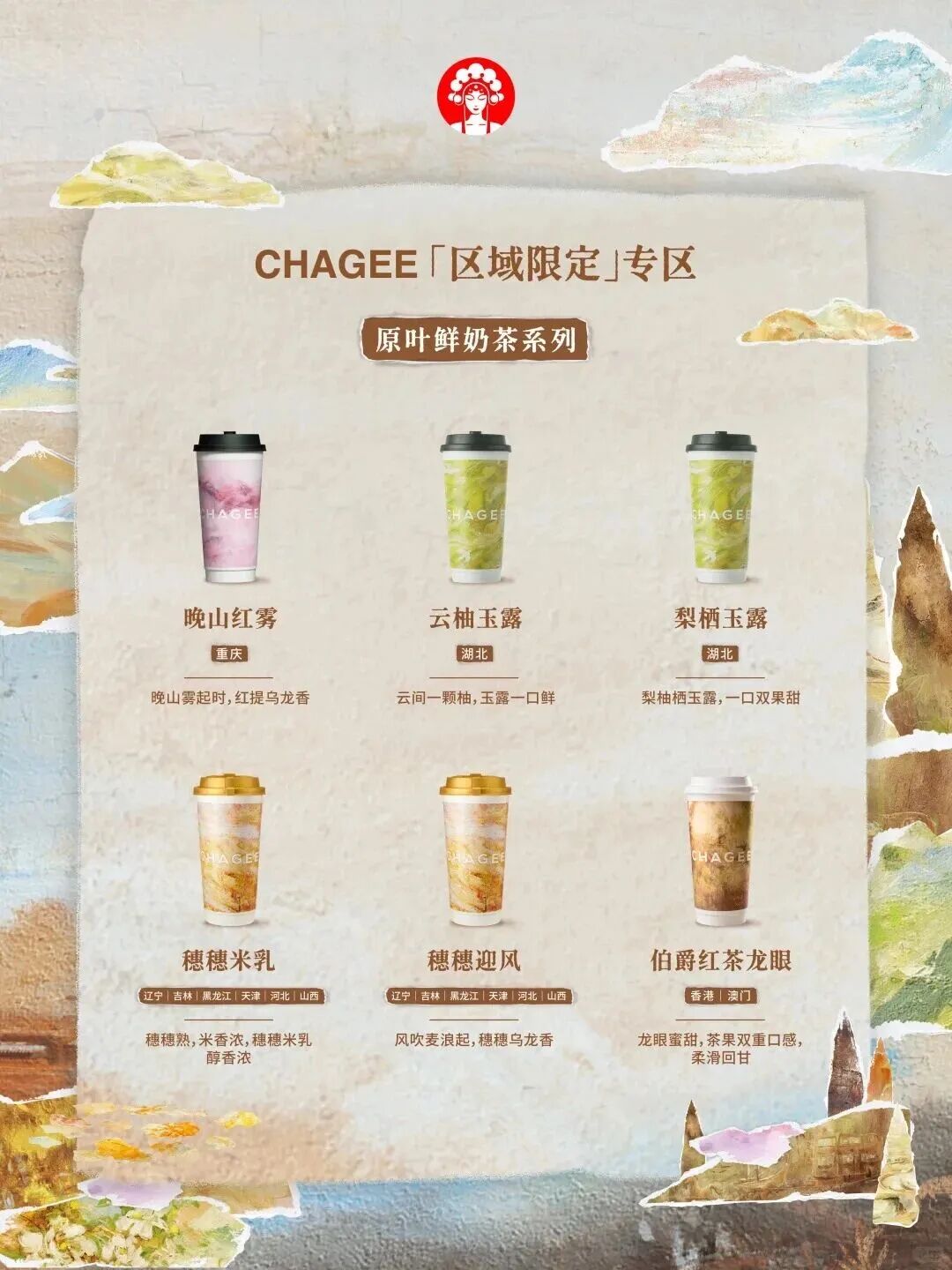
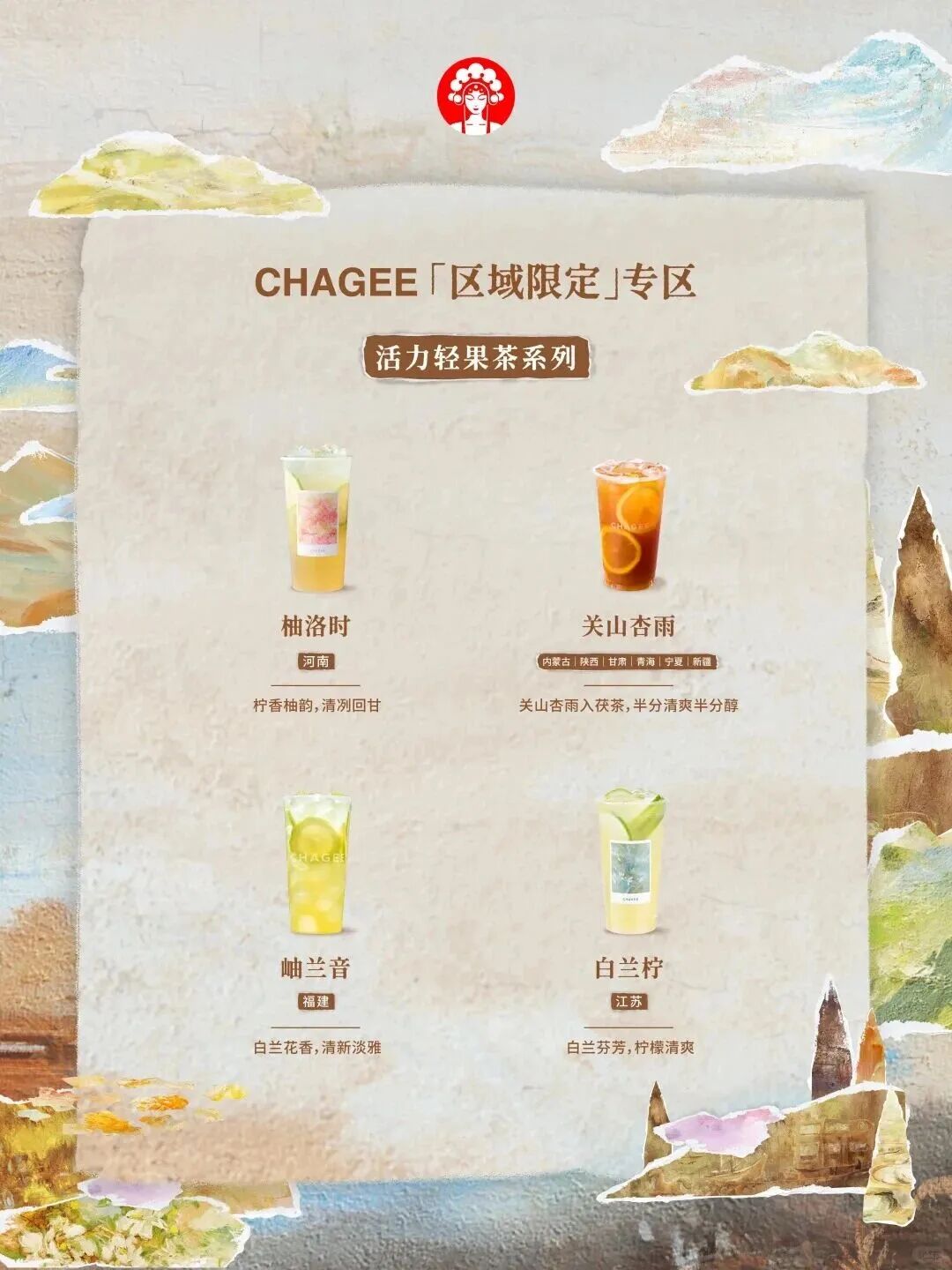
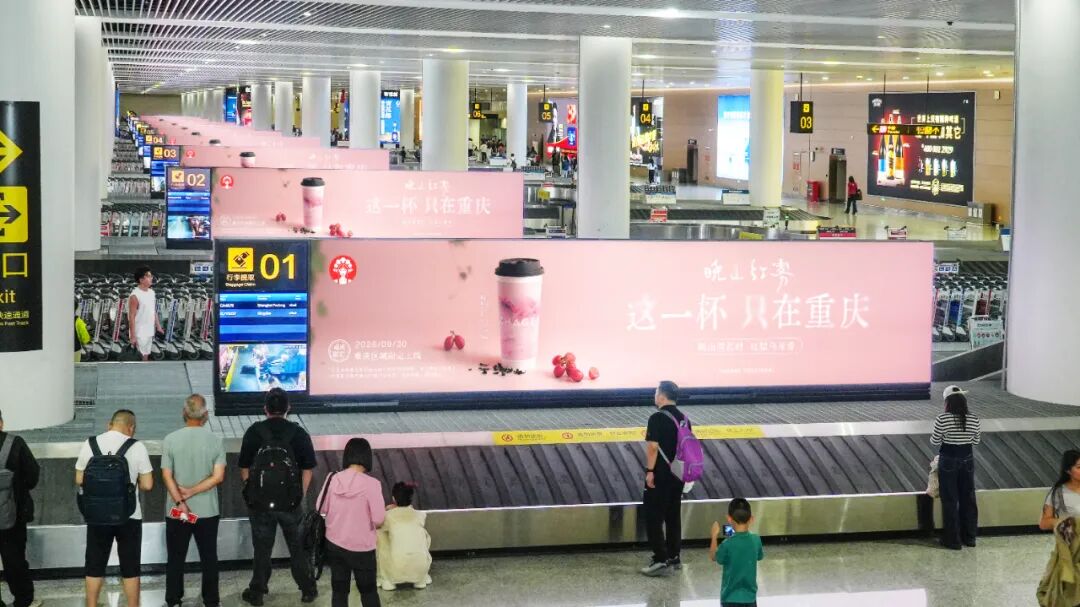
What impresses this group of picky young people is not "how many new products have been launched", but that it has hit a real existing consumption scenario:
The large population flow brought by travel makes "local exclusive" a natural carrier for expressing regional identity.
When a person arrives in a city and orders a cup of tea that only exists in this city, this action completes three things at the same time: consumption, check-in and identity expression.
From this perspective, what Bawangchaji sells is not a cup of new drink, but an experience that connects consumers with a city. The sale of emotions and experiences has already become a luxury existence in the entire consumer goods industry today.
What is more worth exploring is that the National Day holiday has always been a fiercely contested battlefield for brand co-branding. Instead of following this convention, Bawangchaji has placed its bets on "niche tea varieties".
This in itself is a strategic choice — as product innovation is increasingly easy to be replicated, the gap between brands is shifting from the front-end marketing creativity to the back-end ability to define raw materials, techniques and producing areas.
A roll call list of niche teas
Four invisible thresholds
This list can almost be regarded as a "roll call list" of China's niche teas.
The "Yunyou Yulu" in Hubei uses Enshi Yulu as the tea base; the Tibetan tea series from Ya'an is launched in Sichuan-Tibet region; in Shaanxi, based on Jingyang Fu tea and Anhua Fu tea from Hunan, products such as Jinfu Lanyue, Silu Xianshuang and Fujian Yuyue are developed; Qiyu Tingyu in Anhui, the Fenghe series in Zhejiang, Wanxiang Qinghe in Jiangsu, Haiyu Qingwu in Shandong, Wanshan Hongwu in Chongqing...
What really makes this batch of new products different from ordinary holiday new launches is the tea base.
Enshi Yulu is a living fossil of steamed green tea, Ya'an Tibetan tea is linked to the thousand-year-old Ancient Tea Horse Road, Jingyang Fu tea is known as "the black gold on the Silk Road", and Laoshan green tea is the landmark achievement of "introducing tea from south to north" and a product protected by the national geographical indication.
These tea varieties used to stay in tea shops, teahouses and producing areas for a long time, so young people can neither drink them nor name them. Why couldn't they be pushed to the mass market on a large scale in the past?
The first is the production capacity threshold. With small output, strong seasonality and low standardization, they are naturally excluded from the chain system that pursues stable supply.
The second is the situation of "having categories but no brands". Enshi Yulu, Jingyang Fu tea and Ya'an Tibetan tea mostly exist in the form of categories or geographical indications, and lose their popularity once leaving the producing areas.
The third is the technical threshold. The "golden flower fungus" fermentation of Fu tea and the deep fermentation of Tibetan tea are the sources of flavor in the traditional brewing context, but they have become problems in the standardization system of freshly made tea drinks.
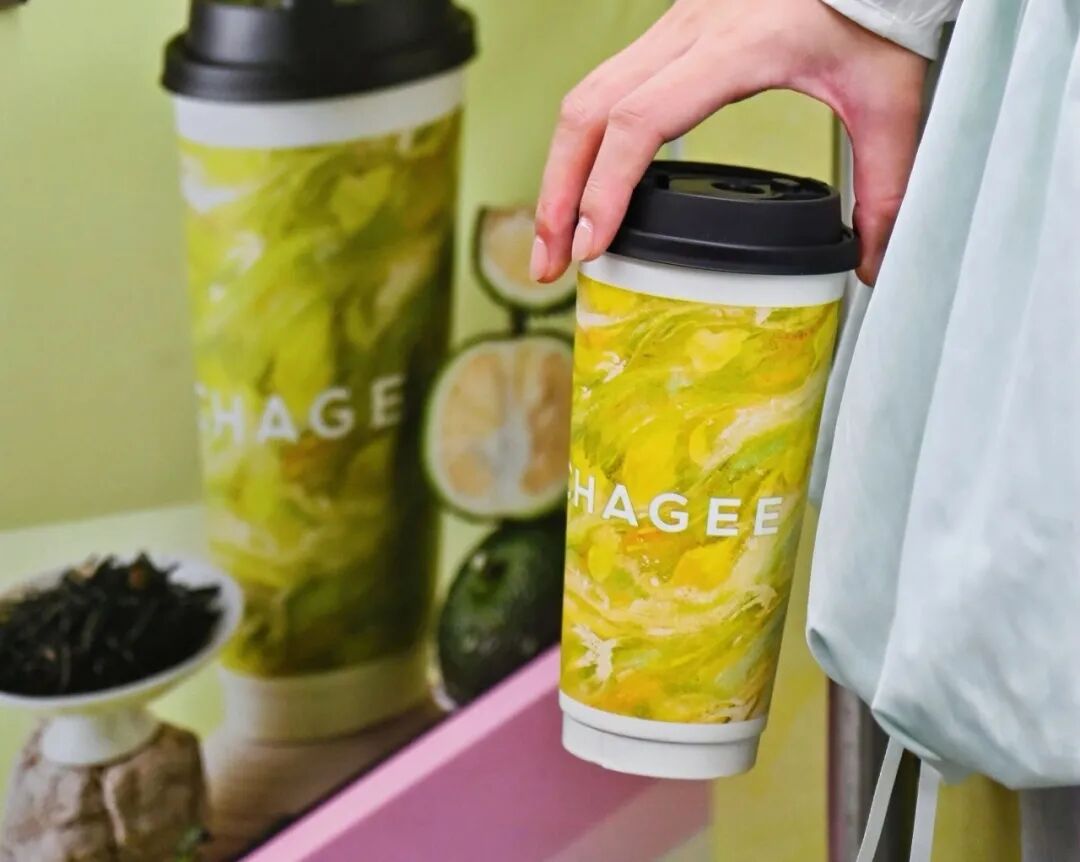
Hubei Exclusive — "Yunyou Yulu"
The fourth is the public acceptance of taste. The flavors of these teas are usually relatively "strong": aged aroma, glutinous aroma, roasted aroma, and old-fire aroma, which are different from the refreshing taste familiar to young consumers. What is needed is not to copy them as they are, but a "translation" for modern blended drinks.
Bawangchaji is trying to become this "translator".
From West Anhui Large Yellow Tea to Jingyang Fu Tea
Three samples of serious tea making
In the tea drink industry, limited products are never scarce. But most of the time, the life cycle of limited products only lasts for one season.
The real problem is how to turn the limited product from a one-time marketing concept into a "construction process" of long-term awareness of niche teas, and precipitate products that can stay on the menu for a long time?
First look at West Anhui Large Yellow Tea.
In November 2024, Bawangchaji launched the new yellow tea product "Qingshan Qigu" in all its national stores, using West Anhui Large Yellow Tea as raw material. In 2023, the output of yellow tea only accounted for 0.7% of the total national tea output. Two days after the new product was launched, the sales volume was close to 3 million cups.
This demonstrates a possibility: Niche tea varieties can also get large-scale production opportunities through new forms.

Then look at Lu'an Guapian.
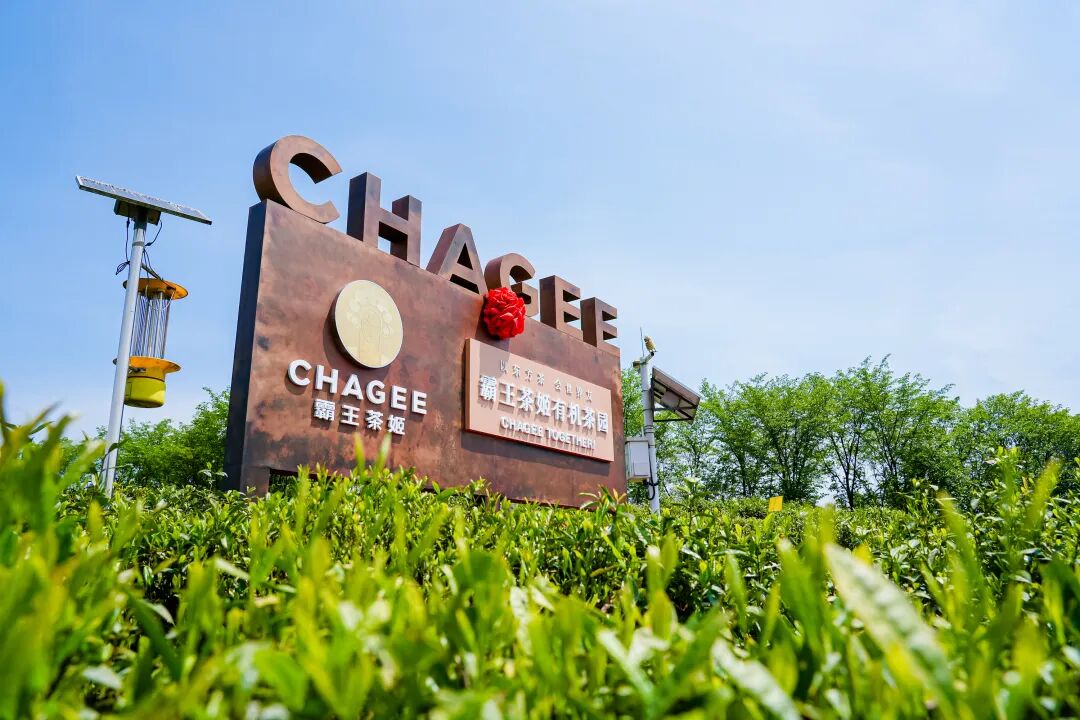
In April this year, Bawangchaji unveiled its organic tea garden in Dushan Town, Anhui, and tried to integrate modern blended drink techniques on the basis of retaining the flavor characteristics of Lu'an Guapian such as roasted aroma and ripe chestnut aroma.
In September, it opened the Lu'an Guapian Tea Culture Experience Store in Anhui. The space draws on the style of the old tea-baking houses for "Laolaohuo" (high-temperature roasting) in the production process of Guapian, showing the physical chain from fresh leaves, semi-finished products, finished products to tea residues.
This practice extends product development to both ends: the front end involves raw material and origin cooperation, the product end involves flavor adaptation, and the consumption end tries to let consumers understand the process of tea from fresh leaves to finished products through space display.

Then look at Jingyang Fu tea.
The characteristics of Fu tea are closely related to its unique "golden flower" technique. The "golden flower" is an important identification feature of this tea category. For traditional tea varieties with unique techniques, how to meet the production requirements of freshly made tea drinks while retaining their original flavor is the problem they need to face when entering the tea drink industry.
Bawangchaji cooperated with the Funeng Laboratory of Jinghe New City to explore the industrial application of technologies related to "golden flower fungus", and launched products covering pure tea, milk tea, fruit tea and other forms.
This case presents an easily overlooked side in the commercialization of niche teas: new product launches happen on the consumer side, but to make niche teas truly land, R&D and process links must be promoted simultaneously.

These groups of cases have different entry points, but all point to one problem: to turn niche teas into products with market recognition, coordinated promotion of raw materials, R&D, product expression and consumption scenarios is often required.
From this perspective, the value of region-exclusive products should not only be measured by how many products are launched. More important indicators are whether consumers can remember the tea varieties, whether the products can maintain stable quality performance, and whether one-time consumption interest can be transformed into longer-term category awareness.
Freshly Made Tea Drinks
What Else Can It Bring to Chinese Tea?
If we zoom out from a single product, the commercialization of niche teas also involves a longer industrial chain.
Chinese tea is rich in category resources, but how to turn resource advantages into market advantages always requires the joint efforts of brand building, processing capacity and sales channels.
The advantage of freshly made tea drinks is that they directly face end consumers. Once a brand chooses a certain local tea, it will not only purchase raw materials, but may also further affect raw material selection, processing requirements, quality standards and product R&D directions.
And there have been precedents for this.
In the past, Pu'er tea was rarely used in tea drinks. With leading brands joining in, products such as Yunnan Rose Pu'er, Sauce-flavored Butter Broken Silver, and Brown Sugar Tapioca Pu'er became popular one after another. Pu'er tea has gradually entered the R&D system of more modern drinks and formed stable application scenarios. A few days ago, the hot sales of Bawangchaji's "Return to Yunnan" series also confirmed this point.
If we expand our vision to the coffee industry, Geisha, as an ordinary coffee variety, became famous in Panama and was then made into affordable products by brands such as Luckin Coffee and Cha Baidao, bringing the "flavor ceiling" of coffee into daily consumption. Yirgacheffe, as a producing area in Ethiopia, has become a business card of the producing area after being discovered by brands and brought to consumers all over the world.
This also reminds me that when I first got to know Bawangchaji through a cup of Boya Juexian in 2021, I was curious about how this regional brand that was still deeply cultivating in Southwest China had the courage to shout that "Oriental tea" would go global.