Tesla FSD has been thoroughly debunked in Europe.
Tesla's FSD entered Europe, only to be immediately brought back to reality overnight.
FSD can no longer be called Full Self-Driving, and has to be renamed Tesla Assisted Driving. The product name that Elon Musk has insisted on for many years has thus been demoted by one level in Europe...
But interestingly, the name change was actually made voluntarily by Tesla.
Even Elon Musk himself was unusually polite, thanking the German government in German. But back in March this year, Musk was still complaining that "EU regulations are heavy and stifle innovation"...
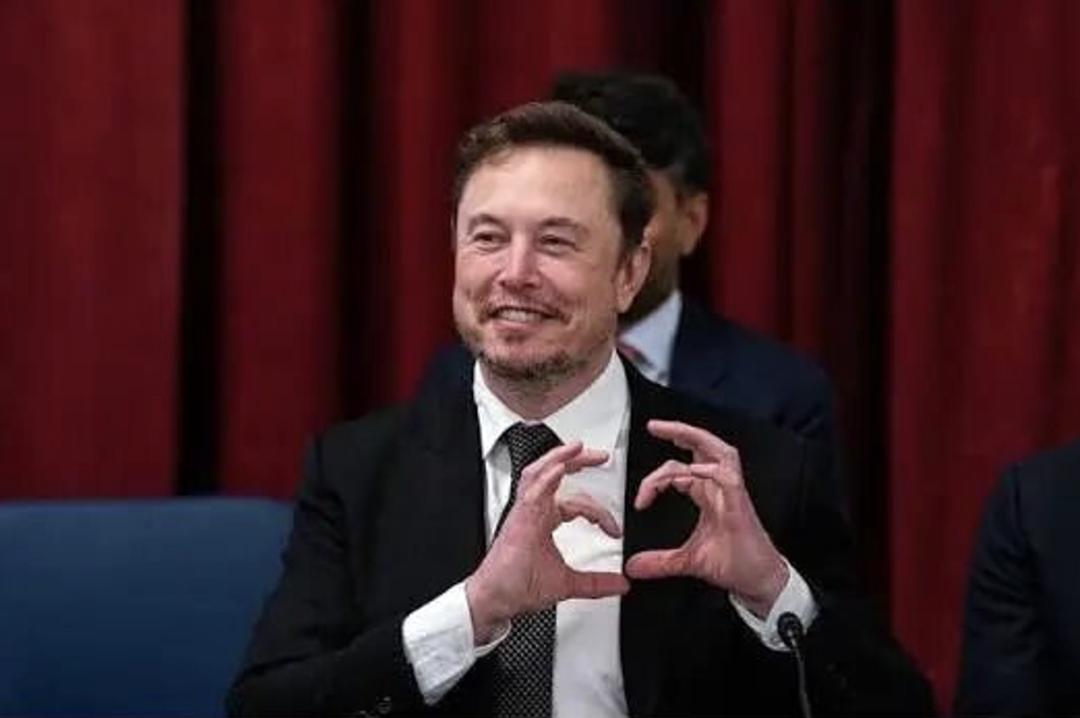
Why is Musk, who has always been reluctant to back down, being so agreeable this time?
Tesla FSD Gets Renamed in Europe
Tesla FSD, the name Musk has stuck to for a decade, has been officially renamed in Europe.
Tesla's official websites in Germany, Spain, the Netherlands, Slovakia and many other European countries have changed Full Self-Driving (Supervised) to Tesla Assisted Driving.
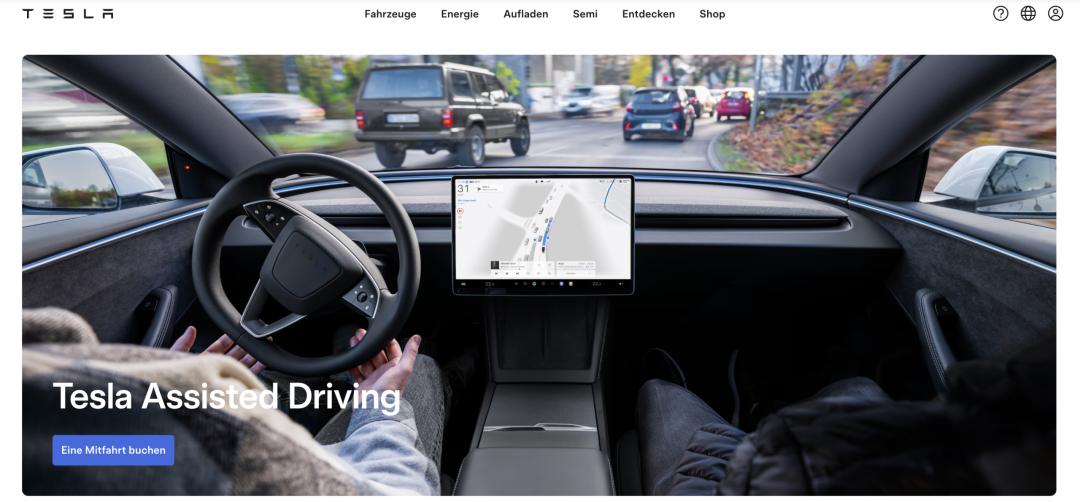
The original FSD product page has also been redirected to the new Tesla Assisted Driving page.
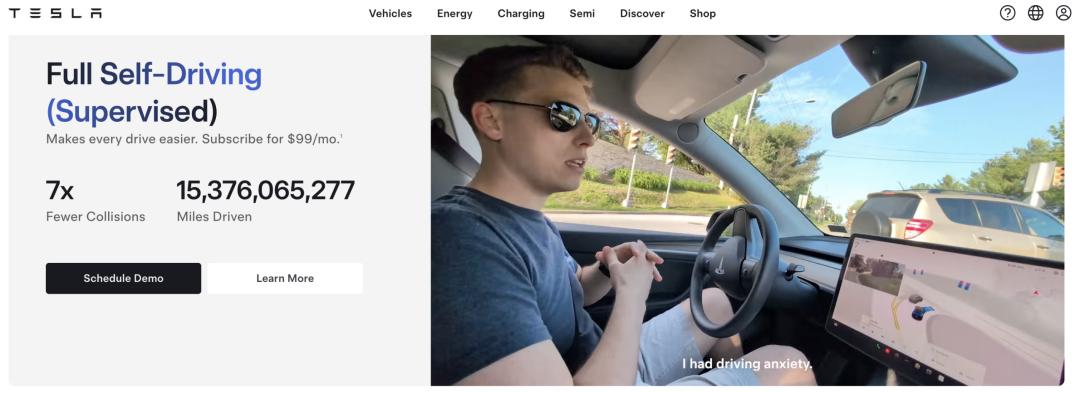
On the US official website across the ocean, the name Full Self-Driving (Supervised) is still retained.
This name change did not come out of nowhere.
Just three days ago, the German Federal Ministry of Transport issued a statement disclosing a series of recent consultations between Tesla and the German government.
The German Ministry of Transport believes that based on the information currently available, Tesla's system demonstrates high capabilities (especially in urban traffic), but the name FSD is somewhat misleading:
Although the system can already assist with driving tasks such as acceleration, braking and steering, it cannot take over driving completely, and drivers must still keep continuous attention to road conditions.
In response to the German government's doubts, Tesla voluntarily proposed to rename the system to Tesla Assisted Driving.
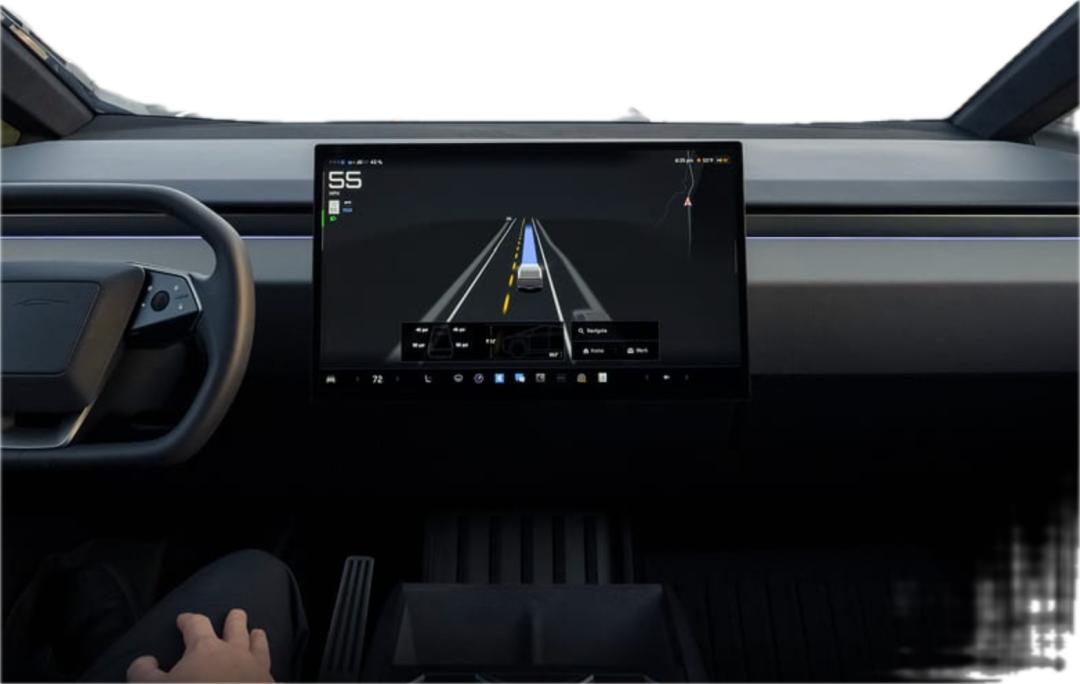
In fact, this is the second time Tesla has adjusted the name of its assisted driving product this year. Even earlier, the naming controversy around FSD has lasted for many years.
In December last year, the California Department of Motor Vehicles ruled that Tesla's use of names such as Autopilot, Full Self-Driving Capability in marketing was misleading and violated local laws.
This controversy ended with Tesla making concessions. In February this year, the California Department of Motor Vehicles confirmed that Tesla had stopped using the Autopilot name in local marketing, thus avoiding a 30-day suspension of relevant licenses.
But California did not require Tesla to completely abandon the FSD (Supervised) name at that time. This name change in Europe can be seen as a further step, explicitly adding the "assisted" limitation to Tesla's autonomous driving functions.
Of course, there must be a reason why Tesla is willing to voluntarily bow down.
The news released by the German government this time also mentions a detail: Tesla has obtained the German government's public support for FSD's access to the European market.
The statement revealed that German Transport Minister Steffen Bilger discussed system functions, driving responsibilities and European approval issues during consultations with Tesla in September this year.
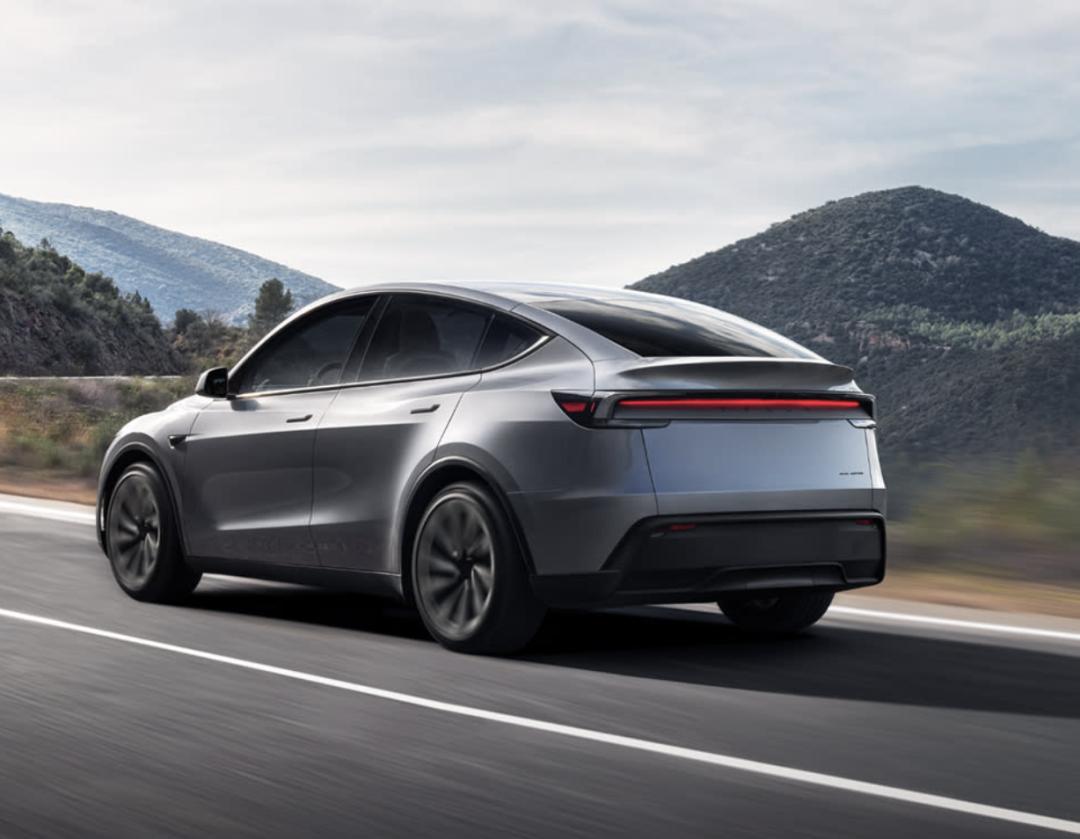
The two sides quickly reached a series of consensuses, one of which involves the controversial speed offset function.
According to the mutually agreed plan, FSD allows vehicles to travel at a speed no more than 10% above the legal speed limit under specific circumstances. The German government believes that a slight speed offset helps maintain smooth traffic and has stated that it is willing to support this plan in the European approval process.
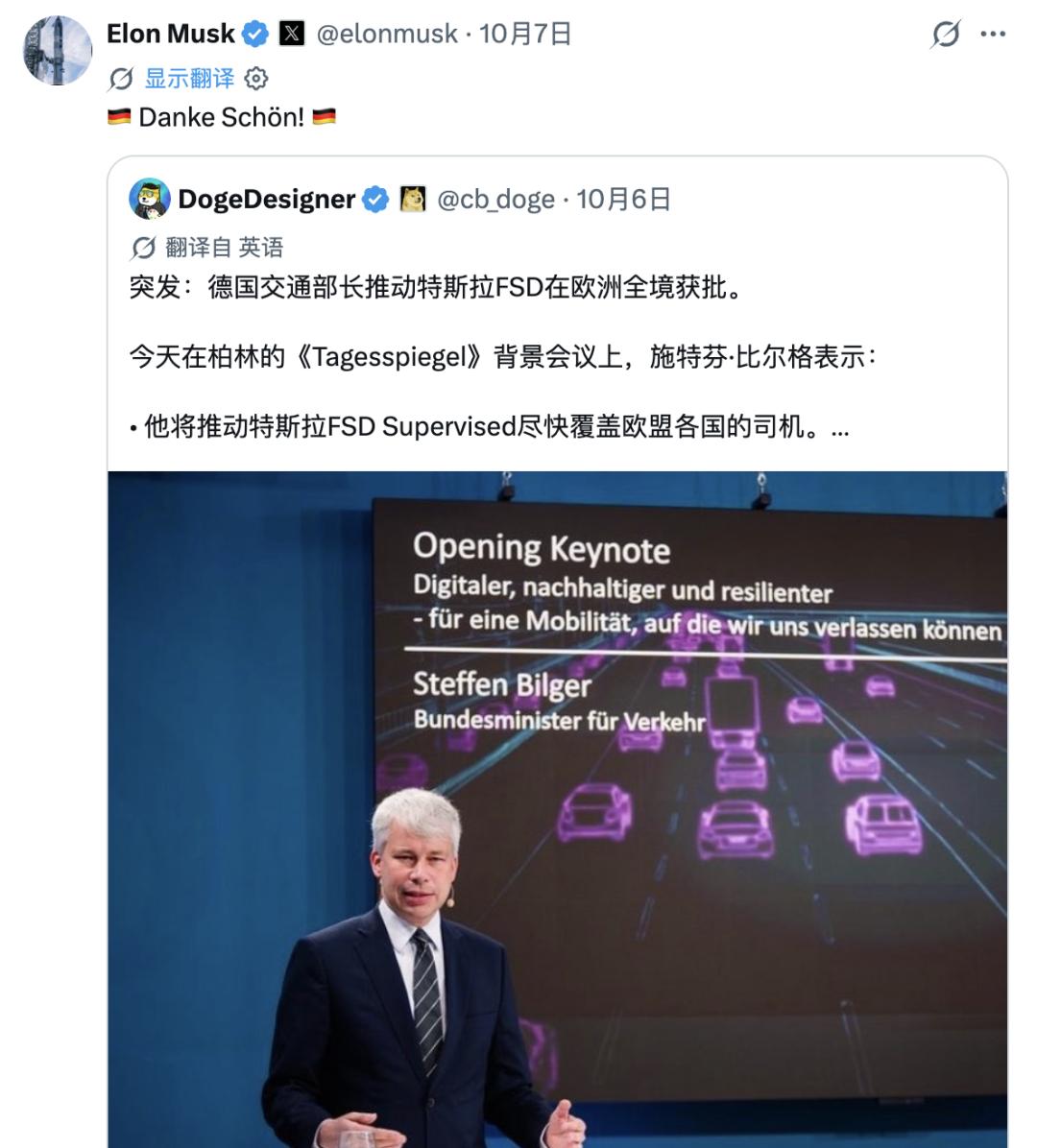
After completing these consultations, German Transport Minister Bilger also publicly stated that he will promote Tesla's assisted driving system to obtain approval from the entire European Union as soon as possible.
The German government's support quickly reached Musk.
On October 7, Musk reposted the relevant news on the X platform and used the German phrase Danke schön to express his gratitude to the German government.
This is somewhat unexpected.
After all, back in March this year, Musk was still publicly criticizing that EU regulatory burdens are too heavy and stifle innovation in Europe; last November, he publicly described his experience dealing with European regulators as "as absurd as a Kafka novel"...
Behind Musk's attitude change is that FSD's European approval has entered a critical stage.
According to the relevant EU voting mechanism, Tesla needs to win the support of at least 55% of member states, and the total population of these countries must account for more than 65% of the total EU population to obtain approval. The attitudes of large populous countries such as Germany and France therefore have an important impact.
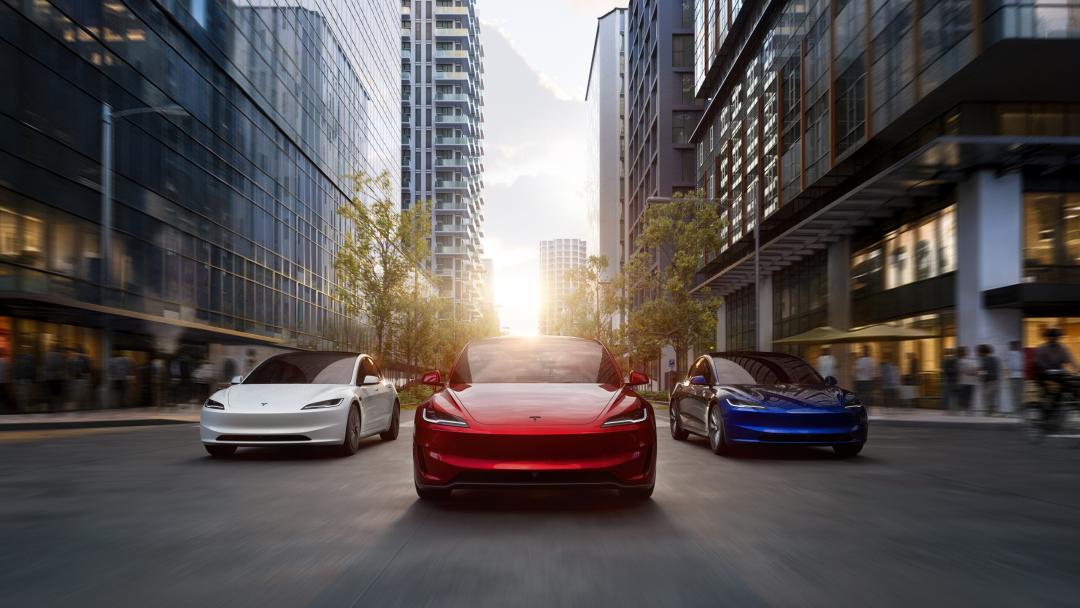
However, judging from the current situation, Tesla is also facing considerable resistance.
Last month, the European Transport Safety Council (ETSC) publicly called on EU member states to oppose the approval of Tesla FSD, focusing on questioning the potential safety risks caused by its speed offset function.
The unified EU approval vote originally scheduled for October was eventually postponed to at least December this year.
Rather than continuing to argue over the name, Tesla is obviously more eager to get FSD truly into the European market.
Entering 8 European Countries in Half a Year, FSD Is Vigorously Expanding Its Market
This year, it is indeed noticeable that Tesla FSD's promotion in Europe is significantly accelerating.
On April 10 this year, the Dutch vehicle administration RDW took the lead in approving FSD (Supervised), allowing eligible Tesla vehicles to use the system locally. After that, Lithuania, Estonia, Denmark, Belgium, Slovenia, the Czech Republic and Croatia joined one after another.
In half a year, 8 EU countries have approved FSD access. The Slovak Minister of Transport also recently signaled that Slovakia is expected to become the 9th approved country.
However, looking at the list, these countries are still mainly markets with small population sizes, covering only about 12.6% of the EU's total population in total.
Major automotive markets with real scale effects such as Germany, France, Italy and Spain have not yet fully opened FSD to ordinary car owners.
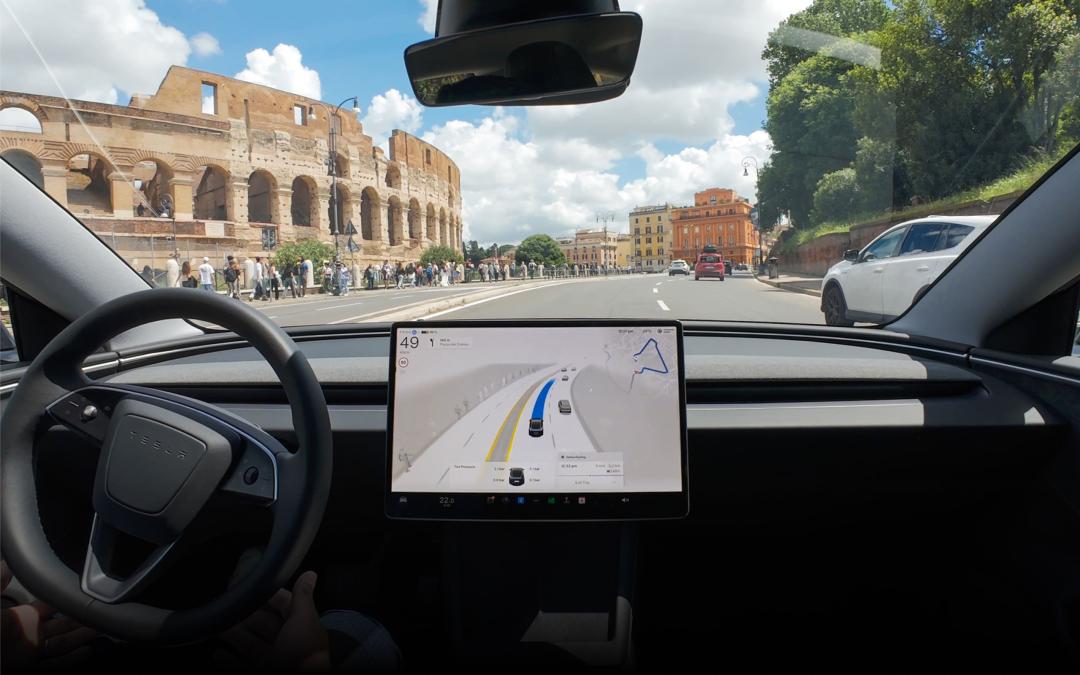
From another perspective, Tesla does need FSD to play a role in Europe as soon as possible.
The first reason comes from automobile sales.
In recent years, Chinese new energy vehicle brands have accelerated their expansion into the European market. Companies such as BYD, Chery and Leapmotor have successively expanded their local sales networks, bringing more choices in prices, configurations and technologies.
Data from the European Automobile Manufacturers' Association ACEA shows that from January to August this year, Tesla's new car registrations in the EU were about 142,000 units, a year-on-year increase of 65.9%, and sales have rebounded significantly.
In the same period, BYD's new car registrations in the EU reached about 178,000 units, a year-on-year increase of 163%, surpassing Tesla in both growth rate and total volume.
Moreover, Tesla's main models are still the Model 3 and Model Y that were launched many years ago. Although they have undergone several rounds of facelifts and added some new versions, there has been a lack of brand new high-volume models.
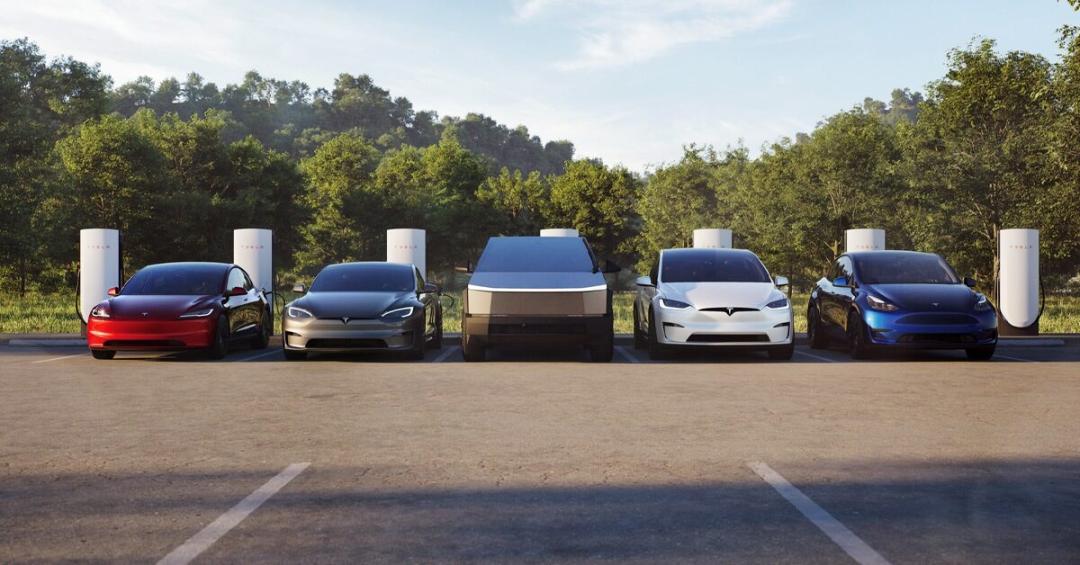
Facing the increasingly intensive product offensive from Chinese brands, FSD has almost become an important technical signboard for Tesla to re-establish product differentiation and win over consumers.
This is also a fact publicly acknowledged by Tesla's management. On the earnings call for the second quarter of this year, Tesla CFO Vaibhav Taneja said that FSD has become an important factor affecting consumers' car purchase decisions.
In addition, according to data disclosed by Tesla in the second quarter of this year, Tesla's global FSD paying users are close to 1.5 million, a year-on-year increase of about 56%; 55% of them are one-time purchase users, and 45% are subscription users.
Tesla also made it clear that it has canceled the FSD one-time purchase option in most markets, and future revenue growth will mainly rely on subscriptions.
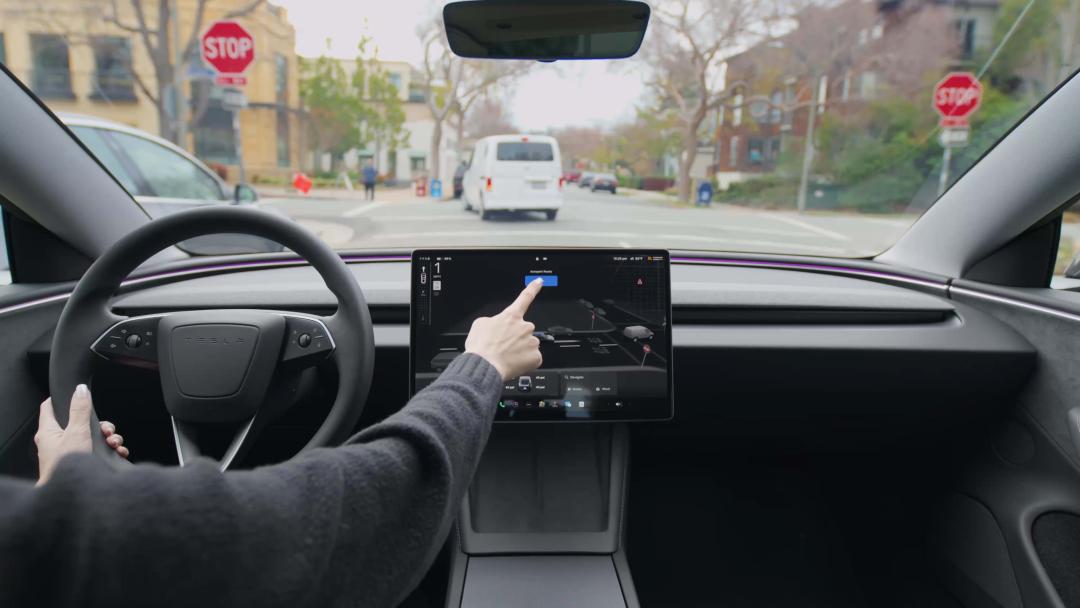
This reveals another reason why Tesla is eager to push for European approval.
FSD can be opened to eligible existing vehicles via OTA, and software subscriptions have higher potential for incremental gross margins.
Once large automotive markets such as Germany and France are approved for opening, Tesla will have the opportunity to convert more European car owners into continuously paying software users, while attracting new car purchase demand with the functional advantages of FSD.
In addition to software revenue, more FSD users also mean more real road data.
Traffic signs, road structures and driving habits vary across European countries, and Tesla needs to continuously accumulate local data to improve the model's adaptability to European road environments.
In fact, before officially obtaining European approval, Tesla has collected about 3.1 million kilometers of high-quality human driving data through its engineering fleet, and accumulated about 1.6 million kilometers of FSD engineering verification data for model training and testing. Markets such as Germany and France are all within the test scope.
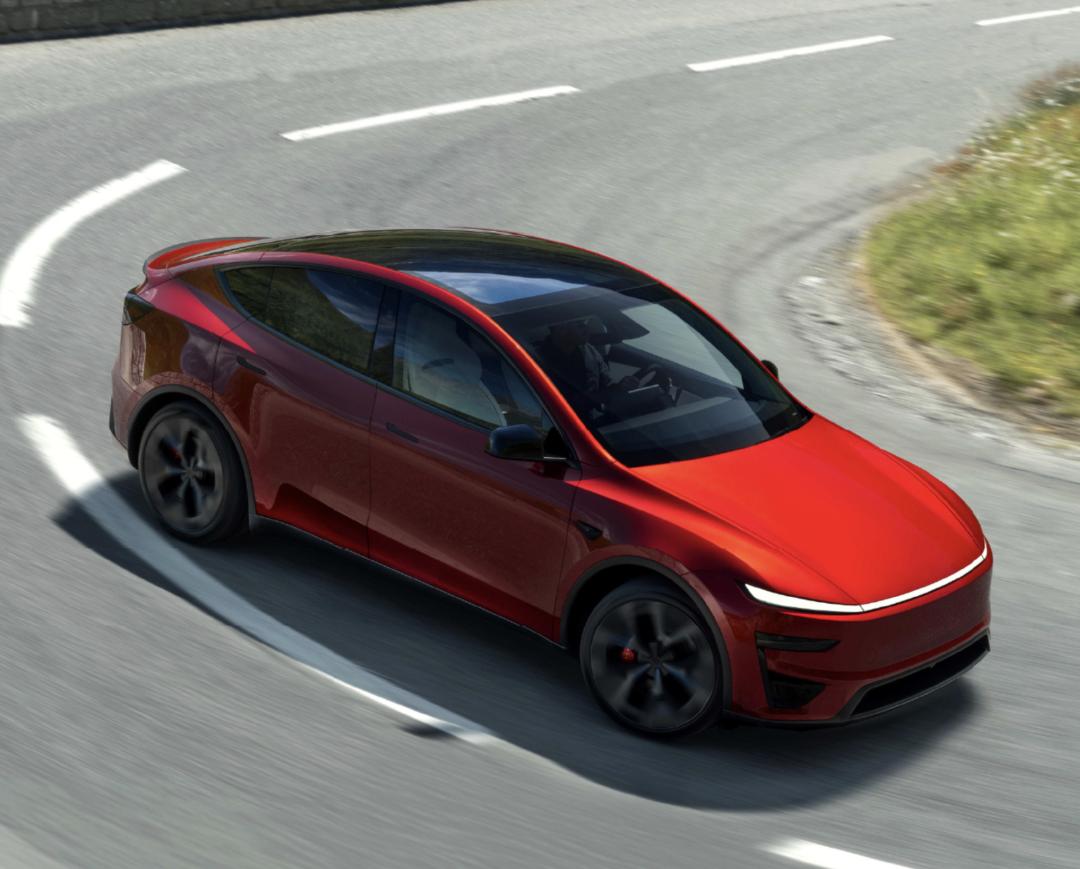
As more vehicles are approved to use FSD, Tesla will also have the opportunity to obtain a larger scale of real operation data, further improving the model's ability to handle complex driving scenarios.
More users bring software revenue, actual use brings training data, and technological improvement can attract more users. For Tesla, the value of the European market is superimposed on each other among these links.
In fact, not only in Europe, the promotion of Tesla FSD in China has also gone through a long wait.
In November last year, Musk said that he expected to get full approval from Chinese regulators in February or March 2026. In April this year, Tesla postponed the expected time to the third quarter.
Now that the third quarter has ended, the full version of FSD is still not fully open in China.
But it's not all no progress —
In May this year, Tesla once listed China in the official information of regions supporting FSD globally:
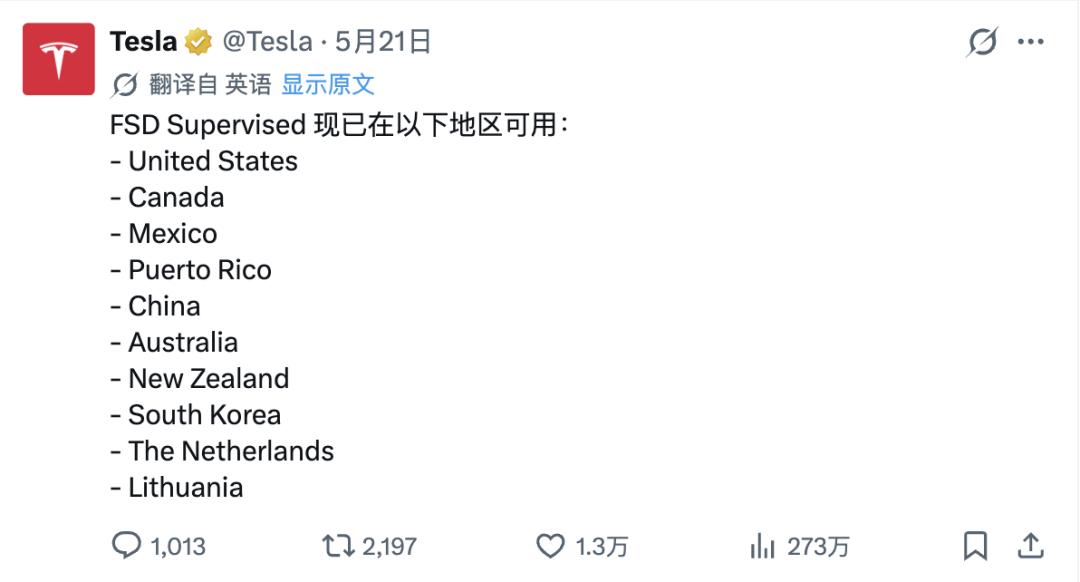
In the same month, Tesla also recruited on-site assisted driving test personnel in 9 cities including Beijing, Shanghai, Guangzhou and Shenzhen, involving work such as road testing and software function verification.
Now that TAD in Europe is about to be launched, is it not far from entering China next?
This article is from the WeChat official account