With 400,000 people online on the first day, has the "one game, two payment systems" policy of the South Korean MMO's global server sparked controversy?
As the global PC MMO market enters the stock game phase, the global free-to-play version of South Korean developer NCSoft's *AION 2* officially launched on Steam on October 5, hitting a peak concurrent player count of 397,900 on its first day, approaching the 400,000 mark.
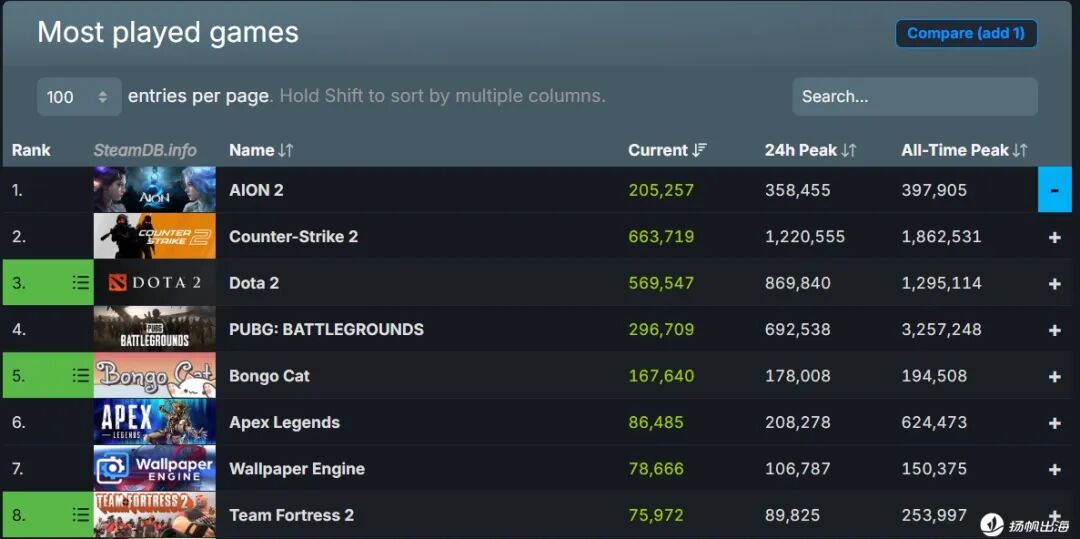
The all-time peak concurrent player count of *AION 2* now falls between that of *War Dogs* and *Delta Force*. Source: Steam DB
As of October 9, the game has received nearly 20,000 reviews with a positive rating of around 62%, leading to mixed overall feedback. Criticisms on Reddit and in review sections mainly focus on one point: What exactly is this payment system selling?
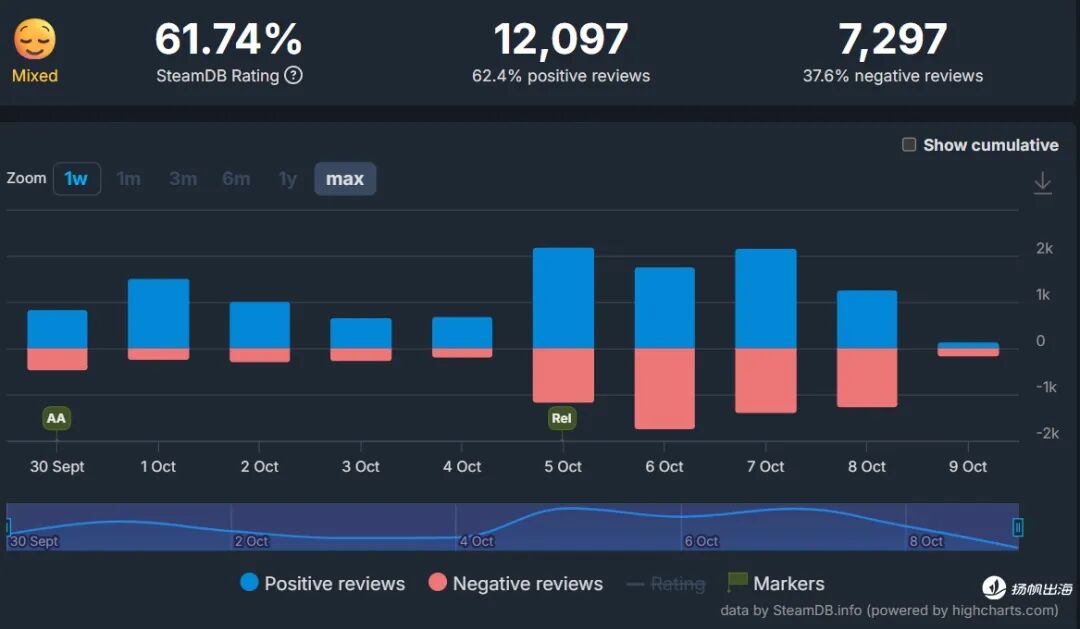
Positive reviews were overwhelmingly dominant in the early access phase, while negative reviews almost caught up with positive ones after the free-to-play launch on October 5. Source: Steam DB
Developed by South Korean studio NCSoft, *AION 2* previously suffered a player reputation crisis caused by its payment structure after its launch in South Korea and Taiwan regions in November 2025. Now, the studio has designed a separate economic system exclusively for the European and American markets. Despite fairly significant adjustments, the new system still sparks controversy among players. Can the experience accumulated over years of heavyweight MMOs targeting Western markets explain this discrepancy?
The "P2W" Path of *AION 2* in South Korea and Taiwan Regions
*AION 2* from South Korea's NCSoft is a faction-divided MMO, where the Elyos and Asmodians are located on separate servers and are hostile to each other from the start. In the late stage of character progression, players can cross the border to invade each other's territories. The "flight" mechanic inherited from the first *AION* remains the biggest highlight of the gameplay, running through the entire game, with gameplay tasks including gathering and collection requiring players to fly to different areas to complete.
MMOs have never lacked creativity and ambition in design, but Western players keep a close eye on another matter: How exactly does this game make money?
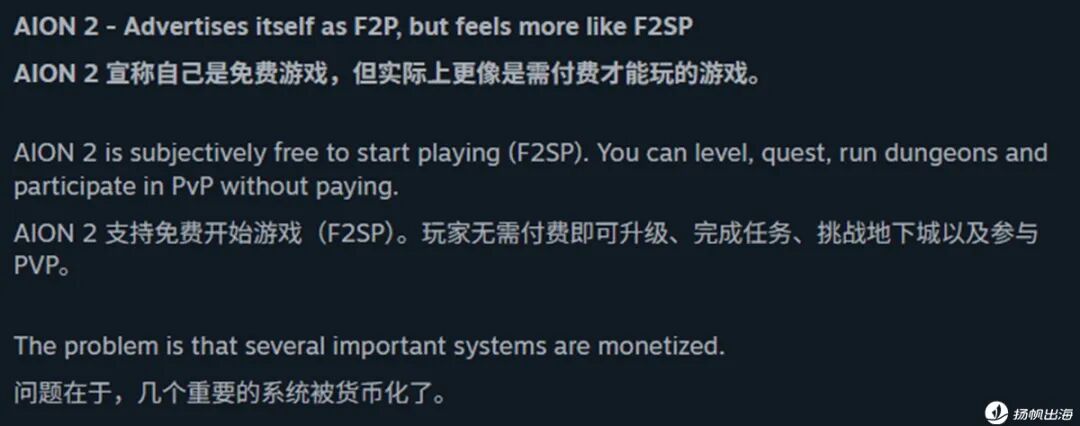
The core problem lies in whether the monetized parts are directly "tied to combat power". Source: Steam (*AION 2* review section)
The payment logic of Korean MMOs originated in the era of South Korean PC online games. Its structure relies on an open and free player trading economy to support a three-way cycle between high-spending players, gold farmers and casual players, with the official generating revenue from trading memberships and battle passes, and the in-game store avoids selling combat power directly as much as possible.
NC's products have encountered related crises more than once before. On November 19, 2025, the day *AION 2* launched in South Korea and Taiwan regions, the in-game store put up consumables that directly increase combat power, triggering widespread negative feedback in player communities. NC's stock price fell by more than 15% within two trading days. Producer Kim Nam-joon issued an apology via live stream around 15 hours after launch, permanently removed the relevant items and provided compensation to all servers.
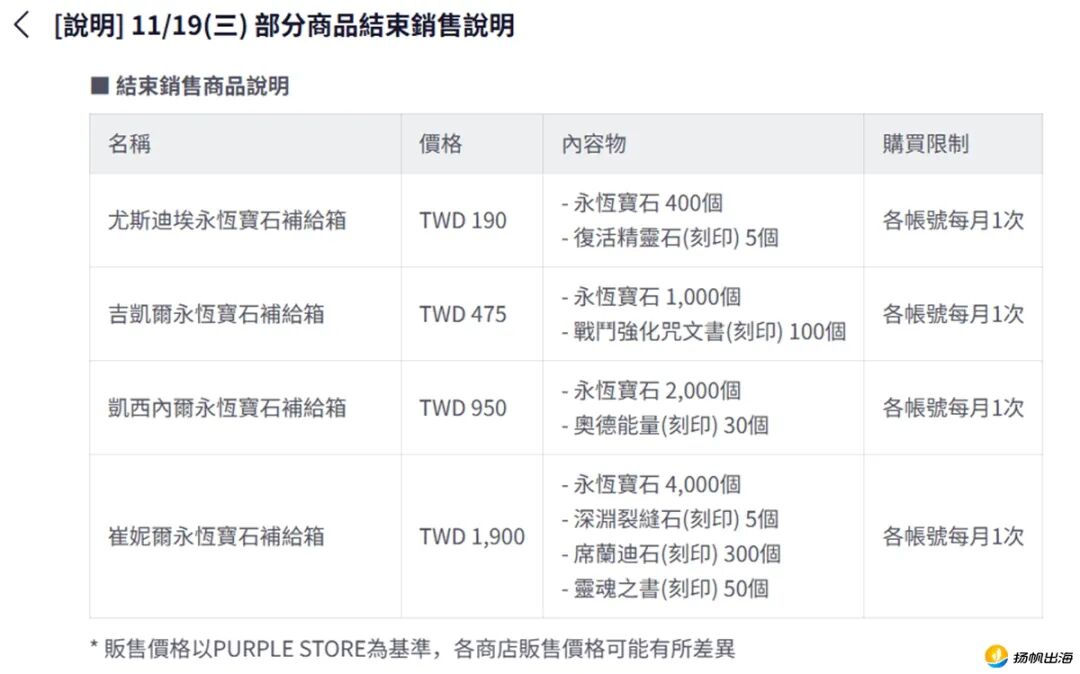
The emergency removal notice issued at that time. Source: NCSoft official website
No similar items have appeared in the in-game store since then. The open trading economy also allows players to convert money into combat power, a result players call indirect "Pay-to-Win".
Newzoo analyst Tom Wijman said in an interview with CNBC in 2018, "Pay-to-Win is generally not accepted by Western players, while in China, selling progress rewards and in-game speed boosts is widely accepted."
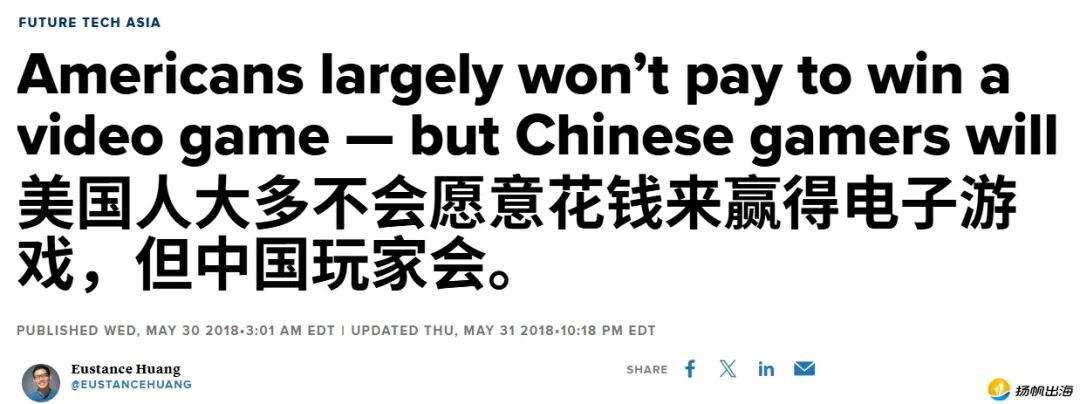
Two analysts from Newzoo and IHS Markit explained the differences in P2W payment habits between the East and the West and their causes in the same report. Source: CNBC
However, "pay-to-win (P2W)" has never had a unified definition in MMO player communities, with disagreements focusing on three variables: whether money can buy items that are unobtainable through regular gameplay, how significant this advantage is, and whether it determines the outcome of confrontations. The broadest school of thought counts convenience and speed boosts as P2W, deeming it P2W as long as paying players have a more comfortable experience than non-paying ones; the stricter school requires that equipment or abilities can only be obtained via payment and never through gameplay; the strictest school adds a threshold on the magnitude of the advantage, requiring the advantage to be large enough to completely crush opponents, while minor advantages are only considered as paying for convenience. As a result, the same product is often judged as having both properties at the same time.
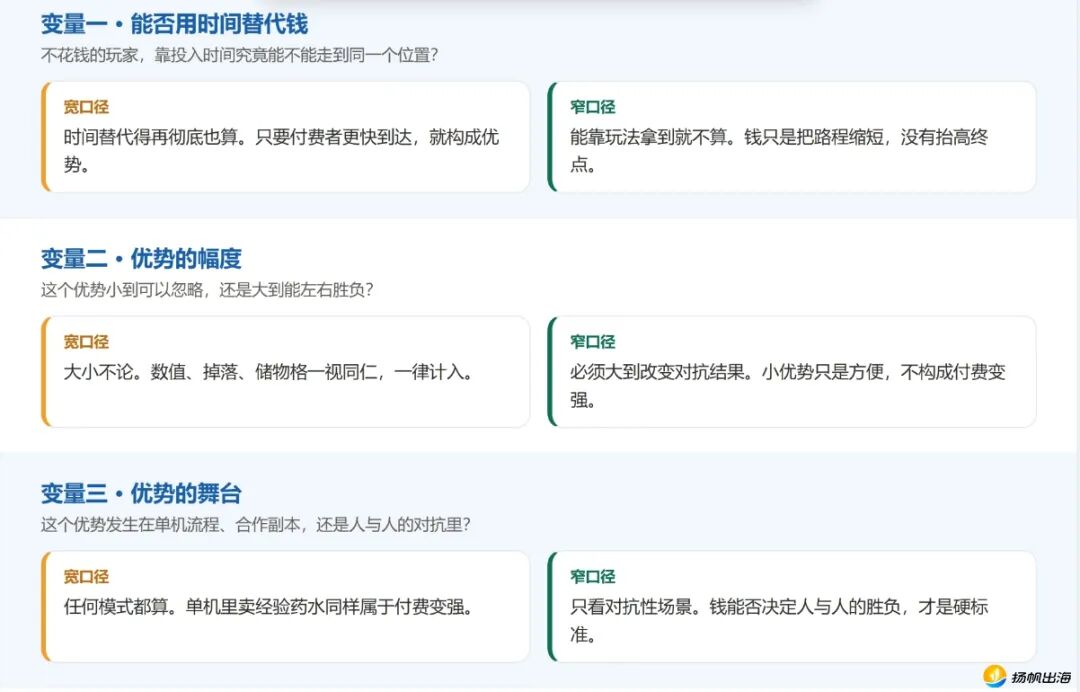
Three variables that define "pay-to-win". Chart by: YF Overseas
Using these three standards to measure *AION 2*, the conclusion is inconsistent. According to the broadest standard, it already "qualifies" as P2W, since the official provides an exchange function between Kinah and Kuna, allowing real money and in-game gold to be mutually convertible; according to the stricter standard, it is not P2W, as top-tier equipment can still only be obtained from dungeons.
When *AION 2* launched in South Korea and Taiwan regions, the "payment affecting combat power" mechanic relied on two independent paths. The first path is trading: Kinah is the in-game gold earned through gameplay, Kuna is the paid currency purchased with real money. The exchange platform is provided by the official, with order posting and transactions happening between players, and the official neither sets prices nor lists items directly. High-spending players purchase large quantities of progression materials via the auction house and face-to-face trading, gold farmers convert the resources they grind into gold, and the official charges usage fees for the trading function in this cycle. The second path is play count limits: premium memberships grant access to a certain number of dungeon runs per month, with levels and equipment dropping exclusively from dungeons, allowing paying players to progress faster. With both paths open, the official can always claim that the in-game store does not sell combat power.
The global server claims to be changing these two very paths.
Iterations and Improvements on the Global Server
After the global server launched, the membership was renamed Special Quai Membership, priced at $14.99 per month. All bonuses related to play counts were completely removed from the benefit list, leaving only remote warehouse access, auction house access, and gold exchange store access. In terms of trading methods, the official closed the face-to-face trading window to fight bots, and all transactions between players can only be completed through the Market process.
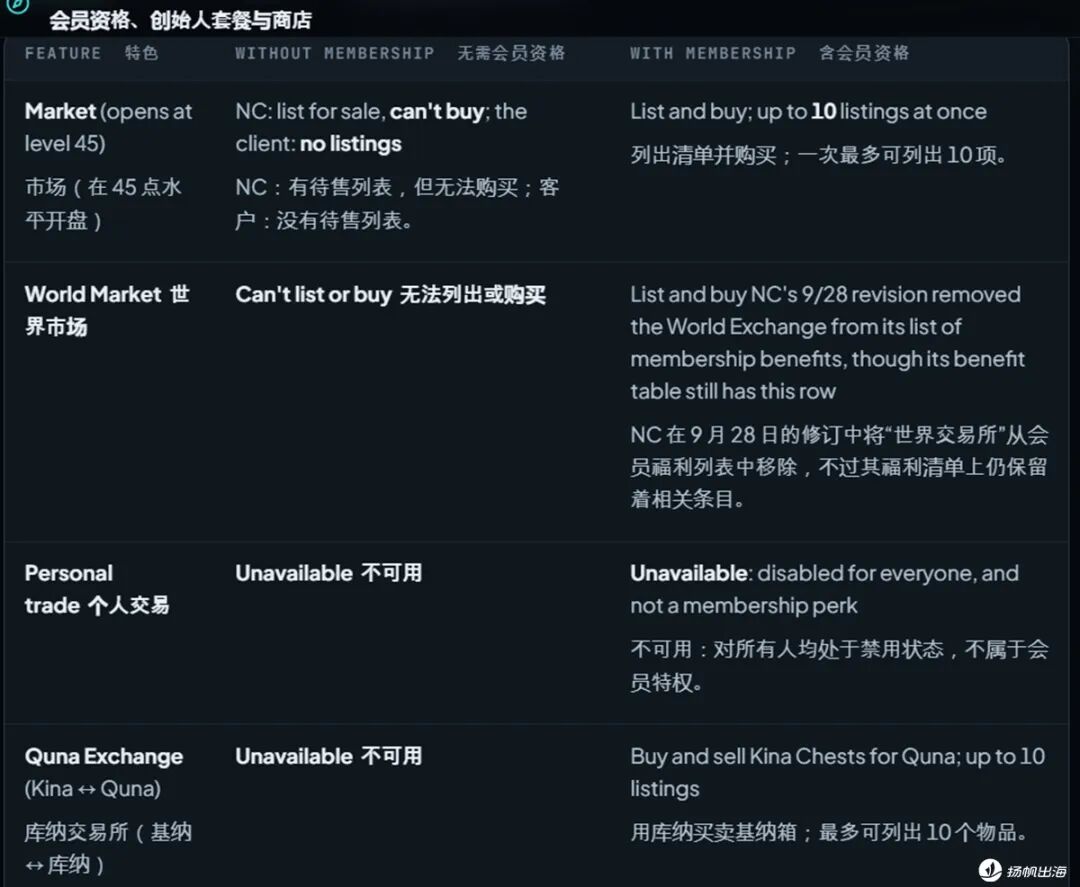
Direct player-to-player trading is removed, the "World Market" is tightened, and the trading cap is lowered. Source: AION 2 MAPS
Paying players can no longer give gold or equipment directly to a specific person. High-spending players buying materials and gold farmers selling their outputs can only post public orders on the market and wait for transactions, with no control over the quantity or timing. Players who do not purchase a membership cannot even sell items. For progression and combat, endgame equipment growth is adjusted to enhancement and inheritance upgrades, with materials only obtainable from dungeons and daily quests, and a weekly cap on the number of dungeon runs.
However, the adjustments on the global server are not thorough, and "P2W" still exists in a more roundabout way. The official promised that the in-game store will no longer sell items that directly enhance characters, but "extra dungeon runs" are included in the paid battle pass benefits. The reward lists of the two battle passes not only include materials and in-game currency, but also an energy item that players need to consume to claim rewards after clearing multiplayer levels. The system only restores enough energy for 2 to 3 runs per day. While the play count bonus in memberships has been removed, play counts are now sold via battle passes. The second path that links money to character strength in the South Korea and Taiwan versions has not disappeared, it has only changed the charging position.
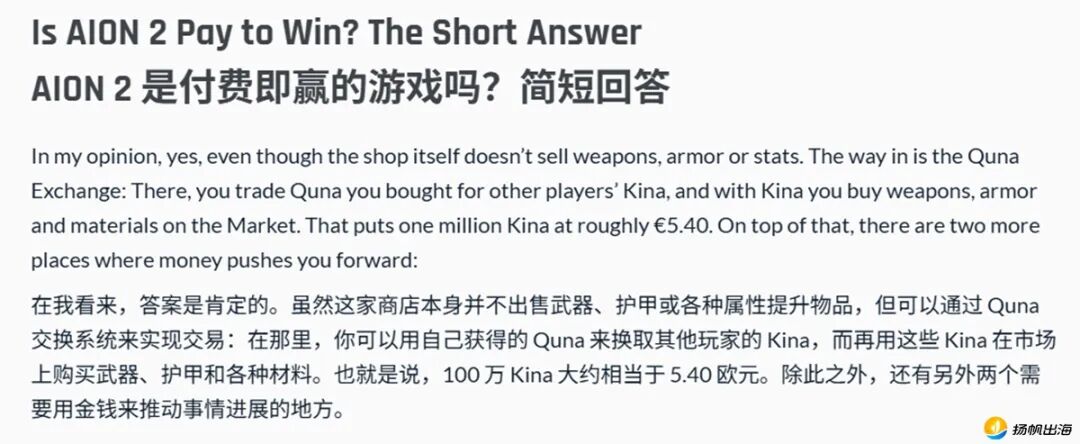
"P2W" exists in various forms, and players have different levels of acceptance for different methods. Source: Space4Games
Secondly, the reason for closing direct player-to-player trading is to crack down on teams that use automated programs to grind resources for profit. The problem with this measure is that it skips the production link: bots can grind monsters to obtain gold, and this gold is not character-bound and can be transferred to others. The official only shut down the private transfer step, the monster grinding process itself is not restricted, and transfers can still be completed via public order posting.
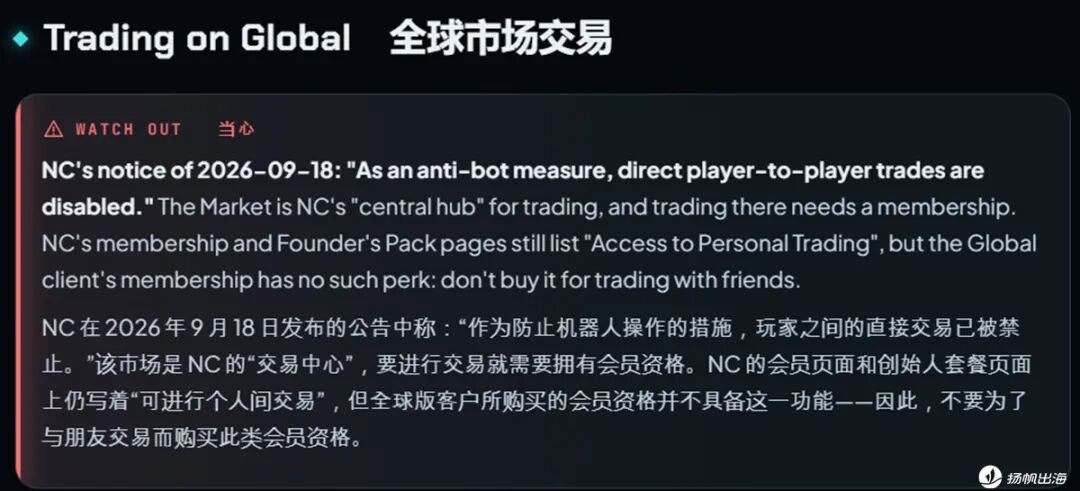
The goal is to "prevent bot operations". Source: AION 2 MAPS
The actual measure to block bots is implemented in the gathering gameplay, requiring players to enter a verification code every 10 minutes to prove they are human. This requirement applies to all players, constantly interrupting the operations of normal players.
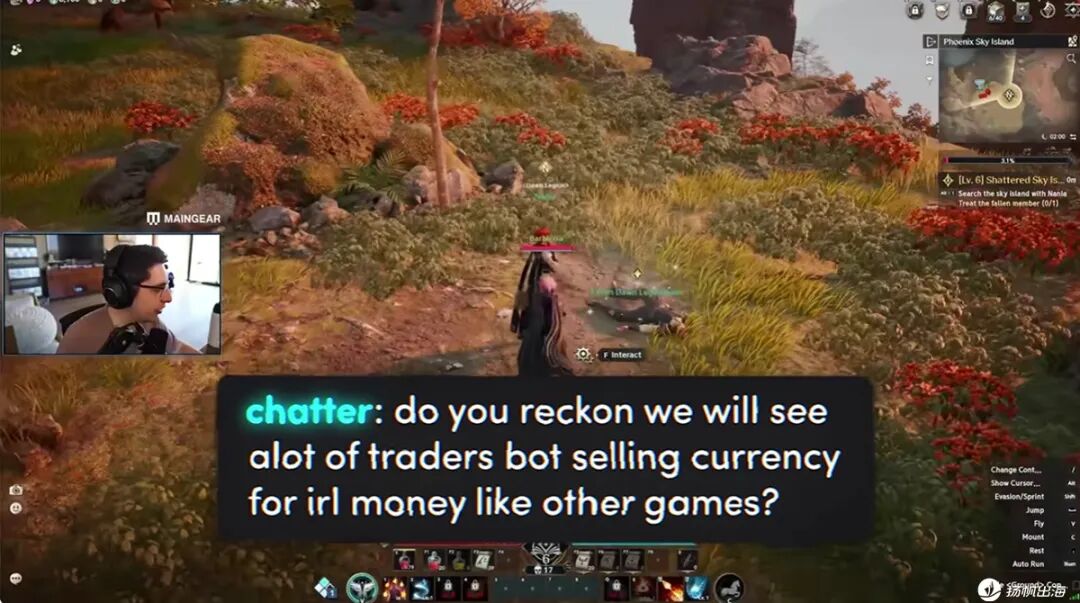
How the game can effectively stop trading bots remains one of the top concerns for MMO players when learning about *AION 2*. Source: YouTube
All these factors explain why Western MMO communities reject P2W structures from a value perspective, which is why the global server has to adopt a separate set of rules, and also illustrate the difficulties in the implementation of rule changes. NC is not the only company trying to figure out to what extent this structure needs to be adjusted for overseas markets.
The Packaging of "Selling Combat Power" and the Dilemma of MMOs
Western MMO communities have a history of rejecting pay-to-win mechanics. Two other Korean MMOs from NC and Smilegate followed the same path when entering Western markets: *Throne and Liberty* peaked at over 330,000 concurrent players on Steam at its launch in October 2024, but only had around 5,000 concurrent players in August 2026; *Lost Ark* hit a peak of 1.32 million concurrent players in February 2022, and its average daily concurrent players dropped to around 5,300 in August 2026. In the player complaints for both games, the "pay-to-win" mechanism ranks first.
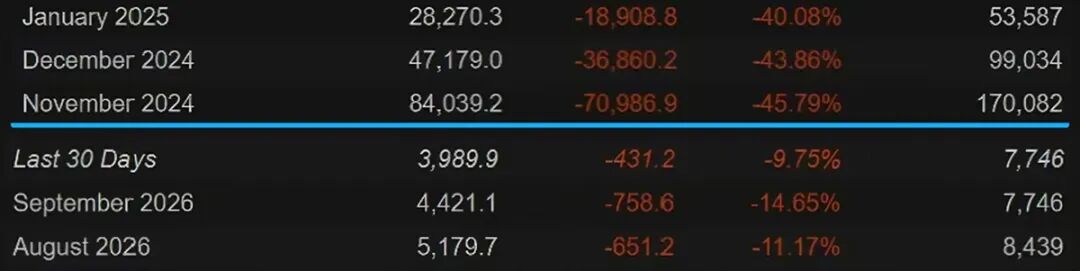
Peak concurrent player count changes of NCSoft's MMO *Throne and Liberty* from 2024 to 2026. Source: Steam DB
The same set of trading rules can lead to completely opposite results in different markets, which is the prerequisite for judging how far the rules can be adjusted.
On July 29 this year, *River of Heroes: NEXT* from Kaiying Network launched in South Korea and topped the South Korean iOS download chart. According to estimates from Diandian Data, the game generated over $8.54 million in estimated revenue in August, ranking third on the list of fastest-growing overseas revenue for Chinese mobile games that month. Its "free trading" mechanism and payment model fall into the same category as the South Korea and Taiwan versions of *AION 2*: from equipment to in-game gold, all items can circulate between players, and the trading and crafting functions themselves also have payment thresholds, allowing players to pay for the qualification to participate in economic