Over 200 billion yuan of hotel assets are rushing into the REIT market, and hotel investment finally has an exit channel.
Hotel assets are intensively entering the REIT market.
At the end of September, Huatai Huazhu Anju REIT completed the inquiry, with the final subscription price set at 2.329 yuan per unit. Calculated based on the 500 million units issued, the estimated raised capital will reach 1.1645 billion yuan.
The underlying assets are three hotels: Mercure Guangzhou Tianhe Sports Center, Ji Hotel, and Orange Crystal Shanghai Jiangqiao Wanda. The fund has obtained the registration approval from the China Securities Regulatory Commission, and plans to conduct subscription for offline and public investors from October 19 to 20.
On September 30, CICC Kaiyuan Tourism Commercial REIT was also officially approved. The total number of raised fund units is 600 million, and it contains three Kaiyuan Mingdu hotels in Hangzhou, Wenzhou and Shengzhou. The latest disclosed data shows that the total assessed value of the three hotels is about 1.613 billion yuan.
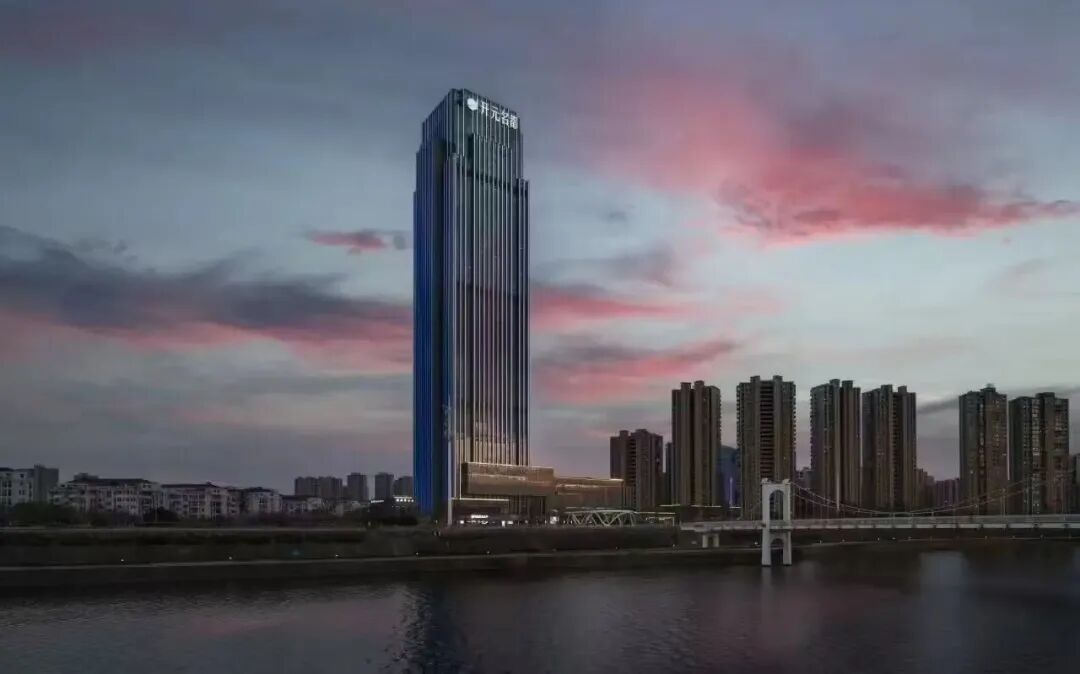
Shengzhou Kaiyuan Mingdu Hotel
However, the hotel assets entering the REIT market this year are far more than these few.
At the end of June, Hua'an Jinjiang Commercial REIT completed the inquiry, with the subscription price set at 2.672 yuan per unit, and the number of units raised for the first time is 700 million, with the estimated raised capital of about 1.87 billion yuan.
Its underlying assets are 21 Jinjiang Metropolo hotels distributed in 18 cities across the country, with more than 3,000 rooms. It is also the first public offering commercial REIT in China that takes pure hotel assets as the underlying assets.
Larger projects come from Sanya.
In March this year, the Guolian An Fosun Commercial REIT with Atlantis Sanya as the underlying asset was accepted by the Shanghai Stock Exchange, with the proposed fundraising scale reaching 13.928 billion yuan.
The project includes the Atlantis Hotel and the Aquaventure Waterpark, of which the hotel segment has a floor area of about 250,000 square meters, accounting for 81.04% of the total floor area of the entire project. If successfully issued, it will become one of the commercial real estate REITs with the largest declared scale at present.
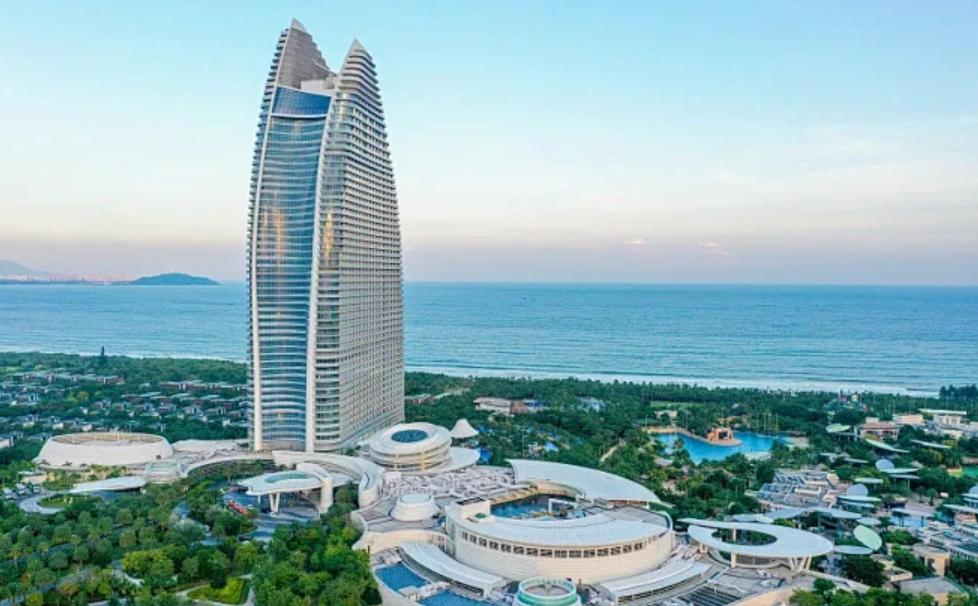
Atlantis Sanya Hotel
In addition, some local state-owned assets have also begun to bring hotels into the REIT market.
In June, GFHA Zhuhaichengfa Commercial REIT was accepted by the Shenzhen Stock Exchange. Its asset is The Langham, Guangzhou, which is located in the core area of Pazhou Exhibition and has 488 rooms, with an estimated fundraising scale of 1.425 billion yuan.
The inter-institutional REIT is also accelerating its development.
In July, the Caitong Asset Management - Yuanzhou Group Hotel Holding Real Estate Asset-backed Special Plan was approved by the Shanghai Stock Exchange, with a proposed issuance scale of 2.151 billion yuan. The underlying assets are the self-owned hotel properties of Yuanzhou Group, making it the first inter-institutional REIT for hotels in China that has fully gone through the exchange review process.
In August, Changchun High-tech announced that it plans to use the Changchun High-tech InterContinental Hotel, Changchun High-tech Holiday Inn and the underground parking lot as underlying assets to declare for inter-institutional REIT, with a proposed issuance scale of 1.194 billion yuan.
These projects are at different stages, and the product structures of public offering REITs and inter-institutional REITs are not completely the same.
However, if we only calculate the six projects that have disclosed the clear issuance or proposed fundraising scale, namely Jinjiang, Huazhu, Fosun Atlantis, The Langham Guangzhou, Yuanzhou and Changchun High-tech, the scale has exceeded 21.7 billion yuan, excluding Kaiyuan whose issuance pricing has not been completed yet.
Hotel REITs have rapidly evolved from several scattered attempts to a wave of concentrated asset entry.
In the first half of 2026, the transaction value of hotel investment in Chinese mainland has exceeded 9.9 billion yuan, a year-on-year increase of 155.4%.
What is really noteworthy is that a problem that has long plagued heavy-asset hotel investment is getting a new answer:
The capital invested in hotels is starting to have the opportunity to exit from the capital market.
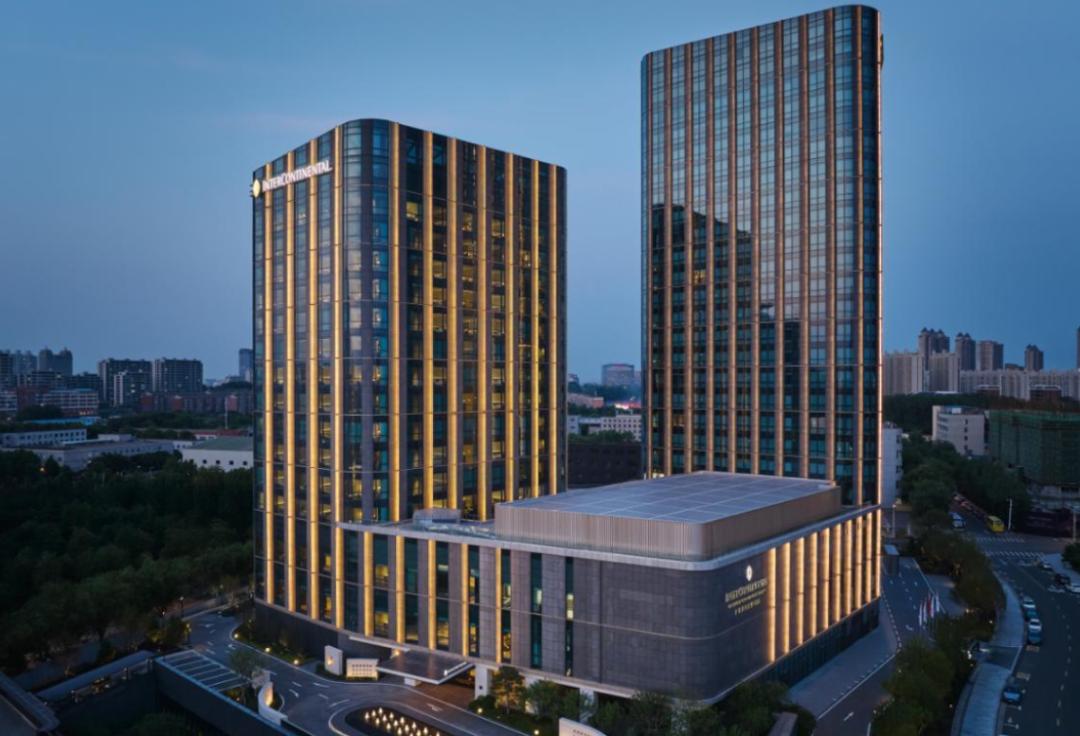
InterContinental Changchun High-tech Hotel
01
The hardest part of hotel investment is exit
Whether a hotel is a good business or not, the industry used to like to calculate the return on investment, but for heavy-asset hotels, there is always a final account that is often ignored:
That is the exit.
This is also the biggest difference between hotels and many ordinary franchise businesses.
When you invest in a franchised hotel, you can withdraw after the lease expires. If you actually buy a property to run a hotel, once hundreds of millions or even more than a billion yuan of funds are invested, the investment cycle may be more than ten or even decades.
Hotels are a very special type of real estate.
Residential properties can be sold separately, office buildings can be sold as a whole or transacted by floors, and commercial projects have a relatively mature institutional investment market. However, the property value of hotels is highly bound to the brand, operation capability, customer source structure and cash flow.
For the same building, whether the annual profit from hotel operation is 30 million yuan or 50 million yuan, the corresponding asset price is completely different in the end.
This has also created a long-standing contradiction in China's hotel investment market: there are a large number of assets, but not many of them are really easy to sell.
Data from JLL shows that from 2015 to 2024, the cumulative transaction value of hotel investment in Chinese mainland was about 168.54 billion yuan, with an annual average of about 13.94 billion yuan.
In the first half of 2026, the transaction value exceeded 9.9 billion yuan, a year-on-year increase of 155.4%, and large-scale hotel transactions have rebounded significantly.
However, the preference of funds is very concentrated.
In the first half of this year, the most popular projects in the market are hotel projects with a value of less than 500 million yuan. High-net-worth individuals have become important buyers of hotel assets, and small-scale projects in first-tier cities, core locations with stable cash flow are easier to conclude transactions.
On the other hand, a large number of hotels with average operation, ordinary location and excessively high total price still find it very difficult to find buyers even if they enter the trading market.
The traditional exit of hotel assets roughly has only several paths: selling the property as a whole, equity transfer, selling to institutional investors such as funds or insurance companies, or continuing to hold it for a long time.
Each of these methods requires finding a buyer who is willing to take over the entire asset at one time.
But REIT has changed this transaction structure.
On December 31, 2025, the China Securities Regulatory Commission officially launched the pilot program of commercial real estate REITs, and hotels were clearly included in the underlying asset types of commercial real estate. The Shanghai Stock Exchange later also made it clear that it will focus on supporting the declaration and issuance of commercial REITs for hotels and other commercial real estates with clear ownership, mature operation mode and continuous and stable cash flow.
Six months later, the first batch of 4 commercial real estate REITs were listed on the Shanghai Stock Exchange, with a total raised capital of about 20.3 billion yuan.
A hotel that originally needed to find a single buyer can thus be put into a publicly traded fund product.
In the past, the hotel industry has solved the problems of brand, operation, franchise, supply chain and even member traffic, but it has always lacked a sufficiently mature asset exit market.
REITs are starting to fill this gap.
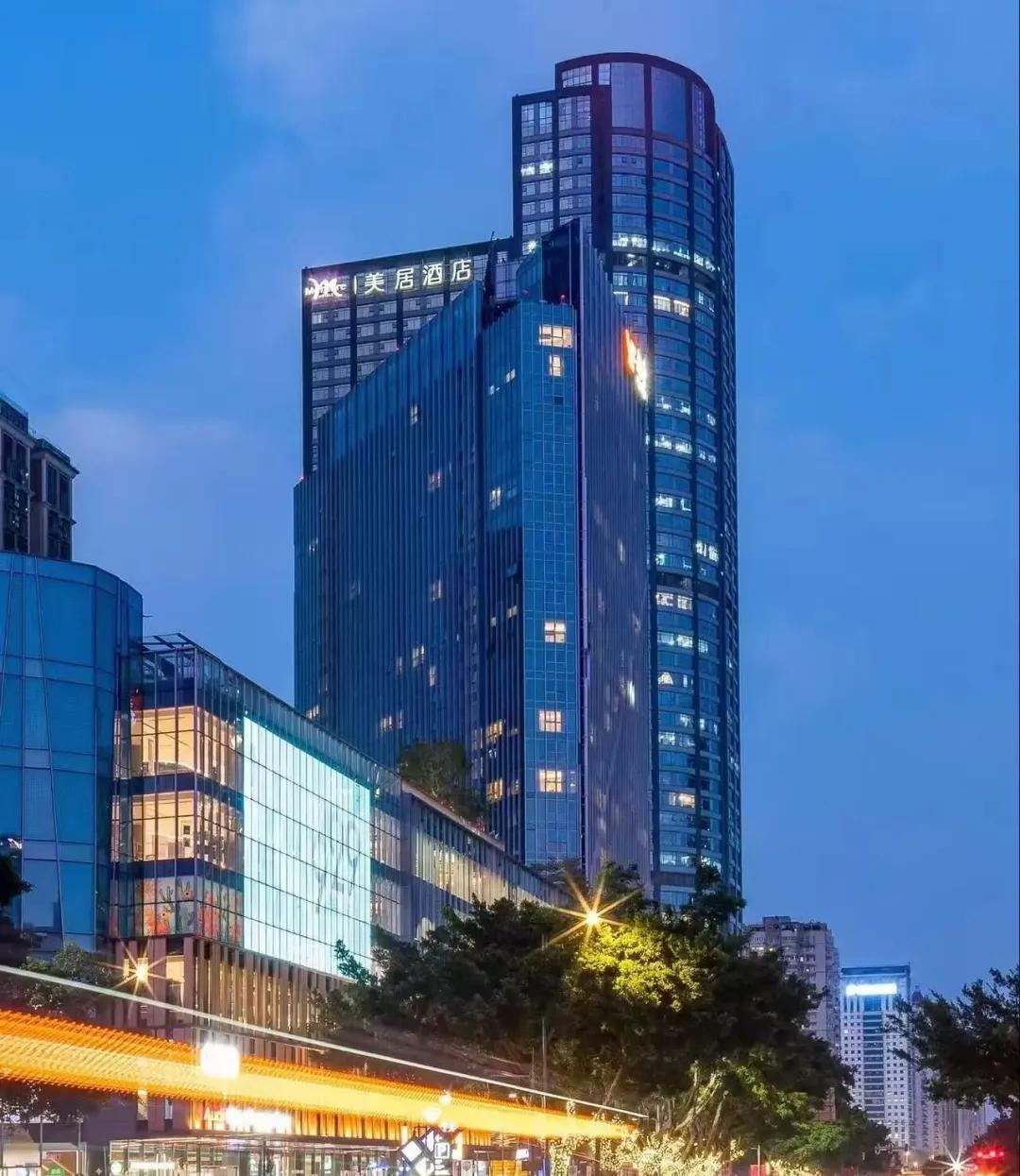
Mercure Guangzhou Tianhe Sports Center, Ji Hotel
02
Jinjiang, Huazhu and Kaiyuan are all entering the market,
Hotels are being re-priced
The most interesting part of this round of hotel REITs is not just the increasing number of projects, but the obvious differences that have emerged in hotels entering the capital market.
Jinjiang provides a very typical sample.
Hua'an Jinjiang Commercial REIT has put 21 Jinjiang Metropolo hotels at one time, distributed in 18 cities including Guangzhou, Changsha, Wuhan, Hefei, Fuzhou, Nanchang, etc. The assessed value of the real estate assets is about 1.684 billion yuan.
This Jinjiang project does not rely on a single landmark property, but forms an asset portfolio through 21 standardized mid-to-high-end hotels, reducing the fluctuation of a single property through city diversification and brand standardization.
This means that hotel assets eligible for REITs do not necessarily have to be "luxury" enough.
Standardization, large scale and continuous cash flow can also form asset value recognized by the capital market.
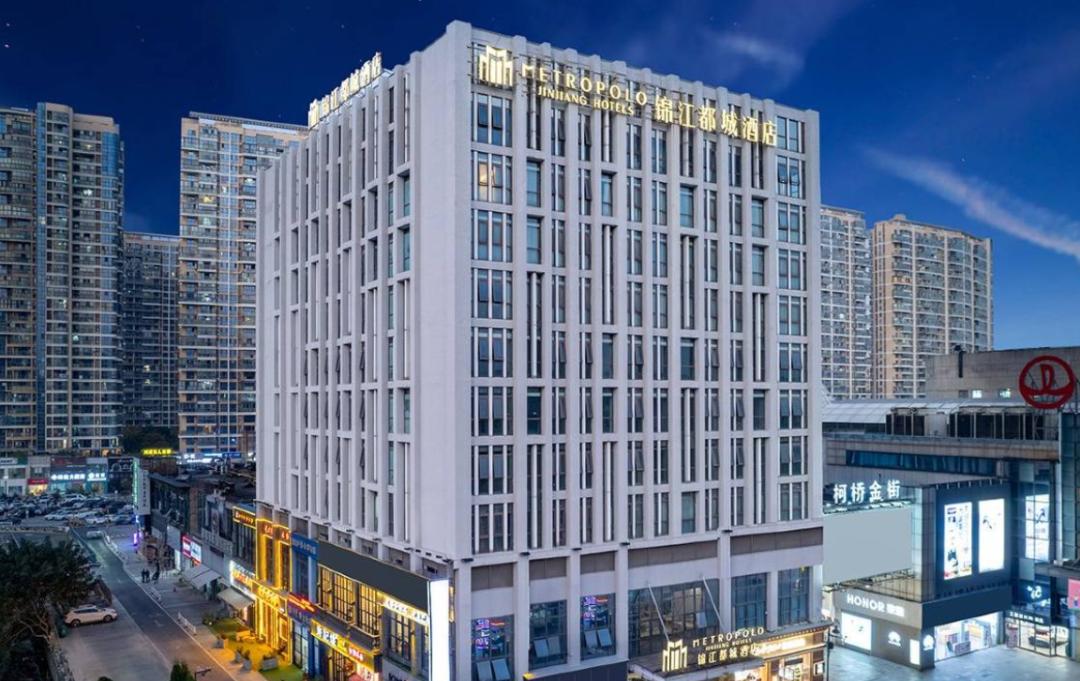
Jinjiang Metropolo Hotel
Huatai Huazhu Anju REIT also chose hotels that are not luxury hotels in the traditional sense.
The Guangzhou project consists of Mercure and Ji Hotel, and the Shanghai project is an Orange Crystal. The three hotels have a total of 1,044 rooms, all of which are mature projects opened in 2022. The adjusted assessed value of the asset package is about 1.494 billion yuan.
Among them, the Guangzhou project is located in the core Tianhe business district, and the Shanghai project is located near Jiangqiao Wanda, which can cover the business needs of Hongqiao Hub and the National Exhibition and Convention Center.
What the capital market cares about first is whether this asset can make money stably.
This also echoes the business model formed by Huazhu over the past decade or so.
As of the end of June 2026, Huazhu had 13,539 operating hotels worldwide with 1.335 million rooms, of which 93% of the rooms adopted the management franchise and franchise model, and the lease and self-owned model only accounted for 7%.
The hotel group itself is becoming lighter and lighter, but the cash flow of mature hotel properties can still be taken out separately for valuation.
As early as 2013, Kaiyuan issued a hotel REIT in Hong Kong, which initially contained 5 hotels, and then continuously injected hotel assets later.
In 2021, Kaiyuan Industrial Trust withdrew from the Hong Kong capital market. More than ten years later, Kaiyuan returned to the REIT market again.
This time, the projects entering the mainland commercial real estate REIT are Kaiyuan Mingdu Hangzhou, Kaiyuan Mingdu Wenzhou and Kaiyuan Mingdu Shengzhou, with a total of 1,428 rooms. The average occupancy rate of the three hotels in 2025 is about 67%, and the latest total assessed value is 1.613 billion yuan.
Kaiyuan's case is closer to the problems faced by traditional heavy-asset hotel groups.
For decades, many Chinese hotel enterprises have taken a very typical path:
Acquire land or buy properties, invest in the construction of hotels by themselves, introduce or build brands, operate for many years, and finally look for opportunities to sell. The asset value is deeply bound to the building.
However, after the emergence of REITs, this path may be recombined.
Invest in hotels — mature operation — increase cash flow — asset securitization — capital exit — re-investment.
Hotels finally have the opportunity to form a more complete capital cycle.
If Jinjiang and Huazhu represent standardized chain hotels, and Kaiyuan represents traditional full-service heavy-asset hotels, then Atlantis Sanya pushes hotel REITs to the other end.
It is a large-scale resort asset with an investment of more than 10 billion yuan. In addition to 1,314 rooms, it also includes complex formats such as water park, aquarium and performance.
In 2024, the occupancy rate of the project's hotel reached 83.75%, and RevPAR was about 1,608 yuan. The proposed fundraising scale this time reached 13.928 billion yuan.
This means that the types of hotels that REITs can undertake have expanded from standardized mid-to-high-end hotels to large-scale comprehensive resort assets.
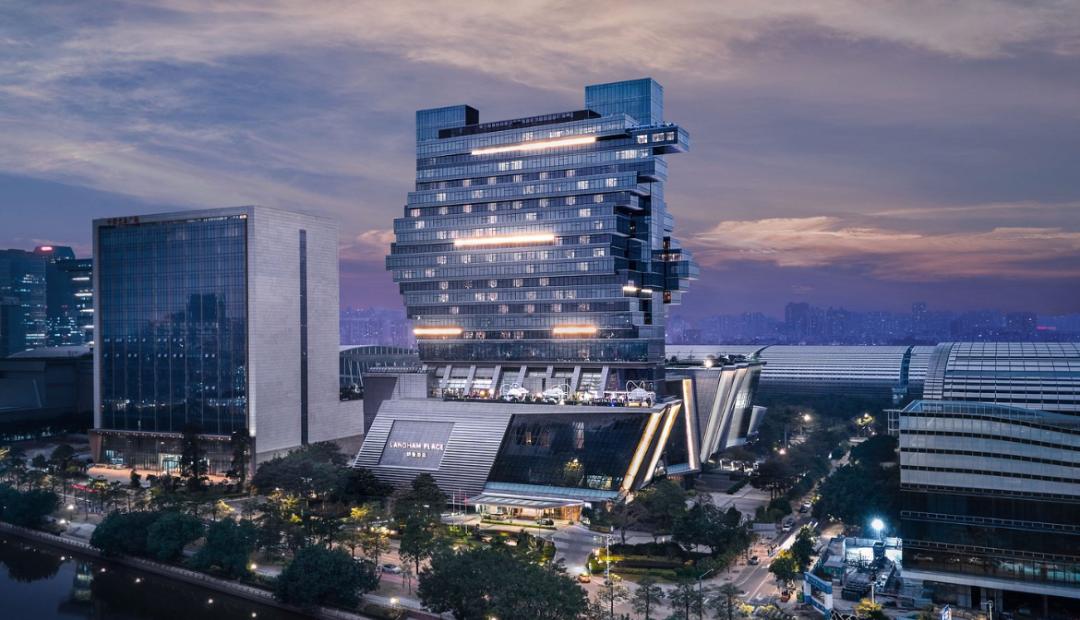
The Langham, Guangzhou
The addition of The Langham Guangzhou and Yuanzhou further expands this path.
The former is a convention-oriented high-end hotel owned by local state-owned assets, while the latter is a number of high-star properties long-term self-held by private hotel groups. Coupled with the InterContinental and Holiday Inn under Changchun High-tech, there are a large number of similar assets in China held by local state-owned assets, urban investment platforms, cultural tourism groups, real estate enterprises and large industrial groups.
Hotels may only be a part of the entire group's balance sheet, but they have occupied a large amount of capital for a long time.
When REIT becomes a feasible exit tool, these hotels have an extra choice.
Therefore, this round of assets that can enter the capital market has expanded from