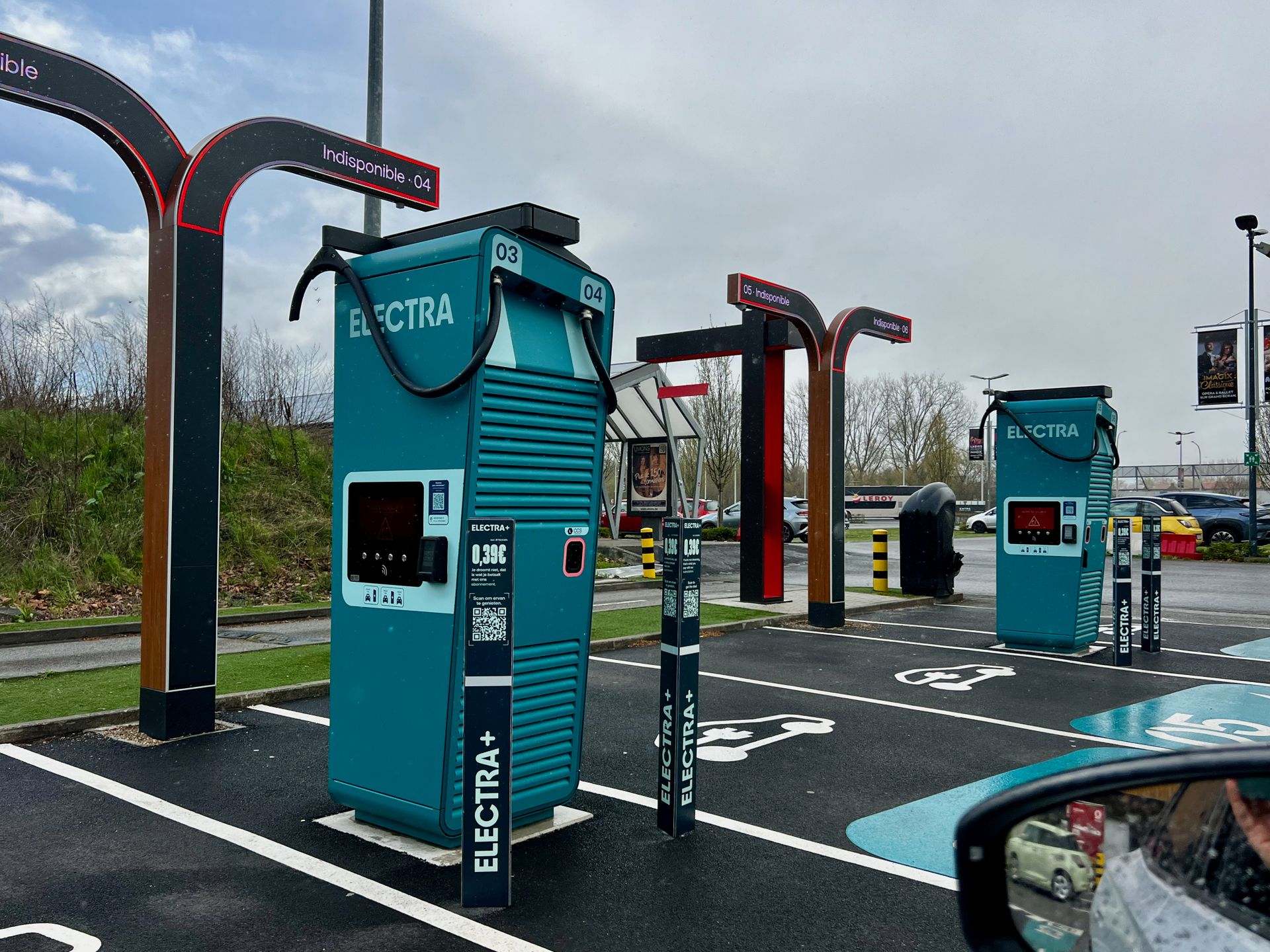
Trillions of yuan have been invested in the charging pile industry, so why do we still have to wait in long queues for charging on expressways during long holidays?
What are the most concerning and distressing issues for everyone during the just-concluded National Day holiday? Apart from huge crowds and traffic jams everywhere you go, the scramble for charging piles on expressways is also a top headache. Charging pile shortages have long been a persistent problem during almost every long holiday. But if we take a close look at the data, China's investment in charging piles has reached a trillion-yuan scale over the years. With such a massive increment, why do we still have to wait in long queues for charging during long holidays?
1. Has Trillions Already Been Invested in Charging Piles?
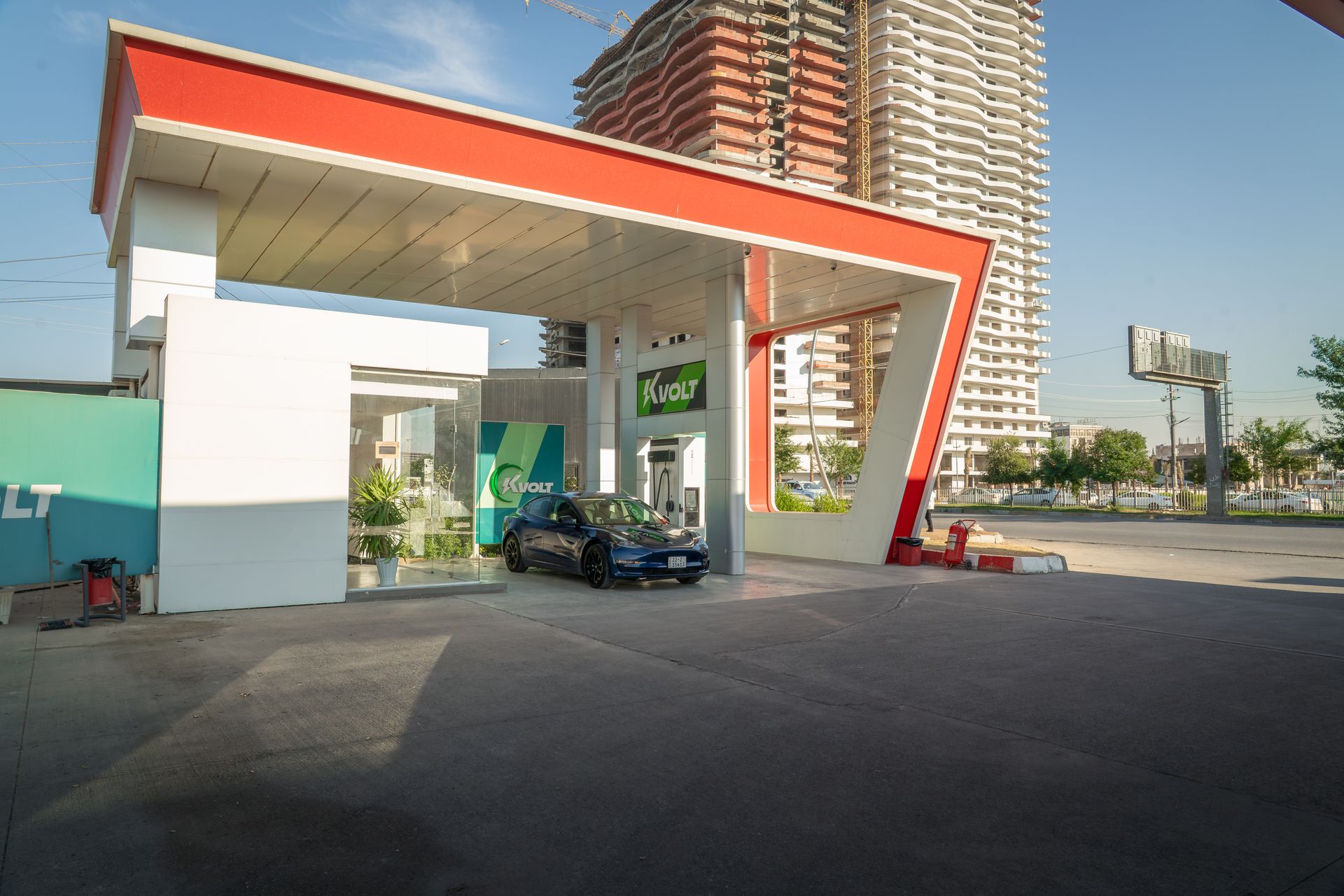
According to reports from Huxiu, trillions of yuan have been poured into expressway energy replenishment infrastructure, but the predicament of queuing for charging during the National Day holiday has not been resolved at all. As of now, a total of about 89,000 charging facilities have been built at expressway service areas across the country. From January to August 2026 alone, the Ministry of Transport added 11,000 high-power charging facilities, which is equivalent to the sum of the previous cumulative total, and charging facilities have basically covered all service areas.
Data from the National Energy Administration also shows that by the end of December 2025, the number of electric vehicle charging facilities in China reached 20.092 million, exceeding the 20 million mark. Among them, there are 4.717 million public charging facilities (guns) and 15.375 million private charging facilities (guns). At present, China has built the world's largest electric vehicle charging network, supporting the charging demand of more than 40 million new energy vehicles.
However, these figures are vulnerable in the face of peak demand. Taking the first day of the National Day holiday as an example, the national expressway charging volume reached 28.0469 million kWh, a year-on-year increase of 60.40%, hitting a record high for a single day during holidays; in the first three days of the holiday, the cumulative charging reached 2.9686 million times, with an average daily charging volume of 23.8731 million kWh, a year-on-year increase of nearly 50%.
Against such a macro background, this year's situation is even more ironic: in addition to waiting for more than a hundred number slips to get a charging slot, new contradictions have emerged: fast charging piles operate at reduced power when queues form, and some brand-exclusive charging piles have even implemented differentiated charging restrictions.
2. Why Do We Still Have Long Queues for Charging on Expressways During Long Holidays?
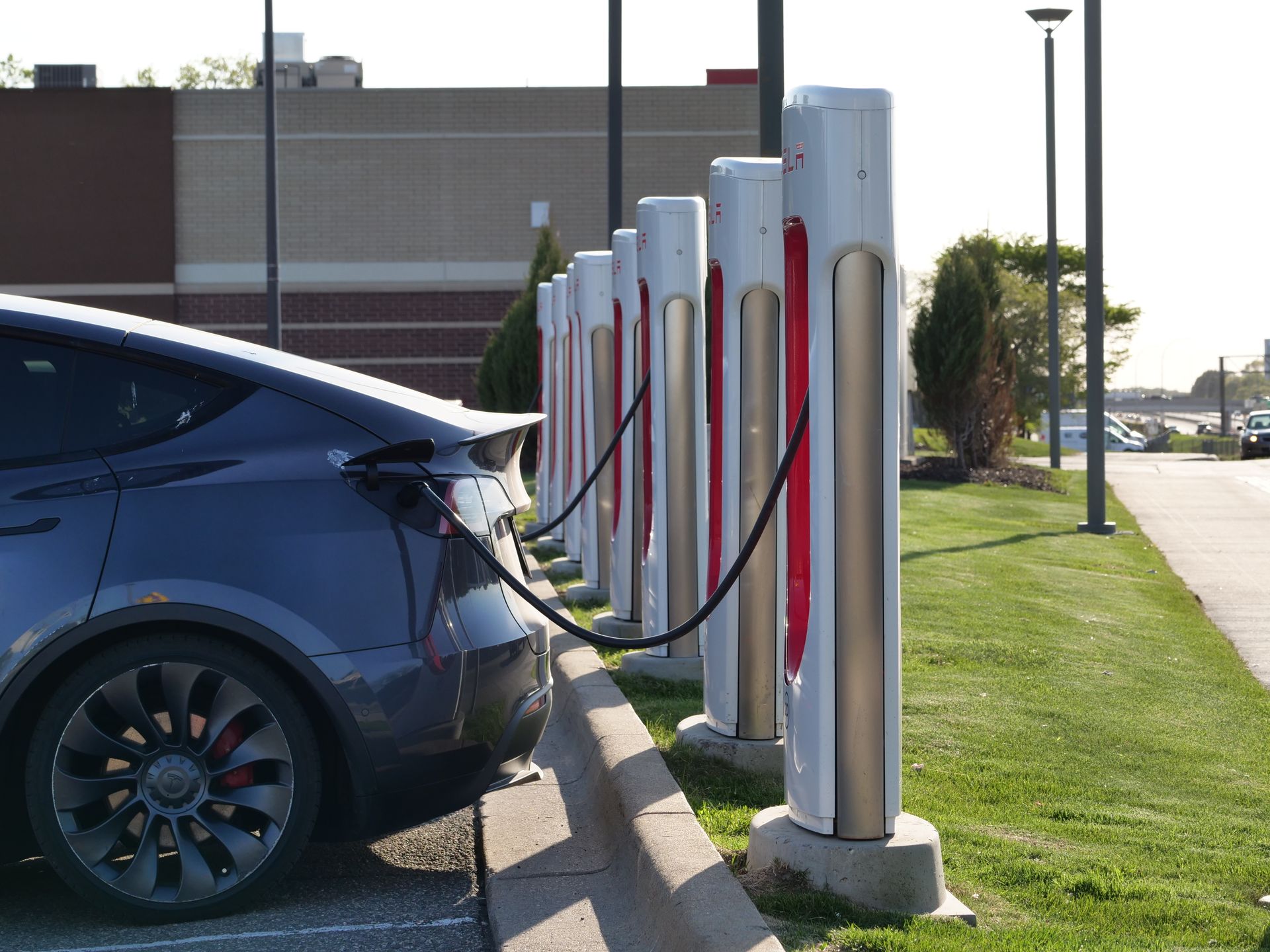
In recent years, news that new energy vehicle owners queue for hours to charge at expressway service areas almost every long holiday has consistently topped trending searches. Many people find it hard to understand: after so many years, the total investment in the national expressway charging network has long exceeded one trillion yuan, the number of charging piles has multiplied several times, and the coverage rate has also improved. Why has the queuing problem not been alleviated but become more prominent at peak travel nodes like the National Day and Spring Festival holidays?
First of all, the physical logic of the charging mode is inherently conflicting with that of refueling. We often say "5 minutes for refueling, one hour for charging", and this popular saying actually reflects the technical generation gap between the two energy replenishment paths: refueling is continuous fluid energy replenishment, fuel is quickly delivered to the fuel tank through pipelines, the whole process only takes a few minutes, and the ceiling of energy replenishment efficiency is extremely high. Charging, on the other hand, is electrochemical energy storage transfer. Even the most advanced 800V high-voltage fast charging is limited by the chemical reaction rate of the battery, heat dissipation capacity, and the upper limit of the power grid's bearing capacity, so the actual energy replenishment speed can hardly break through the ideal threshold. Not to mention the efficiency loss in real scenarios such as low temperature, old vehicle models, and power distribution for multiple vehicles, the actual energy replenishment time is often 5 to 10 times that of refueling.
This physical efficiency difference means that the energy replenishment throughput of the same number of charging piles is only a few tenths of that of gas stations, which determines that the charging network needs a much higher density to match the energy replenishment experience of refueling. The reason why the battery swapping mode has long-term value is precisely because it breaks out of the technical path limitation of "charging for energy replenishment" and follows the same logic of "quick full energy replenishment" as refueling. It takes only 3 minutes to complete battery swapping, which not only bypasses the physical bottleneck of battery charging, but also can smooth the peak-valley difference of the power grid through the mode of energy storage at low valley hours and battery swapping at peak hours at the swapping station. It is a feasible path to solve the energy replenishment efficiency problem from the underlying technology, and it is by no means a "pseudo-demand" as claimed by some public opinions.
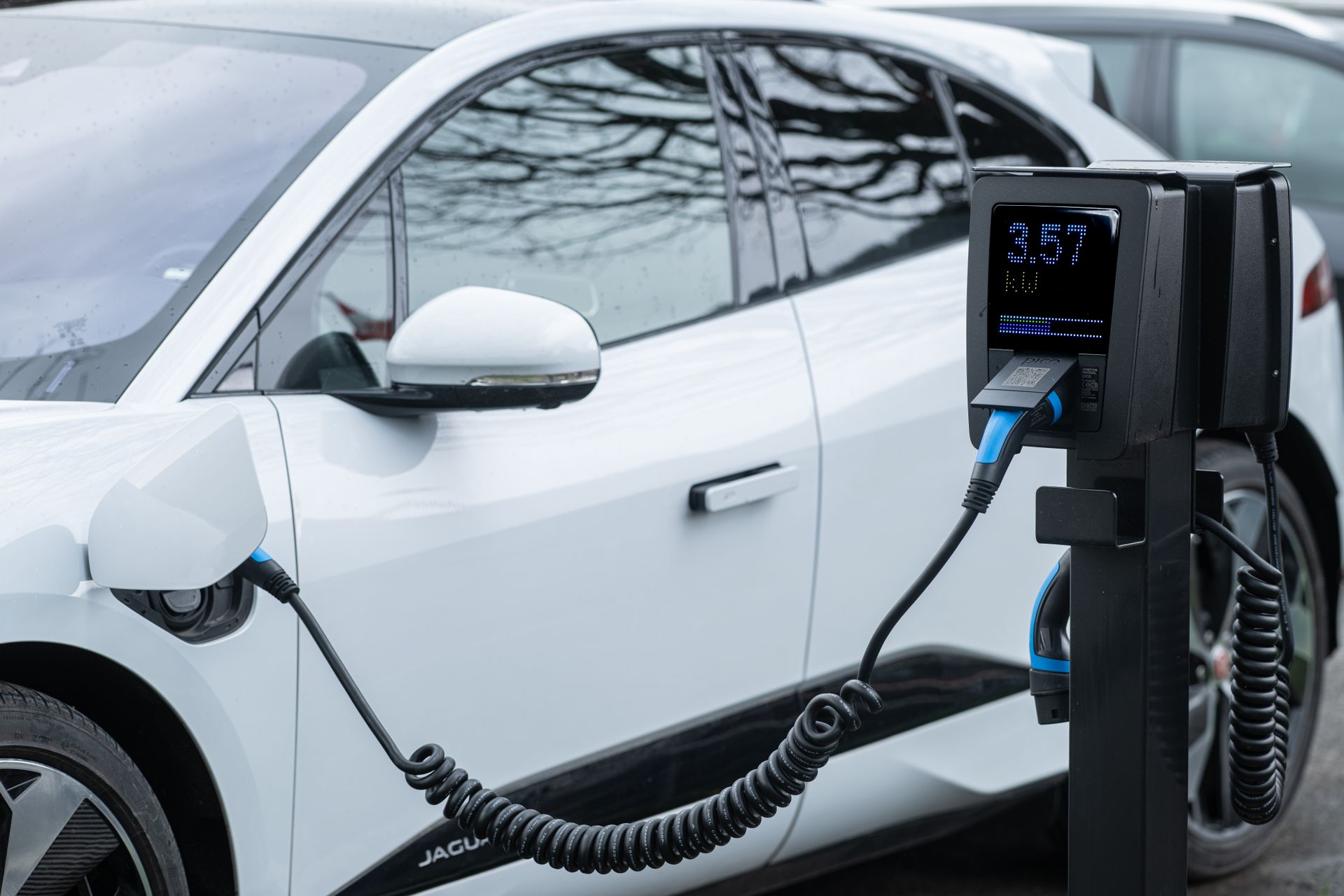
Secondly, the "tidal peak" attribute of expressway charging piles determines that no matter how they expand, it is difficult to meet the demand. In economics, we often refer to a proper term "peak-valley contradiction". The allocation of public infrastructure needs to match the spatiotemporal distribution characteristics of demand, while the demand for expressway charging piles is a typical tidal pattern of "extremely low at ordinary times, exploding at peak times". During non-holidays and non-peak hours, the average utilization rate of charging piles in expressway service areas is only single-digit, and even less than 3% on workdays. A large number of charging piles are idle for a long time, and even if they break down, no one will repair them in time, because the operators cannot make ends meet.
If charging piles are allocated according to the peak demand of National Day and Spring Festival holidays, these devices will be idling 99% of the time at ordinary times, and the costs of depreciation, operation and maintenance, and land rent cannot be covered at all, which will eventually push up the unit price of charging and make it unacceptable for ordinary users. However, if allocated according to daily demand, there will inevitably be a supply gap during holiday peaks. This structural contradiction of "not enough for normal times, overcrowded at peaks" is essentially not a problem of "insufficient investment", but a conflict between the public good attribute of charging piles and their commercial operation attributes: you cannot invest dozens of times the cost to configure redundant capacity just for the 10-day peak demand every year. The sunk cost of such investment is so high that no market entity is willing to bear it, and even if the government covers the cost, it will cause huge waste of public resources.
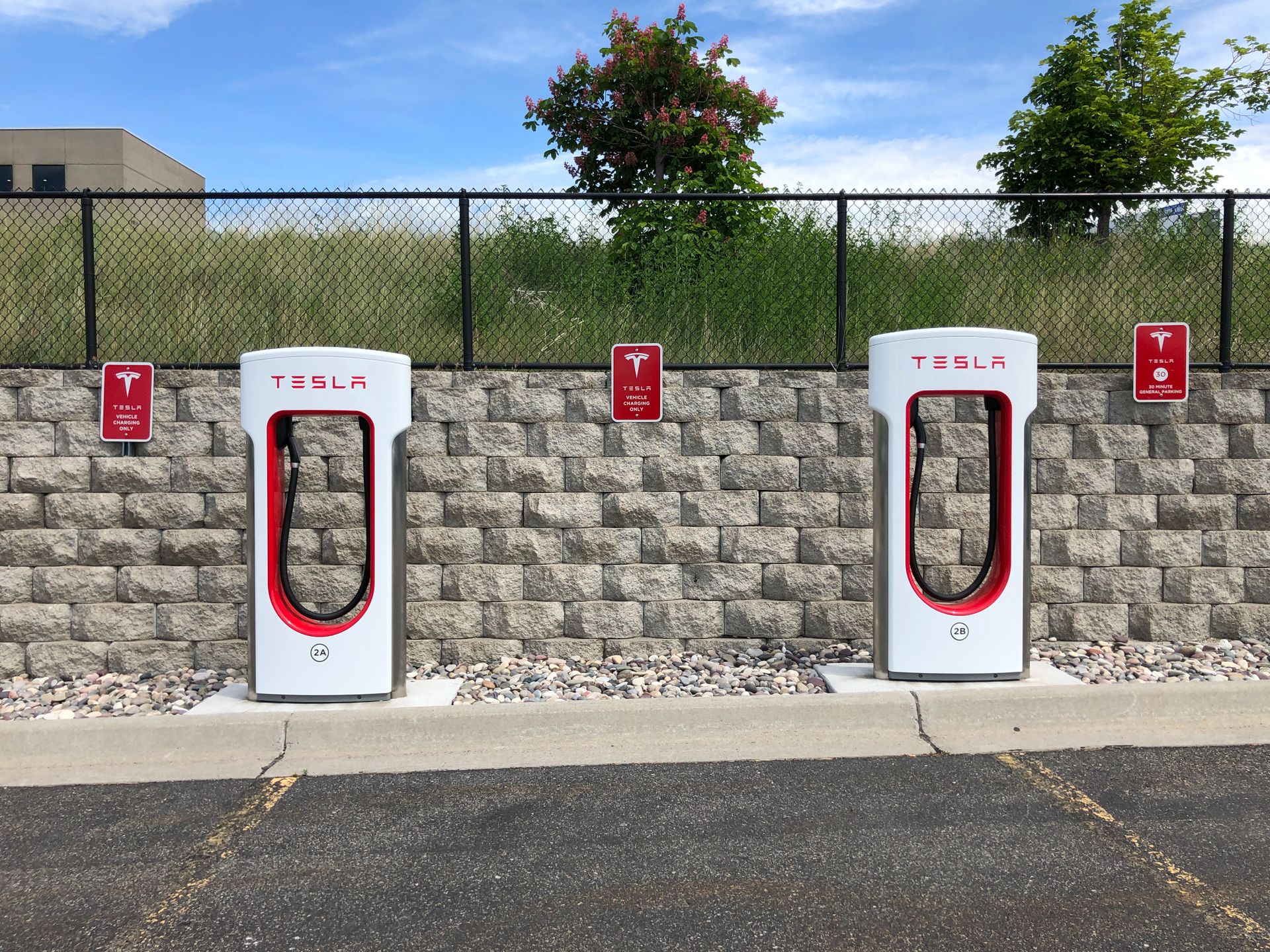
Third, the spillover effect of non-pure electric vehicles such as extended-range and hybrid vehicles is also very obvious. This point is the easiest to ignore, but it is precisely the invisible driving force behind the exploding peak demand. There are a large number of extended-range and hybrid vehicles on the road now. These vehicles are originally "compatible with both fuel and electricity". In theory, when charging piles are in short supply, they can completely drive to refuel and leave the piles for pure electric vehicles. But in reality, many car owners almost exclusively use electricity for their daily commutes, and electricity prices are much lower than fuel prices. No one's money comes easily, so who would want to burn fuel when they can use electricity?
This directly leads to a very counterintuitive situation: many non-pure electric vehicles that were originally considered "no energy replenishment anxiety" have become an important incremental demand for expressway charging piles during long holidays. These car owners are willing to spend time waiting in line for charging even if they have fuel in their tanks, just to save fuel costs. This demand was not fully estimated by the entire industry when making charging plans before. Originally, when calculating the vehicle-to-pile ratio, everyone only counted pure electric vehicles as the charging demand side, but now a large number of non-pure electric vehicles have also joined in, which means that the actual charging demand pool is much larger than the industry previously estimated. This change in demand structure further amplifies the already tense tidal contradiction, and also makes many charging networks planned according to the number of pure electric vehicle ownership completely overwhelmed during long holidays.
Fourth, what should we do when even more charging piles cannot meet the demand? Facing a demand that cannot be physically met at peak times, the most rational strategy is not to forcefully increase supply, but to manage demand. What is most urgently needed now is to introduce the mature "dynamic pricing" and "traffic scheduling" thinking from the Internet field into the energy replenishment scenario. The full networked number-taking mechanism, cross-service area diversion guidance based on real-time data, and economic leverage regulation during peak hours are essentially using the efficiency of information to make up for the shortcomings of physical facilities. Since the number of charging piles is destined to be insufficient at peak times, we should spread the queues as evenly as possible to different time and space nodes, instead of letting all traffic flow rush to the same group of piles at the same time.
In the long run, the reason why the "integrated charging and swapping" mode deserves serious attention is that the "rhythm" advantage of battery swapping has irreplaceable value in expressway scenarios. When the throughput of charging piles at peak times is locked by physical rhythm, even if the battery swapping station diverts only a small part of the vehicles, it can play a "flood discharge" mitigation effect on the congestion of the entire energy replenishment system. The biggest obstacle to the current battery swapping mode is the inconsistent standards and insufficient network density, but the industrial trend is clear: leading battery companies and car companies are accelerating the opening of battery swapping standards. Once the barrier of cross-brand battery swapping is broken, the energy replenishment pattern of expressway service areas will undergo fundamental changes. In the final analysis, using partial battery swapping to "absorb" the most sensitive part of the traffic flow in peak demand, and letting charging piles serve the remaining flexible demand, may be the problem-solving idea that best conforms to the efficiency of resource allocation from the economic perspective.
Therefore, the competition for expressway energy replenishment is not about how many devices are deployed, but about who can design a smarter mode. Before technology breaks through to the point where "charging is as fast as refueling", whoever can first figure out the "integrated charging and swapping, networked diversion" combined strategy will have the possibility to make the long queue stretching outside the service area truly shorter in the next National Day holiday.
This article is from the WeChat official account "Jiang Han's Vision Observation", and is authorized for release by 36Kr.