Jensen Huang releases the most powerful Surface ever, designed specifically for "Infinite Intelligence"
Hey folks! After a peaceful holiday with no AI or chip news, it's time to re-immerse ourselves in the latest tech updates.
Earlier this morning, the special Windows and Surface event officially debuted.
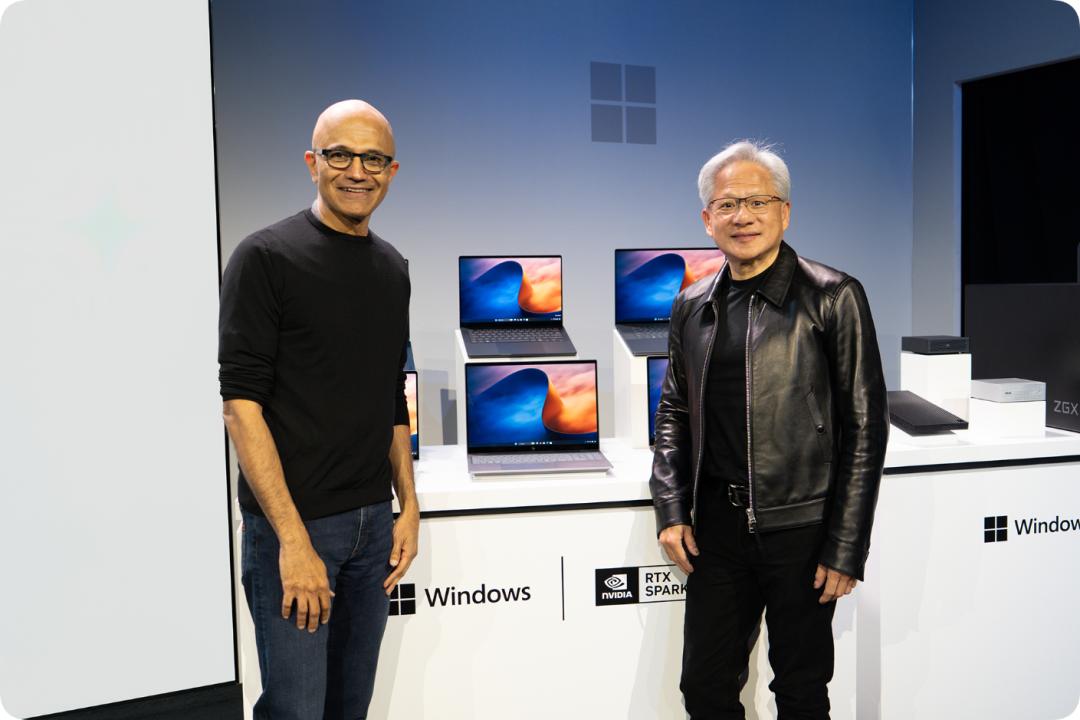
Audience who follow ifanr may know that at the NVIDIA GTC and Microsoft Build events in early June this year, the two companies have publicly announced their plan to "reinvent the PC"; today's launch event can be regarded as the second half of the "Microsoft × NVIDIA" alliance, unveiling more details of system architecture design and hardware products.
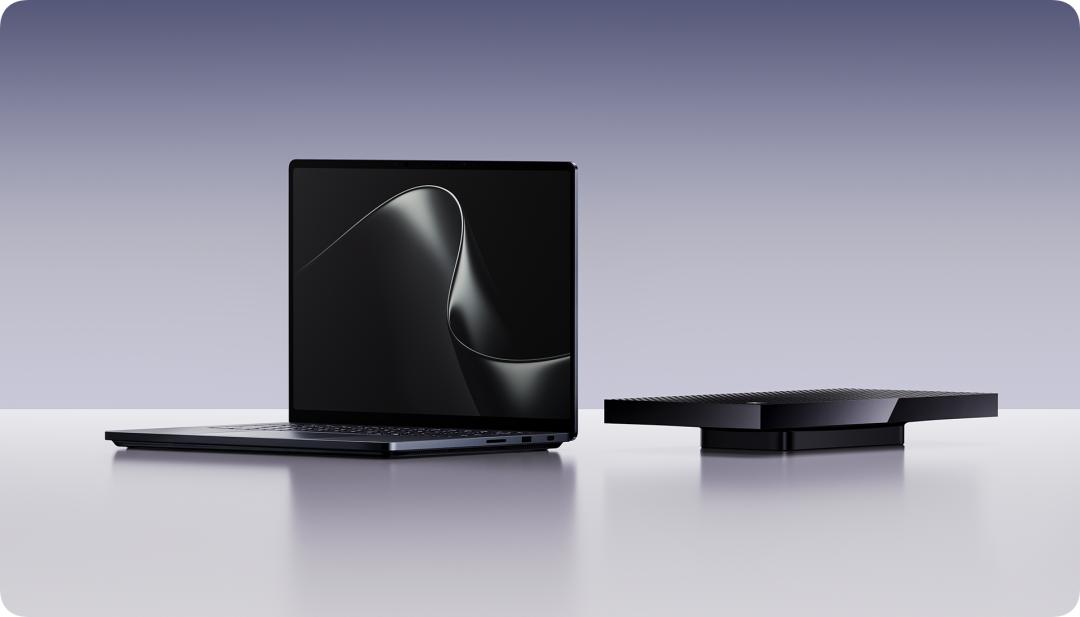
The new architecture and new hardware essentially serve the vision of "reinventing the PC", more specifically, to achieve the goal of —
Bring "unlimited intelligence" to everyone.
The PC of the future is designed exclusively for "unlimited intelligence"
"Unlimited intelligence" is the expression used by Microsoft CEO Satya Nadella when talking about "local AI" at Build 2026.
In his view, cloud AI is undoubtedly excellent, and Microsoft will continue to support the development of cloud AI, but its flaw is that it is billed by token usage, API call volume and GPU time, which will undermine the potential of AI usage in the long run.
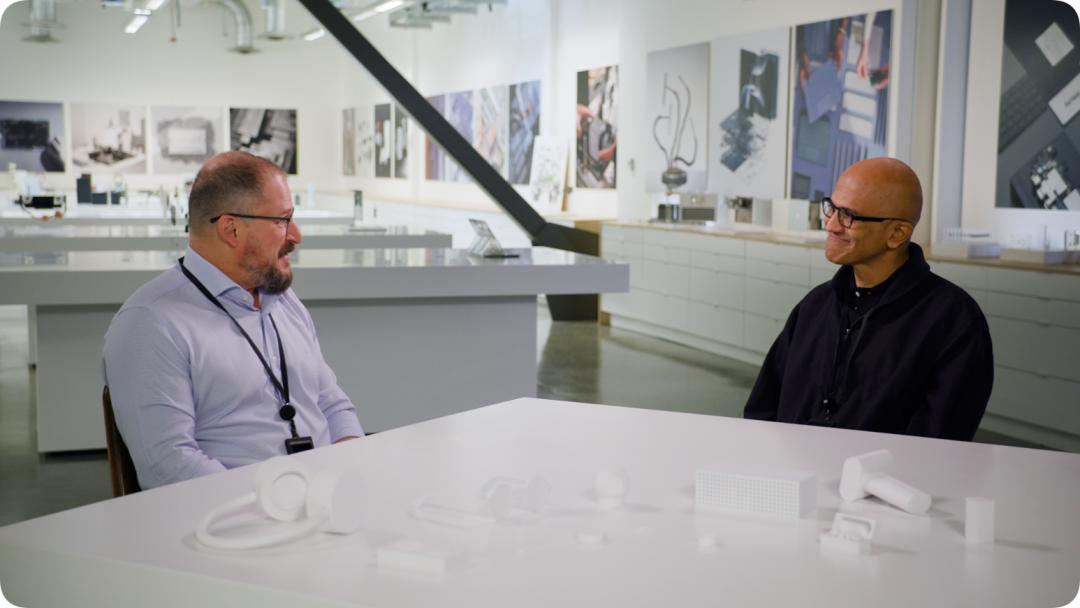
On the contrary, the computing power of CPUs, GPUs and NPUs that users have already purchased and brought home has almost zero marginal usage cost, excluding electricity consumption and depreciation. With a one-time purchase, users can access intelligence 24/7 without subscribing to multiple paid plans or waiting for usage limits to reset.
With infinitely accessible intelligence, the PC is expected to become a new type of AI infrastructure. Microsoft, which does not have its own cutting-edge large model, can also re-embed itself into the narrative of the AI era through this path.
Of course, different types of "intelligence" are not equivalent. They differ not only in quantity, but also in quality.
Given that no amount of low-level intelligence can replace high-level intelligence, if local computing power cannot support a sufficiently capable model, the entire narrative of "unlimited intelligence" will be nothing but a castle in the air.
To this end, Microsoft teamed up with NVIDIA.
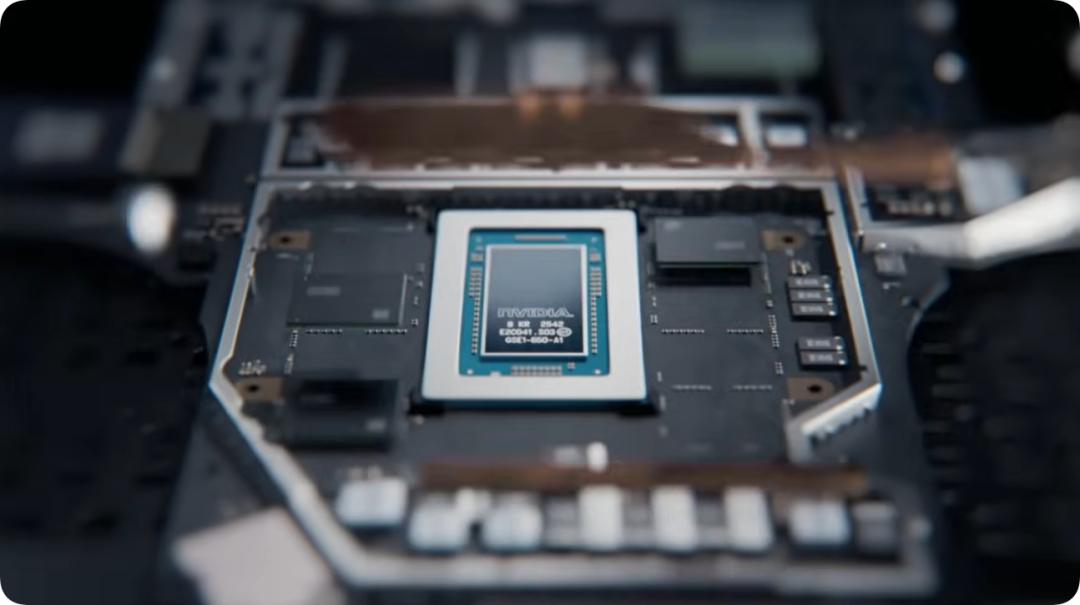
According to an in-depth report from The Verge, the cooperation between the two sides began in early 2024. After two and a half years of development, NVIDIA finally launched the brand-new computing platform RTX Spark, which is built exclusively for Microsoft's "personal AI" vision.
Similar to the design philosophy of Apple Silicon, RTX Spark is an ARM architecture SoC that integrates CPU, GPU and up to 128GB unified memory. NVIDIA even stepped into CPU design for the first time for this "super chip", and jointly developed the CPU part of the chip with MediaTek.
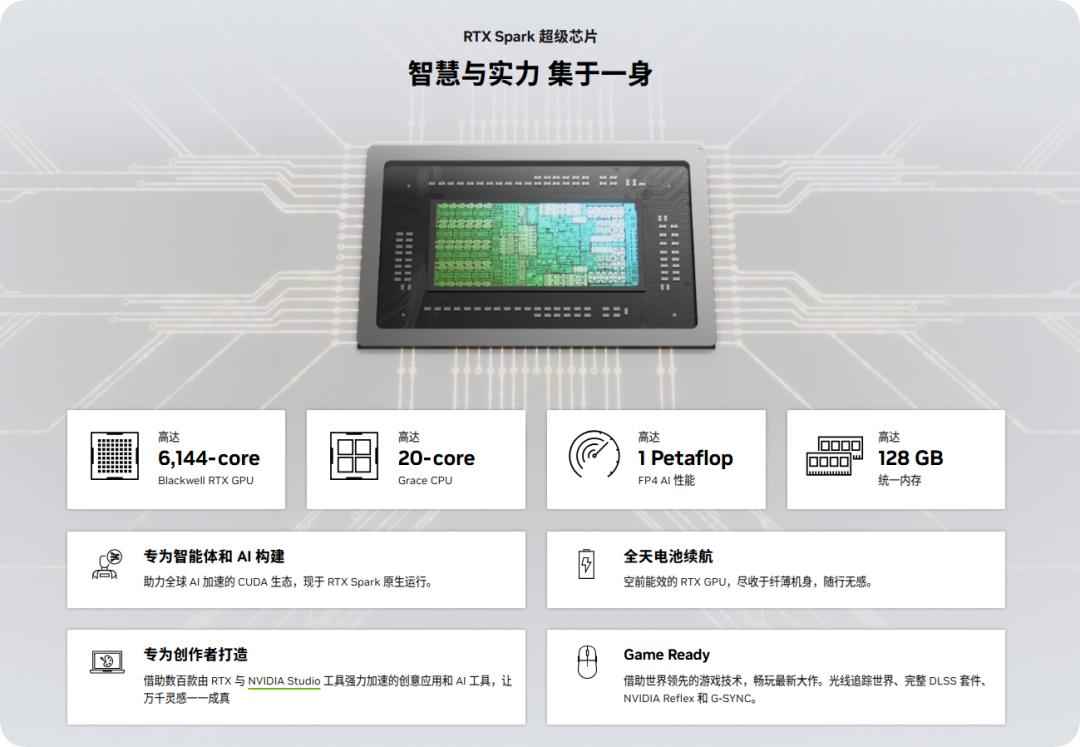
According to official introduction, RTX Spark has a maximum FP4 AI computing power of 1 PFLOP (one quadrillion floating point operations), can run models such as Qwen 3.8 Flash Next with 125 billion parameters locally, and supports NVIDIA technology stacks including ray tracing, DLSS and CUDA.
In the era when AI Agents are gaining widespread popularity, it is a personal computing node that is fully capable of independently carrying Agent workloads.
In an interview last month, Nadella said that the current AI industry is too "self-obsessed", and manufacturers are indulged in models, benchmark scores, AGI and internal industry competition, while ignoring the need to explain to ordinary people what practical value AI can actually create.
The new generation of Windows PCs equipped with RTX Spark is tasked with binding all work including programming, Office operations, video and image editing, and personal file management to the local Copilot Agent, and using the "unlimited intelligence" powered Agent to handle all affairs, so as to demonstrate the productivity of the Windows ecosystem.
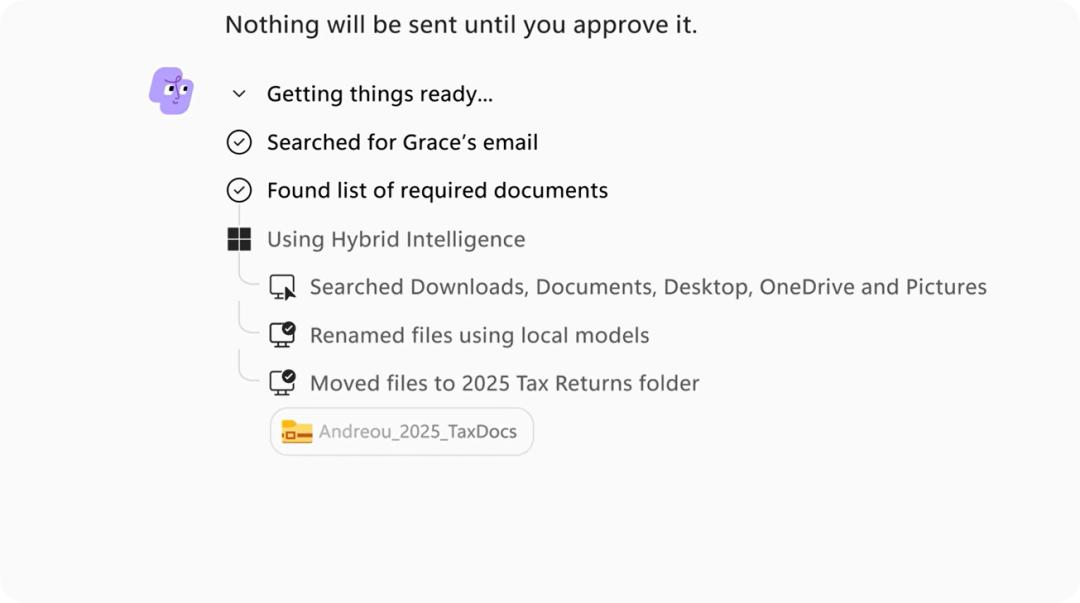
From this perspective, Microsoft's vision for the next-generation PC is actually a "dual operating system" narrative:
Windows remains the basic operating system that manages CPUs, GPUs, files, windows and permissions, while the Copilot Agent, based on Windows, becomes the "task operating system" that coordinates and manages all kinds of work tasks.
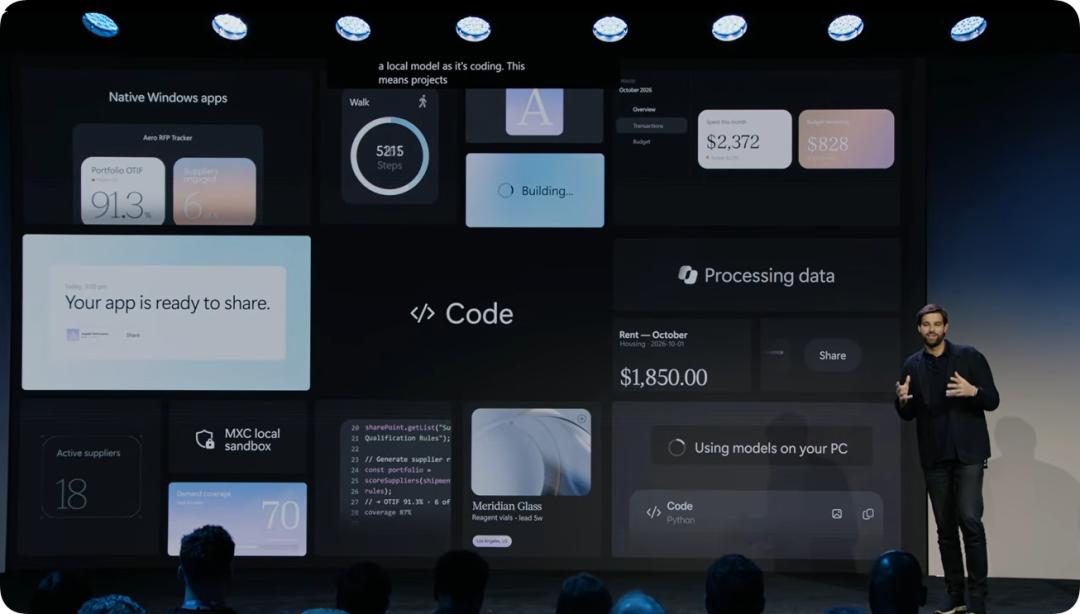
At this point, we can also notice that Microsoft's definition of "Copilot+PC" is quietly changing.
When Microsoft first announced Copilot+PC in 2024, the core narrative was to add an NPU with more than 40 TOPS of computing power, and run low-power small models locally for a long time to solve simple privacy-related tasks such as image processing and translation.
But seeing that the use cases of NPU are very limited, Microsoft now decisively teams up with NVIDIA — the new generation of Copilot+PC that appears in front of us today will use the powerful intelligence to jump from a "tool" to a "teammate" and take over most of our work.
The most powerful Surface ever, challenging the MacBook Pro
With RTX Spark, brand-new Windows PC hardware equipped with it is needed to form a complete product.
Therefore, Microsoft has built the brand-new Surface Laptop Ultra as a demonstration.
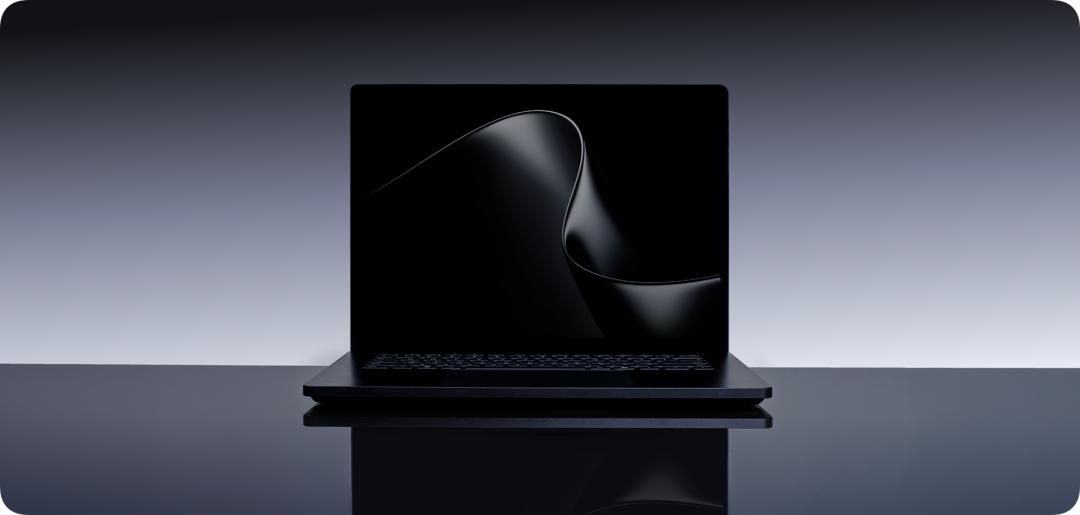
As the first heavyweight product at the launch event, the Surface Laptop Ultra can be said to have dual meanings: it is first and foremost Microsoft's own high-end flagship, and it is also the product of NVIDIA's "muscle showing" — through RTX Spark, it compresses workstation-level computing power into a laptop.
At the hardware level, the design logic of the Surface Laptop Ultra is very close to that of the MacBook Pro, with a CNC unibody aluminum chassis, a large-size trackpad, and a 15-inch 3:2 Mini-LED high-refresh display with 262 PPI.
However, it also has very PC-like features. The extremely complete port configuration including 3 USB4 ports, HDMI, USB-A, SD card slot and 3.5mm headphone jack can only be seen on PCs.
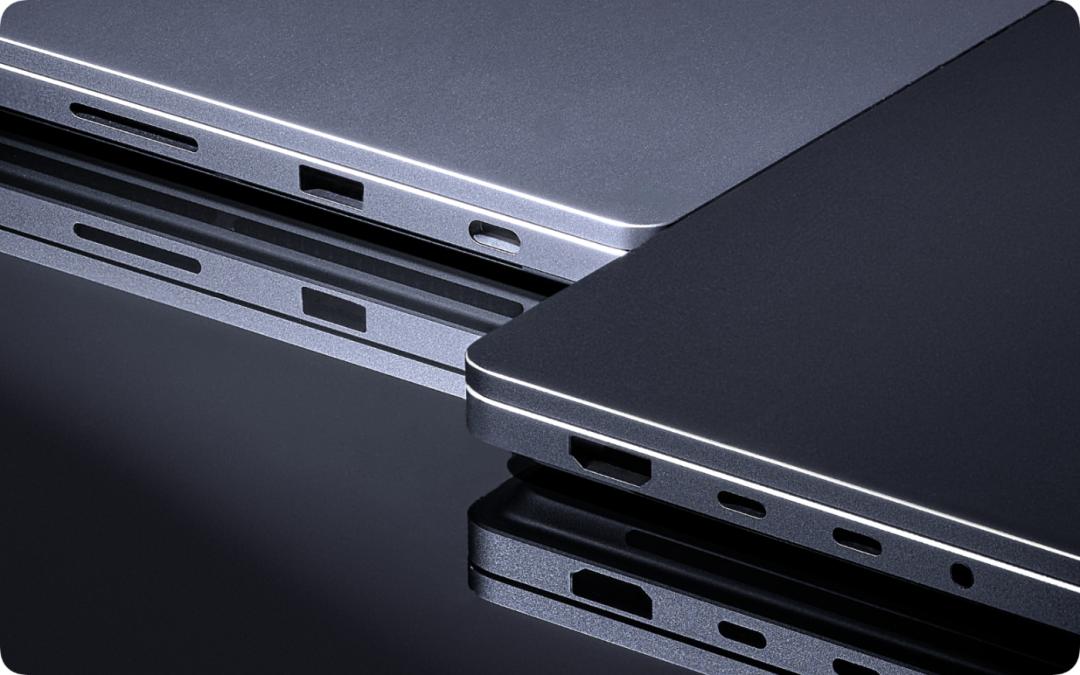
Interestingly, Microsoft has also added a new magnetic charging design called Magnetic Connect.
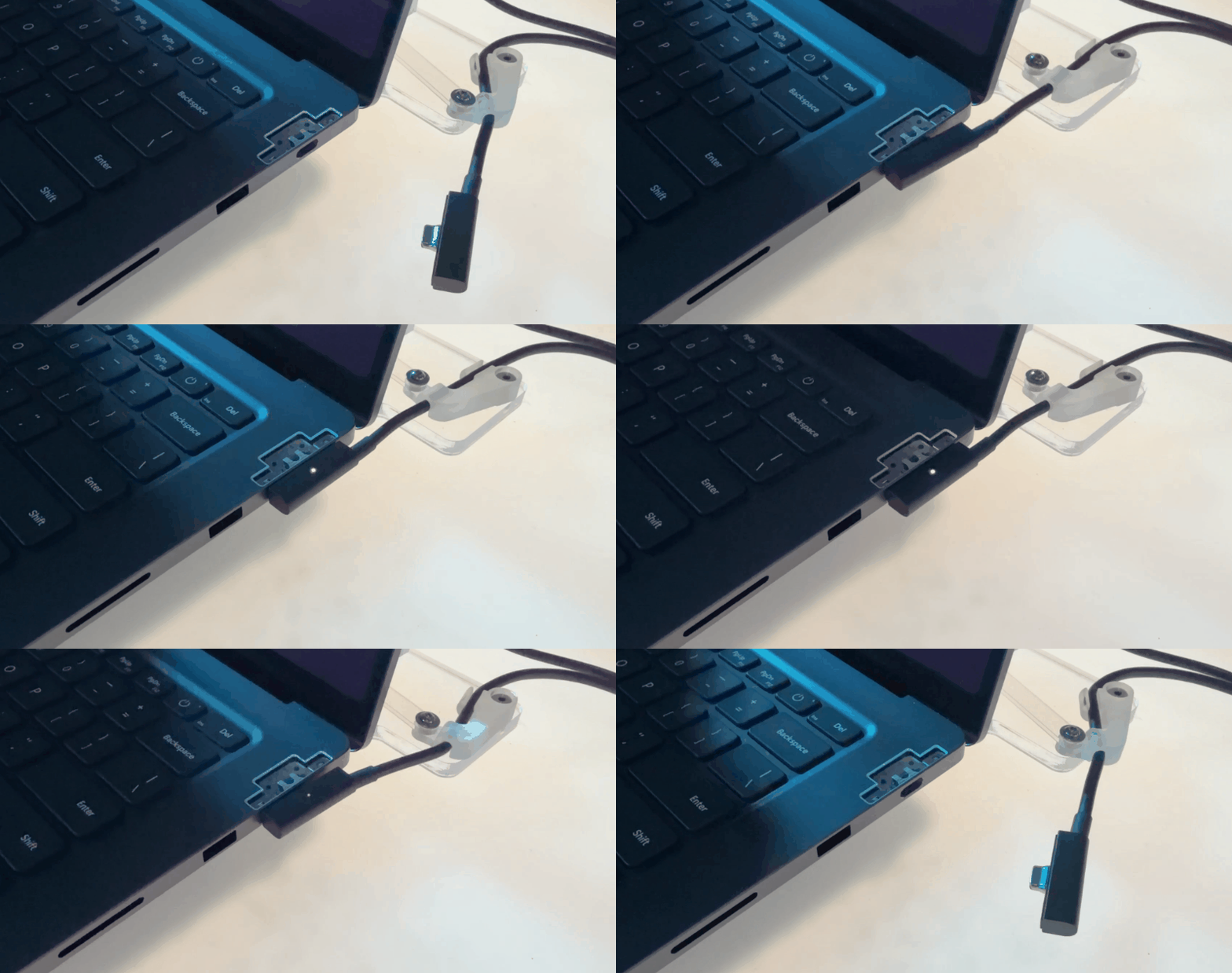
It is not a proprietary magnetic charging interface like the old Surface Connect or Apple MagSafe, but makes improvements on the ordinary USB-C port: the narrowed front end of the charging cable can be gently attached to the standard USB-C port without being locked tightly, and the fixation is completely achieved by the surrounding magnetic components.
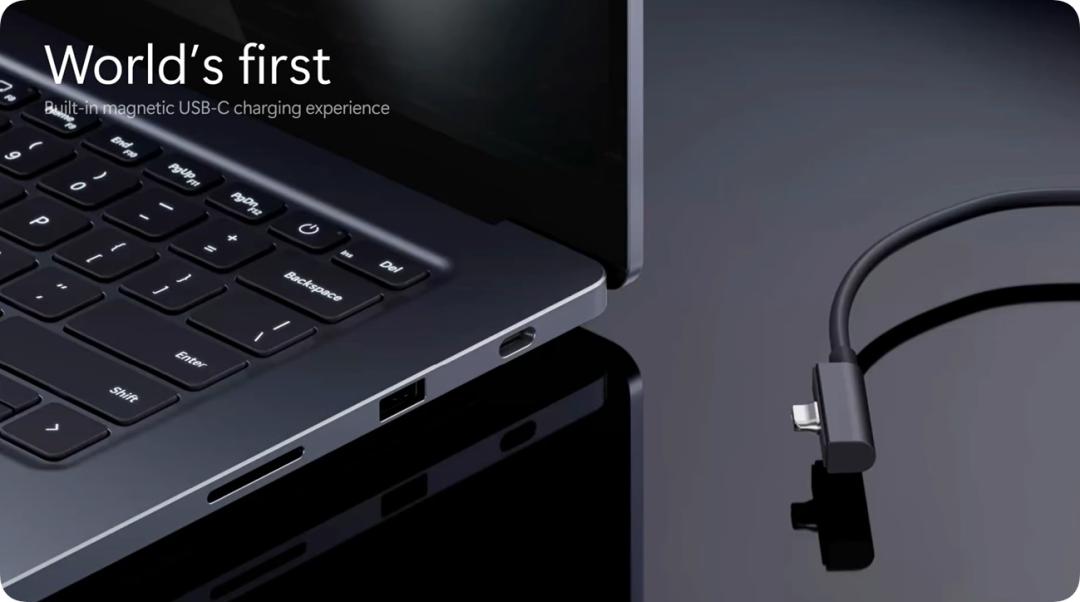
In this way, the charging cable will automatically detach when encountering external force, which can prevent the device from being pulled and dropped by the cable just like MagSafe, without sacrificing compatibility.
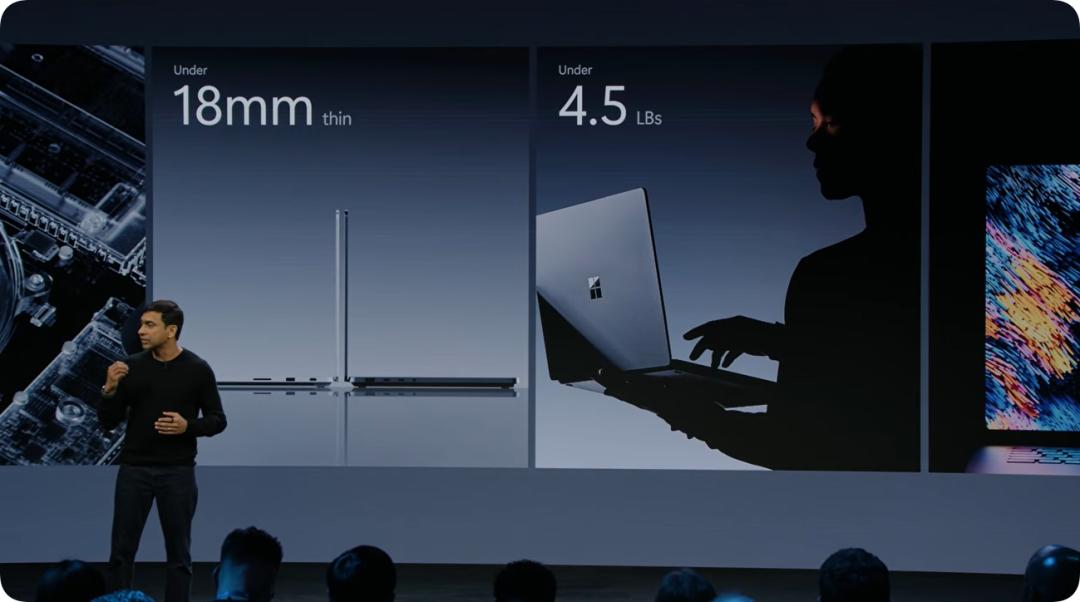
In addition, the Surface Laptop Ultra weighs about 2 kilograms, which is between the 1.62 kg 14-inch MacBook Pro and the 2.1 kg 16-inch MacBook Pro.
It is not too heavy, but it is still a little tiring to carry it out for work — this is probably the price of performance.
Compared with previous Intel and AMD x86 laptops, the biggest advantage of the Surface Laptop Ultra is naturally its large-capacity unified memory architecture. The RTX Spark chip with up to 128GB optional memory allows it to load large-parameter models at once, giving it unique advantages for running local AI.
Compared with the MacBook which also supports unified memory, it supports NVIDIA's DLSS, CUDA acceleration and G-SYNC technologies, making it better in compatibility with existing toolchains.
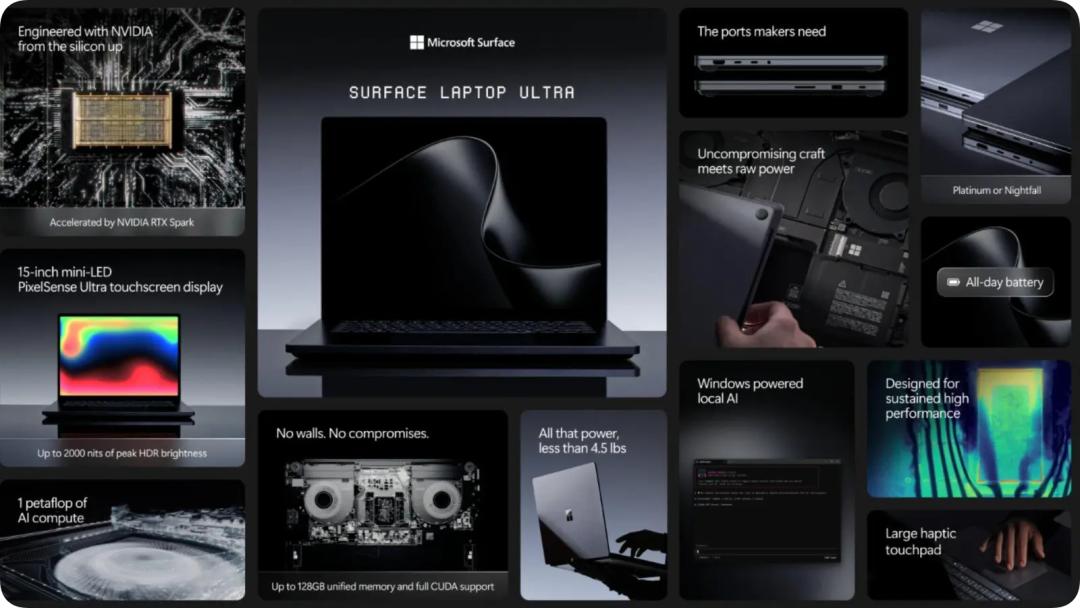
The combination of software and hardware enables the Surface Laptop Ultra to deliver genuine productivity.
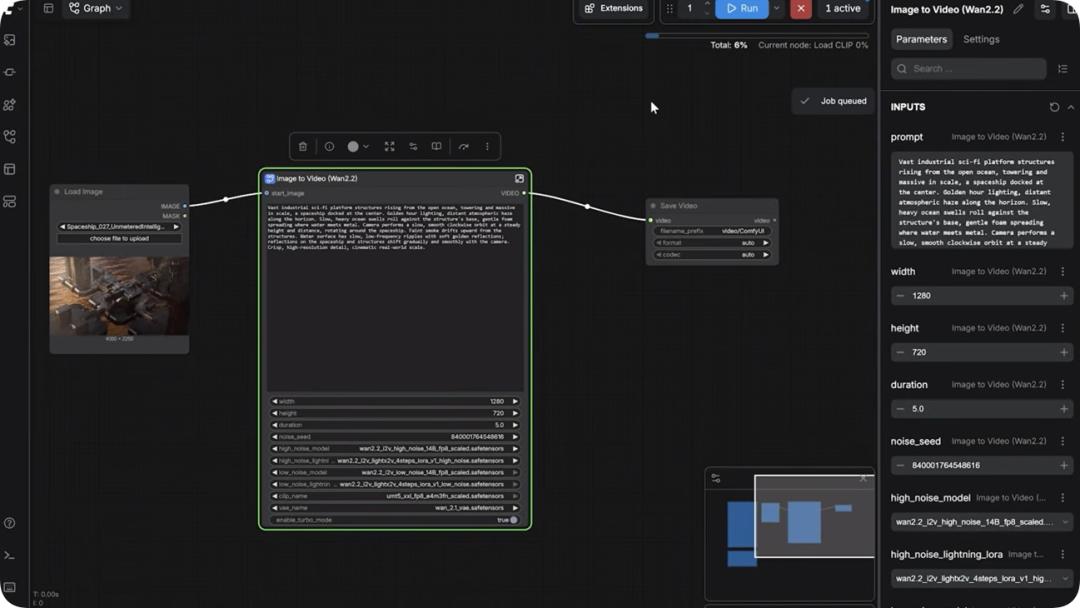
In the official demonstration, a creator connected the AI Agent with a variety of professional software such as Photoshop, Blender and Premiere to form a toolchain running locally. Obviously, AI developers, programmers, creators, and a large number of professional users who currently use MacBook Pro are all target users of the Surface Laptop Ultra.
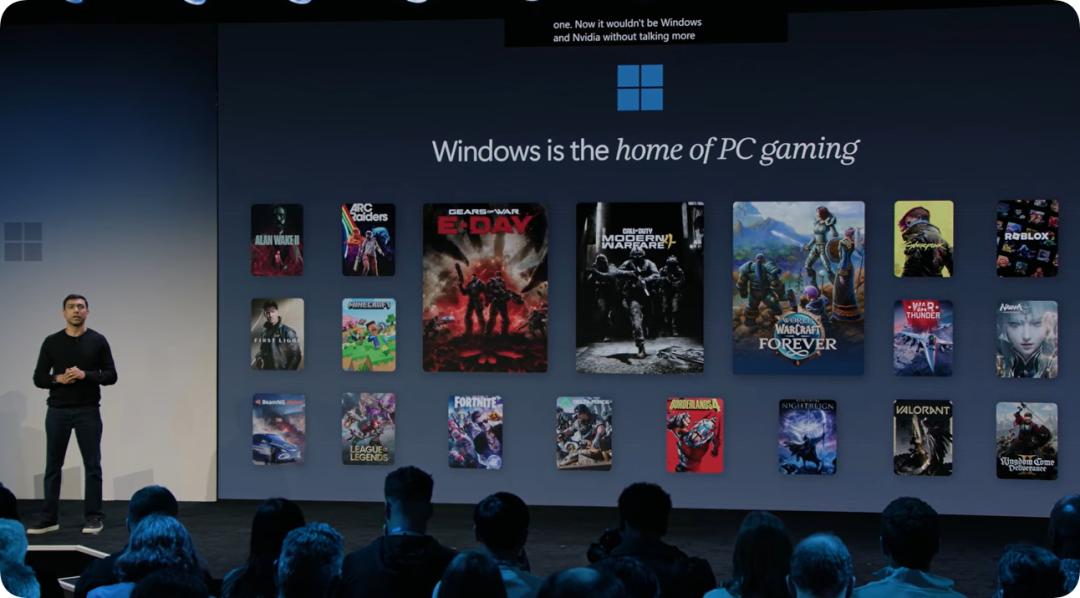
While focusing on productivity, its entertainment capabilities are not neglected. At the launch event, the Surface Laptop Ultra ran the newly released *Gears of War: Day of Event*, with extremely smooth frame rates, showing no trace of performance translated on the Windows on ARM architecture.
In the supported game list, we also saw familiar titles such as *League of Legends*, *Valorant*, *Kingdom Come: Deliverance 2* and *Cyberpunk 2077*, and *Call of Duty* will join this lineup next year.
However, to use this laptop that combines the advantages of the unified memory architecture and NVIDIA's CUDA ecosystem, you also have to accept its equally "Ultra" price tag:
The device will go on sale on October 16, the base version is priced at 2599.99 US dollars, and the top-spec 128GB memory version is priced at 5899.99 US dollars.
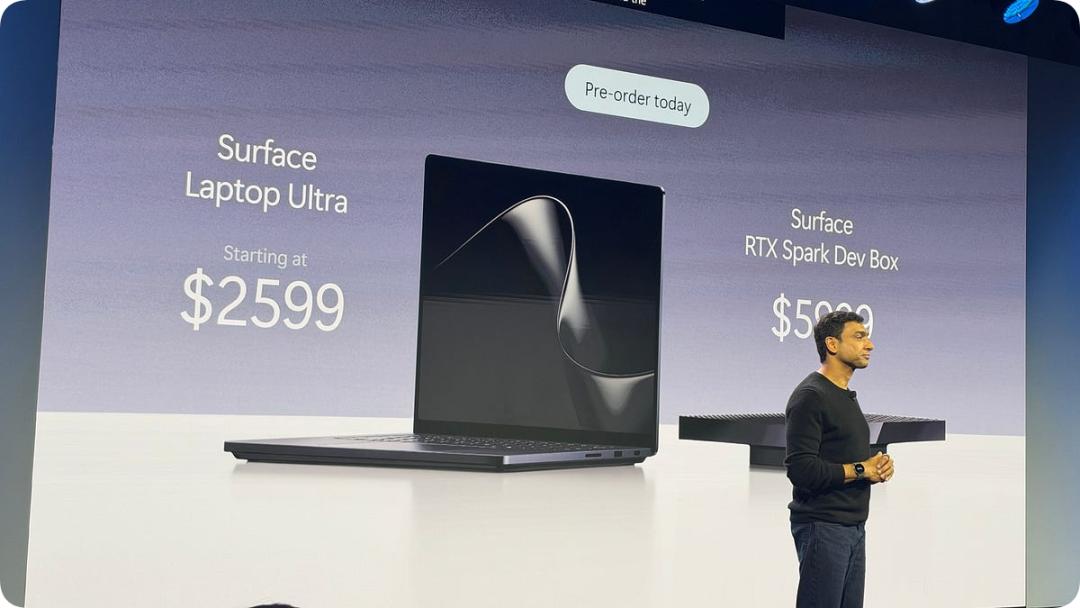
No matter how you promote its performance, paying 6000 US dollars for a Windows laptop is still a decision that requires careful consideration.
Of course, Surface is just a "show