Nobody wants the three-piece cultural and creative souvenir sets from scenic spots? Why are young people not willing to pay for them during this year's National Day holiday?
The National Day holiday has just ended, and a piece of news has drawn widespread public attention: the three popular cultural and creative souvenirs that once went viral in scenic spots across the country are suddenly no longer well-received. Why are young people not willing to pay for them this National Day holiday?
1. Are the three standard cultural and creative souvenirs of scenic spots no longer in demand?
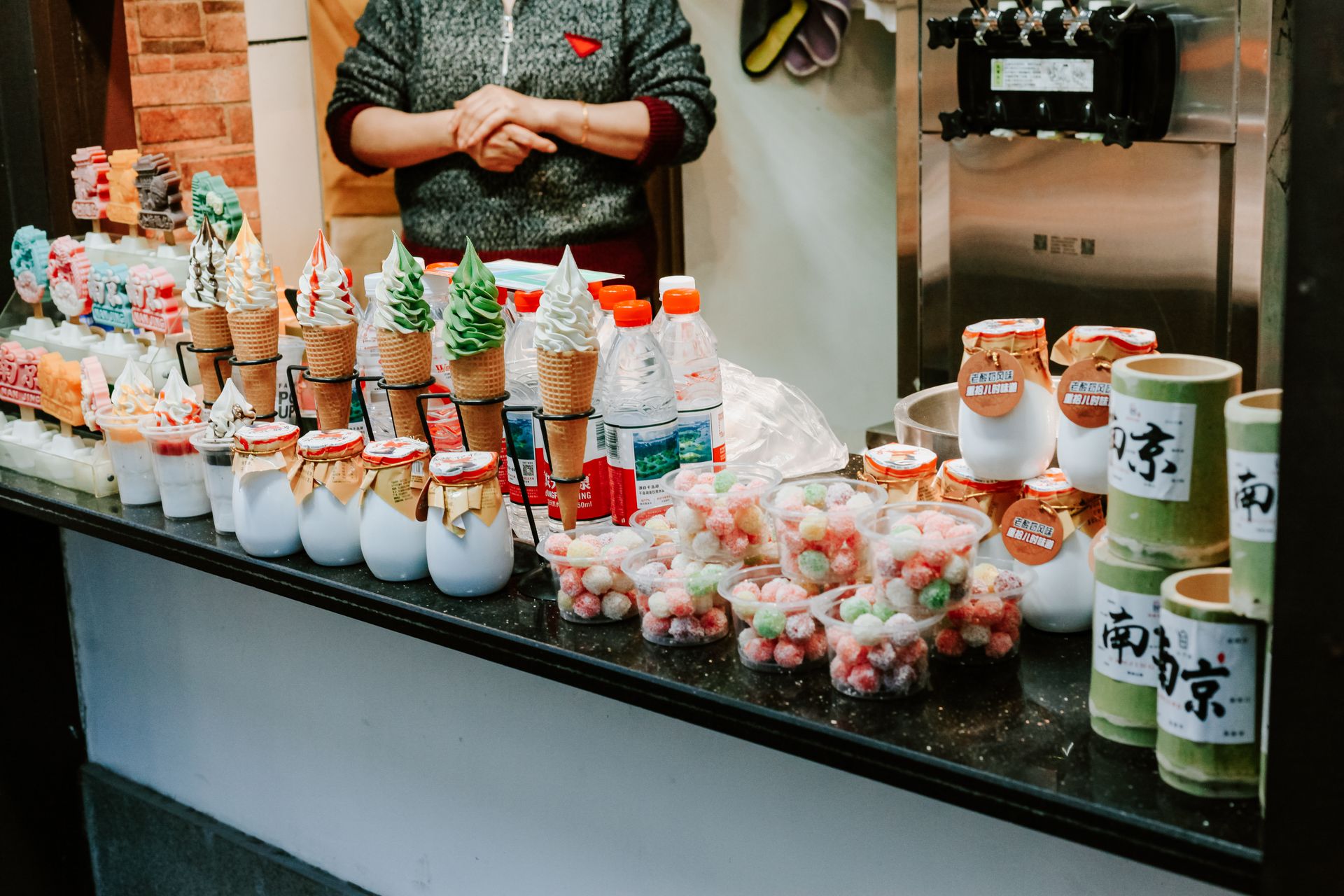
According to the Yangtze Evening News, during this year's National Day long holiday, major scenic spots have ushered in their traditional peak passenger flow period, but a new phenomenon is sparking widespread discussions. As reported by Southern Weekly, the three once iconic cultural and creative products of scenic spots - city-limited hand cream, city-limited fridge magnet, and city landmark cultural and creative ice cream - are losing their popularity.
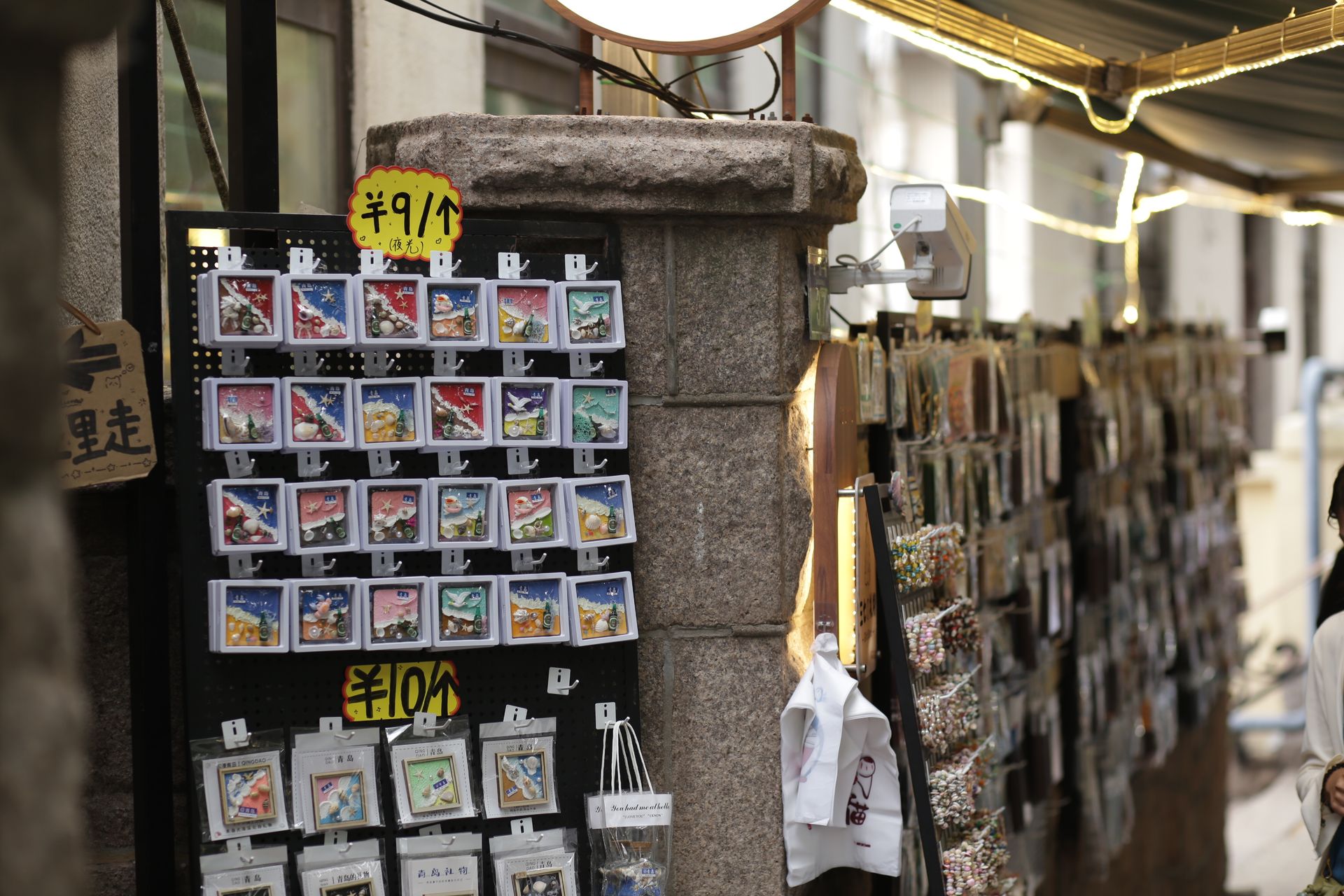
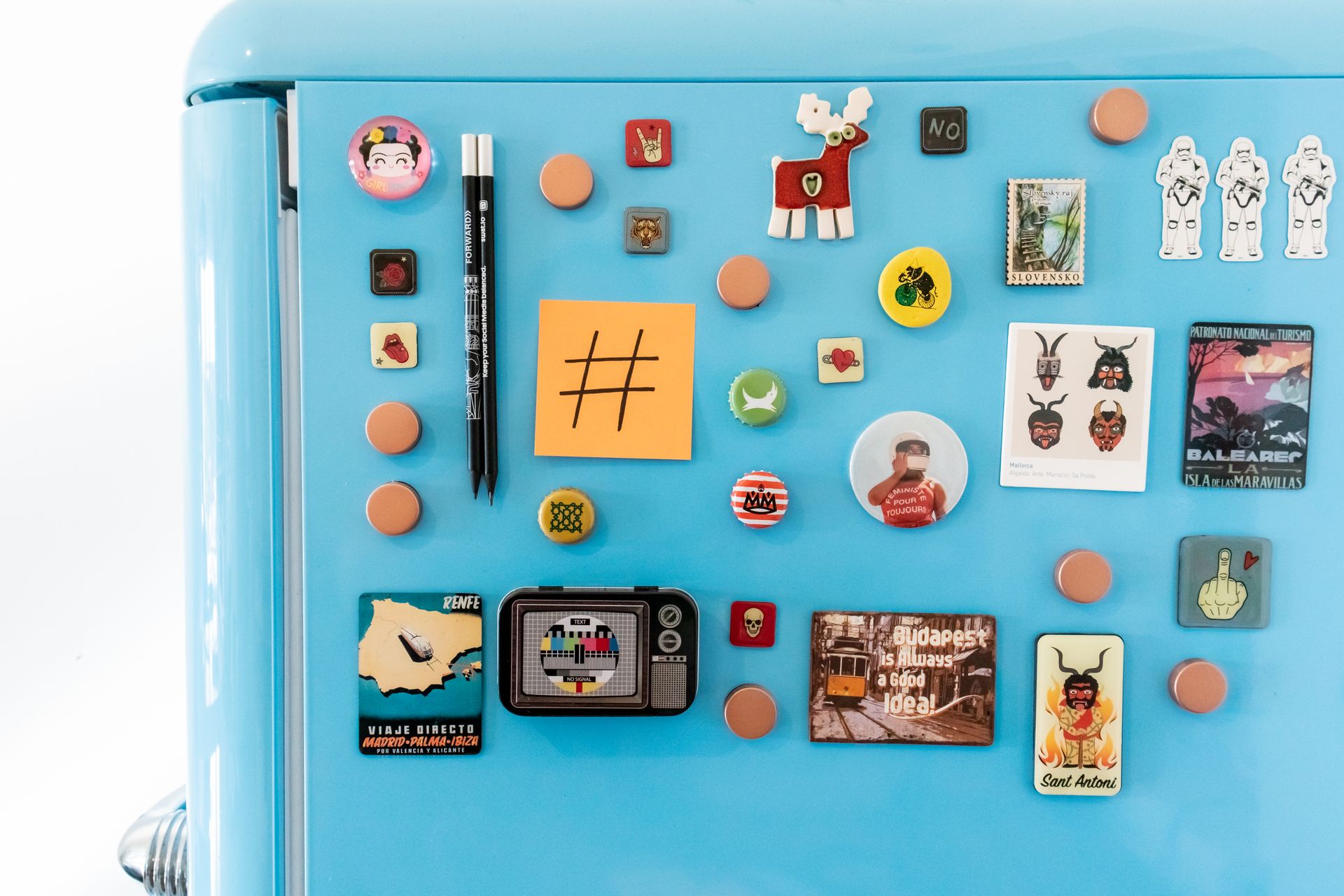
The reasons behind this loss of popularity are not complicated. The so-called "city-limited" hand cream is not actually limited at all, as it can be easily purchased in popular scenic spots of almost every major city. The designs of city-limited fridge magnets are mostly just minor tweaks on the same template, it seems that all scenic spots share the same designer: a landmark building printed with several large characters is passed off as a city-exclusive fridge magnet. The cultural and creative ice cream that rose to fame in 2021 has now been added to the list of "avoidable souvenirs" for scenic spots, with many consumers complaining that it is overpriced and tastes bad, and people only buy it to take photos, which is hardly meaningful.
At the same time, some scenic spots have started to create viral hits on social media with their cultural and creative products. During this year's National Day holiday, the Wild Elephant Valley Scenic Spot in Xishuangbanna, Yunnan, became a new social media sensation with a huge sign that reads "We Sell Poop Here". The scenic spot processes elephant dung into various cultural and creative peripheral products for sale, which netizens have named the most special scenic souvenir "in the history of poop-related products". This novel cultural and creative product does not follow the universal viral cultural and creative template, but is deeply rooted in the unique natural resources of the Wild Elephant Valley Scenic Spot, which is almost impossible to replicate elsewhere. It is this unique local creativity that makes the product go viral successfully, and a large number of tourists are willing to pay for it.
2. Why are young people not willing to pay for these products this National Day holiday?
During this year's National Day holiday, many tourists have an intuitive feeling when visiting scenic spots: the once sought-after "three-piece set" of cultural and creative products including ice cream, fridge magnet and hand cream has seen a significant decline in popularity. What on earth is the reason for this?
First of all, the homogenization of the cultural and creative product supply chain in scenic spots has led to a backlash effect. The biggest common problem of domestic scenic cultural and creative products at present is the extremely high homogenization across the whole industry. A large number of cultural and creative products essentially share a set of standardized OEM supply chains, with only a simple "skin-changing modification". From the perspective of industrial division of labor, there are a large number of cultural and creative OEM factories in China with mature molds, assembly lines and packaging solutions. Products including fridge magnets, ice cream molds, cultural and creative bookmarks and hand cream all belong to the standardized OEM categories. Scenic spot purchasers only need to provide the line drawing of local landmarks and the name of the city, and the factories can quickly modify the pattern, produce and deliver the goods.
Change to another city, replace the pattern with a different landmark, and the same product can be put on the shelves of scenic spots across the country. The advantage of this model is fast production and low trial-and-error cost. Scenic spots hardly need to invest in creative R&D, and can quickly set up cultural and creative stores in a short period of time. But the cost is also extremely fatal: all cultural and creative products of scenic spots lose their unique local attributes. The fridge magnets you buy in Xi'an, Suzhou and Chengdu are made from exactly the same underlying mold, the only difference is the building pattern printed on the surface.
From the perspective of economics, these products are typical low-differentiation commodities, which do not build an irreplaceable cultural moat, and only rely on the spatial monopoly of scenic spots to obtain traffic. When all scenic spots across the country are copying this "skin-changing" logic, tourists can quickly realize that these assembly line products are not the unique cultural expression of the city, but just tourist symbols manufactured in industrial batches. Tourists are no longer willing to pay for these simple products that only change the name on the template, which is the inevitable market backlash brought by supply homogenization.

Secondly, the high premium of the pricing mechanism leads to poor experience of the once popular cultural and creative products. You may wonder why young people were willing to pay 30 yuan for a fridge magnet that costs only 5 yuan in the past? The core logic is the psychological accounting of consumption: when tourists travel, they will specially allocate a budget for "travel souvenirs", thinking that since they have traveled a long way to get here, it is worth spending a little more to keep a memory, and the price is not that high anyway. What is the premise for this logic to work? It is the information gap: tourists do not know that the same product is sold for 5 yuan online, and think that it can only be bought in this scenic spot, so they are willing to pay a premium for the scenario.
But what about now? You just spent 30 yuan on a fridge magnet in the scenic spot, and then you find the exact same product on the e-commerce platform for 5 yuan with free shipping, which is even thicker in quality and finer in pattern than the one you bought in the scenic spot. Once this information gap is eliminated, the "since you are already here" psychology no longer works. Not to mention that the quality of many scenic cultural and creative products is worrying: the cultural and creative ice cream melts all over your hands within two minutes after you get it, and the fridge magnet starts to lose paint after being hung for only one month. For these products that cannot even meet the basic use value, why should consumers pay for the premium? To put it bluntly, the previous premium was the exploitation of tourists' information gap by scenic spots using their monopolized traffic, rather than the product is really worth that price. Now that consumers have become more savvy, this kind of exploitative trick naturally no longer works.
Third, consumers are shifting from paying for traditional symbols to paying for experiences. China's tourism consumption has gone through a complete iteration in the past ten years. In the early years, the core demand of mass tourism was to leave souvenirs that can be displayed to others. Bringing a cultural and creative product from the scenic spot home is the physical proof of the trip, proving that you have been there, and the consumption has a strong display attribute. For the new generation of tourists dominated by Gen Z and Gen Y, the focus of traveling has shifted. The meaning of travel is no longer collecting souvenirs, but gaining a unique local experience. Tourists pay more attention to the local customs, historical stories and local culture they feel during the visit, rather than a small ornament produced on the assembly line.
For young people, if a cultural and creative product only prints a landmark pattern, but cannot carry the historical stories and folk customs of the city, and cannot arouse the emotional resonance during the visit, this commodity will only have a thin symbolic meaning left. The symbol itself has no experience value, so it is naturally difficult to support consumption decisions. This shift is essentially that consumer demand has changed from external display to internal experience. Tourists are willing to pay to experience intangible cultural heritage handicrafts, participate in folk activities, and taste authentic local food, and are willing to pay for immersive experiences, but they are not willing to buy a cultural and creative ornament that will be left in the corner of their home to gather dust with no emotional core. This is not a contraction of consumption, but a rationalization of consumption, and the value judgment standard has been completely rewritten.

Fourth, the decline in popularity of the three-piece cultural and creative set is actually the beginning of market differentiation. Cultural and creative products with real quality, creativity and cultural connotation still have value, and can still be recognized by young people. The problem is that in the past, many scenic spots regarded cultural and creative business as a low-threshold industry, thinking that they could make money as long as they printed the scenic spot's name on the products. Now this extensive development model is fading out, and the cultural and creative market is likely to present a K-shaped differentiation in the future: one end is the products with real original creativity, cultural expression and experience value, which can be priced higher and have longer vitality; the other end is the template products lacking content, design and differentiation, which will become increasingly unsalable.
This differentiation is not a bad thing for both scenic spots and cultural and creative enterprises, but can force the whole industry to upgrade. Scenic spots can no longer regard cultural and creative products as a simple tool to increase revenue, but should take them as part of cultural expression. Excellent cultural and creative products should help tourists understand the history, aesthetics and lifestyle of a place, rather than just provide a prop for taking photos. For cultural and creative enterprises, they can no longer only pursue rapid replication and distribution, but should improve their capabilities in original design, supply chain management, brand narration and user experience. Only by implementing all these links can cultural and creative products be transformed from "souvenir business" to "cultural consumption products".
From a longer-term perspective, if scenic cultural and creative products want to win back young people, the key is not to reduce prices, but to reconstruct value. Price can affect short-term purchases, but what determines long-term competitiveness is whether the product is unique, has rich content, and can bring real memories to tourists. In the future, only those cultural and creative products that can transform local culture into modern aesthetics, turn tourism scenarios into experience content, and convert one-time consumption into emotional connection can truly survive in the market.
This article is from the WeChat official account "Jiang Han's Vision Observation", and is authorized for release by 36Kr.