The first RTX Spark computer goes on sale, capable of running large models with 120 billion parameters.
Zhidx News reported on October 8 that today, Microsoft held a Windows AI and Surface event in San Francisco, announcing that its most powerful Surface PC to date, Surface Laptop Ultra, is available for pre-order starting today, with shipping beginning next Friday, and a starting price of $2,599 (approximately RMB 17,425).
The entry-level price corresponds to a configuration of 18-core CPU, 5120-core GPU, 24GB RAM, and 512GB SSD. The pre-installed operating system offers options for Windows 11 Home and Pro: the Home edition only comes with 24GB RAM, while the Pro edition supports optional 32GB~128GB RAM.
The top-tier configuration with 20-core CPU, 6144-core GPU, 128GB RAM, 1TB SSD, and Windows 11 Pro is priced at $5,899.99 (approximately RMB 39,557).
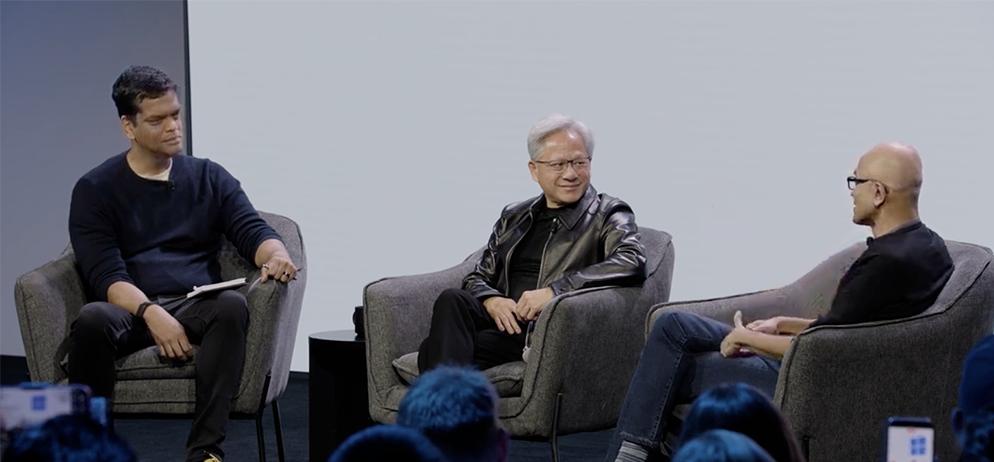
Jensen Huang, Founder and CEO of NVIDIA, appeared at the event in a black leather jacket, and had an in-depth discussion on AI PC trends with Satya Nadella, Chairman and CEO of Microsoft, and Sriram Krishnan, venture capitalist.
The Surface Laptop Ultra is powered by the NVIDIA RTX Spark N1X superchip, with a maximum of 128GB unified memory, enabling local running of AI models with over 120 billion parameters.
This device can not only run AI tasks, but also support cinematic-level video editing, and run *Gears of War* games stably at 60 FPS.
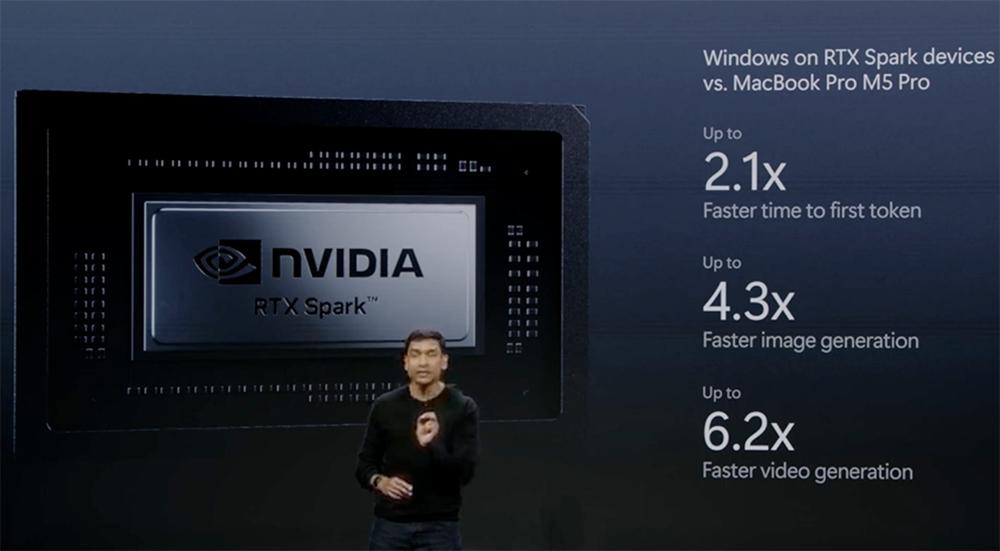
According to Microsoft's disclosure, compared to the 16-inch Apple MacBook Pro equipped with M5 Pro chip, the RTX Spark-powered Windows PC delivers 2.1x faster first token latency efficiency, 4.3x faster AI image generation speed, and 6.2x faster AI video generation speed.
The Microsoft Store supports trade-in of MacBook Pro for Surface Laptop Ultra, with a maximum trade-in value of $1,000.
RTX Spark-powered Windows PCs including ASUS ProArt P16 and ASUS ProArt P14, Dell XPS 16 Creator Edition, HP OmniBook Ultra 16, Lenovo Yoga 9n 2-in-1 laptop, and MSI Prestige N16 Flip AI+ are all available for pre-order starting today.
The Surface RTX Spark Dev Box, targeted at developers and content creators and equipped with Project Zenith, also adopts the RTX Spark chip, with a starting price of $5,999 (approximately RMB 40,221). It is now open for pre-order and will be shipped to customers in the United States in November.
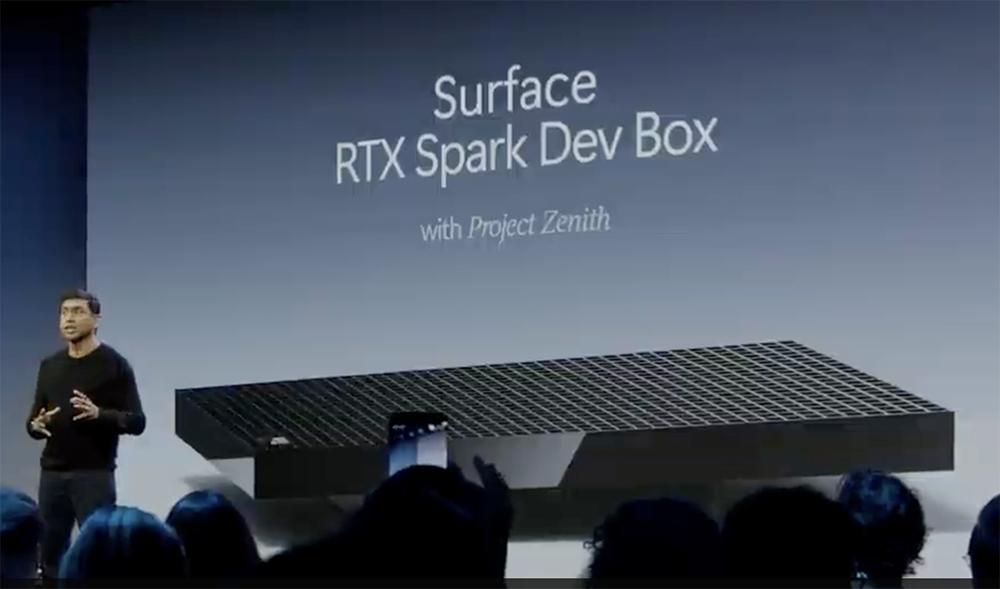
As part of the Project Zenith series of devices, the Surface RTX Spark Dev Box provides an out-of-the-box, pre-configured Windows development environment, pre-installed with the most commonly used developer tools, runtimes and environments, including Visual Studio Code, Git, GitHub CLI, GitHub Copilot, WSL, Python, Node.js and more.
Later, Microsoft will also launch the brand new DGX Station for Windows supercomputer.
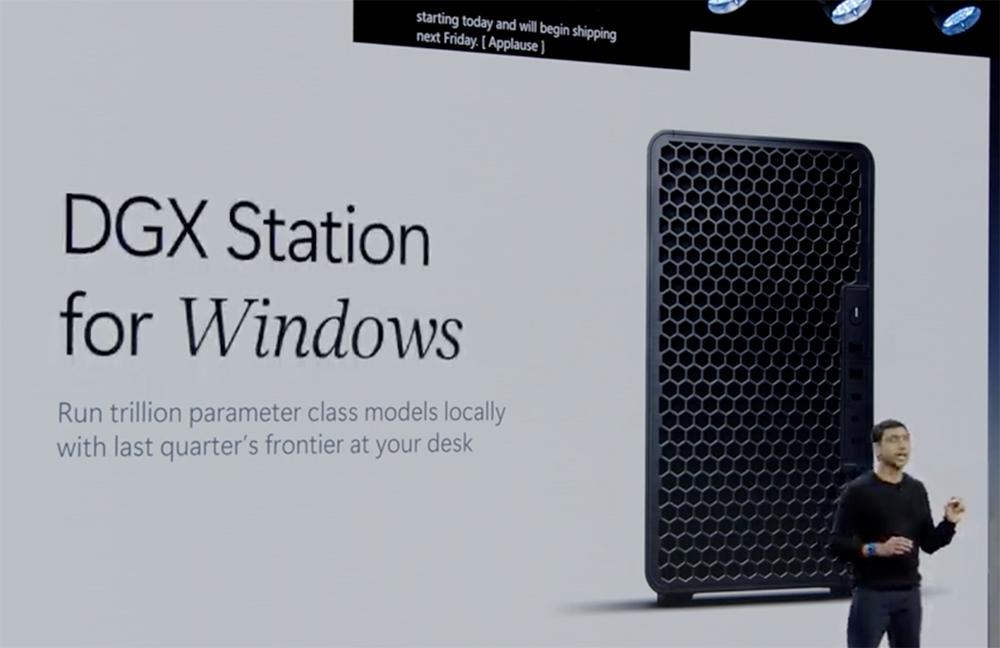
The DGX Station for Windows is the first desktop AI supercomputer that directly brings NVIDIA GB300 Grace Blackwell-class AI infrastructure into the Windows ecosystem, offering 748GB of coherent memory and up to 20 petaFLOPS of FP4 AI computing power. It can run cutting-edge models with up to trillion-parameter scale locally, including Kimi K2.6, DeepSeek-V4 Pro and others.
Dell Pro Precision with GB300 and HP ZGX Fury AI Station will both hit the market later this year.
In addition to hardware, Pavan Davuluri, Executive Vice President of Windows and Devices at Microsoft, also detailed Windows updates designed for the agent era, including how to better protect, monitor and manage agents, and stated that Windows is currently the most secure agent platform.
Key announcements include:
On Copilot+ PCs, Copilot will leverage Windows Hybrid Intelligence to deliver local context, local action and local model capabilities.
The search function in the Windows taskbar will be integrated with the brand new Copilot app, using the entire PC as a source of context information with user permission.
Microsoft Execution Containers (MXC), the operating system-level infrastructure, will be officially launched on Windows 11 to ensure agent security.
The local version of the MAI-Code-1.1-Flash model is released, with the model size reduced by nearly 80% and the cost cut to 1/4.
llama.cpp support is added to the Windows ML scalable runtime, providing more open-source model options.
Local models and intelligent orchestration are introduced to Windows and GitHub Copilot.
More high-performance models will come to Windows in the future.
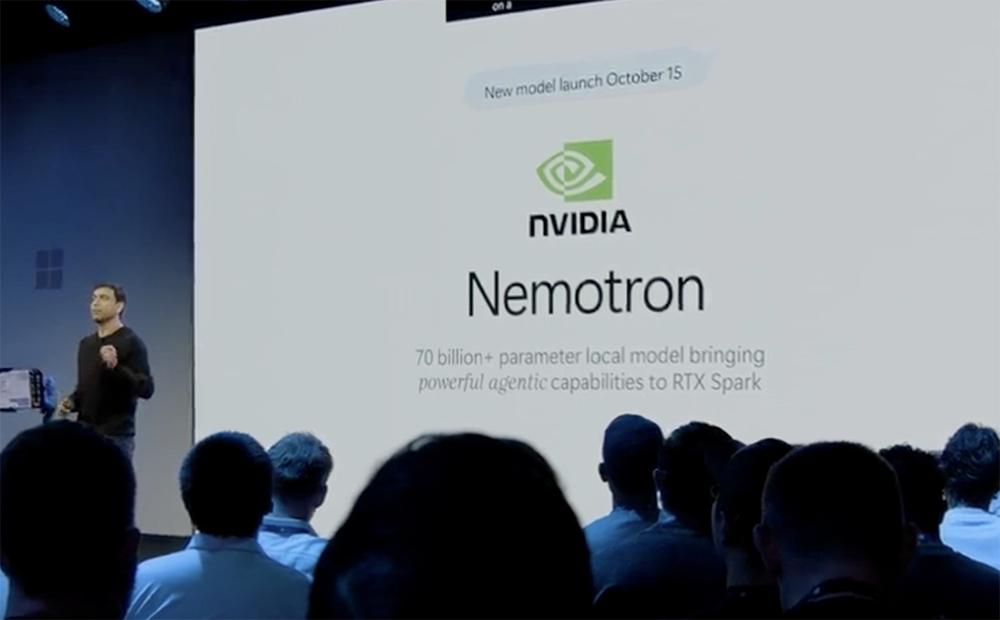
For example, NVIDIA's upcoming new Nemotron model has over 70 billion parameters, supports 2-bit quantization, and only uses slightly more than 20GB of memory.
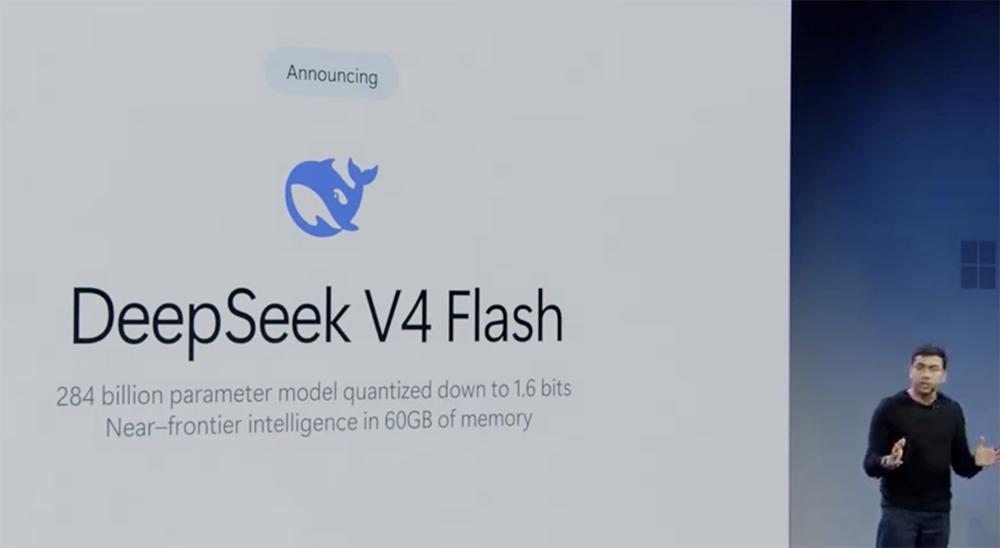
A 284B-parameter DeepSeek-V4 Flash model with 1.6-bit quantization is already able to run on local devices, requiring only 60GB of memory, and outperforms GPT-5 in basic programming and reasoning tests.
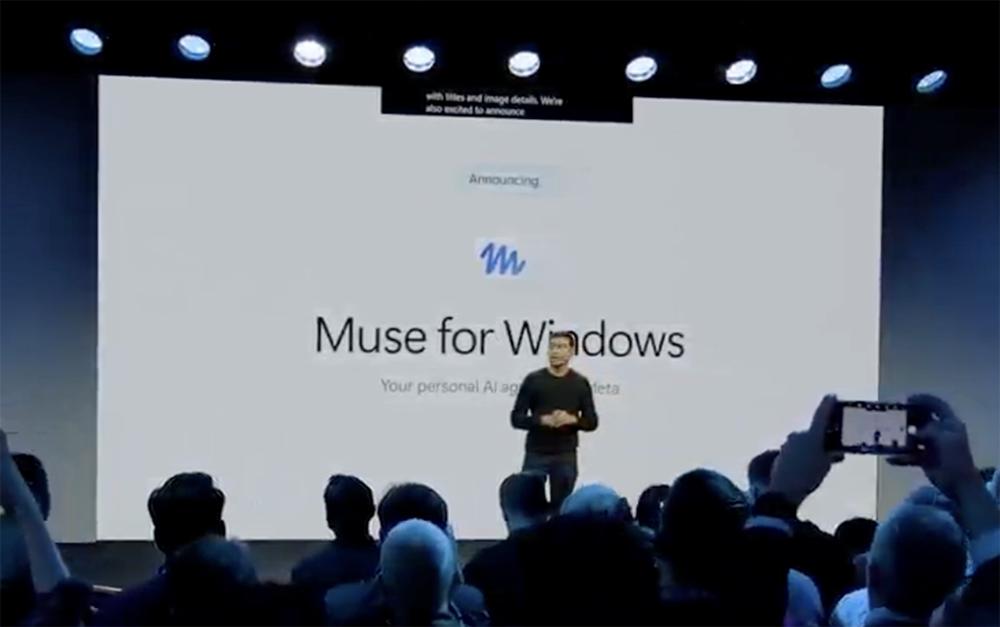
Meta's personal AI agent app Muse will also launch a native Windows version.
01.
Surface Laptop Ultra: Runs 120-Billion-Parameter Models Locally, Equipped with USB-C Magnetic Charging
At the event, Jensen Huang recalled that NVIDIA was arguably born because of the Windows operating system. Without Windows, there would be no GeForce, and without GeForce, there would be no CUDA, nor would there be a computing platform suitable for deep learning research.
In this new era, how can we build a "perfect PC"? According to Huang, they started discussing this 4 years ago.
This time, they completely reinvented the PC, unifying capabilities that previously existed separately in gaming PCs, laptops, workstations, supercomputers and the cloud into a single architecture, running on one superchip.
To achieve this, Microsoft rethought the definition of high-performance Windows PCs and collaborated deeply with NVIDIA to optimize the Windows system, and designed a brand new device Surface Laptop Ultra from scratch around this platform, to fully leverage the advantages of the NVIDIA RTX Spark superchip.
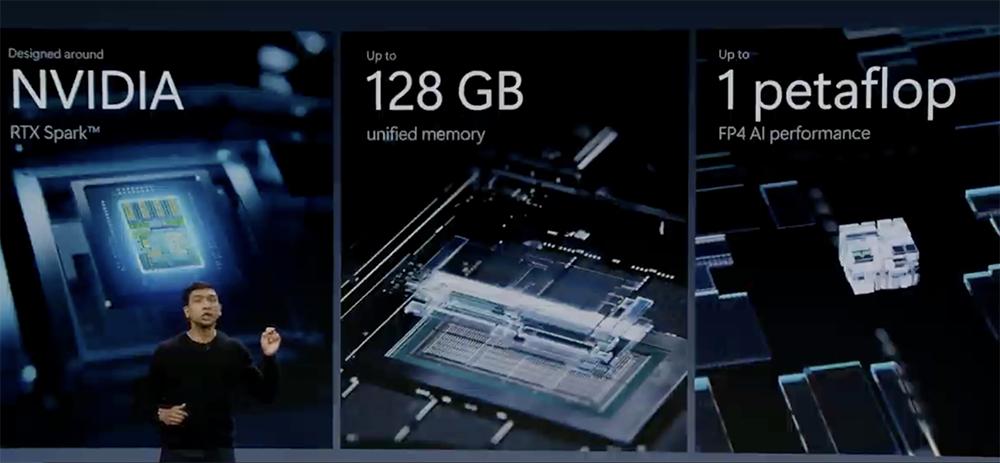
The RTX Spark superchip combines a Grace CPU with up to 20 cores and a Blackwell RTX GPU with up to 6144 cores, with a connection speed of 600GB/s, 1 petaflop of FP4 AI performance, and up to 128GB of LPDDR5x unified memory, supporting local running of AI models with over 120 billion parameters.
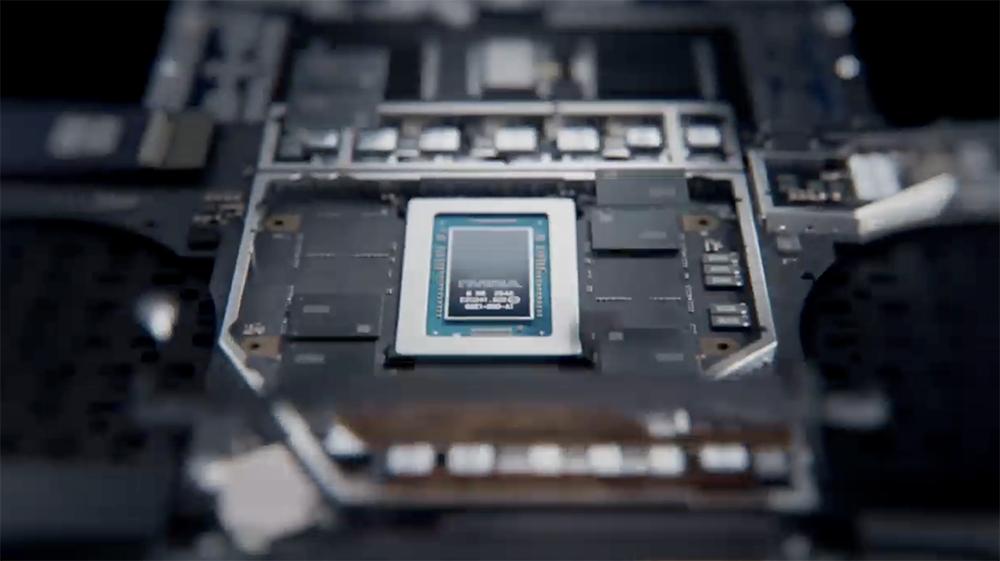
Huang emphasized that the DGX-1 supercomputer that launched the AI revolution also had 1 petaflop of computing power, and now the same level of computing power is available in a laptop.
The Surface Laptop Ultra supports seamless switching between creative work, development, agent programming and immersive gaming, allowing users to keep more work on the device, reduce reliance on the cloud, and access the CUDA ecosystem and the full Windows AI software stack, as well as NVIDIA ray tracing, DLSS and Reflex technologies.
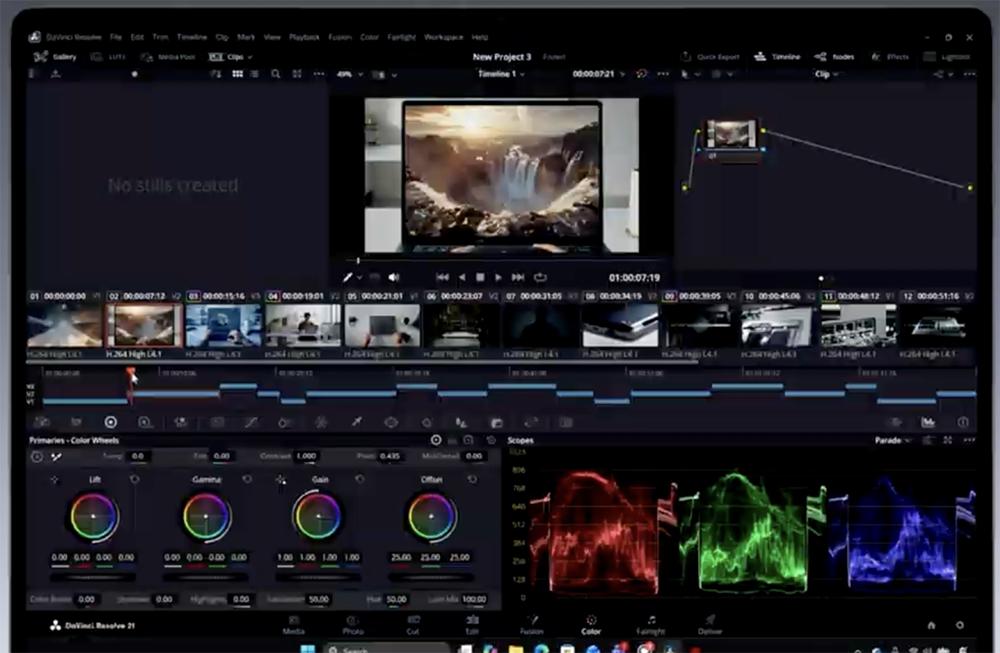
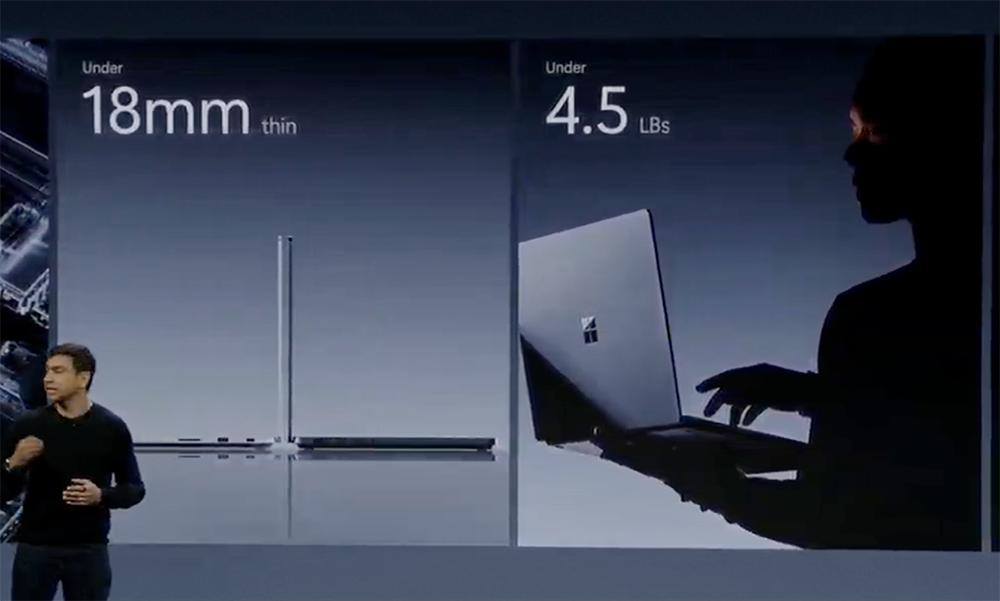
This Surface device is less than 18mm thick and weighs less than 4.5 pounds, with a 30% larger trackpad, a new 15-inch PixelSense Ultra touchscreen, and the highest peak HDR brightness among all laptops (25% higher than the MacBook Pro M5).
To optimize energy efficiency, Microsoft designed a brand new cooling architecture with 2.5x the cooling capacity of existing Surface laptops, delivering all-day battery life.
The Surface Laptop Ultra offers the most complete port selection on a Surface device to date, including 3 USB-C ports, HDMI, USB-A, SD card reader, and 3.5mm headphone jack, and can drive up to 3 4K monitors, allowing users to import video footage without adapters.
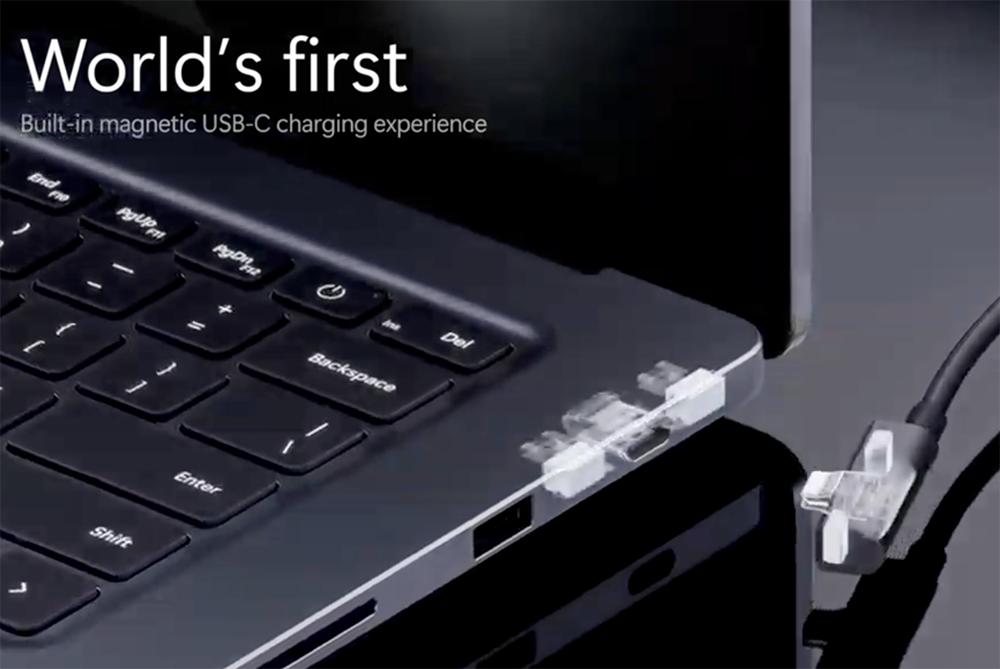
Most notably, the brand new Magnetic Connect is the world's first magnetic USB-C charging port built into a laptop.
The included charging cable uses a magnetic design that easily attaches to the right-side USB-C port. The port can still be used normally for video, data transfer and other USB-C devices.
The Surface Laptop Ultra is also equipped with advanced haptic feedback technology, enabling precise control in demanding creative workflows.
Its storage device is user-removable, supporting users to upgrade, replace or protect their own storage drives.
02.
Enhance Copilot Performance with Hybrid Intelligence, Making Windows PCs More Suitable for Running Agents
Nadella stated that the future direction of the Windows platform is to bring together chat, writing, code, agents, and Autopilot, to empower anyone to build apps and agents.
According to Davuluri, there are over 1 billion Windows 11 users worldwide, and over 40% of commercial laptops are now Copilot+ PCs, with over 2 trillion inferences running locally on Copilot+ PCs every month, improving search, image and video call experiences.
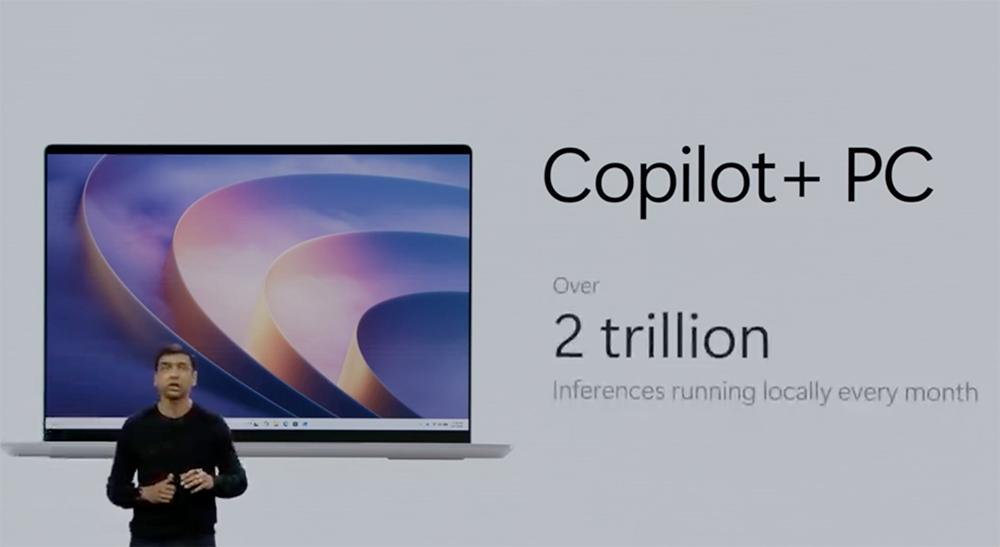
On Copilot+ PCs, Microsoft Copilot will be fully upgraded with Windows Hybrid Intelligence, delivering 3 key local capabilities:
1. Local Context. With user permission, Copilot can understand relevant content on the PC, including files and recent activities, and integrate local context into the workflow.
2. Local Action. Copilot can perform actions on behalf of users in the Windows system, helping to organize files, evaluate device diagnostics, troubleshoot, write code, and execute workflows directly on the device.
3. Local Model. Copilot can leverage AI models running on the user's PC to use local computing for appropriate tasks, and combine cloud intelligence when needed.
Davuluri said these three capabilities will turn your PC into a personal software factory.
Three core experiences are enhanced as a result:
In