Is the 2026 gaming industry littered with massive devastating pitfalls that bury anyone who steps into them?
In the past two years, Grape Jun has always felt that it is getting harder and harder to achieve success in game development.
Some tracks seem to be full of opportunities on the surface, with a large number of successful blockbuster works, but only when you actually step into them can you find how many hidden pitfalls there are.
Take the gacha anime game genre for example. Seven or eight years ago, it was indeed a highly lucrative and sought-after track, but after the capital downturn and server shutdown wave in the past two years, this genre seems to have turned into a huge pitfall.

On one hand, it seems that you are not qualified to compete in the market unless you spare no effort to pursue top-tier quality. On the other hand, medium-sized gacha anime game manufacturers have closed down one after another this year, and the demand side seems to have been saturated, leaving no room for mid and low-tier products.
This forms a vicious cycle: small projects cannot survive, while large projects come with high inherent risks, and they are also targeted and suppressed by established high-quality veteran games, which means they are very likely to suffer losses. Coupled with saturated market demand, users are not inexhaustible resources that can keep investing in new large-scale gacha anime games endlessly.

As a result, the situation becomes a dead end. No matter how you enter the gacha anime game track, you are very likely to lose money. If someone still recommends you to develop a gacha anime game this year, unless that person shares the same ideal with you, he most probably bears a grudge against you.
Similar to the gacha anime game genre, those once popular tracks in previous years all look more like pitfalls than lucrative opportunities in this year's market.
The first one is the open world genre. I believe practitioners in the industry have all heard of players' complaints about open world games. This situation will gradually become a burden for players as more and more products of the same type come out, which will further reduce the market demand for this type of games.
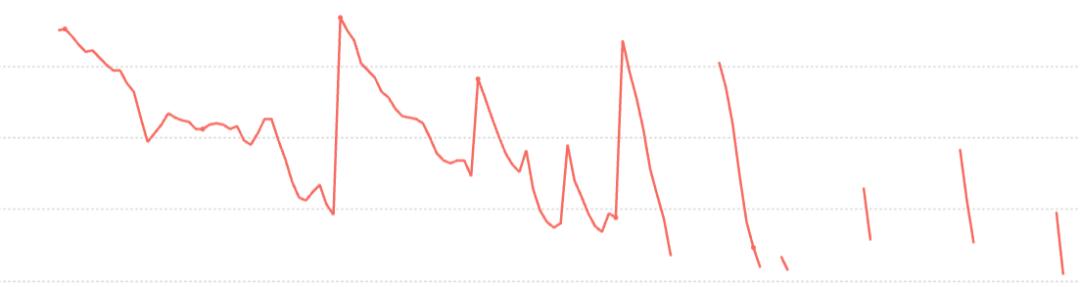
The trend of a certain open-world game on the bestseller list
Leaving aside those games that simply do not know how to develop open world products or produce poorly-made open world games that no one likes, we can verify the upper limit of players' demand for open world online games from a very subtle detail:
Not long ago, some foreign players complained that the PC package size of gacha games is too large. Most of these games are related to the open world concept, with a package size of over 50G as a norm, 80G as a common case, and even over 100G is not rare. But it is impossible for players to install every newly launched open world online game on their PCs or mobile phones one after another.
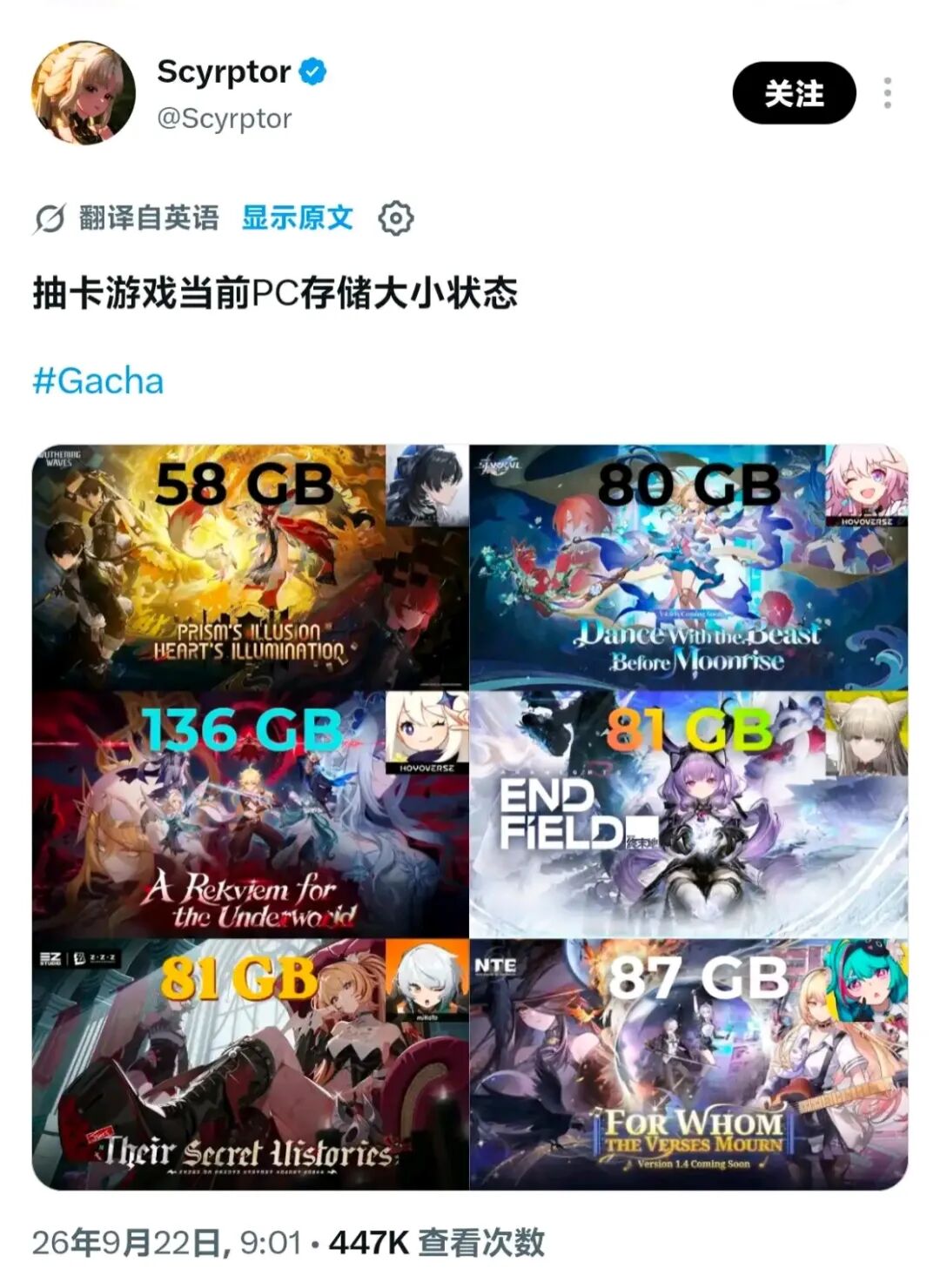
Because there is a realistic problem: as long as AI keeps consuming massive computing power to generate content, the prices of hardware such as graphics cards and memory sticks will not drop, and players' PC hardware conditions cannot keep upgrading forever, and there will eventually come a day when their devices can no longer run open world games.
However, with the help of AI, games will only choose to pursue more extreme resource stacking to cope with market competition. Especially for "open world" games that need to shape a whole real world, they are most in need of massive and efficient content production and resource input.
As a result, the game package size, AI computing power demand, and hardware price are mutually reinforcing, keeping rising endlessly, which is simply a new type of scam for players.
Then let's talk about the pet-collecting genre. The huge success of *Palworld* did give game developers a rare new opportunity. Extracting the pet-collecting gameplay and combining it with open world, gacha anime games, and survival open world crafting games seems to be highly profitable. At least it looked extremely lucrative in the past.

This year, *Roco Kingdom* did seize the first wave of dividends in this track, but this product is supported by long-standing IP sentiment, which helped it open up the market in the early stage. Other pet-collecting games without IP support cannot replicate this kind of good start, making it even harder to stand out.
There is a contradictory point: for the pet-collecting theme to work, the pets must be worth raising, which means players are willing to dote on them. Therefore, pets should not only look good, but also be friendly, vivid, and interact with players frequently, making people feel that they are as lovely as real pets. You can refer to Pikachu.

But Pikachu was not created overnight. The Pokémon games are just an introduction, which give rise to countless derivative content: animations, comics, peripheral products, and spin-off games are just the most basic parts, and fan creations and related discussions are overwhelming. With the combined effect of all these contents, the Pokémon in the games are worth doting on, and Pikachu can become the iconic "Pika God".
However, the Pokémon model is inherently difficult to be compatible with the online game system. After all, you cannot expect an online game team under KPI pressure to divert their energy to produce TV animations and comics. It is already a blessing if they can make the in-game content substantial and of good quality. Moreover, the larger the scale of the pet-collecting online game, the harder it is to replicate Pokémon's development path, which is far less flexible than a lightweight 2D pet-collecting game.
Then let's talk about indie games. In the past two years, the global indie game industry has indeed seen a boom with numerous successful cases. But on the other hand, the survivorship bias does exist, there are just more successful samples this year.
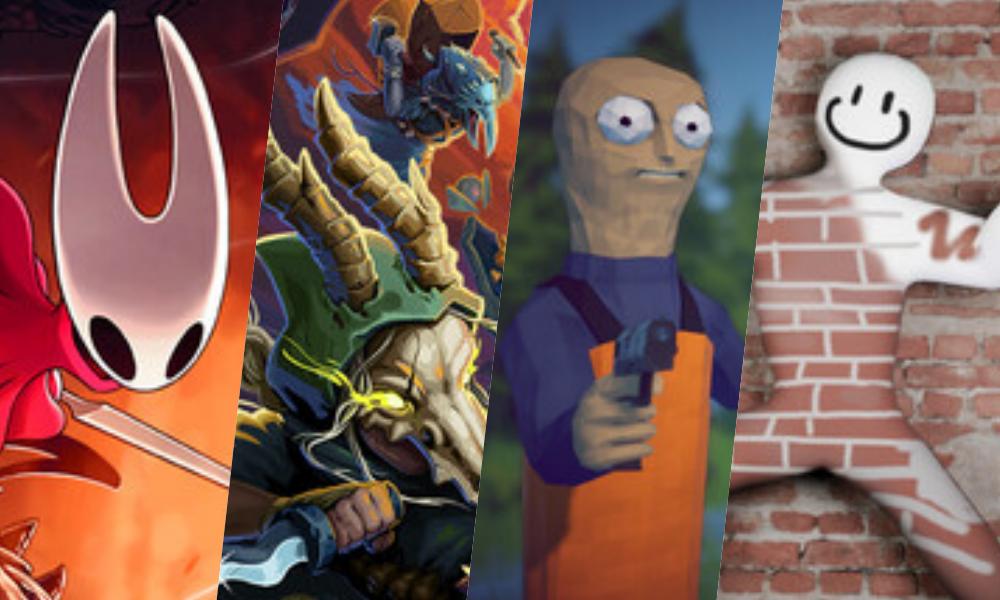
In previous years, when there were occasional successful domestic single-player games, the industry would spread the saying that "the year xx is the year of domestic single-player games", which almost became a meme. But unfortunately, no year has really ushered in a large-scale boom of domestic single-player games.
Not long ago, we also discussed the situation of indie games in China. Due to the lack of a systematic industrial chain like that overseas, most indie game developers in China work alone, which naturally makes it difficult to increase the success rate.
Therefore, despite the large number of reported successful indie game cases in the industry, only developers who have experienced it personally can tell how hard it is to develop indie games in China and how low the success rate is.
The last track is AI games. There are not many AI games launched this year, but many manufacturers and developers have tried this direction, and players' complaints have never stopped. The most confusing point for players is: you have used AI technology, why are the prices still rising? Isn't AI supposed to help humans reduce costs?

Apart from the tracks mentioned above, there are many other hyped tracks this year. Some are truly highly lucrative, some are just false prosperity, and others cannot even cover their costs.
And you, dear readers, which track do you think is the most misleading and pitfall-filled this year?

Written by Yi Guangliu
This article is from the WeChat Official Account "Game Grape" (ID: youxiputao), the author is Game Grape Jun, and it is published with authorization from 36Kr.