Beats 360 Review: How High Is the Cost to Make a TWS Over-Ear Headphone?
Beats is a one-of-a-kind brand.
From its independent era to the early days after its acquisition by Apple, Beats had a highly recognizable appearance and unique product feature positioning.
For a long time, Beats positioned its products for trend and sports-focused user groups who are obsessed with Beats' iconic design; in terms of sound experience, they are satisfied as long as the powerful bass is strong enough.
But if you are a loyal Beats fan, you may have noticed that in recent years, this brand has been "assimilated" by Apple to a certain extent. Overall, Beats headphones are sounding and looking more and more like typical "Apple headphones": understated appearance, maximum adaptability, but the surging bass is nowhere to be found.
That's exactly why when I started using Beats 360 to listen to electronic, R&B and rock playlists, I suddenly realized: the old familiar Beats seems to be back.
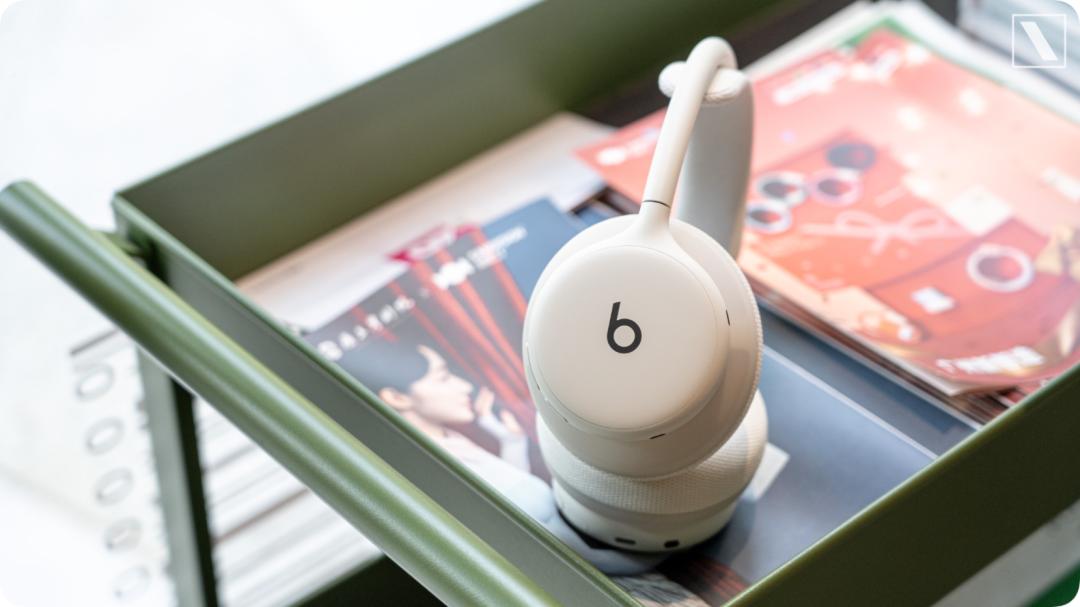
According to Beats' official introduction, the acoustic architecture designed for this brand-new over-ear headphone Beats 360 has a very clear goal: full-range surging bass, stronger sound pressure (+12dB), wider dynamic range, and extremely low distortion at high volume.
To translate these technical terms in plain language, basically all the experience that a typical Beats user most wants to get from their headphones has not only fully returned this time, but also comes with some extra pleasant surprises.
Considering that the audio experience is highly subjective and personalized, the following experience is for reference only.
When playing songs with dense heavy bass and multiple frequency bands such as electronic music, the listening experience brought by Beats 360 to me is not purely the "thumping bass" that rushes straight to the eardrum, but more like a wrapped feeling that embraces your entire ear.
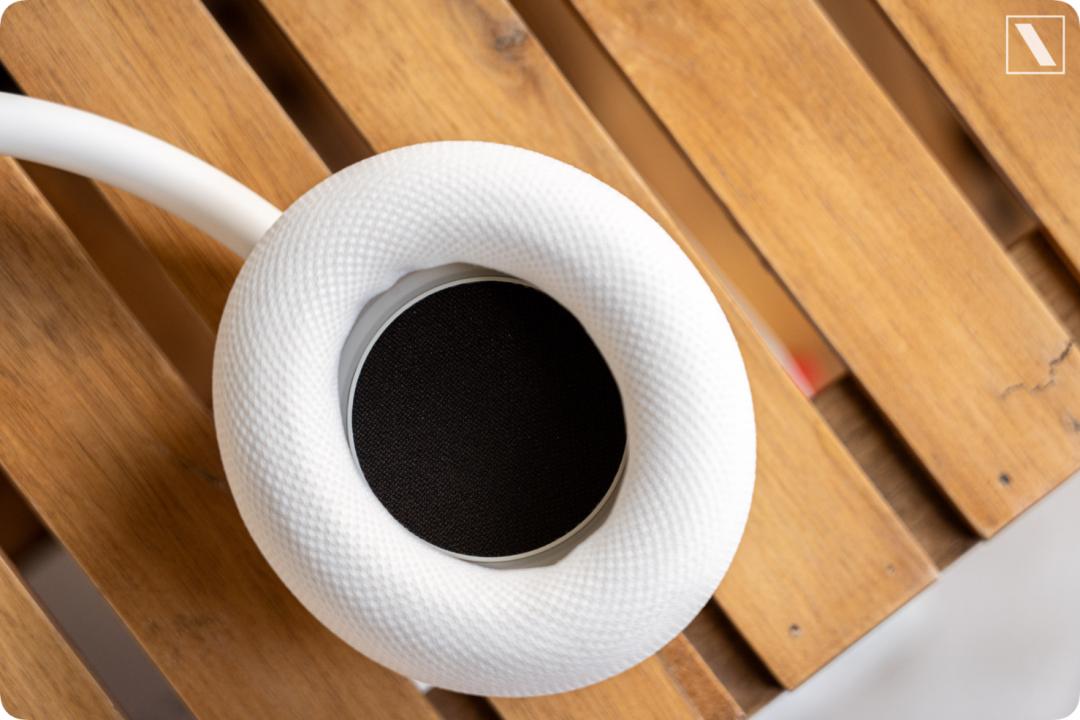
Naturally, part of this effect comes from the larger driver of the over-ear headphone itself, which allows the sound to rebound effectively in the auricle.
More importantly, Beats' design team has developed a complete set of custom-tailored high-fidelity acoustic architecture, with 3 drivers providing a larger dynamic range, so that the full frequency band can be effectively restored;
It is also equipped with a more advanced ventilation design, which brings more stable acoustic performance and significantly reduces distortion — especially at high volumes.
The pure, eardrum-piercing bass used to be a prominent feature of Beats; but what about the features of Apple headphones? They are balanced, well-rounded, and even can be described as lacking distinct characteristics...
So you can understand it this way: in the acoustic part of the Beats 360 headphone, the characteristics of Beats and the characteristics of Apple are integrated, and further improved.
But the acoustic aspect is not the only point where "Beats" and "Apple" are integrated on this headphone.
A more interesting point is that Beats 360 this time adopts the logic of true wireless stereo (TWS) earbuds to make an over-ear headphone that could have used internal headband wiring.
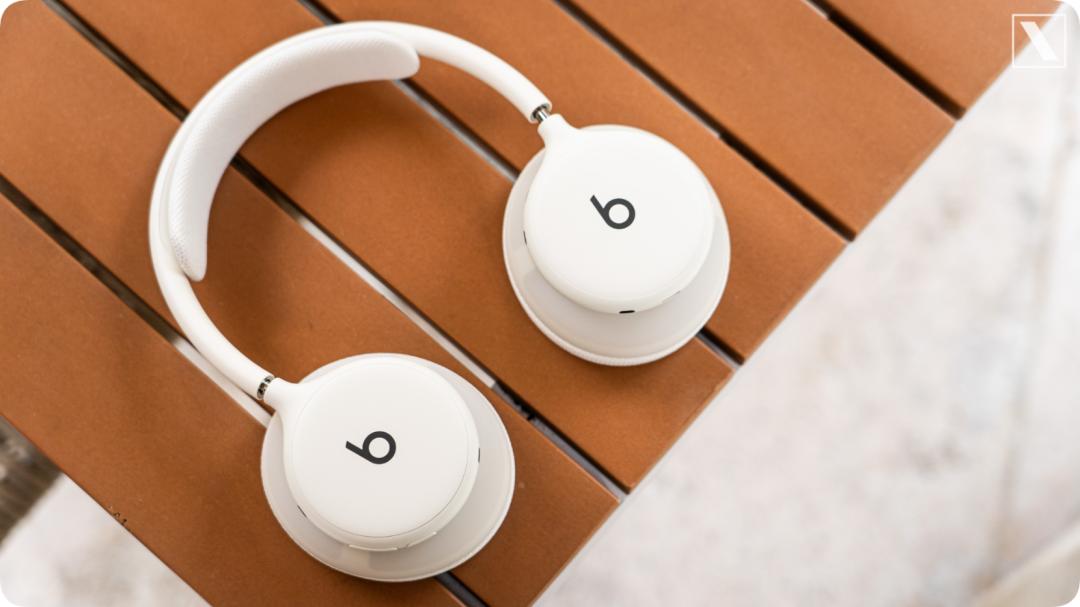
If my statistics are correct, Beats 360 should be the first typical over-ear headphone that adopts the design concept of TWS earbuds, and it is the over-ear headphone closest to the TWS architecture among mainstream brands.
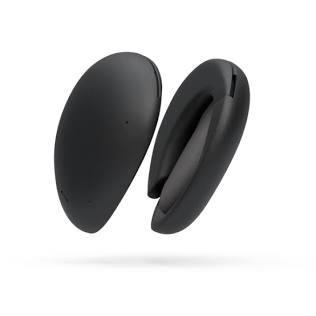
(The reason for adding the qualifier "typical" is that there are weird products like the 2019 Human Headphones shown in the picture below that have no headband. This product is not actually an over-ear headphone, it is essentially a TWS earbud enlarged to the size of ear cups.)
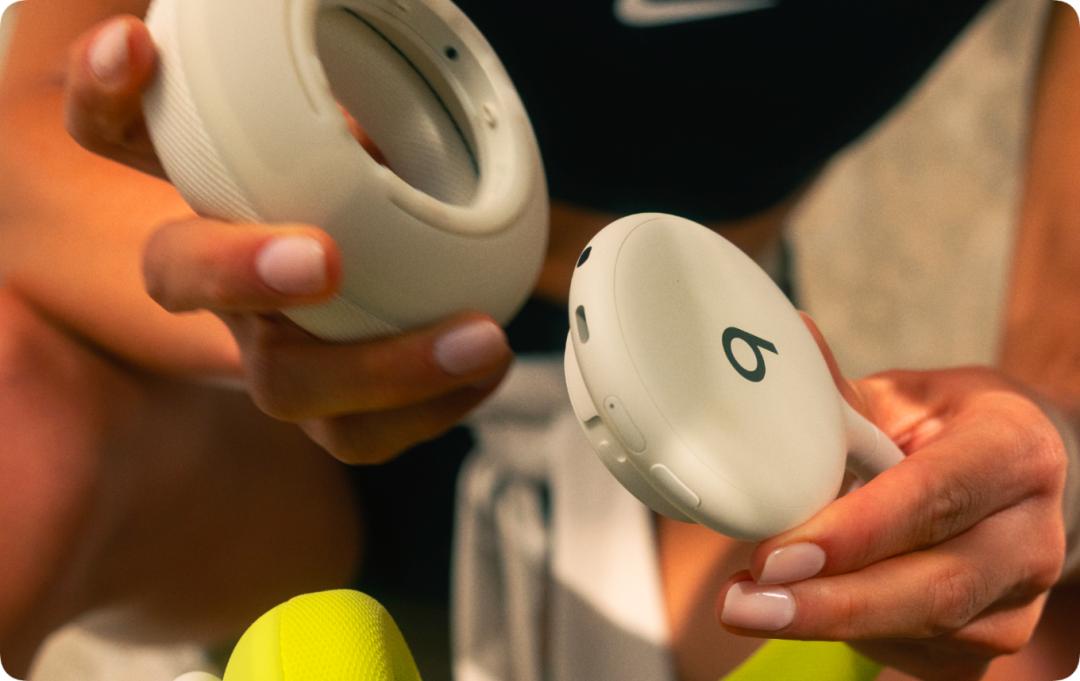
The left and right earcups of Beats 360 are completely independent in the core system architecture, each with a full set of independent SoC, RF Bluetooth antenna and battery. Functions such as audio synchronization, inverted noise cancellation and spatial audio between the left and right earcups are completely realized through wireless communication paths.
It can be said that although Beats 360 is a typical over-ear headphone, its working logic is almost completely consistent with that of AirPods.
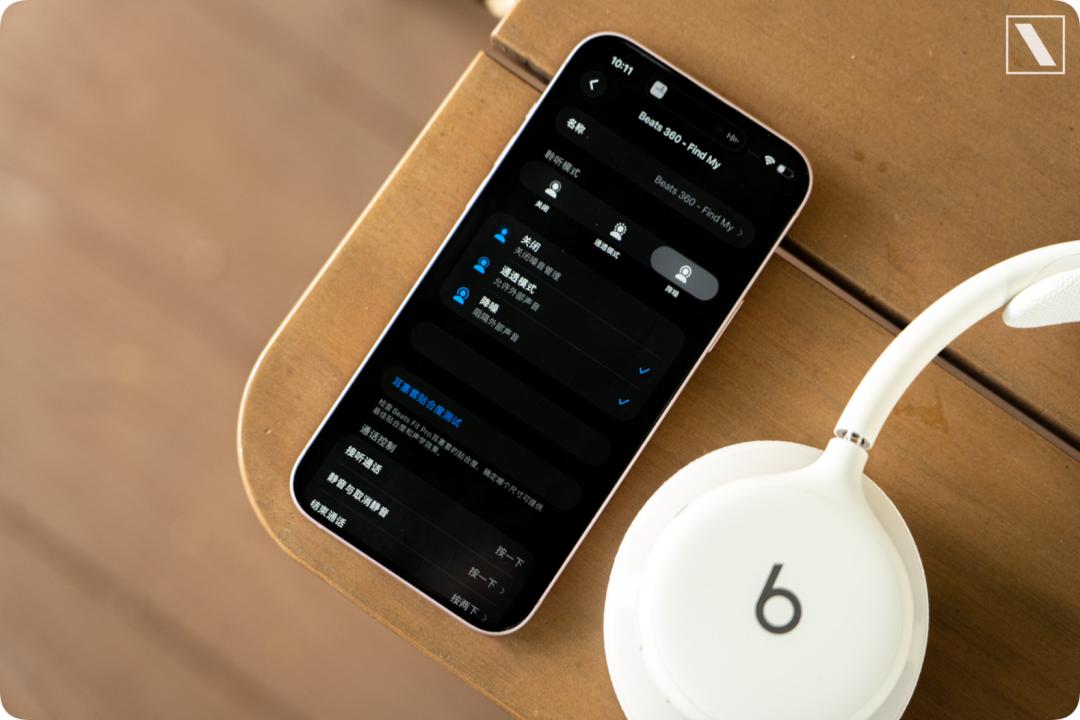
Here comes another qualifier: "almost", because there is still a wired connection between the left and right earcups, which is the power cord.
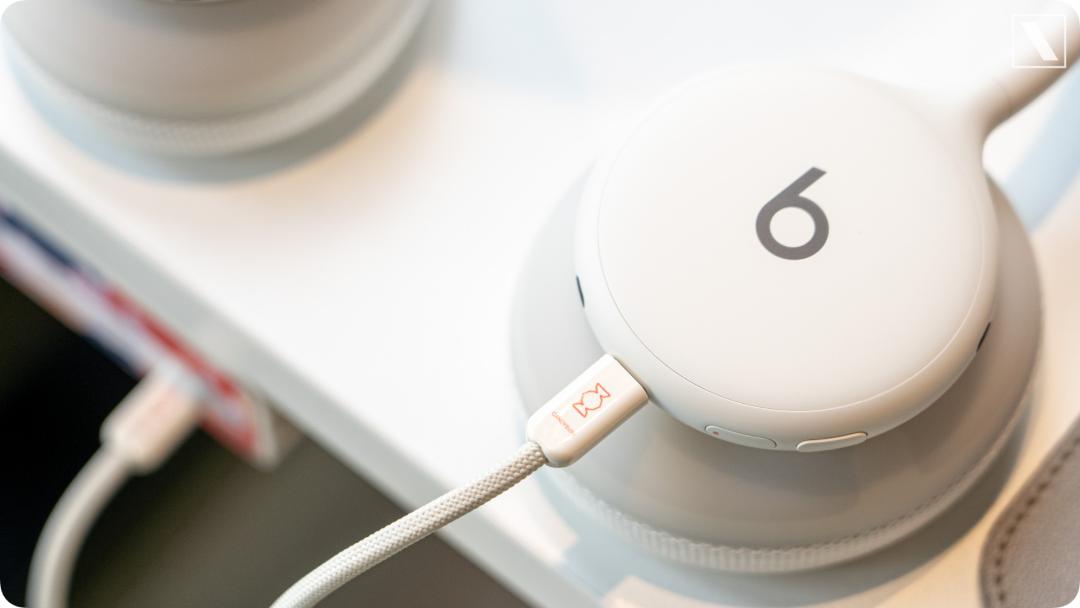
Different from the dense wiring in the headband of ordinary over-ear headphones, the headband of Beats 360 has no audio signal lines or data buses at all. For practicality, only a one-way power supply line is reserved in the headband, so users only need to plug in USB-C on the left ear to charge normally.
Why did Beats do this?
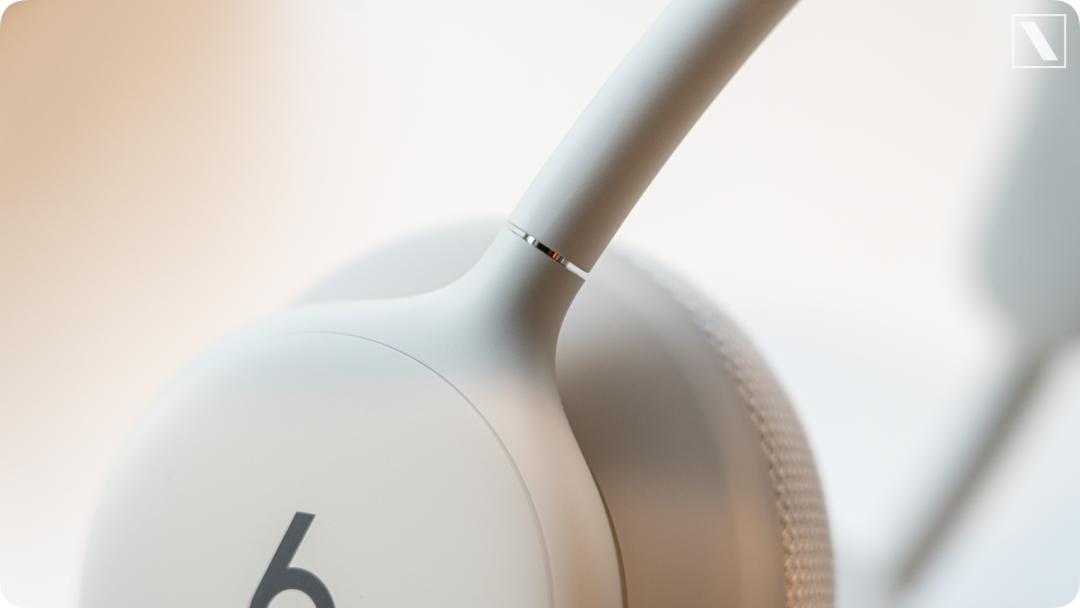
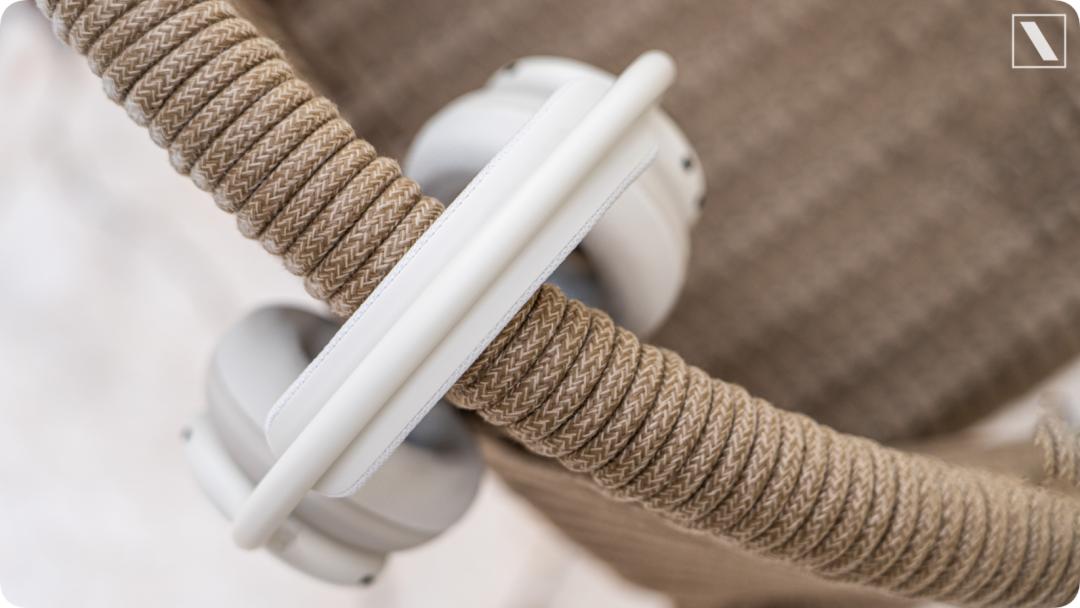
First of all, if you remove all the data and audio wiring from the headband, the structural space of the headband can be greatly freed up. That means you can make more radical designs on the headband, without worrying about metal fatigue and breakage of internal wiring caused by folding and stretching.
This helps to improve the durability of the product. After all, Beats is a brand whose users take it to do sports and go to various places, and rarely take special care of it.
At the same time, the minimization of internal wiring also brings another ergonomic benefit: the headband becomes lighter. This reduces the overall weight of the headphone, and distributes more of the headphone's weight to the left and right earcups. In the end, this design can reduce the fatigue of long-time wearing.
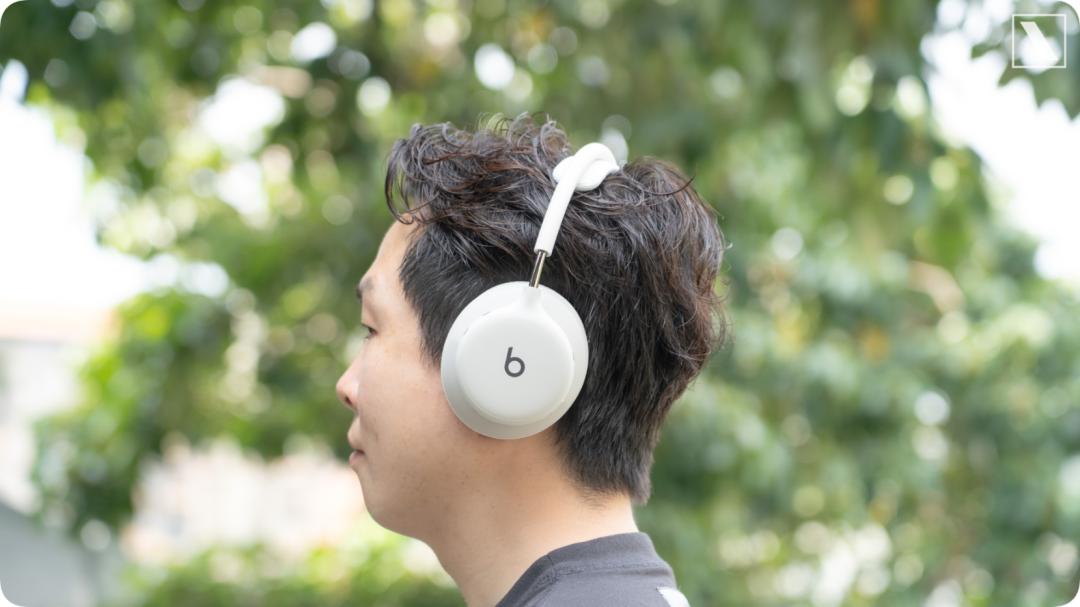
Here we need to mention a misunderstanding in user perception: many friends, even colleagues from ifanr, see that AirPods Max can be completely separated, and mistakenly think that it has no internal wiring and is a TWS headphone.
This is not the case in reality. The two ends of AirPods Max's headband hide metal plugs, which are actually "male connectors" similar to the Lightning specification, and a flat flexible cable (FPC) is also hidden inside the headband. These cables are used to complete the power management of dual cells, sensor synchronization and transmission of bus data between the left and right earcups. Essentially, the headband of AirPods Max still undertakes all the core function connection tasks. To protect these cables, the headband is also made of stainless steel.
Why can't or don't most over-ear headphones adopt the TWS architecture?
First of all, as mentioned earlier, charging is a big problem for TWS architecture over-ear headphones: you either have to plug a separate charging cable into each of the two earcups every time you charge, or be equipped with a larger charging base or storage case — which is not a reasonable and portable experience.
Another less noticed point is that wireless transmission will produce non-negligible attenuation when passing through the human body.
Because human tissues contain water and bones, they will affect many microwave band signals including Bluetooth. Older Apple users may still remember the "Antenna Gate" of iPhone 4: even a hand a few centimeters thick pressing on the antenna will affect the signal.

Wireless headphones are no exception. If a TWS earbud is made to the size of an over-ear headphone, the communication between the two earcups requires a higher transmission frequency or a more complex antenna layout — which will significantly occupy the acoustic cavity space of the headphone body, increase power consumption, and make the headphone heavier.
Considering the above factors, over-ear headphones naturally have a headband, so it is much less difficult to adopt hidden wired connections by taking advantage of the existing headband structure. Not to mention that this solution can achieve near-zero latency, zero packet loss and zero RF loss, which is a more cost-effective approach in both acoustic engineering and software engineering.
Now that we know why Beats wants to make a TWS over-ear headphone, and why no one wanted to make TWS over-ear headphones in the past — let's take a look at how Beats 360 achieves this in practice.
Each of the left and right earcups of Beats 360 is equipped with a Beats Gen 4 processor, a lithium battery and an RF module. The left earcup has an extra gyroscope, accelerometer and a USB-C charging port compared to the right earcup.
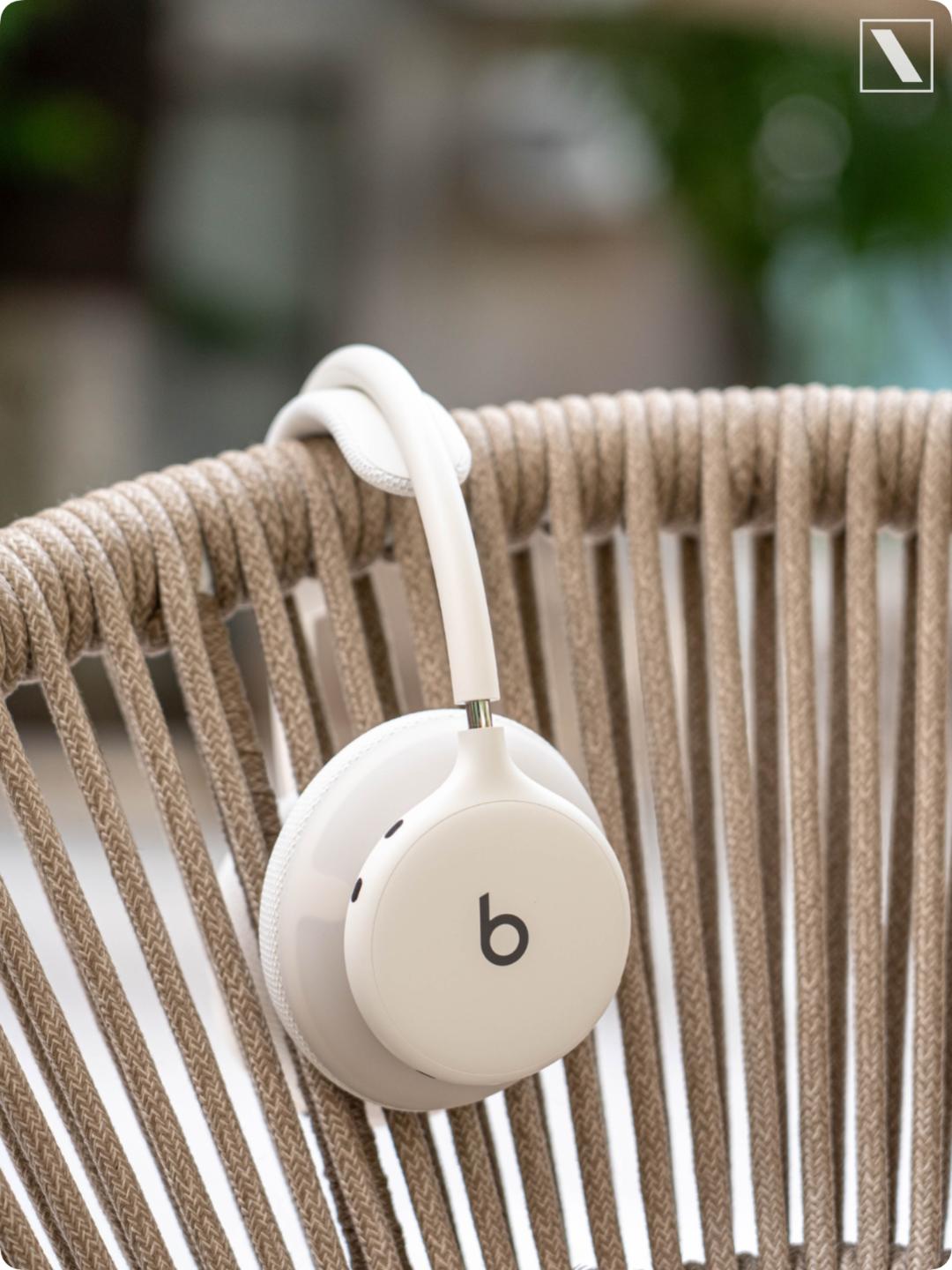
The chips on both earcups perform independent calculations for functions such as noise cancellation and spatial audio. The left and right earcups are each equipped with multiple microphone arrays, and the independent DSP chips on both sides complete the calculation of ambient noise elimination, inverted sound wave and wind noise filtering respectively, achieving an active noise cancellation effect close to independent dual-ear processing.
It is precisely because of this independent noise cancellation design that the noise cancellation performance of Beats 360 is 1.75 times higher than that of its predecessor Beats Studio Pro, making it the Beats headphone with the best noise cancellation effect so far.
In terms of sensors that support spatial audio, the gyroscope and accelerometer for dynamic head tracking are concentrated in the left earcup, and the spatial data calculated by them is coordinated with the right earcup through the wireless link to adjust the sound field positioning.
As for the most important audio transmission aspect, Beats 360 uses the classic TWS protocol. The audio signal is transmitted directly through the air with low-latency Bluetooth mirroring via the RF front ends of the left and right earcups, and clock synchronization is realized.
Of course, Beats' route of forcibly implementing TWS architecture on over-ear headphones comes with a price.
First of all, the TWS architecture means that the headphone adds an extra set of RF chips and antennas, the overall power consumption increases, and the requirements for battery capacity and RF anti-interference are also higher.
In addition, Beats 360 cannot support USB or 3.5mm wired audio mode. It has no 3.5mm jack, and the USB-C port is only for charging.
If I have to find a metaphor, I think AirPods Max is an ultimate wireless headphone built in a wired way. It sacrifices weight and portability, and directly connects the H1 chip and sensors through wired connections to bring an uncompromised audio experience.
And Beats 360 is a headphone that magnifies the common "bud-style" TWS earbuds to over-ear size. It significantly reduces the weight, and even extends the battery life compared with AirPods Max (32 hours vs 20 hours with active noise cancellation turned on).
Not to mention that Beats 360 also achieves an IPX4 waterproof rating on over-ear headphones. In addition to the innovative waterproof design of the body itself, it also goes back to the TWS logic: when the integrity and independence of each earcup are improved, and the number of wires between the headband is reduced, the waterproof performance of the headphone will definitely be improved.
