Led by its female leader, the hugely popular Henan-based scenic spot has raised 2.1 billion yuan over three years and is gearing up for an IPO.
The Mid-Autumn Festival and National Day come one after another, making Henan's cultural tourism once again the focus of public attention.
According to official data, during the just-concluded Mid-Autumn Festival holiday, key 4A-level and above scenic spots across Henan Province received 3.606 million tourists in three days, with an operating revenue of 207.49 million yuan. Among them, the reception volume of Wansuishan Wuxia City and Millennium City Park ranked the top two. Fliggy data shows that hotel reservations in Henan during the Mid-Autumn Festival and National Day holidays doubled year on year, and the reservation volume in Kaifeng increased by more than 100%.
During the National Day holiday, the area around Longting Lake in Kaifeng, Henan, enters its busiest time of the year: with huge crowds of people, lights stretching along both banks of the Bian River, and the large-scale water real-scene performance *Song Dynasty · Tokyo Dream of Splendor* has added extra shows on a regular basis.
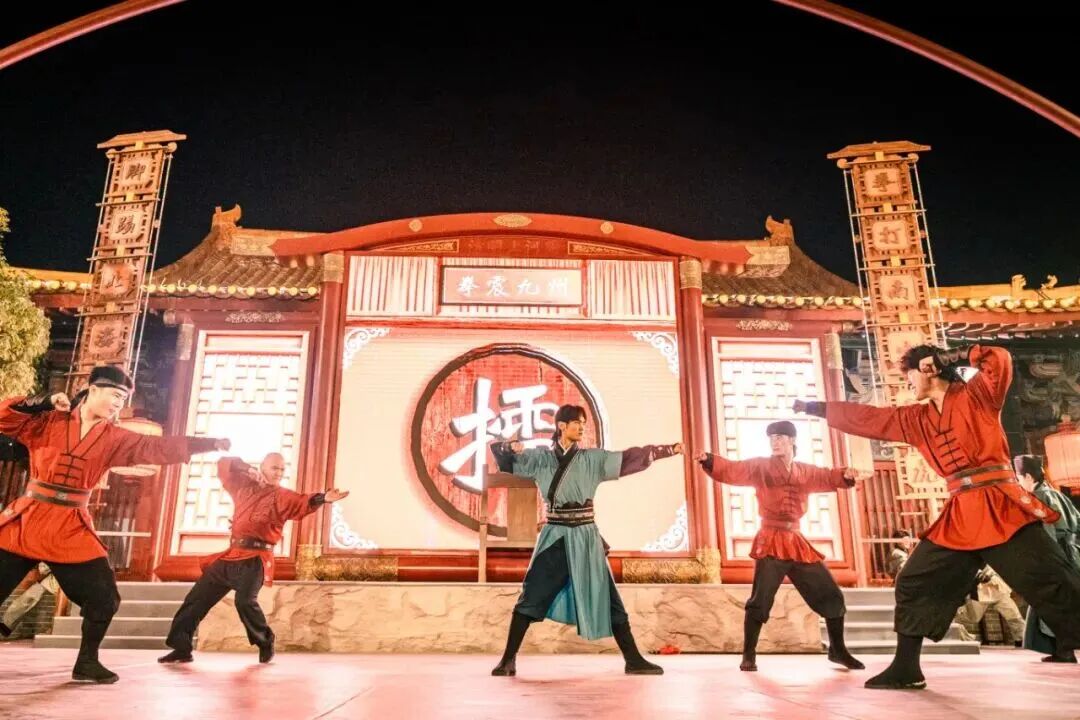
Amid the prosperity, Millennium City Park has taken the lead in knocking on the door of the capital market.
Previously, Kaifeng Millennium City Park Co., Ltd. submitted a listing application to the Main Board of the Hong Kong Stock Exchange, with China Merchants Securities International acting as the sole sponsor. If the listing is successfully completed, it will become "the first share of Henan's cultural tourism industry".
From its opening in 1998 with a 1:1 restoration based on *Along the River During the Qingming Festival*, to receiving about 9.6 million tourists in 2025, and achieving a total revenue of over 2.1 billion yuan in the past three years, Millennium City Park takes the Song culture scene and performance experience as its core, turning the famous Northern Song Dynasty painting into an immersive space that can be visited, performed in and consumed. The park has more than 400 traditional Song-style buildings and 38 large antique water boats, with about 410 on-site performances and 280 NPC interactive performances arranged every day.
The special feature of this park is that it has turned the Song culture scene into a high-frequency experience. There are hundreds of on-site performances and NPC interactions during the day, and a night tour system as well as real-scene performances at night, extending tourists' stay from half-day sightseeing to full-day stay. In terms of revenue, the company achieved revenues of 673.1 million yuan, 741.7 million yuan and 746.0 million yuan respectively from 2023 to 2025.
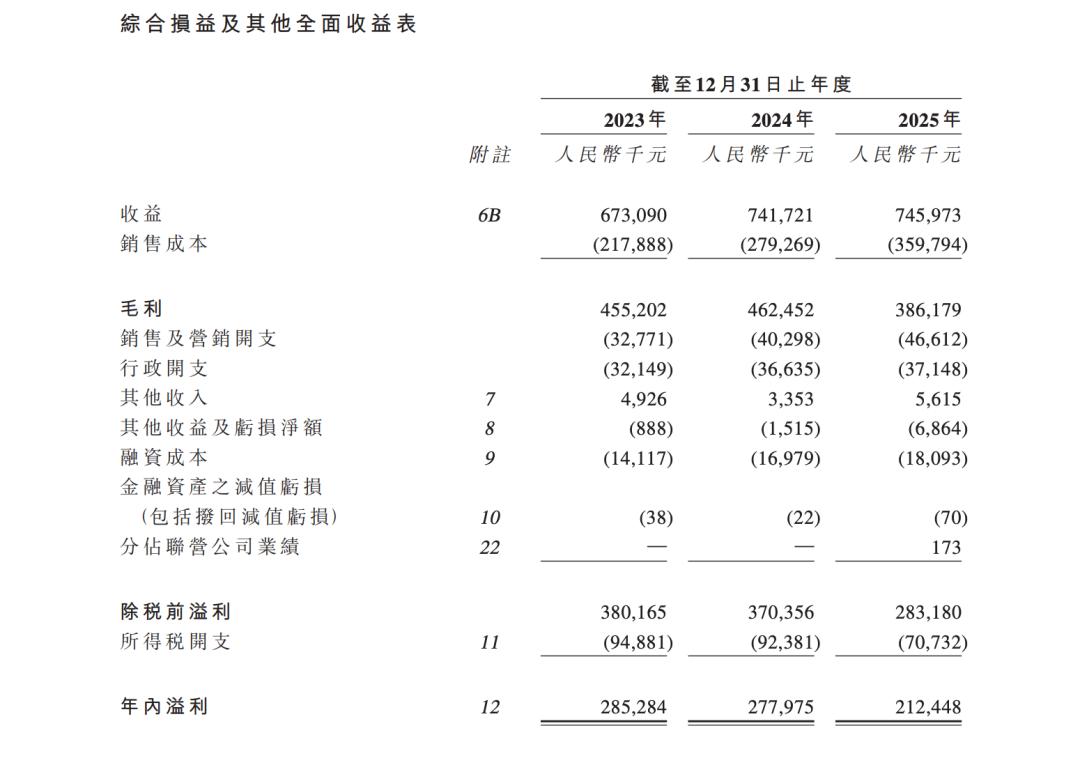
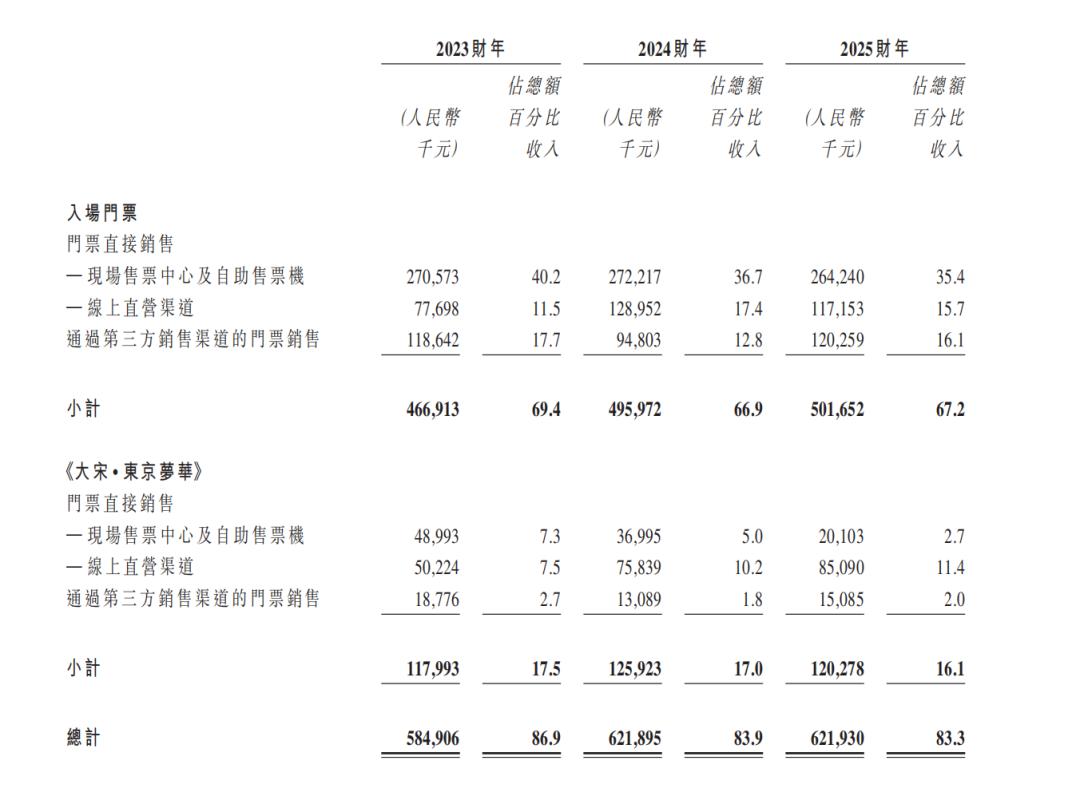
However, on the other side of the booming passenger flow and distinct brand, its revenue structure is relatively single. According to the prospectus, from 2023 to 2025, the combined revenue of admission tickets to Millennium City Park and performance tickets for its signature theater *Song Dynasty · Tokyo Dream of Splendor* accounted for 86.9%, 83.9% and 83.3% of the total annual revenue respectively. The company's performance flexibility mainly depends on the scale of passenger flow, rather than customer unit price and consumption frequency.
For an inland scenic spot that does not rely on natural landscapes, how can it turn the thousand-year-old Song culture into a sustainable business? In the current context of increasingly fierce competition between theme parks and cultural tourism performances, can it achieve a critical leap through listing?
Total revenue exceeds 2.1 billion yuan in three years, turning Song culture into a profitable business
Stepping into Millennium City Park, tourists will feel as if they are in a Song Dynasty market like a flowing feast.
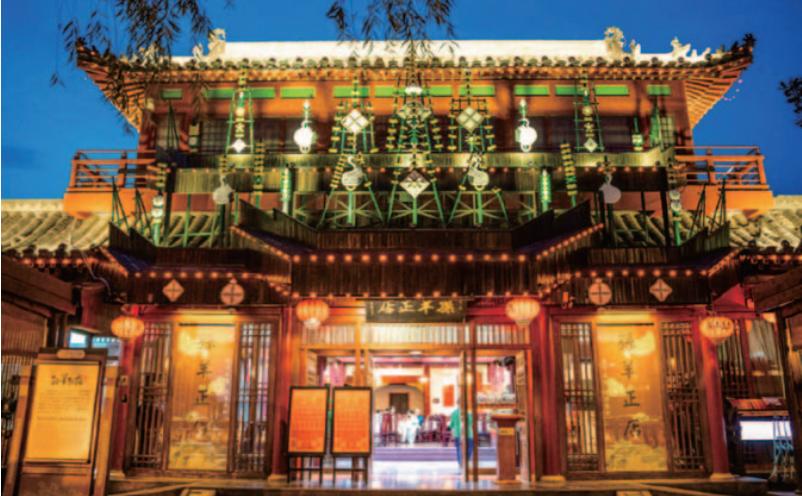
Millennium City Park is a 1:1 restoration based on Zhang Zeduan's *Along the River During the Qingming Festival*. The Rainbow Bridge, Bian River, Imperial Street, shops and entertainment districts are fully built, and more than 400 Song-style buildings and antique boats constitute the largest antique Song-style building complex in the Central Plains region.
First look at the passenger flow. According to the prospectus, Millennium City Park received about 9.6 million tourists in 2025, ranking fourth among all single theme parks across the country, first among 5A-level scenic spots in Henan, and it is also the only park themed on traditional Chinese culture among the top five theme parks in China.
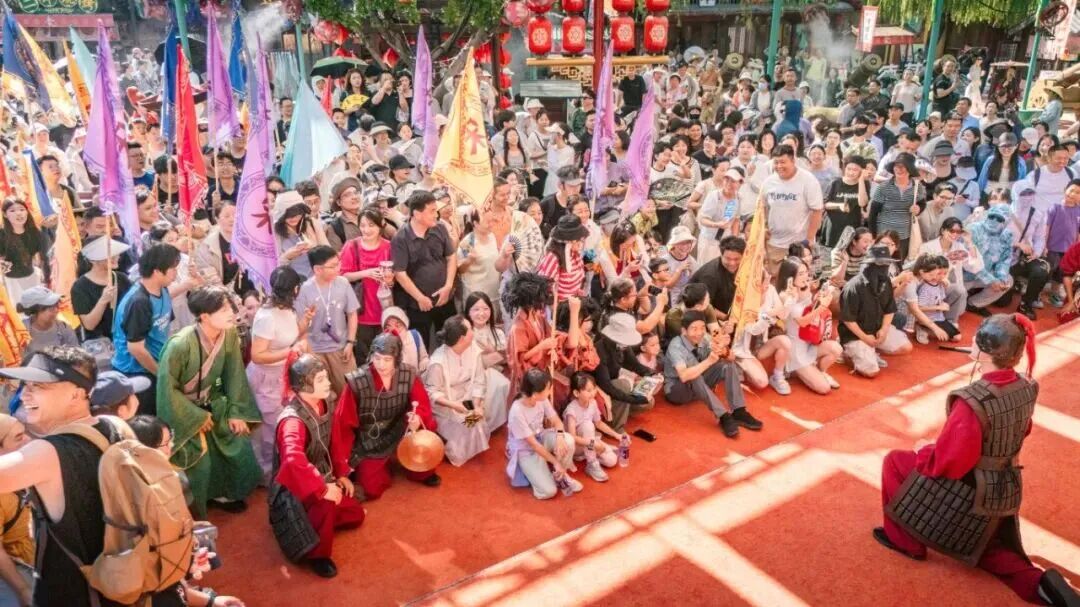
The passenger flow supports the basic foundation of revenue. From 2023 to 2025, Millennium City Park's cumulative revenue in three years exceeded 2.1 billion yuan.
What really makes Millennium City Park stand out in the industry is its early layout of the night economy.
In 2017, the park took the lead in launching regular night tours in Henan, with night lights, light carving shows and night performances launched simultaneously. The business hours were greatly extended, tourists' itineraries were extended from half-day tours to full-day tours, and the park was transformed from a one-time sightseeing place into an experience space for repeated consumption.
Then look at the revenue structure. The revenue structure of Millennium City Park is highly concentrated, with tickets and performances as the absolute pillar. From 2023 to 2025, its park operation revenue was 528.1 million yuan, 569.4 million yuan and 583.1 million yuan respectively, accounting for about 78% of the total revenue, making it the largest segment; the revenue of the performance *Song Dynasty · Tokyo Dream of Splendor* was 118.0 million yuan, 125.9 million yuan and 120.3 million yuan respectively, accounting for 16.1%-17.5%. Although rental income and catering and hotel services have grown, their scale is still limited.
In order to reduce the reliance on classic performances and admission tickets, the park has significantly accelerated its product update in the past two years.
In 2023, the third-phase Song Dynasty Royal Amusement Park was opened, adding Song culture-themed amusement facilities; the park also launched the *Along the River During the Qingming Festival · Millennium Appointment* XR immersive film; in February 2026, the immersive tea party performance *Qingming Riverside · Tea Party* was launched. At the same time, the company actively adjusted its ticket policy. Since May 2025, the ordinary admission ticket has been changed from single-entry per day to unlimited entry within three days after the first entry, exchanging extended stay time for secondary consumption.
The cost of these actions is directly reflected in the current profit. From 2023 to 2025, the company's profit for the year was 285.3 million yuan, 278.0 million yuan and 212.4 million yuan respectively, with the gross profit margin dropping from 67.6% to 62.3% and 51.8%. The gross profit margin of park operations dropped from 68.4% to 64% and 50.3% in the same period. The prospectus explains that project upgrades and performance expansion have pushed up direct labor and sales costs, and the extension of ticket validity has also suppressed per capita revenue to a certain extent.
The short-term profit pressure is more like a phased cost that must be paid to adjust the revenue structure. A notable comparison is that the gross profit margin of the company's catering and hotel services in 2025 was only 3.2%, which not only shows that secondary consumption has not really been fully developed, but also means that there are still a large number of consumption scenarios in the park waiting to be exploited.
For Millennium City Park, the real test is not whether it can continue to attract tourists, but whether after tourists enter the park, in addition to watching performances, they can activate catering and experience-based consumption.
From the New Third Board to the Hong Kong Stock Exchange: Millennium City Park's 18-year capital long march
The story of Millennium City Park is inseparable from its operator Wang Shuang.
This 51-year-old female head of the company worked in the real estate industry in her early years. In 2009, she joined Qingyuan Co., Ltd. as a director, became the chairman of the board in April 2012, and also served as the general manager in December 2016, responsible for the overall strategy.
In the more than ten years that Wang Shuang has been at the helm, Millennium City Park has experienced its most intensive period of product iteration: in 2008, the large-scale water real-scene performance *Song Dynasty · Tokyo Dream of Splendor* premiered, creating a precedent for theme parks to create large-scale real-scene performances, and the number of tourists exceeded 1 million that year; in 2014, two flagship daytime performances, *Yue Fei Defeats Little Prince Liang with a Spear* and *The Battle of Tokyo in the Song Dynasty*, were launched; in 2017, the night tour was fully put into operation.

Chairman of Kaifeng Millennium City Park Co., Ltd. Wang Shuang
In 2023, the third-phase Song Dynasty Royal Amusement Park was opened, and in the following two years, the passenger flow rose to 9.6 million.
There is a clear internal logic in this product line: the launch of each new generation of products extends the stay time of tourists and increases the experience density of the park.
Its product capabilities are widely recognized, but the capitalization process of Millennium City Park has not been smooth.
In 2008, the Kaifeng Municipal Government Work Report proposed to complete the shareholding reform and listing work of Millennium City Park; in 2009, the company completed the restructuring and was renamed Kaifeng Millennium City Park Co., Ltd.
In the following more than ten years, Qingyuan Co., Ltd. adjusted its listing path three times: it landed on the New Third Board in 2016, becoming the first New Third Board listed tourism scenic spot enterprise in Henan Province, but actively delisted in November 2018, turning its attention to the A-share market.
In August 2020, Qingyuan Co., Ltd. filed a listing tutoring record with the Henan Regulatory Bureau of the China Securities Regulatory Commission, and completed 23 phases of tutoring work in nearly six years, but failed to realize its listing wish; in April 2026, the company disclosed the progress of the 23rd phase of listing tutoring, and in June of the same year, Qingyuan Co., Ltd. switched to the Hong Kong stock market and submitted a listing application.
Behind the repeated path adjustments are the actual thresholds for cultural tourism enterprises to finance in the A-share market. At present, there are only about 20 A-share listed cultural tourism enterprises, and only Shaanxi Tourism has completed the listing in the past five years. For Millennium City Park, the Hong Kong stock market has more flexible valuation logic and review rhythm for consumer assets, which is more in line with the company's need to open up financing channels as soon as possible to support park expansion and the implementation of new performance projects.
According to the prospectus, the raised funds will be mainly invested in four areas: the expansion of the southern part of the park, the construction of a new large-scale indoor performance and theater inspired by *A Panorama of Rivers and Mountains*, the upgrade of existing performances and core buildings, and the expansion of management service business. The first three items continue to deepen the content of the single park, and the last one points to the external output of operational capabilities, trying to break through the growth ceiling of a single park in an asset-light way.
From competing for passenger flow to competing for content: the mid-game battle of the cultural tourism industry
When talking about Millennium City Park, Wansuishan Wuxia City, which is a few kilometers away, cannot be ignored.
Wansuishan is the fastest growing scenic spot in Henan's cultural tourism in recent years. Its 2025 annual report shows that the number of tourists entering the park for the whole year was 24.522 million, a year-on-year increase of 146.9%, and the comprehensive revenue was 1.27 billion yuan, a year-on-year increase of 136.5%. From 2019 to 2022, its annual revenue was around 80 million yuan, but now its scale has increased by nearly 15 times in three years.
In the first half of 2026, Wansuishan Park received 14.467 million tourists, a year-on-year increase of 41.3%, and the comprehensive revenue was 940 million yuan, a year-on-year increase of 55.6%.
The two scenic spots are both located in Kaifeng and both focus on Song culture, but their operation modes are completely different. Millennium City Park relies on the famous painting IP, with fixed large-scale performances and antique Song-style streets as the core, and tourists watch the scenery and performances along the designated route; while Wansuishan focuses on martial arts and market themes, with more than 1,500 actors scattered in the streets and alleys, no fixed stages, and tourists may be pulled into the plot and participate in tasks at any time.
The former pursues meticulous craftsmanship, while the latter updates content at a high frequency, jointly making Kaifeng a high-density destination on the national cultural tourism map.
The operation modes of these two scenic spots are just a slice of the entire industry's shift. Looking at the broader picture, *World Business Network* has found that the competition logic of the cultural tourism industry has been rewritten in recent years, with the main body shifting from scenic spots to content, and then from content to cities.
The first change is that tourists have changed from audiences to performers. For example, the "The Longest Day in Chang'an" themed block in Xi'an has fully moved the Tang Dynasty market indoors, more than 70% of tourists change into traditional costumes immediately after entering the park, and they can follow Detective Di Renjie to solve cases and participate in real-scene script games; Henan Drama Fantasy City in Zhengzhou has launched an immersive performance cluster consisting of 21 theaters and 700 minutes of non-repetitive plays.
The common feature of these operation modes is to split the large show that remains unchanged for several years into a content assembly line that can be continuously produced and iterated quickly, and tourists' sense of participation and emotional value have become the core products.
The second change is that the competition has shifted from scenic spots to cities. Previously, Harbin turned its ice