This generation of middle-class people no longer wants to open the blind box of internet-famous homestays.
01
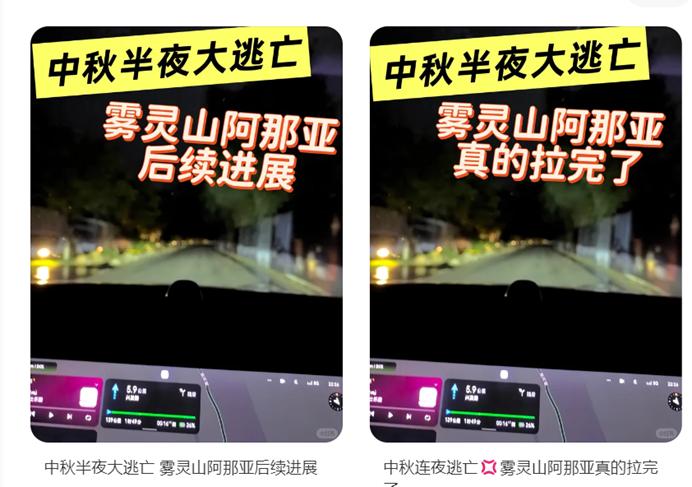
This Mid-Autumn Festival, a netizen's family booked a homestay priced at 1,300 yuan per night in Aranya, Wuling Mountain.
They checked in at around 7 p.m. and went out for dinner. When they came back, the ceiling of the bathroom was leaking, right above the toilet.
The netizen believed that judging from the accumulated water on the floor, the leak had existed for a day or two. The housekeeper insisted that no problems were found during the check the day before.
The maintenance worker spent half an hour on site and judged that the hidden pipe inside the wall was leaking, which could not be repaired that night.
Then came the long-drawn wrangling.
The Aranya housekeeper said there was only one room left in the park priced at 2,600 yuan, and they needed to pay the price difference to change the room.
Or Aranya could offer a discount on the leaking room fee and make a water-catching device for them to stay for one night roughly.
In the end, the netizen chose to check out and get a refund, but the money could not be returned immediately via the original payment path. They were required to provide account information for transfer, and it would take 10 to 14 working days to get the money back.
At more than 10 p.m. on Mid-Autumn Festival, there were no available hotels in the surrounding counties. The netizen's family had to drive back to Beijing overnight, and it was already past half past midnight when they got home.
When the netizen posted online to complain, Aranya did not apologize or offer any compensation.
The day after the post was published, the netizen received a phone call of apology and the refund from Aranya. Moreover, the refund of the room fee was transferred from a personal account rather than the company's public account.
The netizen lamented that Aranya has a mature hotel business under its brand, but there is no handling manual for unexpected situations.
At the end of the post, it was written: "Pushing a front-line receptionist without authorization to consume time with customers for one or two hours is a defect of the management mechanism."
This is not an isolated case. Search for "homestay pitfalls" on Xiaohongshu, and there are countless notes that you can't finish browsing.
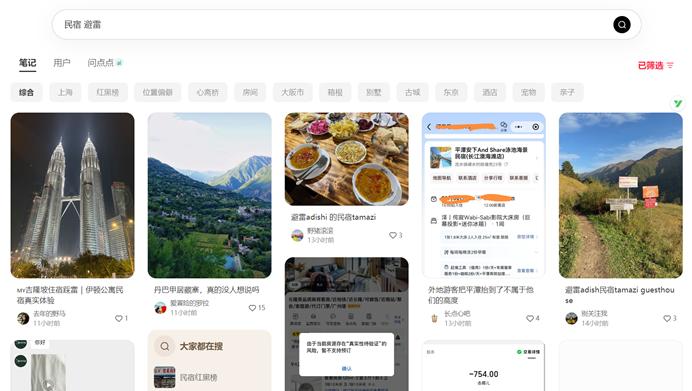
Moving out of the homestay overnight in Shaxi, being knocked on the door in the middle of the night in Penglai, two groups of people arguing in the comment section of a homestay in Pingtan — the popular pitfall-warning posts on Xiaohongshu in the past three months have almost covered all popular destinations across China.
In September 2025, Xiaohongshu disclosed that it had removed nearly 120,000 fake AI-generated notes in the past three months, and homestay-related content was one of the key areas with violations.
Users publish AI-generated fake homestay images and texts to fabricate accommodation experiences, misleading other users' decision-making.
Data from the Black Cat Complaint Platform can better illustrate the problem.
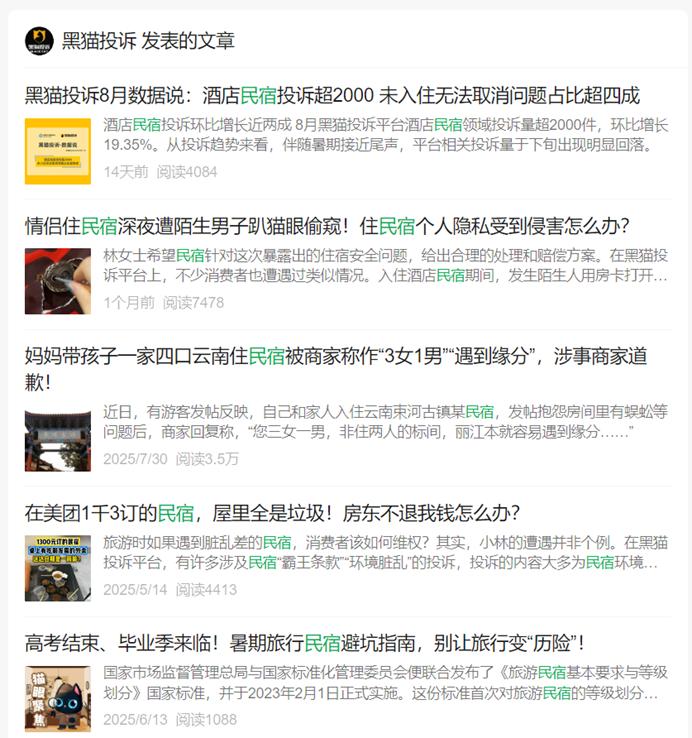
In August this year, the Black Cat Complaint Platform received more than 2,000 complaints about hotels and homestays, with a month-on-month increase of nearly 20%. The number dropped in the last ten days of the month as the summer vacation ended, and complaints mainly focused on failed check-out, hygiene and service problems.
When searching for "homestay" on the Black Cat Complaint Platform, there are nearly 79,000 related complaint records.
The pitfall-warning posts on Xiaohongshu and the complaint volume on the Black Cat Platform point to the same thing: the middle class's trust in homestays is being consumed little by little by the "blind box" style of check-in experiences.
02
Behind individual experiences is the structural reshuffling of the entire homestay industry.
First look at the supply side. Data from Qichacha shows that the number of homestay-related enterprises in China has increased from 19,000 in 2016 to 403,000 in May 2026, expanding more than 20 times in ten years.
According to the *2026 Global and China Homestay Industry Development Research Report* released by Three Pigmies, 86,000 new entities were registered in 2025 alone, while 29,000 entities were cancelled or revoked. For every 3 newly opened homestays, 1 will close down.
The supply is skyrocketing, while the price is plummeting.
According to the *2025 National Homestay Industry Development Research Report* released by the Homestay, Inn and Boutique Hotel Branch of China Tourism Association, as of October 2025, the average occupancy rate of homestays across China is 36%, with a year-on-year increase of only 3%.
What does an occupancy rate of 36% mean? Two thirds of the year, the rooms are empty.
During the same period, the average room price was 367 yuan, down about 30% from 489 yuan in 2024.
The price dropped by 30%, but only brought a 3% increase in occupancy rate. Many homestays cannot get tourists to check in even after cutting prices.
For the middle class, there are more choices, but the decision-making cost has also risen. Instead of browsing dozens of homestays to identify which one will not cause trouble, it is better to choose a chain hotel at the same price.
However, the national average data is not the most embarrassing part. The situation of those once "fully booked" internet-famous destinations is even more surprising.
In the summer vacation of 2026, Dali dealt a heavy blow to all homestay operators.
By the end of 2025, there were 7,007 homestays and 103,200 beds in Dali Prefecture. In previous years, the occupancy rate in summer vacation could reach 80%, but in 2026 it only dropped to 40% to 50%, with half of the beds unoccupied.
A tourism and hospitality channel operator who has been deeply engaged in Dali's homestay industry for many years revealed to the media that in previous summer vacations, popular internet-famous homestays were fully booked early, and the room price was two to three times higher than usual; this year, most of these internet-famous homestays still have vacant rooms, and the price is only twice as high as usual, some are even almost the same as the daily price.
A boss who runs 15 homestays in Dali barely received any orders at the beginning of this summer vacation. There are more than 100 homestays in her community, and all her neighbors are equally flustered.
In Mogan Mountain, known as "the No.1 Mountain in the South of the Yangtze River", the boutique homestays that used to cost as much as 3,000 yuan per night dropped to just over 800 yuan this summer, but still no one booked them. Some homestays put up the sign of "0-yuan transfer fee", and the once highly sought-after asset has become a hot potato.
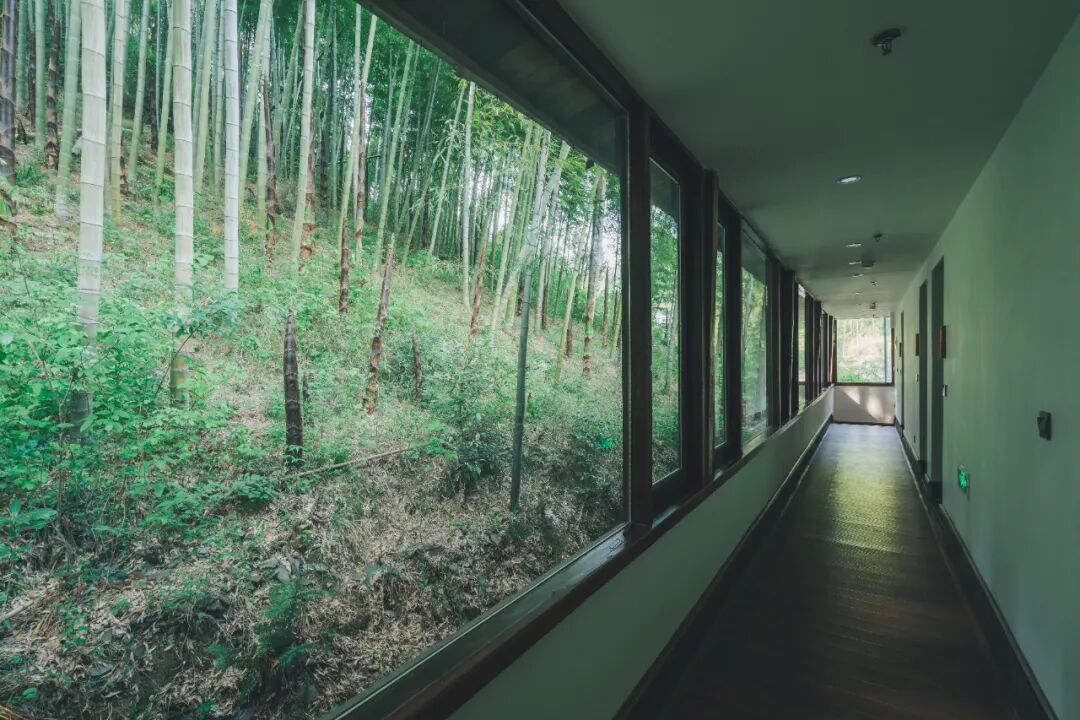
Data from Tujia and Meituan during the summer vacation shows that the overall booking volume of traditional mountain summer homestays that only provide basic accommodation and meals dropped by 37.2% year-on-year.
The root cause of the current situation of the homestay industry lies in the high homogeneity of the supply side.
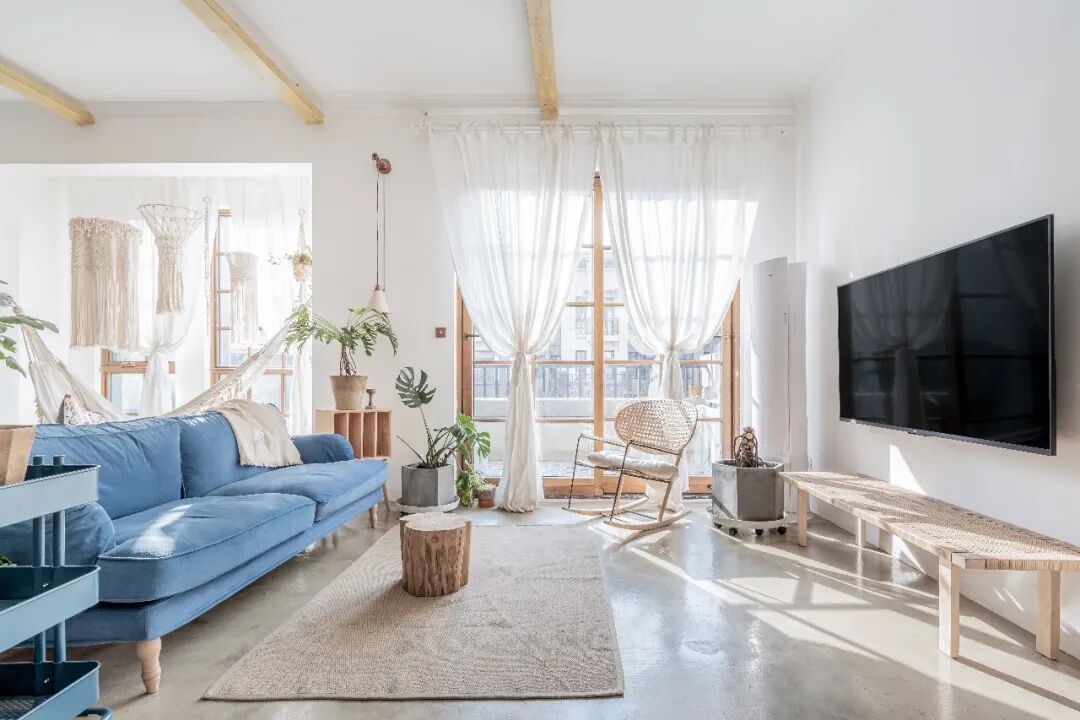
Most internet-famous homestays are operated by sublessors, who decorate their properties in batches according to popular templates: white walls, log furniture, French windows, internet-famous swings, and ins-style paintings.
Tourists browse dozens of homestays on the platform, and there is no difference in their visual experience. When every door on the street leads to a homestay, the "scarcity" no longer exists. As a result, they can no longer attract the middle class who check in for the "unique recognition".
Tourists no longer come, but the rent has to be paid, the decoration cost needs to be amortized, the platform takes a commission, and there is no room for further price cuts. When the market is good, they can make a profit by relying on information asymmetry; once the market goes down, this group of people will be the first to be unable to hold on.
In the end, only two types of homestays can survive: one is high-end homestays with truly unique experiences, and the other is small businesses that use their own houses without rent pressure.
03
Why are homestays abandoned? Three words: uncertainty.
The middle class is not unwilling to spend money, but unwilling to spend money on uncertainty. They can accept high prices, remote locations, and even average conditions. But they cannot accept the service attitude of "let's see when we arrive", "let's solve it after the problem occurs" and "no one takes responsibility".
And these three situations are exactly the normal state of the homestay industry.
The first uncertainty is the difficulty of getting a refund.
For the middle class, the travel plan is never a personal matter. Annual leave needs to be applied for in advance, children's vacation time needs to be coordinated, and air tickets and hotels need to be booked according to the schedule. Once there is a change, the loss is not only the room fee, but also the cascading cost of the entire trip.
A netizen booked a homestay through the platform in advance, and applied for cancellation three days before check-in due to a change of plan. The platform and the merchant directly rejected the application on the grounds of "non-refundable" and even wanted to deduct 50% of the fee.
If it were a hotel, the full refund could be obtained at this time point. Data from Black Cat Platform in August shows that among the complaints in the hotel and homestay sector, the number of complaints about failed refund applications due to wrong date selection, travel plan changes and other reasons that lead to no actual check-in accounts for 40.45%.
The middle class's sensitivity to this matter does not lie in the hundreds of yuan involved, but in the unequal rules.
The refund and modification rules of hotels are written in the system, and how much will be deducted for refund at what time is completely clear. The rules of homestays depend on the landlord's mood: they say it can be refunded today, but say it cannot be refunded tomorrow, all depending on whether the other party is willing.
Before this year's Mid-Autumn Festival and National Day holiday, consumer councils in many places repeatedly reminded that if clauses such as "non-cancellable" and "no refund for no show" are not prompted in eye-catching ways such as bold text and pop-up windows, they are most likely invalid; it is recommended to prioritize choosing properties with step-by-step refund rules and full refund for unreserved bookings, and keep the booking screenshots and payment vouchers.
The difficulty of getting a refund is not a matter of luck, but a systematic problem. The more prominent this problem is, the more the middle class will turn to hotels. At least the refund rules of hotels are written in the system, and you don't have to call 12345 to solve the problem.
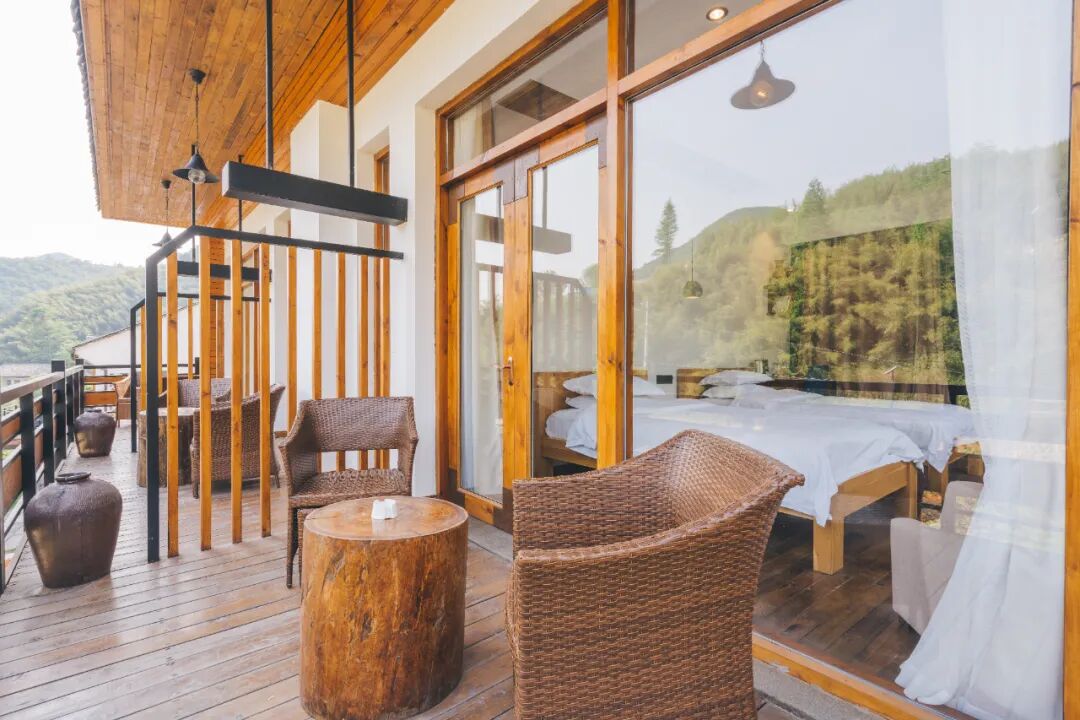
The second uncertainty is the "blind box" style of experience.
The middle class is willing to pay for experience. They can spend more than 1,000 yuan to stay in a homestay in the mountains, as long as the scenery, design and service are worth the price. The problem is that they cannot judge whether it is worth it in advance.
The inspection by the Market Regulation Bureau of Beihai City found that a homestay in Yinhai District published listings of "sea view / garden view" on Douyin, but the actual bedroom scene could not see the sea view on site; some homestays published promotional pictures of "mountain view" and "hot spring hotel", but no mountain view or hot spring facilities were found on site. The Market Regulation Bureau of Beihai City filed cases against all relevant entities for false advertising and imposed penalties.
Judicial precedents are also clear. A consumer booked a listing of "three bedrooms, one living room and two bathrooms", but found there was only one bathroom when arriving. The court ruled that the actual situation did not match the publicized listing information, and the unilateral temporary price increase constituted a breach of contract, ordering the merchant to refund the room fee and compensate for the difference of the additional accommodation cost.
The middle class is not afraid of spending money, but afraid of finding out that they are treated as the target of a one-off deal after paying.
The inconsistency between the pictures and the actual situation is no longer a beautification problem caused by excessive photo editing, but a false advertisement that will be filed for investigation by the market regulation department, and a breach of contract that the court will order a full refund.
The certainty of hotels lies in that no matter you spend 300 yuan on a chain hotel or 3,000 yuan on a five-star hotel, the count of bed sheets, water pressure, sound insulation and breakfast standards all have a predictable bottom line.
Some homestays are really great, while some are really terrible, and you have no idea which one you will get before booking.
The third uncertainty is that no one will take responsibility when problems occur.
The middle class is used to processes, SOPs and responsibility division in the workplace. There is a clear mechanism for who to contact, who is responsible, and how long it takes to solve the problem. But this mechanism does not exist in the homestay industry.
The Aranya case is a typical example: Aranya is responsible for or entrusts all the work from design, construction, property management to homestay operation, but when problems occur, it tries to clear all responsibilities, only positioning itself as an intermediary, shifting the blame of the leak to the landlord, and shifting the consequence of no accommodation to the guests.