What have foreign visitors seen on their technology-themed tours to China?
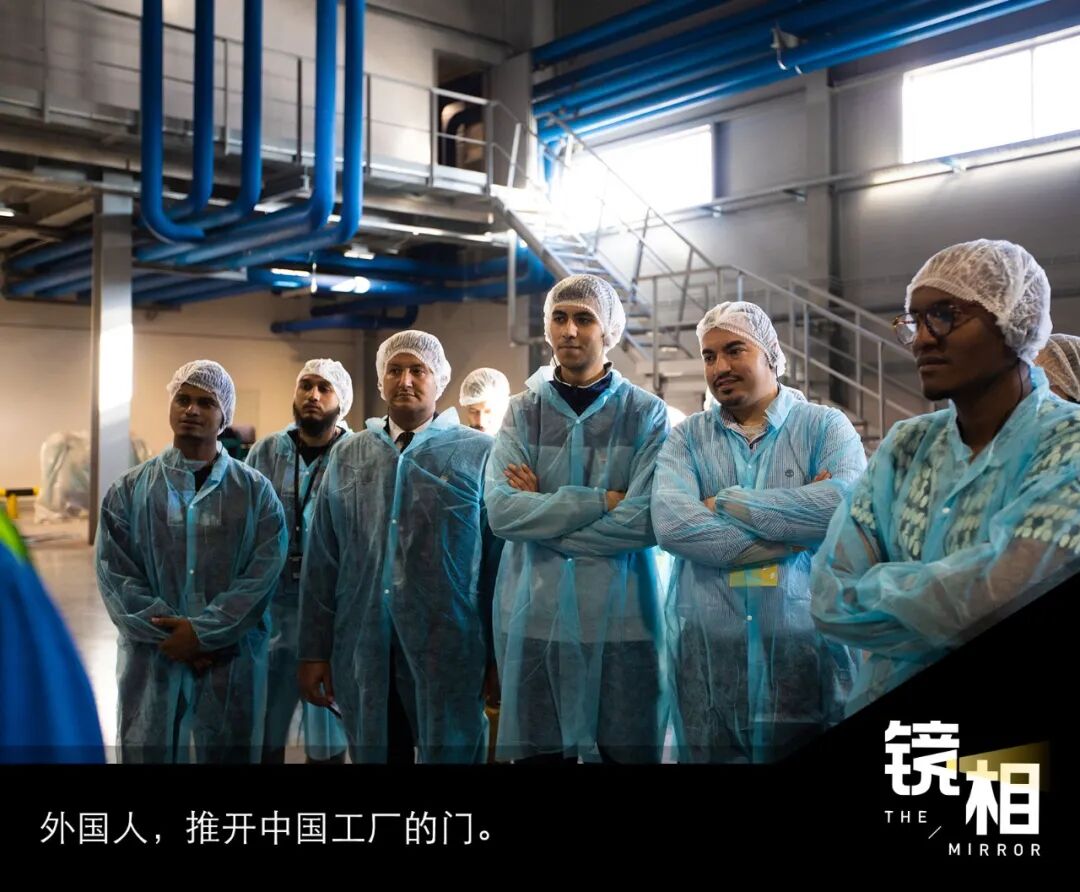
By Ouyang Sifan
Edited by Hu Miao
Pang Yin, a part-time tour guide in Shenzhen, once received a 65-year-old American senior. Twenty years ago, he came to Shenzhen and bought a book about chip manufacturing in Huaqiangbei. When he returned this time, he wanted to see if that bookstall still existed. Pang Yin took him there, only to find the bookstall had long been gone.
Twenty years ago, Huaqiangbei was synonymous with "knockoff products" and "OEM manufacturing". This time when he came back, the Shenzhen and Huaqiangbei he saw were completely different: beyond the skyscrapers, new energy vehicles ran all over the streets; there were self-driving taxis that could be hailed online, and drone food delivery services. High-tech has penetrated into people's daily lives.
Huaqiangbei is indeed changing. In the first half of 2025, the average daily passenger flow of the Huaqiangbei business district reached 750,000 person-times, a year-on-year increase of 50%; among them, foreign visitors exceeded 7,000 person-times, doubling compared to the same period last year.
Not only Huaqiangbei, China's innovation is attracting global attention. The video of the British TikTok family Hutchinsons experiencing drone delivery in Shenzhen has gained 7.8 million views; a video of self-driving vehicles shot by an Italian internet celebrity in Guangzhou got over 120,000 plays in half a month. Drone food delivery, autonomous driving, and robots are becoming the most intuitive impression of foreign people on Chinese technology.
These videos bring more than just curiosity. In the past, when foreigners came to China, their destinations were the Great Wall, the Forbidden City, and Zhangjiajie. Now, some people's destinations have become BYD's factories, DJI's stores, UBTECH's exhibition halls, and Huawei's campuses. What they want to see is not just scenery, but how Chinese technology is manufactured.
But factories are different from scenic spots. Many Chinese enterprises are facing this kind of demand for the first time, and do not know how to receive visitors, who to show around, and to what extent the visit should be arranged. Some refused directly, some took away visitors' mobile phones, and some read out honorary titles from PPTs.
Foreigners are eager to visit, but enterprises are not ready to be visited yet.
Foreigners who make special trips for technology tours
Pang Yin, the part-time tour guide in Shenzhen, found this trend starting from social platforms.
Late one night in December 2025, she scrolled through a post: a family of three from Stuttgart, Germany was looking for a local guide in Shenzhen. Their requirements were very specific - related to future technology, visiting Huaqiangbei and modern architecture that can reflect the development of Shenzhen.
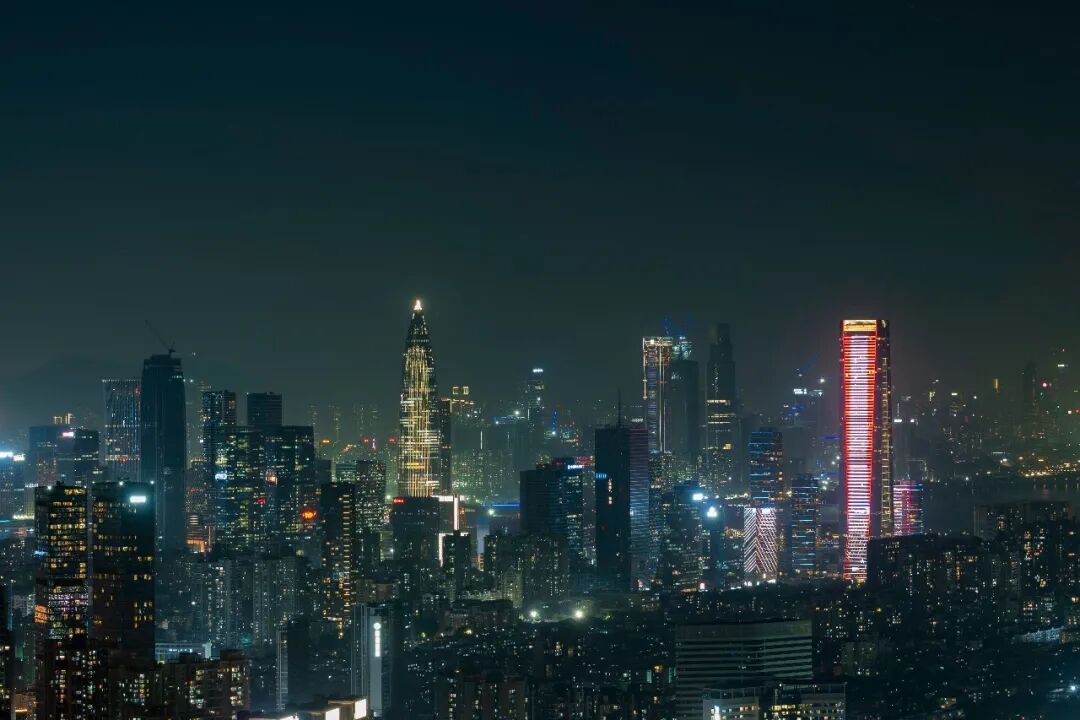
● Skyscrapers in Shenzhen. Source: pexels
Pang Yin used to be a docent in Shenzhen and had tour guide experience. She contacted the family and received a reply the next day.
After that, more and more people came to her. Now, taking foreign tourists to visit Shenzhen has become Pang Yin's side business. She has received more than 100 guests, mainly from Europe and the United States, among whom only one or two came for traditional tourism, and the rest made special trips to Shenzhen for "technology tours".
According to a local tour guide in Shenzhen, for a technology tour order for foreign tourists, the charge is about 1500 RMB per day when taking one or two visitors.
It's not just Pang Yin. Zhao Shuiwu has been engaged in the tourism industry for 30 years. He used to be a senior executive at the Shenzhen headquarters of Kanghui Travel, and started a tourism company after the COVID-19 pandemic. In 2024, he saw that the visa-free policy for foreigners coming to China was being relaxed, so he turned to inbound tourism. By 2025, his company has received more than 1000 tourists from over 30 countries.
At first, Zhao Shuiwu thought that technology tourism was a niche track in inbound tourism. But he did not expect that 20% of the orders he received this year were for technology tours and factory tours, and the proportion of technology tourism in his company's business is still increasing. In September this year, technology tour orders have been scheduled to November.
Not only are there many orders, but these tourists are also willing to pay a considerable price. This spring, Huang Yuanpu posted a video about Chinese technology on Instagram, where he has 400,000 followers. Many people left messages in the comment area asking if he could arrange visits to Chinese technology companies and factories.
He organized two events for foreigners to visit Chinese enterprises, leading a number of clients from European and American countries to visit many leading enterprises in the Pearl River Delta and Yangtze River Delta, such as DJI, XPeng, WeRide, Agibot, Unitree, and factories of some manufacturing enterprises, charging 4000 US dollars per guest.
Data also confirms this trend. From January to August 2026, the national border inspection authorities have inspected a total of 61.287 million inbound and outbound foreigners, a year-on-year increase of 19.5%. Behind this, the demand for technology tourism is growing. As of September 6, 2026, the Xiaocar factory of Xiaomi has received 479 visits by foreign tourists, with 9469 person-times, and the number of visits has increased by about 153% year-on-year.
Why are foreigners willing to spend 1500 RMB for a one-day tour of Chinese technology, or 4000 US dollars to visit companies and factories across China? How curious are they about Chinese technology?
The answer first appeared on the streets.
Huang Qiu is a full-time tour guide in Shenzhen. She joined the industry in 2018 and later took freelance tour groups. She once received a Vietnamese short video blogger. When experiencing drones and self-driving vehicles, the blogger frequently picked up his mobile phone to shoot, and in front of the camera, he maximized his facial expressions and excitedly introduced these technologies in Vietnamese.
Huang Qiu has seen similar videos on the Internet. The scenes are very familiar to her, usually shot in Shenzhen. In the footage, a drone carrying takeout lands; in the self-driving taxi, there is no one in the main driver's seat, and the steering wheel rotates automatically. Exclamations come from behind the screen from time to time. Such videos can sometimes get tens of thousands of likes and shares.
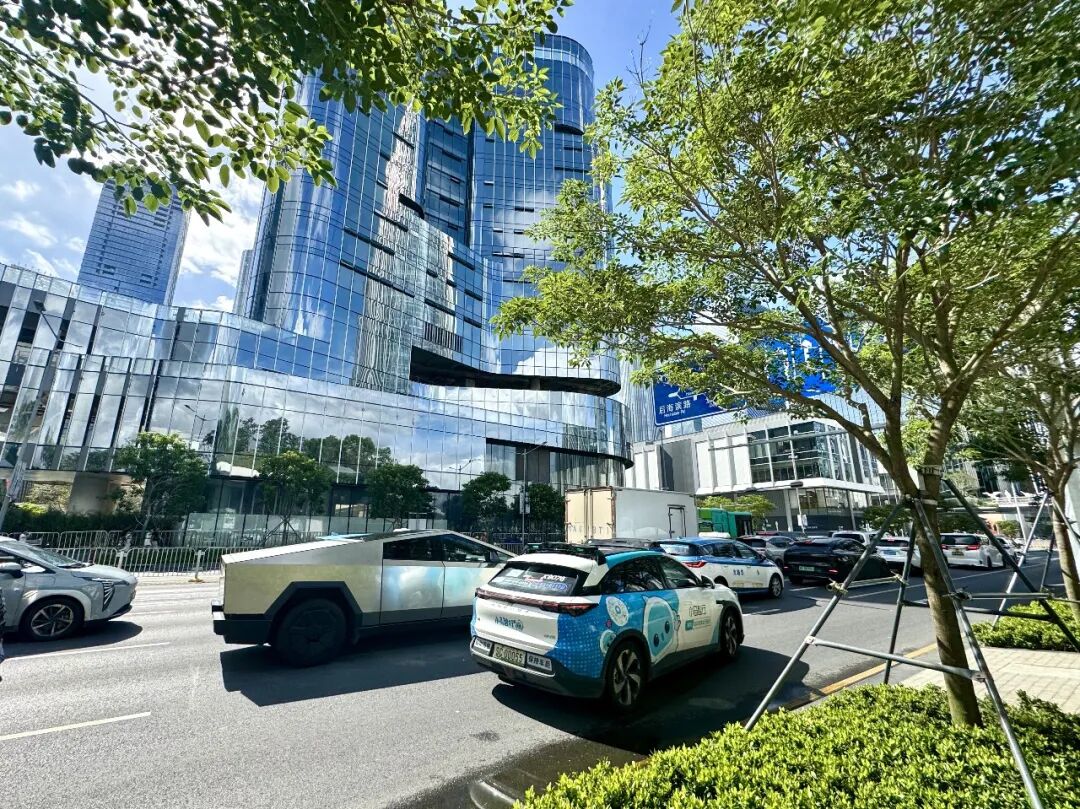
● Self-driving taxi on the streets of Shenzhen. Source: Interviewee
For the guests Pang Yin receives, there are some fixed points in the itinerary. Drone food delivery points and self-driving taxis are almost unshakable arrangements. These scenes are very popular on TikTok and Instagram, and many people are attracted by these videos before coming to China. They told Pang Yin that they decided to come and see Shenzhen's high-tech in person after seeing related content on social platforms.
But it's not just for novelty. Many tourists want to further understand the uses of these technologies. When Huang Qiu led a group to visit a Meituan unmanned food delivery station, a tourist asked her: What else can drones do in the next step besides food delivery? Some people even threw out several professional questions in a row - what is the flying height of the drone, how much load it can carry, and how to solve the aviation management problem. Huang Qiu was stunned when she encountered these questions for the first time.
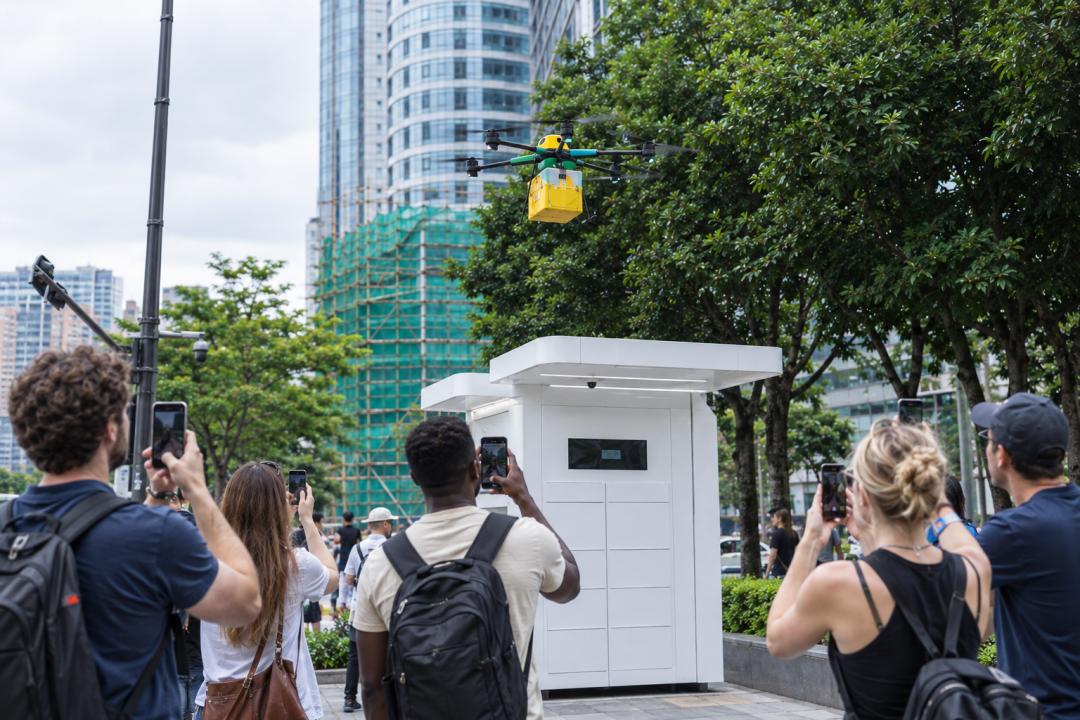
● Drone food delivery. Source: AI generated
Another time, a guest sitting in a Pony.ai vehicle suddenly asked Huang Qiu: "What is the relationship between this company and Tencent?" It turned out that he was curious because the word "pony" on the ride-hailing app is the same as the English name of Ma Huateng.
Stores of some Chinese technology brands are the second answer to the motivation for visits. Some foreigners put forward requests to visit representative enterprises and stores, such as Huawei, DJI, as well as BYD's stores, factories and history museums.
The changes of robot 6S stores (referring to stores that provide six services: robot sales, spare parts supply, after-sales service, information feedback, leasing and personalized customization) are the most intuitive. After April this year, the robot 6S store that Pang Yin used to take guests to visit suddenly started to charge admission fees and receive foreign tourists in groups. In the store of 50 to 60 square meters, it was crowded with people. Many foreigners expect to see the application scenarios of robots in real life.
DJI's stores are also very popular, which is a place many of Zhao Shuiwu's guests specifically ask to visit. Zhao Shuiwu observed that every weekend, DJI's stores are crowded with people.
Tourists from different countries have different priorities in their itineraries. Many German guests specifically ask to visit car companies, especially BYD's automobile factories. Pang Yin once received an employee from Porsche in Germany. In the exhibition hall of a BYD car model, the employee showed a surprised expression on the spot when he heard that this car can turn in place and drive on water.
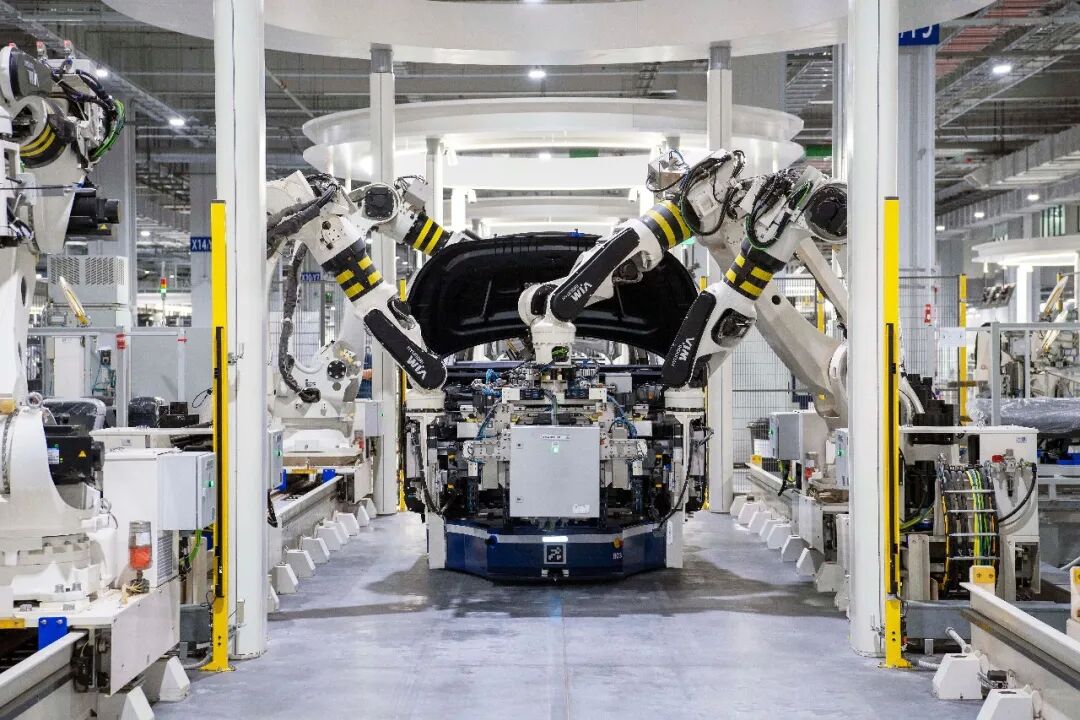
● Modern automobile manufacturing factory. Source: pexels
Huang Qiu once received a Vietnamese-Australian immigrant who came to China just to experience self-driving vehicles. He is in his sixties or seventies, saying that in his own country, due to legal restrictions and promotion progress, he may never have the chance to experience it in his life.
Going further, foreign tourists want to go to factories to see how these high-tech products are manufactured.
Zhao Shuiwu found in his receptions that some guests came to China specifically for industry exhibitions, and most of these people are from Latin America, Africa and other regions. After Zhao Shuiwu's team received them, they would ask one more question: whether it is possible to connect to the industrial chain and meet executives of leading enterprises. They want to visit, and even establish cooperative relations.
When Huang Yuanpu led teams to visit factories and some technology enterprises, he often saw them taking pictures with their mobile phones, with surprised expressions on their faces from time to time. He joked: "If Li Hongzhang had gone to New York and could take a photo at that time, his expression would probably be similar to theirs."
Chinese enterprises are facing new demands head-on
In technology tours, visiting factories is not as smooth as other sightseeing activities.
Pang Yin often receives private messages asking if she can visit the offices of some "little giant" enterprises in Shenzhen. She tried it. Once a guest proposed to visit UBTECH, she contacted them through official accounts, Xiaohongshu, and official website phone numbers, but got no reply at all.
Huang Qiu has encountered similar things. Once a foreign government official asked her if she knew how to contact large tech companies in Shenzhen. She asked all her contacts but found no way. Another time, when she was providing reception services for Huawei, someone in her team asked her if other teams could arrange a visit, but she also could not get in touch with relevant personnel.
A door blocks these foreigners who want to visit and the Chinese people who want to provide services from connecting.
For many Chinese enterprises and factories, the demand of foreign tourists to visit factories is a strange thing. When Pang Yin first took guests to Huaqiangbei, she expected to see the scenes of products made by Huaqiangbei merchants on site, but neither she nor the foreigners had access to the visit, and were "blocked outside the door".
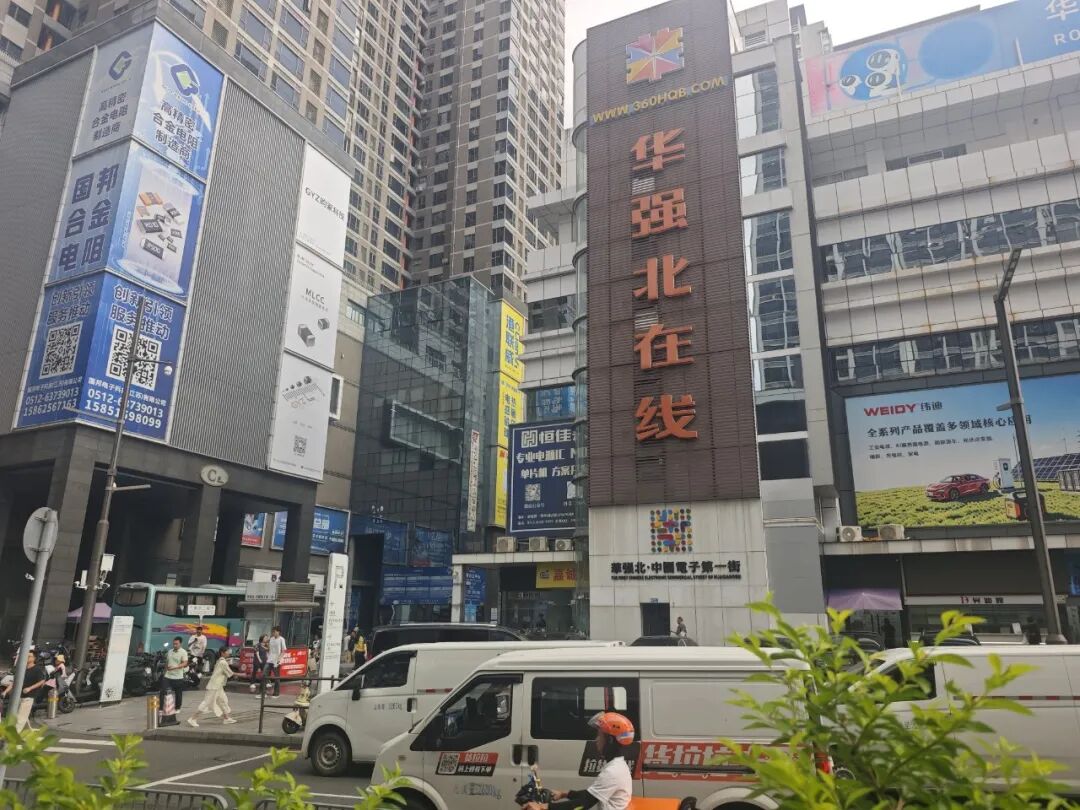
● Street view of Huaqiangbei, Shenzhen. Photo by Ouyang Sifan
At present, enterprises such as Huawei and UBTECH have not opened official reception services to the public. Some other enterprises use exhibition halls instead of factory visits.
But some enterprises are taking the initiative to open up. Xiaocar's factory in Beijing is open to foreign visitors, providing English tour guide services, and tourists can visit some workshops such as die-casting, battery and body workshops. On September 20 this year, the Industrial Tourism Branch (preparatory) of China Tourism Attractions Association even visited Xiaomi's factory to investigate the standard construction and sustainable operation of industrial tourism.
However, Xiaomi also has confidentiality requirements. Tourists need to assume confidentiality obligations and must not disclose the business plans, strategies, new product samples and descriptions learned during the visit. For foreign tourists, they need to be assisted in making reservations by a person holding a Chinese ID card, and the original passport is required for admission.
Not only Xiaomi, many enterprises have clear boundaries. NIO's base in Hefei is open for visits, but visitors are prohibited from taking photos and videos; BYD opens its exhibition halls instead of factory visits.
Enterprises' caution has specific reasons and practical difficulties.
In order to connect factories and guests, Zhao Shuiwu often needs to talk to the bosses and principals of some enterprises. In this process, Zhao Shuiwu can feel the enterprises' unfamiliarity with this demand and the resulting caution.
Some enterprises directly refuse when they hear that foreigners want to visit, for fear that there are spies among the foreign visitors who will steal trade secrets. Others require Zhao Shuiwu's team to provide detailed customer information, including visas, employing enterprises, and identity information. Some others agreed to the visit, but mentioned that the visiting route involves links that may cause leaks in the production and processing process, requiring tourists to prohibit taking photos and videos during the visit.
Zhao Shuiwu himself is sometimes not sure. <