Chinese automobiles are sweeping across the globe, but why can't they gain a firm foothold in Vietnam?
From January to August 2026, China's total vehicle exports reached 7.153 million units, a year-on-year increase of 66.7%, exceeding the total of 7.098 million units for the whole year of 2025 and hitting a record high for the same period in history.
In Singapore, BYD has become the best-selling automotive brand for the second consecutive year.
In Thailand, Chinese brands account for more than 70% of the electric vehicle market.
In February this year, China overtook Japan for the first time to become Australia's largest source of new cars in a single month.
Chinese automobiles have been sold all over the world, yet one of the most challenging markets lies just across a national border.
This market is Vietnam.
Statistics show that in August this year, 48,484 new cars were sold in Vietnam, a year-on-year increase of 19.4%.
Among them, local brand VinFast delivered 20,161 units, accounting for more than 40% of the total.
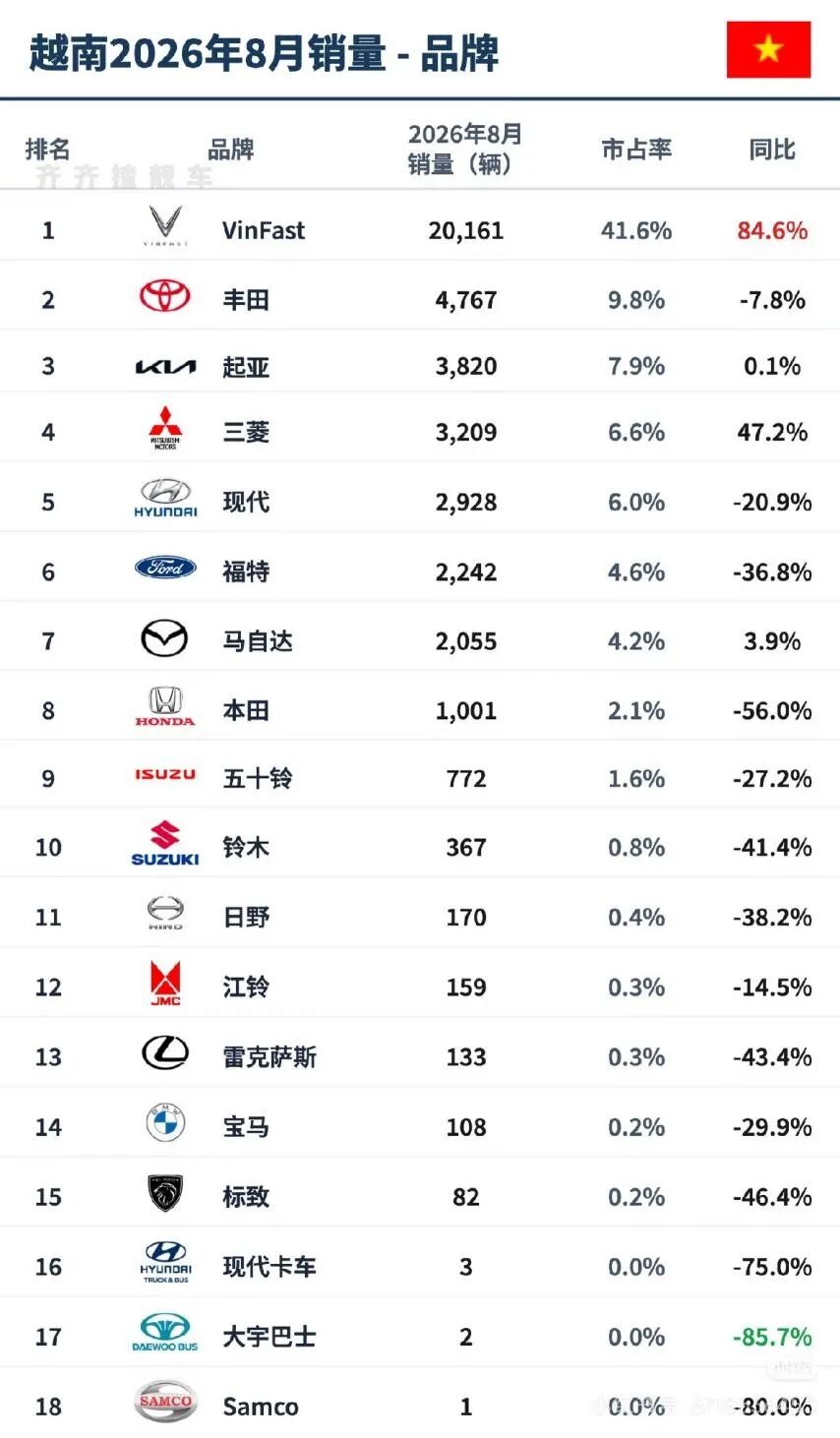
Ranking of sales in Vietnam's automotive market in August 2026
Toyota, Kia, Mitsubishi, Hyundai and other Japanese and South Korean automakers followed closely behind.
None of the top 10 best-selling models is a Chinese brand car.
If we look at a longer time horizon, data from Vietnam's vehicle registration authority shows that in 2025, the number of first registrations of Chinese brand passenger vehicles with less than 9 seats was close to 18,000 units, with a market share of less than 5%.
This is somewhat anomalous.
Chinese automobiles are sweeping across the globe, so why can't they gain a foothold in Vietnam?
Vietnam's automotive market is on the eve of an explosion
With a population of 100 million, only 9% of households own a car, and the country's economic growth rate reached 8% in 2025.
When these three figures are put together, the huge potential of Vietnam's automotive market becomes clear.

Landscape of Ho Chi Minh City, Vietnam
Economists such as Joyce Dargay and others tracked data from 45 countries over more than 40 years and found that when a country enters the middle-income stage, the growth rate of car ownership often reaches twice the growth rate of per capita income.
Vietnam is right at this stage.
According to data released by the Vietnam Automobile Manufacturers Association, VinFast and Hyundai, in 2025, major automakers in Vietnam sold a total of 604,000 new cars, a year-on-year increase of more than 22%, hitting an all-time high.
In the first 7 months of 2026, new car sales in Vietnam under the above caliber reached 388,000 units, a year-on-year increase of 28.6%.
At this rate, the full-year sales figure will also set a new record.
600,000 units is not a remarkable volume in China, but in Southeast Asia, it is already close to the scale of a mature automotive market.
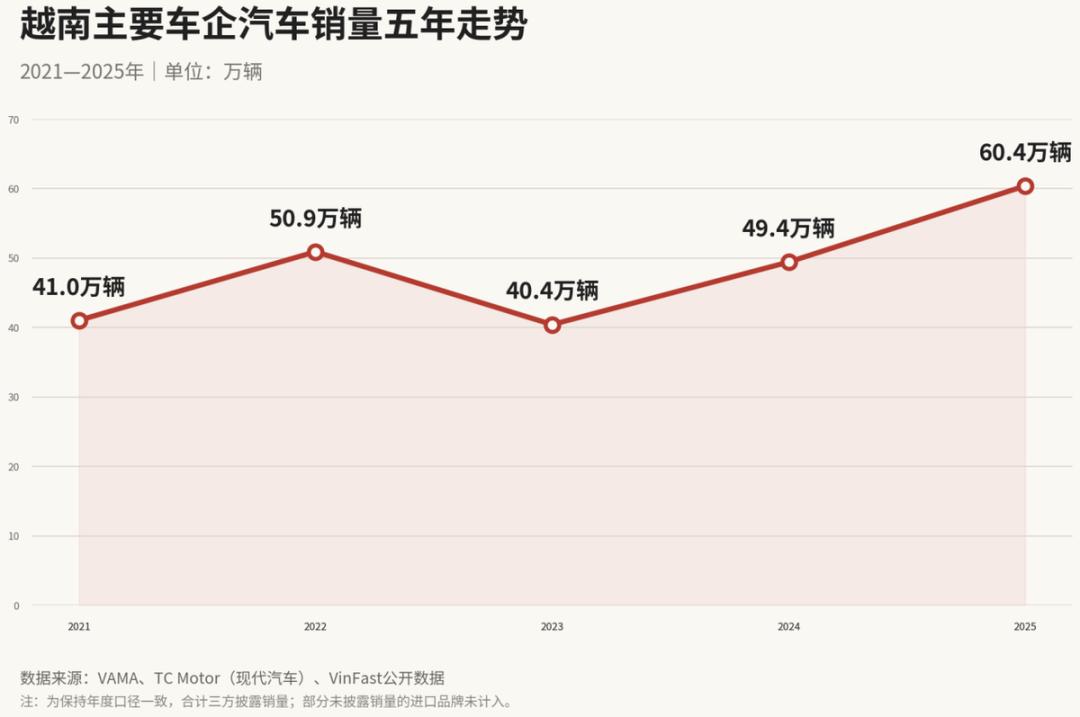
Trend of annual car sales in Vietnam over the past 5 years
Thailand can be used as a point of comparison.
Thailand has long been known as the "back garden of Japanese cars" and is one of the most mature automotive markets in Southeast Asia.
In 2025, 621,000 new cars were sold in Thailand.
Under the above statistical caliber, Vietnam is already at the same order of magnitude as Thailand.
The difference, however, is that Thailand has 275 cars per 1,000 people on average, while Vietnam only has 68, less than a quarter of Thailand's figure; Vietnam also has nearly 30 million more people than Thailand.
At present, nearly 90% of Vietnamese families still use motorcycles for their daily travel.
As incomes rise, more and more families will switch from two-wheeled vehicles to four-wheeled ones, which will become the most direct growth driver for Vietnam's automotive market.
According to the draft automotive industry development strategy released by Vietnam's Ministry of Industry and Trade, the annual car sales in Vietnam are expected to reach 1 million to 1.1 million units by 2030.
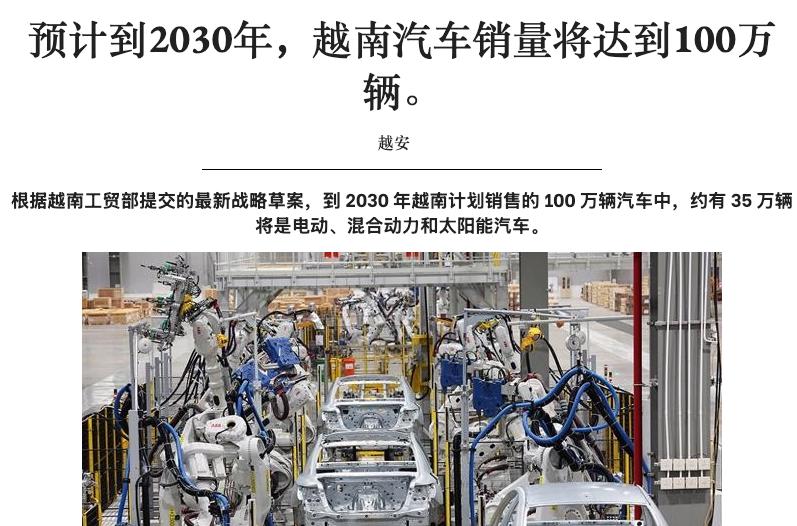
Screenshot of related report from Vietnam Economic Net
This means that in the next few years, Vietnam is likely to see nearly half the size of its current automotive market added as new increment.
Chinese brands have already made breakthroughs in Thailand and Indonesia. Facing the Vietnamese market with a larger population, lower car penetration rate and rapidly growing sales, there is even less reason to be absent.
Three major challenges for Chinese brands
The Vietnamese market is worth fighting for, but it is not easy to truly gain a firm foothold in it.
There are mainly three barriers standing in front of Chinese brands.
First, VinFast has turned its home advantage into a complete system.
To a certain extent, it is the "Vietnamese version of BYD".
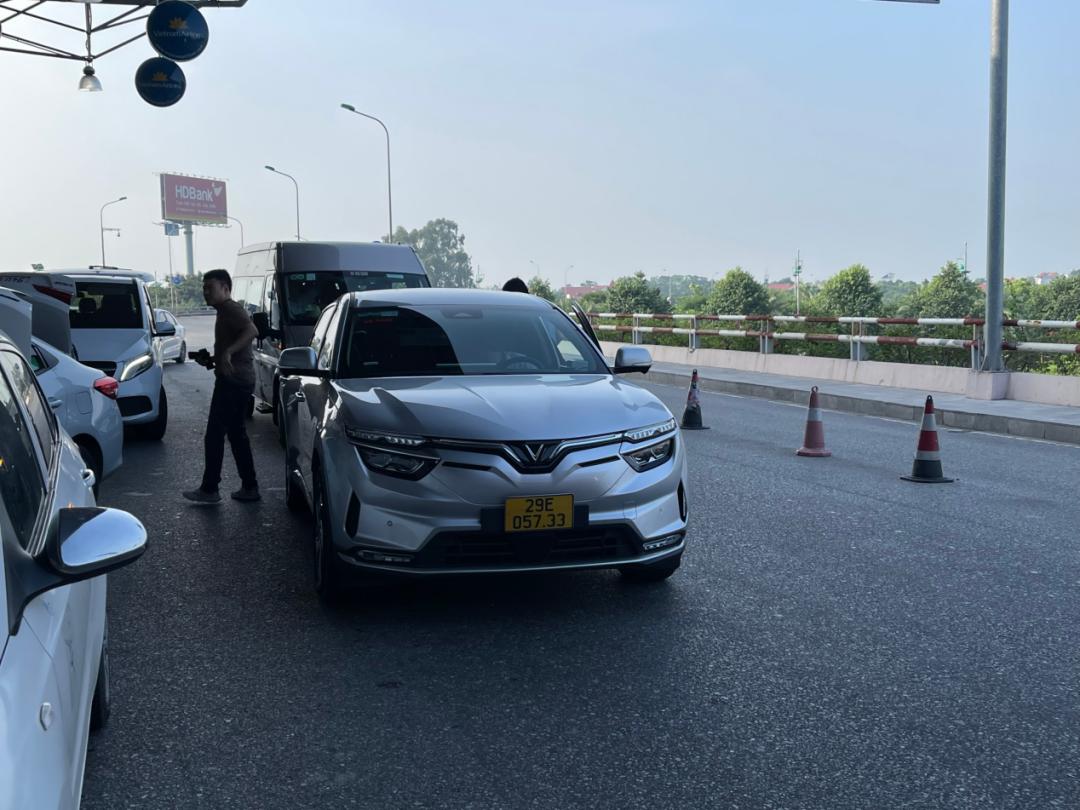
VinFast, the local independent automotive brand, can be seen everywhere in Vietnam
VinFast was founded less than a decade ago, but it has already formed a complete electric vehicle product line.
From the micro car VF 3, to family cars such as VF 5 and VF 6, to seven-seat models and mid-to-large SUVs, it almost covers the main demands of Vietnam's automotive market.
It has also specially launched the Green series to compete for the taxi and ride-hailing market.
For example, centering on VinFast, V-GREEN has built about 150,000 charging ports (including those for electric cars and motorcycles) in Vietnam; the Green SM mobility platform also uses VinFast electric vehicles.
While Chinese brands are still entering the market one after another, VinFast has already integrated car sales, charging and mobility services together.
Second, Japanese and South Korean brands have accumulated decades of consumer trust.
Toyota entered Vietnam to build factories as early as 1995, and Hyundai and Kia have also cooperated with Vietnamese enterprises for many years.
After decades of operation, their sales channels, maintenance outlets and parts supply networks have been fully deployed.
Vietnam today is somewhat similar to China more than 10 years ago.
Cars are just starting to enter ordinary families, but they are still a large expenditure that requires careful consideration.
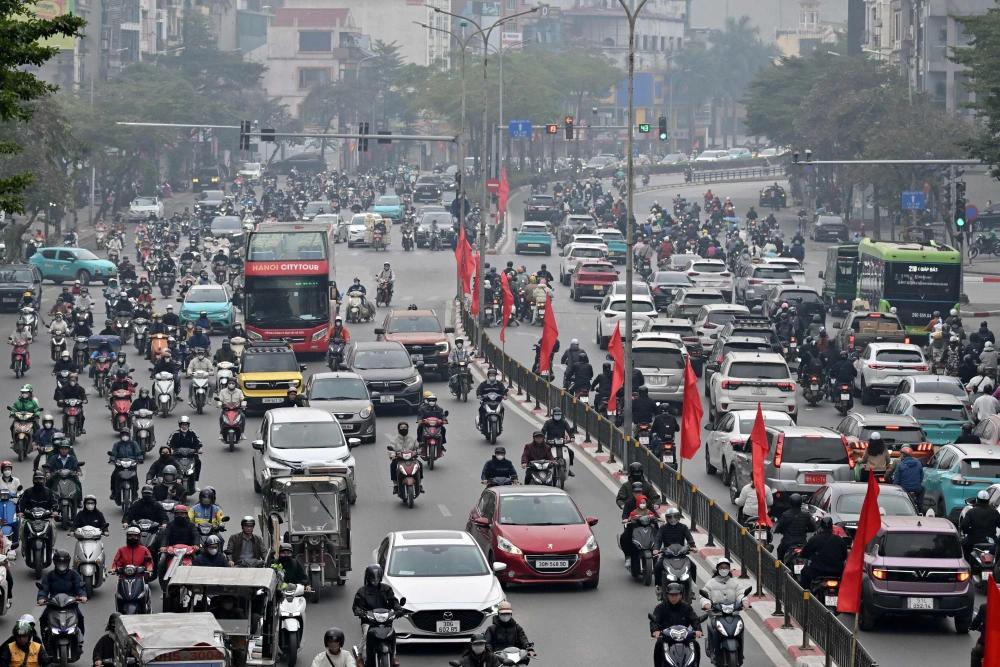
Traffic flow in Hanoi, Vietnam, dominated by motorcycles
In 2024, the average monthly income of Vietnamese workers was about 7.7 million Vietnamese dong.
A mid-range car priced at 550 million Vietnamese dong is equivalent to the income of two ordinary workers working for three years without any consumption.
Therefore, when Vietnamese consumers buy cars, they not only look at the configuration and price, but also consider quality, maintenance and residual value of used cars.
Brands such as Toyota and Hyundai have been operating for a long time and are easier to gain trust.
This trust gap is also superimposed with a historical burden.
Between 2007 and 2009, Chinese brands once entered Vietnam, but then gradually withdrew due to problems with sales and reputation.
The product and after-sales performance at that time left some stereotypes in the minds of some consumers.
Today's Chinese automobiles have long been fully updated, but while product iteration is easy, it is not so easy to change consumers' inherent impressions.
Third, the price advantage of Chinese cars is not as obvious as imagined.
Chinese brands have opened up markets in many places, often relying on "cost-effectiveness".
However, in the Vietnamese market, except for a few models that have been assembled locally, most Chinese brands still import complete vehicles, which means they have to bear tariffs, transportation and channel costs.
Compared with Japanese and South Korean brands that have achieved local production, the original cost-effectiveness advantage of Chinese cars is difficult to give full play to in Vietnam.
For example, when BYD entered Vietnam in 2024, the starting price of the Atto 3 was 766 million Vietnamese dong.
In the same period, the starting price of the VinFast VF 6 with battery included was 765 million Vietnamese dong, and the two cars were almost in the same price range.
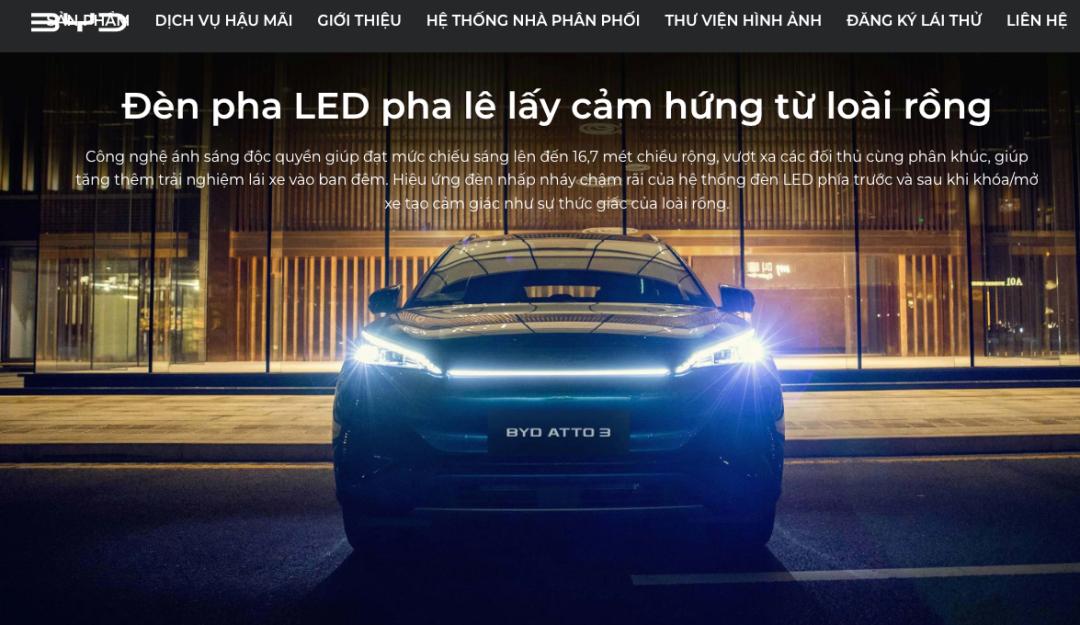
Introduction of Atto 3 on BYD's official website in Vietnam
Of course, some Chinese models are cheaper than Japanese and South Korean models, but the price gap is not large enough to offset consumers' concerns about brands, after-sales services and residual value.
In Vietnam, it is difficult to open up the market solely by low prices.
To win the Vietnamese market, take root in Vietnam first
Chinese automobiles have not yet gained a firm foothold in Vietnam, but the supporting industrial chain behind them has arrived first.
Among VinFast's announced battery partners are CATL and Gotion High-Tech.
This at least shows that Vietnam is no stranger to Chinese battery technology, and what we really need to make up for is localization and brand trust.
At present, relying on complete vehicle import is the status quo for most brands, but many automakers have started to promote the localization process.
SAIC-GM-Wuling has cooperated with Vietnamese TMT Motors to assemble the Hongguang MINIEV and Bingo in local factories.
In October 2025, the factory of Omoda & Jaecoo under Chery in cooperation with Vietnamese Geleximco officially started construction, with a planned annual output of 120,000 vehicles.
Changan has signed a cooperation agreement with Vietnam's Golden Dragon Auto, planning to build a passenger car factory with an annual output of 50,000 units in Hue; Geely has also established a joint project with Vietnamese Tasco, planning to build an assembly plant with an annual output of 75,000 units.
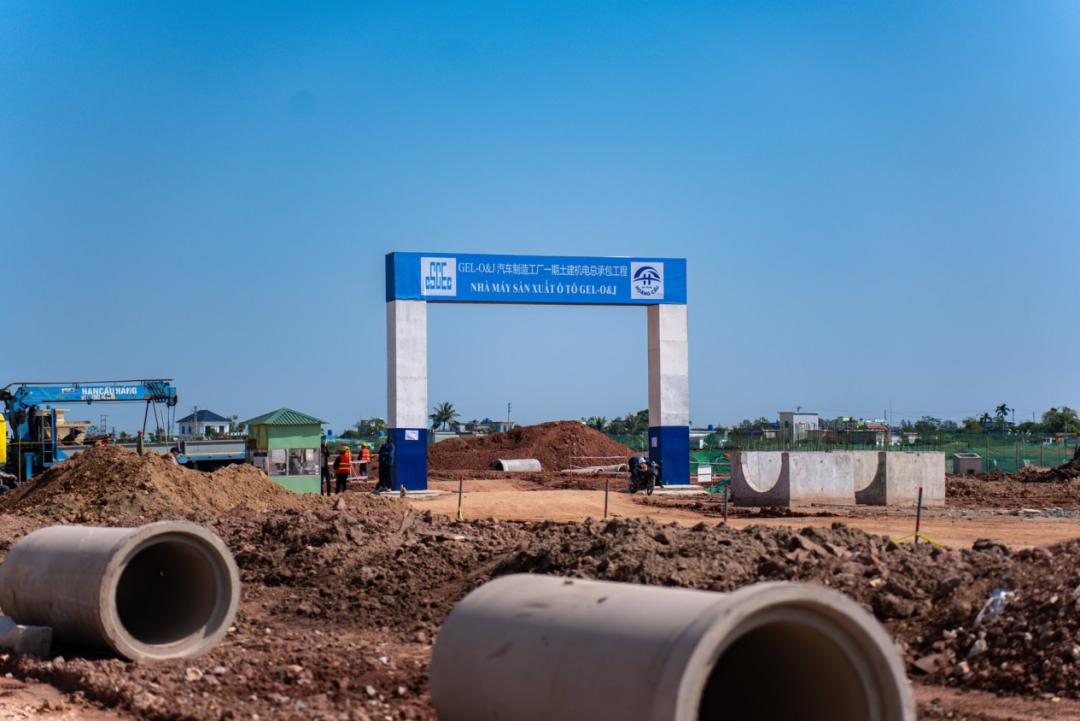
The construction of Chery's automobile assembly plant project in Hung Yen Province, Vietnam is underway
These projects are at different progress stages: some have been put into production, some are still under construction or in the planning stage, but they all follow the same direction.
In the past, we mainly shipped vehicles from China to Vietnam, but now we cooperate with local enterprises to root the production, sales and after-sales system together in the local market.
Local assembly can ease the cost pressure brought by tariffs and logistics.
With the help of local partners, Chinese brands can also complete the layout of channels and after-sales networks faster, and build consumer trust gradually through long-term operation.
Chinese automakers have already made this path work in other regions.
Chery built a factory in Brazil as early as 2014, and later established a joint venture with local automotive group CAOA, re-opening the market with the help of the latter's factories, channels and after-sales system.
In 2024, CAOA Chery sold about 61,000 vehicles in Brazil, hitting a record high.
Geely took a stake in Malaysian automotive brand Proton in 2017, importing models, technology and management systems to it.
In 2025, Proton's sales reached 158,000 units, with a market share of 19.4%, continuing to rank second in Malaysia.
These experiences show that the ultimate competition in overseas markets lies in a complete set of local operation capabilities.
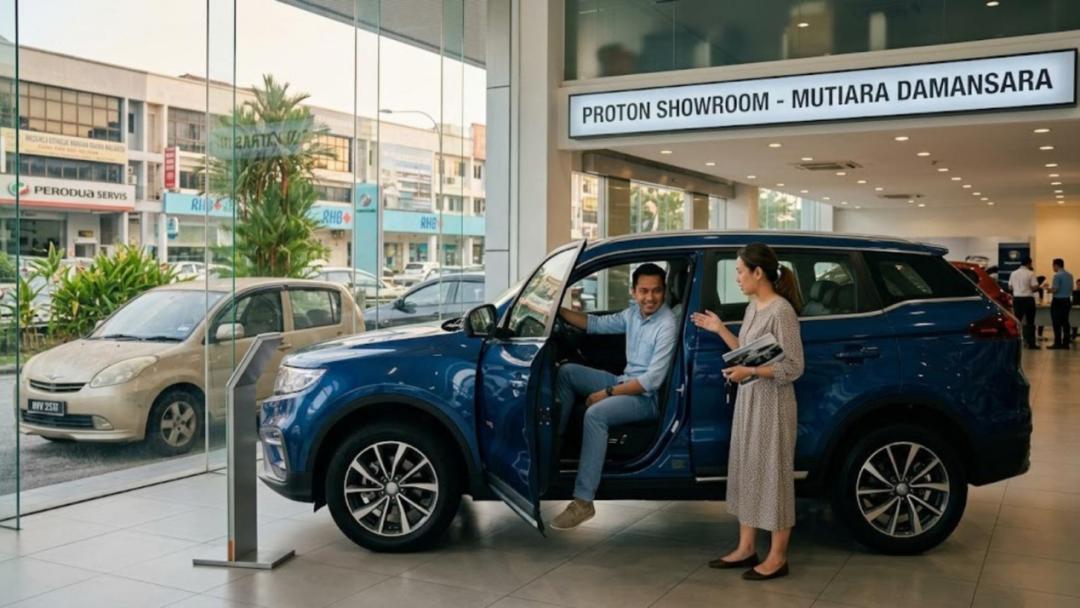
Malaysian consumers are experiencing Proton cars in which Geely holds a stake
Of course, building a factory is only the starting point.
Putting the factory into operation, localizing models, and deploying channels