GPT-6 Sol outperforms the entire 5.6 series, at 1/5 the price of Astra, Luna is cheaper than Liang Wengu, Codex resets on Tuesday
GPT-6 Sol, Luna launched in the dead of night, with API prices cut directly in half!
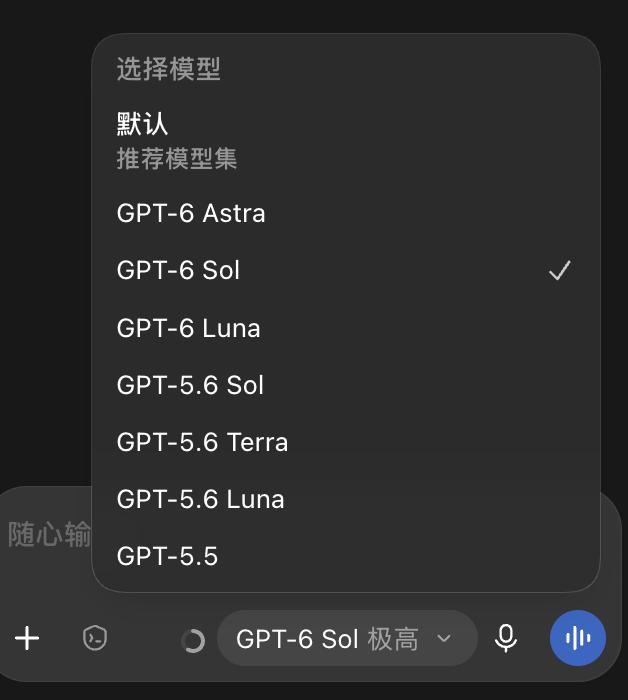
Astra's improved training method is adopted by both of these two models, so they also inherit Astra's enhancements in areas such as computer use.
There is no more to discuss, which means the 5.6 series is completely out of the picture.
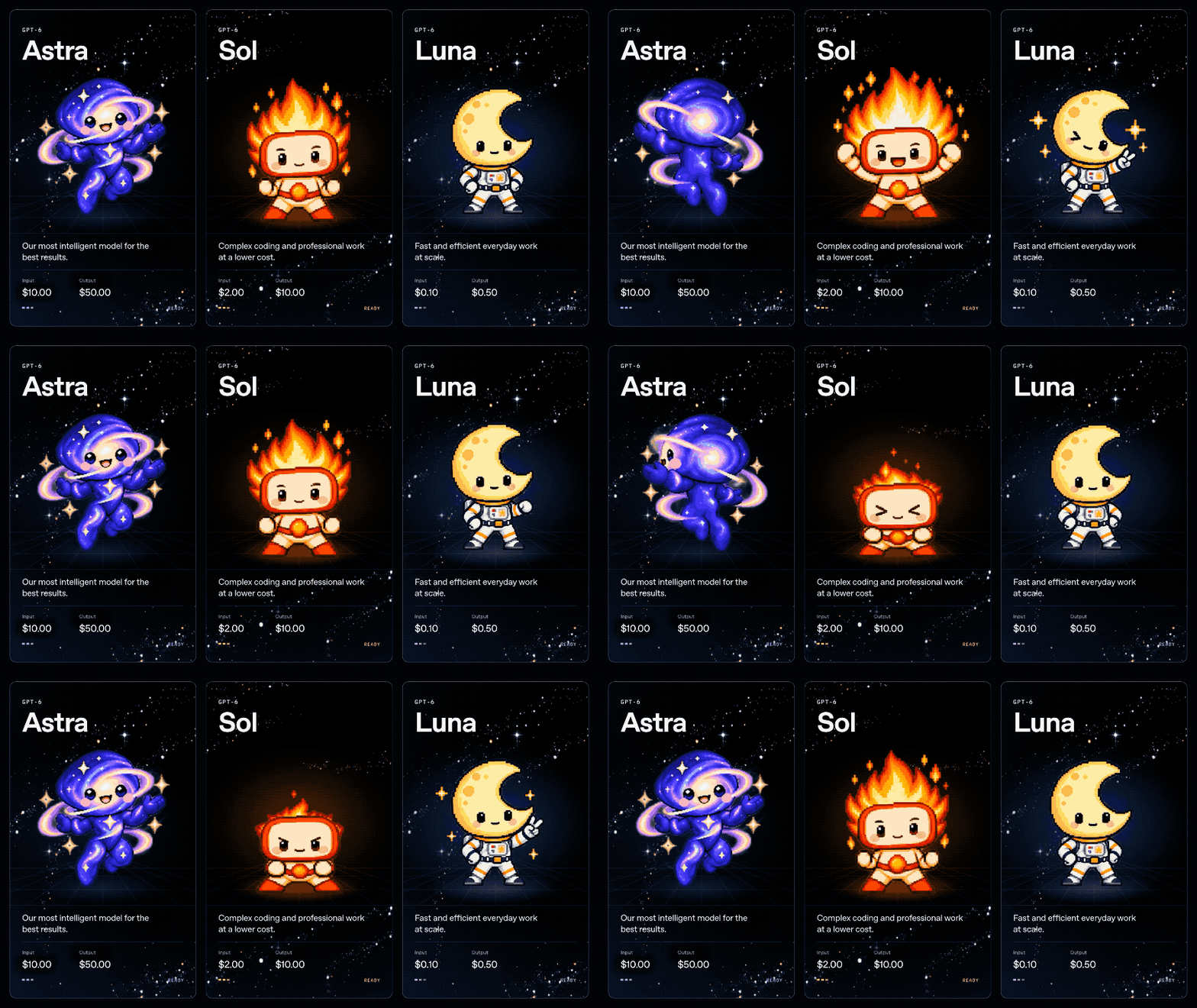
Now in the product line, Astra takes the position that the old Sol used to hold, Sol takes the position that the old Terra used to hold, and Luna remains as it was before.
The Terra niche is completely squeezed out of the lineup.
Compared with the 5.6 series, the API pricing of the 6 series is directly cut by 50%, and Luna's output price is reduced by slightly more than 50%.
Moreover, Luna's input price is even slightly lower than the Liang Wengu price ($0.15) of DeepSeek-V4.1 Flash, though it remains unknown how its cache hit rate compares to the latter.
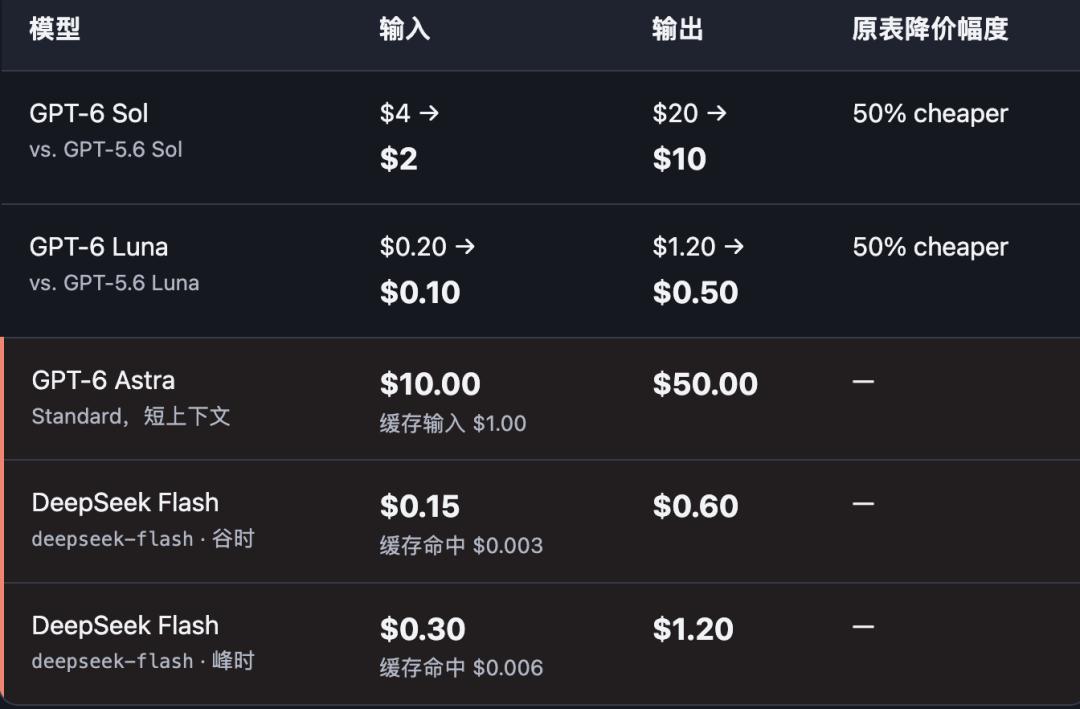
Why are the upgraded models even cheaper?
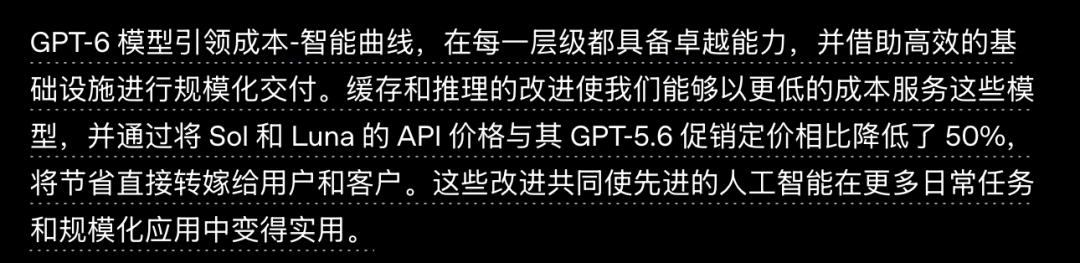
OpenAI states that this is thanks to efficiency improvements in caching and inference processes, and the saved costs are directly passed on to users and developers.
We have to call Sam Altman the King of Ultra (valid for 24 hours only).

Beat Fable at 10% of the Cost
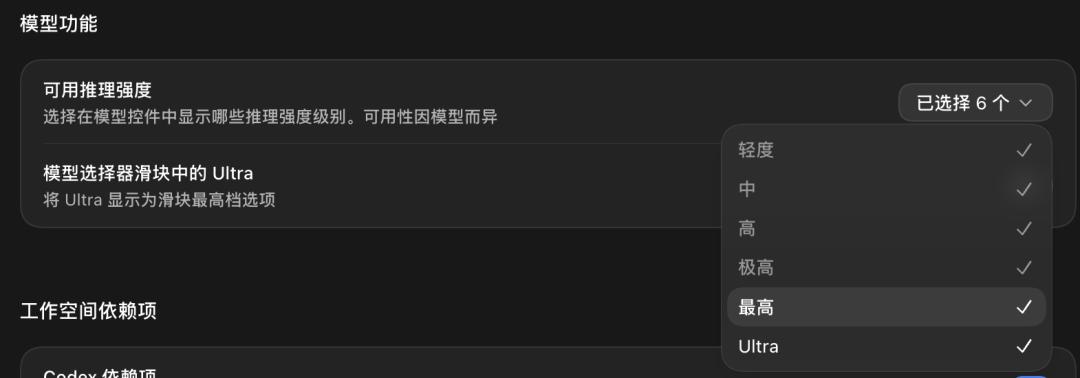
After going through the entire release announcement, I learned one tip first: it is best not to enable the Max mode when using GPT-6 Sol.
The performance improvement is limited while the price rises significantly, so it is better to directly enable Astra instead, and there are even individual benchmark rankings where Max mode scores lower than xHigh mode.
What? You don't know how to enable Max mode in Codex?
You can select it in the settings, it is not enabled by default, and now you know the reason why it is not enabled by default.
According to the AutomationBench ranking, the high and xhigh tiers of GPT-6 Sol have reached the level of the light and medium tiers of Astra.
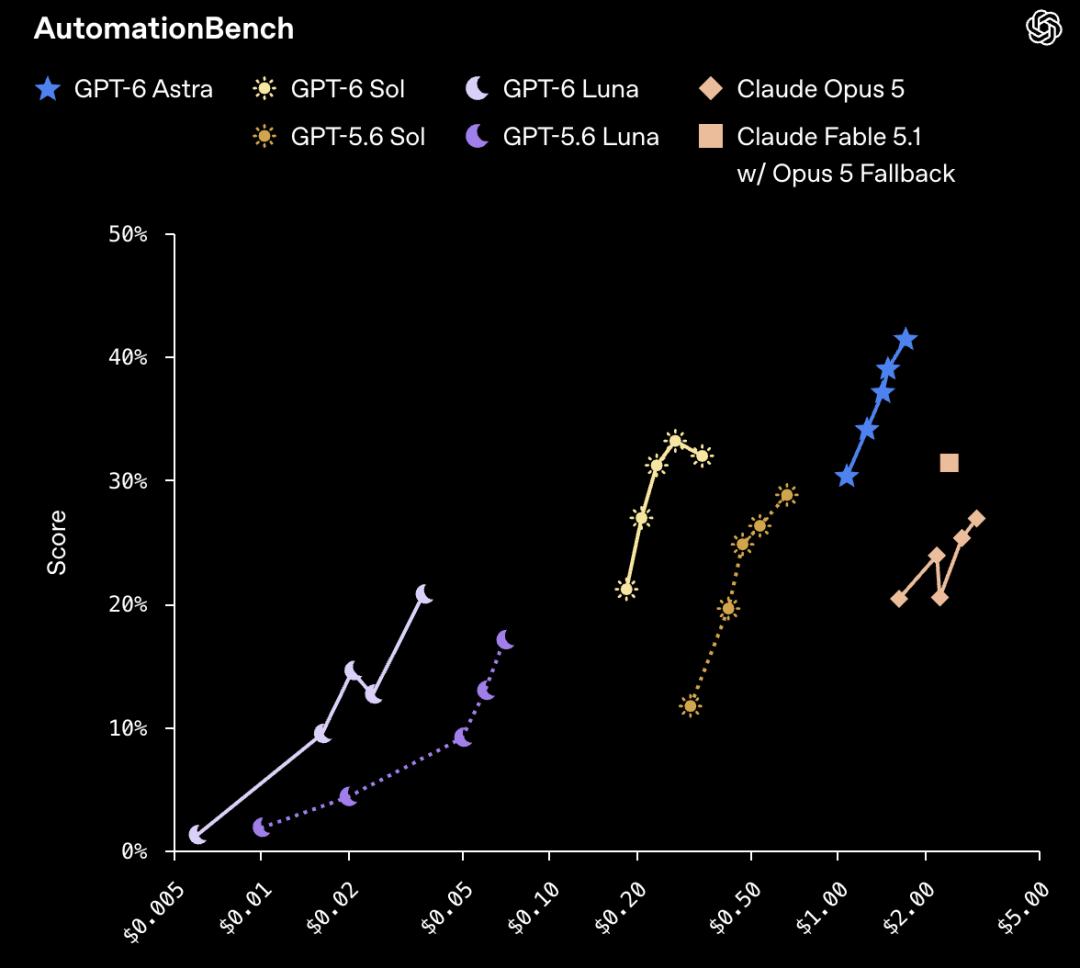
AutomationBench measures the ability of AI to execute end-to-end business processes on 47 tools across six major domains: sales, marketing, operations, customer service, finance and human resources.
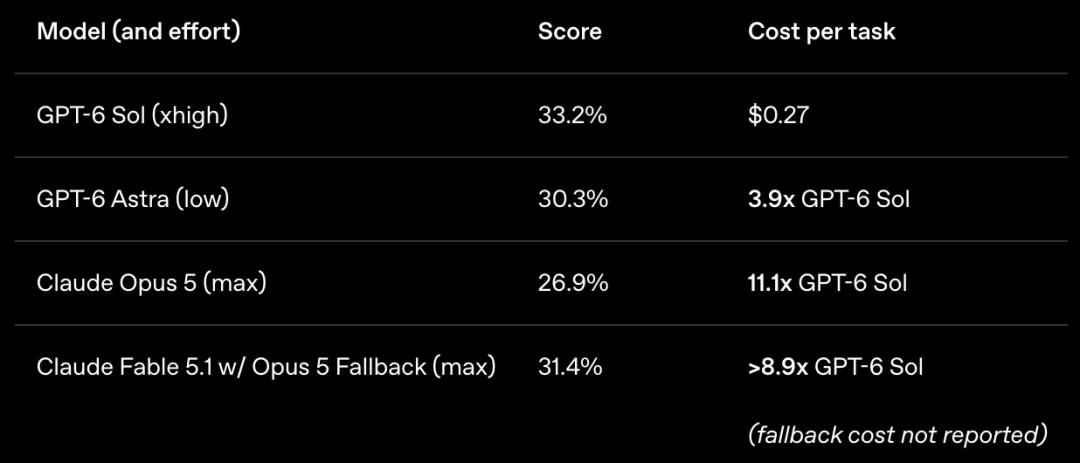
For comparison, Claude Opus 5 at max effort scores roughly the same as GPT-6 Sol at medium level, but the cost per task is 11.1 times that of Sol.
The cost of Claude Fable 5.1 is more than 8.9 times that of Sol, not to mention the extra overhead caused by Opus 5 fallback triggered by about 40% of tasks.
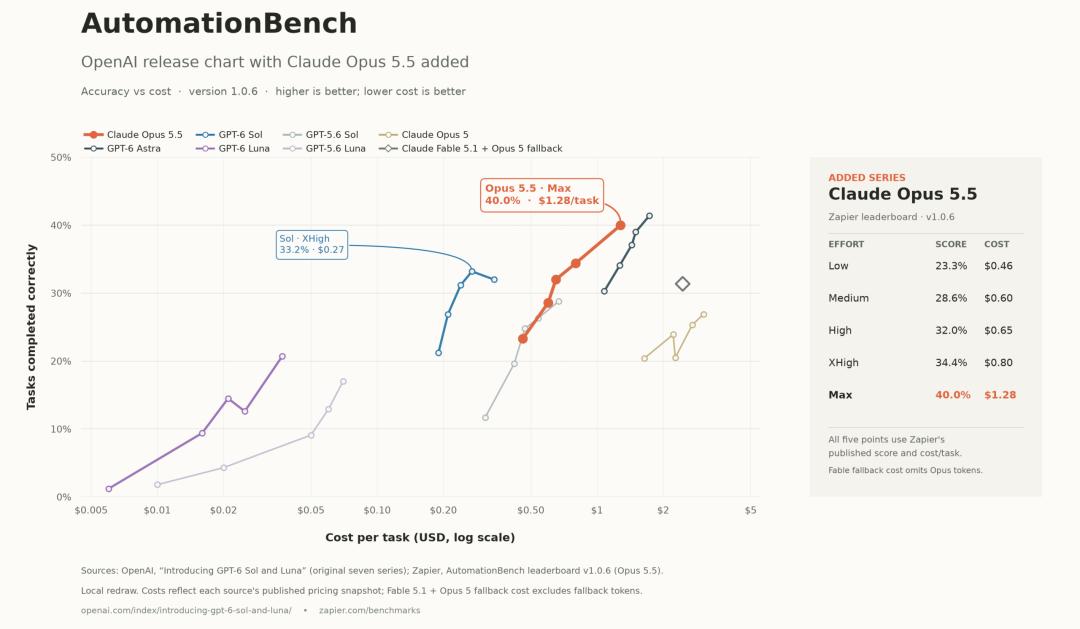
To test the computer use capability of GPT-6 Sol, I asked it to plot the score of the newly released Opus 5.5 from its competitor in the chart as well.
Now it is intuitively visible that the Max tier of Opus 5.5 reaches the performance level of GPT-6 Astra, and its price also reaches the level of Astra.
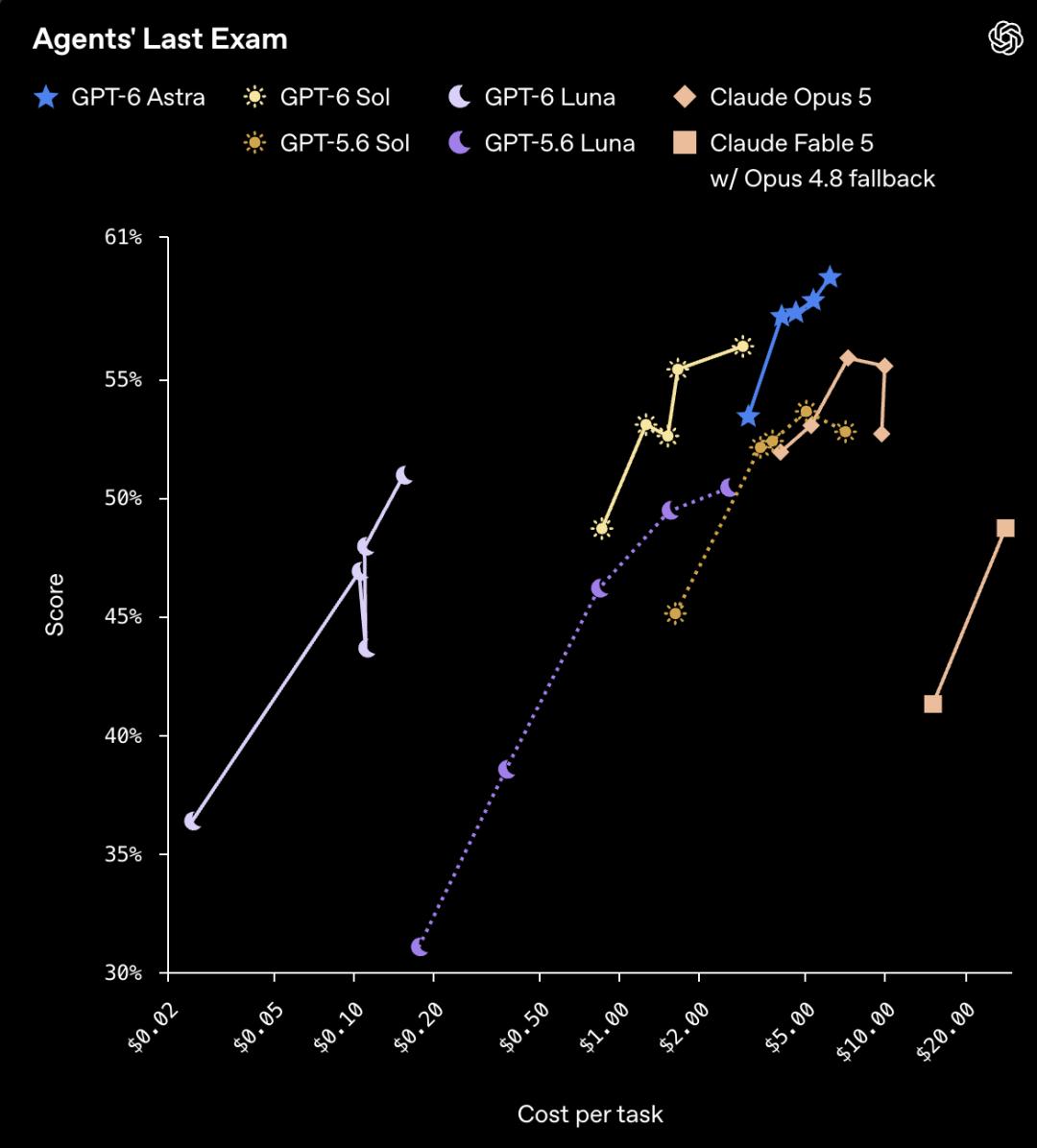
Switch to Agents' Last Exam, this time for long-cycle tasks covering 55 sub-sectors.
GPT-6 Sol at max effort scores 56.4%, exceeding the highest score of Claude Opus 5 in this test, with a cost 60% lower.
Programming is the core direction demonstrated this time.
OpenAI disclosed a set of internal data: the usage of Coding Agent within the company has grown exponentially. Converted by API prices, the median daily token consumption of researchers has exceeded $600, and the 90th percentile researchers have exceeded $7000.
As programming agents take on longer and more complex tasks, the cost of continuous use becomes more critical, which is exactly the problem Sol and Luna are designed to solve.
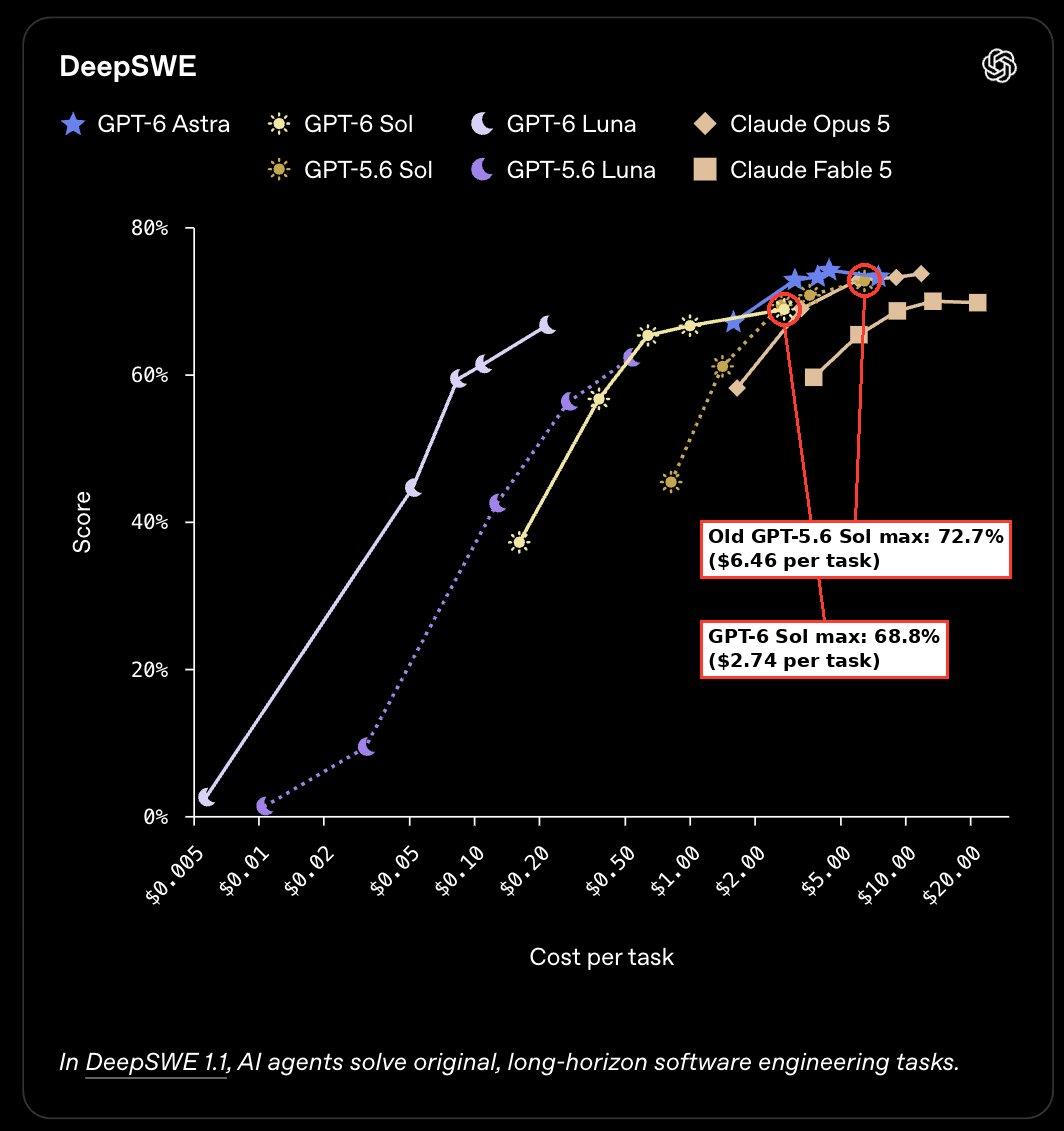
On DeepSWE v1.1, which tests the ability of AI to solve complex software engineering tasks in real codebases, GPT-6 Sol is actually no better than 5.6 Sol, but it is indeed much cheaper.
GPT-6 Luna at max effort scores 66.6%, which is comparable to the level of Claude Opus 5 and Fable 5 at medium effort, with costs 93% and 96% lower respectively.
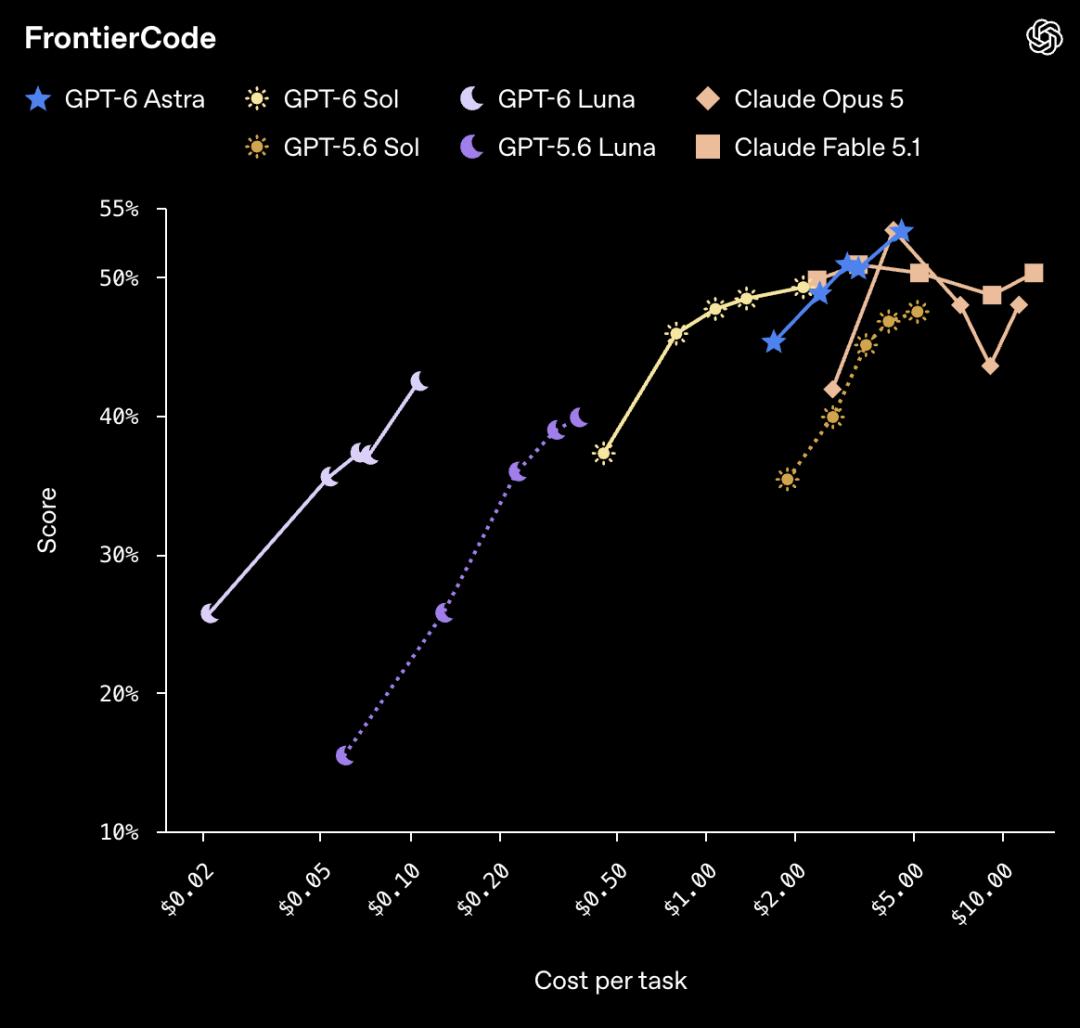
On FrontierCode launched by Cognition, which evaluates whether the code written by AI meets the standard for merging into real codebases, GPT-6 Sol has also made significant improvements compared to GPT-5.6 Sol, and can match the performance of Claude Fable 5.1 xhigh at a lower cost.
The tiers of Claude on this ranking have become messy again.
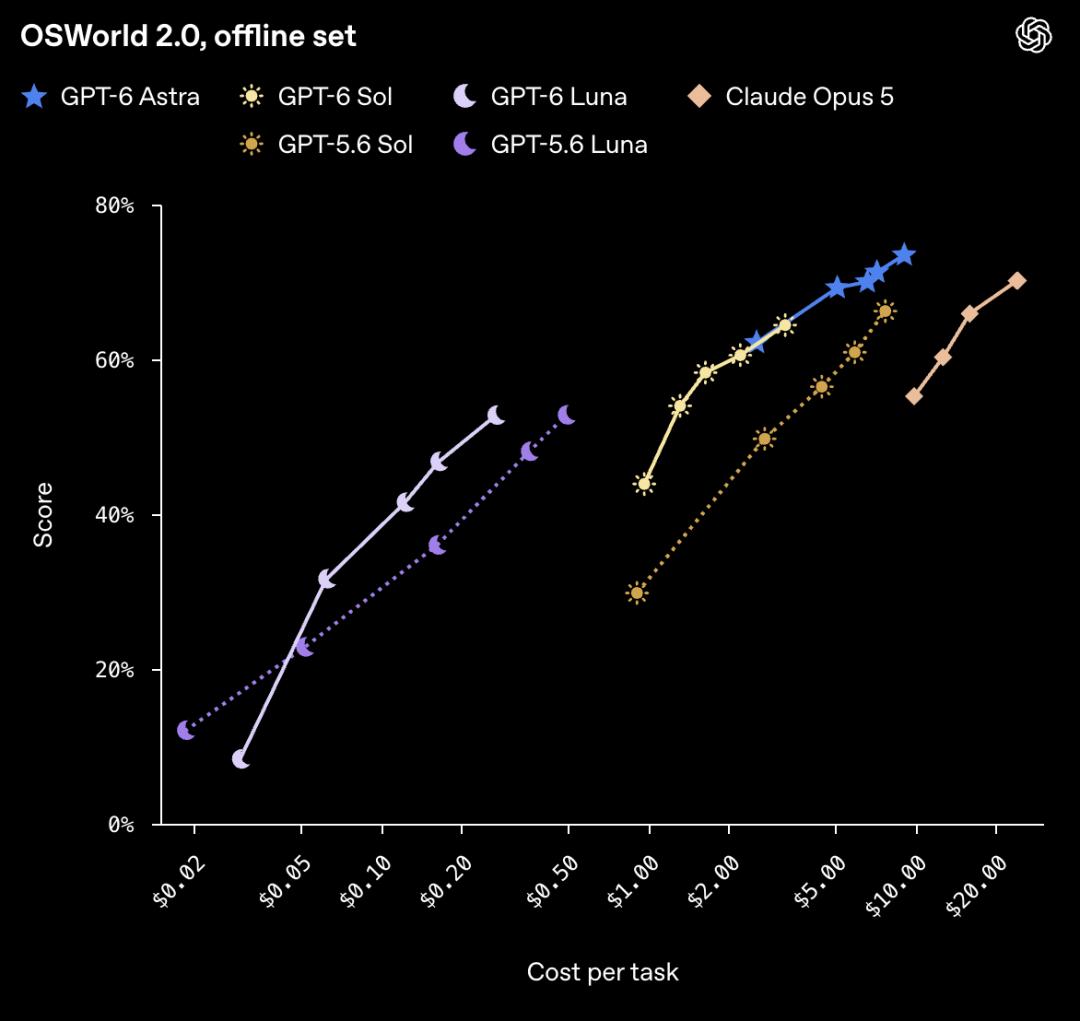
In the field of computer operation, Astra is still the most authoritative.
GPT-6 Sol is only cheaper than 5.6 Sol, and the performance above the high tier does not exceed the 5.6 version by much.
GPT-6 Luna at max effort outperforms GPT-5.6 Sol at medium effort, with the cost only one tenth of the latter.
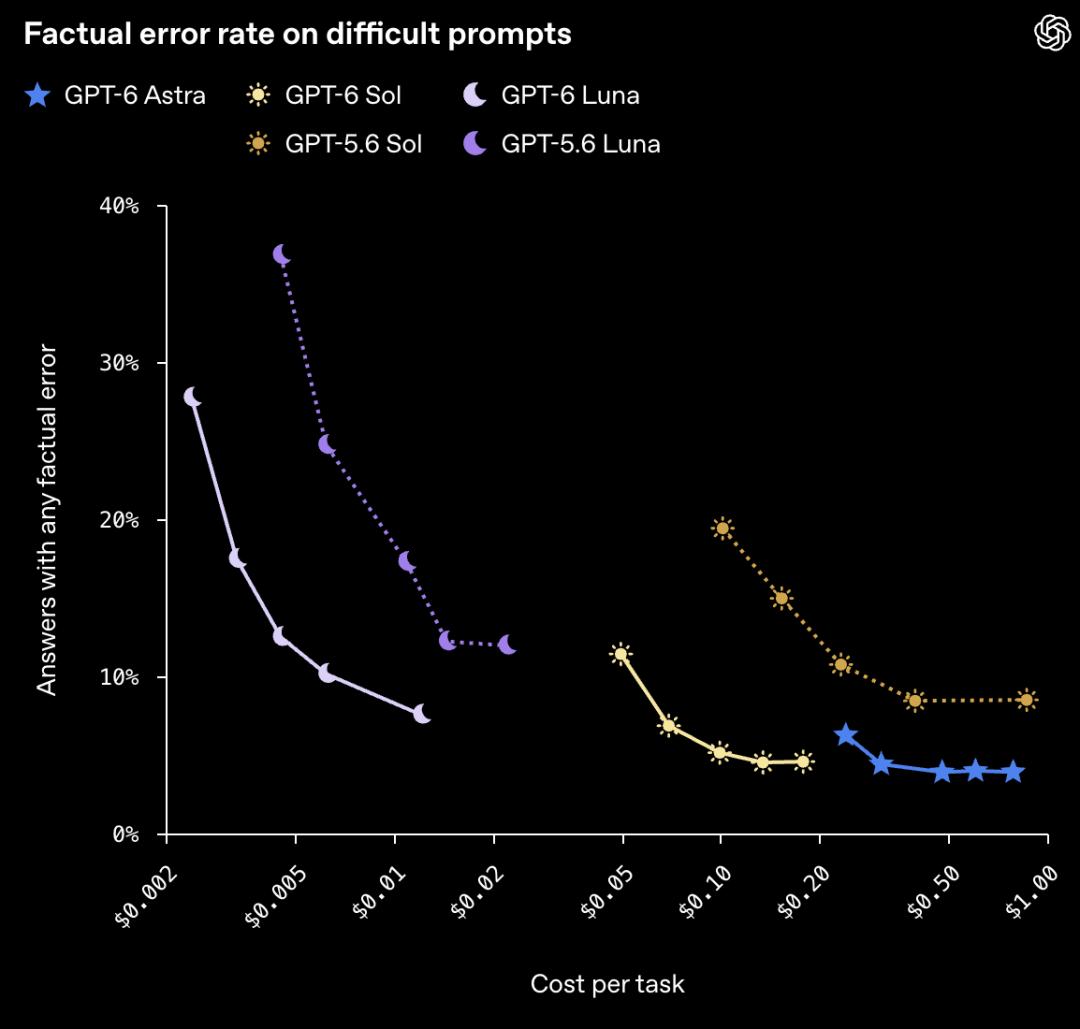
In terms of factual accuracy, OpenAI conducted tests on a set of cases extracted from real ChatGPT conversations, where users had previously marked factual errors.
The result is that the error rate of GPT-6 Sol is about half of the previous generation, close to the level of Astra. GPT-6 Luna at higher effort can match the accuracy of GPT-5.6 Sol, while the cost is only one percent.
Cache Hit Rate Improved, Quota Reset Coming Soon
In addition to model capabilities, OpenAI has also made several improvements to the infrastructure of GPT-6.
The first is prompt caching.
The improved cache mechanism provides a higher hit rate by default, and input tokens that hit the cache can enjoy a 90% price discount.
OpenAI has also launched a cache monitoring panel and diagnostic tools, where developers can view cache usage, locate the cause of misses and make targeted optimizations.
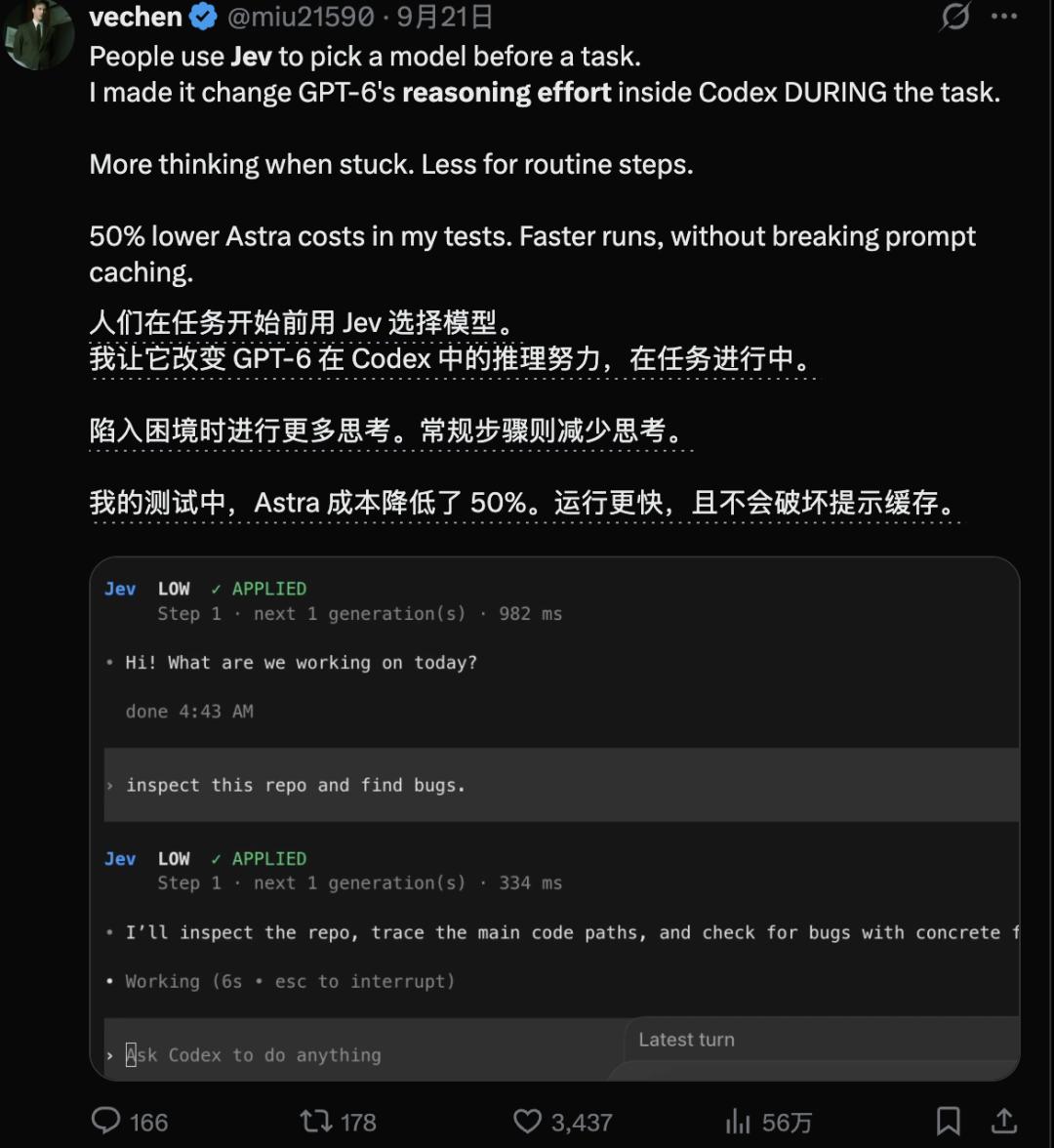
There is also a practical change: adjusting the inference effort level or toggling tools will no longer interrupt the previous cached context.
GitHub is already using this solution. According to OpenAI's disclosure, these optimizations in the past few months have reduced the proportion of prompt tokens that GitHub Copilot needs to reprocess by more than 50%, involving billions of requests.
It is finally possible to flexibly switch configurations across different parts of a task.
It has been developed by someone already, and with Jev it can switch configurations at millisecond level in the middle of a task.
The next part is conversation style.
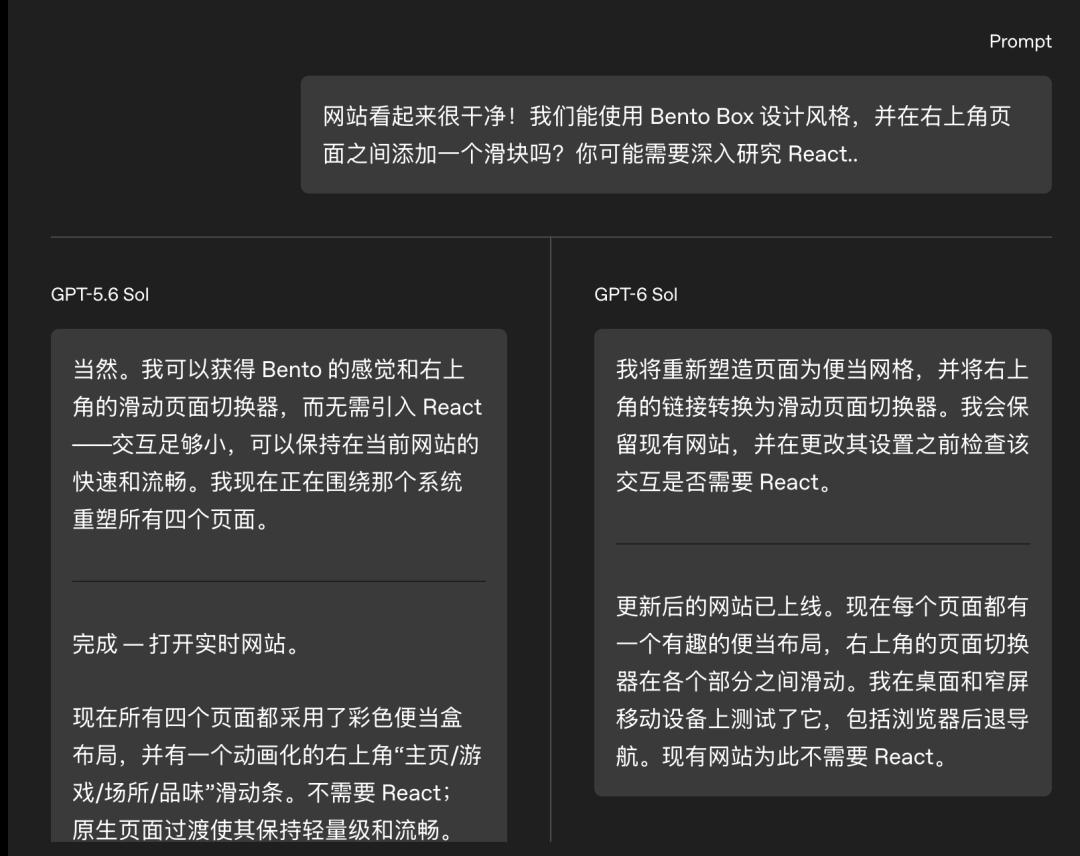
OpenAI has brought the improved communication method on Astra to Sol and Luna, which is particularly noticeable in technical and programming conversations, manifested as clearer content, fewer jargon, fewer invalid details, and overall shorter replies without losing key information.
OpenAI displayed the comparative replies of GPT-5.6 Sol and GPT-6 Sol for the same web development task on its blog.
The 5.6 version will actively repeat information already known to users and use ambiguous wording, while the 6 version is more straightforward, explaining exactly what it checked and what it did not check.
In terms of alignment, Sol and Luna outperform the GPT-5.6 models of the same level in tests, including a lower rate of making misleading statements in programming tasks. OpenAI