Behind the up to 70% return rate of AI glasses: A "non-technical PK" among Rokid, Qwen and RayNeo
Xiaomeng is a cultural and creative consumer enthusiast. One day, while wandering around Chengdu MixC, she spotted a small display rack of tech products in a very artistic cultural and creative store. Besides retro-style Bluetooth speakers and mid-century table lamps, there were two products that seemed rather out of place with the store's vibe.
Two pairs of black-frame AI glasses were placed casually in the corner: one was the Quark model that was gaining huge momentum at the time, the other was a little-known niche unbranded product. When Xiaomeng tried them on, no store clerk offered to give her an introduction voluntarily.
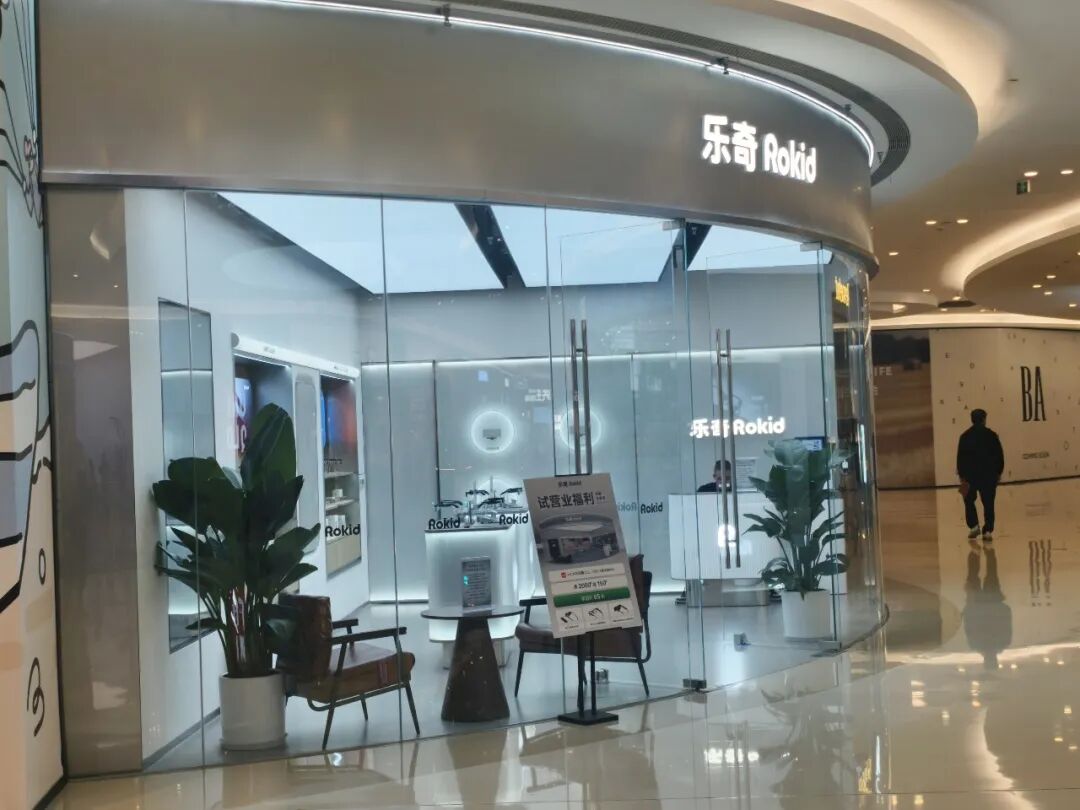
Half a year later, Xiaomeng accompanied her boyfriend to the newly opened Rokid store in Chengdu's other large shopping mall, Shihao Plaza, to try out the latest product Rokid Glasses. The clerk provided them with attentive and professional explanations, which made both of them very interested. Meanwhile, another male customer around 40 years old who came to the store to shop placed an order on the spot.
Xiaomeng told Spicy: "Although it is still in the trial operation stage, there are quite a lot of customers. The clerk said the transaction rate is good, and almost no one returns the products."
This is in sharp contrast to the high online return rate of AI glasses. According to data released by Luo Tu Technology in August, the overall return rate of smart glasses ranges from 30% to 70%, far exceeding that of mature categories such as mobile phones and tablets.
According to this proportion, although 909,000 units of smart glasses were sold in the first half of the year, a year-on-year increase of 85.5%, one out of every two or three pairs sold was packed and sent back. Glasses are supposed to be high-decision-cost consumer products that require optometry, fitting and adjustment without missing any step, and are one of the most expensive accessories on the face. What's more, AI glasses with technological attributes have now been transformed into low-decision-cost products by the convenient "7-day no reason to return" rule that also applies to clothing.
The change has taken place in the past six months. The number of AI glasses placed casually as seen in Chengdu MixC has decreased, while more brand counters focusing on brand experience have emerged, where the return rate has become extremely low.
On the other hand, when Qualcomm AR1 chip, Sony IMX681 sensor and single-green waveguide solution have become the industry standard, the parameter lists of various brands have become so similar that consumers can hardly tell the difference between them.
No one can win the game solely by parameters. Channels, brand ambassadors and ecosystems, which were originally considered "external to products", are becoming part of the product competitiveness itself.
Hundreds of Glasses Brands Compete for Offline Footprint
"This store opened only a month ago, and two new stores will soon open in Joy City malls in Chengdu later," Xiaomeng relayed the clerk's introduction to Spicy.
She learned that the Rokid store in Shihao Plaza has a glasses fitting cooperation with the optical stores in the mall, and several other stores in Chengdu also cooperate with nearby Bolon Eyewear stores. After purchasing the device, consumers can go upstairs or downstairs to get optometry and glasses fitting services.
In addition to these small ingenious designs in physical space, brands have three main approaches to expand the offline sales of AI glasses at present.
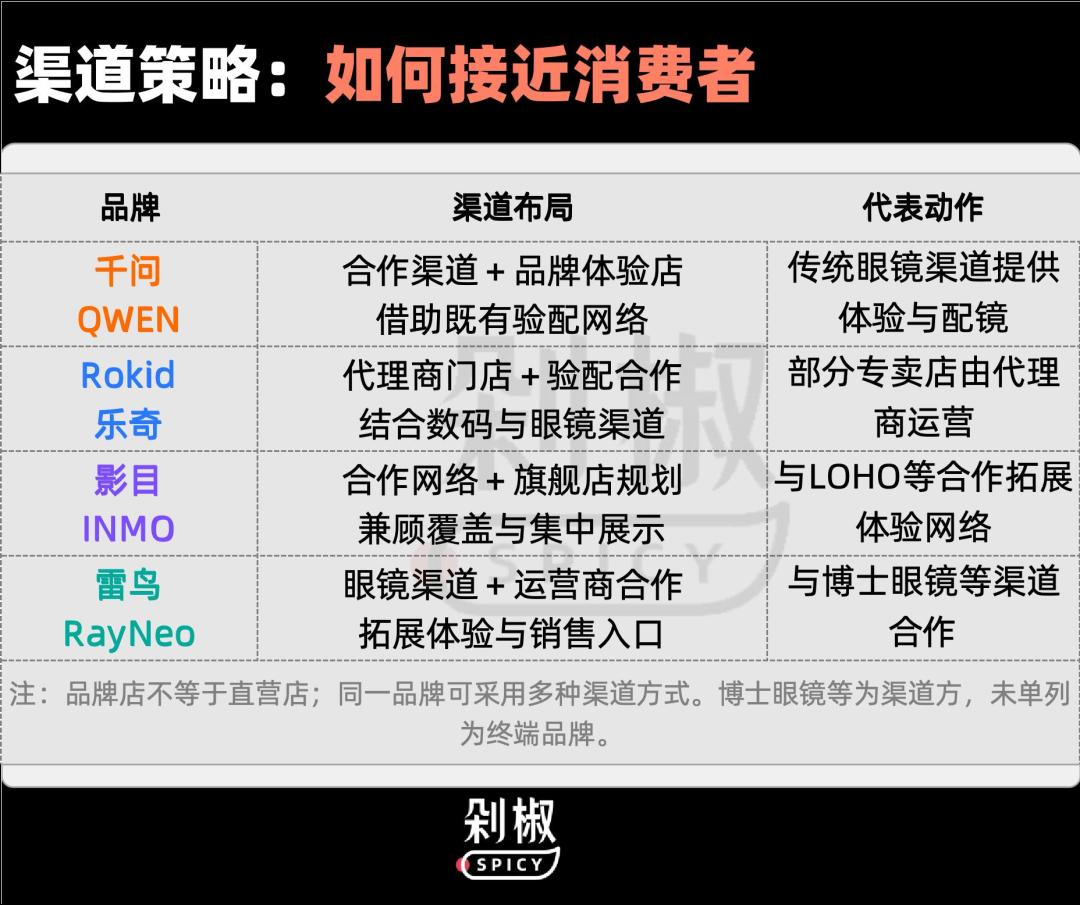
The lightest approach is to enter existing retail outlets for distribution through traditional channels such as Doctor Glasses. The demand for smart glasses channel construction exactly matches the development needs of traditional retailers. In January this year, Doctor Glasses' first national smart glasses concept store opened in Shenzhen Upperhills, which does not take sides with any single brand, displaying Qianwen, XREAL, Thunderbird, Rokid and Xiaomi products side by side.
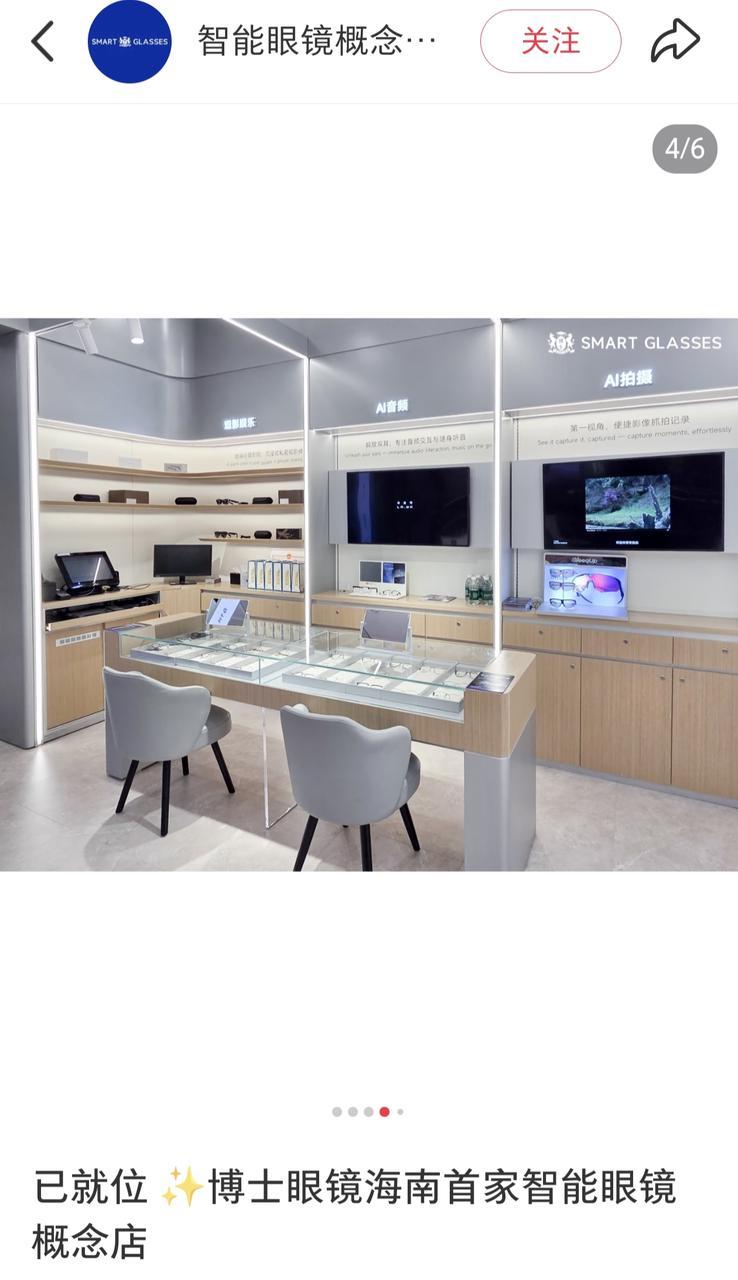
Prior to this, it had 150 stores selling smart glasses in the form of in-store counters. According to media reports, it also issued 375 million yuan of convertible bonds, planning to add 225 new stores.
The advantage of this lightweight approach is that it saves capital. Using existing stores, staff and customer flow is much easier than building a retail system from site selection and recruitment, so that funds can be invested in more critical areas such as technology R&D, upstream supply and marketing.
Therefore, similar channel outlet cooperation has become the mainstream form for smart glasses to expand offline.
Alibaba's Qianwen glasses demonstrated the full-saturation attack strategy of large enterprises. As early as the pre-sale of Quark AI Glasses G1 last December, the official announced that 604 offline stores in 82 cities across China provided experience and glasses fitting services.
Unicorns are not far behind. INMO cooperated with brands such as LOHO and Asia Optical to deploy experience points in more than 500 stores across 44 cities in China; Rokid placed its products on the counters of Baodao Eyewear and Hong Kong Fortress.
For brands, this is the most labor-saving way, but the cost is that the brand is easily lost on the shelves — consumers remember the category of "AI glasses" rather than a specific brand.
Retailers like Doctor Glasses are well aware of the value of this business. No matter who wins the hundreds-of-glasses competition, the money from indispensable supporting services such as optometry and glasses fitting will flow into their pockets.
Another major channel expansion method is brand-authorized distribution, which features independent display of brand image in stores, but the stores are invested and operated by agents or third-party channel providers.
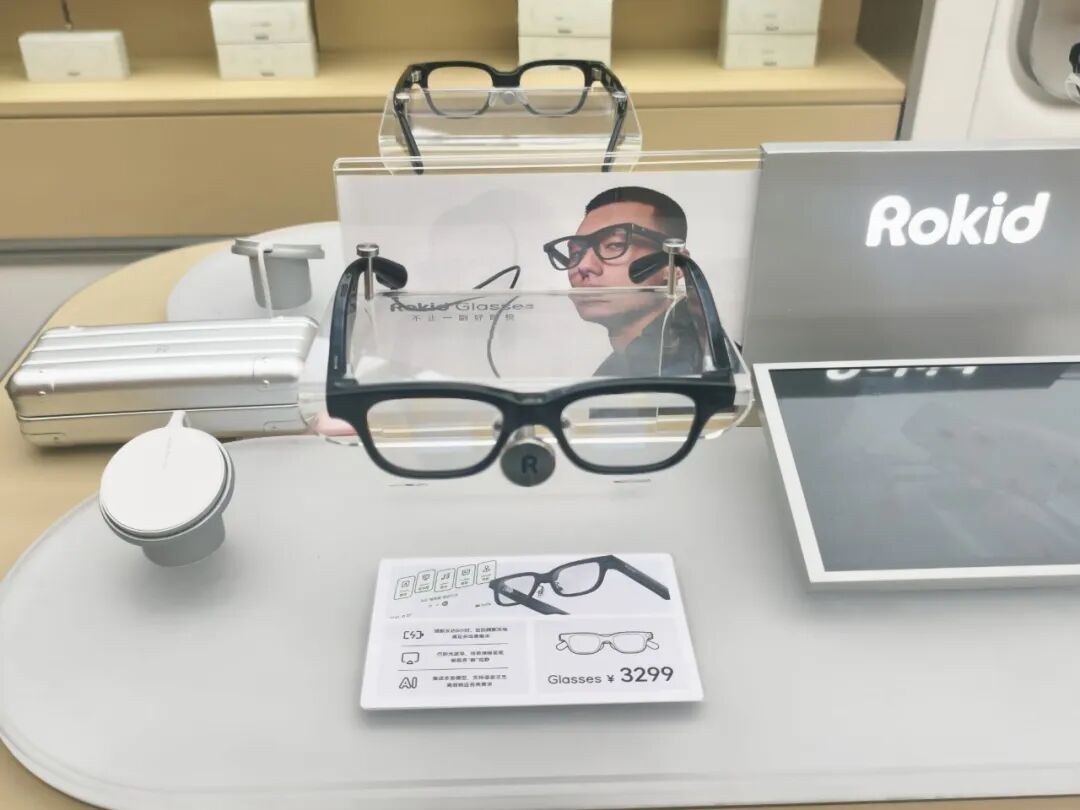
Take Rokid as an example. Most of the brand specialty stores consumers see are not directly operated, but built and operated by agents or third-party channel providers. Zhu Mingming, the founder of the brand, once clearly stated that the company's channel strategy is "a combination of direct sales and distribution", with distribution accounting for about 70%. The Rokid store in Chengdu Shihao Plaza mentioned earlier follows this model.
The benefits of authorized distribution are obvious. Industry insiders told Spicy that some agents have previously represented tech brands such as DJI, and they have ready-made experience in site selection and customer group profiling when taking over Rokid's business.
On the other hand, this also means that store standards and service experience are controlled by third parties, and the brand's control over terminals is inherently weaker. The expansion speed depends on the willingness and ability of agents.
The third approach is to build self-operated brand stores, which is currently only practiced by INMO. The company announced that it will open the world's first brand flagship store on West Nanjing Road, Shanghai, where land is extremely expensive, in October. This is also the first independent brand store in China's smart glasses industry — it is more about building brand awareness through investment than just selling products.
From entering retail outlets, authorized distribution to building self-operated stores, the investment increases step by step, and the brand awareness among consumers also rises accordingly.
The popularity of channel cooperation is partly due to the category characteristics of glasses. The cost of smart glasses is not only the marked price of the device, myopic users also need to pay for custom lenses and spend time on optometry and fitting, which is exactly the part that tech brands are not familiar with. Arranging hardware sales and glasses fitting services in the same place or adjacent stores allows consumers to make fewer trips, and wearing problems can be detected and adjusted earlier.
Recently, Rokid has further increased its investment in glasses fitting experience, cooperating with Shanghai time-honored brand Red Star Glasses founded in 1936 to build Shanghai's first AI glasses integrated optometry and fitting store. The store enables consumers to complete the whole closed-loop process of optometry, glasses fitting, function experience and lens collection in one stop, completely breaking the physical barrier between tradition and technology.
A more important factor may lie in the amount of available capital. Third-party data shows that in the first half of 2026, the total investment and financing in China's AI glasses track was close to 90 billion yuan, exceeding the 43.67 billion yuan for the whole of 2025. However, about 60% of the funds poured into the upstream optical, chip and OEM supply chain, less than 40% went to terminal hardware brands, and the funds are highly concentrated in the top players.
With tight capital, channel cooperation is not so much a market strategy as a suboptimal survival strategy. At this stage, the wearing awareness of AI glasses has not been established, and consumers have not yet formed brand loyalty.
A Rokid clerk told Spicy that a gray-haired customer once came to the store, who had tried AI glasses in Huawei and Xiaomi stores, and wanted to compare Qianwen and Thunderbird products, but could not find the Qianwen experience store. Since the Rokid trial experience was good, he placed an order on the spot.
Interestingly, just upstairs from this Rokid store, there is a Doctor Glasses store, which is exactly the offline pilot point for Qianwen glasses. The Qianwen store that the customer could not find was only one floor away from him.
In a stage where consumers do not know exactly what they want, being seen is more important than being remembered.
Brands Need Ambassadors, Consumers Need Gatekeepers
In addition to letting consumers try on products offline, AI glasses manufacturers are also looking for more easy-to-understand ways of expression.
As mentioned earlier, in order to lower the purchase threshold, smart glasses have shown a convergence trend at the product level. For most people who have not yet used smart glasses, terms such as "single-light binocular" and "binocular full color" can hardly be directly converted into purchase decisions. Even if you understand the parameters, you may not know which trade-off is more suitable for your daily life.
Therefore, familiar public figures have become the starting point for quite a number of consumers to understand products. Different smart glasses brands also need to choose different spokespersons according to their own brand tonality.
"Tim is really professional. His willingness to endorse Rokid proves that this brand is really capable," said Xiaowang, a junior manager at a media company and a fan of the well-known media "Film Hurricane". He told Spicy that he often follows the footsteps of Tim, the founder of Film Hurricane, to buy electronic products.
Spicy also verified with the Rokid clerk that many fans of Tim did come to consult and buy products. On social media, many Rokid followers also show purchase preference because of Tim.
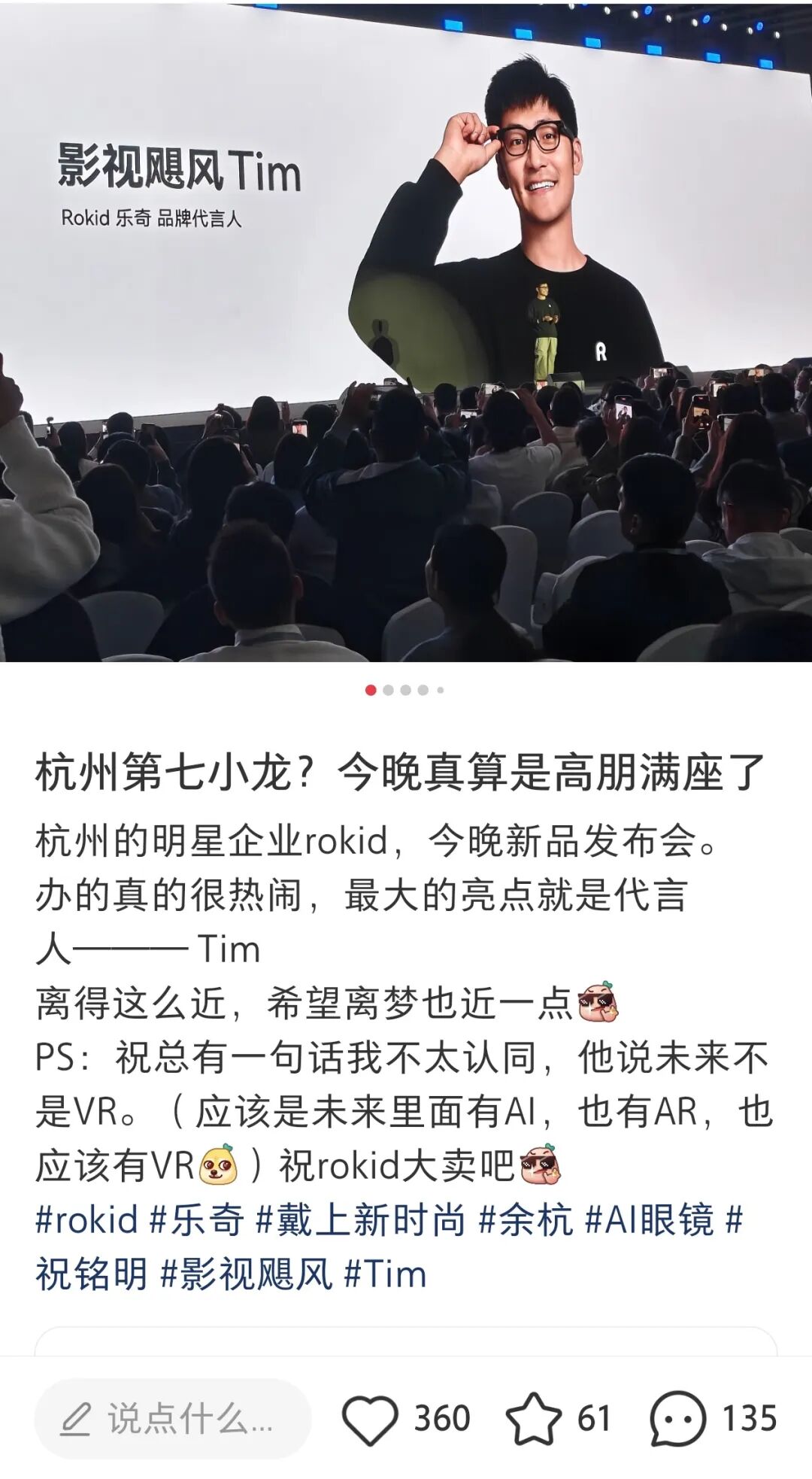
Zhu Mingming, founder of Rokid, was inspired to start his business after being shocked by Google Glass, and persisted in this track when the relevant supply chain was not mature, leaving many consumers with the impression of a "tech geek", which echoes Rokid's choice of Tim, a tech creator who is known for hardcore reviews and professional content, as its spokesperson.
There are many consumer hardware companies in the market that are famous for their engineer culture, building reputation through technology accumulation, and geek KOLs are the most suitable spokespersons for such brands. Take DJI as an example, most of the company's media content focuses on performance demonstration, full of a sense of technology; when Roborock promoted overseas, it also chose a large number of overseas tech bloggers for review and promotion.
Tim's audience is exactly the group of digital enthusiasts who will analyze the picture quality frame by frame and read the reviews carefully before placing an order, which highly overlaps with the actual buyers of smart glasses at this stage. After all, the product has not yet achieved mass popularity, tech-savvy early adopters are more important, the basic market needs to be stabilized by "recognition from people who know the industry", and then expand to the broader public market.
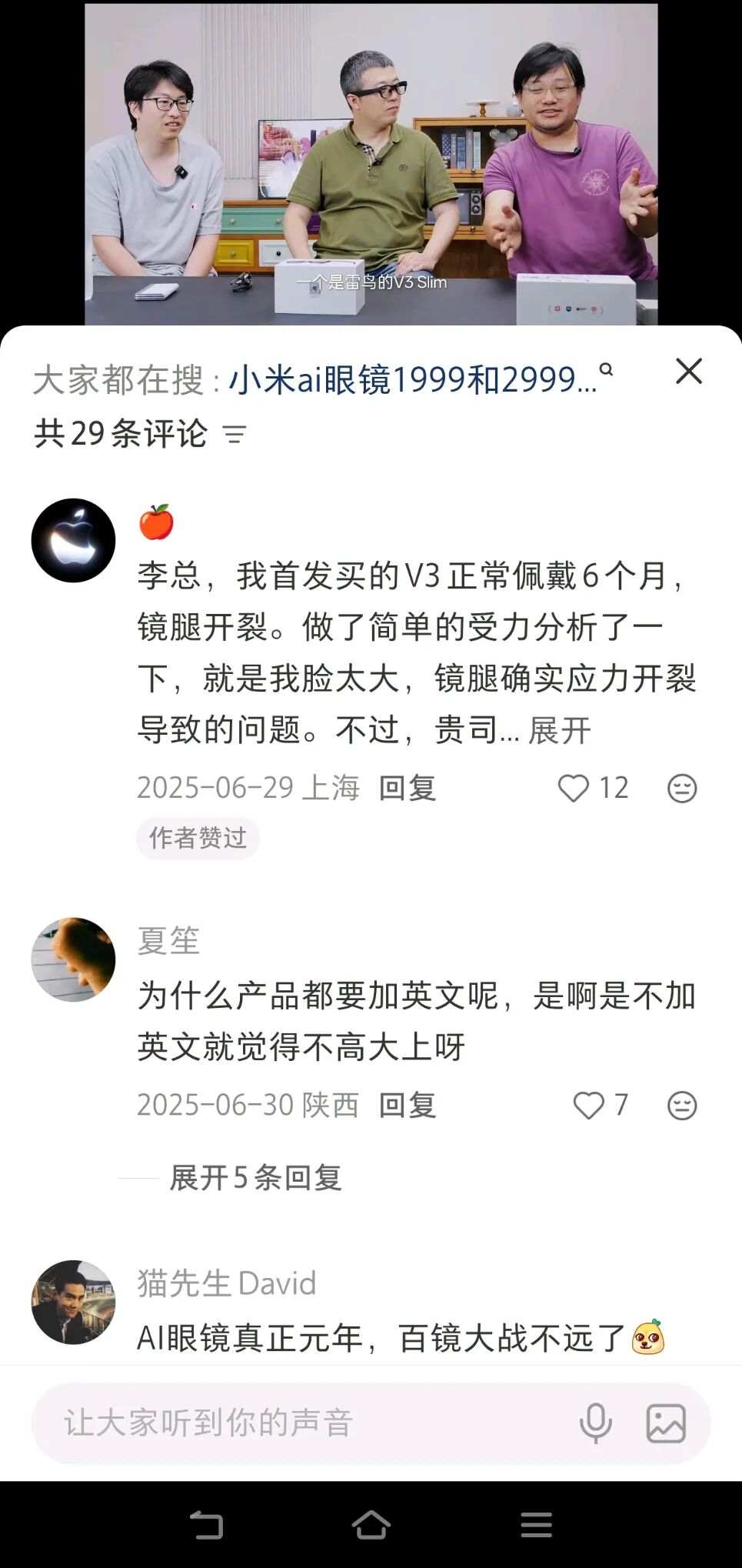
Li Hongwei, CEO of Rokid's old rival Thunderbird, chose to appear in public himself. He is probably the most frequently seen founder in this industry. From podcasts to industry conferences, and in-depth interviews, he advocates "promoting 85 points of the product when it actually reaches 95 points", leaving enough surprises for consumers, directly addressing the pain point of high return rate caused by excessive marketing in the tech industry.
The essence of CEO endorsement is to bet all the brand's credibility on personal reputation, because users need to know who is responsible for the product. Lei Jun, Dong Mingzhu, Zhou Yunjie and many other entrepreneurs are following this path. The quality of daring to stand in the front line and the narrative of "approachable entrepreneurs" can indeed bring attention and reputation to the brand, but they also need to have the resilience to face consumer feedback directly.
Based on this, the comment section of Li Hongwei's social media account is very lively, which has become a complete "product suggestion area", and many suggestions are marked with "liked by the author".
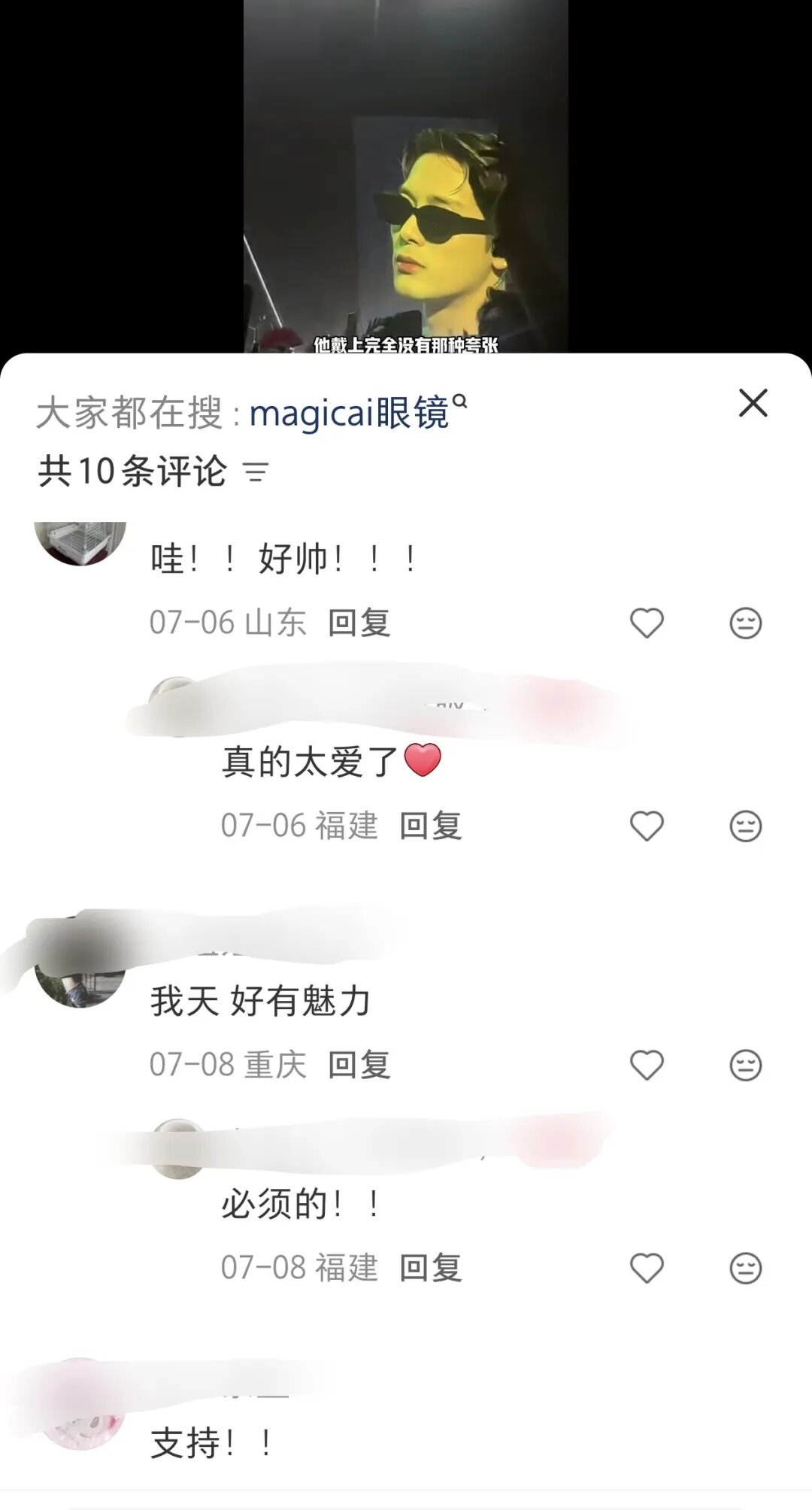
Compared with the previous two brands, INMO takes the path of fashion expression. At the end of June, INMO cooperated with WHL, the fashion brand founded by Jackson Wang, to launch Magic AI Glasses, which was designed and worn for a long time by Jackson Wang himself. The product concept originated from Jackson Wang's exploration of first-person perspective recording during his tour. It was exclusively launched in North America in July, and the first batch of pre-sales reached 50,000 units. Fans commented: "It's so charming!" "When will it be launched in China? I can't wait!"
Letting celebrities become product managers and deeply bind with brands was once very common in the FMCG industry. From Jay Chou designing fashion trends for Metersbonwe in the early years, to Yu Quan participating in the whole R&D, packaging and sales process of Mengniu's "Hi Milk" as celebrity partners, to Hua Chenyu co-creating the daily chemical brand "Zhongdian" with Manyo, the same approach is now replicated in tech products.
INMO wants to expand the consumer group of AI glasses, label the products as "fashion consumption", and drive sales with the help of the spokesperson's influence.
In this regard, industry investors expressed their judgment to Spicy that if AI glasses transform from productivity