Just now, Xiaomi has broken the performance cutoff threshold for large AI models. Luo Fuli noted that its technical difficulty exceeds that of DeepSeek R1.
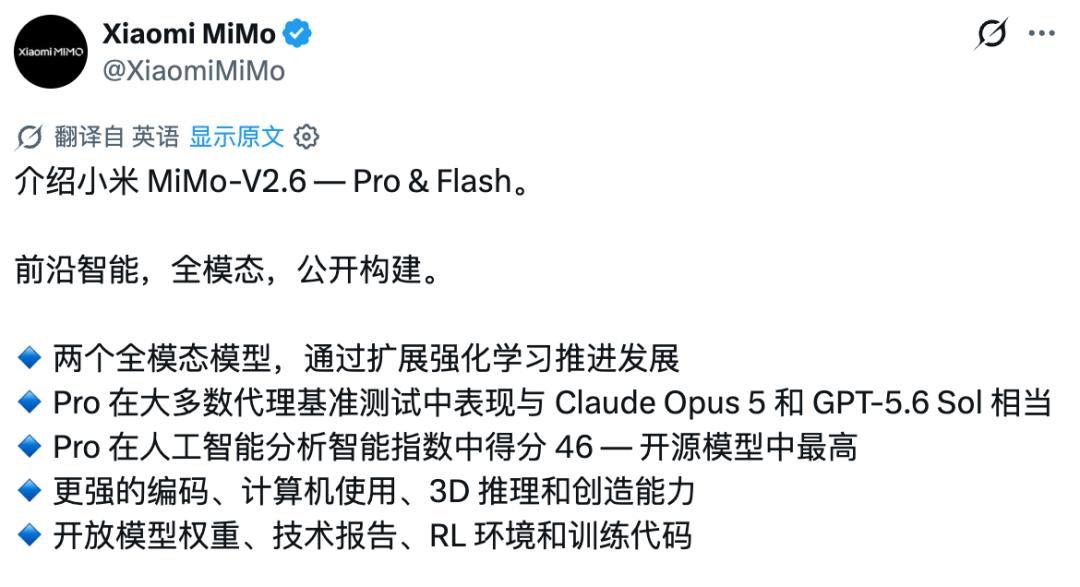
Just now, Xiaomi officially released and open-sourced the MiMo-V2.6 series of models.
This release includes two native full-modality models. MiMo-V2.6-Pro is oriented to complex programming, Agent and professional tasks, while MiMo-V2.6-Flash puts more emphasis on the balance between performance, efficiency and cost.
Xiaomi also simultaneously launched MiMo-V2.6-Pro-UltraSpeed. The official states that on the premise of maintaining model quality, its maximum output speed can reach 20 times that of the Pro version.
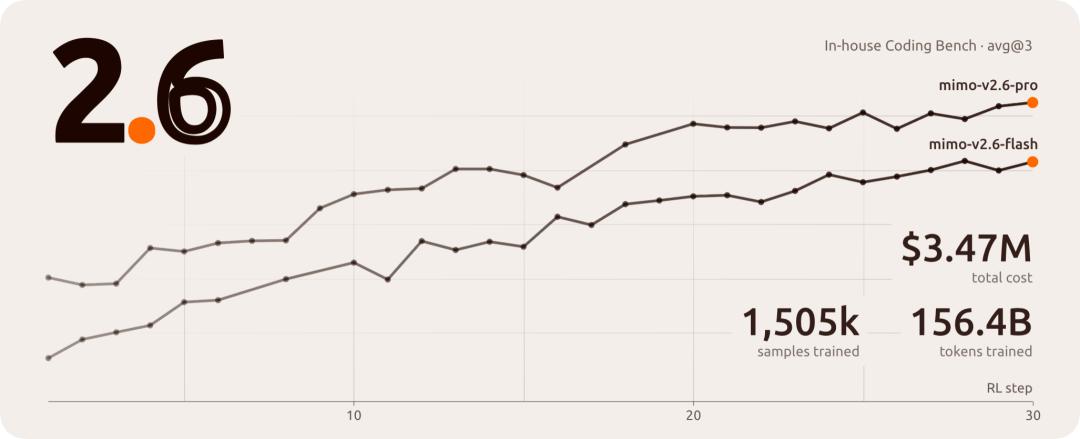
Apart from version updates, APPSO previously reported that Xiaomi has publicly shared online a reinforcement learning training process that lasted for nearly 6 days with a total cost of about 3.47 million US dollars.
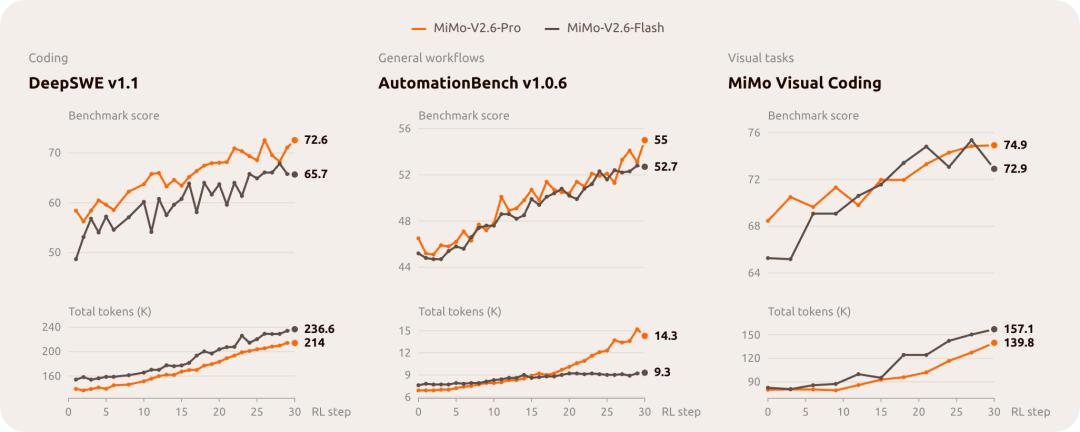
From training progress, cost changes to task pass rates, the outside world can observe how the two models gradually improve their capabilities in 30 RL steps in near real time. Xiaomi regards it as an important attempt to explore RSI, the recursive self-improvement path.
MiMo V2.6 Debuts, Domestic Open-Source Models Usher in New Benchmark
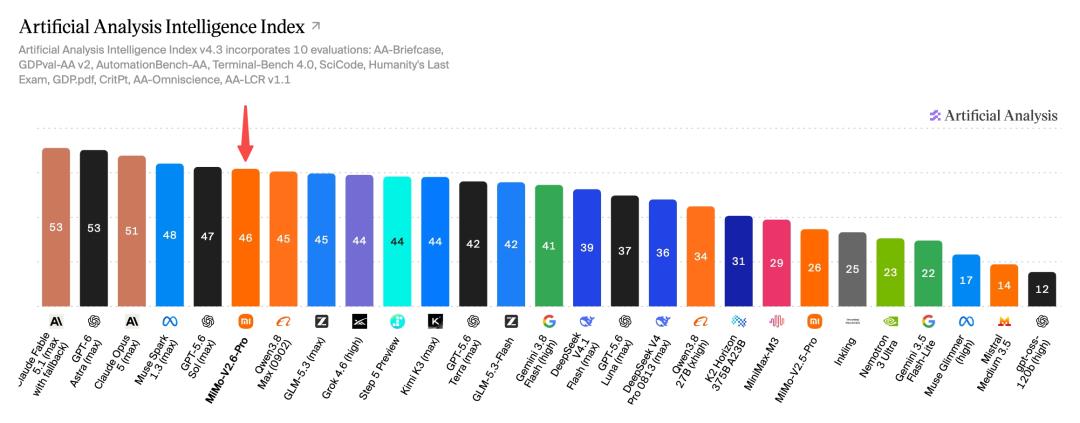
The officially announced results show that MiMo-V2.6-Pro scored 46.32 in Artificial Analysis Intelligence Index v4.3, exceeding Kimi K3 and Qwen3.8 Max.
Xiaomi thus calls it the open-source model with the highest score on this current list, and also states that V2.6 follows the API price of V2.5, hoping to provide a higher level of intelligence at the same cost.
For specific benchmark test results, Pro scored 71.9 in DeepSWE v1.1, close to 74.2 of DeepSeek V4.1 Flash and 74.0 of Claude Opus 5 and GPT 6 Astra; it scored 76.9 in Toolathlon-verified, higher than 74.9 of GPT 5.6 Sol;
It scored 53.1 in Automation Bench v1.0.6, slightly lower than 54.8 of DeepSeek V4.1 Flash and higher than 52.0 of GPT 6 Astra; its JobBench score for real professional tasks is 62.0, second only to 65.7 of Claude Opus 5.
Webpage and visual interface generation is also the key point of this update.
In the MiMo Visual Coding evaluation built by Xiaomi itself, Pro and Flash scored 72.3 and 71.5 respectively, higher than DeepSeek V4.1 Flash and Claude Opus 5, but there is still a gap compared with 82.2 of GPT 6 Astra.
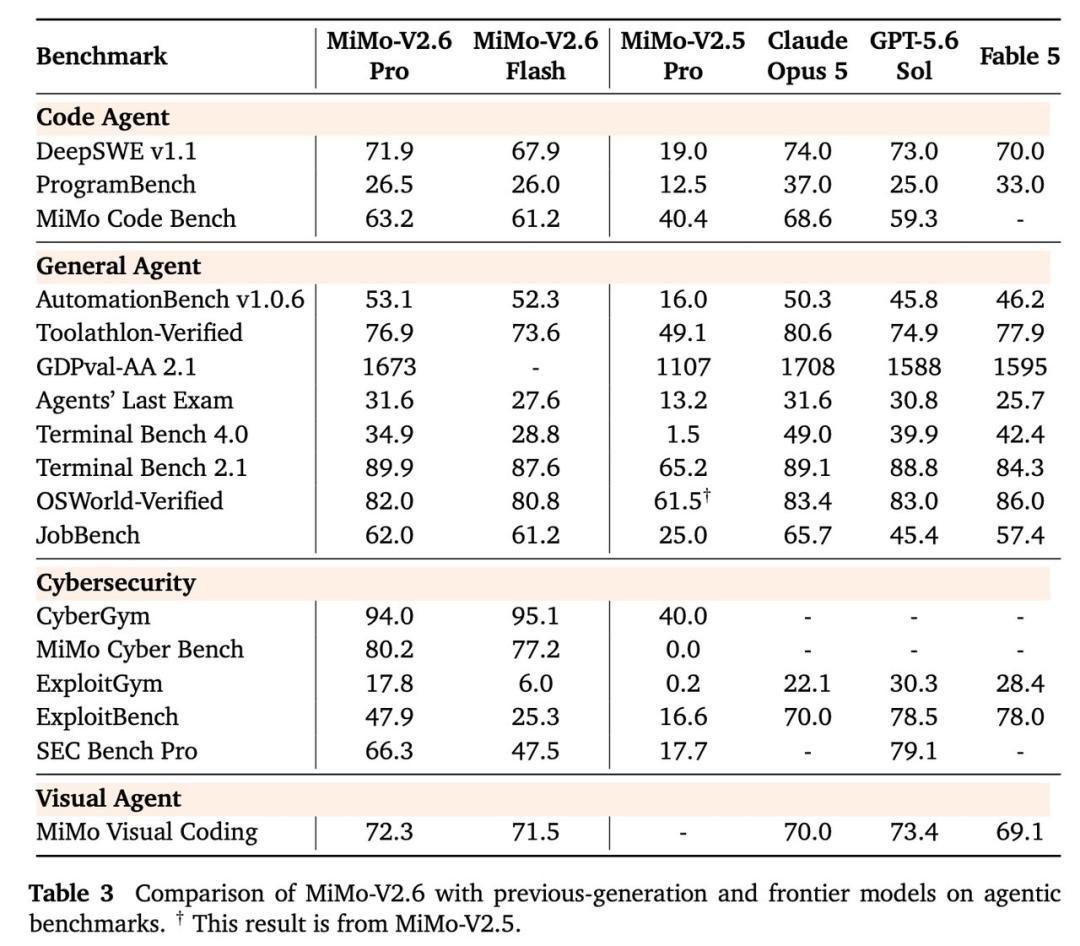
Of course, on the whole, MiMo-V2.6 has not yet caught up with the cutting-edge closed-source models in all capabilities.
Pro scored 34.9 in Terminal Bench 4.0, which still has a significant gap with 59.6 of GPT 6 Astra and 55.1 of Claude Fable 5.1, and it also lags behind the leading closed-source models in multiple cybersecurity evaluations on the whole.
However, for open-source models, the combined score of 46.32 paired with the cost-effective API price may be more practically meaningful than the ranking on individual lists.
Burning 3.47 million US Dollars in Six Days, Xiaomi Makes High Stakes Bet on RL
The training process behind MiMo-V2.6 may better explain what Xiaomi wants to do than the final scores.
APPSO also checked the technical report of MiMo-V2.6 as soon as possible: MiMo-V2.6-Flash and Pro completed 30 reinforcement learning steps respectively, generating about 750,000 training trajectories each, with costs of about 850,000 US dollars and 2.62 million US dollars respectively.
The average task pass rates of the two models increased by about 25% and 12% relatively. On the long-range software engineering evaluation DeepSWE v1.1 that was not involved in training, Flash's score increased from 48.8 to 65.68, and Pro's score increased from 58.4 to 72.57.
Multiple projects still maintained growth in the second half of training. Based on this, Xiaomi judges that large-scale RL still has high sample efficiency, and the benefits can extend beyond the training distribution, meaning the model has learned certain general long-range execution capabilities.
The training scale also far exceeds common post-training experiments.
Each step contains 1568 prompts, and each prompt generates 16 candidate trajectories at the same time, which is equivalent to processing about 25,000 long sequences and 2.7 to 3.7 billion training tokens at one time, with the longest context reaching 1 million tokens.
Tasks cover programming, general Agent, vision and cybersecurity, and mix multiple operating environments; the scoring system compares multiple trajectories under the same problem, provides more detailed reward signals for long-link tasks, and guides the model to reduce invalid steps and token consumption.
Large-scale RL is also prone to training drift and reward hacking.
The model may find loopholes in the scoring rules, seemingly getting high scores but not actually completing the tasks. During the training period, Xiaomi fixed the MoE router, improved stability through reward design, adversarial evaluation, anomaly detection and cross-verification of multiple verifiers, and unified the trajectory formats generated by different Agent frameworks to allow multiple types of tasks to enter the same training system.
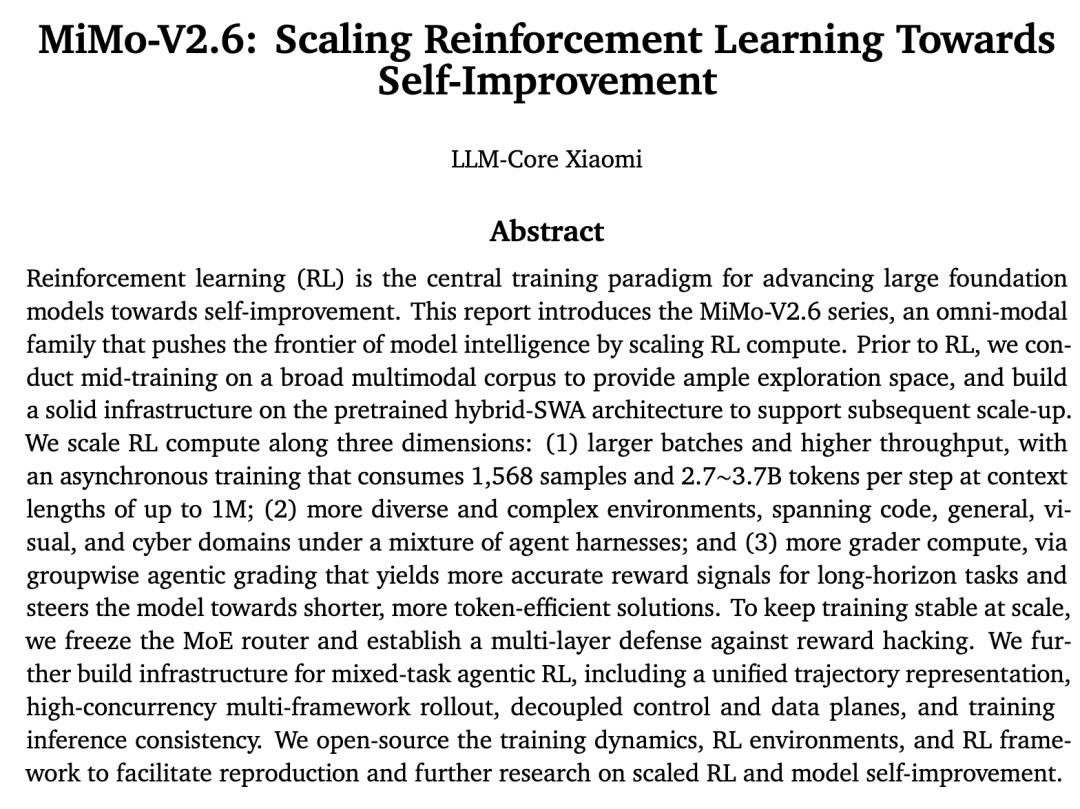
Technical Report 🔗https://huggingface.co/XiaomiMiMo/MiMo-V2.6-Pro-RL/blob/main/MiMo_V2_6_technical_report.pdf
After the release, Luo Fuli called MiMo-V2.6 "the hard road of scaling RL".
She said that measured by computing power input, it is very likely to be one of the largest single reinforcement learning trainings ever completed by an open-source model team. In the context of scarce computing power, Xiaomi still has a team of dozens of people working around the same goal for a long time, first accumulating model potential through mid-term training, and then releasing it with large-scale RL.
In Luo Fuli's view, the research innovation and engineering difficulty behind MiMo-V2.6 even exceed those of DeepSeek R1 that she once partially participated in. She also explained the division of labor between MixRL and MOPD.
Agent tasks with moderate difficulty that can be reliably verified such as codes enter MixRL to obtain capabilities that can be migrated across tasks; tasks of games, 3D, ultra-long links and those with relatively subjective evaluation criteria are trained separately, and then merged back to the main model through MOPD, so as to avoid slowing down rollout or causing data expiration.
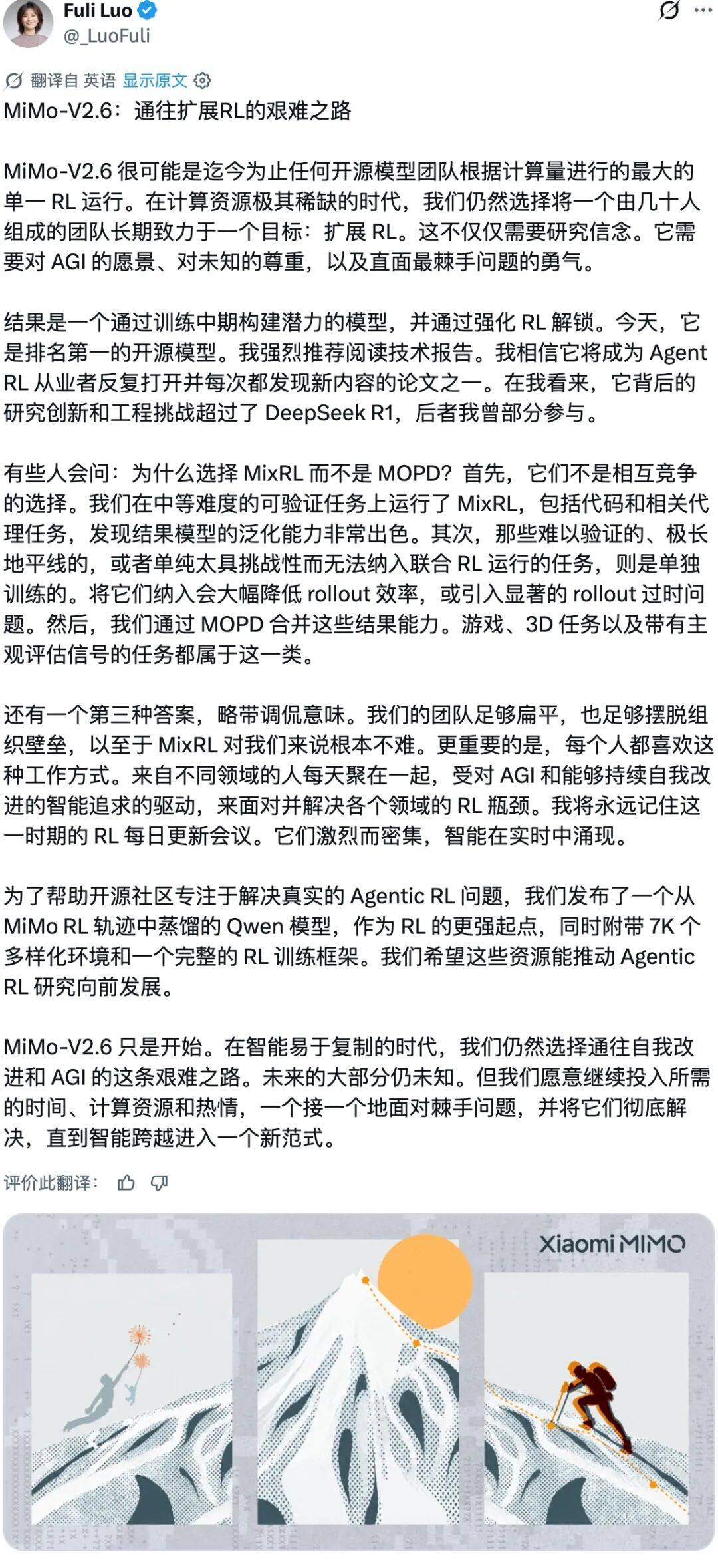
Luo Fuli believes that the flat team structure also reduces the organizational cost of MixRL, and members from different fields can jointly solve RL obstacles around the same model.
What Xiaomi opened up this time is not only the model weights.
The training curve, reward mechanism, task ratio, key parameters and cost composition of MiMo-V2.6 are all written into the technical report. The outside world can observe how the two models change in 30 RL steps based on this, and try to reproduce this large-scale Agentic RL method.
In order to allow researchers with limited computing power and budget to participate, Xiaomi also released MiMo-V2.6-Distill-Qwen-9B distilled from Qwen3.5-9B, as well as about 7000 RL task environments covering code, cybersecurity, knowledge work and visual development. The supporting verifier, end-to-end RL training framework and mini-harness are also open together.
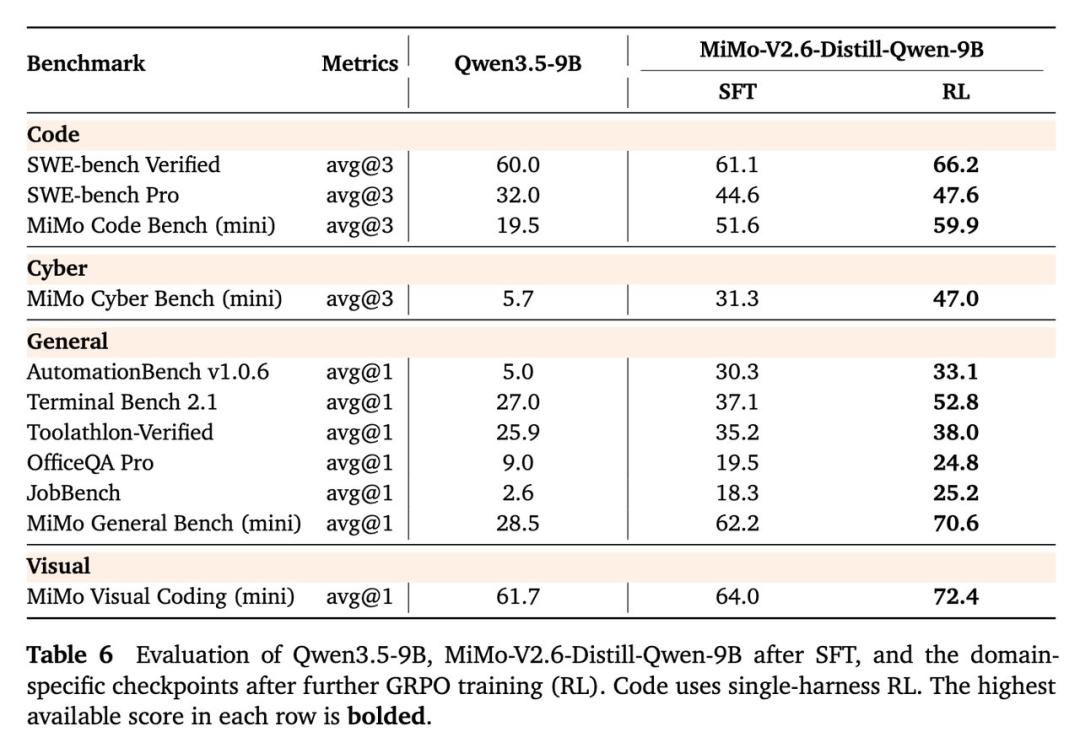
What Xiaomi contributes to the open-source community is therefore not just a trained model, but also the process and tools of how the model obtains these capabilities. It's so generous that it really touches people.
The End of Vibe Coding is Vibe World
Xiaomi extended MiMo-V2.6 from natural language programming to an interactive digital world, and called it Vibe World.
The model can split tasks based on text, images or videos, coordinate multiple Agents to build 3D scenes, write interactive logic, and then make repeated modifications through rendering results.
In games and 3D tasks, MiMo-V2.6 can generate interactive scenes, and operate Blender to produce assets that can be used for animation, 3D printing and game development;
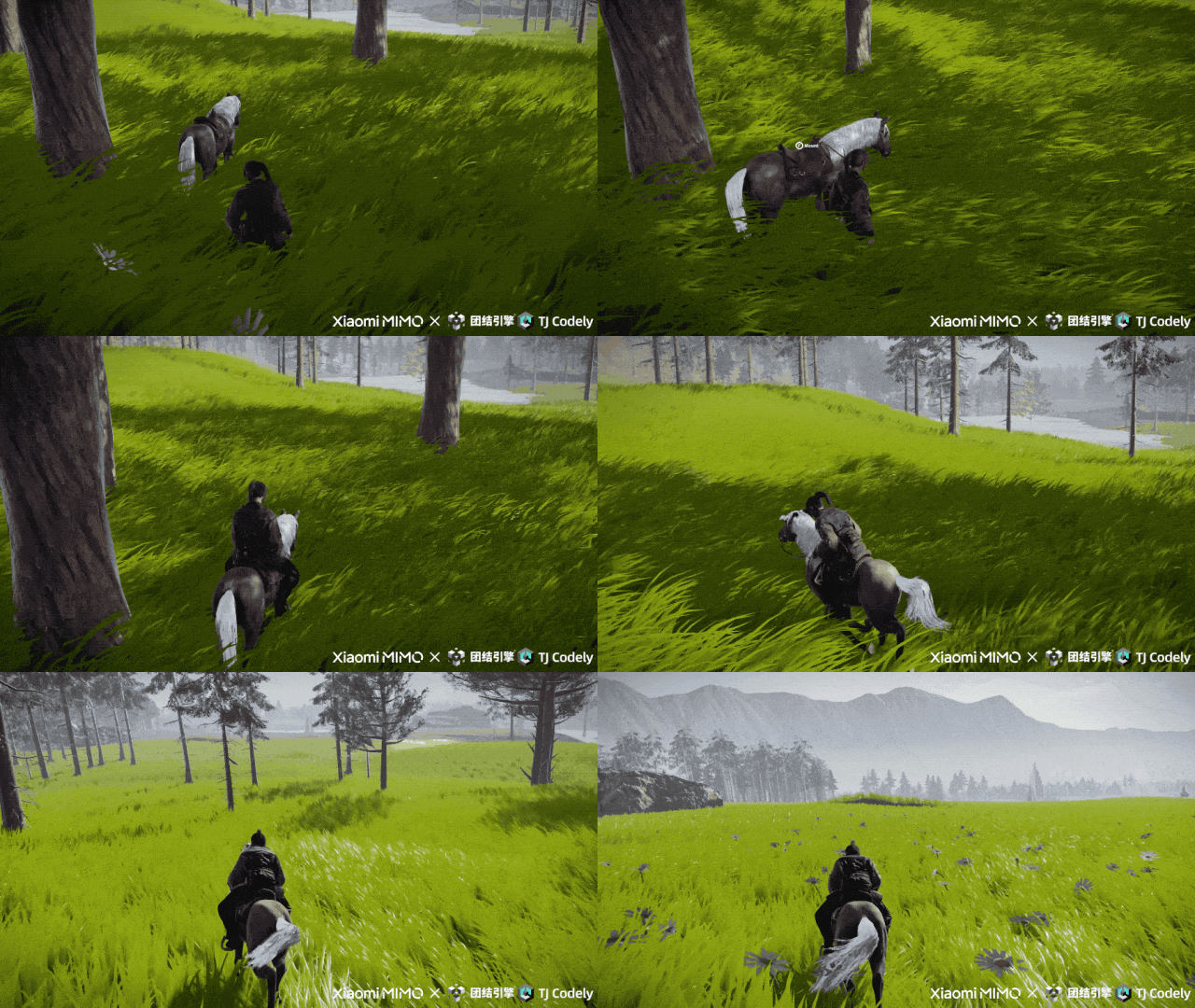
In embodied simulation, it can read multi-view images and control the Franka Panda robotic arm to complete grasping, color matching and precise placement.
In terms of design and content production, the model can generate web pages or slides from a single requirement, call Figma, image and video generation tools to supplement materials, and continue to complete shot organization, animation, soundtrack and narration;
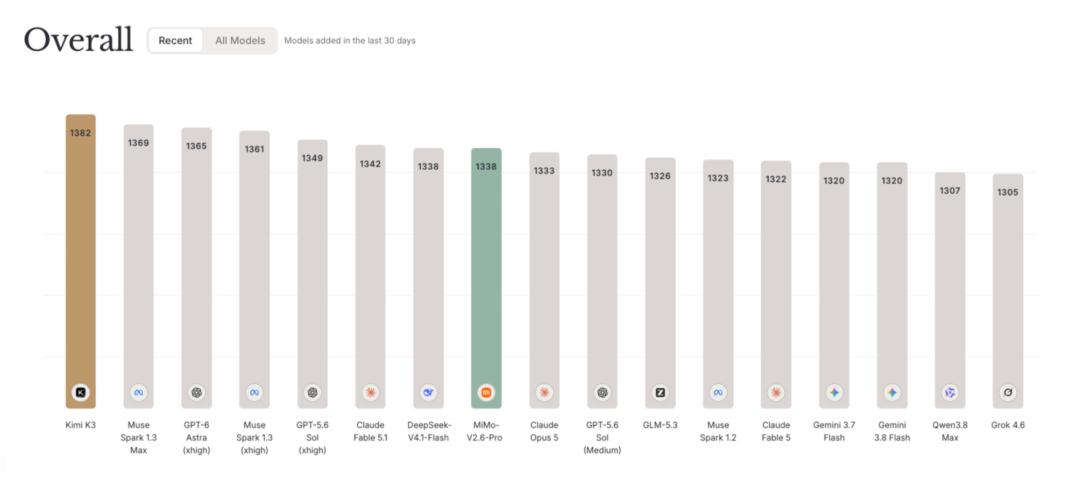
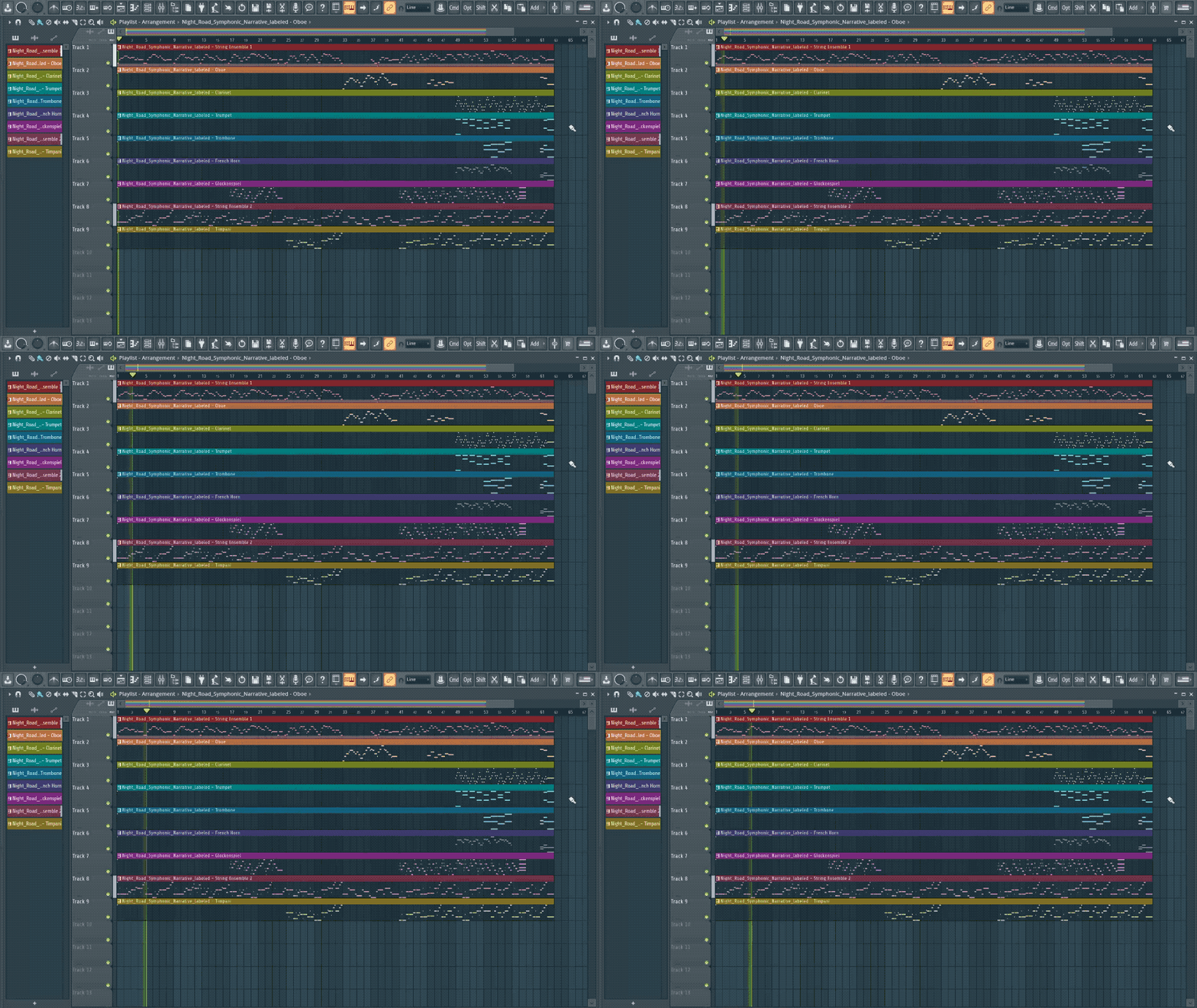
In music cases, it composed orchestral music for about ten musical instruments, generated scores and converted them into MIDI.
MiMo-V2.6 also demonstrated two scientific research cases, emphasizing that the model has not received special reinforcement learning training for scientific research tasks.
Under the guidance of material experts, MiMo-V2.6-Pro completed the retrieval, hypothesis, simulation and candidate screening of PFAS adsorption materials, and also assisted researchers to formalize the main theorem of "Period Three Implies Chaos" with Lean 4. The final project has more than 6000 lines of code and passed kernel verification.
From building game scenes to assisting scientific research, MiMo-V2.6 shows the potential of handling complex tasks.
However, to make these capabilities move out of case demonstrations and enter daily work, developers still need to consider two practical issues: whether the model is convenient to call, and whether the cost of long-term use is affordable.
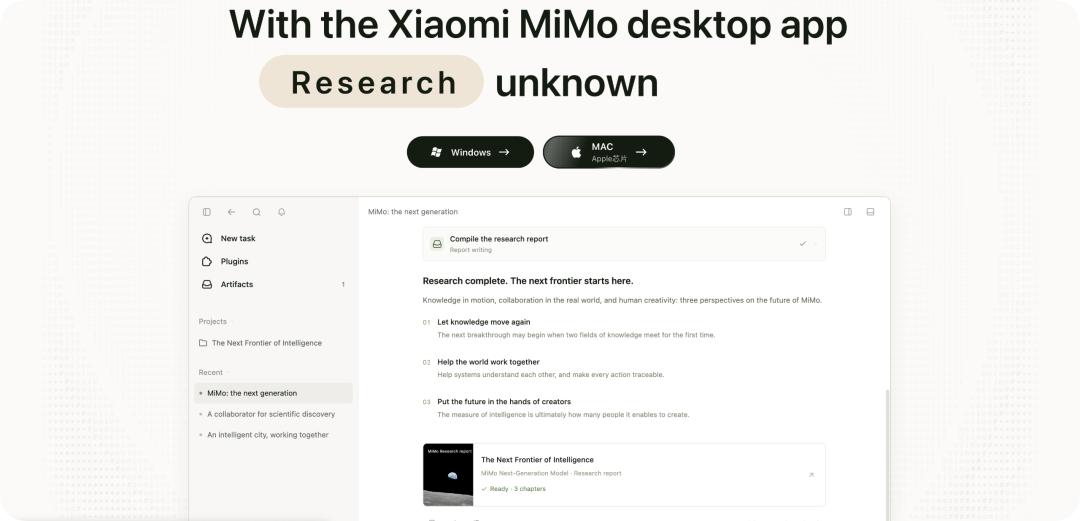
MiMo-V2.6-Pro and MiMo-V2.6-Flash have now landed on Xiaomi AI Studio, MiMo Code, MiMo Desktop, MiMo API platform and OpenRouter. MiMo Desktop has also ended the early test and ushered in its first official version.
Apart from model capabilities, Xiaomi's more aggressive bargaining chip this time is still price.
The prices for Flash's cache-hit inputs, regular inputs and outputs are 0.02 yuan, 1 yuan and 2 yuan per million tokens respectively; those for Pro are 0.025 yuan, 3 yuan and 6 yuan respectively.
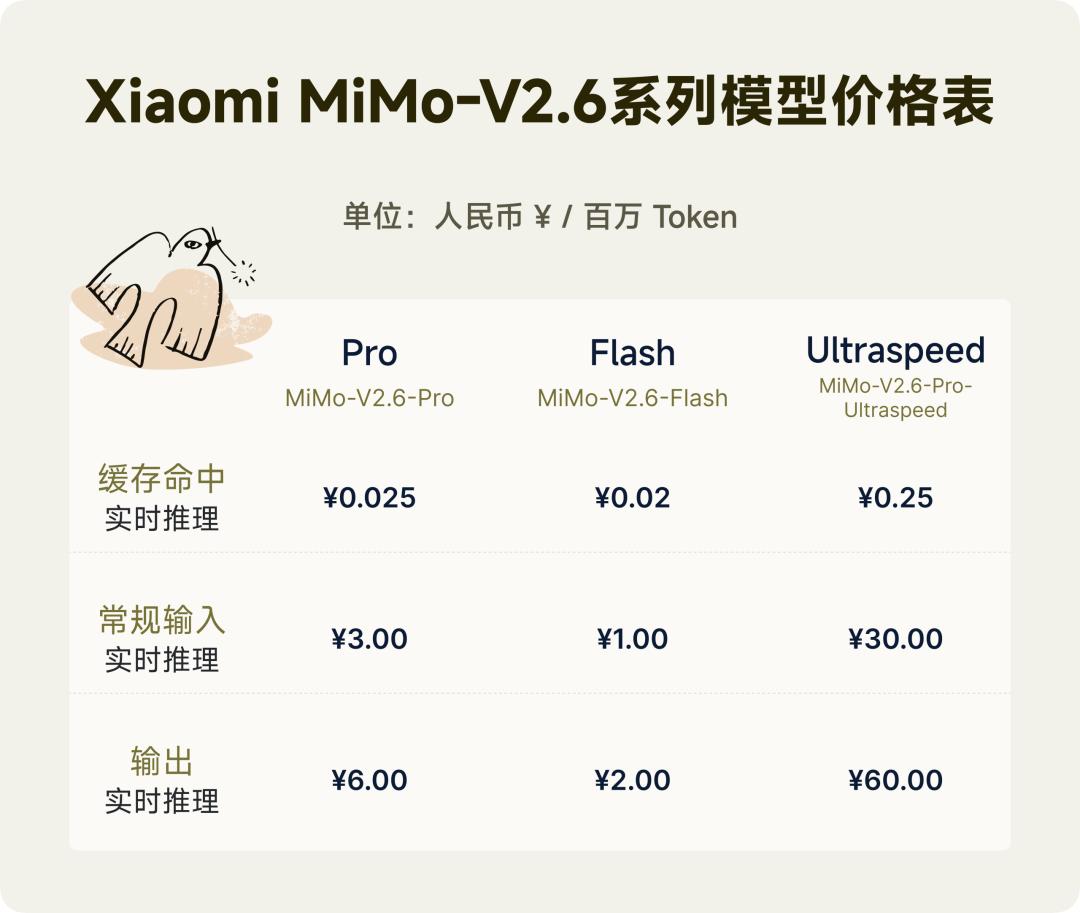
Developers pursuing response speed can also choose Pro-Ult