From the "World Factory" to the "World Hospital", are hordes of foreigners coming to China to receive anti-cancer treatment?
Over the past decades, for critically ill patients around the world, the most desperate moment often unfolds like this: doctors call family members to the corridor, lower their voices and say, "The domestically available treatment options have been almost exhausted, why not... fly to the United States to try the most expensive new therapy?" Then comes selling houses, taking on debts, and crowdfunding, the whole family holds the translated medical records, takes all the money they scraped together after spending every penny they have, and flies to the distant North American continent.

Nowadays, such stories of flying across borders for medical treatment are still continuing, but the destination has become China, and the plot of spending all family fortune just for treatment has been erased.

01 China, the last hope for patients worldwide
According to the 2025 Annual Report on Foreign-related Medical Services released by the National Health Commission, in the whole of last year, key foreign-related hospitals across China received a total of 1.28 million international patient visits, with revenue in the first three quarters exceeding 800 billion yuan, up 73.6% compared with three years ago. The number of patients coming to China purely for medical purposes reached 413,000, and a boom of China's medical tourism is quietly rising.
A large number of foreigners among them are pinning their last hope on China.
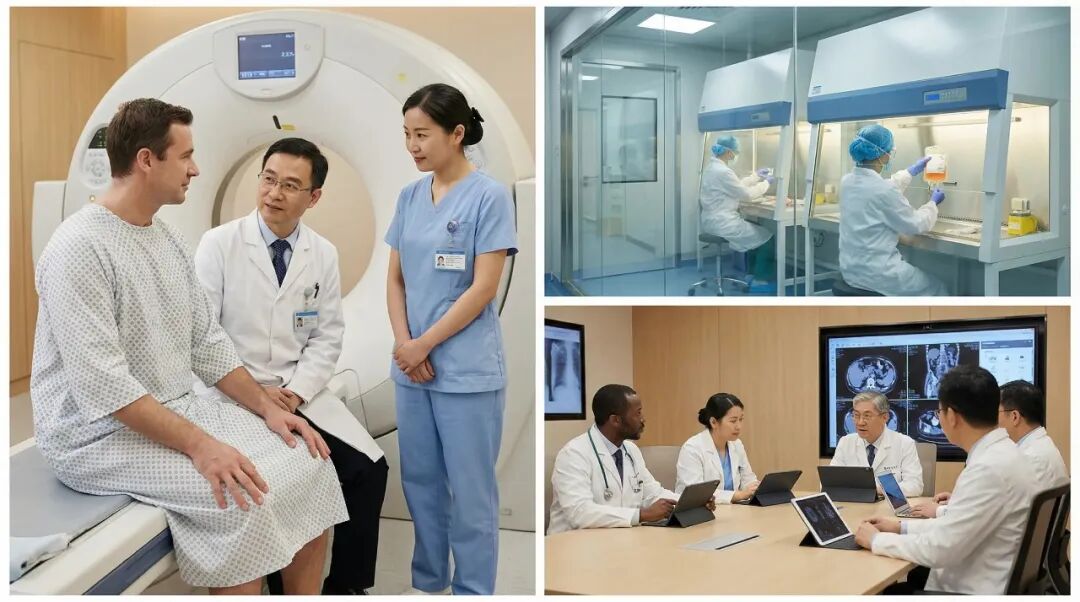
A few days ago, The Wall Street Journal reported a real case: a 25-year-old young man from New Zealand, Michael Walters, was diagnosed with non-Hodgkin's lymphoma right after graduating from university. It is a malignant tumor originating from lymphocytes and belongs to hematological system diseases. Walters received several rounds of ineffective chemotherapy, radiotherapy and immunotherapy, but there was no satisfactory effect, and his condition continued to deteriorate.
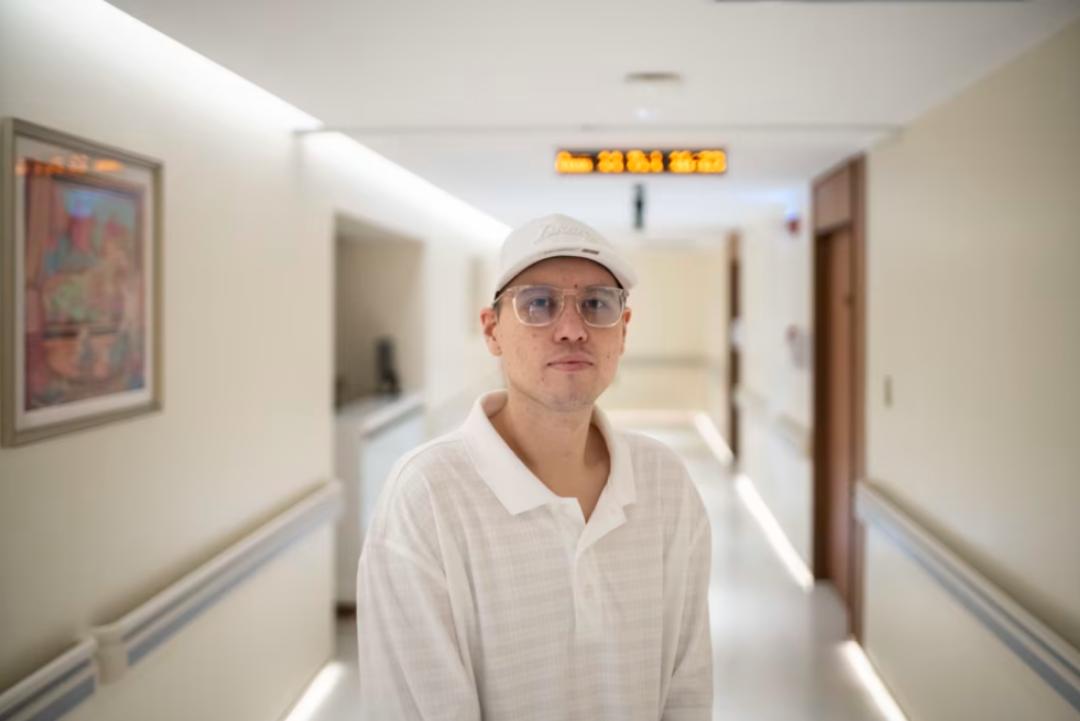
Local doctors were at a loss what to do, and could only tell him that the overseas CAR-T therapy might have miraculous effects, suggesting that he go to places with more advanced medical technology for a try. Walters consulted everywhere for survival, hospitals in the United States and Australia said they could accept him, but quoted a sky-high price of 600,000 US dollars, which for the young man who had just stepped into society was no different from a death sentence.
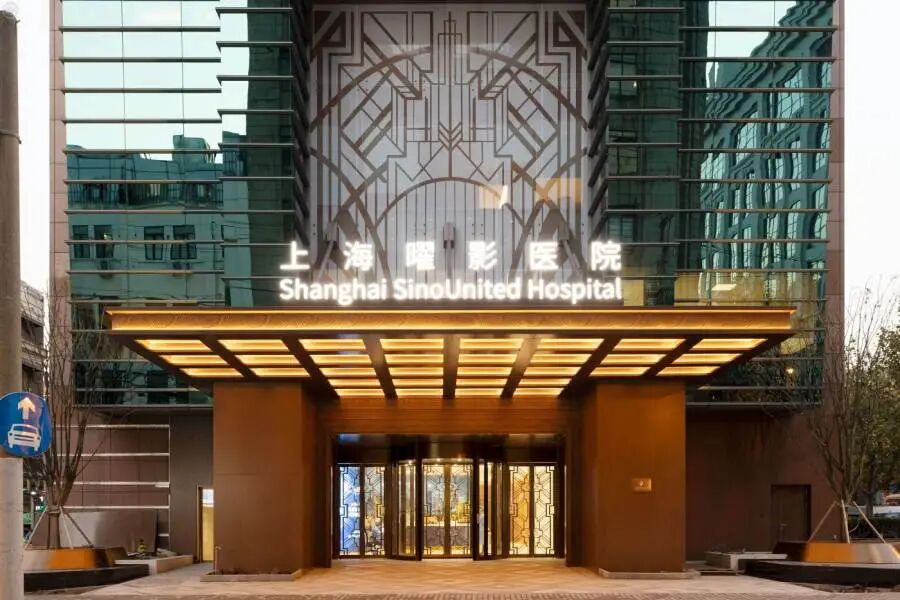
In the end, China gave him the chance to live. Shanghai's SinoUnited Hospital offered a quotation less than half of that of its Western counterparts. Walters decisively flew to China for treatment. On August 18, the doctor solemnly informed him of the good news that CAR-T therapy had successfully pushed his lymphoma into a complete remission state.
Walters, who got a new life, said, "I feel more grateful for life. If this was ten or fifteen years ago, I wouldn't have had this choice."
There are many many such examples. In 2017, American Craig Chase came to China for medical treatment. He had relapsed/refractory multiple myeloma. In the United States, he had received multiple rounds of traditional chemotherapy and autologous stem cell transplantation, but none of these treatments could control his condition. Later, introduced by American doctors, he came to China and received six weeks of CAR-T therapy. When he returned to the United States for further examination, there was no trace of myeloma left. He became the first foreign patient to be successfully treated for cancer with CAR-T in China.
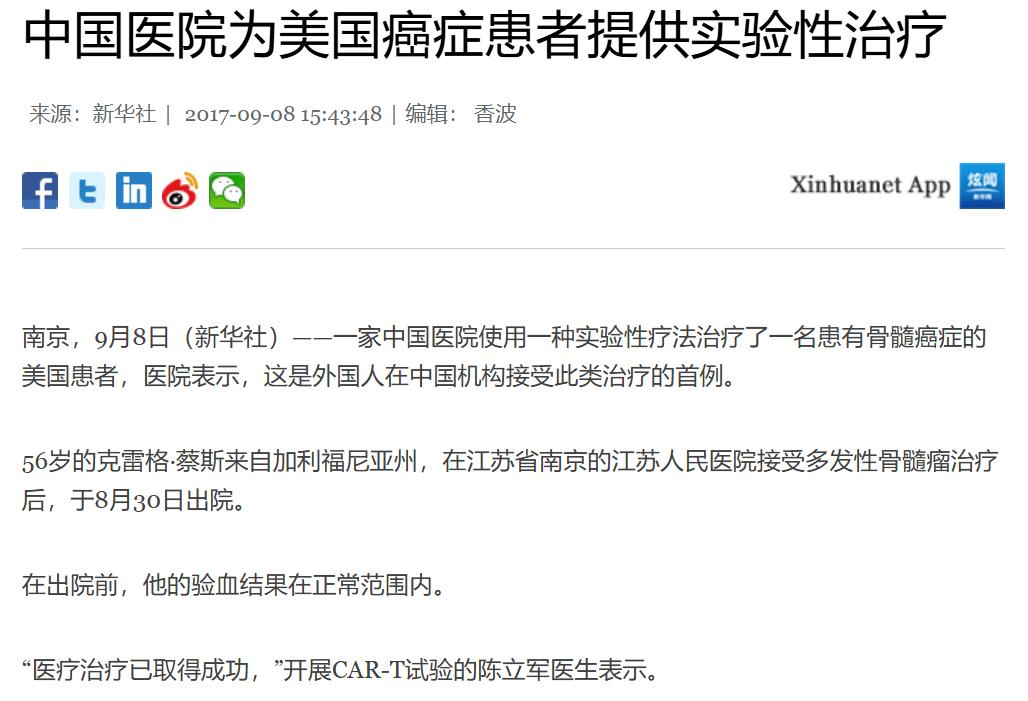
Xinhua News Agency
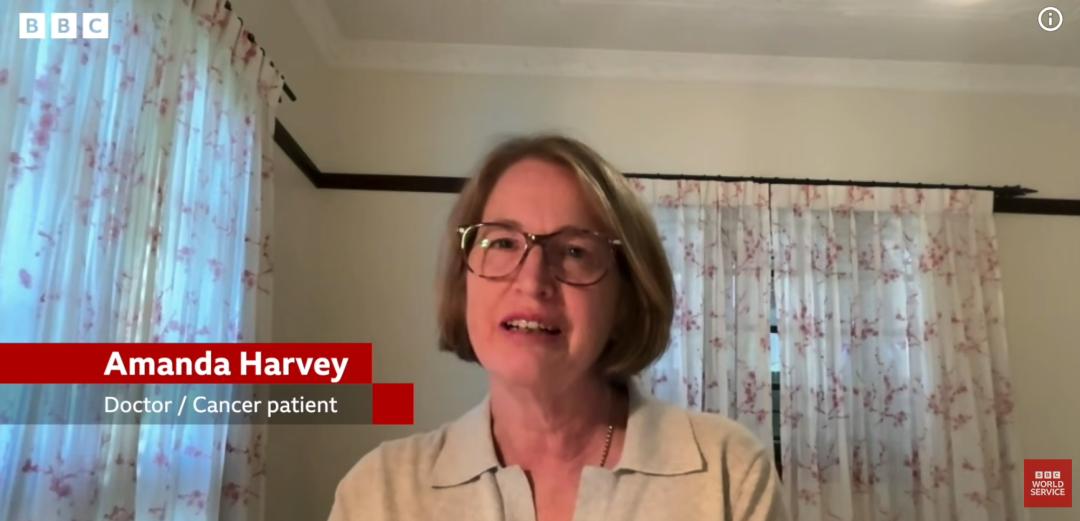
Amanda Harvey, an Australian doctor and patient, Amanda Harvey, was diagnosed with multiple myeloma 7 years ago. She has a degree in cytopathology and is well aware of the limitations of conventional treatment, so she wanted to save herself with the new CAR-T therapy, but the quotations from the UK and the US were too high, equivalent to nearly 5 million yuan under the condition that the treatment went completely smoothly. If unexpected situations such as complications occurred, the cost would rise sharply further, and she would spend all her money even if she was cured. In 2025, she came to China for treatment, and all the costs added up to 520,000 yuan. When Amanda underwent bone marrow aspiration examination again, the results showed that no myeloma cells could be found.
From the perspective of both a peer and a patient, she spoke highly of Chinese doctors: "Absolutely efficient", "Very straightforward".
BBC
According to the CEO of SinoUnited Health, since the hospital started providing CAR-T in 2023, it has treated about 30 patients from 12 countries, most of whom are now cancer-free. Many of them were referred from top US clinics such as Mayo Clinic and Johns Hopkins Hospital. Either they cannot afford the high treatment costs abroad; or their condition is progressing rapidly and they cannot afford the long queuing time; another part of them is that the therapy they need can only be provided in China all over the world.
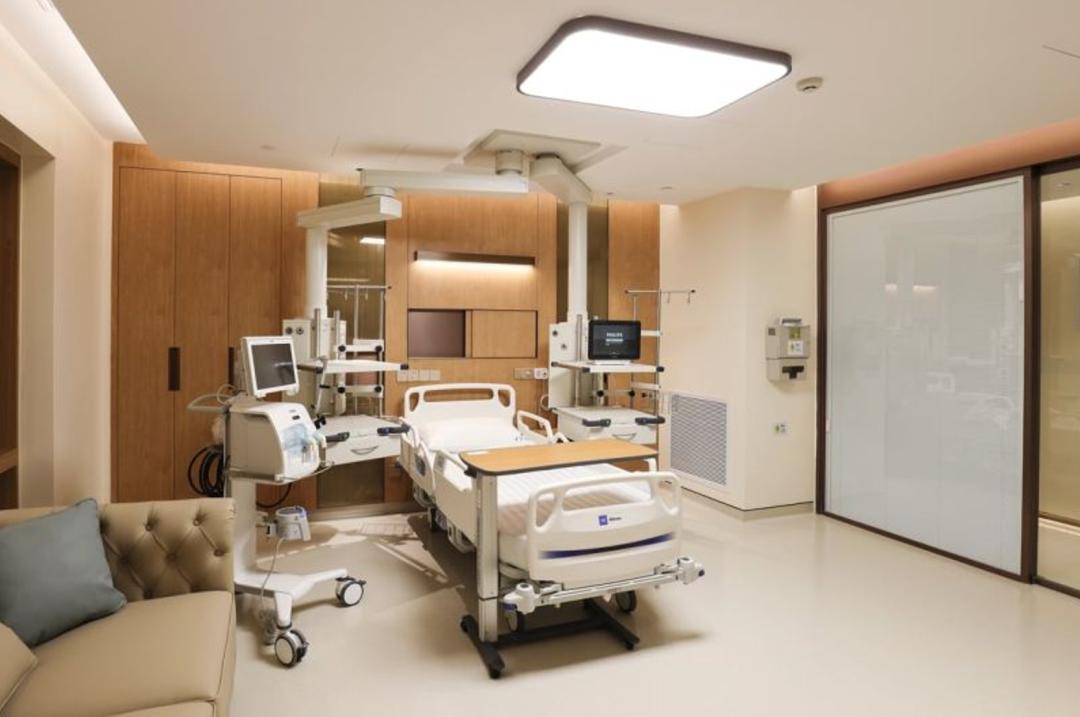
For the same CAR-T, the price in Chinese hospitals is mostly only one third of that in the United States. Depending on the type of targeted cancer, the price of some can even reach one tenth, which greatly reduces the economic burden of patients.
Moreover, the treatment speed of Chinese hospitals is extremely fast. In Western countries, it usually takes a long time to get a treatment quota, several months is already very short, and after the quota is arranged, it takes several more weeks to prepare. In China, the reagents required for CAR-T preparation can be completed in as fast as only 8 days, which is a lifesaver for patients whose condition is deteriorating rapidly.
02 Sky-high CAR-T
So, what on earth is this frequently mentioned CAR-T therapy?
Simply put, T cells are the immune warriors in your body, which are mainly responsible for eliminating abnormal or infected cells and regulating immune balance. But cancer cells are very cunning, they will disguise themselves so that T cells cannot recognize them, so T cells cannot fight cancer naturally.
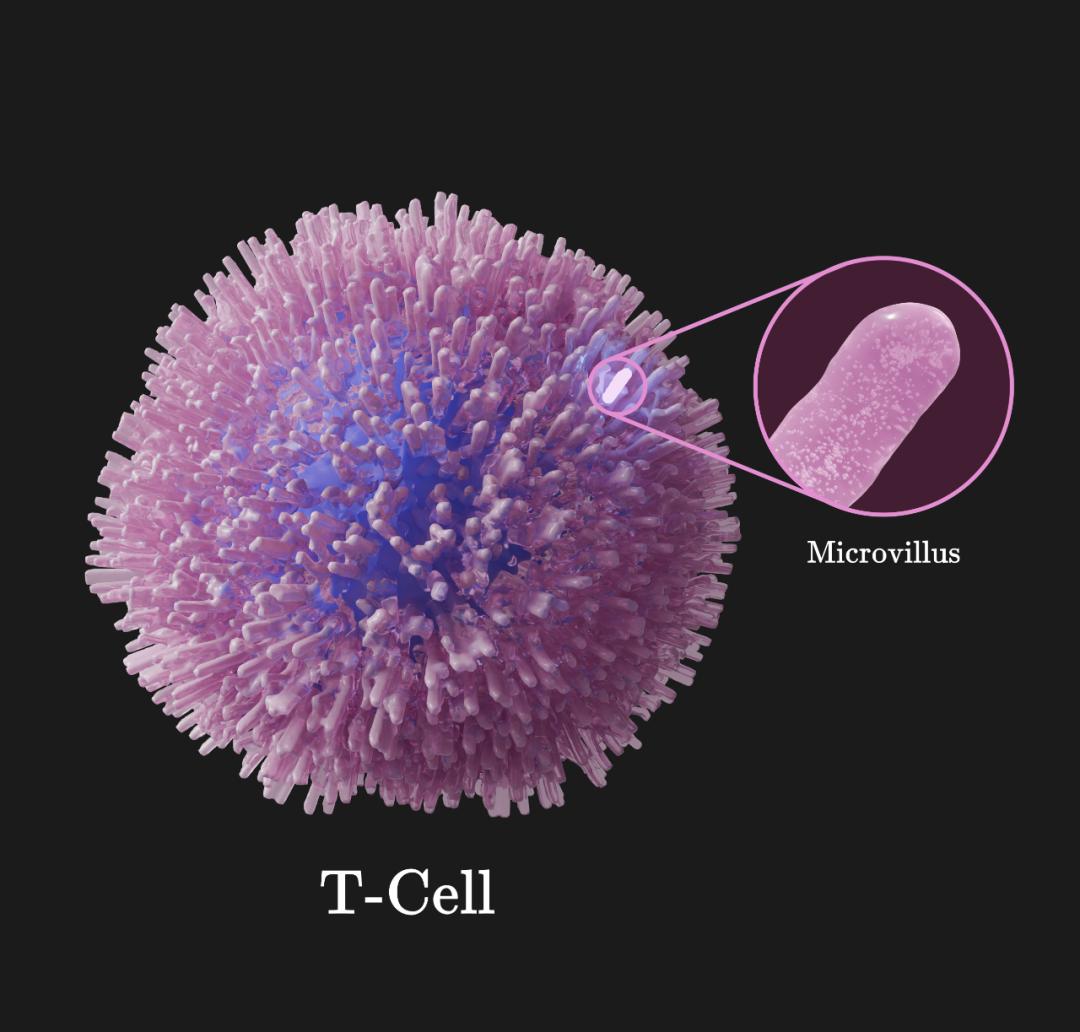
So scientists came up with the idea of extracting human T cells, and inserting a section of artificially designed gene into the T cells in the laboratory. This gene will direct the cell surface to grow a chimeric antigen receptor called CAR — you can understand it as a set of new eyes plus an attack instruction, which is specially used to identify a certain marker on the surface of cancer cells. Then comes troop expansion, allowing these T cells equipped with navigation to divide wildly in vitro, expanding from millions to hundreds of millions to ensure sufficient troop strength.
Finally, this army is transfused back into the patient's body, and they will chase and kill cancer cells in the body. Moreover, they will survive for a long time and continue to divide, which is equivalent to leaving a resident patrol team in your body to continuously suppress cancer cells.
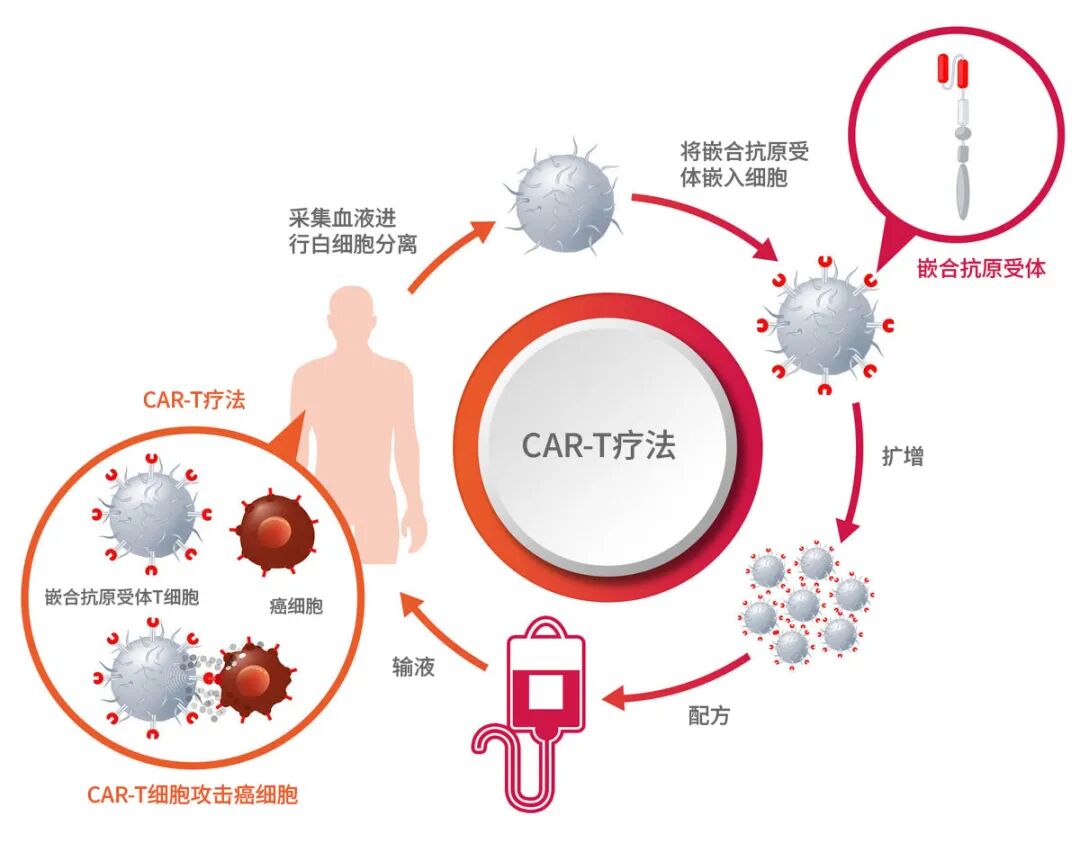
Therefore, the industry calls it "living drug". Other drugs are chemical molecules that disappear after being metabolized by the patient, and need to be continuously ingested to maintain the effect; this thing is alive and will continuously proliferate in the body on its own.
In the development process of CAR-T, the strong pharmaceutical research capability of the United States has played a vital role in promoting it. Teams from the University of Pennsylvania and the Sloan Kettering Cancer Center solved the crucial "T cell death problem". They installed the so-called "co-stimulatory factors" on T cells, allowing them to survive in the patient's body for a long time and replicate wildly instead of undergoing rapid apoptosis, so as to have therapeutic effects and lay the technical foundation for all CAR-T drugs and therapies today.
In 2012, the US scientific research team injected experimental CAR-T cells into little girl Emily, who suffered from acute lymphoblastic leukemia and had relapsed twice. After receiving the new therapy, she recovered miraculously, and the news caused a sensation all over the world.

In 2017, the US FDA approved Kymriah, the world's first CAR-T cell immunotherapy drug developed by Novartis, for the treatment of acute lymphoblastic leukemia in children and young adults, marking that humanity has officially entered the era of practicality and commercialization of cell therapy.
But then again, the innovation capability of the United States can solve the problem of availability, but cannot solve the problem of price.
CAR-T is good, but it is really expensive. Traditional drugs, such as small molecule targeted drugs or antibodies, can be produced on a large scale in factories after the technical breakthrough is completed. Even if the pre-research investment is huge, the cost can be shared and the price can be reduced through the scale effect. However, CAR-T is an autologous immune cell therapy. You must first extract T cells from each patient, carefully transport them to the laboratory for genetic modification and quantity expansion, and then transport them back to the hospital through cold chain for transfusion back to the same patient. This means that one patient is one independent production line, and each portion of CAR-T is a specially customized drug, which is difficult to reduce the cost per patient through mass production.
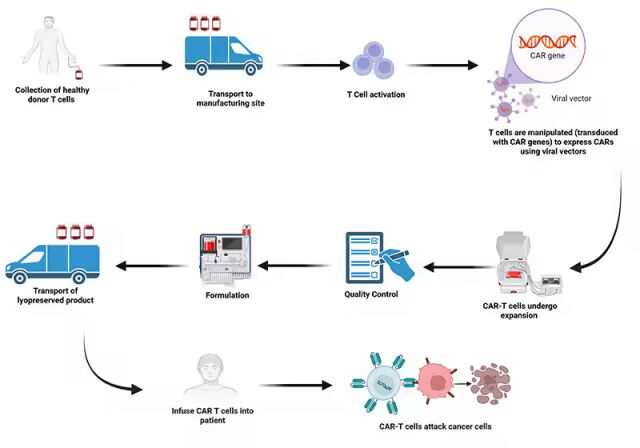
In the stage of genetic modification of T cells, lentivirus or retrovirus vectors need to be used to implant the "target coordinates" into T cells. Due to the extremely high preparation standards for clinical-grade special viruses, the cost shared by each patient for this raw material alone can be as high as tens of thousands to hundreds of thousands of US dollars. In addition to genetic modification, the collection and isolation of T cells, in vitro quantity expansion, and the freezing and transportation of preparations in CAR-T therapy are all high-cost links that require precise control and special equipment, which will consume at least 200 hours of skilled labor. The entire manufacturing process may take up to 25 days, and if any link goes wrong, the whole batch of T cells can only be scrapped.
