Is a Spanish brand with a history of more than 70 years about to be axed by Volkswagen?
Let me ask everyone a question: is it really necessary for automakers to run so many brands?
Take Geely for example. Before the "Taizhou Declaration", brands including Geely, Galaxy, Geometry, and Lynk & Co were all competing at the same price range. Their combined sales volume was even lower than that of BYD alone, while their marketing expenses were astonishingly high, forcing the group to carry out a major integration eventually.
Similarly, SAIC has merged Feifan and Roewe, Changan has integrated Avatr and Deepal, GAC has established the Hyper Aion BU, and many other car groups have followed the same path.
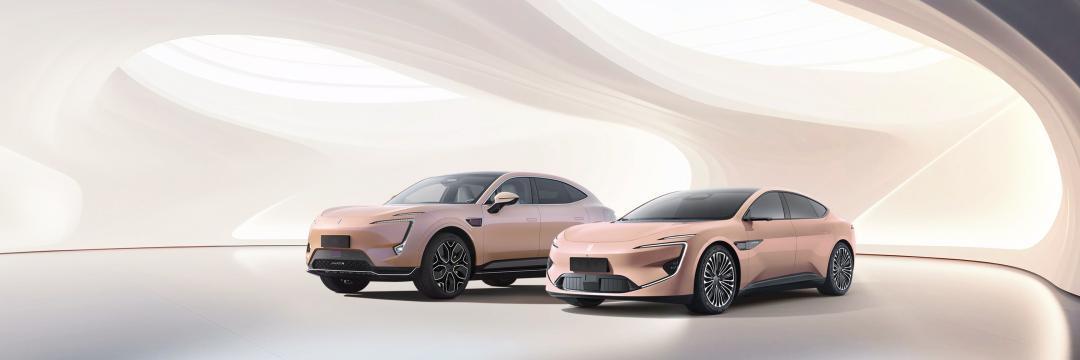
In fact, in recent years, it is obvious to all that the automotive industry is increasingly leaning toward integration rather than continuous expansion. This indicates that the era of "having more children to win fights" may have truly come to an end.
Even today, this logic has spread overseas. As a parent with more than a dozen brands under its umbrella, Volkswagen has also reached the moment to make a choice. After all, no one wants to keep losing money to support unprofitable brands, right?
The most endangered one is likely a 70-year-old Spanish brand — SEAT.
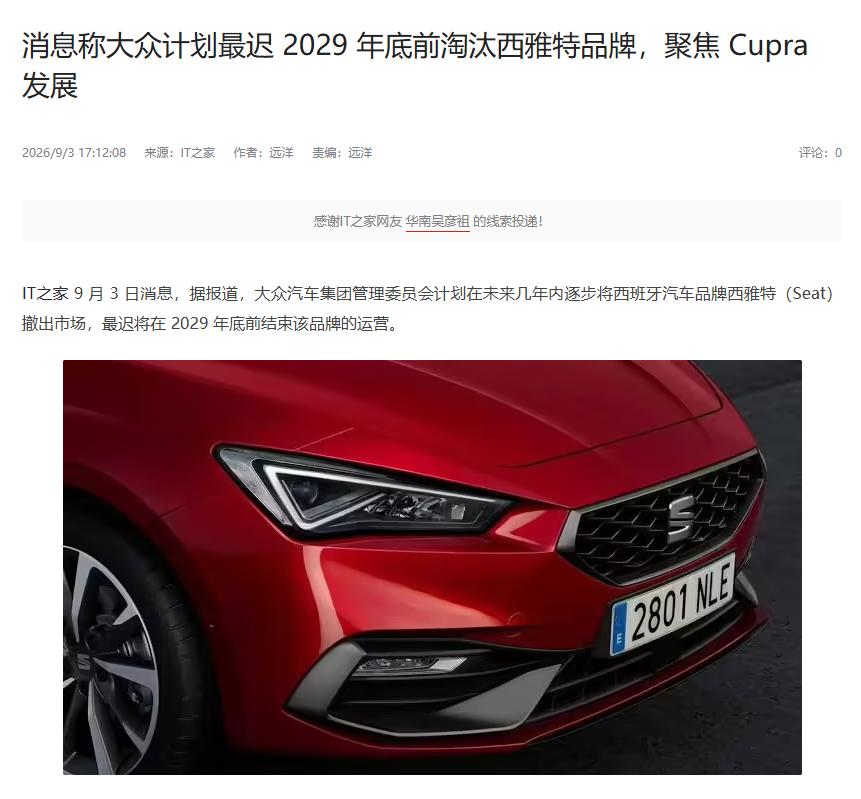
According to media reports, the Volkswagen Group Management Board plans to gradually withdraw the SEAT brand from the market in the next few years, and cease the brand's operations no later than 2029.
Wait, who exactly is this brand anyway?
Ahem, I guess many readers who have heard of the SEAT brand must be long-time car enthusiasts.
SEAT's presence in China can be traced back to at least 2011, when it officially entered the Chinese market at the Shanghai Auto Show, positioning itself as a young, sporty brand featuring "Spanish flair".
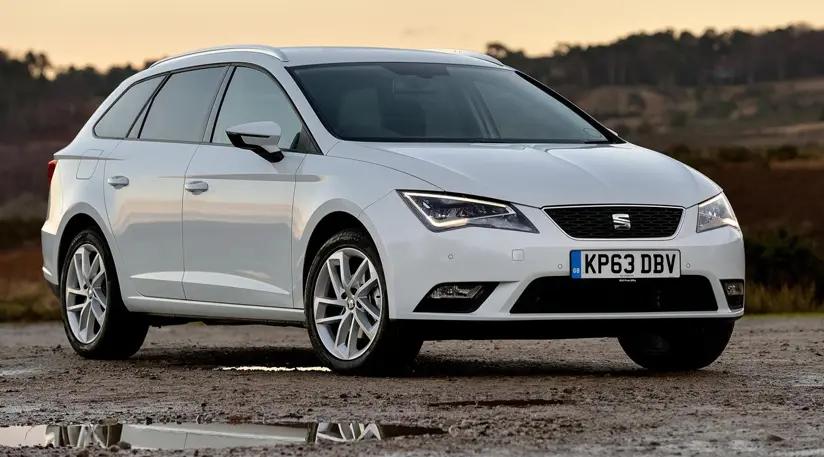
For example, its flagship model LEON can be simply regarded as a more extreme version of the Golf GTI.
In terms of dimensions, it is roughly equivalent to the Golf GTI, both built on the PQ35 platform and equipped with the EA888 engine. But the LEON has a much sharper design and a stiffer chassis, and its CUPRA version is a representative of top-level performance.
Sounds pretty good, right? But domestic consumers back then did not show much interest. As an imported model, the LEON had a price tag of nearly 300,000 yuan, plus the cheap-looking plastic interior texture, which turned away a large number of potential buyers.
In addition, the brand name that shares the same pronunciation with the Chinese word for "seat" made it almost completely unknown in the Chinese market. Two years after its entry, SEAT's total sales in the country only reached around 3,000 units, and it could not sustain its business in 2014.
Later in 2018, SEAT once had a chance to make a comeback through JAC Volkswagen, but the plan was changed. After JAC Volkswagen was renamed Volkswagen Automobile (Anhui), the plan was never mentioned again.
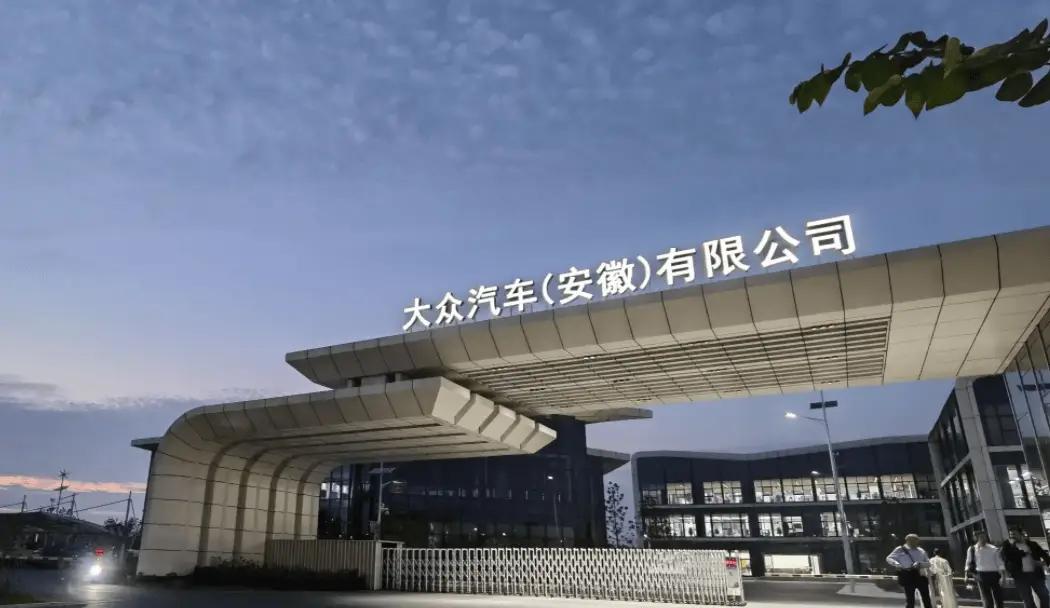
So it is totally normal that many people do not know this brand.
However, the situation is completely different overseas. Although SEAT has not launched new models since 2020 and its sales have been declining, it still has a solid user base. Its delivery volume reached 257,400 units in 2025, equivalent to around 20,000 units sold per month.
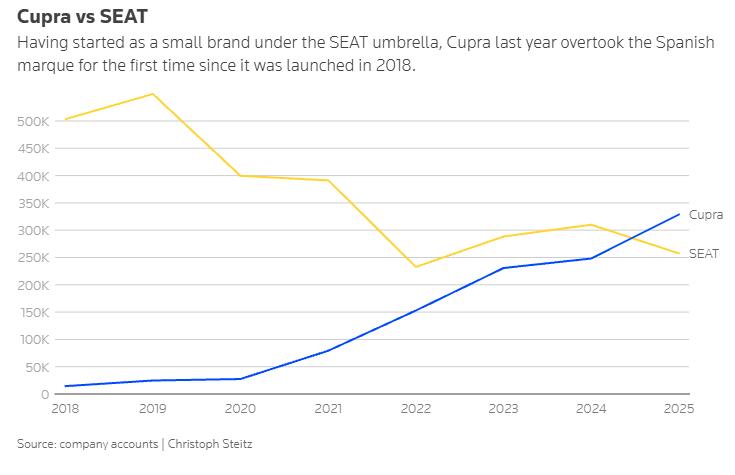
For example, in Spain, SEAT is a national-level brand. After all, you can hardly name any other Spanish car brand besides it.
Although SEAT was just a contract manufacturer for Fiat in Spain at the very beginning, after it was acquired by Volkswagen in 1986, it gradually became the German car brand with the most Southern European flair, and gained widespread popularity across Europe.
Hot hatches like Ibiza and Arona are very well received, with affordable prices and stable sales performance.
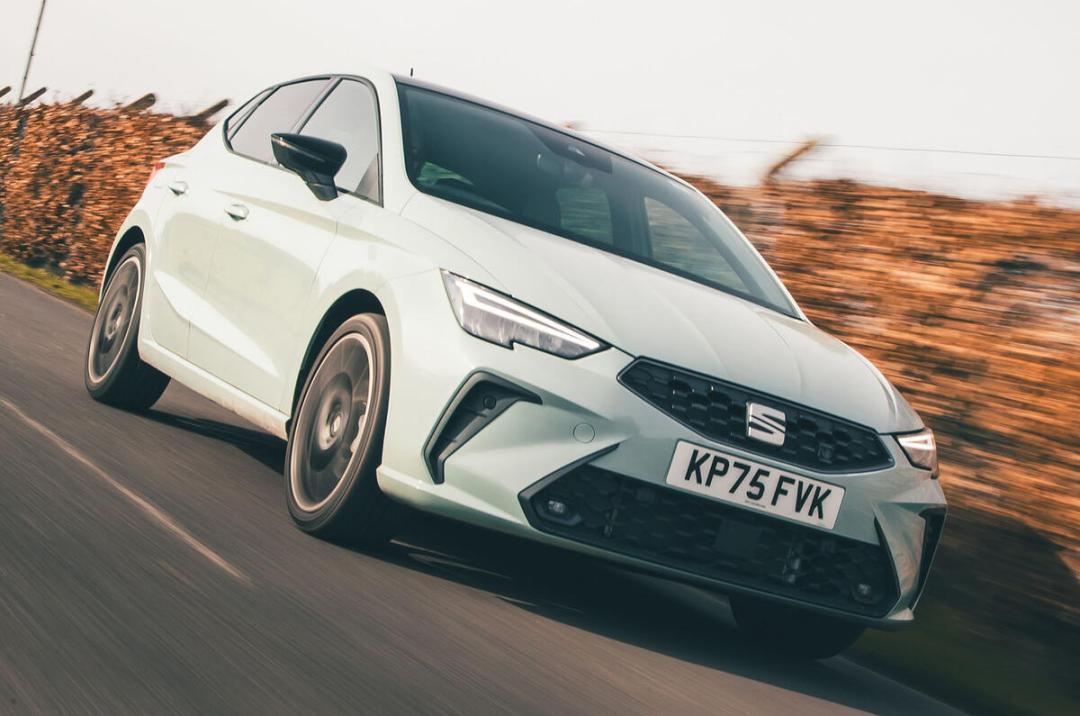
Then why does Volkswagen decide to phase out this brand?
One important reason is exactly the "too many brands" issue mentioned above. Although SEAT delivers decent sales performance, its positioning within the Volkswagen system is rather awkward.
In Volkswagen's original plan, Skoda was positioned as an economical and practical brand, Volkswagen itself was positioned as a mainstream and orthodox brand, while SEAT was designed to take a differentiated sporty route. But the real market situation never went as planned.
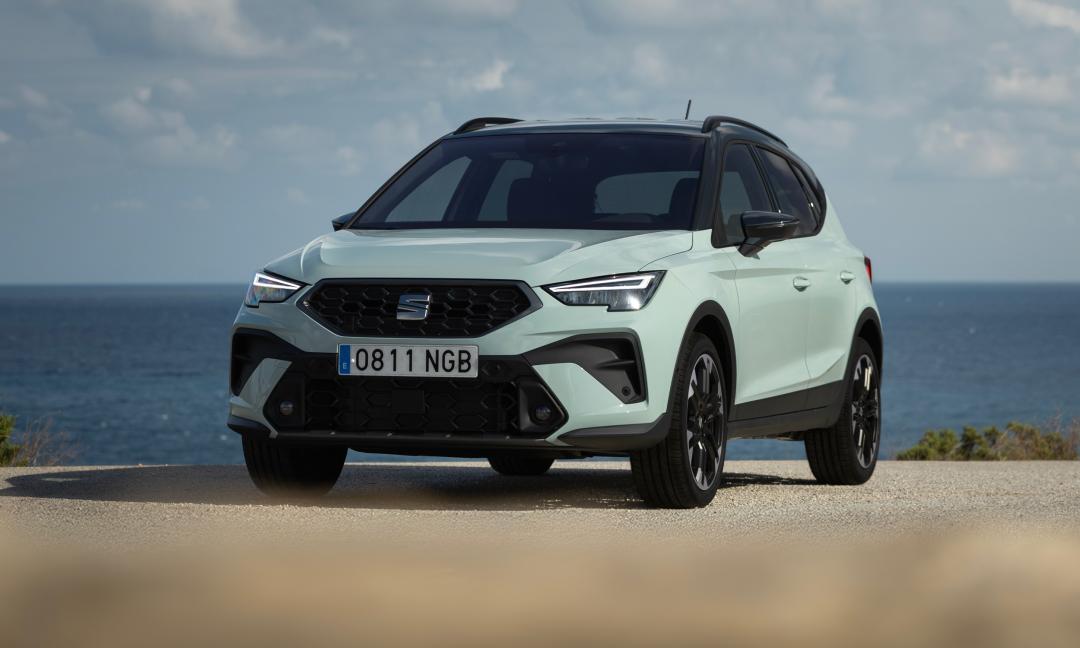
Because SEAT only installed higher-power engines and adopted sportier chassis under the same Volkswagen body shell, consumers could hardly find any unique features that make it stand out.
Its weaknesses are obvious: in terms of family usability, it cannot compete with Skoda which offers larger space at lower prices; in terms of brand premium, it is completely suppressed by Volkswagen's Golf and Polo models.
Eventually, small profits but quick turnover became the only viable profit model for SEAT, gradually turning it into a cheap version of Volkswagen, which makes its differentiated positioning meaningless.
On the other hand, as it drifted further and further away from its original brand tone, SEAT handed over all its sporty genes to its sub-brand CUPRA. Then the situation took a 180-degree turn: SEAT used to call CUPRA its subsidiary, but now CUPRA has become the dominant brand.
The word CUPRA is short for Cup Racing, which immediately brings the impression of race tracks. It was originally the symbol of SEAT's participation in the World Rally Championship (WRC), so SEAT's performance versions all use this name, such as the LEON CUPRA we mentioned earlier.
Although all its technologies come from Volkswagen, after the brand became independent, CUPRA made great efforts to distance itself from SEAT, and launched many original models such as Formentor, Tavascan and Terramar.
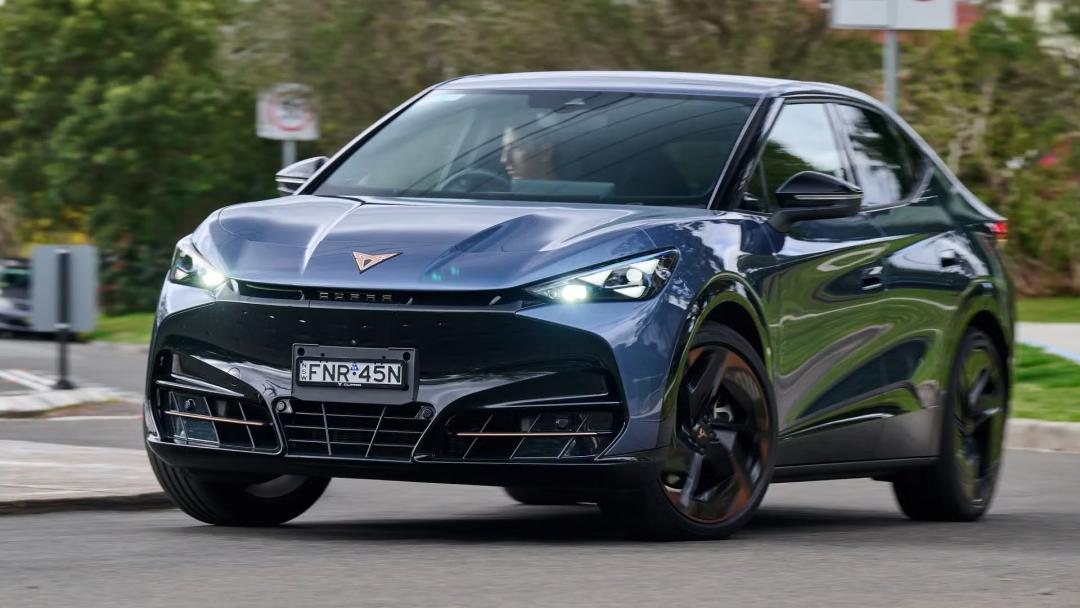
Its cool logo and design are completely different from the old-fashioned style of Volkswagen. To put it plainly, when consumers pursue sportiness, they do not only care about performance and chassis tuning, but also value the exterior design and interior texture, right?
So CUPRA took over the baton from SEAT and successfully built a high-end sporty brand tone, which makes SEAT completely unnecessary to exist.
Especially now, both SEAT and CUPRA are undergoing electrification transformation. CUPRA, which focuses on sporty positioning, may still maintain a certain brand premium, while SEAT itself is already losing profit, and it is inevitable that it will be completely defeated by Chinese brands in the market competition.
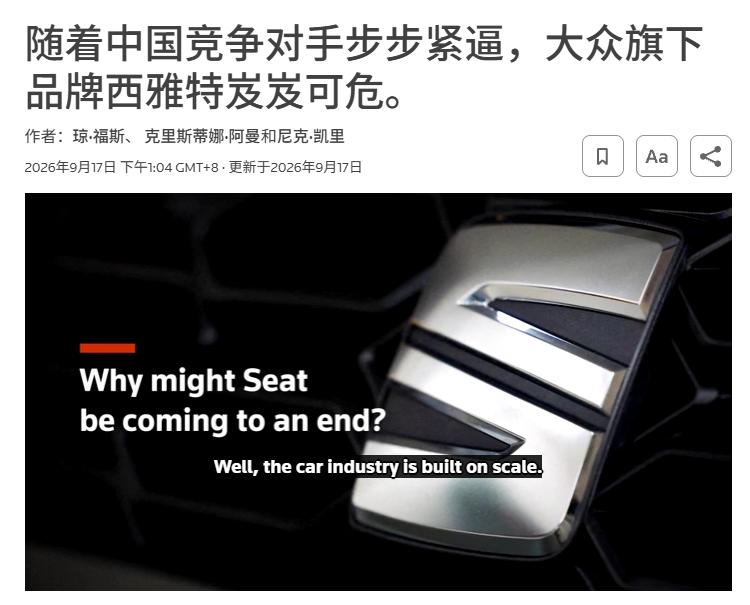
Continuing to operate SEAT will most likely lead to continuous losses, so it is a wiser choice to cut the loss in advance.
In fact, this relationship is very similar to Lynk & Co and Zeekr in China. Originally, in the 100,000 to 200,000 yuan market, Geely was positioned as an economical family brand, while Lynk & Co took a sporty high-end route. But Lynk & Co's sporty orientation did not bring it much brand premium.
Especially after the launch of the "Chinese Star" series, Geely also adopted the CMA platform and 2.0T engines, and even offered higher cost performance. As a result, no consumers were willing to pay a premium for Lynk & Co's unique positioning, and the brand even lost its own style for a period of time.
Later, Zeekr was born, and rebuilt the sporty brand positioning through new energy vehicles. Then Lynk & Co was caught in a dilemma: it could not create differentiated advantages at the low end, nor could it achieve brand premium at the high end.
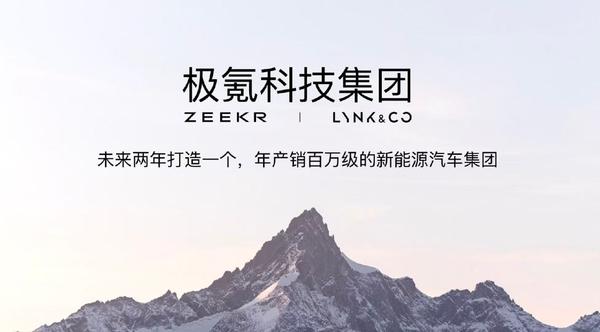
Up to now, the group has to carry out re-integration, and let Zeekr provide support for Lynk & Co.
Essentially, as market competition becomes increasingly fierce, the operating cost of independent brands keeps rising while the returns keep falling. Strategic contraction and resource integration are the long-term solutions.
Brands with little asset value may be completely merged, and brands that still have residual value will most likely integrate their production, sales and R&D systems to share resources.
To put it plainly, the false prosperity brought by "running too many brands" has come to an end. Only by concentrating resources can enterprises survive the elimination round in the automotive industry.
Image and data sources:
Volkswagen's Seat on the brink as Chinese rivals gain ground
Volkswagen may phase out Seat amid EV pivot, China pressure
This article is from the WeChat official account "X.PIN", author: TC, editor: Mianxian, published with authorization from 36Kr.