It is extremely difficult to make money by selling cars: the four new energy vehicle brands NIO, XPeng, Li Auto and Leapmotor (collectively known as "Wei Xiao Li Ling" in the Chinese market) have transformed into suppliers to seize business from Bosch and Huawei.
On September 21 Beijing time, Li Auto officially responded to the recent widely circulated news in the industry that it would supply self-developed technical products externally. Li Auto stated that it would externally export small chips such as the Maher chip and SiC modules that are easier for other manufacturers to adapt to, and denied the external supply of Li Auto's self-developed battery PACK, because such products are too highly customized.
So far, the four top new Chinese EV makers, Leapmotor, Xpeng, NIO and Li Auto, have all officially started supplying self-developed component products and technical services externally.
The new EV forces supply products and technologies externally mainly for two reasons:
1. It is extremely difficult to make profits by selling vehicles (the 26H1 financial report shows that among the four companies, only Leapmotor made a small net profit of 210 million yuan, while Li Auto posted a loss of 3.98 billion yuan, Xpeng a loss of 3.12 billion yuan, and NIO a loss of 860 million yuan), and the auto parts market is also an extremely huge market;
2. The years of high-intensity R&D investment of new EV forces have yielded results, and external supply is needed to amortize the R&D costs that the industry has long relied on sales volume to dilute.
There is another point that a technical alliance may be formed. This situation existed in the era of fuel vehicles, especially for engine technologies, automakers would also form technical alliances to share technologies, and the core reason is still to amortize R&D costs in the future.
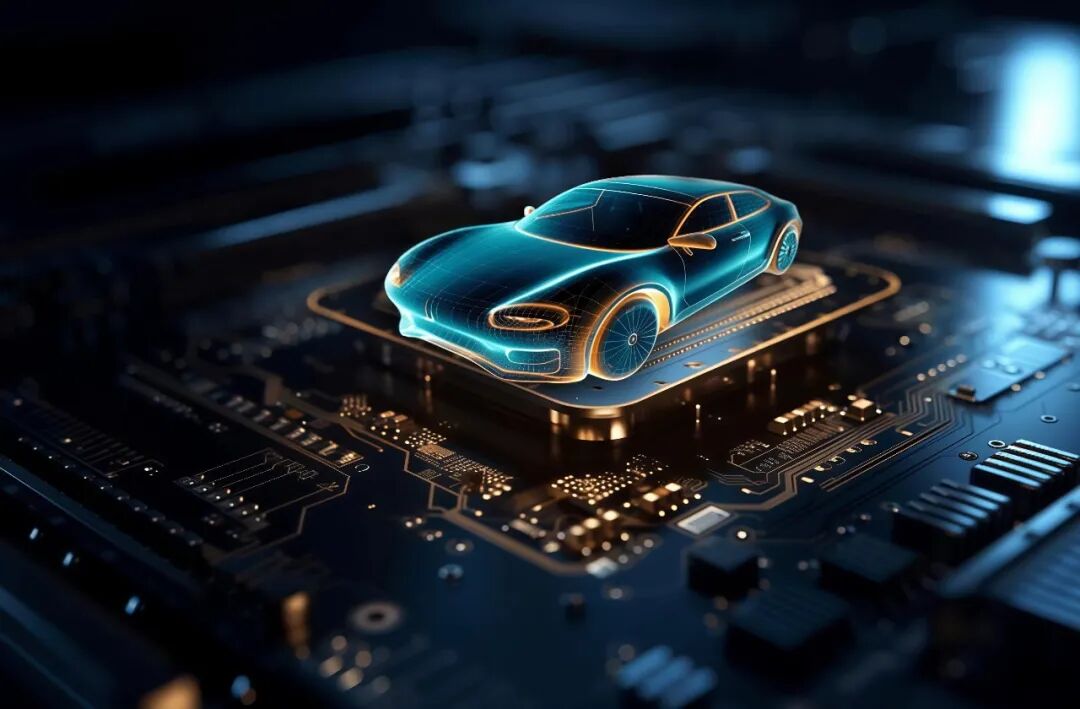
Against the backdrop of the major transformation of electrification and intelligence in the automotive industry, such opportunities are provided for new EV forces. They invested earlier and more resolutely in electrification and intelligence, and were recognized by consumers earlier, taking the lead over traditional automakers in these aspects. Under the survival crisis of continuously declining sales of traditional fuel vehicles, there is a foundation for traditional automakers to purchase electrification and intelligent components and technical services from new EV forces.
In fact, Tesla has always wanted to supply FSD and HardWare chips externally, but it seems that no automaker has adopted them so far.
Bosch and Huawei, these suppliers never expected that new EV forces would collectively become their competitors.
Among the new EV forces, Xpeng is the first to become a supplier and achieve remarkable results.
As early as July 2023, Xpeng and Volkswagen officially announced their strategic cooperation. Volkswagen invested 700 million US dollars to obtain a 4.99% stake in Xpeng, and Volkswagen will launch two B-class pure electric SUVs under the Volkswagen brand based on Xpeng's G9 platform, intelligent driving/cabin and other technologies;
In February 2024, Xpeng and Volkswagen signed a platform and software development agreement, and launched a joint procurement plan. Joint procurement can also help Xpeng reduce the problem of high procurement costs caused by corruption in the past;
In April 2024, Xpeng and Volkswagen signed the EEA electrical and electronic architecture framework agreement to jointly develop the CEA China E/E Architecture, which will be used for models on Volkswagen's CMP platform;
In August 2025, the cooperation between Xpeng and Volkswagen was further expanded. The CEA architecture is not only used for pure electric vehicles, but also extended to Volkswagen China's fuel, plug-in hybrid and other models. The cooperation boundary has been greatly expanded, and Xpeng's technologies and products have entered Volkswagen's traditional vehicle models, helping them complete the electrification and intelligent upgrading, so as to improve market competitiveness.
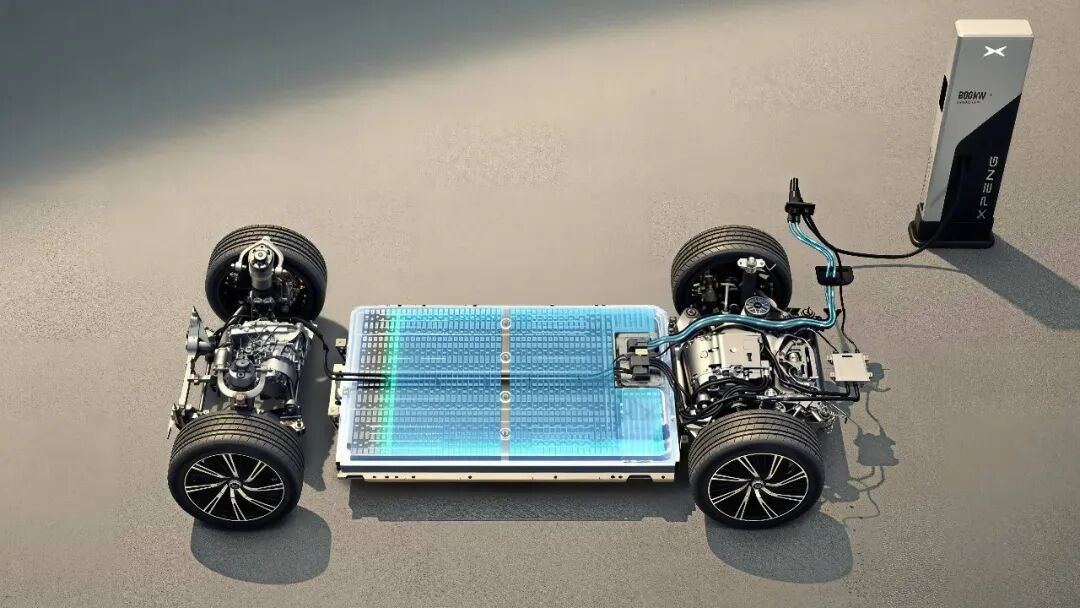
Volkswagen's cooperation has brought sufficient cash flow to Xpeng. Since Q1 2024, Xpeng has recognized revenue from cooperation with Volkswagen, which has continued to grow and is listed as "Services and Other Revenues" in Xpeng's financial reports. The vast majority of this revenue comes from the cooperation with Volkswagen. In H1 2026, this revenue reached 4.73 billion yuan, with a gross profit margin as high as 71.4%, while the gross profit margin of Xpeng's automotive business was only 12.1%, and the group's comprehensive gross profit margin reached 20.6%, which shows how much contribution the cooperation with Volkswagen has made!
The cooperation between Xpeng and Volkswagen started in July 2023, while the darkest moment of Xpeng's sales was October 2022, when only 5,101 vehicles were delivered that month. In the first half of 2023, the monthly sales volume was between 7,000 and 10,000 vehicles. The sluggish sales and continuous expansion of losses forced Xpeng to seek to provide technical services externally to make money to maintain R&D investment, and Volkswagen reached a cooperation with Xpeng under such circumstances.
Today, Li Auto has officially responded that it will supply components and technical services externally, becoming the last of the four top new EV forces to officially become a supplier.
In fact, Li Auto also encountered the same dilemma that Xpeng faced in those years this year.
At the beginning of 2025, Li Auto set a target of 700,000 vehicles for the year, but finally delivered 406,000 vehicles for the whole year, down 18.8% year on year. The MEGA recall caused a one-time loss of 1.17 billion yuan, making Li Auto's annual operating loss from mobility business reach 521 million yuan.
In H1 2026, Li Auto's financial report was extremely unsatisfactory. The delivery volume was only 193,000 vehicles, down 5.1% year on year; the attributable net loss reached 3.994 billion yuan. The gross profit margin of automobiles dropped significantly, which was only 6.1% in Q1 2026 and rebounded to merely 9.4% in Q2 2026. While Li Auto's gross profit margin at its peak exceeded 20%.
According to media reports, Li Auto launched a number of plans for external supply of core technologies after entering 2026. It has established corporate entities for some businesses to facilitate external supply, and also has plans to introduce external capital. Up to now, Li Auto has officially confirmed the external supply of Maher chips and SiC modules.
However, Li Auto directly launched its core Maher chips at the beginning, targeting current embodied intelligence companies to seek differentiated competition. After all, it is already too late.
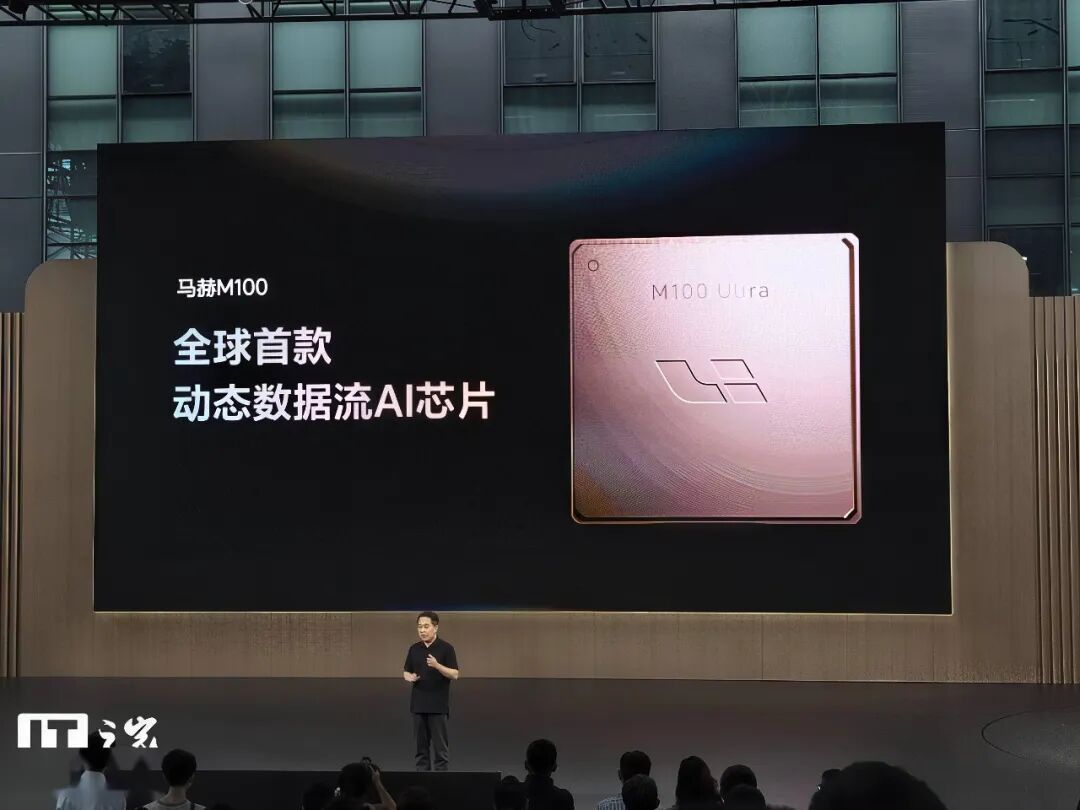
Li Auto's path is more similar to that of NIO. As early as June 2025, NIO spun off its chip business and established Anhui Shenji Technology Co., Ltd., and completed a financing of 2.257 billion yuan in February 2026, with a post-investment valuation of nearly 10 billion yuan. Li Bin stated at the financial report call that Shenji will generate several hundred million yuan of external revenue this year, and its high-level intelligent driving chips have started to contact external customers such as automakers, Robotaxi operators, and unmanned logistics vehicle operators.
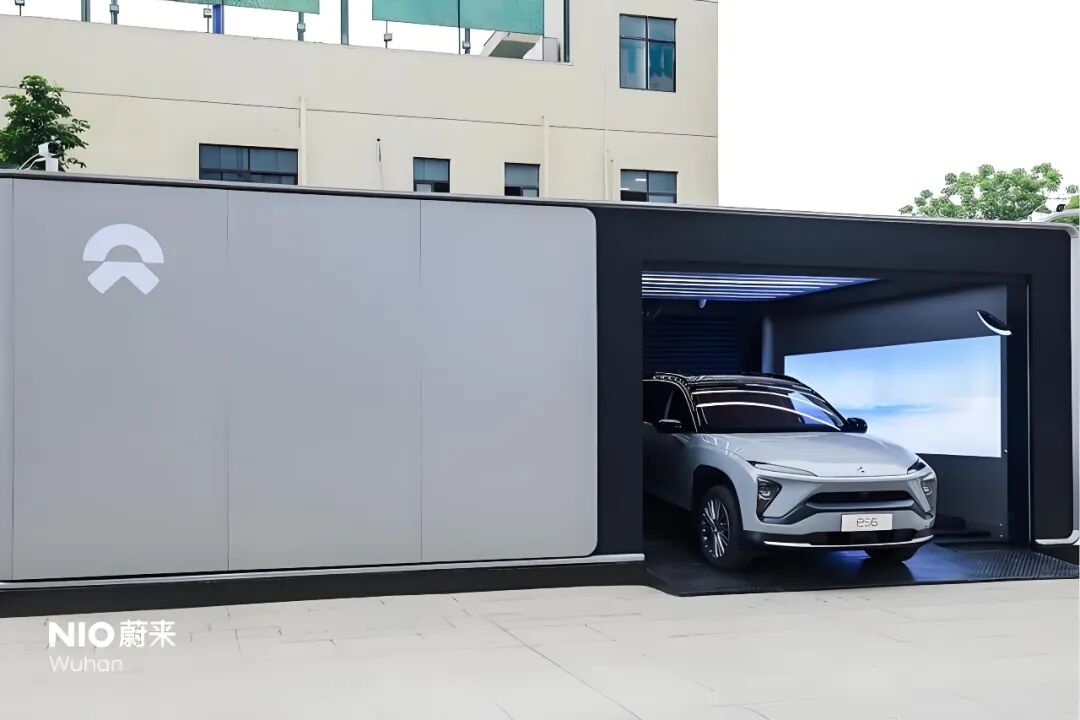
NIO not only launched chips, but also its core competitive advantage -- battery swapping. In August 2026, NIO Energy completed the asset delivery of the first batch of 36 cooperative battery swap and charging stations with Wuhan Optics Valley Transportation Group. All the assets of NIO's existing battery swap stations in Wuhan are fully owned by state-owned enterprises, while NIO Energy is still responsible for daily operation, maintenance and network scheduling; half a month later, NIO Energy delivered the first batch of 23 cooperative battery swap stations to Guangzhou Science City Group.
Leapmotor has long stayed outside the small circle of NIO, Xpeng and Li Auto in public opinion, but it has blazed a successful path relying on its own development characteristics.
In addition to its monthly vehicle sales surpassing that of NIO, Xpeng and Li Auto, and becoming the first Chinese new EV force single brand with monthly sales exceeding 100,000 units, Leapmotor also has its own characteristics in external technology supply.
Leapmotor was the first to self-develop intelligent driving chips, and released its self-developed chip "Lingxin 01" in October 2020, but it was also the first to give up self-developed chips. Zhu Jiangming believes that the intelligent driving chip market is oversaturated, but the more likely reason is that the R&D investment for high-level intelligent driving is too huge, Leapmotor's vehicle positioning is relatively low, and self-developed intelligent driving chips cannot bring too much cost advantage. Given Leapmotor's current monthly sales volume, it will still need to develop self-developed intelligent driving chips in the future. After all, Li Bin once said that self-developed chips can reduce the cost per vehicle by more than 10,000 yuan. This is for NIO's higher-priced vehicle models, where the chips used naturally have higher costs, so self-development can better reduce costs.
At present, Leapmotor mainly supplies technologies to its two major shareholders. Externally, it established "Leapmotor International" with Stellantis to specially supply self-developed vehicle architecture, three-electric technology and other products. Internally, it exports the LEAP architecture to FAW. Stellantis announced in October 2023 that it would make a strategic investment of 1.5 billion euros in Leapmotor, and established a joint venture Leapmotor International with Leapmotor. Stellantis holds 19.99% of Leapmotor's shares and 51% of Leapmotor International's shares. In December 2025, FAW invested about 3.744 billion yuan to obtain a 5% stake in Leapmotor.
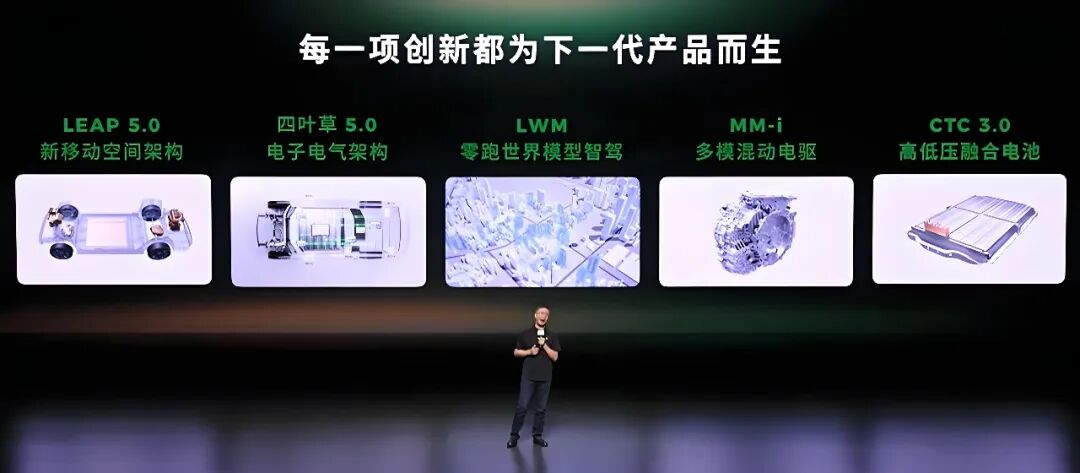
As the competition among complete vehicles becomes increasingly fierce, new EV forces are collectively grabbing the business of suppliers.
Older automakers have long entered this field. BYD has long been exporting complete vehicles and component technologies, including the Denza brand cooperated with Mercedes-Benz, and the pure electric vehicle models cooperated with Toyota.
Back in the days when Bosch asked Xpeng for high development fees, did it ever think that one day Xpeng would become the supplier of Volkswagen, one of Bosch's important customers?
When Huawei cooperates with automakers to launch various "jie" series models to compete with new EV forces, it could hardly imagine that one day new EV forces would also come to grab the business of suppliers.
This article is from the WeChat Official Account "Chezhi" (ID: invehc), author: Michael Yuan, published with authorization from 36Kr.