I went to touch the actual Cybercab, a real "plastic" Tesla.
A few days ago, Tesla brought the Cybercab to China, and I (NECK Guy) also went to check out the real vehicle in person.
Of course, it was only a static experience. After all, this car doesn't even have a steering wheel, so it can't be driven on public roads in China.
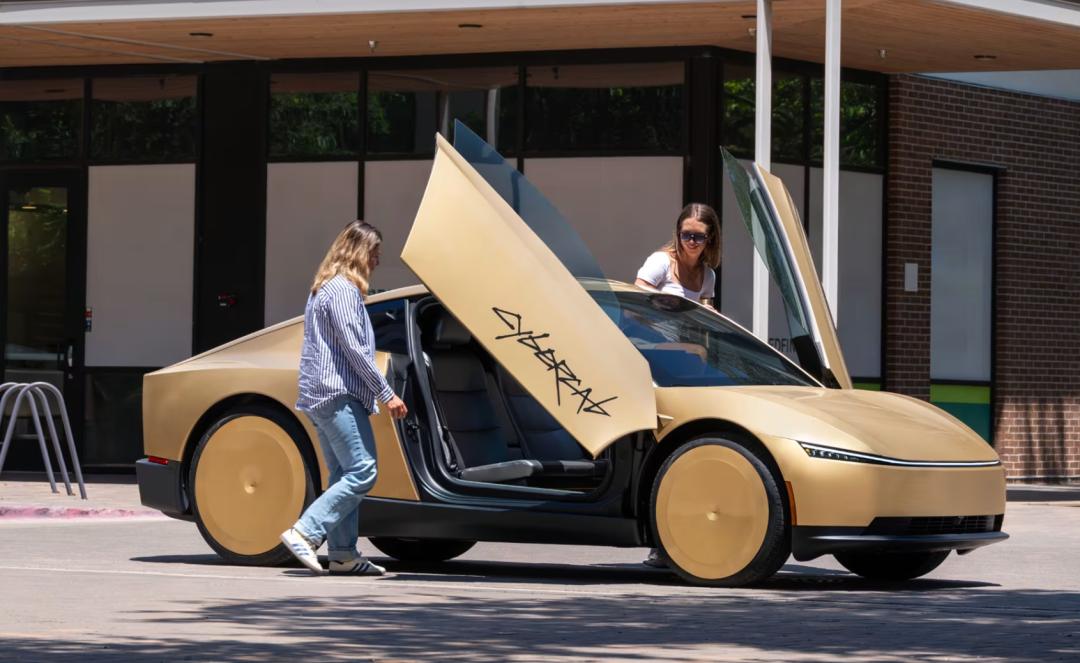
I've long heard that the Cybercab can cut costs significantly, but after seeing the real car, I have to say, the car feels far more plasticky than I expected.
First of all, its outer body shell is made of plastic.
Tesla uses a process called RIM (Reaction Injection Molding) here. Simply put, it mixes polyurethane pigments with plastic and directly forms the parts via injection molding.
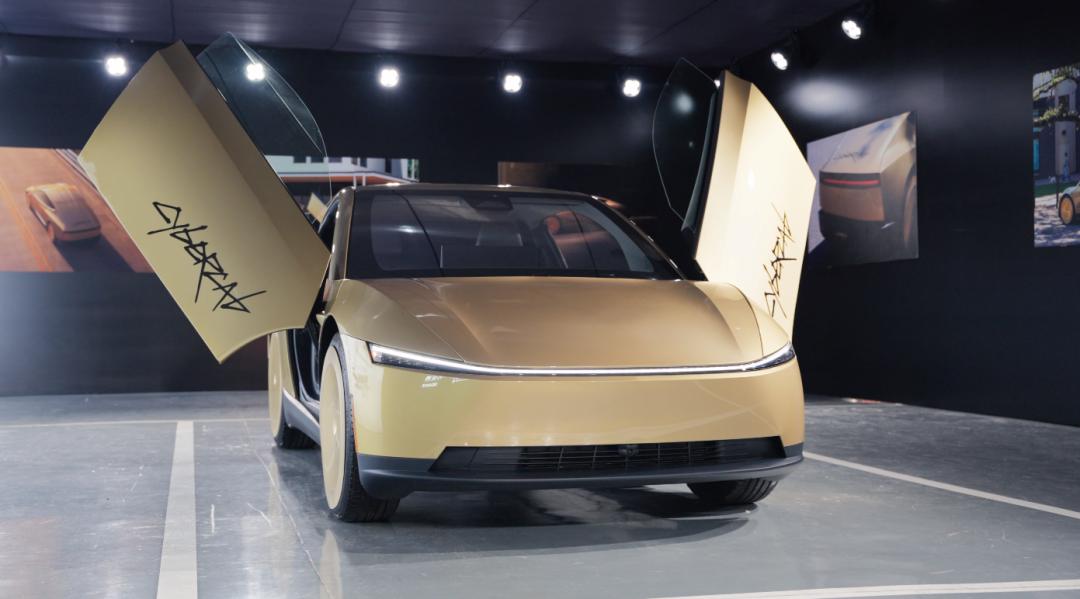
I can see Elon is really obsessed with skipping the painting process. The Cybertruck he launched earlier uses stainless steel that requires no painting at all, and this time the Cybercab also cuts out this entire step.
This definitely brings down the cost drastically, but the downside is that even a minor scratch might require replacing the entire outer body panel.
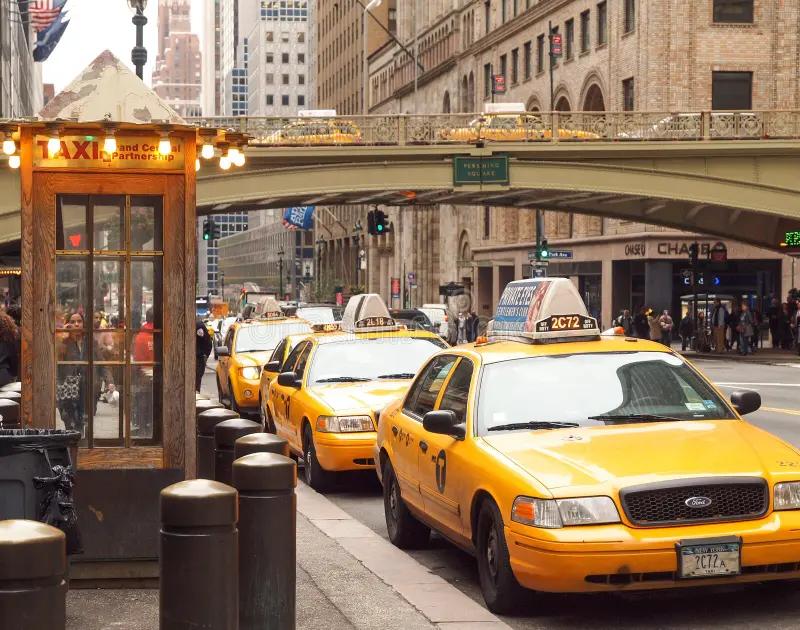
All Cybercab units we have seen so far are only in gold. Why is that? Because New York taxis are yellow, and this color is very close to that, while looking a bit more tech-forward.
As a two-door, two-seater vehicle, the Cybercab looks very compact in real life.
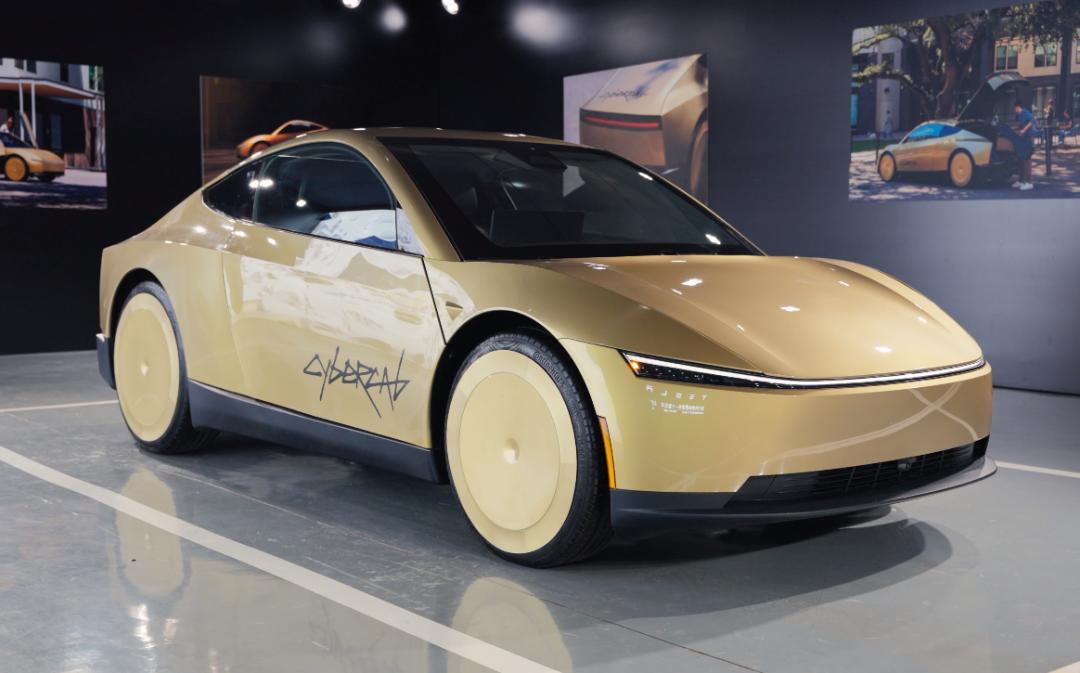
Tesla hasn't released its official specifications, but from my observation, it is smaller in both length and width than the current-generation Porsche 911, with a body length of roughly 4.3 to 4.4 meters, and its height is slightly higher than that of the 911.
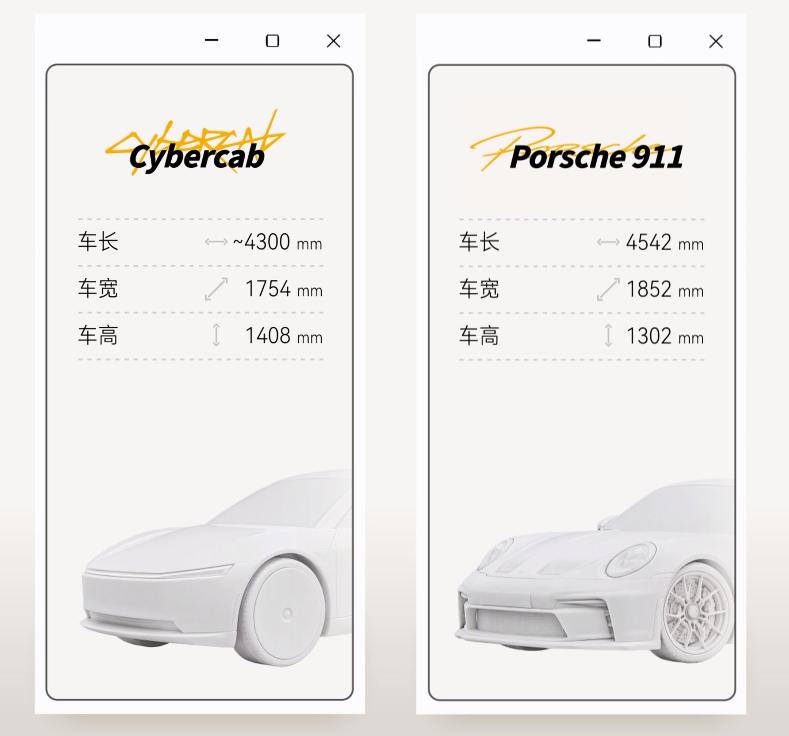
From a distance, it looks very tiny, my first impression was that it looks just like a Hot Wheels toy model...
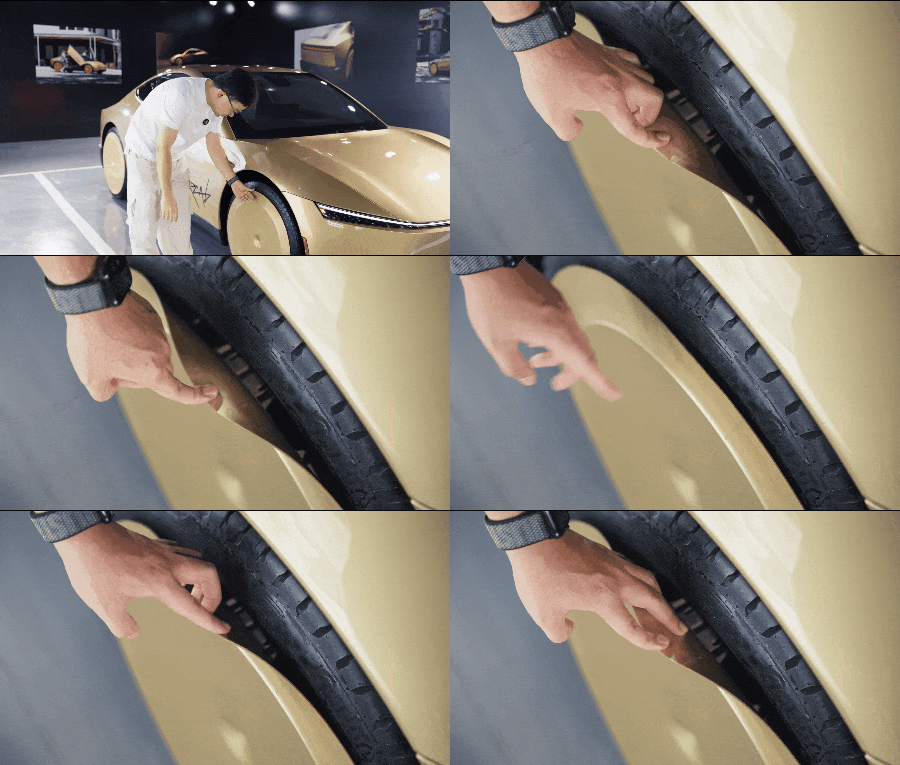
Another plastic part on the exterior of the Cybercab is this huge wheel cover. The texture of the real part is very plasticky, you can even bend it with a light tug by hand.
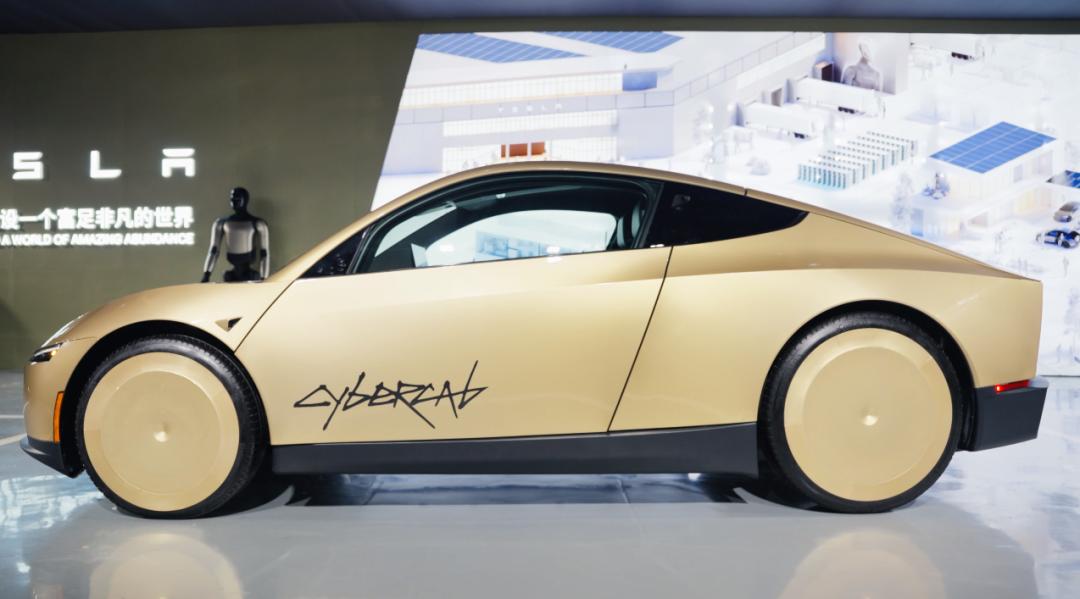
Speaking of wheels, the tire configuration of this car is quite interesting, the front wheels are 18 inches, while the rear wheels are 21 inches.
I asked the Tesla staff, they didn't go into detail about the engineering reasons for this design, but mentioned that from a design perspective, larger rear wheels make the overall proportion of the car look more full and substantial.
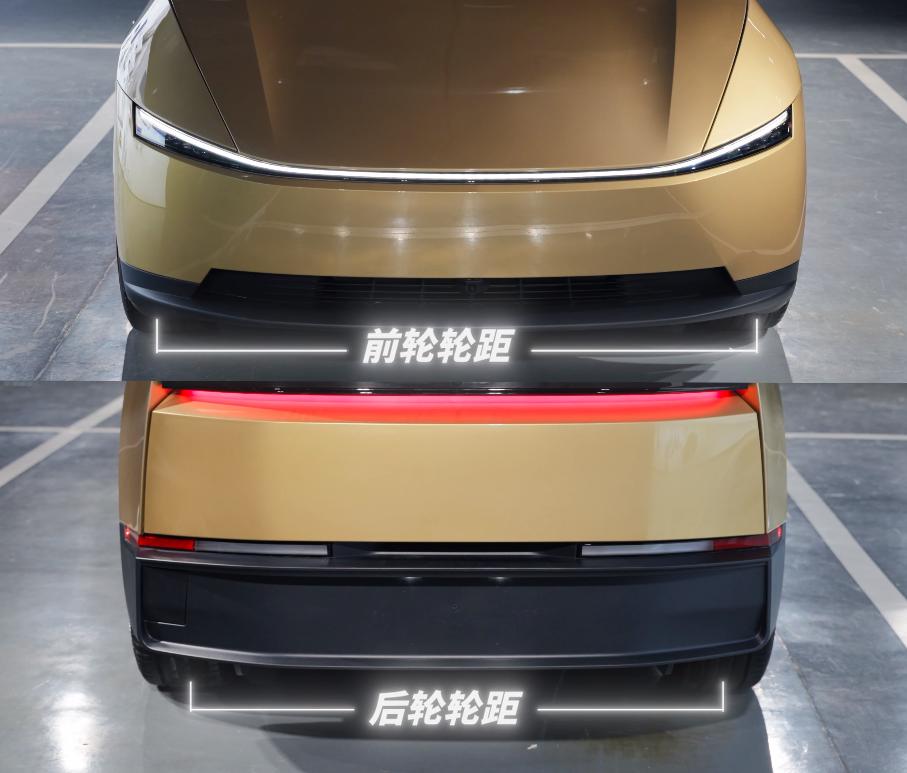
There is another detail here: the rear wheel track of this car is narrower than the front wheel track. This track does not refer to the tire width, but the distance between the two tires on the same axle.
Most family cars adopt a wider rear wheel track to improve rear stability. But this car does the opposite, to achieve lower wind resistance, allowing the airflow to gradually converge as it flows from the front to the rear of the car.
The pursuit of low drag is also reflected in the roof. You can see that since there is no rear row of seats, the roof slopes downwards towards the rear for a very long distance. This smooth, gradual curve is also designed to make the wake airflow more stable and reduce the negative pressure zone.
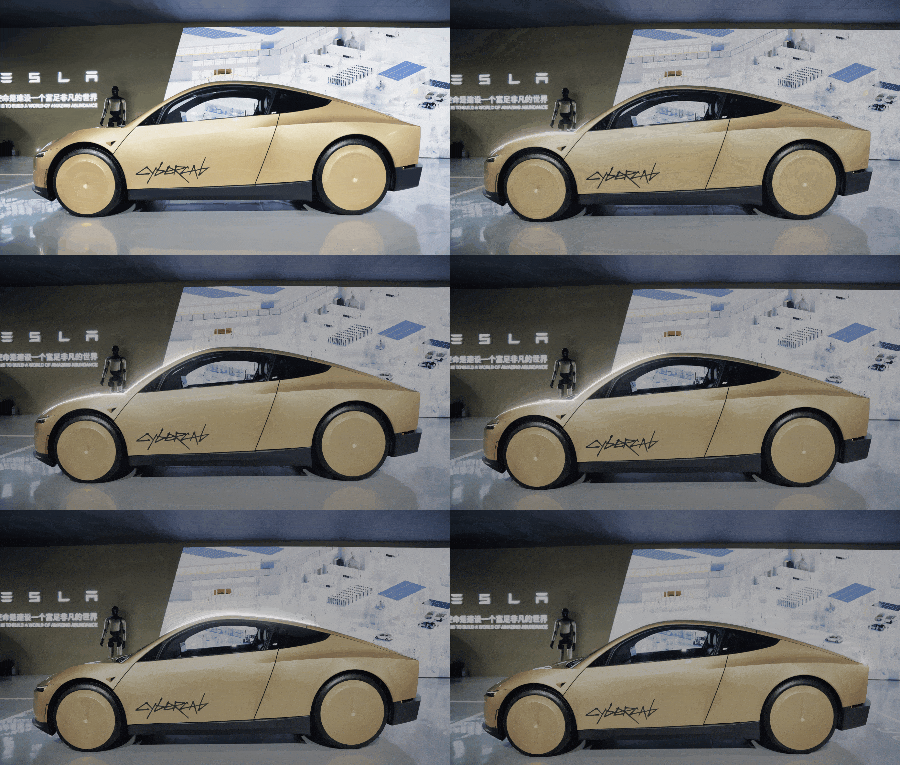
As a result, the entire surface of this car is more teardrop-shaped than ordinary cars, its drag coefficient is less than 0.2, which is among the most aggressive figures for mass-produced vehicles.
Now let's look at the rear of the car.
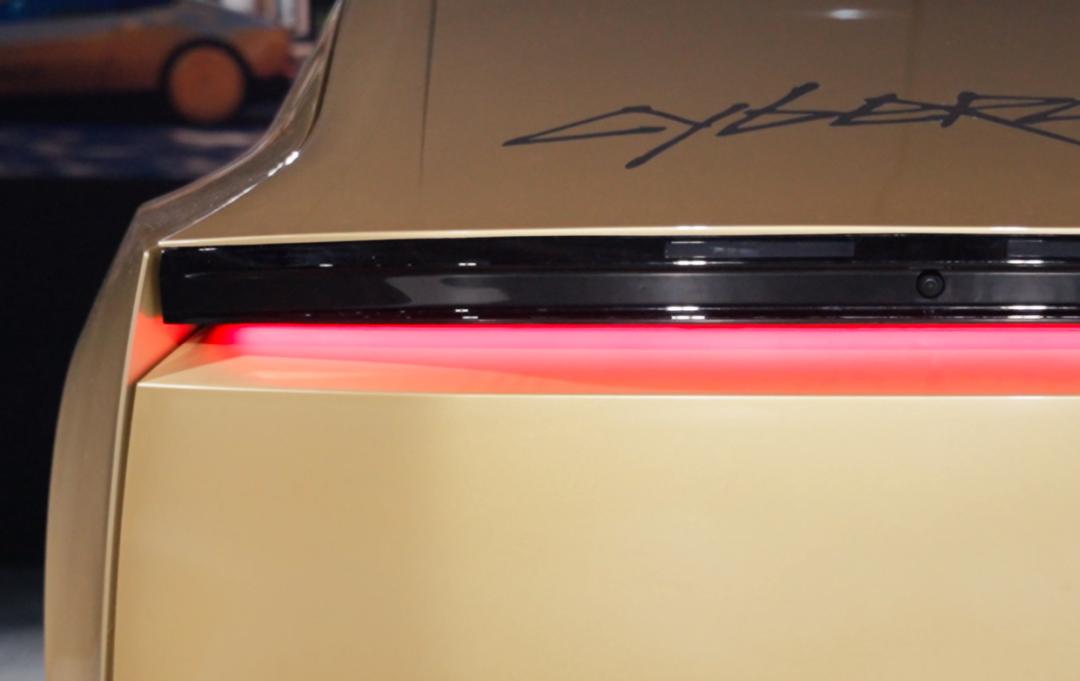
The Cybercab uses diffused taillights similar to those on the refreshed Model Y, these lights don't seem to cost much either...
The trunk opens from the bottom. I think the release button is a bit too low, not very easy to reach, it would be better to mark it with a clear sticker.
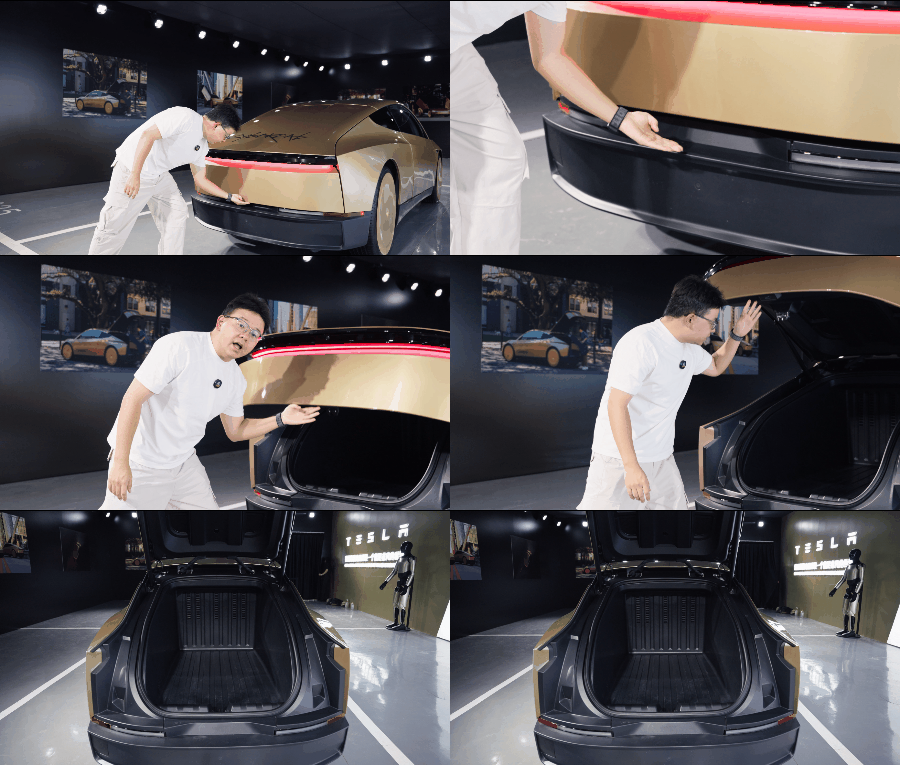
When opened, it reveals a 572-liter trunk. The official says it can fit two folded wheelchairs, taking some special usage scenarios into consideration.
I did a rough measurement of the dimensions, and it should be able to fit two 28-inch suitcases placed vertically. Since this car only carries two people anyway, the trunk space is more than enough to hold the luggage of two passengers.
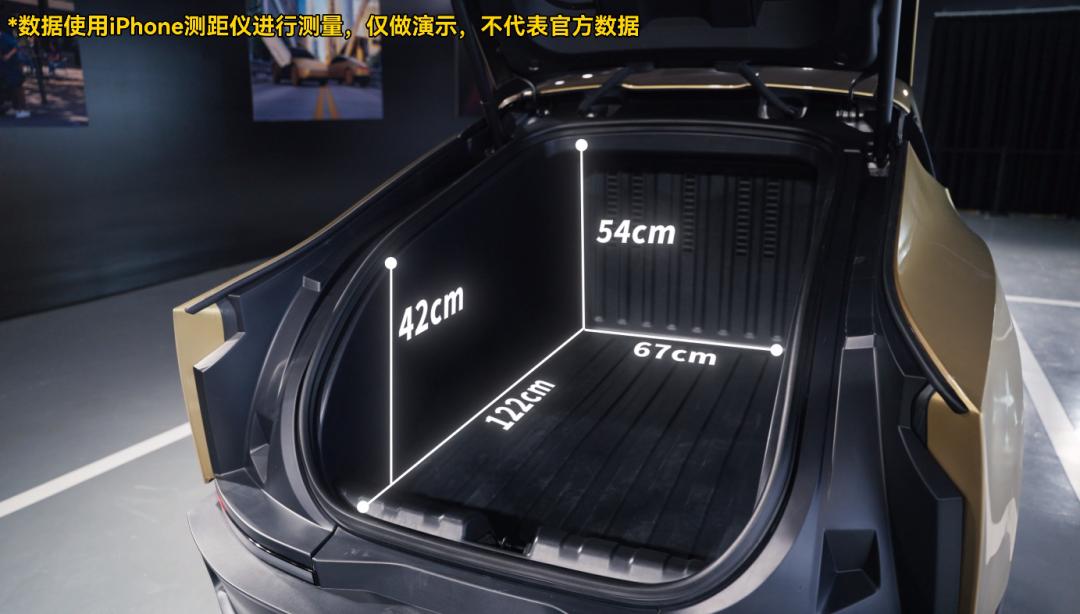
However, what I didn't expect is that the lateral space here, as can be seen from the photos, is actually very narrow. We have no idea what components are installed inside the two side panels that eat up this part of the space.
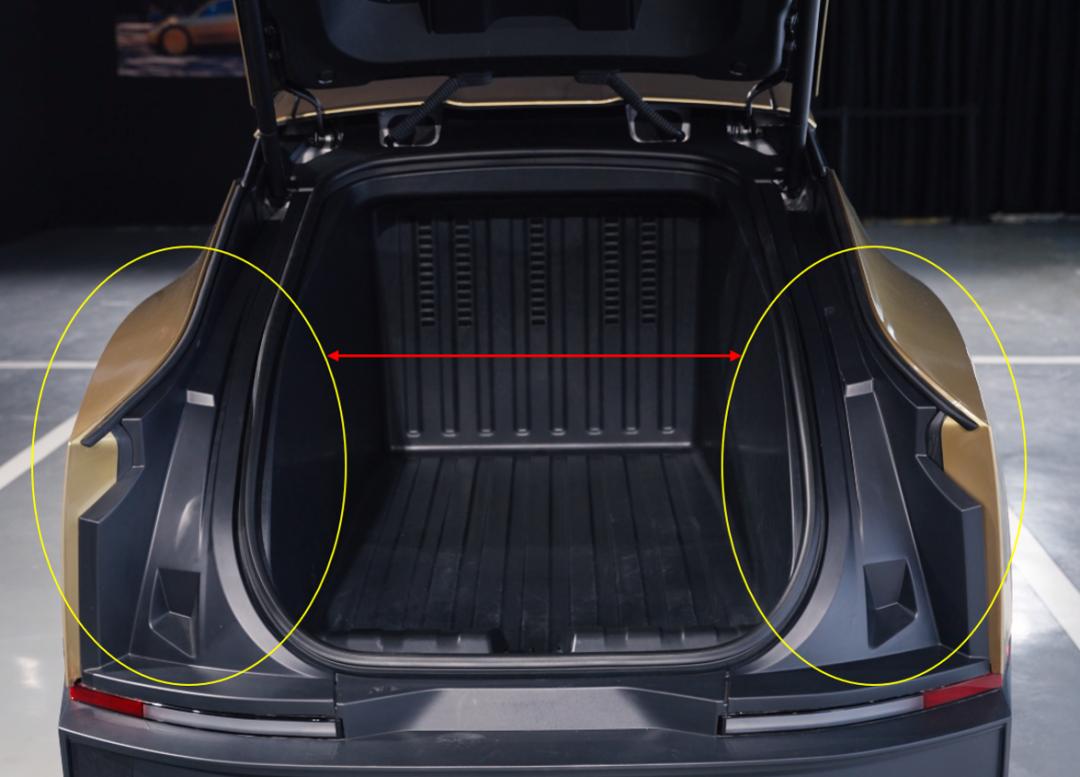
OK, let's take a look inside the car.
Before getting in, you can notice that it is equipped with electric butterfly doors, and the button to open it is located near the small side window.
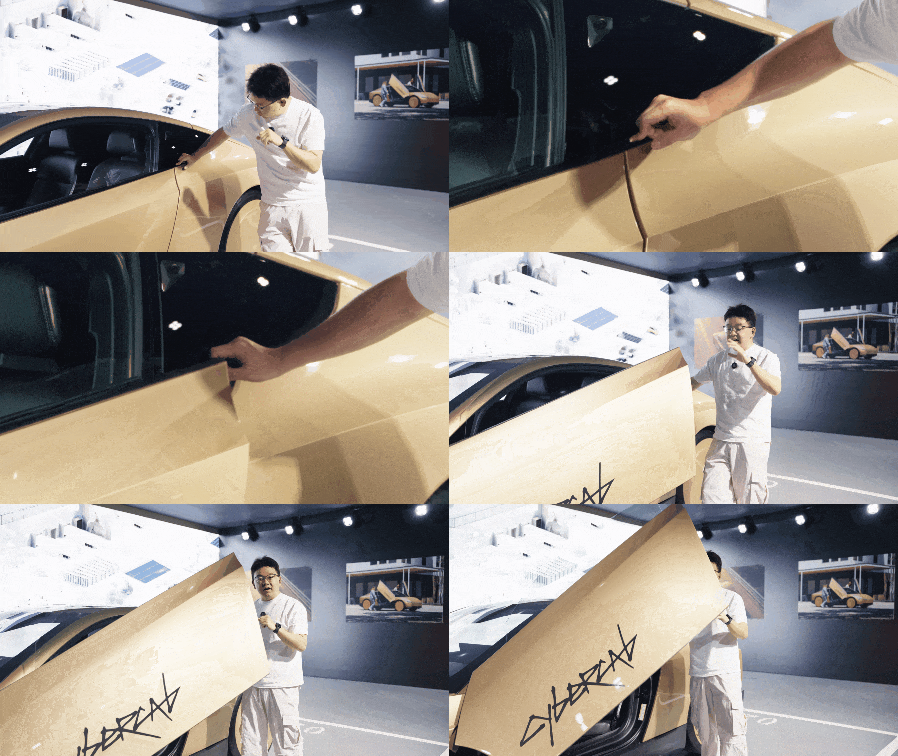
The advantage of butterfly doors is that they don't block your movement path. You don't need to pull the door handle and move around to get in the car. Moreover, when the butterfly door is open, the space occupied on both sides is narrower than that of traditional doors, making it less likely to get scratched.
Of course, I think the most important reason Elon made this design is to make it look cool. And this electric door is also designed for self-driving scenarios — you can't have the car driving down the street with the door wide open just because a passenger forgot to close it, right?
The doors are electric on the outside, and there isn't even a physical door handle to close the door from the inside. You can only close it via your phone or the in-car infotainment system.
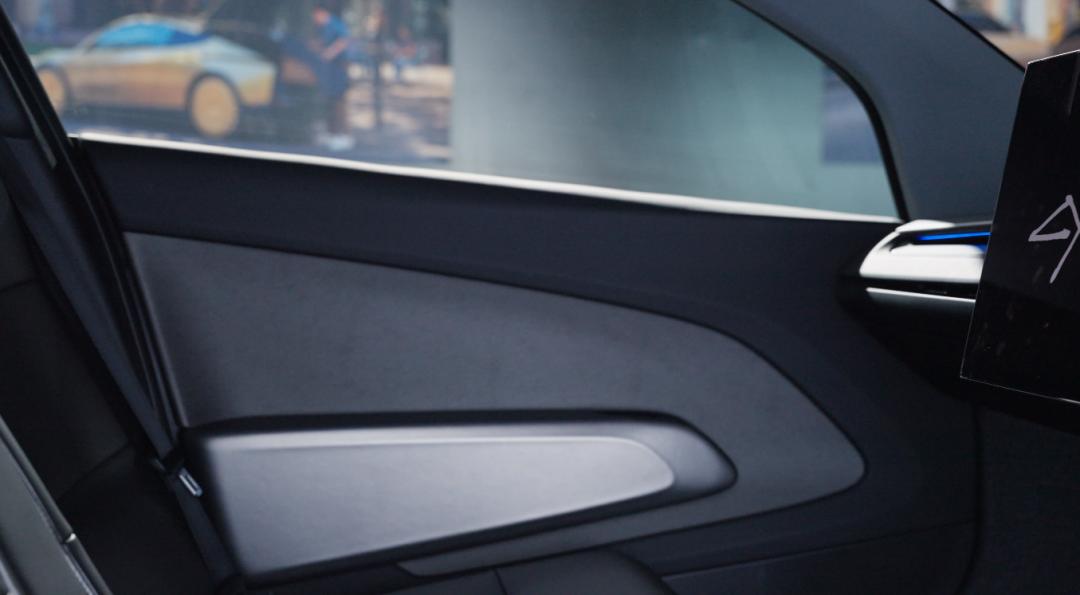
This design makes sense too. In fact, when you hail this car in the US, the door will automatically open when your phone approaches the vehicle, and close automatically as well, it's all part of the effort to cut unnecessary costs wherever possible.
When you sit inside the car, you will find the floor is very low, making it extremely easy to get in and out.
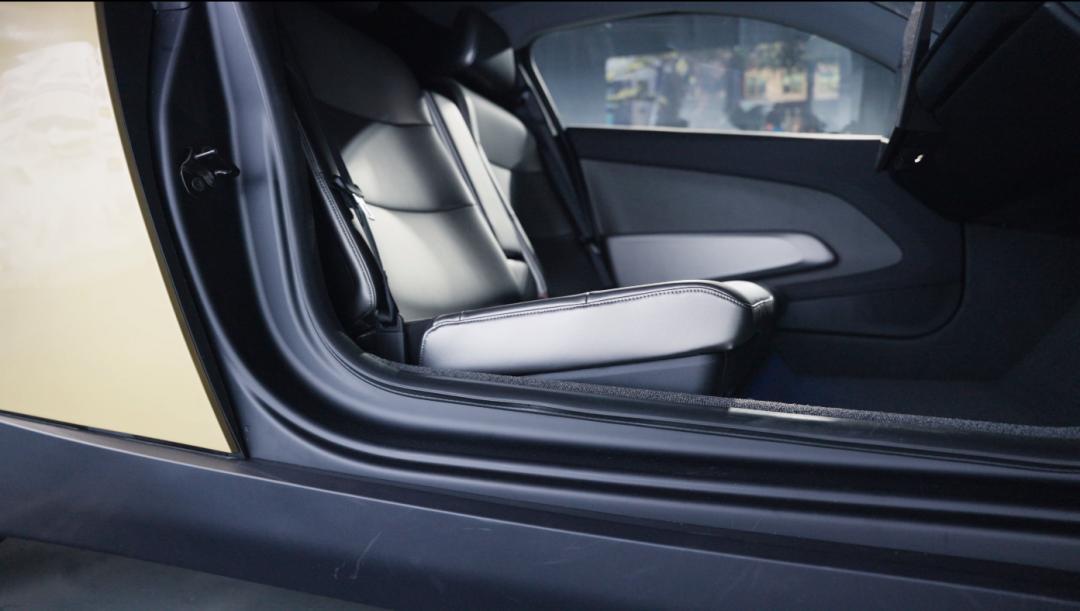
I originally thought the interior space would not be very large, but after sitting in, I found that the overall space is actually very spacious.
The main reason is that there is no steering wheel, no pedals, and no rearview mirror, so the seat can be adjusted back and forth as much as you want. I didn't even push the seat all the way back, and there is still a certain amount of legroom left in front.
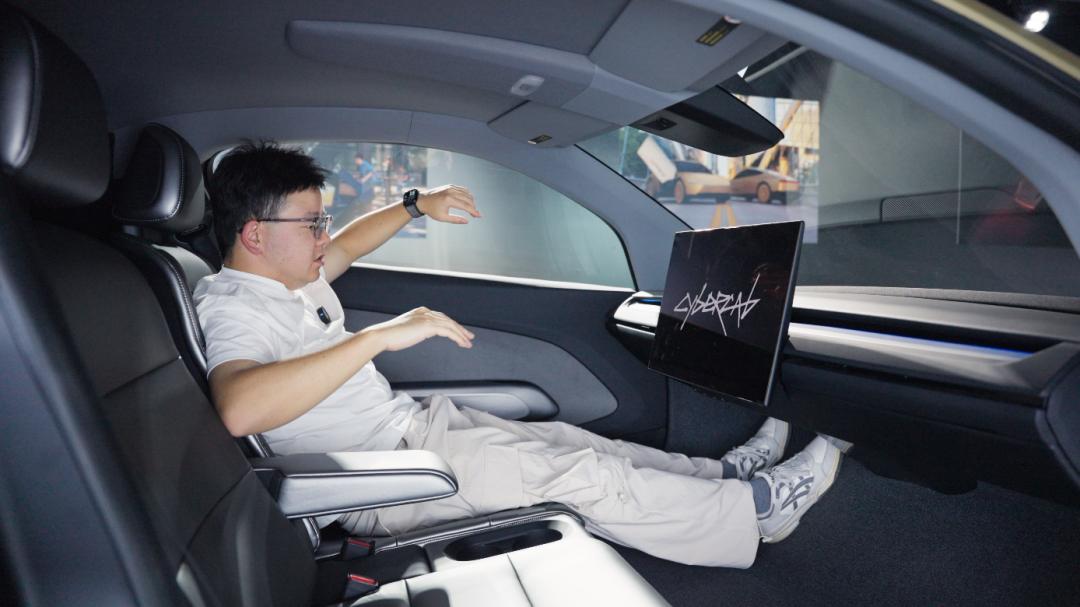
As for the seats, the shape is really a bit retro.
The side wrapping design that you often see in family cars is completely absent here, and the seat cushion is almost completely flat.
It's quite comfortable to sit on, but if the car accelerates or decelerates sharply, you might be jostled around a lot. Tesla made this design, presumably because they are very confident in the driving performance of FSD.
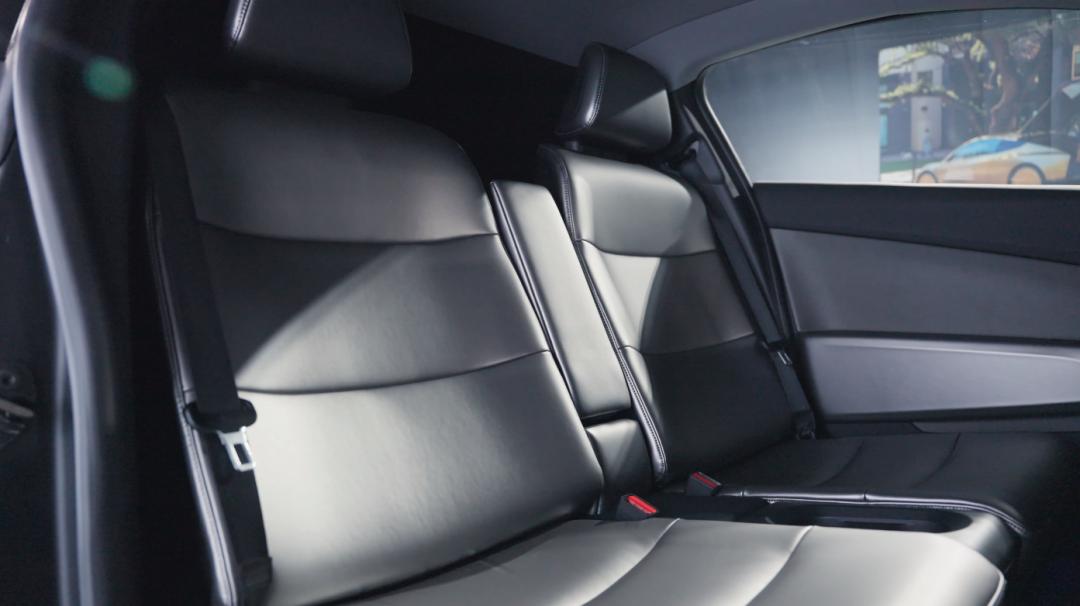
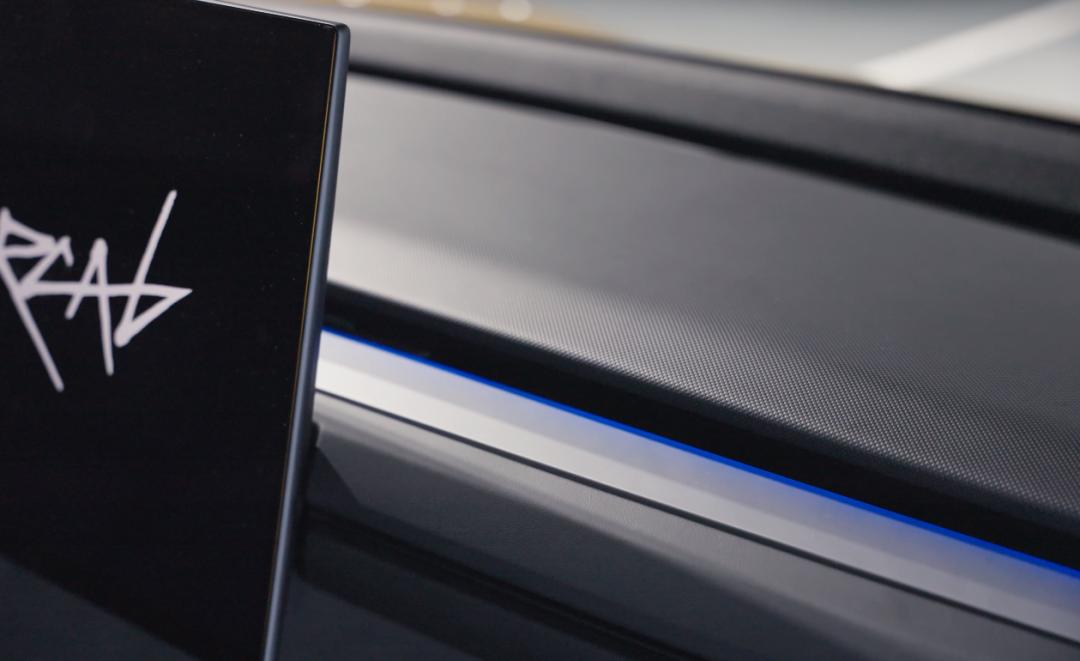
The interior style of the entire car follows Tesla's consistent design language, plastic is used everywhere it can be used.
The trim panel on the dashboard that looks like aluminum alloy is actually also a piece of plastic. The roof is made of fabric, and the carpet material looks cheap and practical.
Let's talk about a few more details.
This car has no sunroof, so you never have to worry about getting sunburned in summer. I think this is definitely a positive upgrade.
