Why are the fresh snacks that hit 4 million in monthly sales increasingly becoming more like a "freshness scam"?
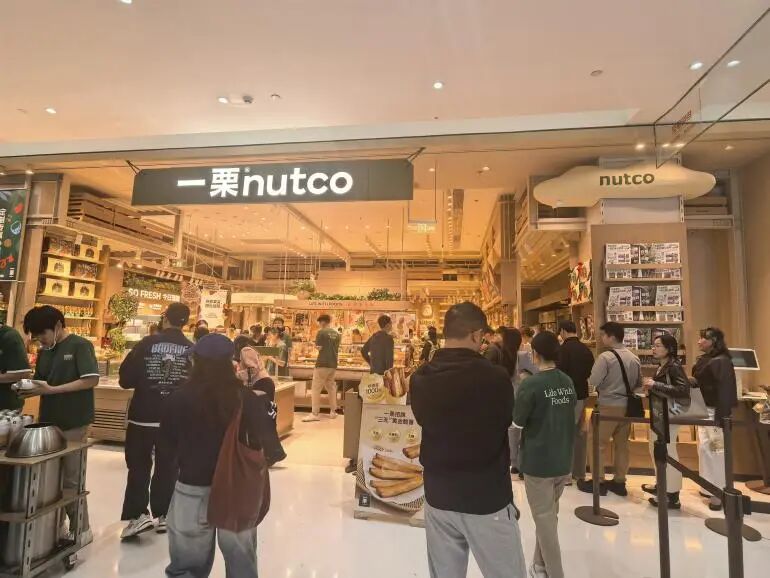
On September 19, the first national store of Xueji Fresh Snacks (the upgraded new version of the original Xueji Roasted Seeds and Nuts stores) opened on B1 of Beijing Chaoyang Hopson One. Together with Yili, Dako Beast and Qingshansen, four fresh snack brands have gathered on the B1 floor of Hopson One.
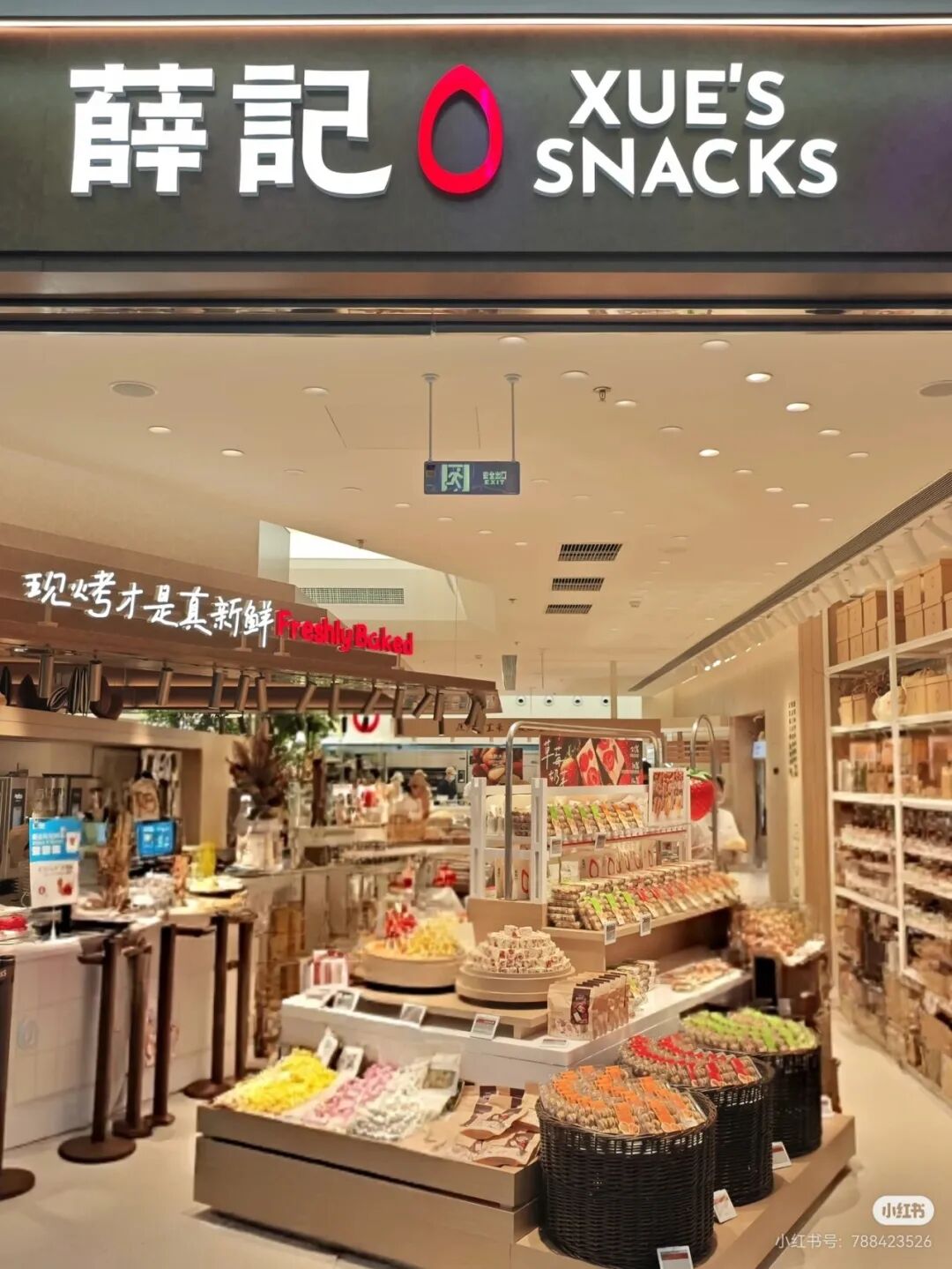
The B1 floor of Beijing Chaoyang Hopson One is only a microcosm of the industry. Since the beginning of this year, fresh snacks have been replacing internet-famous bakery and milk tea shops, settling in major core business districts in Beijing, Shanghai, Guangzhou and Shenzhen, and becoming the new hit that attracts long queues of consumers.
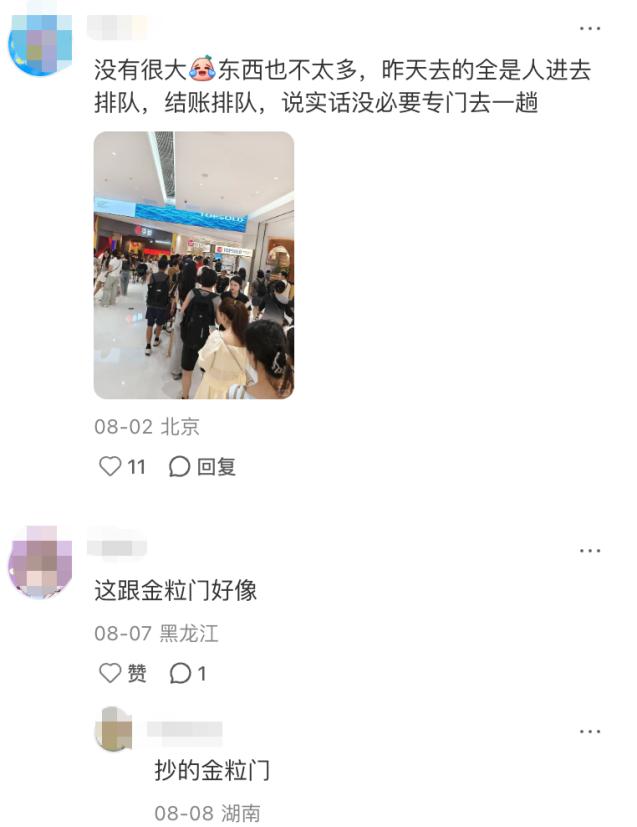
The first store of Dako Beast has also opened at Hopson One in Wujiaochang, Shanghai; major core business districts in Shenzhen have become the first stop for brands such as Jinlimen, Yili and Jiduquan to expand their presence in southern China.
These snack stores focus on short shelf life, freshly baked products, fresh brined snacks and fewer additives, and some are even called "affordable mini-Sam's Club". Native brands have taken the lead in verifying the business model of fresh snacks: Jinlimen has an average monthly sales of 1.5 million yuan per store, and high-quality stores can reach 4 million yuan; with the bonus of the first store effect, the first-month sales of Yili's Hopson One store exceeded 6.2 million yuan, and the first store of Jiduquan in Hefei even exceeded 6 million yuan.
According to incomplete statistics from Duojiao Spicy, there are more than 40 brands in the current track, which can be roughly divided into two camps: native brands, and new businesses of major retail and milk tea brands that cross-border into the track. The product categories have also expanded from the early roasted seeds and nuts, milk tea and pastries to duck products and brined snacks.
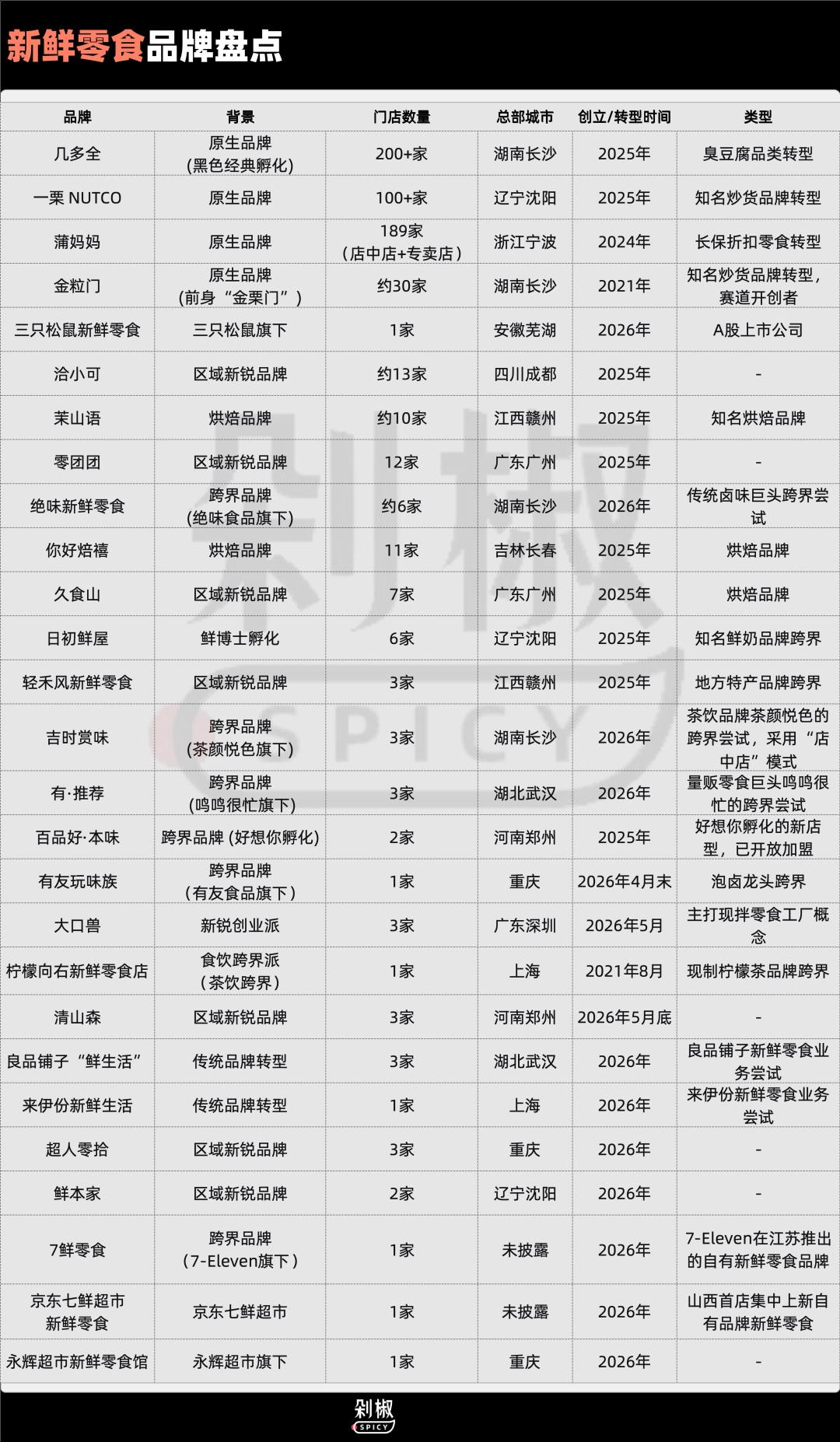
In 2026, the fresh snack track has collectively started large-scale expansion. One of the leading players, "Jiduquan", has fully opened franchising. Public information shows that it plans to add 600-1000 new stores in 2026; Pumama plans to open 200 new stores, focusing on layout in East China; Jinlimen and Yili are also gradually expanding from regional markets to the whole country. According to media reports, Jinlimen, Jiduquan and Yili are all in talks for Series A financing, with a valuation range of 2-3 billion yuan, and HSG and other top-tier institutions are paying attention to the track.
While native brands are rapidly expanding their territory, snack and tea brands are also crossing into the track: Mingmang Mangmang launched "You·Tuijian", Juewei Food launched "Juewei Fresh Snacks", and Chayanyuese tested the market through "Chayan Jishi Shanwei".
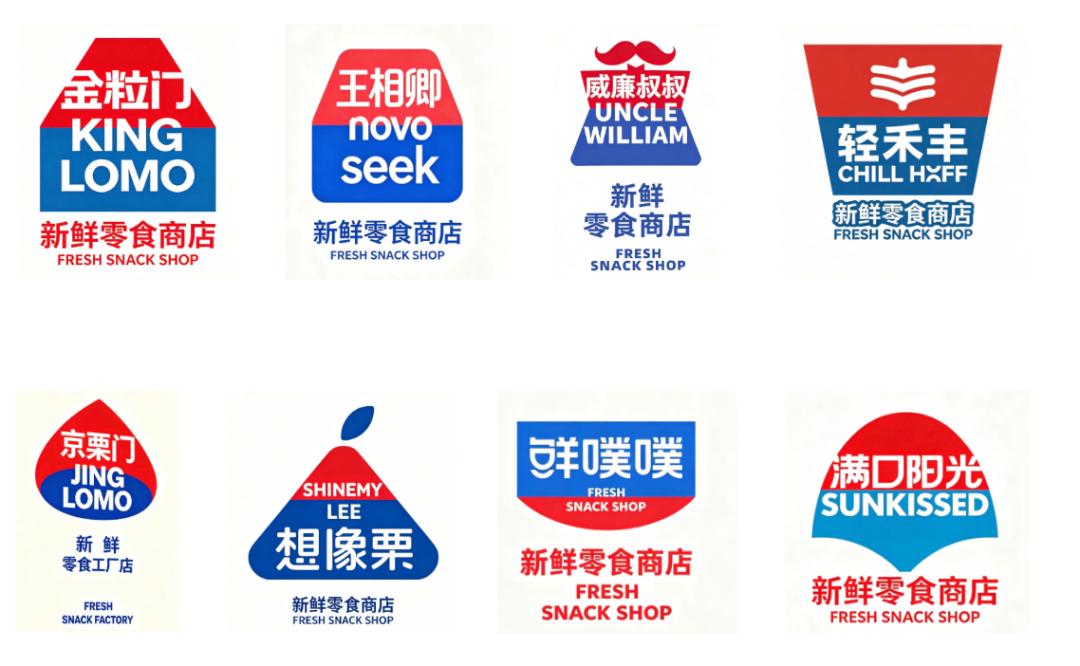
However, under the white-hot competition, the products of all players are becoming more and more similar, and even their logos are highly identical. For example, the green logo of Qingshansen is close to that of Yili, and the red and blue color scheme of Dako Beast is exactly the same as that of Jinlimen.
After nearly a year of rapid development, the industry is now facing a trust crisis.
The hottest topic at the moment is no longer the speed of store opening and the scale of financing, but focused on several prominent controversial points: false short shelf life, hidden problems in freshly baked products, collapsed quality control, etc.
Fresh snacks seem to be product innovation, but in essence it is the ultimate competition of retail efficiency. How long can this business continue to be popular?
01
Ingredient lists are collectively hidden,
"Freshly made and sold on site" has become a vague zone
Walk into any fresh snack store, and you will most likely not find the ingredient list.
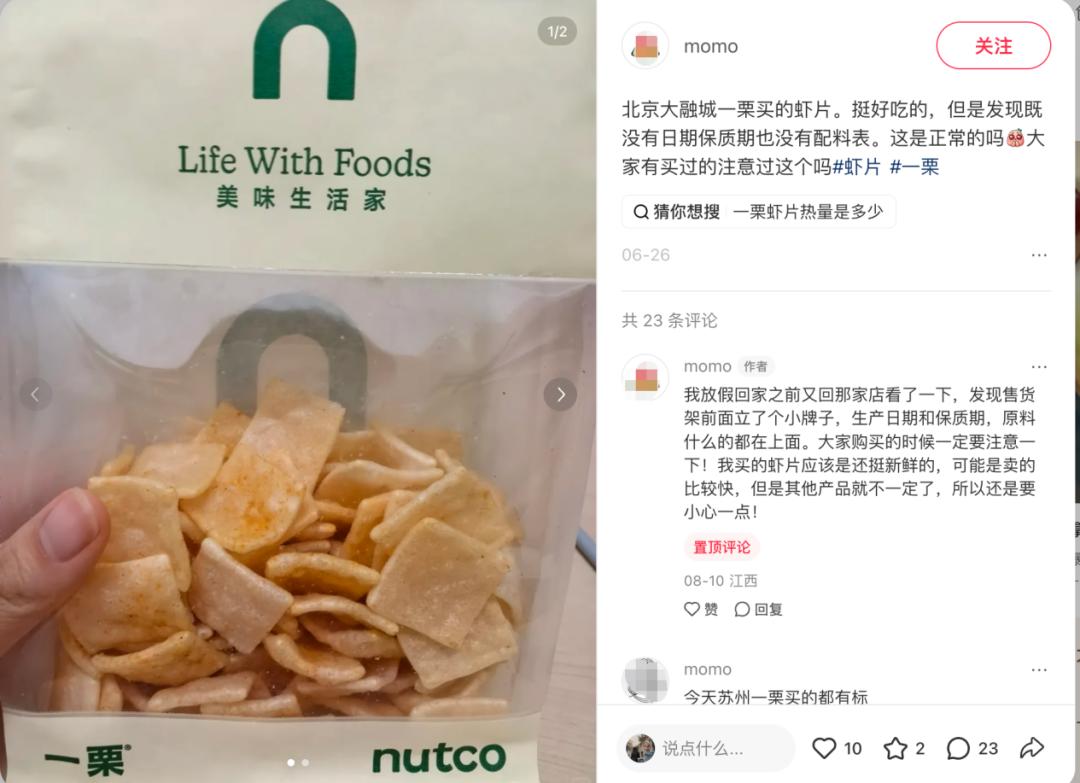
Bulk roasted seeds and nuts and fried snacks are high-risk areas. Such bulk snacks usually have production date, shelf life and raw material list marked in front of the shelves, but these information are not printed on the packaging bags.
"Although the products are advertised as 0 preservatives, there is no ingredient list on the packaging. I will check the test report posted on the shelf carefully before buying to feel relieved." A consumer complained on social media.
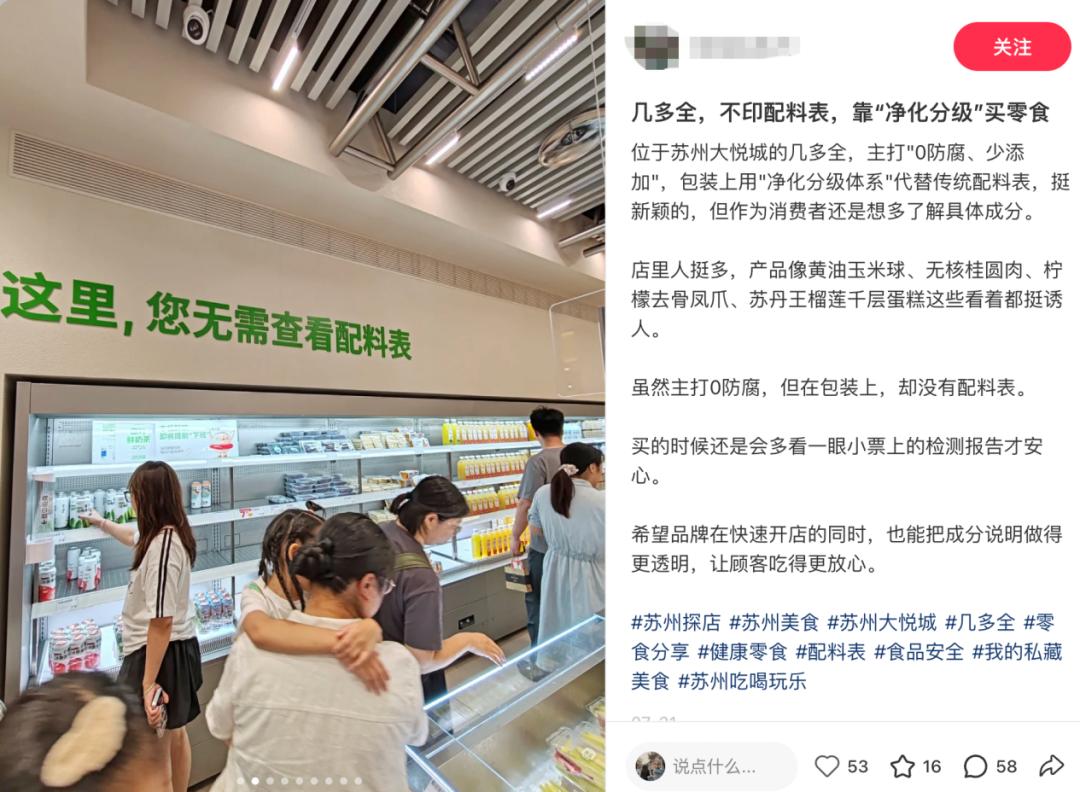
In Jiduquan stores, even "no need to check the ingredient list" is written on the wall as a golden brand. The product detail pages on the official mini-programs of brands such as Jinlimen and Yili also lack key product information. Most products only display three basic information: name, specification and price, and key food safety information such as ingredient list, production date and shelf life are not disclosed.
But the law is clear. According to Article 67 of the Food Safety Law of the People's Republic of China, pre-packaged food shall have labels on its package, and the labels shall indicate the ingredients or ingredient list. The National Food Safety Standard for Prepackaged Food Labeling (GB 7718-2025) issued in 2025 further refines the labeling requirements for ingredient lists.
This means that a large number of pre-packaged products in fresh snack stores are strictly classified as pre-packaged food, and failing to mark the ingredient list is already on the edge of violating regulatory red lines.
The reason why the industry acquiesces in this behavior lies in the key word "freshly made". Fresh snack stores classify a large number of products into the category of "freshly made and sold on site", and there is indeed a vague zone in the label management of freshly made food.
For brands, this vague zone brings certain convenience, but it is not a long-term solution. The case of Juewei Fresh Snacks some time ago is very typical. According to the report of Retail Business Finance cited by "Business Trivia", the promotional slogan in the fresh drink production area at the entrance of Juewei Fresh Snacks store claimed that the shelf life was only one day, but the drink base was actually long-shelf-life concentrated fruit pulp, which was simply physically mixed and then re-marked as short-shelf-life products.
Not only Juewei Fresh Snacks, the freshly made drinks of brands such as Jinlimen and Jiduquan have also been exposed for not publishing ingredient lists, so consumers have no way to know the product composition.
This reminds people of the lesson of Moji Yogurt. In 2024, Moji Yogurt was named by the Shanghai Consumer Protection Council because its product composition did not match the publicity. The test found that the fat content of its mango yogurt shake was 3.25 times that of protein. Later, it was exposed for using raw materials that had expired for more than 40 days and replacing the shelf life labels. After the public opinion crisis, the tea industry generally made detailed markings of calories, caffeine and ingredients. But the fresh snack industry seems not to have learned the lesson, and the ingredient lists are still collectively hidden.
The attraction of fresh snacks lies in the freshness and quality sense of "freshly made and sold on site", but the commercial demand of brands is rapid replication, large-scale expansion and cost reduction. There is a huge conflict between the two.
When consumers walk into a fresh snack store, see the on-site baking, smell the warm aroma, they subconsciously believe that the products are fresh, additive-free, short-shelf-life and healthy, so they are willing to pay a premium for the word "fresh".
But the actual operation of the brand follows another logic. To achieve large-scale expansion, it is necessary to establish central factories, cold chain logistics and standardized formula systems. However, under the rapid expansion of the industry, the supply chain and quality control of many new brands are not yet mature. When the number of stores expands from dozens to hundreds, the promise of "daily fresh distribution" is easily compromised in links such as logistics and inventory.
The reality is that long-shelf-life products account for the majority of the product portfolio of most fresh snack brands. In addition to freshly baked and freshly made categories, there are a large number of pre-packaged products in the stores. Most of the so-called "freshly made" products in these stores are actually pre-packaged food distributed by central factories, and only the final heating or sub-packaging process is completed in the stores.
In order to enhance brand trust and strengthen the perception of "freshly made", many stores set up open kitchens to roast chestnuts and bake pastries on site. Yili, which started its business with roasted chestnuts, is a typical representative.
About 30% of the SKUs in Yili stores are medium and long-shelf-life products, and the shelf life of freshly baked products is only 3 days. According to the statistics of Huachuang Securities, short-shelf-life products with a shelf life of 1-5 days in Jinlimen account for 46.1% of SKUs, and their sales contribution is expected to exceed 60%; the proportion of Pumama is close to 40%; and that of Jiduquan is about 45%. This means that more than half of the fresh snack shelves still rely on long-shelf-life products to hedge inventory risks.
This mixed display of long and short shelf life products also brings a certain degree of confusion to consumers. According to consumer feedback from store visits, Jiduquan even divides snacks into six grades from A to F according to how clean the ingredient list is, but consumers are more concerned about: this pack of duck wings marked with "shelf life of 5 days", is it really only edible for 5 days, or can it be stored for half a year but only marked with 5 days.
What is more worthy of vigilance is the potential safety hazards. At the beginning of this year, Jinlimen was exposed that its "lemon spicy boneless chicken feet", which was advertised as produced in its own factory and directly distributed daily, was actually purchased as semi-finished products and then sub-packaged, and was even suspected of tampering with labels.
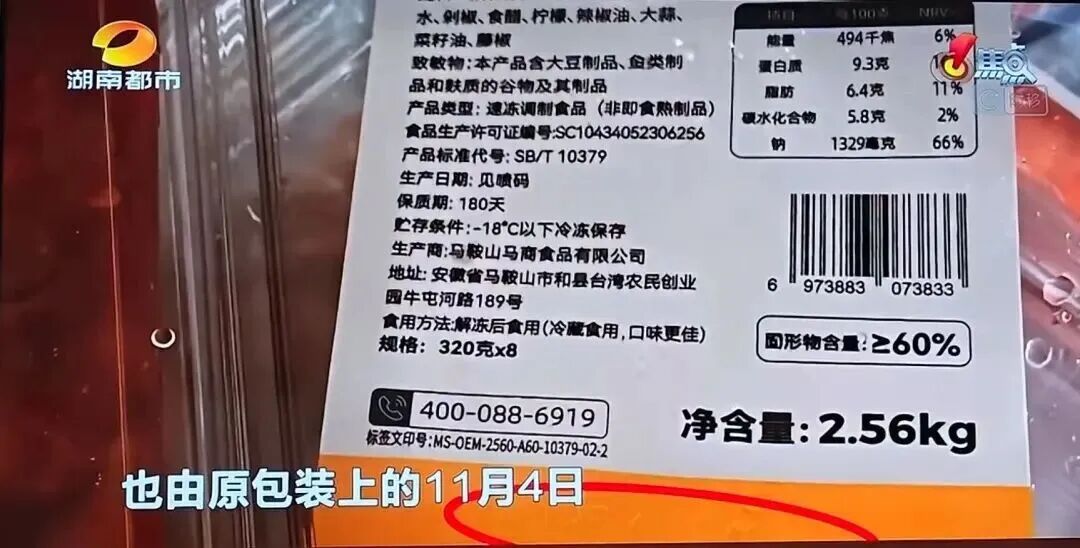
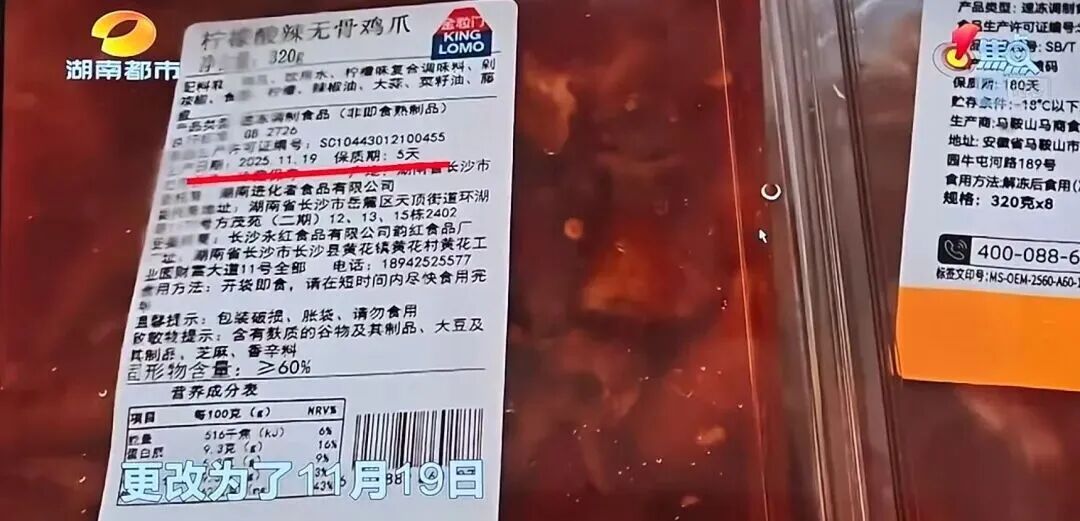
False marking of short shelf life is not illegal, which is exactly where the gray area lies. Chinese regulations do not mandate the specific shelf life of food, which is determined by the enterprise itself. As long as the product quality meets the standard within the marked shelf life, it is not a violation. In other words, marking long-shelf-life products as short-shelf-life products is not legally problematic as long as the products do not deteriorate within the marked short shelf life. But in terms of business ethics, it is a completely different matter.
When short shelf life is reduced to a marketing method for brands and merchants, the premium logic of fresh snacks is backfiring on the credit of the entire industry.
02
Looks cheap but actually expensive,
How long can consumers' fresh premium last?
The reason why fresh snacks attract young people is that on the one hand, the store decoration style has a trendy feel, with industrial style and fresh baking style. These visual designs with check-in attributes have become the stepping stone to attract young people into the store.
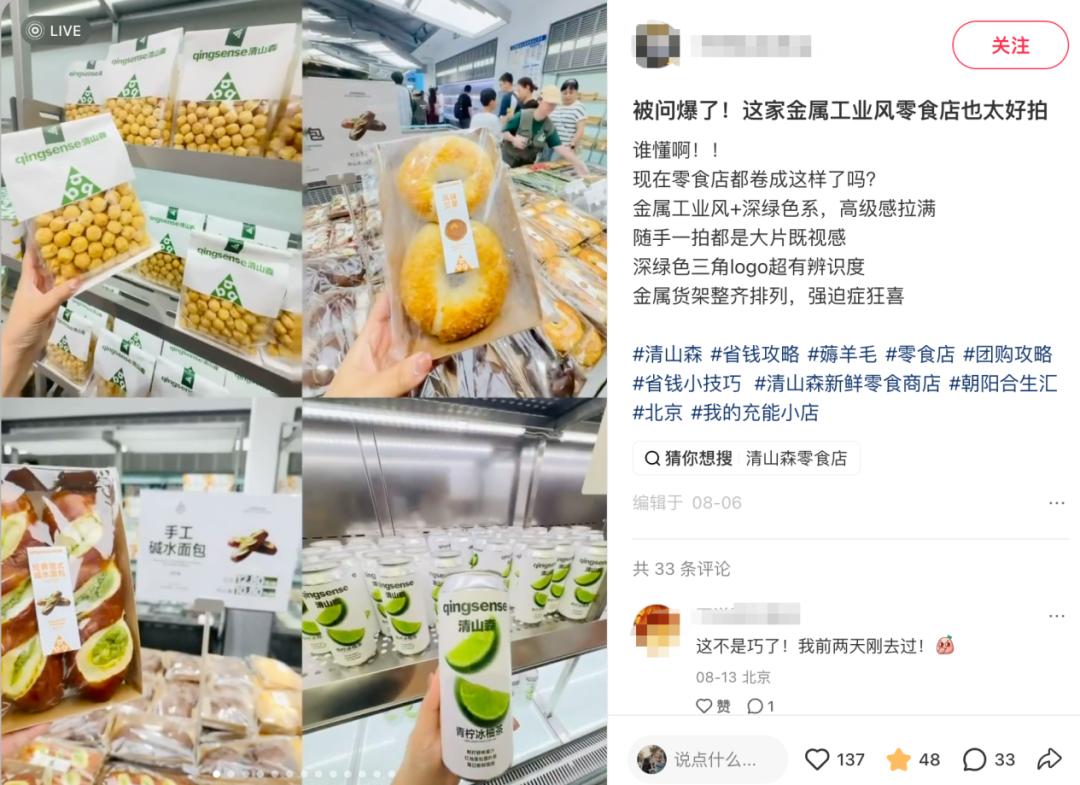
On the other hand, it is a sophisticated pricing strategy: the price of a single product is set low, but the overall customer unit price is high.
Duojiao Spicy visited Yili at Beijing Hopson One on a working day. The store was crowded with people, and several chefs in the open kitchen were baking bread crumbs on site, with a strong aroma wafting out.
The shop assistants at the door attracted passers-by with freshly made milk tea priced at 9.9 yuan per bottle and 19.9 yuan for two bottles, and the 8.9 yuan two chestnut ice cream cones were also very tempting. This low-price temptation plus the warm atmosphere of the store created an illusion of cheapness and freshness for young people passing by.