Can AI save TV stations?
No television station wants to be left behind amid the surging AI trend.
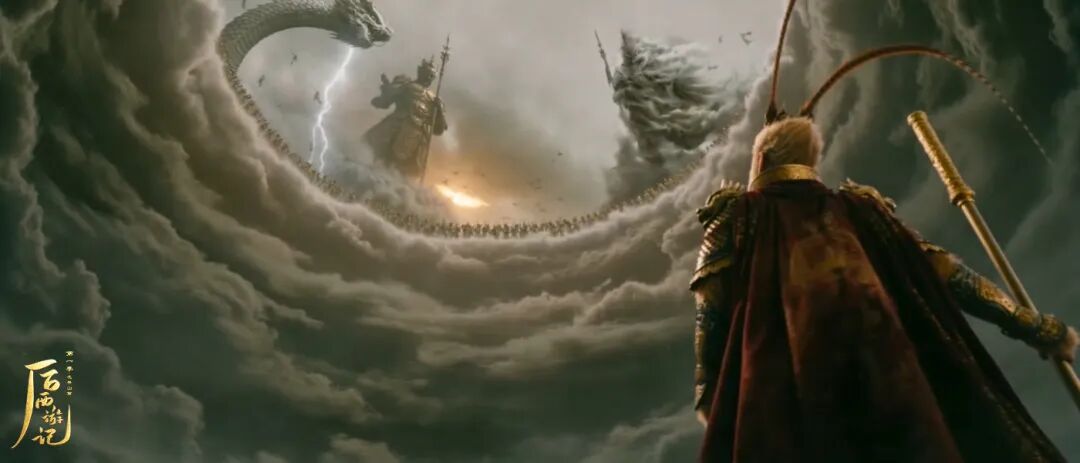
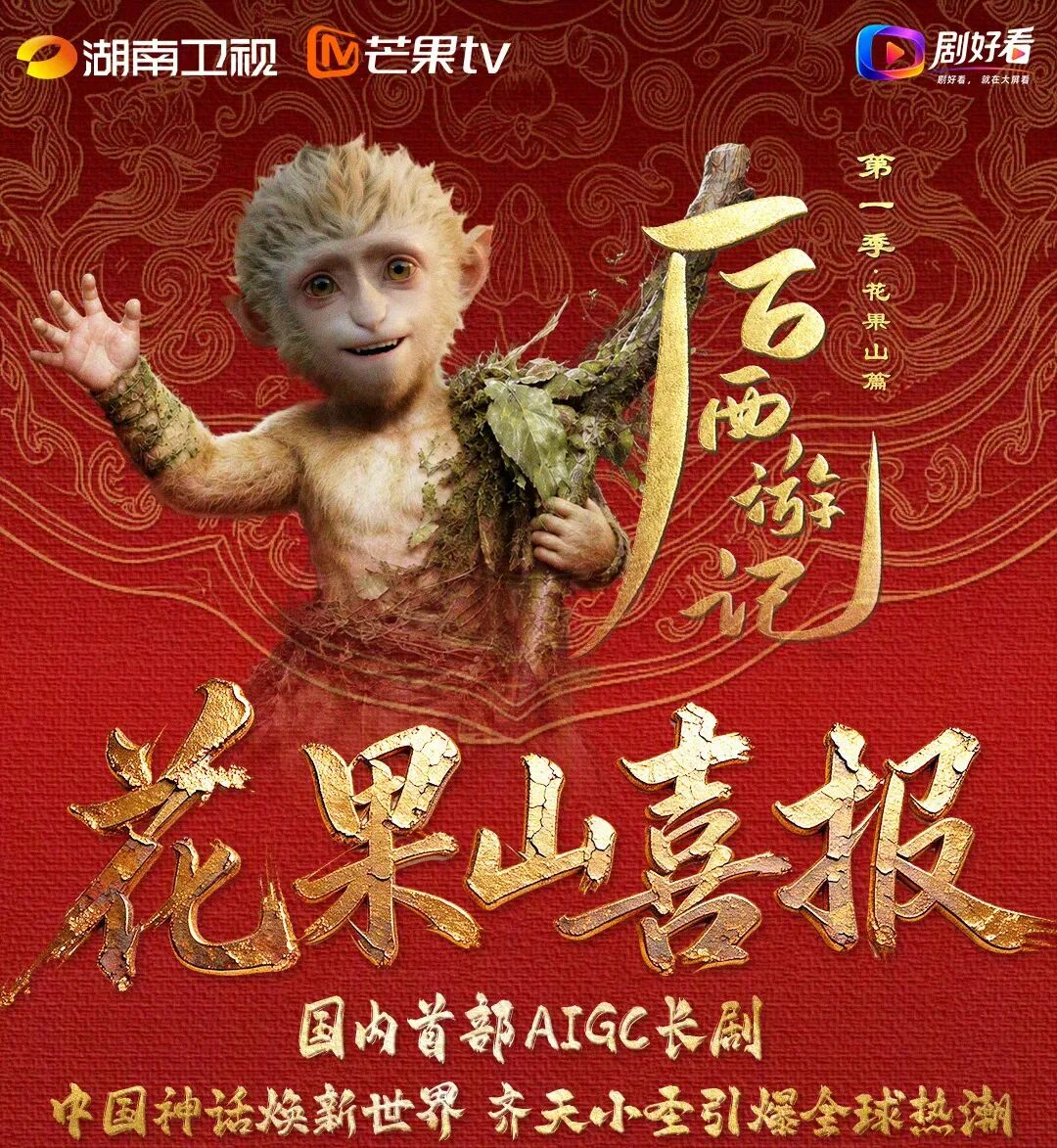
On September 17, the AIGC documentary *Chronicles of Taiwan Island*, produced by the original crew of *Journey to the West: The Sequel*, premiered on Hunan TV and Mango TV. Together with the "Battle of the Heavenly Palace" arc of *Journey to the West: The Sequel* that is set to launch during the National Day holiday, Hunan Broadcasting System has rolled out three full-length AI narrative works in less than a month at a hectic pace.
Hunan TV is not the only broadcaster testing AI content. Other provincial satellite TVs that still hold certain audience appeal, including those in Jiangsu, Zhejiang, Anhui and Guangdong, have all incorporated AI content into their program supply libraries.
This choice is easy to understand. After all, most TV stations missed the boom of the mobile internet era, and the disruptive impact of AI on content creation seems to be even greater than that of the internet back then. Most TV stations are now facing tight capital and insufficient content supply, and need works to fill their 7/24 non-stop broadcast schedules. AI, which "drives down the cost of film and television production", is undoubtedly an opportunity they must seize.
Hunan TV's *Journey to the West: The Sequel* has already received a strong response, but for most TV stations, does this model have reference and replicable value? The answer may not be as optimistic as people think. In the competition of content production, falling one step behind means facing insurmountable gaps, with no chance of overtaking on a bend.
01
The "Content Famine" of Local TV Stations
When AI content enters local satellite TV channels, who is the one that needs the other more? Judging from the current situation of AI film and television works and the state-owned nature of local TV stations, the intuitive answer is that the former needs the latter more.
Although AI content has already proven its audience appeal on online streaming platforms, whether it is AI short dramas and short videos on Hongguo and Douyin, or AI long films and medium-length dramas broadcast on iQiyi and Tencent Video, they have been widely accepted by a large number of audiences at the practical level. However, this value verification has remained at the level of folk market-oriented operations. Landing on TV stations means the official recognition of the industry's legitimacy and compliance.
The message it conveys to the industry is that the AI film and television sector is still in the blue ocean stage, and will receive long-term support from potential policy dividends, which is one of the most important reasons why *Journey to the West: The Sequel* has caused such a big stir in the stock market.
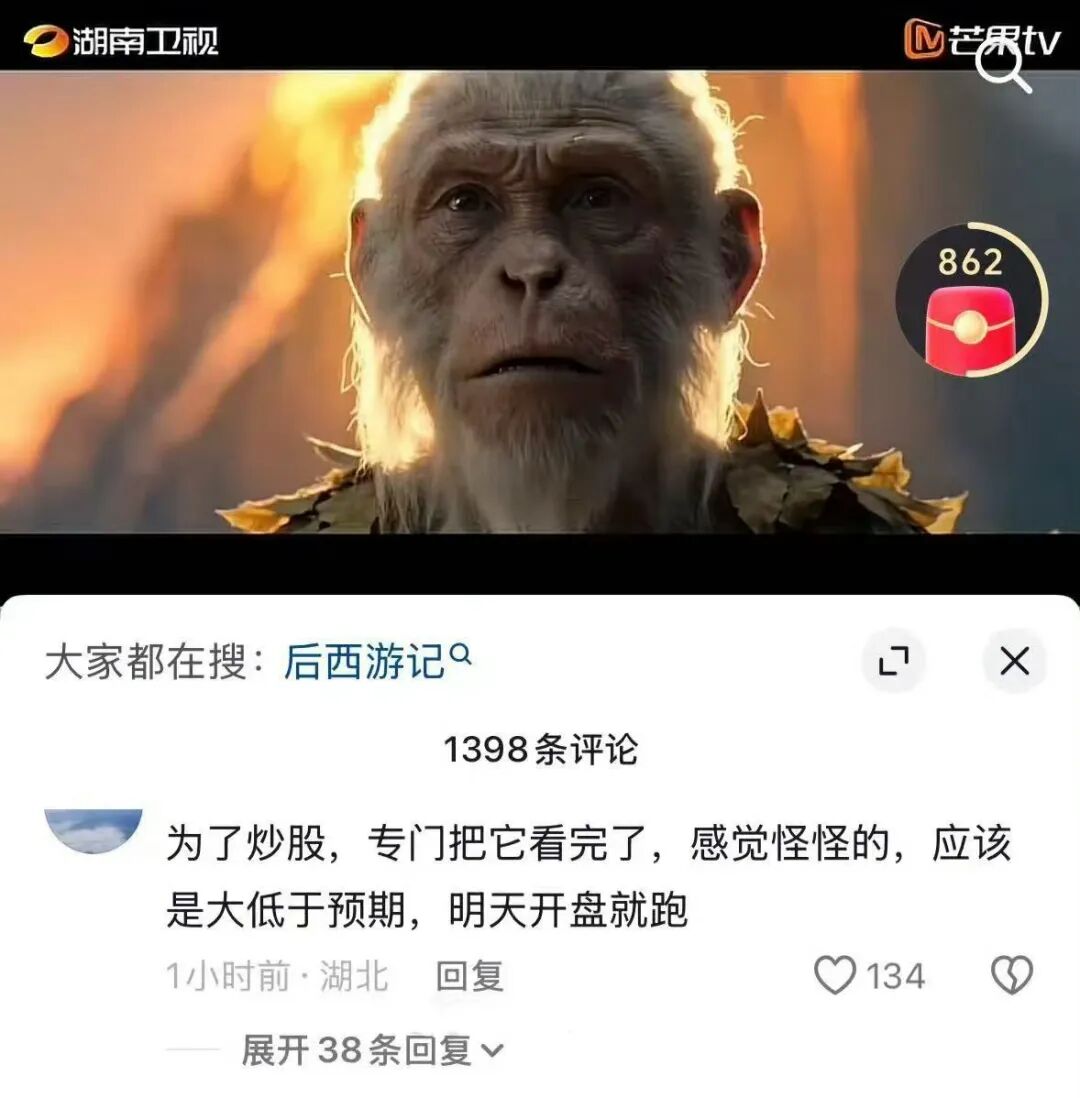
However, looking beyond the macro industrial prospects, in the short term, TV stations' demand for AI content may be stronger and more urgent. The main broadcast channels for AI content are not TV stations, and the demand for airing on satellite channels and prime time is phased, while TV stations' demand for AI content is long-term, and even to some extent a lifeline for them.
The most urgent reason is that TV stations are facing a severe shortage of fresh content supply. Most TV channels need 24-hour content supply, but after long video platforms took the lead in content investment, production and broadcast, TV stations have continued to face content contraction, cutting expenditures and streamlining production teams. Most satellite TV channels only retain a few old variety show IPs recognized by advertisers, and for TV series, they purchase second-run works and old dramas, or rely on their satellite broadcast value to maintain content updates at relatively low procurement prices.
According to CVB China Audiovisual Big Data, 753 TV series were broadcast on national satellite channels in 2026, of which only 73 were first-run dramas, meaning 90% of the broadcast TV series were old works.
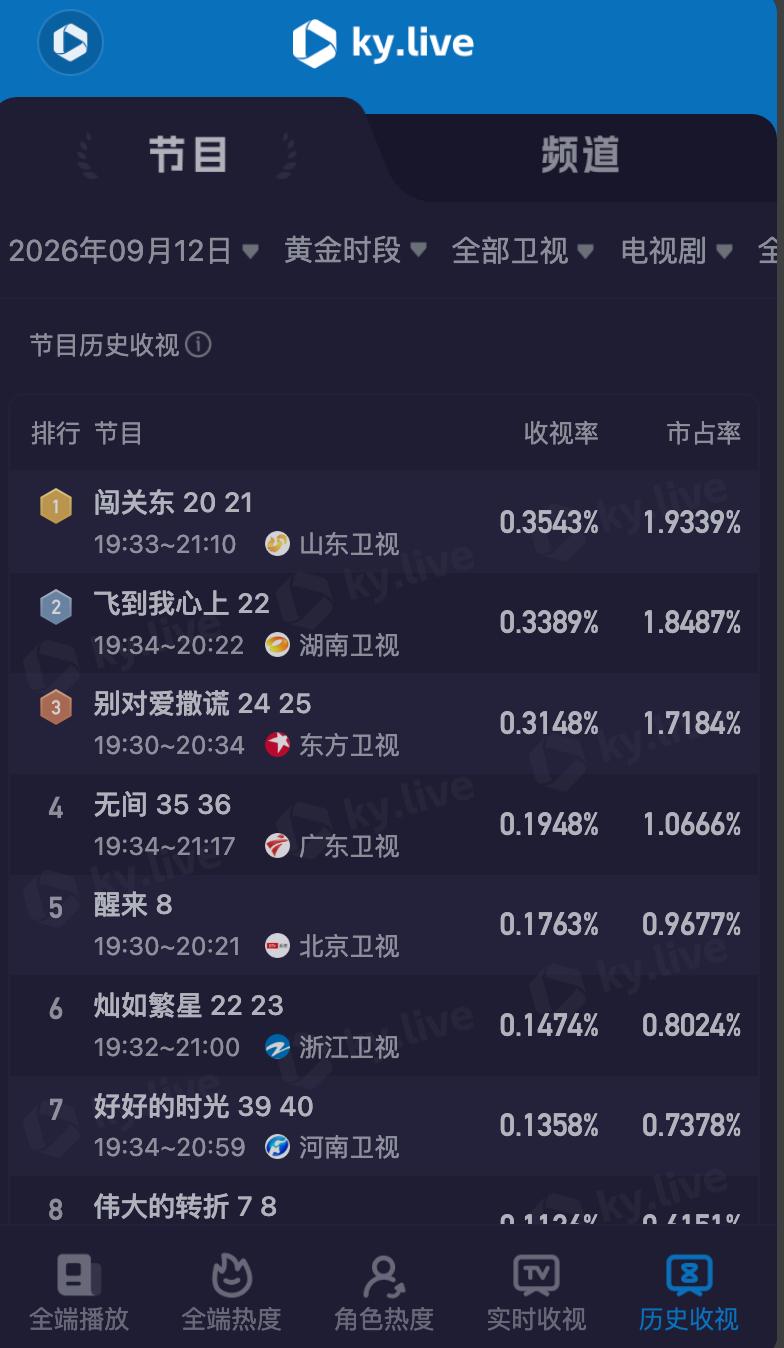
Du Mou checked the recent prime time viewership data from Coolyun and found that many channels even fill their prime time slots with "vintage old dramas". Except for the new drama *Fly to Your Heart* broadcast on Hunan TV, other top-ranked satellite TV channels are still airing old series from many years ago such as *Chuang Guan Dong* and *All is Well*, whose content supply seems to be in a completely different dimension from long and short video platforms.
Even relatively established satellite TV channels such as Dragon TV, Zhejiang TV and Jiangsu TV, under the strategy of "major dramas go to China Media Group", the head resources of TV series are further concentrated in China Media Group. This year's high-profile major dramas such as *Fragrance Remains as Before*, *Peaceful Years* and *The Lead Role* are all broadcast on CCTV.
For production companies, the coverage, promotion resources and broadcast certainty of China Media Group are still the most attractive choice for the first-round distribution of many major dramas. As a result, the satellite broadcast value of local satellite TV channels will be further diluted, and their situation will become more passive. Even for rerun dramas, only several relatively established satellite TV channels can jointly purchase and distribute them to maintain the basic supply of prime time slots, and the difference in their program schedules has become even smaller.
In this situation, even the remaining small number of audiences have clearly perceived that the rerun rate of most TV stations continues to rise. At the same time, in order to fill the schedule and generate revenue, TV stations have aired a large number of low-quality advertisements, some of which are even fraudulent, which has seriously affected audiences' willingness to turn on TV and their viewing experience, making it urgent to adjust the content supply system.
02
Multiple Ways to Embrace AI
AI content has entered the vision of TV stations at this time, and its main task is to input fresh content. Judging from the works currently broadcast on TV stations, they can be mainly divided into the following categories.
The first category is AI short dramas and long dramas, such as the short drama *When the Sun Falls* broadcast last year by Dragon TV's "Quality Dragon TV Micro Theater", *Chinese Legends: White Snake* launched on Zhejiang TV at the beginning of this year, and the longer-length *Peach Blossom Pavilion Chronicles* and *Journey to the West: The Sequel* which have sparked heated industry discussions recently, broadcast on Anhui TV and Hunan TV respectively.
In terms of themes, classic IPs are the most popular. This type of IP is national-level content, and TV audiences are enthusiastic about different versions of *Journey to the West* and *Dream of the Red Chamber*. TV stations have long been eager to remake classic IPs, but in the past they could not do so due to limited capital and production capacity. With the assistance of AI, local satellite TV channels now have the ability to participate in the development of such IPs, and the first batch of AI content attempts have all chosen this type of theme.
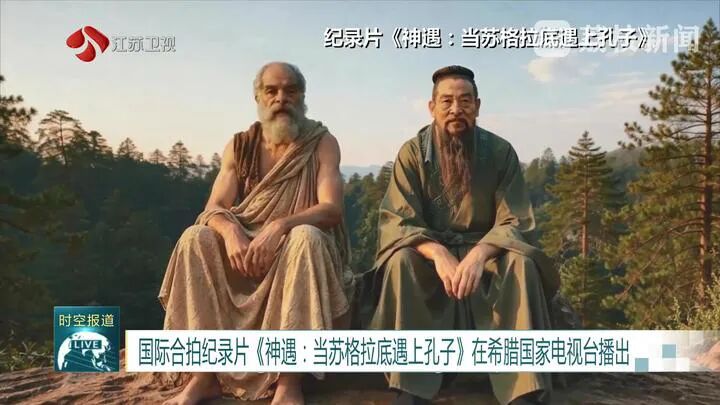
The second category is AI cultural documentaries and short films, such as the recently broadcast *Chronicles of Taiwan Island* on Hunan TV, *Encounter of Minds: When Socrates Meets Confucius* from Jiangsu Broadcasting Corporation, and *The Long March: River Chronicles* from Beijing Television. In this regard, AI is mainly used to restore historical scenes, simulate characters and realize visual expression, while TV stations' existing interview materials, documents and local cultural resources are still the foundation of the content.
The last and most mainstream application method is to embed AI into existing programs to provide content assistance. Henan Spring Festival Gala uses AI to process the interaction between humans and horses and the visual presentation of cultural heritage, Shanghai City Channel uses AI sign language characters in health programs, and the widely used AI news anchors are also part of this category. These programs do not take AI content itself as the selling point, but mainly aim to improve production efficiency, supplement scenes that cannot be achieved by real shooting, or increase the service functions of the programs.
Overall, the current AI applications of TV stations have strong public welfare and publicity attributes, which are reflected in the more or less cultural tourism and cultural features of the content, as well as the purpose of using AI, such as becoming the first platform to broadcast AI short dramas and long dramas to attract more attention and discussion.
At the same time, most TV stations still cooperate with platforms such as Douyin to complete the production of AI content, and their role remains a content distribution platform. Only a few broadcasters such as Hunan Broadcasting System and Jiangsu Broadcasting Corporation have claimed to build their own models and tool platforms to develop AI production capabilities at the underlying level.
For example, the Litchi Media large model and AI Hub intelligent tool platform developed by Jiangsu Broadcasting Corporation are mainly used in links such as topic insight, script and storyboard generation, actor and scene recommendation, digital doubles, and multilingual translation. Hunan TV's Mango Creative AI is mainly oriented to film and television production, integrating different models to provide process tools for storyboarding, art design, video production and post-production, with application directions that fit its own advantageous content sectors.
From this perspective, there are roughly two levels for TV stations to embrace AI. Most TV stations start with broadcasting and co-production, use lower costs to supplement content supply, develop local cultural resources, and gain industry attention through concepts such as "first satellite broadcast" and "first entry into prime time". A small number of radio and television institutions with strong capital, technology and production foundations have begun to build their own production tools and try to establish stable AI content production capacity.
At the current stage, the former method is easier to popularize and can alleviate the current content supply pressure of local TV stations to a certain extent. However, to what extent AI can improve the operating conditions of TV stations still needs to be discussed in combination with TV stations' own content capabilities and operational dilemmas.
03
AI Is Not a Universal Solution
From following reruns and rebroadcasts to attempting first-run broadcasts, from purchasing finished works to participating in development, AI provides local TV stations with possibilities to reorganize their content supply. However, there is still a long way to go from experimenting with several works to achieving stable content production, and then to improving operating conditions. The update of production tools can hardly make up for the market position that TV stations have lost in the past decade.
For a long time, most local TV stations have been somewhat disconnected from the mainstream film and television content consumption market, which means that their management and production teams have fewer opportunities to contact new creators and understand audience needs. As content production methods and consumption habits continue to change, if the existing topic selection experience, production processes and evaluation standards cannot be adjusted in time, the gap between TV stations and public preferences may further widen.
Objectively speaking, AI is indeed a low-threshold creation tool, but it only lowers the threshold of production, not the threshold of work competition. The AI content platforms that audiences are more accustomed to are still the places where AI content was born — internet video platforms. This is not only due to the convenience of media, but also because these long and short video platforms master the most core talents and technologies for AI creation, and dominate the creation and consumption of AI content. Their works are closely shaped by and intertwined with audience preferences.
Among the thousands of TV stations across the country, only a very small number of them like Hunan TV have the ability to build an AI production and creation platform and keep up with audience preferences. Its experience has very limited reference value for TV stations that have already fallen behind in the mobile video era.
To a certain extent, the reasons that once marginalized TV stations have not been eliminated or improved in the AI era. If the main contradictions are not alleviated, solving secondary contradictions is obviously not enough to completely reverse the current survival situation of TV stations.
But as discussed earlier, the most urgent problem faced by most TV stations today is not to overtake on a bend and completely reverse their disadvantageous situation, but to fill their program schedules and no longer struggle on the verge of survival.
In this sense, AI can alleviate the urgent needs of TV stations to a certain extent. Over the past decade, most TV stations have experienced streamlining of resources and manpower. At the current time node, the convenience and generation performance of AI film and television creation tools and platforms have evolved to a relatively mature level, which can meet the content supply needs of TV stations to a certain extent without occupying excessive capital and manpower costs, and the two are relatively matched in resource allocation.
In terms of content, for audiences who are still used to watching TV, AI film and television do not need to blindly catch up with the latest online trends. Classic stories, local culture and emotional content have always been important components of TV screen content. Creating works around these contents and telling new stories with new audio-visual expressions may be more in line with the actual needs of local TV stations than copying popular themes from online platforms.
However, filling broadcast schedules and alleviating operational pressure are ultimately two different things. Whether the new content can bring higher viewership ratings, gain recognition from advertisers, and whether the cost saved in the production process can cover continuous investment, all need to be verified in the broadcast of successive works.
The novelty of being the "first" will eventually fade. AI dramas may have the opportunity to ease the dilemma of content supply and win time for TV stations to adjust. Whether this time can bring more effective production mechanisms, more stable audience relationships and revenue sources depends on the stronger capabilities of TV stations themselves.
This article is from the WeChat official account "Xu Mou", author: Hu Yujing, editor: Liu Nandou, published with authorization from 36Kr.