The last time you wore leather shoes, wasn't it at last year's annual meeting?
01
The "leather shoe tycoons" are facing challenges
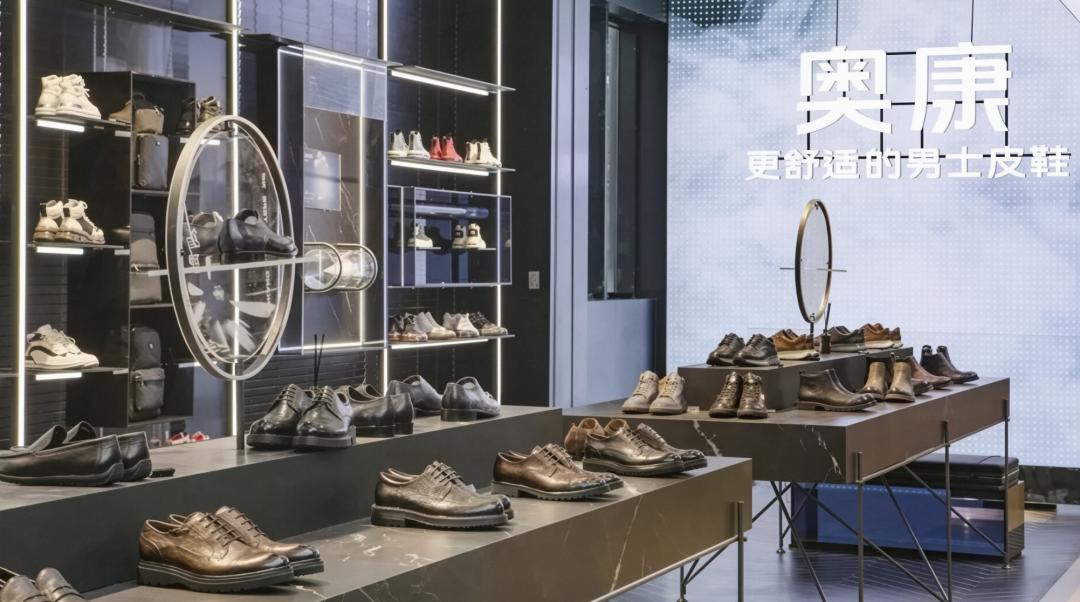
In 2025, Aokang International recorded total annual revenue of 1.924 billion yuan, down 24.23% year on year; the net profit attributable to shareholders was a loss of 241 million yuan, marking the fourth consecutive year of losses, with a cumulative loss of 924 million yuan over the four years.
What is more worth analyzing is the data of core categories: the sales volume of men's shoes decreased by 11.00% year on year, the revenue dropped by 27.00% year on year, and the gross profit margin plummeted by 7.94 percentage points to 32.76%.
Sales volume fell by 11%, revenue fell by 27%. What does the 16 percentage point gap in between mean?
It means Aokang is not only selling fewer shoes, but also selling shoes at lower prices. It traded price for volume, but even the volume failed to be maintained.
Source: Internet
The revenue from direct stores shrank from 1.47 billion yuan in 2023 to 866 million yuan in 2025, and the gross profit margin fell from over 50% to 48.05% — within two years, the direct-operated revenue shrank by more than 40%. The number of stores dropped from 2614 at the end of 2021 to 1836 at the end of 2025, with a cumulative reduction of 778 stores in four years, and 399 stores were closed on a net basis in 2025 alone.
Red Dragonfly posted revenue of 2.025 billion yuan in 2025, with a net loss attributable to shareholders of 140 million yuan, twice the loss in 2024, hitting the highest loss record since its listing. It closed 572 stores throughout the year, with a net reduction of 181 stores. As for Fuguiniao, it was delisted and went bankrupt in 2019, with total creditor's rights reaching 3.082 billion yuan.
02
The market is not shrinking, the reasons people buy shoes have changed
When you put the financial reports of Aokang and Red Dragonfly together, you will see a common curve: declining revenue, shrinking store network, consecutive losses, and failed transformation. This is not the problem of a single enterprise, but a whole generation of leather shoe giants trapped in the old path.
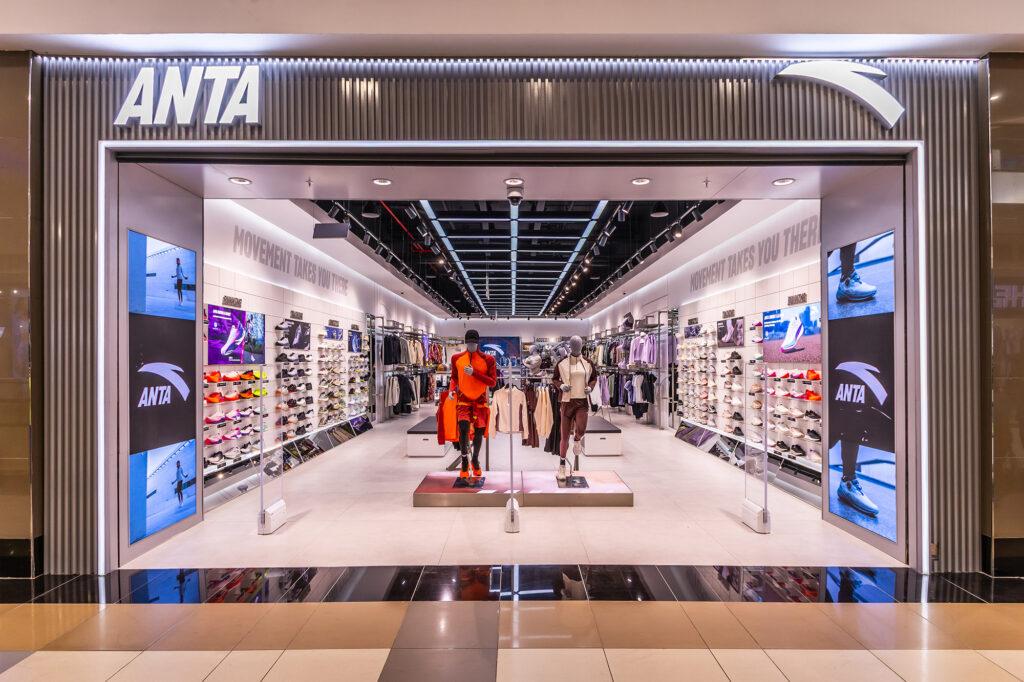
Take the men's shoe category as an example. According to data from Euromonitor International, in the past five years, none of the top 10 traditional leather shoe brands have remained in the Chinese men's shoe market by market share. Sports brands such as Anta and Xtep have taken all the positions.
Source: Internet
According to Euromonitor International data, the total size of China's men's shoe market has barely changed in the past five years, remaining at around 170 billion yuan. The market is not shrinking, it is just that people's reasons for buying shoes have changed.
In the past, when men bought shoes, the first filter in their mind was "what occasion to wear them for". For going to work, meeting clients, and attending weddings, leather shoes were the default option.
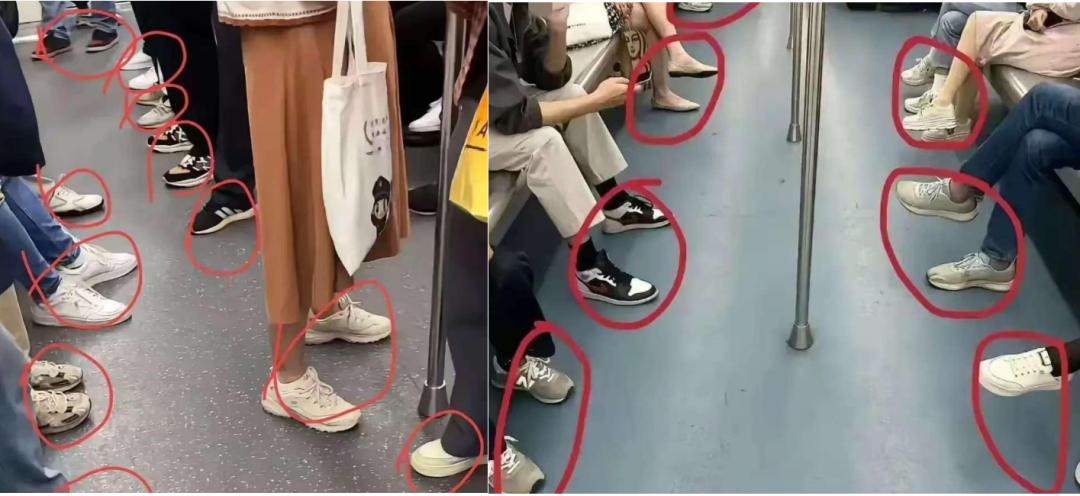
Now the first filter has become "will my feet get tired after wearing them all day". Analysts at Euromonitor put it bluntly: The logic of men choosing shoes has shifted from "matching identity and occasion" to "balancing comfort, style and multi-scenario adaptability". It is no longer out of place to wear sports shoes for commuting, and it is also acceptable to wear a pair of lightweight casual shoes in light business occasions. Leather shoes are no longer the only solution for "decency", nor even the main solution.
Looking at the channels, the situation is clearer. The base camp of leather shoe giants is the commercial pedestrian streets in third- and fourth-tier cities, relying on franchise stores to spread points. But over the years, the street-facing shop spaces on pedestrian streets have been gradually taken away by sports brands such as Anta and Xtep. According to a report from Enshi Daily, a franchisee in Enshi, Hubei, used to run six Aokang stores, but later closed down to only two, for a very simple reason: "Fewer and fewer people wear formal leather shoes in daily life."
Source: Internet
So the underlying logic of this matter is not just that "leather shoes are not selling well", but that the identity label of "formal wear" is no longer a high-premium pass that everyone needs. The market has not become smaller, but consumers' decision-making entry has changed from "who I am" to "what I am going to do today". The leather shoe giants have not kept up with this change.
Today we will quickly sort out several mistakes that we believe these giants have made.
03
Rise by the same, fall by the same
Mistake 1: Tying the category exclusively to the "formal wear" scenario
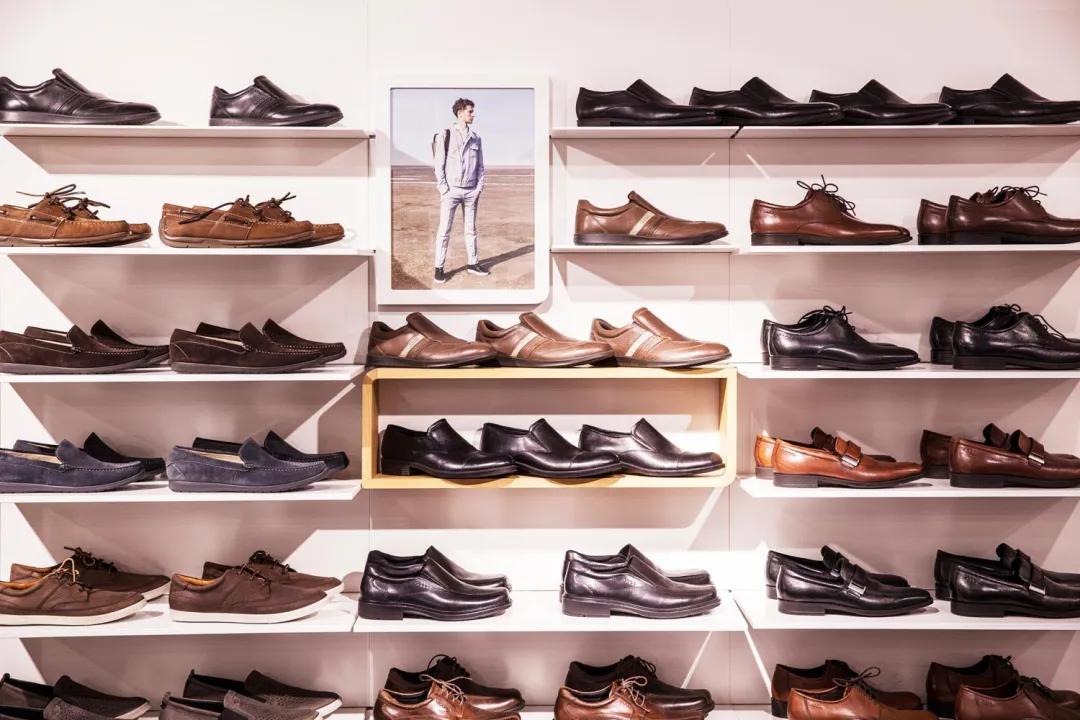
The challenges faced by Aokang, Red Dragonfly, Fuguiniao, and earlier Daphne and Belle are all the same: they defined themselves as "formal shoe brands".
Source: Internet
What are the scenarios for formal shoes? Weddings, job interviews, meetings, business receptions, and working in government institutions. Over the past two decades, these scenarios have either been shrinking or being replaced by casualization. In the post-pandemic era, the rise of casual office work and outdoor lifestyles has brought sports shoes into commuting and light business scenarios, and the scenario space for formal leather shoes continues to narrow.
A nearly 40-year-old male consumer told Jiemian News that he has leather shoes in his shoe cabinet, but he wears them very rarely, basically once a year, at most twice, mostly for occasions like company annual meetings. Even at annual meetings, some colleagues choose to wear sports shoes.
But there is a counterintuitive discovery ignored by most people: Aokang's problem is not that leather shoes are uncomfortable, but that it has not tried to solve problems other than "discomfort". When consumers stopped buying leather shoes, it just added soft cushions to the leather shoes. When consumers stopped wearing formal wear, it just waited for wedding orders. Consumers' value coordinate system has changed, but it has not adjusted accordingly.
Aokang is not an isolated case.
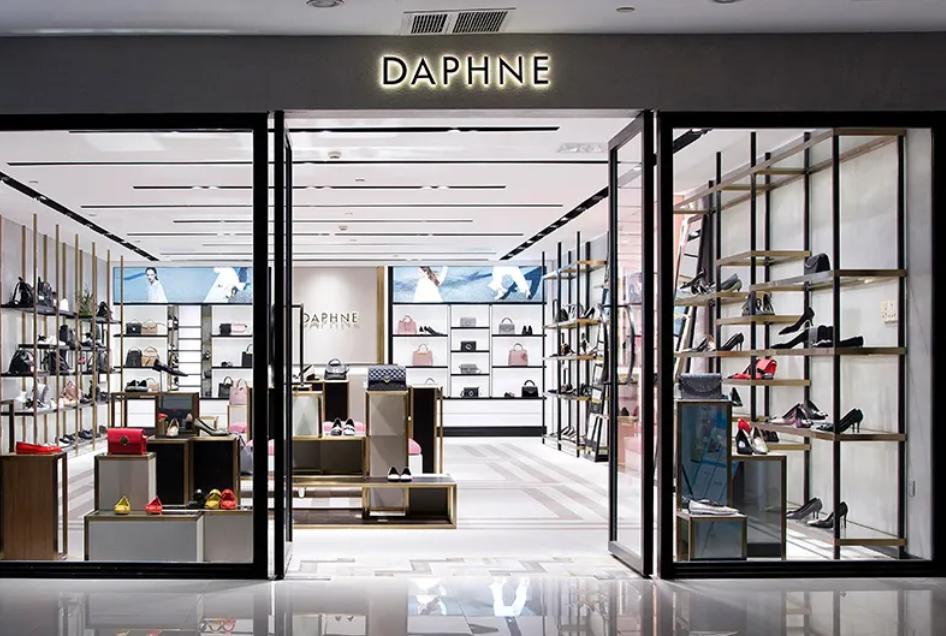
Daphne suffered consecutive losses for six years starting from 2015, with cumulative losses exceeding 4 billion Hong Kong dollars, and its number of stores shrank drastically from more than 6,000 at its peak. In 2020, it announced its withdrawal from the physical retail of mid-to-high-end brands and closed all sales points of its other brands, with its market value falling from 17 billion Hong Kong dollars at its peak to single-digit billion Hong Kong dollars. Belle was delisted from the Hong Kong Stock Exchange after privatization in 2017, and Sheng Baijiao, its CEO, admitted that he "couldn't understand e-commerce", "if we don't transform, we will only die slowly", "the transformation failed, and the responsibility lies with me". Tianchuang Fashion was taken over by Anhui Xianrui in early September 2026.
Source: Internet
What are the common characteristics of these brands? They rise by the same thing, and fall by the same thing. The formal wear scenario has always been the core service target of the company's products. The companies succeeded because of this, but they also formed huge inertia, and the big ship is difficult to turn around quickly.
Red Dragonfly tried white sneakers and skate shoes, but its R&D expenses in 2025 decreased by 12.52% year on year, indicating that the investment intensity was far from enough. Daphne tried to move towards high-end positioning, but the stereotype that "Daphne = affordable" is deeply rooted.
Their failure is that they regarded "leather shoes" as the end goal, not a means. Leather shoes are just a type of shoes. What consumers want is shoes that "balance scenarios and their own preferences", not the word "leather shoes" itself.
Mistake 2: Taking scenario dividends as their own capabilities
Those giants tied their core products such as leather shoes exclusively to the single "formal wear" scenario, so when the scenario shrinks, the brand shrinks.
But some giants did something different.
Salomon was originally a French brand that made cross-country running shoes, and was almost unknown outside the outdoor circle. In 2019, Anta led a consortium to acquire Amer Sports, bringing it into the portfolio together with Arc'teryx and Wilson. The transaction was priced at 4.6 billion euros at that time, and the market questioned that "it was overpaid".
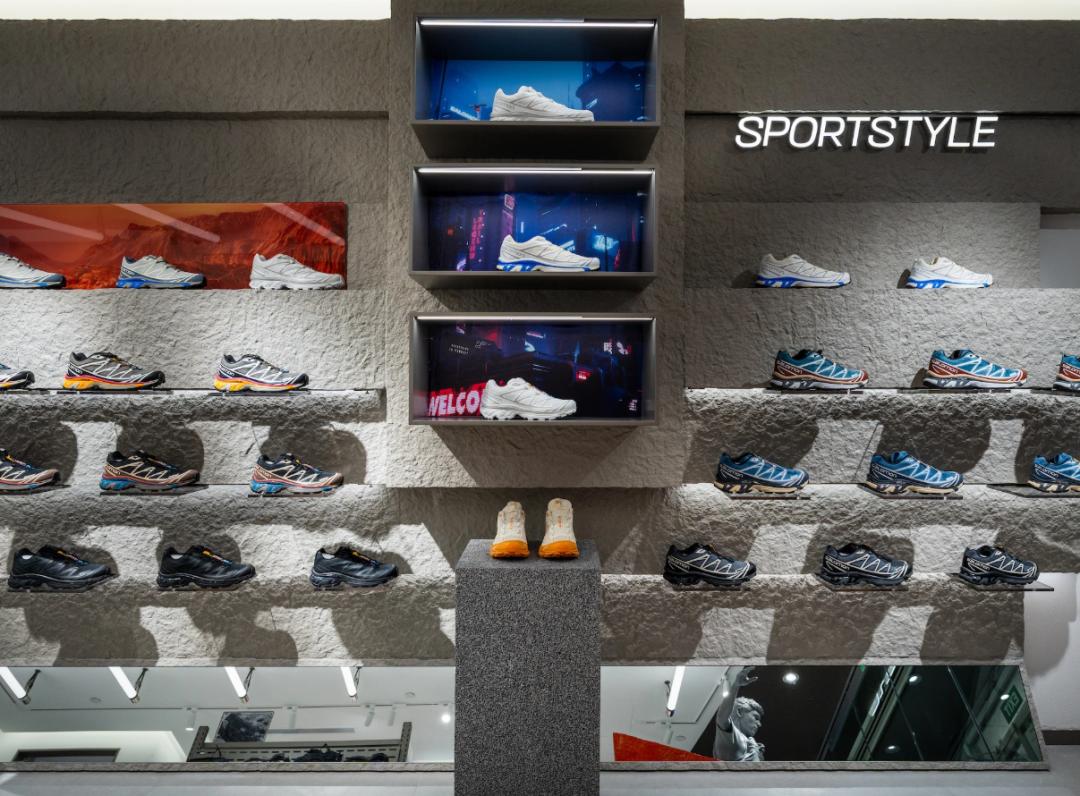
What did Anta do? It did not improve the performance of Salomon's cross-country running shoes. Instead, it placed the shoes designed for muddy and gravel tracks in Anfu Road, Shanghai. The sales pitch changed from "what terrain this pair of shoes is suitable for" to "this pair of shoes goes well with your outfits". The core user group shifted from hardcore cross-country runners to young consumers in first- and second-tier cities who pursue fashion matching.
Source: Internet
The shoes are still the same pair. But the people who wear them, the occasions to wear them, and the reasons to wear them have all changed.
Every brand Anta acquired is a vertical category brand. FILA is for tennis and golf, Arc'teryx is for mountaineering, and Salomon is for cross-country running. But when the original scenario dividends are about to run out, Anta brings them into a larger lifestyle narrative.
This ability to add new narratives to categories is the core competence of consumer goods companies.
Aokang's problem is not that it has no capabilities. It can make durable leather shoes, open more than 4,000 stores, and develop a regional brand into a listed company. But all its capabilities are built on the dividend of "formal wear scenario + rapid channel expansion".
But when the scenario dividend is shifting, the company's core capabilities must continue to evolve to keep up with the times.
Mistake 3: Missing the window for self-transformation
Aokang is not without a sense of crisis. It has tried to transform.
The best opportunity was Skechers.
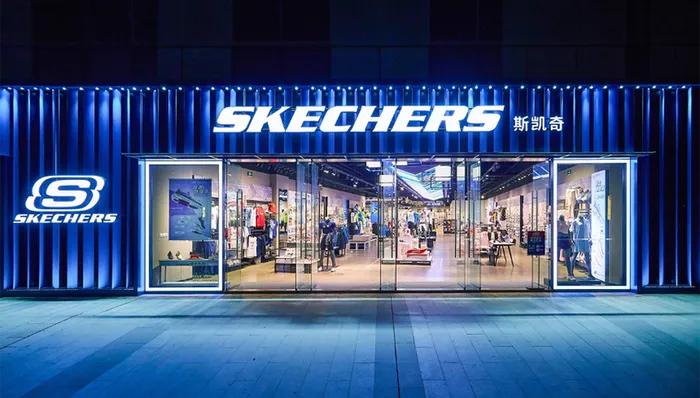
In 2015, Aokang obtained the exclusive agency right for Skechers in the southern region of Chinese mainland, and put forward the goal of "opening about 1000 stores in five years". The number of stores surged from 16 at the end of 2015 to 125 at the end of 2016, reached a peak of 160 in 2021, and the Skechers agency business contributed 368 million yuan in revenue to Aokang in 2021. Then it went downhill all the way. The number dropped to 125 at the end of 2024, and all were closed by the end of 2025. Only 7 Puma stores under agency remained. The revenue of the Skechers agency business plummeted by 55.45% year on year to 114 million yuan, and the gross profit margin fell from over 30% at its peak to 19.49%.
Source: Internet
Why? Later, Skechers put forward the slogan "return to the original aspiration of comfort", focused on the core markets in first- and second-tier cities, and implemented the DTC direct sales model. But Aokang relied on the traditional channel model of street shops in sinking markets. The brand side wants to move up to do direct sales, while the agent only wants to sink down to do wholesale. The strategic directions are completely deviated, and the end of the cooperation is only a matter of time.
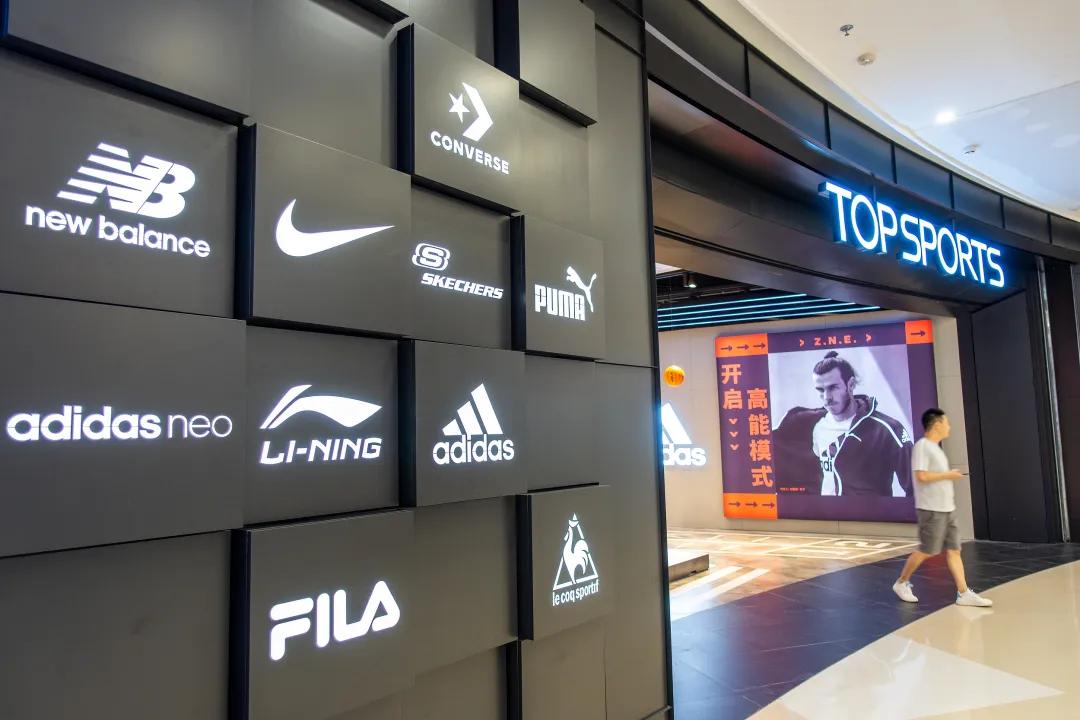
Also in the agency business, Topsports International has made the agency of Nike and Adidas its main business, and its gross profit margin for the first half of the 2025/26 fiscal year as of August 31, 2025 reached 41.0%. But Aokang turned the Skechers agency into a side business, with its gross profit margin falling all the way from over 30% to 19.49%.
Source: Internet
Aokang used the channel thinking of leather shoes to do the sports shoe business, used the logic of goods distribution to build the brand, and took the attitude of treating it as a side business to do the transformation of its main business. It already