Middle-aged people's overseas budget travel buddies can't hold on any longer.
01
Yesterday, I stumbled on a piece of news, and my thoughts were instantly pulled back 20 years.
According to Reuters, the Malaysian government has recently approached Malaysia Airlines and Batik Air to inquire whether the two carriers can take over part of AirAsia's capacity in the domestic Malaysian market if AirAsia's operating situation continues to deteriorate.
Sources familiar with the matter disclosed that as of the end of June this year, AirAsia's current liabilities have reached a staggering 18.4 billion ringgit (about 30 billion RMB), and it also owes Malaysia Airports Holdings at least 500 million ringgit (about 800 million RMB) in service fees.
The bright red aircraft on the mobile phone screen is very eye-catching. For many post-70s and post-80s generations in China, AirAsia is probably the first low-cost airline we have ever taken. It made overseas travel accessible to ordinary people.
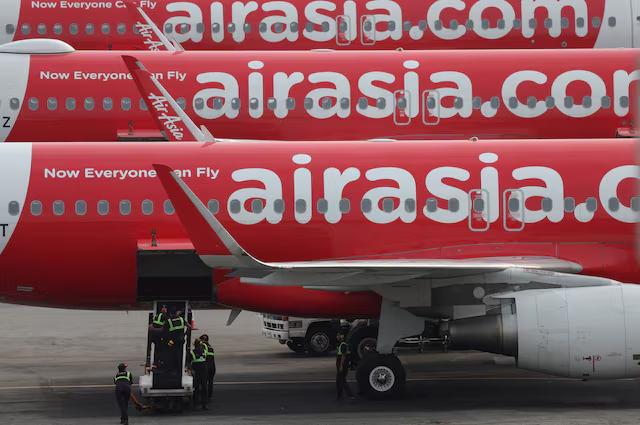
As early as April 2005, AirAsia entered mainland China via Xiamen, three months earlier than Spring Airlines completed its maiden flight.
Four years later, AirAsia X brought its red aircraft to Tianjin, bringing cheap Southeast Asian air tickets within reach of young people in Beijing.
To a certain extent, the red AirAsia and the green Qyer.com are closely linked.
Every time AirAsia launches its 0-yuan big sale, young people who love travel will stay up late, sit in front of their computers, prepare the date and passport information in advance, and discuss their next travel plan anxiously and excitedly on Qyer.
When the clock strikes midnight and AirAsia's page is accessible, they will immediately check the ticket prices for Kuala Lumpur, Bangkok and Bali, and arrange their next trip to wherever offers the cheapest deal.
For young people back then, being able to fly to Southeast Asia for only a few hundred yuan was exciting enough.
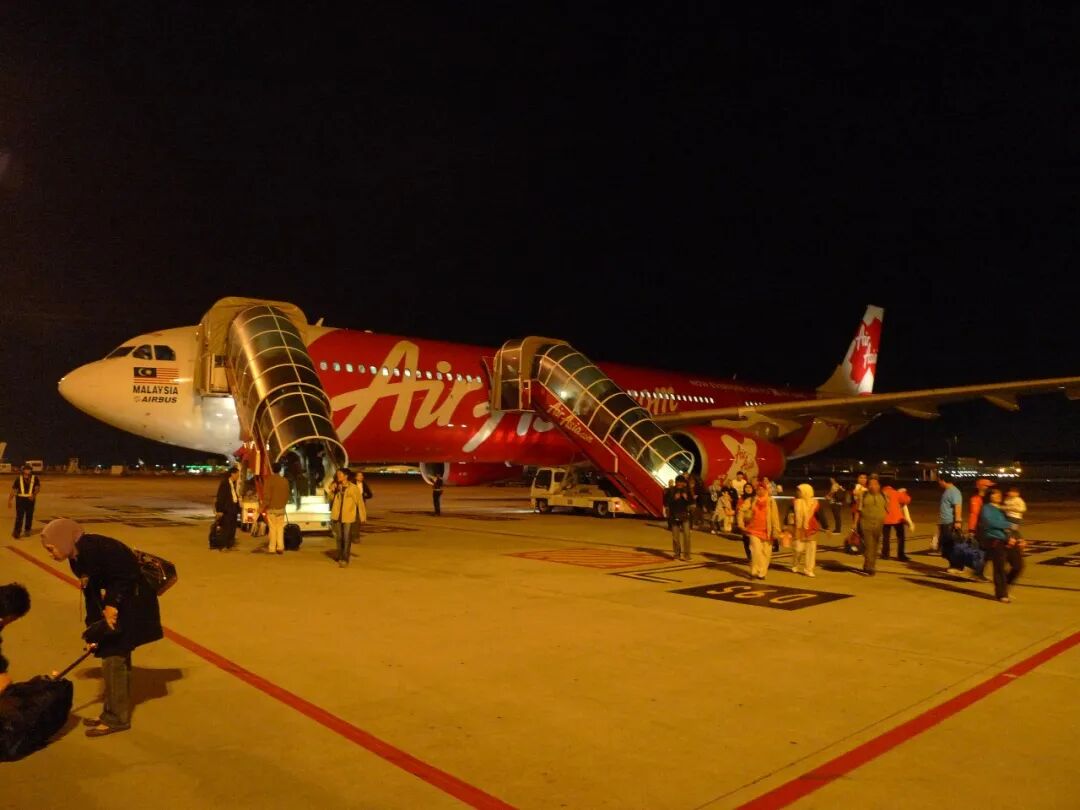
2011, Landing at Kuala Lumpur International Airport / Photo taken by Travel Industry
At that time, I just started working, with a low income but a long list of places I wanted to visit.
There were no direct AirAsia flights from Beijing to Kuala Lumpur back then, so to catch the flight, I had to travel all the way to Tianjin first.
On the departure day, I dragged my suitcase to Bawangfen in Beijing to take a long-distance bus, and it took ages to get to Tianjin Airport. Looking back now, to save a few hundred yuan on airfare, I spent half a day traveling across cities to catch the flight, which was really tough, but at that time I only had the anticipation of getting closer and closer to my destination.
Speaking of which, many AirAsia flights take off late at night.
After boarding, what I cared most about was whether anyone would take the two seats next to me. Every time I saw the cabin door about to close and the three consecutive seats were still empty, I would secretly rejoice, feeling like I had got a free sleeper ticket.
But when I actually lay down, I soon found that the cabin was extremely cold.
Some people wrapped themselves in coats and huddled in their seats, while others couldn't stand the cold and bought blankets from the cabin crew. Travelers on the Qyer forum once joked that AirAsia turns the air conditioning up so high probably just to sell more blankets.

The bright red AirAsia also allowed many Chinese people to experience paid in-flight meals for the first time. The nasi lemak on the menu smelled very good, but even drinks required extra payment.
AirAsia tickets do not include checked baggage either. Many post-70s and post-80s people spread all their luggage out on the airport for the first time in their lives, just to barely meet the 7kg carry-on weight limit of AirAsia.
Oddly enough, few people got angry about it back then.
Young people didn't have much luggage, and sleeping a few hours less wouldn't affect their shopping the next day. As long as they could fly out with very little money, all other problems seemed tolerable, and just being able to set off made them happy.
After landing on a night flight and walking out of the airport, the humid hot air of Southeast Asia hits you. The cold endured in the cabin and the bumpy ride from Bawangfen to Tianjin were soon forgotten.
What the red aircraft took away was not just passengers, but also many young people's first wish to see the world.
02
In recent years, AirAsia's name still frequently appears on various promotion pages, but my fingers no longer click into it like I did when I was younger.
After adding the baggage fee and seat selection fee, and counting the time lost on the night flight, the price is not necessarily as attractive as it looks on the promotion poster.

However, even if the people who snapped up tickets back then have grown up gradually, AirAsia is still selling tickets, and the red aircraft has not disappeared. How did it end up in a situation where even the Malaysian government has to look for alternative solutions in advance?
People familiar with AirAsia know that the company has gone through more than one life-and-death moment, and many people's confidence in it was severely hit as early as 2014.
At that time, AirAsia Indonesia Flight QZ8501 crashed into the Java Sea on its way from Surabaya to Singapore, killing all 162 people on board. This accident left a deep scar on the brand.
But the real financial pressure weighing on AirAsia today mainly comes from the pandemic.
During the border closure period, a large number of flights were grounded, and AirAsia could only survive through borrowing and restructuring. Later, even when Southeast Asian tourism recovered and the planes were full of passengers again, the high-interest debts accumulated during the pandemic did not disappear.
AirAsia Group said in September this year that it plans to raise up to 1 billion US dollars from the international debt market in the near future, while seeking 700 million ringgit in local credit, which immediately sparked widespread speculation.
In response, AirAsia specially explained that the funds are mainly used for restructuring and replacing old debts, hoping to extend the repayment period and reduce the interest burden.
But before the old debts were sorted out, the US-Iraq war caused fuel prices to rise sharply.
In the second quarter of this year, the average price of aviation fuel used by AirAsia reached 183 US dollars per barrel, with fuel expenditure increasing by 58% year on year. In the same period, the group's net loss expanded to 831 million ringgit, including exchange losses of about 331 million ringgit.
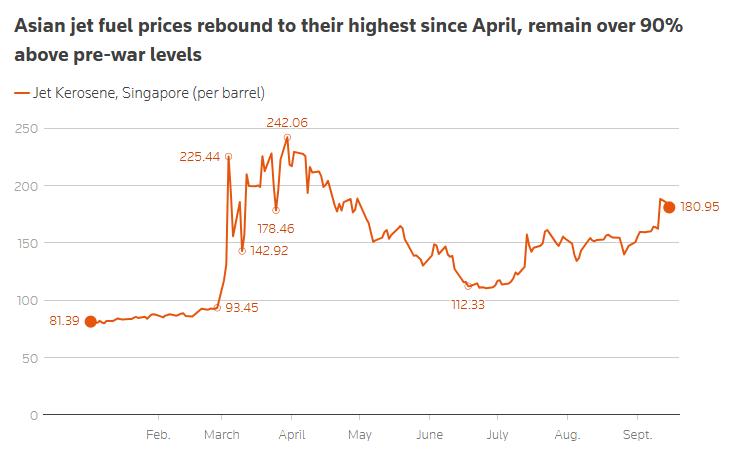
Low-cost airlines are particularly sensitive to fuel prices, because their ticket prices are low, leaving less buffer space for rising costs.
Just like me 20 years ago, I could lock in cheap tickets as early as half a year in advance. If oil prices rose sharply, the flight operation might even become a loss-making business for the airline.
To ease the pressure, in addition to expanding fuel hedging, AirAsia Group had no choice but to raise prices. Its Q2 financial report shows that in May and June this year, the average ticket price increased by more than 20% year on year.
But raising prices would shake the most important appeal of low-cost airlines.
After AirAsia entered China, other Southeast Asian low-cost carriers such as Cebu Pacific, Scoot and VietJet were gradually known to more passengers. The rise of local low-cost carriers like Spring Airlines also ate into AirAsia's market of young people who prefer low-cost travel.
At the same time, with more routes to Southeast Asia available, consumers have more options to compare. It is difficult for AirAsia to become the default choice for budget travelers just by being a low-cost airline as it did in the early years.
It is worth mentioning that service experience is also affecting people's choices.
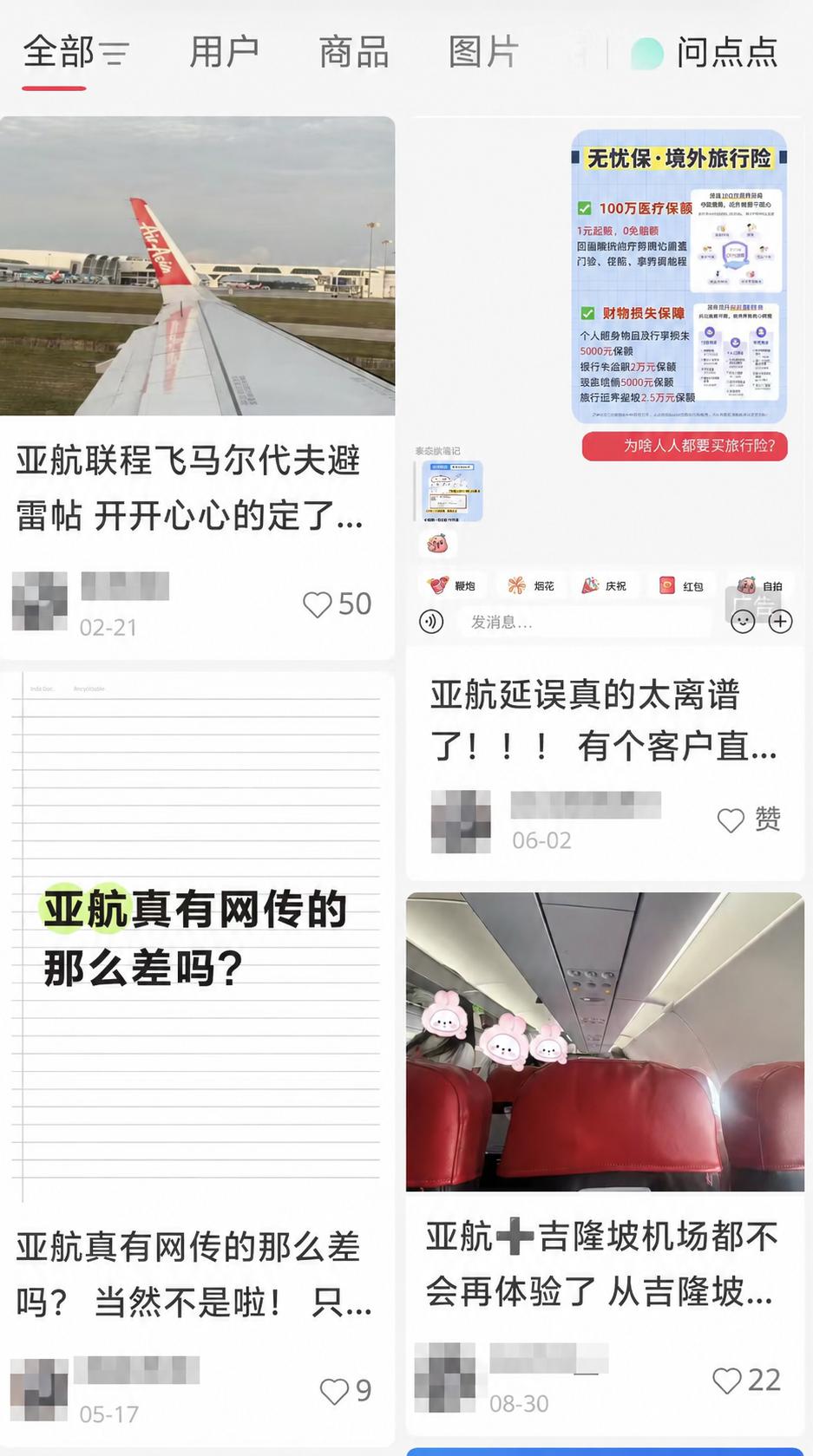
In the past two years, there are countless posts on social media platforms such as Xiaohongshu warning against AirAsia, with many people complaining that old aircraft are often delayed due to malfunctions, and sometimes need long hours of maintenance before they can take off again.
Overseas, on Reddit, a large number of passengers also complain that baggage fees tend to exceed expectations, and when encountering flight cancellations or damaged baggage, they can only communicate with chatbots repeatedly, making it very difficult to find a customer service representative who can actually solve the problem.
If saving a few hundred yuan was enough to offset the tiredness of night flights and waiting when people were younger, now long-time loyal AirAsia fans who travel with their children also have to consider whether their children can sleep well and whether flight changes will disrupt their subsequent itineraries.
As the price advantage gradually narrows, the inconveniences that were tolerable in the past start to become costly.
03
Back then, after snapping up a cheap ticket for a trip several months later, I started planning what to do along the way, as if the trip had already started the moment I finished the payment.
Today I'd like to share a word of advice for everyone: when you see similar AirAsia promotions recently, you should check how long it is before the departure date.
AirAsia's financial pressure does not mean that flights will be grounded soon, but there is a window of several months between paying for a forward ticket and boarding the plane, so potential changes are worth paying attention to.
If you have already bought air tickets for the winter vacation, and booked hotels and local transport based on the flights, only to receive a notice of adjustment shortly before departure, even if the ticket money is finally refunded, the original travel plan can hardly be restored.
At that time, the price of rebooking tickets may have risen, the separate subsequent flight segments need to be handled respectively, and the non-refundable accommodation and pre-approved vacation days will not be refunded to your account.
Therefore, whether AirAsia's low-price forward tickets are cost-effective depends on whether you have room to adjust when the itinerary changes.
Many years later, I rarely buy low-cost airline tickets, but I still suffered a similar loss in June this year.
At that time, I took my family to the Azores, Portugal. To get from Pico Island to the next destination, I could only take the local airline SATA Air Acores. After the flight was cancelled due to bad weather, the compensation promised by the airline was still not credited to my account even after more than three months.
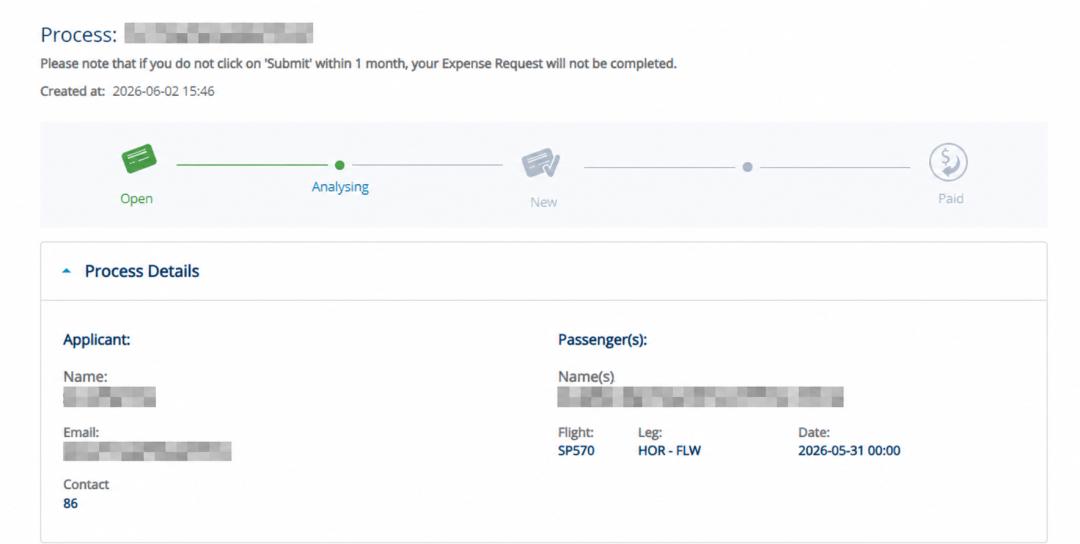
Flight cancellation is just the beginning of the trouble, and the time spent on subsequent communication is often more exhausting than the loss itself.
Middle-aged people do have affection for AirAsia, but that doesn't mean they want to pick a fight with their shrinking wallets.
At the same time, it doesn't matter if passengers can't understand the balance sheet of overseas airlines, but online travel platforms should have the ability to detect risks earlier.
During AirAsia's pandemic crisis in 2020, it once tried to fob off Chinese consumers with vouchers, and some real-money refunds were covered by the platforms instead of the airline. Now that AirAsia is facing looming risks, Ctrip, Tongcheng, Meituan and Fliggy must have learned a lesson from that experience.
AirAsia currently operates flights to more than ten cities in China. Domestic airports with AirAsia routes should not wait until the arrears of landing fees and parking fees continue to expand before taking precautions. It is far better to take preventive measures than to chase for payment afterwards.
Against the backdrop of the shrinking global economy, the first batch of airlines that cannot withstand the pressure are quietly exiting the market.
In May this year, Spirit Airlines in the United States ceased operations after its restructuring failed. In September, airBaltic also filed for bankruptcy protection, but it is still operating flights with the help of financing.
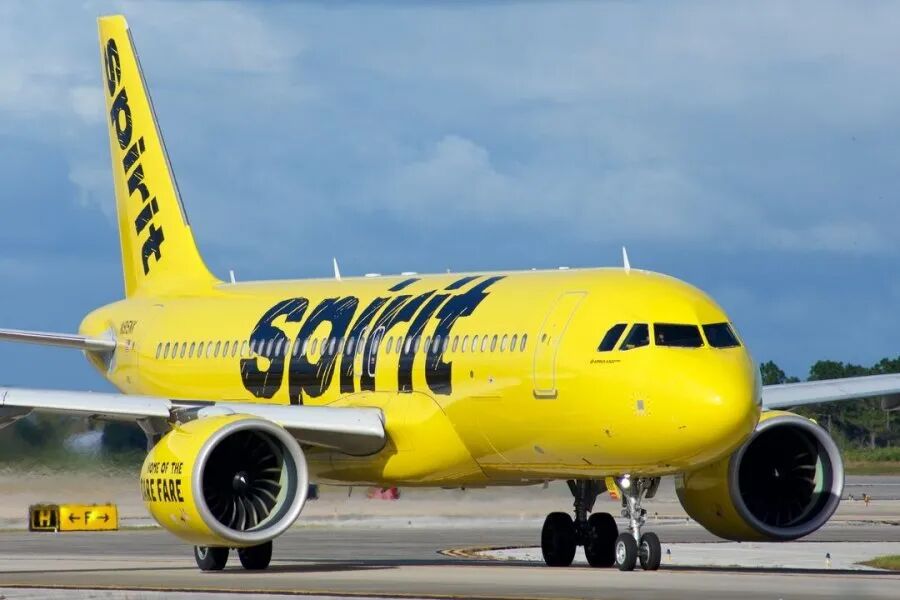
The two companies have different outcomes, but both remind the industry that operating pressure can lead to completely different endings. The upcoming global competition among low-cost airlines will continue to test airlines' cost control and cash reserve capabilities.
For a middle-aged person like me, maybe when I pass by Kuala Lumpur Airport next month, I will still take a few extra glances at that red aircraft.
Back then when I was sitting on it, I always felt that the world was huge and there would be many more cheap air tickets in the future.
But now, no one can tell how far the red aircraft can go with us, and I wonder where the next generation of young people will start their life journeys.
This article is from the WeChat official account "Travel Industry", Author: theodore Xishao, published with authorization from 36Kr.