The legendary lemon drink that both Freshippo and 7-ELEVEN are secretly learning the craft from, its very originator turns out to be none other than this brand?
"A sharp sour kick that instantly snaps you back to full alertness!"
Recently, Hema has seen another beverage fly off the shelves at explosive speed! This sparkling drink named "Wide Awake Sour Lemon 2700" quickly climbed to the top of Hema's new beverage rankings right after its launch, and was repeatedly sold out.
Different from the traditional lemon drinks that follow the flavor route of "balanced sweet and sour", this product adds D-allulose, 2700mg of citric acid and green coffee powder, precisely targeting the modern office workers' demands for "state refreshment" and "low-burden energy boost".
In the past two years, major retail channels and beverage brands represented by 7-Eleven, Carrefour and Lemon Right have also been actively deploying high-acidity, functional lemon beverages.
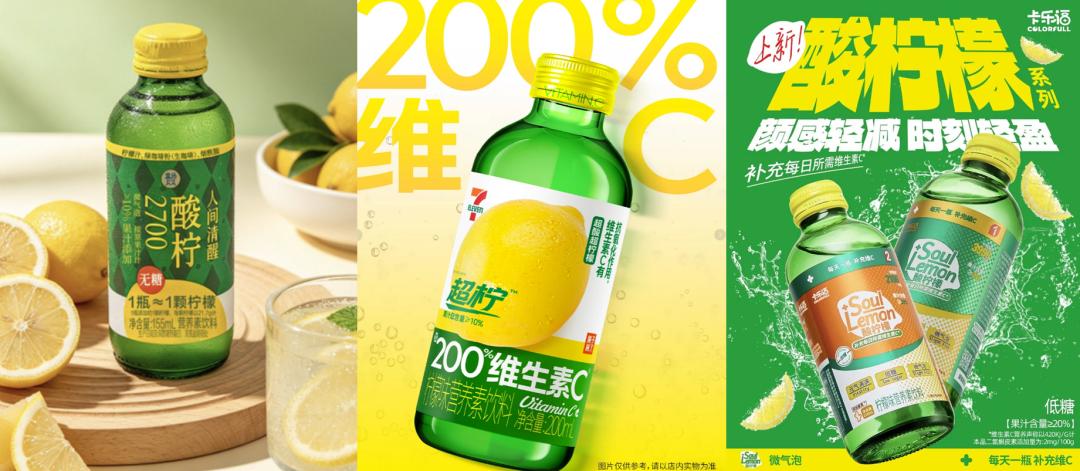
Image source: Hema, 7-11, Carrefour
Behind this trend, the focus of China's beverage industry is shifting from simple "flavor innovation" to the "scenario-based functional carrier" for high-frequency daily use, and the deep commercial value of lemons is being re-explored.
However, the brand that has maximized the commercial value of a single lemon to the fullest is none other than Pokka Sapporo, the pioneering legend in Japan's lemon beverage track, whose core product lines generate a total annual sales of over 28 billion yen. In comparative reviews by a large number of consumers, it is still the "unmatched white moonlight" in the lemon beverage industry to this day.
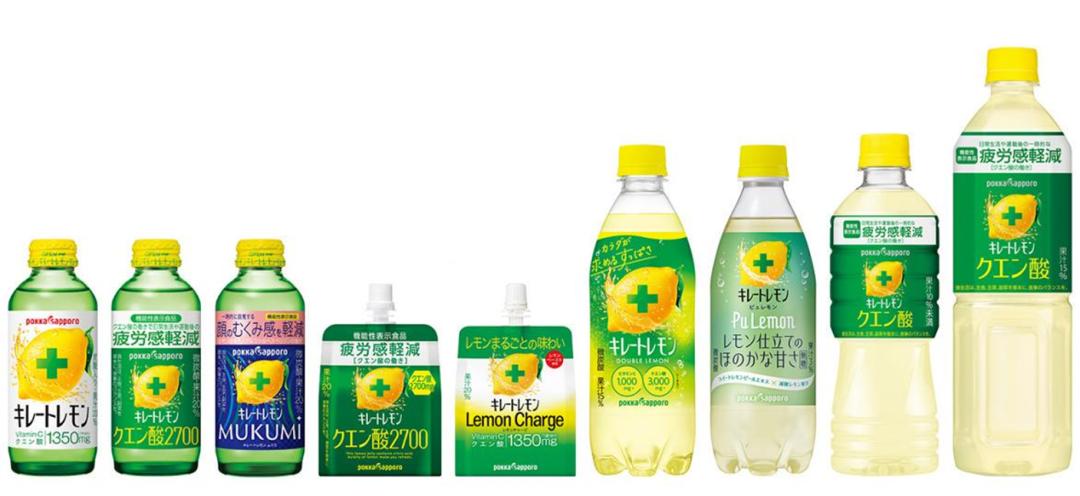
Image source: Pokka Sapporo
Having focused exclusively on lemons for nearly 70 years and claimed the top spot in Japan's health functional beverage sales, how did Pokka Sapporo achieve this?
1 The Rise of a Supporting Ingredient to the Leading Role
In 1950s Japan, the starting salary of a university graduate was less than 10,000 yen, while the price of a single lemon was as high as 200 yen.
Tanida Toshikage, who ran the Nikka Bar in Nagoya and later became the founder of Pokka Sapporo, was troubled by the same problem behind the bar counter every day: using lemons to make hit cocktails was far too costly.
Restricted by the import policies at that time, fresh lemons were extremely expensive premium fruits, and the juice squeezed from one lemon was only enough to make two cocktails.
Worse still, the quality of lemons was highly unstable. Slight deviations in origin, ripeness, or even the squeezing force applied by the bartender would change the flavor completely.
Then Tanida Toshikage came up with a bold idea: could we create a kind of "lemon that can be used freely without limitations"?
At that time, no one was optimistic about this idea. Lemon juice is extremely prone to oxidative browning and aroma loss, which was almost a forbidden zone for commercialization. But Tanida did not give up. He cooperated with a flavor company and spent half a year accurately reproducing a stable lemon flavor with a synthetic formula.
In 1957, the synthetic lemon juice developed by Tanida Toshikage, bottled in wine bottles and positioned as a special seasoning for bars, was officially born.
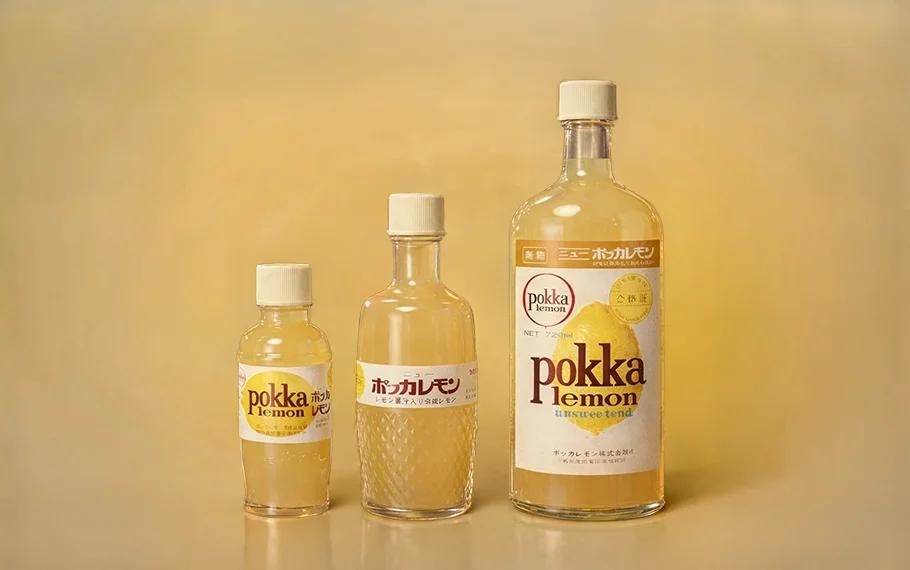
Image source: Pokka Sapporo
Confined to the bar scenario, the market ceiling was far too low. Tanida Toshikage was never reconciled to that, and he wanted to bring lemons into more people's daily lives.
In the 1960s and 1970s, Western-style dishes entered the dining tables of ordinary Japanese families, and salads and fried foods all needed a little sourness to enhance the flavor.
At the same time, Japan gradually liberalized lemon imports, and with the maturity of juice processing technology, a stable supply of fresh lemon juice became possible. Tanida seized this opportunity and upgraded his product from synthetic lemon to "Pokka Lemon 100" made of 100% fruit juice in 1972.
At this point, lemon juice not only got rid of the identity of "synthetic substitute" and returned to the real lemon itself, but was also promoted to a wider range of channels, becoming a "liquid lemon" that is always available in Japanese home kitchens.
As a condiment, lemon always remained a supporting role for other food ingredients.
The turning point came at the end of the 1990s. After the burst of the bubble economy, Japanese society witnessed the awakening of health awareness. Pokka Sapporo began to re-examine the value of lemons — does lemon really only bring sourness for seasoning to people?
Research found that citric acid has an excellent "chelating effect", which can significantly improve the human body's absorption rate of minerals such as calcium. Among all fruits, lemons have the highest citric acid content — about 6 times that of citrus and 300 times that of apples. Pokka Sapporo refined this scientific concept into the brand name "Kireto" (Chelate), breaking the inherent perception that lemon is nothing more than a vitamin C supplement.
It coincided with the Japanese government relaxing the restrictions on quasi-drug products and convenience store sales channels, creating a very favorable retail ecosystem for health functional beverages.
Thus in 2001, Kireto Lemon was launched. With strong "sour taste experience" and whole-fruit nutrition (including peel extract) as its selling points, it not only differentiated itself from the "mild-style" honey lemon drinks on the market, but also logically entered the health beverage shelves in convenience stores, realizing the business extension from "condiment" to "independent functional drink".
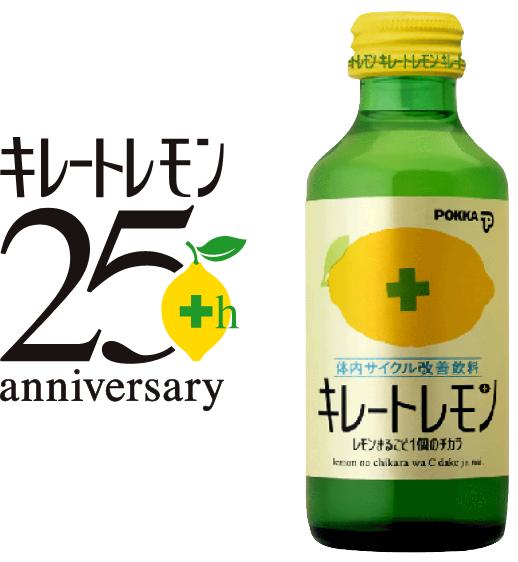
Image source: Pokka Sapporo
After decades of evolution, this lemon finally no longer depends on any cocktail or dish. For the first time, it stood in the center of the shelf as an independent beverage.
2 From "Sour Taste" to "Function": The Redefined Value of Lemon
After the launch of Kireto Lemon, relying on the independent display advantage on the nutritional beverage shelves and the lemon raw material supply chain capability that Pokka Sapporo has accumulated for many years, it quickly gained a large group of loyal consumers.
However, the brand soon noticed that the product had shortcomings in consumer perception.
Kireto Lemon has always been selling the "physical experience of lemon value", making people feel that "drinking lemon is good for the body". But this "goodness" is vague: it relies on the subjective physical feelings of consumers after drinking, which cannot be verified, nor can it be clearly communicated.
Nevertheless, in years of user feedback, a high-frequency feeling kept appearing: long-term consumption of this lemon juice can relieve physical fatigue.
Following this clue, Pokka Sapporo cooperated with external scientific research institutions to carry out special research on citric acid, the core component.
After years of repeated experiments and data accumulation, the brand announced the key clinical trial conclusion in 2007: Daily intake of 2700mg citric acid can effectively relieve daily and post-exercise fatigue.
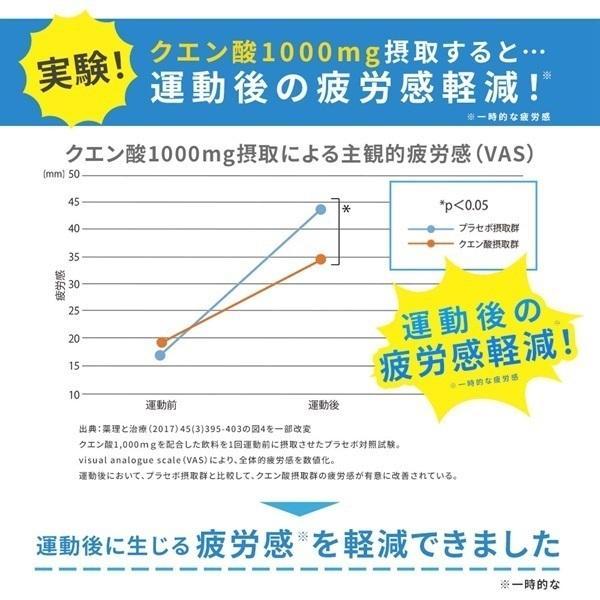
Image source: Pokka Sapporo
When this scientific research result came out, it perfectly matched the changes in the demand for fatigue relief in Japanese workplaces.
In the past, nutritional drinks in Japan were mainly targeted at long-distance drivers and night shift workers, with the demand of "physical recovery when tired". In the 2010s, the fatigue problem began to spread to a wider group of working people, especially office white-collar workers under high pressure and high mental consumption.
Most of the anti-fatigue drinks on the market at that time relied on stimulating ingredients such as caffeine and taurine, focusing on short-term refreshment, and could not meet consumers' long-term, low-burden daily drinking needs.
Although the lemon beverage category in the same period was constantly enriched, most of them still stayed at the narrative level of refreshing taste and vitamin C supplementation.
In 2015, Japan's Foods with Function Claims system was implemented, providing a compliant and standardized way to express the efficacy of food ingredients that have been scientifically verified.
Pokka Sapporo took the opportunity to launch "Kireto Citric Acid 2700", directly writing the core functional ingredient into the product name, positioning it as "natural, low-burden, scientific anti-fatigue" to accurately match the needs of modern people for daily physical state management.
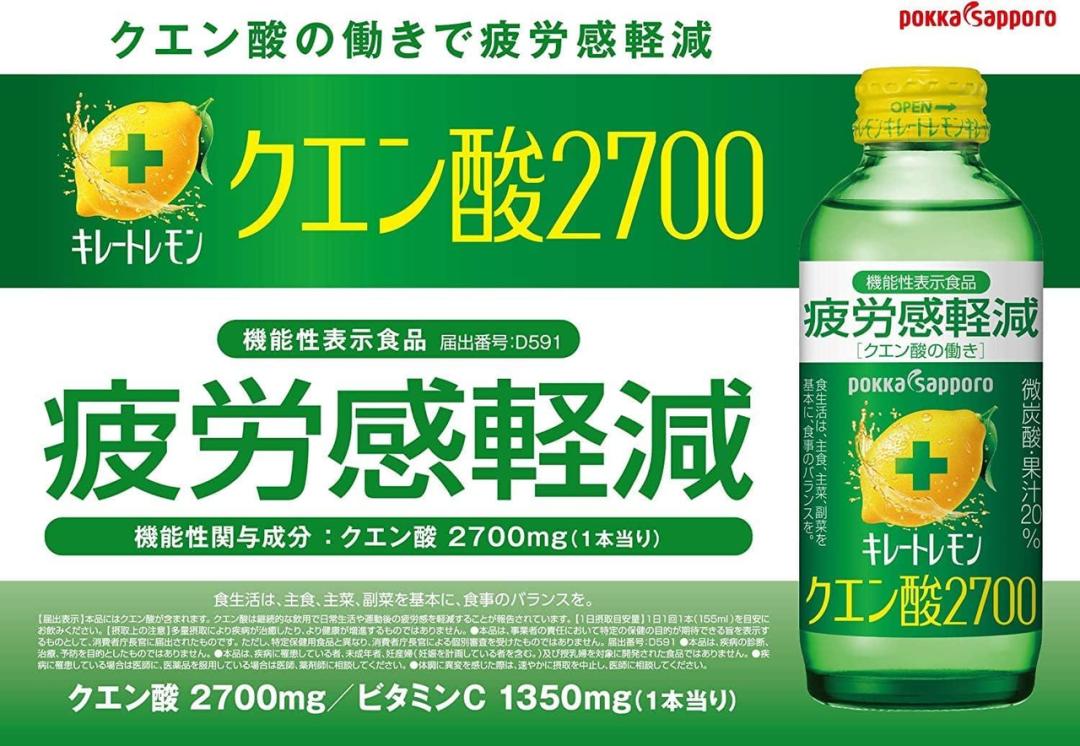
Image source: Pokka Sapporo
After consolidating the core main line of "anti-fatigue", the brand continued to tap new growth points relying on scientific research.
In 2022, "Kireto Lemon MUKUMI" targeted at women's mild care needs was launched. The birth of this product originated from a Japanese survey on beauty troubles.
The survey showed that one in every three women aged 20 to 30 was troubled by edema, but there were hardly any drinks on the market specifically for edema at that time.
With the reduction of mask use in the post-pandemic period, the public's anxiety about facial conditions has increased. Pokka Sapporo predicted that as the number of mask-wearing scenarios decreases, facial edema will become a pain point that more people pay attention to.
At the same time, Pokka Sapporo made new breakthroughs in lemon function research: The polypol component hesperidin glucoside contained in lemon peel can improve the temporary subjective feeling of facial edema. This discovery expanded the value of lemon from citric acid in the juice to the lemon peel that was mostly discarded in previous processing.
Since its birth in 2001, Kireto Lemon has attached great importance to the value of peel extracts. This research result has given the peel value a clear functional landing scenario.
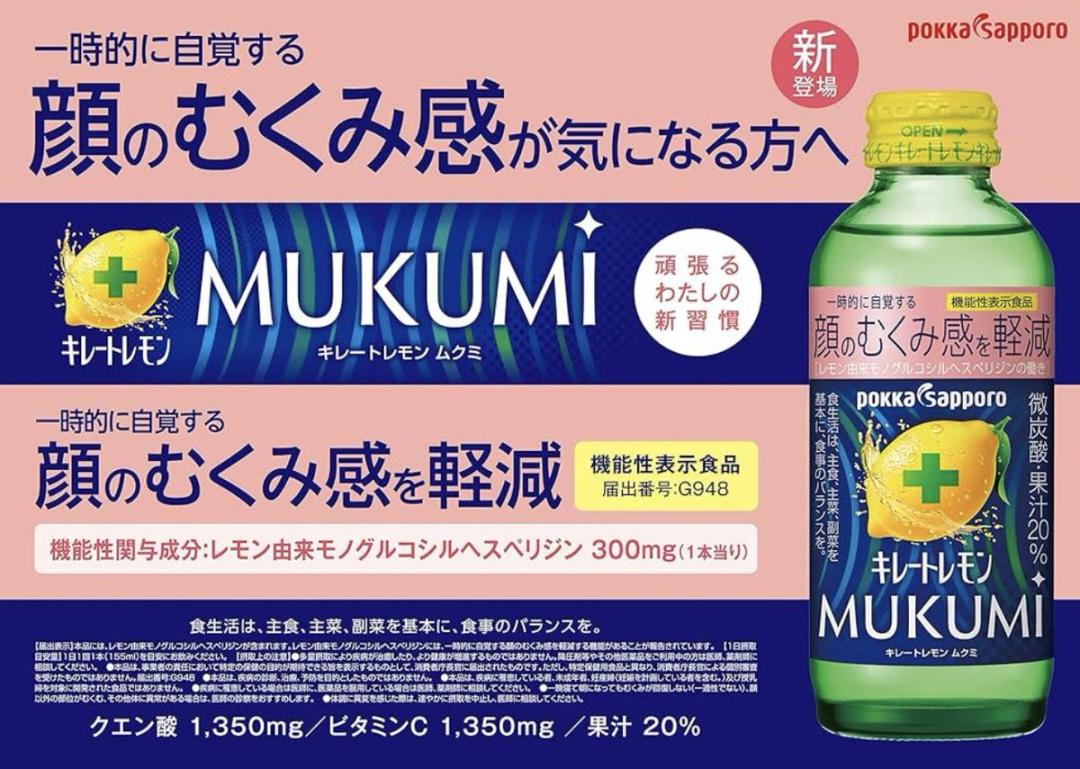
Image source: Pokka Sapporo
After that, Kireto Lemon continued to iterate its functional anchors, constantly expanding its audience and application scenarios, and continuously developing in subdivided directions such as blood pressure management and weight management, to maximize the scientific value behind a single lemon.
This continuous iteration has received a clear response in the market: in the 2025 fiscal year, the sales of the Kireto Lemon series reached 109% year-on-year, hitting an all-time high, and refreshing the shipment volume record for 7 consecutive years; among them, the retail sales of the "Kireto Citric Acid 2700" series soared to 270.9% of the previous year, converting the scientific value of a lemon into quantifiable market growth.
3 Master Lemon Fully and Build It Into a Century-Old Business
For Pokka Sapporo, launching several successful products is not the end of the lemon story.
When the flavor and functions are gradually mature, the brand began to shift its vision from "selling a bottle of lemon drink" to "operating a lemon", and anchored the long-term strategy of "100-Year Lemon Business".
From consumer awareness education to the upstream and downstream industrial chains, Pokka Sapporo has started a deeper exploration: how deep can the value of a single lemon be excavated?
The answer is to take the lemon apart again.
In order to fully tap the potential value of lemons, Pokka Sapporo set up a special lemon technology development department, deeply studying the origin of lemons, from variety characteristics, fruit components, fresh-keeping and stabilization technology to the recycling of pomace and peel, disassembling them one by one and conducting repeated experiments, just to figure out all the possibilities of a lemon.
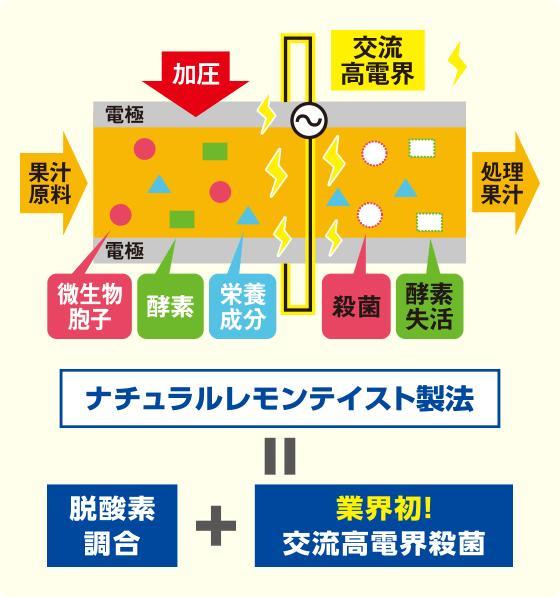
Image source: Pokka Sapporo
In the upstream raw material side, in the past, Japan's lemons were highly dependent on imports, with uneven quality and unstable supply. Pokka Sapporo decided to change the passive mode of external procurement, deploy production areas, build a special lemon planting base, and establish a standardized system for planting, picking and sorting, locking in quality from the source and laying a solid raw material foundation.
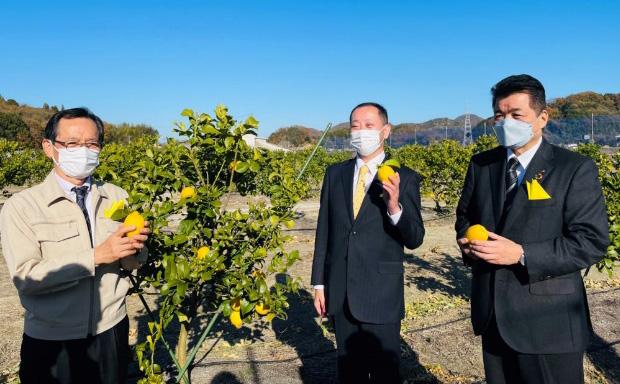
Image source: Pokka Sapporo
At the midstream processing end,